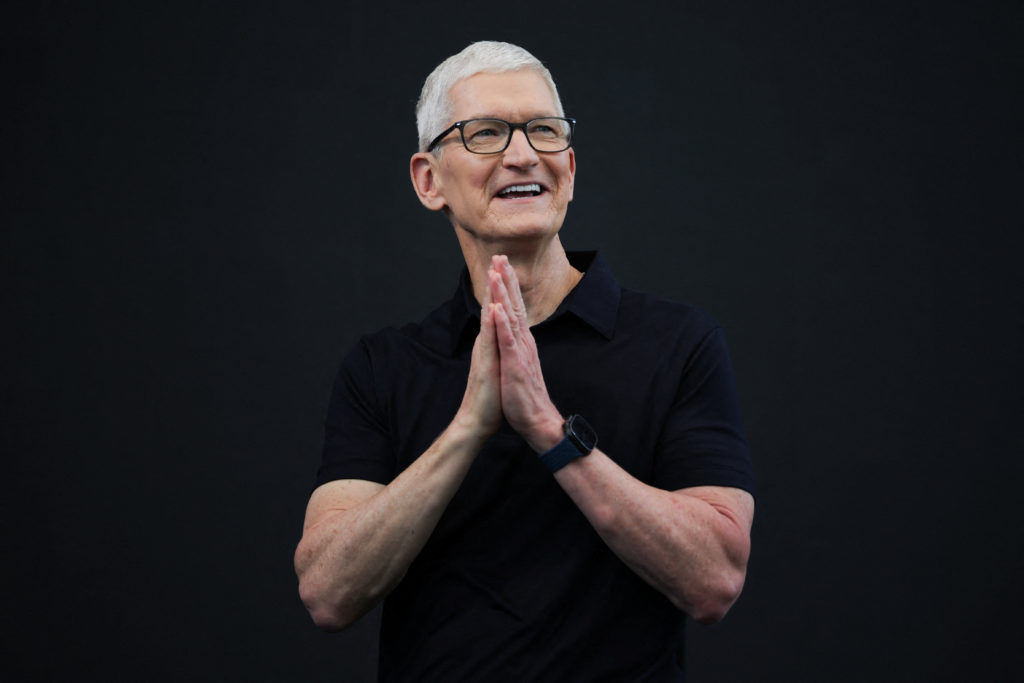
While the iconic iPhone maker has been playing catch-up with rivals when it comes to AI, it sought to distinguish itself from its peers by stressing a privacy-centered approach and integrating AI across its devices and apps.
While the iconic iPhone maker has been playing catch-up with rivals when it comes to AI, it sought to distinguish itself from its peers by stressing a privacy-centered approach and integrating AI across its devices and apps.
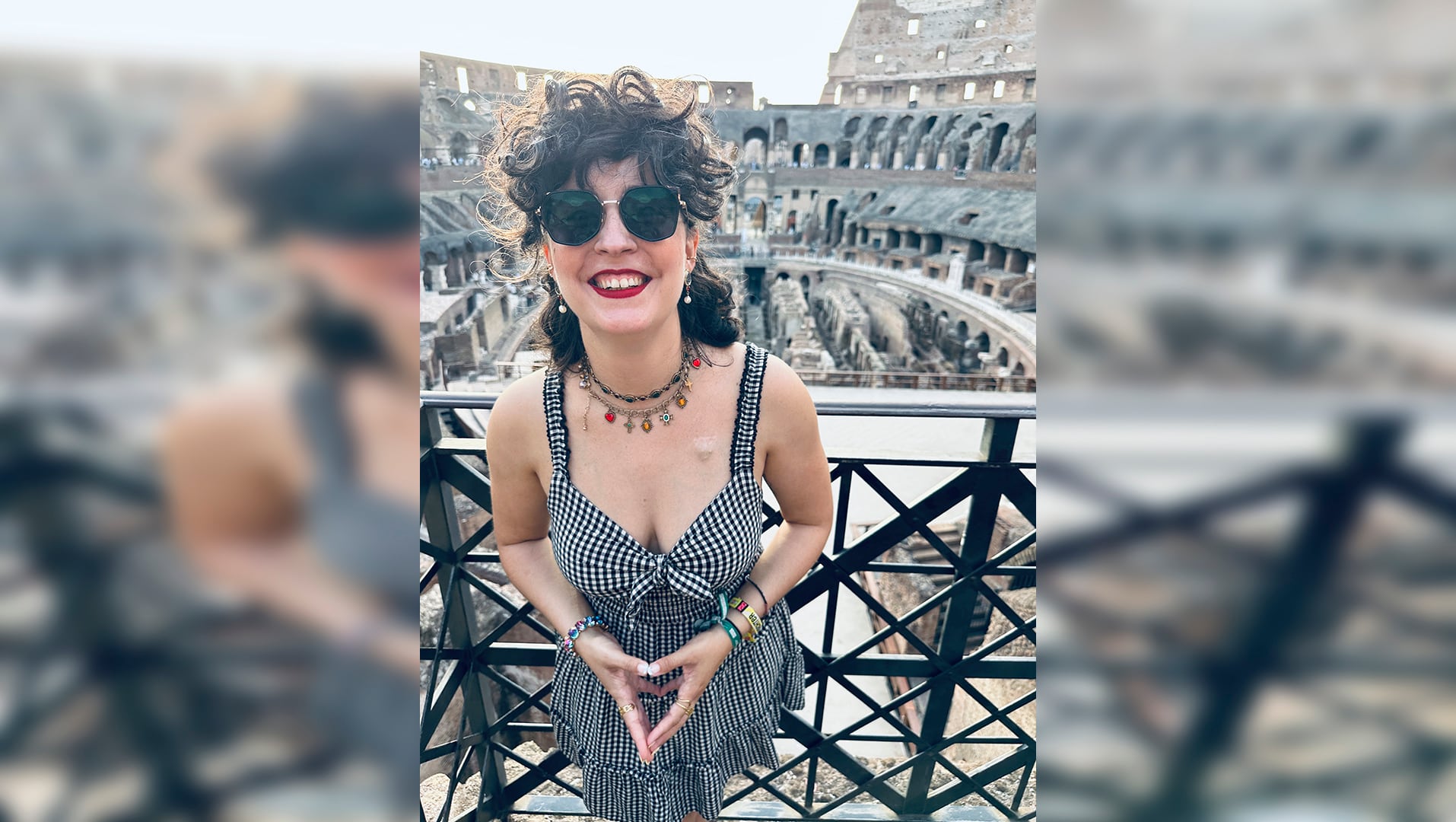
In 2021, Miriam González, a 35-year-old from Murcia, Spain, went to the doctor because she was bleeding from her breast. She was told to relax: everything was normal. But in 2024, she was diagnosed with breast cancer. And, shortly afterward, she discovered it was metastatic, at stage four. Seguir leyendo
In 2021, Miriam González, a 35-year-old from Murcia, Spain, went to the doctor because she was bleeding from her breast. She was told to relax: everything was normal. But in 2024, she was diagnosed with breast cancer. And, shortly afterward, she discovered it was metastatic, at stage four.
No more gods, no more fairies, no more magic. The dawn of the Enlightenment implied the displacement of religious ideas, superstitions and all supernatural belief. Reason-led scientific knowledge would guide civilization towards progress. Max Weber called this process the “disenchantment of the world,” as its steam engine flattened prophets and goblins alike.Seguir leyendo
No more gods, no more fairies, no more magic. The dawn of the Enlightenment implied the displacement of religious ideas, superstitions and all supernatural belief. Reason-led scientific knowledge would guide civilization towards progress. Max Weber called this process the “disenchantment of the world,” as its steam engine flattened prophets and goblins alike.
A friend is upset because you didn’t “like” a photo from her last trip, but the truth is you haven’t even had a chance to see it. Instead of displaying it on your feed, Instagram prioritized showing you ads for food. Seguir leyendo
A friend is upset because you didn’t “like” a photo from her last trip, but the truth is you haven’t even had a chance to see it. Instead of displaying it on your feed, Instagram prioritized showing you ads for food.
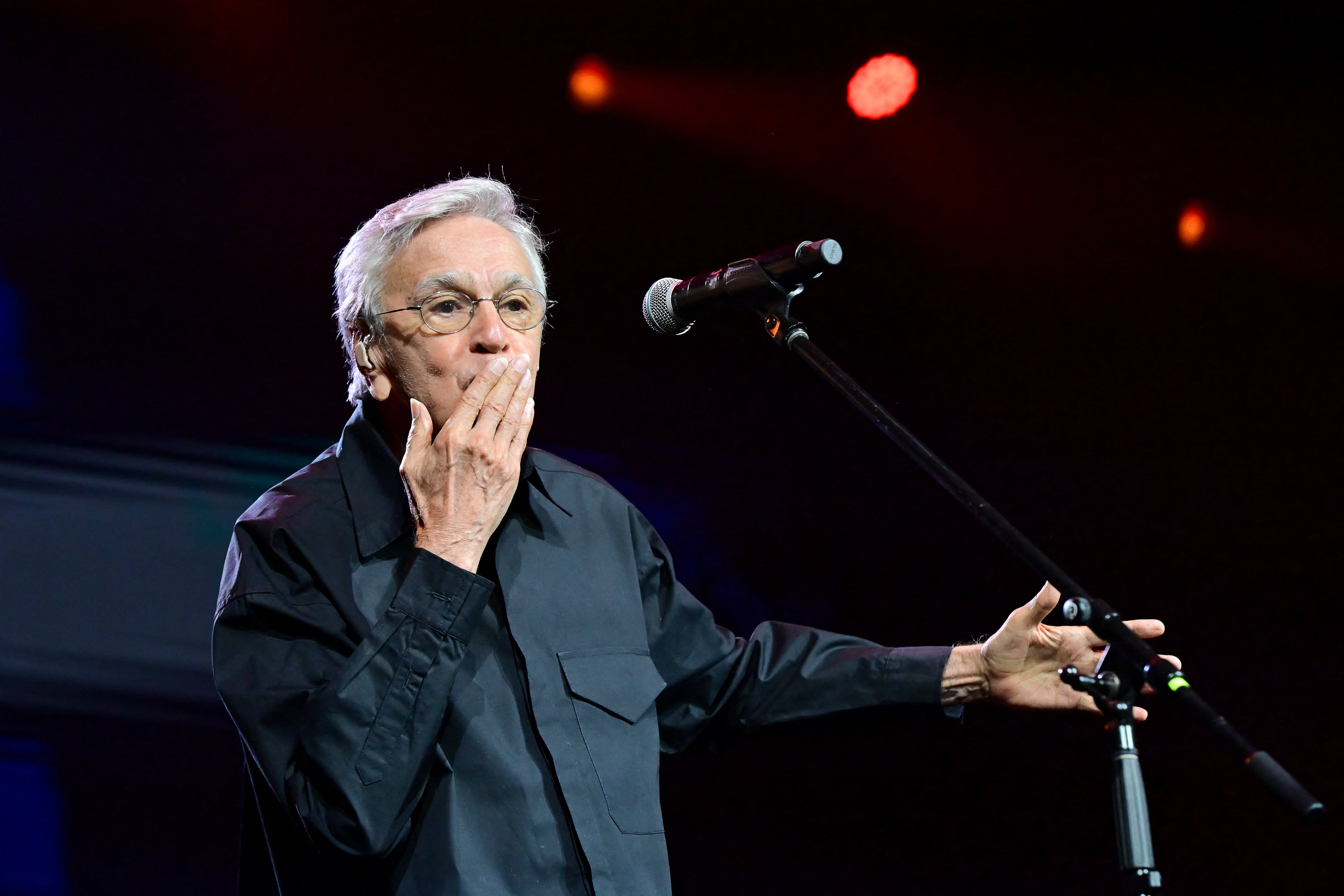
Caetano Veloso, in a video call from Lisbon, Portugal, speaks slowly with that blend of intellectual clarity and Bahian melancholy that for six decades has turned each of his interviews into something more like a philosophical conversation than a mere promotion of new albums or concerts. At age 83, the celebrated musician from Brazil is embarking on a tour titled Caetano nos festivais, which will stop in Madrid on June 4 and which he himself describes, without drama but with honesty, as perhaps
Caetano Veloso, in a video call from Lisbon, Portugal, speaks slowly with that blend of intellectual clarity and Bahian melancholy that for six decades has turned each of his interviews into something more like a philosophical conversation than a mere promotion of new albums or concerts. At age 83, the celebrated musician from Brazil is embarking on a tour titled Caetano nos festivais, which will stop in Madrid on June 4 and which he himself describes, without drama but with honesty, as perhaps his last visit to Spain. That is despite the close relationship he has always maintained with Spanish culture. There is no monumental nostalgia in his words; rather a physical weariness, a wise resignation, political concern and a bitter — though not yet defeated — view of the present. He speaks, without losing passion, about the military dictatorship his country suffered, about Silicon Valley, The Beatles, contemporary confusion and a Brazil that, in spite of everything, he still believes can “say something to the world.”
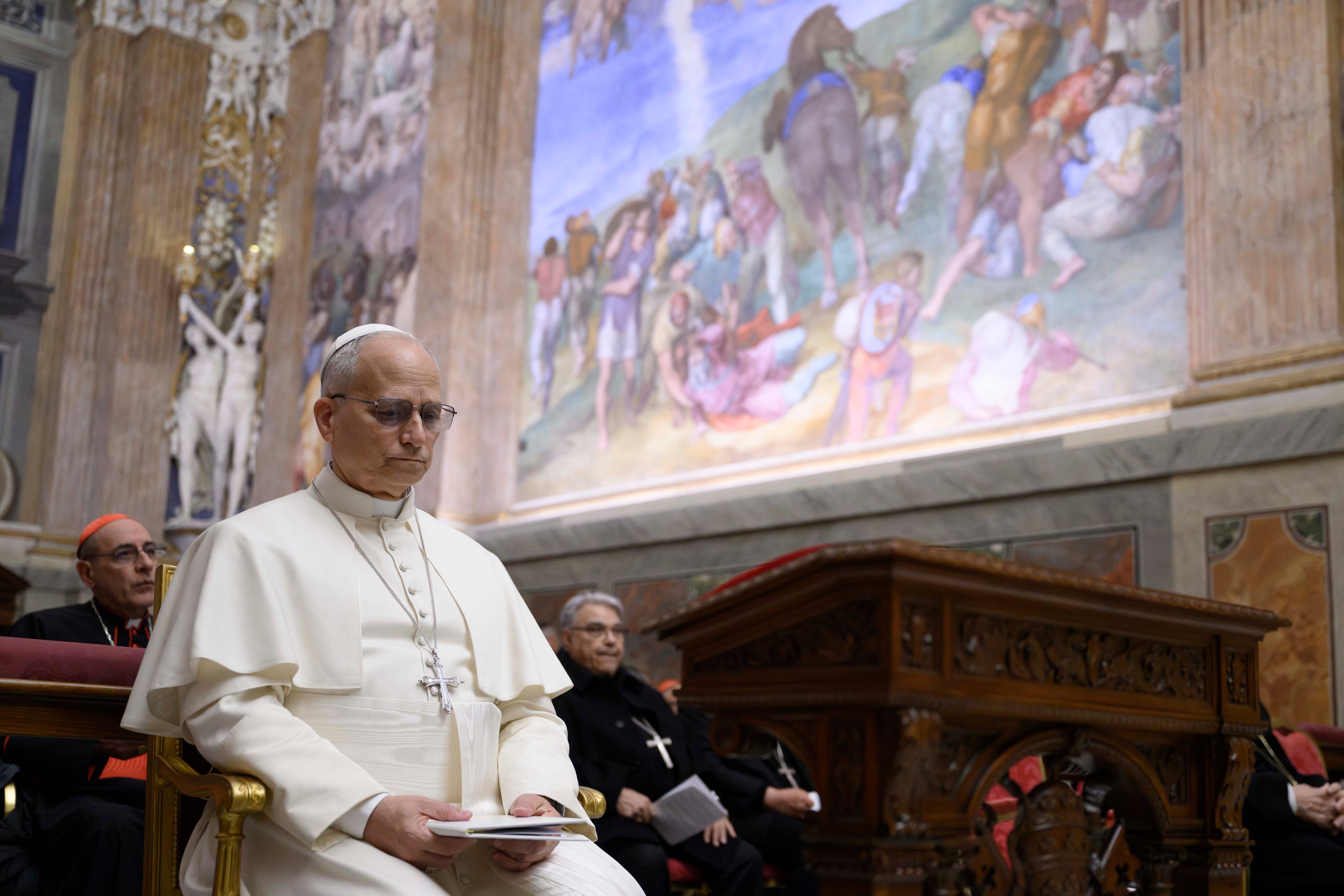
Last year Time magazine included Pope Leo XIV among the 100 most important figures in the world in artificial intelligence (AI). It is no coincidence. Only eight days passed from his papal appointment to his first public remarks on the technology: “Truth is never separated from charity... Thus, truth does not distance us, but rather allows us to face with greater vigor the challenges of our time, such as migration, the ethical use of artificial intelligence and the protection of our beloved Eart
Last year Time magazine included Pope Leo XIV among the 100 most important figures in the world in artificial intelligence (AI). It is no coincidence. Only eight days passed from his papal appointment to his first public remarks on the technology: “Truth is never separated from charity... Thus, truth does not distance us, but rather allows us to face with greater vigor the challenges of our time, such as migration, the ethical use of artificial intelligence and the protection of our beloved Earth,” he said in his second official address. His first encyclical, Magnifica Humanitas (magnificent humanity), is devoted precisely to this technology.
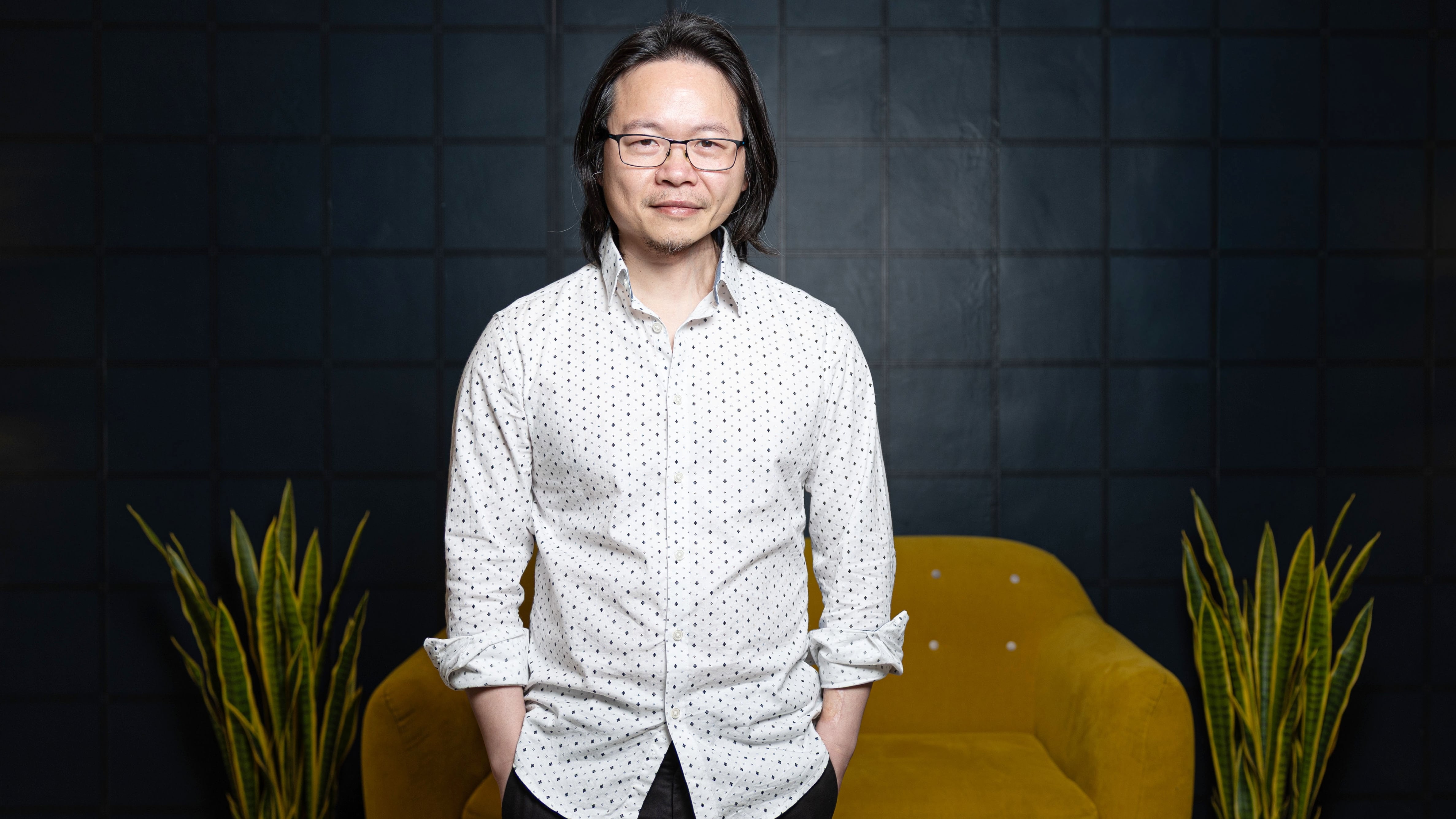
Hong Kong-born philosopher Yuk Hui was on track to become a computer engineer, but artificial intelligence led him to question consciousness, ethics, and our relationship with technology, ultimately prompting him to study philosophy in London. Seguir leyendo
Hong Kong-born philosopher Yuk Hui was on track to become a computer engineer, but artificial intelligence led him to question consciousness, ethics, and our relationship with technology, ultimately prompting him to study philosophy in London.

 Login
Login