The realm of animation is no stranger to dark, morbid, and disturbing material. It can be the violent and haunting visuals of Watership Down or the surreal chaos of Belladonna of Sadness, but the medium has long been a way for artists and storytellers to deal with heavy themes through a very creative, colorful, and impactful lens. However, when it comes to sheer misery and bleakness on the animated big screen, it really doesn't get more harrowing than Grave of the Fireflies, Studio Ghibli's 1988
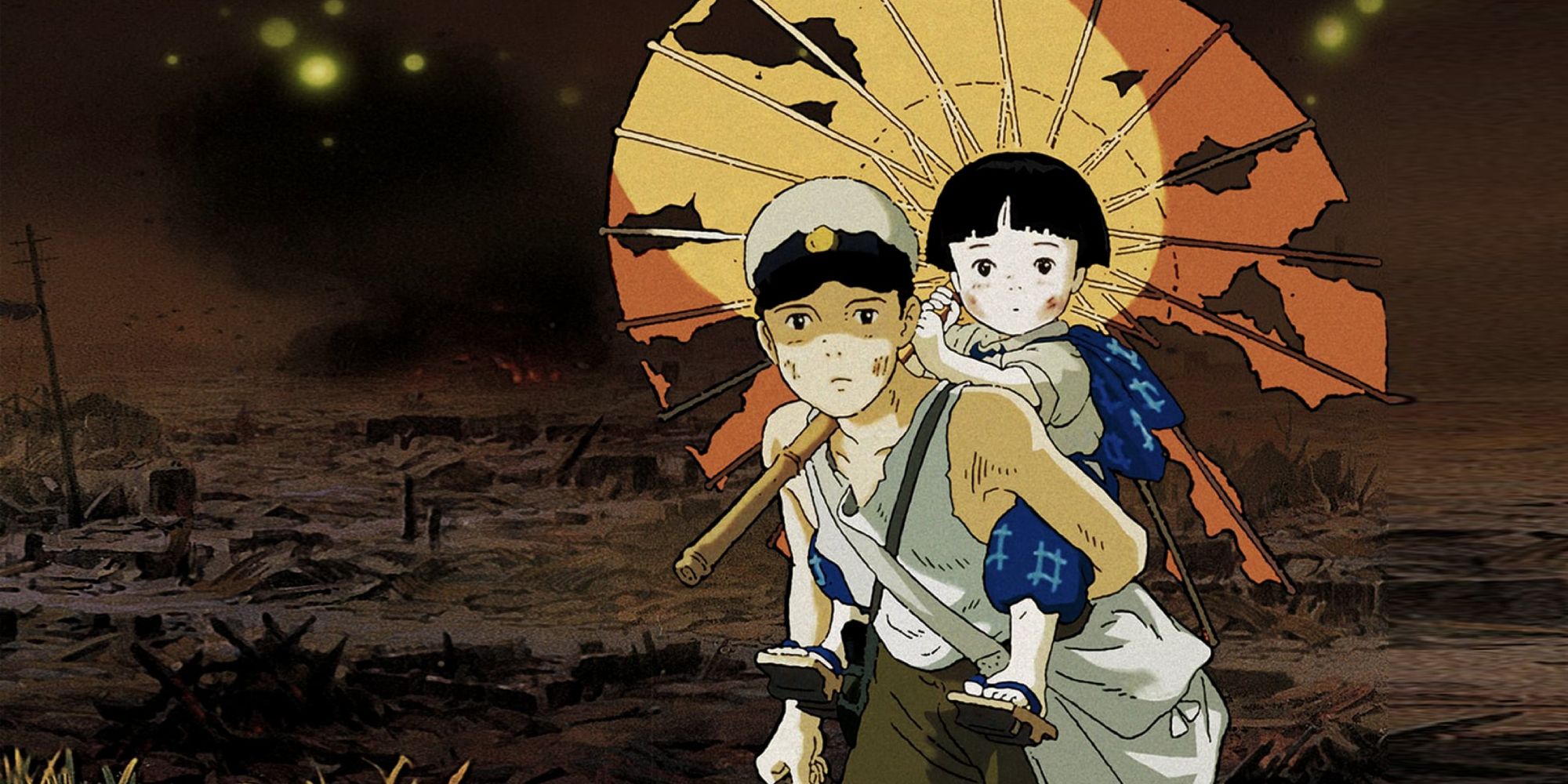
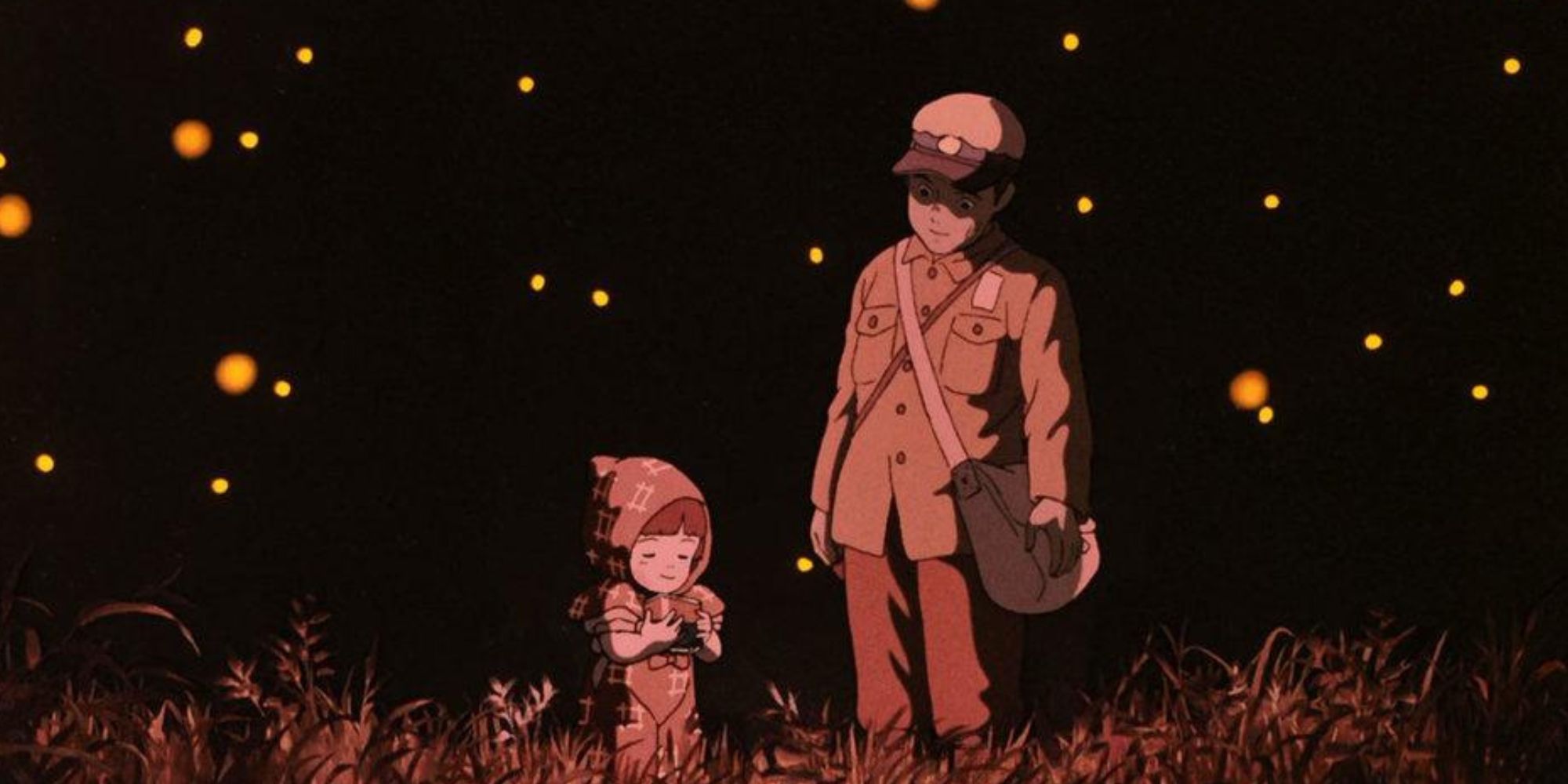
The realm of animation is no stranger to dark, morbid, and disturbing material. It can be the violent and haunting visuals of Watership Down or the surreal chaos of Belladonna of Sadness, but the medium has long been a way for artists and storytellers to deal with heavy themes through a very creative, colorful, and impactful lens. However, when it comes to sheer misery and bleakness on the animated big screen, it really doesn't get more harrowing than Grave of the Fireflies, Studio Ghibli's 1988 anti-war masterpiece. Based on Akiyuki Nosaka's 1967 semi-autobiographical short story, the film follows siblings Seita and Setsuko as they attempt to survive in the aftermath of the Kobe bombing of 1945.
Most movies end happily, or at least satisfyingly; that's what audiences typically crave, after all. Crowd-pleasers are a fan-favorite for a reason; who wants to see a bleak ending on the big screen, when we seemingly have enough of those in real life? The saying is "and they lived happily ever after" for a reason.
Most movies end happily, or at least satisfyingly; that's what audiences typically crave, after all. Crowd-pleasers are a fan-favorite for a reason; who wants to see a bleak ending on the big screen, when we seemingly have enough of those in real life? The saying is "and they lived happily ever after" for a reason.
Firefly-viewing season provides the inspiration for breathtaking Japanese confectionaries.
Japan loves to celebrate the changing of the seasons, and Japan loves sweets, so Japan really loves seasonal sweets. Sometimes, finding those crossover opportunities is easy, like releasing sakura-flavored confectionaries as the cherry blossoms come into bloom, or using premium matcha just as the first batch of green tea for the year is being harvested.
Things get a little trickier, though, if you’re loo
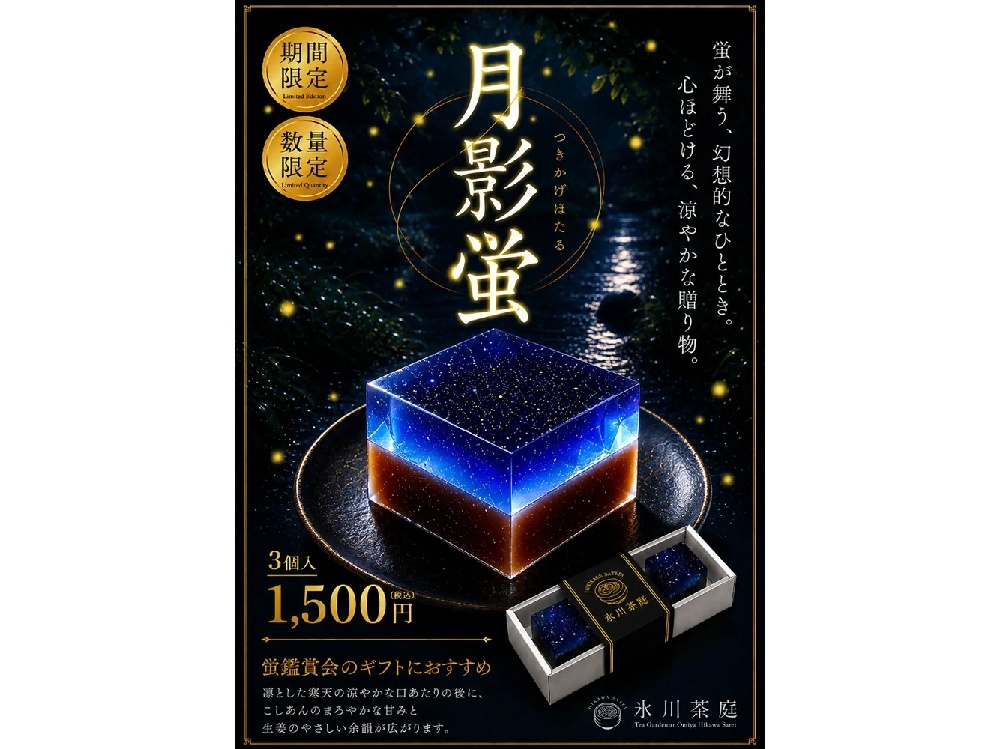
Things get a little trickier, though, if you’re looking for a way to mark the arrival of firefly-viewing season with special sweets, but Hikawa Satei has found a way.
In early June, Hikawa Shrine in Saitama City’s Omiya Ward stays open after sundown so that visitors can see the fireflies, called hotaru in Japanese, that gather on the shrine’s grounds. This year those dates were June 6 and 7, and since Hikawa Satei, the shrine’s cafe and refreshment stand (pictured above), stayed open late on those nights too, they wanted to offer something special, which led to the creation of the TsukikageHotaru, or “Moonshadow Firefly.”
This beautiful dessert has a base of smooth koshi an mizu yokan (sweet red bean gelatin). Placed atop it is a slab of kanten (agar) with a dark blue color representing he night sky, with little bursts of color evocative of fireflies dancing through the darkness. These are actually bits of ginger, not so strong as to create an overtly sharp or spicy flavor, but to add a softly echoing elegant accent point within the sweetness of the mizu yokan and kanten.
The Tsukikage Hotaru is offered in a box of three pieces priced at 1,500 yen (US$9.50), and supplies are limited. Thankfully, though, even if you can’t make it to Hikawa Satei before they run out…
…they have plenty of other breathtaking, mouthwatering sweets too, as you can see in the above post from their official Instagram account, to make the trip worth it.
Cafe information
Hikawa Satei / 氷川茶庭
Address: Saitama-ken, Saitama-shi, Omiya-ku, Takahanacho 4-1, located inside Musashi Ichinomiya Hikaya Shrine
埼玉県さいたま市大宮区高鼻町 4 丁目 1 番地 武蔵一宮氷川神社境内
Open 10 a.m.-5 p.m. Website

 Login
Login