
Normal view

  • ✇SoraNews24 Japan
  • New Tokyo sweets shop offers 648 different mochi ice cream dumpling combinations Casey Baseel
    Customizable Yukimi Daifuku shop makes an amazing variety of sweet treats so that you can find the perfect one for you. There are certain problems in life that it’s nice to have. For example, Japan has so many amazing desserts that just picking one can be a tough decision, and that’s not going to get any easier with the opening of My Yukimi Daifuku, a new sweets shop coming to Tokyo’s Nakameguro neighborhood this summer. As the name implies, My Yukimi Daifuku is a place for Yukimi Daifuku, con
     

New Tokyo sweets shop offers 648 different mochi ice cream dumpling combinations

8 June 2026 at 16:00

Customizable Yukimi Daifuku shop makes an amazing variety of sweet treats so that you can find the perfect one for you.

There are certain problems in life that it’s nice to have. For example, Japan has so many amazing desserts that just picking one can be a tough decision, and that’s not going to get any easier with the opening of My Yukimi Daifuku, a new sweets shop coming to Tokyo’s Nakameguro neighborhood this summer.

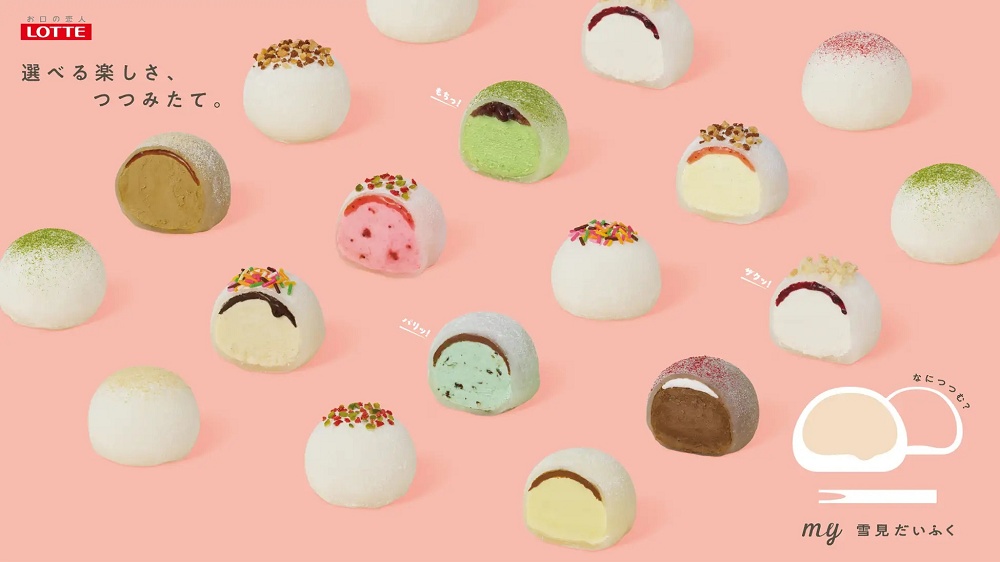
As the name implies, My Yukimi Daifuku is a place for Yukimi Daifuku, confectioner Lotte’s brand of mochi ice cream dumplings, and it’s going to very much be contributing to our delicious dilemma of having so many dessert options, as it’ll be offering 648 different kinds of Yukimi Daifuku.

▼ Pictured: Less than 3 percent of the My Yukimi Daifuku dessert lineup

My Yukimi Daifuku arrives at this amazing amount of variety by letting you customize the dumplings to your liking. You start by choosing from one of eight ice cream flavors, matcha, hojicha (roasted green tea), vanilla, chocolate, strawberry, banana, cream cheese, or mint chocolate chip. Next you choose one of eight “toppings” for your scoop of ice cream, but it’s really more like a filling, since the cream and its topping are going to be wrapped in mochi. The options here include chocolate ganache, tsubu an (sweet red bean paste), kuromitsu (brown sugar molasses), strawberry sauce, and mascarpone cheese. Finally, you select one of eight “finishers” to be spread over the top of the wrapped mochi dumpling, such as matcha or cocoa powder, kinako (roasted soybean powder), or cookie crumbles.

▼ The menu, with photographs showing the various stages of production for the Yukimi Daifuku

And even those aren’t quite all the flavors to choose from, as My Yukimi Daifuku will have special treats for early summer (June and July), midsummer (August), and the “lingering heat” of September. For early summer, the featured flavor will be a combination of frozen yogurt, blueberry sauce, and cookie crumbles, for a refreshing, cooling sensation.

The mochi ice cream dumplings are handmade to order to deliver the freshest flavor possible, and also likely because it’d be impossible to keep so many different combinations pre-made in stock. Perhaps in recognition of how hard it’d be to narrow down 600-plus choices, My Yukimi Daifuku sells its mochi ice cream dumplings in sets of two, with prices ranging from 900 to 980 yen (US$5.70-US$6.20) depending on the exact ingredients you choose. Even then, though, you’re going to have some decisions to make, especially since the shop will only be open from June 17 to September 23, meaning that even if you were to go every day, you’d still never run out of new treats to try.

Shop information
My Yukimi Daifuku / my雪見だいふく
Address: Tokyo-to, Meguro-ku, Kamimeguro 1-13-11
Open 1 p.m.- 8 p.m. (weekdays), 11 a.m.-8 p.m. (weekends, holidays)
Open June 17-September 23

Source, images: PR Times
● Want to hear about SoraNews24’s latest articles as soon as they’re published? Follow us on Facebook and Twitter!
Japan’s cheap beef bowl chain Matsuya opens gourmet Premium Matsuya with Kobe beef…inside Matsuya

8 June 2026 at 02:00

A tale of four Matsuyas, and a whole lot of gourmet wagyu beef.

As one of the country’s big-three gyudon/beef bowl chains, Matsuya is among the top choices for those looking for a cheap but hearty meal in Japan. But maybe it doesn’t always need to be quite so cheap, and so Matsuya has made the decision to open a new, more expensive, and more gourmet, branch inside Matsuya.

Actually, we should back up a bit, because there are no fewer than four different Matsuyas we’re going to be talking about here. First is just plain old Matsuya, the beef bowl chain. Then there’s Matsuya Foods, the Matsuya restaurant chain’s parent company. Next there’s the Matsuya department store chain, whose branch in Ginza is going to be the site of the new Premium Matsuya gyudon shop.

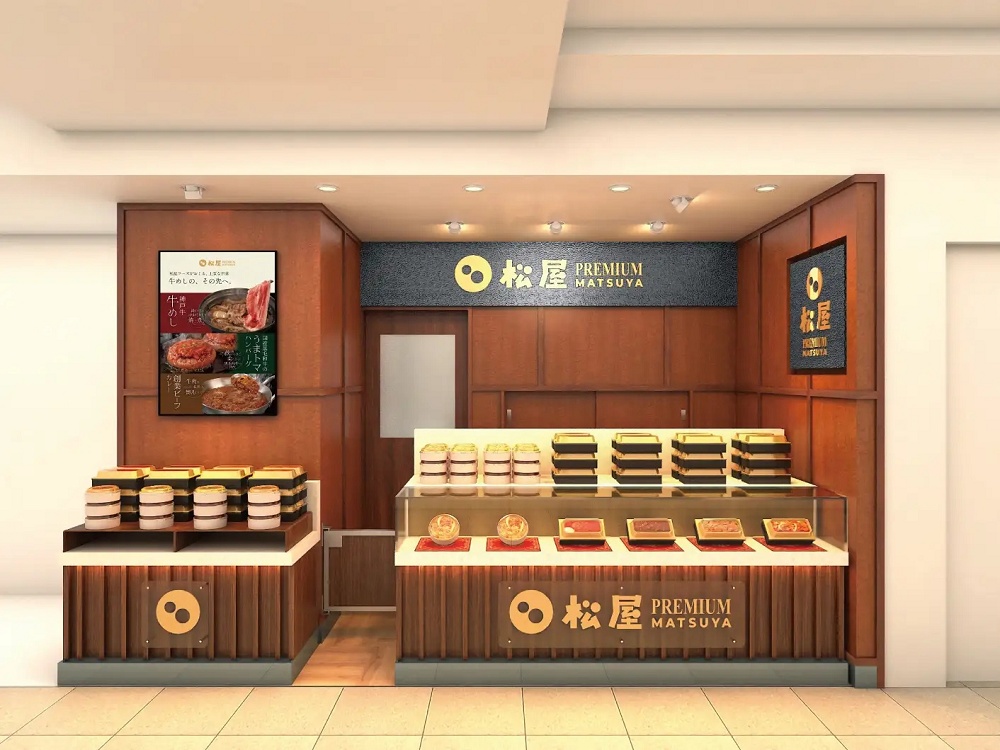
The Matsuya department store chain is a totally separate company from Matsuya Foods. Founded 101 years ago, the Matsuya department store has an upscale image, offering not only fancy fashions but also high-end food items at its flagship store in Tokyo’s posh Ginza neighborhood. There’s some comic irony in a luxury department store and budget-friendly restaurant coincidentally sharing the same name, and the two companies decided to explore the idea of some sort of promotional collaboration, with the result being Premium Matsuya, which will be opening in Matsuya Ginza’s food section later this month serving special, upscale items you won’t see on a regular Matsuya restaurant menu.

For example, Matsuya’s signature dish is their standard beef bowl, which is priced at 460 yen (US$3). Premium Matsuya’s beef bowl, pictured below, will cost more than three times as much, 1,390 yen, but that’s because it’s made with Kobe beef!

Other delicacies offered by Premium Matsuya will include a hamburger steak bento boxed lunch with domestically raised kuroge wagyu (Japanese Black) beef (1,681 yen)…

…a tonteki (pork steak) bento (1,681 yen)…

…and beef curry rice sets, also with the options of sliced Kobe beef or a kuroge wagyu hamburger steak (1,050-1,681 yen).

While some Japanese department store food shops have seats for eat-in dining, preview images for Premium Matsuya suggest it’ll be a take-out only operation, though the staff will also have dapper uniforms unique to the upscale offshoot to help create an elegant atmosphere.

It should be noted that the menu and prices at regular Matsuya restaurants will remain unchanged, so this isn’t an example of Matsuya trying to reestablish its preexisting branches as higher-priced eateries, unlike the course recently taken by curry chain Coco Ichibanya. As for whether Matsuya Ginza’s clientele will be interested in gourmet Matsuya meals, Premium Matsuya’s opening as a permanent part of the food department comes after a similar limited-time pop-up at Matsuya Ginza last year was met with an overwhelmingly positive reaction from shoppers, so hopes are high for when Premium Matsuya opens on June 10.

Related: Matsuya Ginza
Source: Otakuma Keizai Shimbun via Livedoor News via Hachima Kiko, PR Times

Images: PR Times
● Want to hear about SoraNews24’s latest articles as soon as they’re published? Follow us on Facebook and Twitter!
  • ✇SoraNews24 Japan
  • A Japanese toast sandwich remix: The toasted rice rice ball[SoraKitchen] Casey Baseel
    Mr. Sato steps into the SoraKitchen with a bold idea. Food, as a broad topic, is pretty much always on our mind here at SoraNews24, but recently our ace reporter Mr. Sato found himself thinking about toast sandwiches in particular. Like many people who grew up outside the U.K., Mr. Sato initially found the concept of a sandwich where the inside and outside are made of the same thing to be kind of bizarre. And yet, the toast sandwich has been part of British cuisine for more than 150 years, so
     

A Japanese toast sandwich remix: The toasted rice rice ball[SoraKitchen]

6 June 2026 at 01:00

Mr. Sato steps into the SoraKitchen with a bold idea.

Food, as a broad topic, is pretty much always on our mind here at SoraNews24, but recently our ace reporter Mr. Sato found himself thinking about toast sandwiches in particular. Like many people who grew up outside the U.K., Mr. Sato initially found the concept of a sandwich where the inside and outside are made of the same thing to be kind of bizarre. And yet, the toast sandwich has been part of British cuisine for more than 150 years, so it must have a lot of fans, right?

As a matter of fact, we’ve got at least one of those fans among our born-in-Japan staff, as Mr. Sato’s colleague K. Masami made and taste-tested a toast sandwich a while back, and found it very tasty.

▼ Masami doesn’t spend all of her time drinking Frappuccinos.

And it’s not like Japan has anything against carbs, what with rice being the national dietary staple. So this got Mr. Sato thinking…could he create the Japanese food equivalent to the U.K.’s toast sandwich?

The first thing that came to mind for a rice-rice combo was okayu rice, made by pouring okayu (rice porridge) over steamed rice.

However, okayu rice had two strikes against it. First, okayu itself is generally something you’re supposed to eat when you’re sick, whereas toast sandwiches are more of a straight comfort food. Second, the idea of okayu rice was already floated in Kyukyoku Chojin R, a somewhat obscure gag manga from the ‘80s. That means okayu rice already had it’s chance to become a thing, and so Mr. Sato, bold pioneer that he is, wanted to try something else.

And what he decided to try is a rice onigiri, or rice rice ball.

The more he thought about it, the more convinced he became that this could be Japan’s toast sandwich, because in addition to regular rice balls, Japan also loves toasted rice balls, which are called yakionigiri. Feeling fired up about his idea, Mr. Sato fired up his rice cooker and made a pot of white rice.

He then set aside a portion of it to use for the outer sections of his rice rice ball. That left the rest to become the toasted filling, to which Mr. Sato added soy sauce and then formed into triangles.

After heating some sesame oil in a frying pan, he put the rice in to let it flat grill. This step felt a lot like cooking up some hamburger patties, especially when he flipped the rice rice and gave it a press with his spatula on each side to create crispness on the surface.

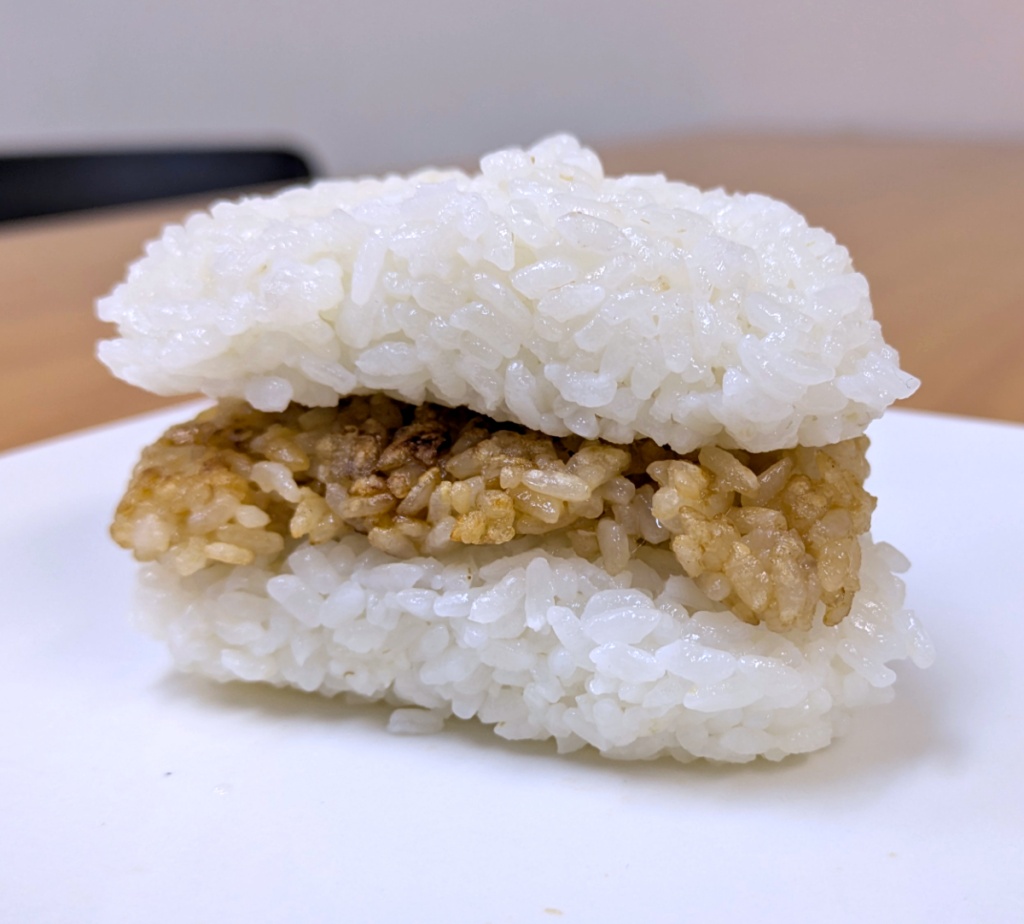
After taking his toasted rice out of the pan and letting it cool for a bit, the only thing left to do was to slap it between upper and lower layers of untoasted white rice…

and his toasted rice rice ball was done!

Taking a bite, he was met by the inviting fluffiness of the untoasted rice, and as he passed through it the fragrant, savory saltiness of the toasted rice emanated from within, which in turn helped draw out more of the untoasted rice’s natural sweetness.

It was, simply put, delicious, but Mr. Sato already has some ideas to help the toasted rice rice ball achieve even more of its potential. For starters, he realized that if he formed the for-filling rice first and spread the soy sauce across it with a brush, the sauce would be distributed more uniformly and help the rice toast more evenly. He’s also thinking of swapping out the soy sauce and using miso paste instead, which would add some extra complexity to the flavor and texture.

For now, though, he’s very happy with how his Japanese-version toast sandwich turned out, and recommends trying it for yourself too.

Photos ©SoraNews24
● Want to hear about SoraNews24’s latest articles as soon as they’re published? Follow us on Facebook and Twitter!
  • ✇SoraNews24 Japan
  • Japanese rice cooker recipe gives us a tasty new way to enjoy vegetables and wieners Oona McGee
    Quick and easy, this is a meal that’ll have you going back for seconds. One of our favourite hacks when it comes to making Japanese-style meals is to whip out our rice cooker and stuff it with all sorts of unconventional ingredients. These so-called “rice cooker recipes” almost always result in surprisingly delicious meals, and our latest culinary experiment turned out to be so tasty and easy to make that we wanted to share it so you can enjoy it too. The recipe itself is adapted from one crea
     

Japanese rice cooker recipe gives us a tasty new way to enjoy vegetables and wieners

7 June 2026 at 05:00

Quick and easy, this is a meal that’ll have you going back for seconds.

One of our favourite hacks when it comes to making Japanese-style meals is to whip out our rice cooker and stuff it with all sorts of unconventional ingredients. These so-called “rice cooker recipes” almost always result in surprisingly delicious meals, and our latest culinary experiment turned out to be so tasty and easy to make that we wanted to share it so you can enjoy it too.

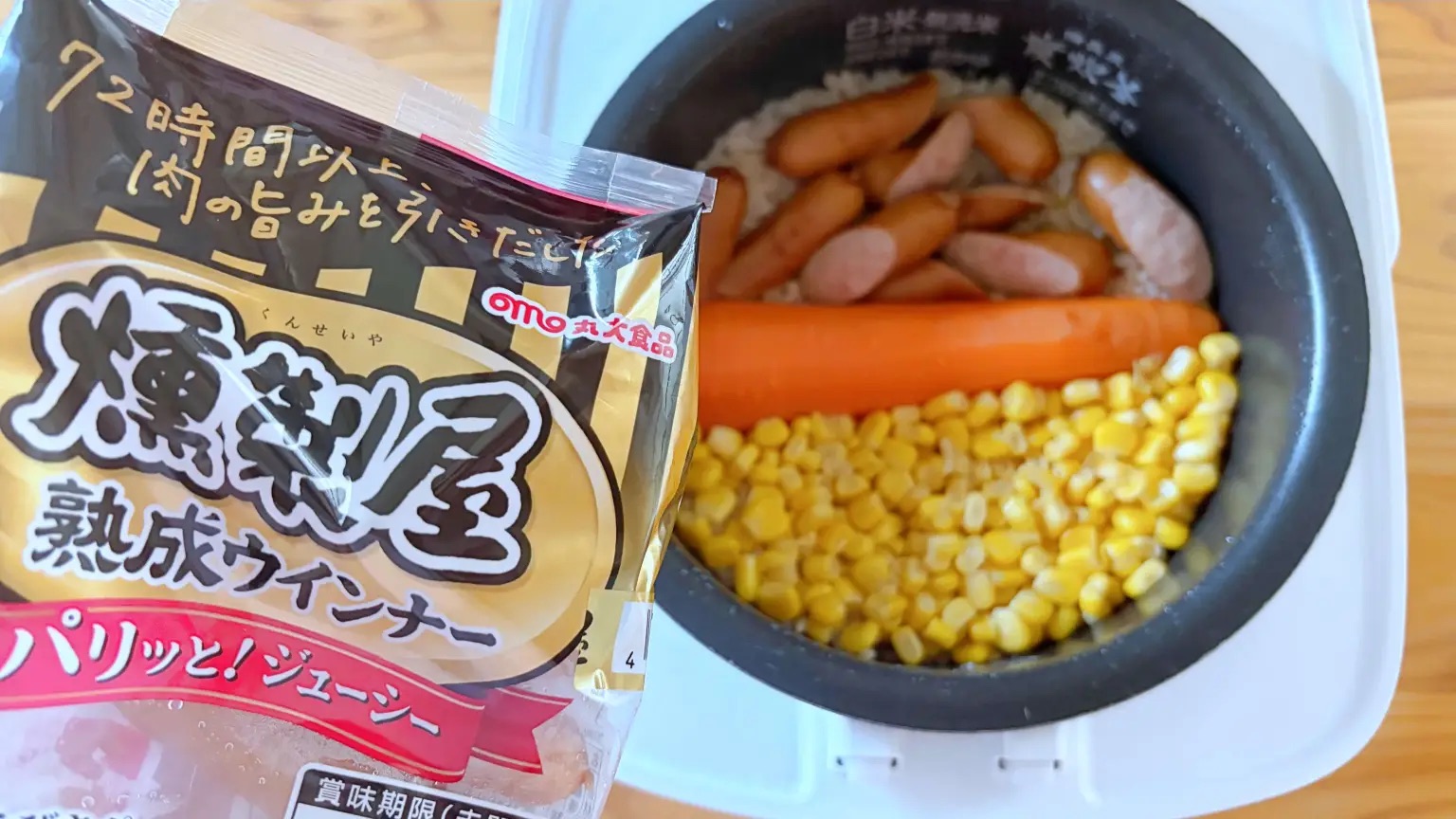
The recipe itself is adapted from one created by Marudai Foods, the makers of “Smoked House Aged Wiener” sausages, so you can rest assured that its foundations have been tried and tested for deliciousness. While the brand’s sausages are, as you might expect, on the ingredients list, the recipe also includes vegetables, making it ideal for people looking to add more nutrition to their diets, and for parents looking for a tasty way to encourage their kids to eat veggies.

So let’s get cooking, starting first with the ingredients you’ll need.

  • Marudai Foods “Smoked House Aged Wiener” sausages x 1 pack
  • Carrot x 1
  • Canned sweetcorn x 1 can
  • Uncooked rice x 2 go (“go” is a traditional rice-measuring unit that equates to about 150 grams, so you’ll need 300 grams)
  • Granulated dashi soup stock x 1 tablespoon
  • Soy sauce x 1.5  tablespoons
  • Cooking sake x 1 tablespoon
  • Chopped green onions to garnish

Method

1.  Cut the wieners diagonally in half. Peel the carrot, and drain the corn from the can.

2. Add the rice to the rice cooker, then add the dashi granules, and water to the scale of “2 go” on the side of the bowl. Place all the other  ingredients on top and press the button to start the rice-cooking cycle.

3. After it’s cooked, mix everything well and top with green onions. Then add extra soy sauce, and butter if you like, and you’re done!

The moment you open the rice cooker, the smoky aroma and the umami of the wiener emanates upwards, instantly stimulating your appetite. Though the whole carrot might seem large, it’s so soft that it can be easily cut with a shamoji rice paddle and mixed around.

When you go to serve the meal, it’ll look so colourful and appetising that even the most veggie-averse diners won’t be able to resist trying it.

Everything is so soft and moreish you’ll be going back for refills, and the mix of carbs and protein will fill you up nicely.

As the rice cooks, it absorbs all the savoury flavour from the sausages, making everything extra tasty. It’s a fun and easy way to make a nutritious meal that actually tastes good, and once you’ve mastered a recipe like this you can move on to slightly more challenging, and more carb-heavy, meals like this massive deep-dish Chicago pizza.

Related: Marudai Foods, Twitter/@marudaiwanpaku
Photos ©SoraNews24
● Want to hear about SoraNews24’s latest articles as soon as they’re published? Follow us on Facebook and Twitter!

Shinto shrine’s night sky firefly sweets are Japan’s newest breathtaking, mouthwatering desserts.

9 June 2026 at 15:00

Firefly-viewing season provides the inspiration for breathtaking Japanese confectionaries.

Japan loves to celebrate the changing of the seasons, and Japan loves sweets, so Japan really loves seasonal sweets. Sometimes, finding those crossover opportunities is easy, like releasing sakura-flavored confectionaries as the cherry blossoms come into bloom, or using premium matcha just as the first batch of green tea for the year is being harvested.

Things get a little trickier, though, if you’re looking for a way to mark the arrival of firefly-viewing season with special sweets, but Hikawa Satei has found a way.

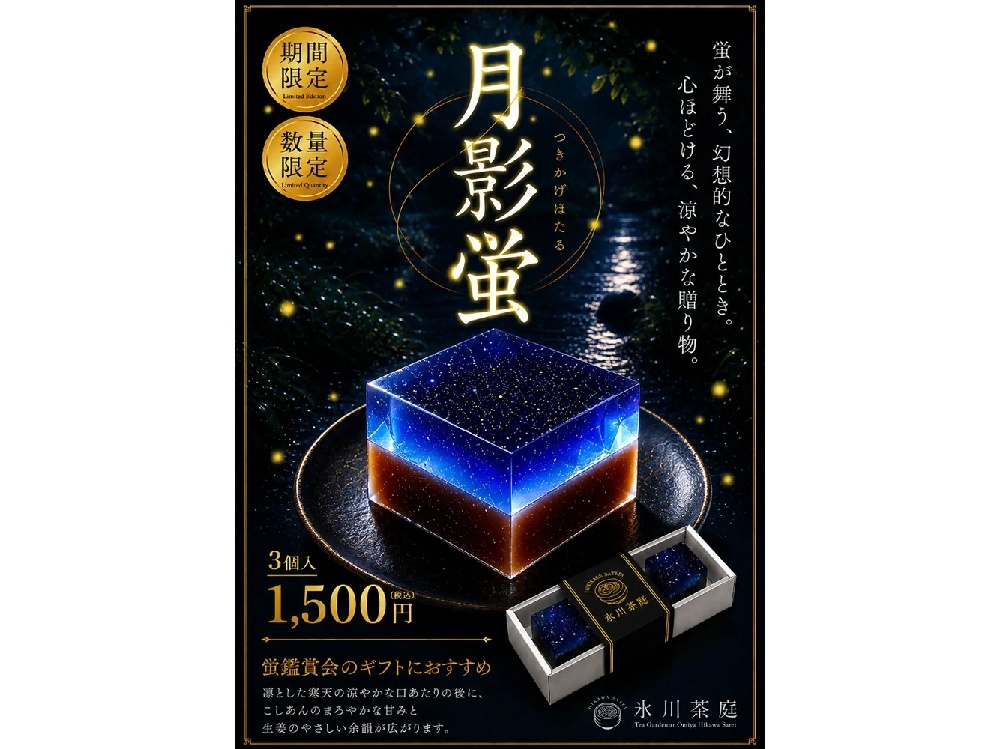
In early June, Hikawa Shrine in Saitama City’s Omiya Ward stays open after sundown so that visitors can see the fireflies, called hotaru in Japanese, that gather on the shrine’s grounds. This year those dates were June 6 and 7, and since Hikawa Satei, the shrine’s cafe and refreshment stand (pictured above), stayed open late on those nights too, they wanted to offer something special, which led to the creation of the Tsukikage Hotaru, or “Moonshadow Firefly.”

This beautiful dessert has a base of smooth koshi an mizu yokan (sweet red bean gelatin). Placed atop it is a slab of kanten (agar) with a dark blue color representing he night sky, with little bursts of color evocative of fireflies dancing through the darkness. These are actually bits of ginger, not so strong as to create an overtly sharp or spicy flavor, but to add a softly echoing elegant accent point within the sweetness of the mizu yokan and kanten.

The Tsukikage Hotaru is offered in a box of three pieces priced at 1,500 yen (US$9.50), and supplies are limited. Thankfully, though, even if you can’t make it to Hikawa Satei before they run out…

…they have plenty of other breathtaking, mouthwatering sweets too, as you can see in the above post from their official Instagram account, to make the trip worth it.

Cafe information
Hikawa Satei / 氷川茶庭
Address: Saitama-ken, Saitama-shi, Omiya-ku, Takahanacho 4-1, located inside Musashi Ichinomiya Hikaya Shrine
埼玉県さいたま市大宮区高鼻町 4 丁目 1 番地 武蔵一宮氷川神社境内
Open 10 a.m.-5 p.m.
Website

Source: PR Times
Top image: Hikawa Satei official website
Insert images: PR Times
● Want to hear about SoraNews24’s latest articles as soon as they’re published? Follow us on Facebook and Twitter!

❌
Subscriptions