
Normal view

  • ✇SoraNews24 Japan
  • Tourists brave Typhoon Jangmi to queue at two famous sites in Tokyo Oona McGee
    The spots people queue for despite bad weather might surprise you. When you live and work in a city, you tend to move through it in different ways to a tourist who might be seeing it with fresh eyes. So when Typhoon Jangmi approached Tokyo on 3 June, bringing strong winds and heavy rain to the capital, locals who could work from home did just that, while others took earlier trains on their morning commute to avoid being late for work. For many tourists, though, sightseeing was still on the age
     

Tourists brave Typhoon Jangmi to queue at two famous sites in Tokyo

3 June 2026 at 15:00

The spots people queue for despite bad weather might surprise you.

When you live and work in a city, you tend to move through it in different ways to a tourist who might be seeing it with fresh eyes. So when Typhoon Jangmi approached Tokyo on 3 June, bringing strong winds and heavy rain to the capital, locals who could work from home did just that, while others took earlier trains on their morning commute to avoid being late for work. For many tourists, though, sightseeing was still on the agenda.

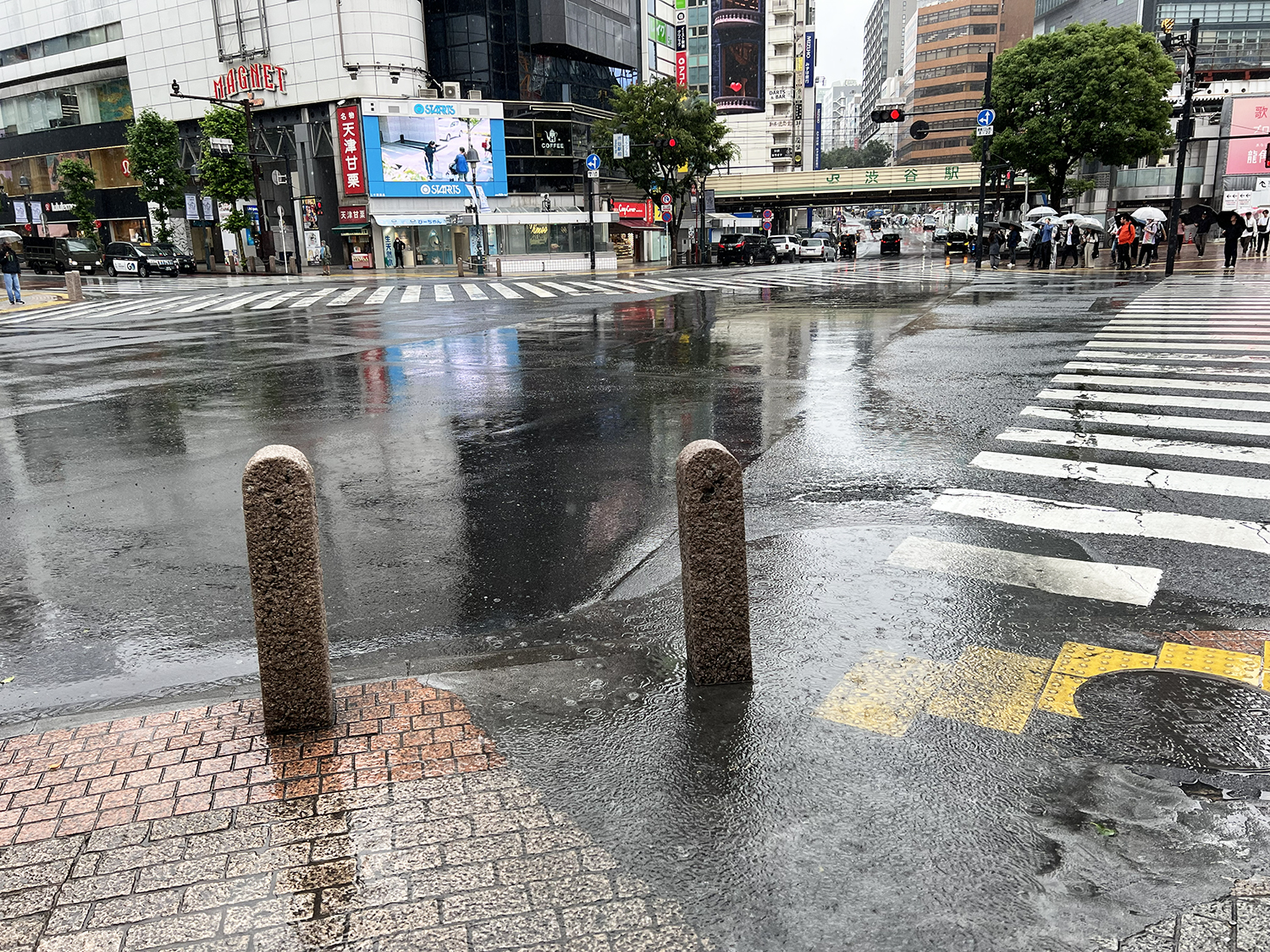
Our reporter Seiji Nakazawa, who lives in Shibuya, could’ve worked from home on the day of the typhoon but decided to stick to his usual routine of catching the subway to the office in Shinjuku. That meant he was able to get a feel for what Shibuya was like, and to his surprise, it was much, much emptier than usual.

▼ The typhoon was eventually downgraded to a tropical storm, but the rain remained heavy throughout the day.

▼ In some areas there was more water than people.

Shops, streets, and even the area around the station felt strangely deserted, but there were two places where people gathered, with the first being the Dotonbori Theater.

Though most people will associate the word “Dotonbori” with the lively theatre and entertainment district of the same name in Osaka, this theatre is located in Shibuya’s Dogenzaka district, a short walk away from the station.

The retro, lantern-style sign out front is evocative of Dotonbori’s exciting atmosphere, and that excitement continues inside because this is a Japanese strip club. Popular with older locals and curious tourists, this live adult entertainment venue is restricted to adults aged 18 and over.

Bemused at the realisation that people will brave extreme weather conditions to watch an erotic performance, Seiji wondered what else might have the power to draw crowds in a typhoon-turned-tropical-storm. That’s when he saw another gathering of umbrellas right outside the station.

▼ What were they queuing for?

▼ The Hachiko statue.


Seiji was surprised to see so many people taking commemorative photos with Hachiko in the pouring rain, and what’s more, they were all foreign tourists with big smiles on their faces. As a local, Seiji usually walks by the statue of Shibuya’s famously loyal dog without giving it a second thought, but seeing the joy it brought these tourists made him appreciate its significance. It also made him realise how these people in the queue might be visiting Japan only once in their lives, and this might be their only day to see Hachiko, so his appreciation for the statue, and the tourists who braved the weather to see it, grew exponentially.

As he walked by, Seiji was struck by another surprise – the vibe of the queue. Usually, lines like these have a sense of tension to them that can make you feel a little on edge, but this one gave off a sense of warmth, due to the joy and passion of everyone in line. It was as if everyone here was living life with no regrets, and as he thought about it, that’s kind of what he felt outside the strip club too.

The pure warmth, free from negativity at the weather, transferred itself onto Seiji as he walked past the strip club and the line of Hachiko admirers. It was as if everyone’s emotions had intensified in the rain, and the energy he felt buoyed his own spirits as he dodged puddles on his way to work. He soon found himself smiling like the tourists, and as he did he realised that’s the power of Shibuya, a place that never loses its magical charm, even in the pouring rain.

Images©SoraNews24
● Want to hear about SoraNews24’s latest articles as soon as they’re published? Follow us on Facebook and Twitter!

  • ✇Colossal
  • Eight London Underground Restrooms Get Vibrant Refurbs with Illustrated Tiles Kate Mothes
    Home to some of London’s most iconic landmarks, the City of Westminster sees around 25 million of tourists every year. Add that number to residents and professionals who transit through central London daily, and we’re talking lots of people using the Underground, a.k.a. the Tube. Fortunately for travelers, eight stations are getting restroom upgrades with a big assist from Hugh Broughton Architects. When the Victorians established the first underground train network in the mid-to-late 1800
     

Eight London Underground Restrooms Get Vibrant Refurbs with Illustrated Tiles

26 May 2026 at 17:00
Eight London Underground Restrooms Get Vibrant Refurbs with Illustrated Tiles

Home to some of London’s most iconic landmarks, the City of Westminster sees around 25 million of tourists every year. Add that number to residents and professionals who transit through central London daily, and we’re talking lots of people using the Underground, a.k.a. the Tube. Fortunately for travelers, eight stations are getting restroom upgrades with a big assist from Hugh Broughton Architects.

When the Victorians established the first underground train network in the mid-to-late 1800s, they incorporated arched details and tile work that is preserved today, often augmented with contemporary nods to the city’s history and culture. Opened in 1863 along the Metropolitan Line, Baker Street is one of the oldest stations. In a design convention seen throughout the Underground, decorated tiles added later feature a silhouette of Sherlock Holmes—a tribute to the character’s fictional address on the station’s titular street.

the interior of a tube station bathroom design featuring colorful tiles in London

Tile designs are richly embedded throughout the system. An architect named Leslie Green is known for a slew of deep red tile facades on more than a dozen central stations. Some interiors are covered practically top to bottom with the material, with the location names and “Way Out” signs made entirely from ceramic. Bethnal Green station features fantastic relief tiles of London icons, and a few years ago, a design student named Jeffrey Miller even repurposed the Tube’s own waste into Art Nouveau-style tiles modeled on historic versions.

Hugh Broughton Architects’ redesign continues this tradition, but it also serves the practical purpose of making these spaces safer, more inclusive, and more accessible. “There is a clear demand for public toilets across London, and many councils struggle with the costs surrounding maintenance and issues around antisocial behaviour,” says a statement. “To address this issue, the council is creating a series of inclusive facilities that demonstrate high-quality design and enshrine as much civic pride as the Victorians displayed when they first started looking at a proper sanitation system for the general public in the 19th century.”

The facilities at Victoria Embankment, Parliament Street, Piccadilly Circus, Green Park, Carnaby Street, Westminster Pier, Covent Garden, and Leicester Square are all getting vibrant makeovers. The tiles incorporate designs by artist and illustrator James Lambert, who interprets the distinctive character of each location through historical motifs and iconography. Among numerous playful references, you’ll find patterns consisting of the King’s Guards in their iconically tall, black, furry helmets and a tribute to George John Vulliamy’s giant sphinxes that guard Cleopatra’s Needle on the Embankment.

The restrooms are being refurbished in succession. Victoria Street opened in February 2025, followed by Parliament Street, and now Piccadilly Circus and Green Park. The next will be Carnaby Street and Westminster Bridge. Follow updates on the firm’s Instagram.

the interior of a tube station bathroom design featuring colorful tiles in London

Do stories and artists like this matter to you? Become a Colossal Member today and support independent arts publishing for as little as $7 per month. The article Eight London Underground Restrooms Get Vibrant Refurbs with Illustrated Tiles appeared first on Colossal.

  • ✇SoraNews24 Japan
  • Another side of Kyoto – The prefecture’s top 10 “road stations” for traveling foodies SoraNews24
    We’re headed to Kyoto today, but not to see the temples or shrines. Temples and shrines are the first things that come to mind when travelers think of Kyoto, but the prefecture is also a treasure trove of outstanding michi no eki, or “road stations.” These combination roadside shops/rest areas offer a variety of unique local products, from foods and drinks to handicrafts, and with Kyoto Prefecture’s rich culinary legacies, its road stations include ones in famous green tea-growing regions and
     

Another side of Kyoto – The prefecture’s top 10 “road stations” for traveling foodies

28 May 2026 at 14:00

We’re headed to Kyoto today, but not to see the temples or shrines.

Temples and shrines are the first things that come to mind when travelers think of Kyoto, but the prefecture is also a treasure trove of outstanding michi no eki, or “road stations.” These combination roadside shops/rest areas offer a variety of unique local products, from foods and drinks to handicrafts, and with Kyoto Prefecture’s rich culinary legacies, its road stations include ones in famous green tea-growing regions and fishing ports on the coast of the Sea of Japan.

Today we’re asking our Japanese-language correspondent Susan, a native of Chiba Prefecture who’s travelled to 850 michi no eki, including all of the ones in Kyoto, for his list of 10 best Kyoto road stations, presented in no particular order.

1. Ocha no Kyoto Minami Yamashiro-mura (Minami Yamashiro Village)
Website

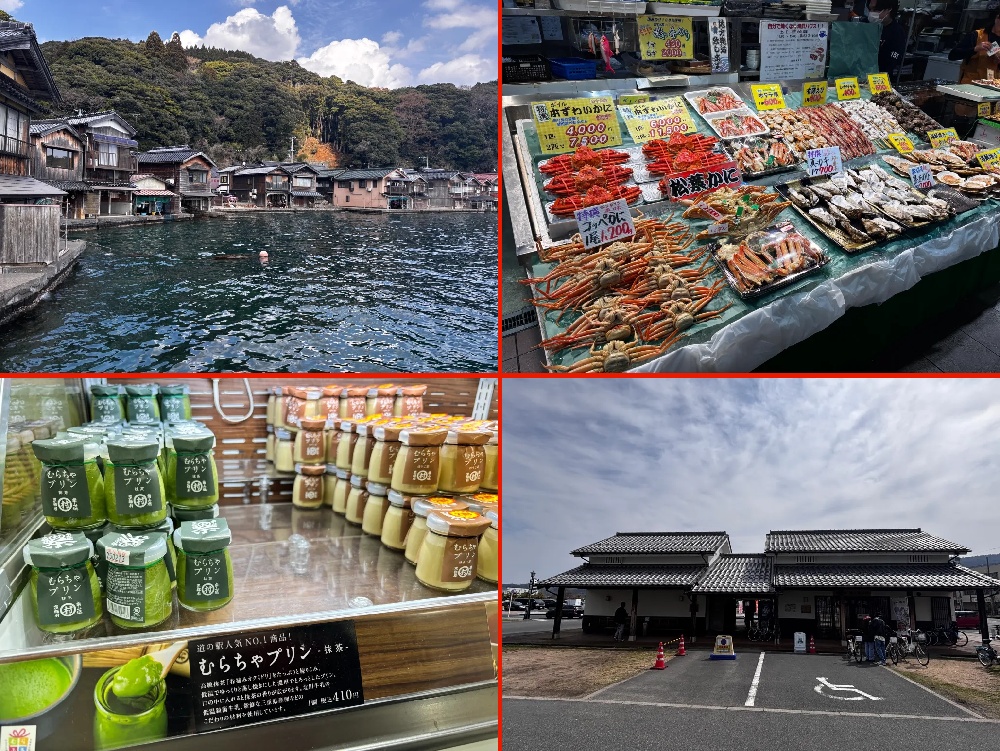
Minami Yamashiro is the only town in Kyoto Prefecture that’s legally classified as a “village” (mura in Japanese), and that alone brings a lot of travelers to this road station. Locally grown tea is the star attraction here, and in the attached restaurant you can dine on soba noodles with green tea mixed into their buckwheat flour. Looking for something sweeter? The Muracha (“Village Tea”) Pudding is not to be missed, with a deep, direct delivery of green tea flavor in every bite.

2. Michi no Eki Miyama Fureai Hiroba (Nantan City)
Website

You’ll find this road station on the way to Kayabuki no Sato, a beautifully preserved historic neighborhood with traditional thatched roof Japanese farmhouse architecture. The thing you’ve got to try if you come here is the Miyama Milk from the local dairy, or at least the ice cream, frozen yogurt, or cheese made with it.

The gelato is Susan’s personal favorite, rich but with a clean finish, and the lines get long for it on the weekends, but it’s worth the wait.

3. Michi no Eki Funaya no Sato Ine (Yosa)
Website

On its north side, Kyoto Prefecture stretches all the way to the coast of the Sea of Japan, and that’s where you’ll find the town of Yosa and Ine, a neighborhood of traditional fishermen boathouse homes built out over the water.

The refreshments on offer here include locally made soba and small-batch sake, but Susan also gives a special mention the hisuku, skewers of dried fish that you can buy from the outdoor Umyado stand to snack on while you admire the scenery.

4. Michi no Eki Nagomi (Funai)
Website

Heading back into the more mountainous inland, we come to this michi no eki in the town of Funai, situated next to the Yuragawa River. This is a tranquil spot befitting its Nagomi name (which means “harmony”), and your heart will feel even more at ease if you’re indulging in a cup of Mont Blanc pudding at the attached Nagomi Cafe.

Seasonal highlights include spring strawberries, autumn chestnuts, winter mochi, and in summer, a special “ayu garden” where you can experience catching ayu (a kind of river fish) by hand, then having it grilled up by the staff for you to enjoy at its freshest flavor.

5. Michi no Eki Mizuho no Sato Sarabiki (Funai)
Website

We’re still in Funai for this easy-to-access road station off the the Kyoto Expressway, near where travelers enter the lush countryside of the Tamba Highlands. The Mizuho district is famous for its buckwheat farms, and also for the soba noodles made from the grain, so naturally you can enjoy a bowl of them here, and the hiratake mushrooms, gathered in the local mountains, are delicious too.

This road station’s most unique feature, though, is its mini field hockey court. The Mizuho district hosted national field hockey championships during a sports event back in 1988, and the game has remained popular in the area ever since.

6. Michi no Eki Umi no Kyoto Miyazu (Miyazu City)
Website

Yes, the building itself looks cool, but this one is primarily on the list because it offers a great vantage point for seeing Amanohashidate. Considered one of the three most beautiful views in Japan, Amanohashidate is pine tree-covered sandbar that stretches across Miyazu Bay and is supposed to look like a bridge climbing into the heavens, especially so if you bend over and view it through your legs so that it’s upside down.

▼ Susan and a friend in front of Amanohashidate

The road station here has an attached shop with local sake and other souvenirs, but the main appeal really is the view, so make this one a daytime visit.

7. Michi no Eki Tango Okoku Shoku no Miyako (Kyotango City)
Website

Shoku no Miyako translates to “Capital of Food,” and the scale of this road station certainly warrants that distinction, as its approximately eight times the size of Japan’s famed Koshien baseball stadium. Whether you’re in the mood for Kyoto Tanba Kurowagyu steak or wood-fired pizza, there are restaurants here that are happy to oblige, and big eaters will enjoy the noodle shop with all-you-can-eat udon.

With so much to eat, you might want to have two meals here, and there are go-karts, a petting zoo, and even a hotel if you need something to do or somewhere to relax between chow-down sessions.

8. Michi no Eki Springs Hiyoshi (Nantan City)
Website

Aside from being valuable parts of public infrastructure, many dams in Japan have become tourist attractions in and of themselves. This road station is situated next to the Hiyoshi Dam, and fatures facilities such as an onsen hot spring bath, heated swimming pool, sauna, and outdoor BBQ spaces.

If you need provisions, the souvenir shop sells locally sourced mushrooms and eggs, and there’s even a campground with cottages for overnight guests.

9. Michi no Eki Kyoto Shinkoestumura (Nantan City)
Website

This road station is right off the Kyoto Jukan Expressway’s Sonobe Interchange, making it super-easy to access while driving across or around Kyoto Prefecture. Locally grown Onshin rice is the pride of the place, and aside from sacks of the rice itself you can taste it in the mochi rice cakes and senbei rice crackers sold in the souvenir shop.

This michi no eki also has a good selection of nama yatsuhashi, Kyoto’s representative sweet treat of a folded triangle of soft mochi with sweet red bean paste inside. Granted, you can find nama yatsuhashi at plenty of other places in Kyoto, but this road station’s easy expressway access makes it a very convenient place to pick up an extra box or two on your way home.

10. Michi no Eki Maizuruko Toretore Center (Maizuru City)
Website

And last, we’re back on the north coast of Kyoto Prefecture to stop at Maizuru Port, one of the largest seafood markets along the Sea of Japan. As soon as you step inside, you’ll be surrounded by the bustling energy of merchants hawking fresh catches of fish, crab, and oysters, among other saltwater delicacies.

This is basically the Tsukiji of road stations, with delicious snow crab in winter, iwagaki oysters in summer, and buri (yellowtail) in autumn, no matter when you visit, you’ll find something great to eat.

Photos ©SoraNews24
● Want to hear about SoraNews24’s latest articles as soon as they’re published? Follow us on Facebook and Twitter!

  • ✇Funky Junk Interiors
  • DIY Multifunctional Side Of Fridge Storage Rack With Coffee Mug Hooks Funky Junk Donna
    Maximize your kitchen space with this DIY multifunctional side of fridge storage rack, featuring convenient coffee mug hooks for easy access and stylish organization. Transform clutter into order while keeping your favorite mugs within arm’s reach! Made with price efficient cedar strips and dollar store hooks, it’s cool AND economical, and looks like it was […] The post DIY Multifunctional Side Of Fridge Storage Rack With Coffee Mug Hooks appeared first on Funky Junk Interiors.
     

DIY Multifunctional Side Of Fridge Storage Rack With Coffee Mug Hooks

18 March 2026 at 00:03

side of fridge storage rackMaximize your kitchen space with this DIY multifunctional side of fridge storage rack, featuring convenient coffee mug hooks for easy access and stylish organization. Transform clutter into order while keeping your favorite mugs within arm’s reach! Made with price efficient cedar strips and dollar store hooks, it’s cool AND economical, and looks like it was […]

The post DIY Multifunctional Side Of Fridge Storage Rack With Coffee Mug Hooks appeared first on Funky Junk Interiors.

❌
Subscriptions