
Normal view

  • ✇SoraNews24 Japan
  • Tourists brave Typhoon Jangmi to queue at two famous sites in Tokyo Oona McGee
    The spots people queue for despite bad weather might surprise you. When you live and work in a city, you tend to move through it in different ways to a tourist who might be seeing it with fresh eyes. So when Typhoon Jangmi approached Tokyo on 3 June, bringing strong winds and heavy rain to the capital, locals who could work from home did just that, while others took earlier trains on their morning commute to avoid being late for work. For many tourists, though, sightseeing was still on the age
     

Tourists brave Typhoon Jangmi to queue at two famous sites in Tokyo

3 June 2026 at 15:00

The spots people queue for despite bad weather might surprise you.

When you live and work in a city, you tend to move through it in different ways to a tourist who might be seeing it with fresh eyes. So when Typhoon Jangmi approached Tokyo on 3 June, bringing strong winds and heavy rain to the capital, locals who could work from home did just that, while others took earlier trains on their morning commute to avoid being late for work. For many tourists, though, sightseeing was still on the agenda.

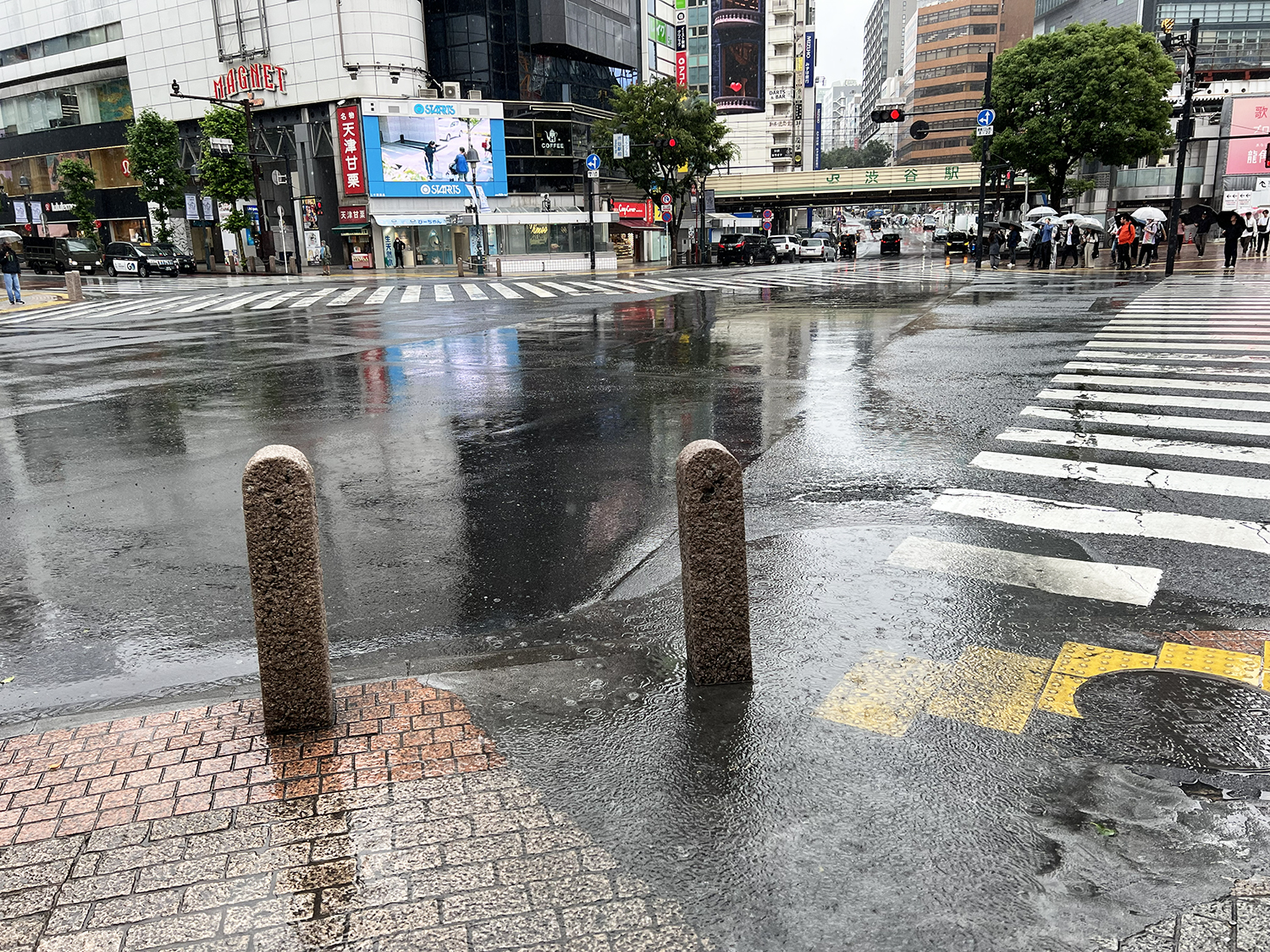
Our reporter Seiji Nakazawa, who lives in Shibuya, could’ve worked from home on the day of the typhoon but decided to stick to his usual routine of catching the subway to the office in Shinjuku. That meant he was able to get a feel for what Shibuya was like, and to his surprise, it was much, much emptier than usual.

▼ The typhoon was eventually downgraded to a tropical storm, but the rain remained heavy throughout the day.

▼ In some areas there was more water than people.

Shops, streets, and even the area around the station felt strangely deserted, but there were two places where people gathered, with the first being the Dotonbori Theater.

Though most people will associate the word “Dotonbori” with the lively theatre and entertainment district of the same name in Osaka, this theatre is located in Shibuya’s Dogenzaka district, a short walk away from the station.

The retro, lantern-style sign out front is evocative of Dotonbori’s exciting atmosphere, and that excitement continues inside because this is a Japanese strip club. Popular with older locals and curious tourists, this live adult entertainment venue is restricted to adults aged 18 and over.

Bemused at the realisation that people will brave extreme weather conditions to watch an erotic performance, Seiji wondered what else might have the power to draw crowds in a typhoon-turned-tropical-storm. That’s when he saw another gathering of umbrellas right outside the station.

▼ What were they queuing for?

▼ The Hachiko statue.


Seiji was surprised to see so many people taking commemorative photos with Hachiko in the pouring rain, and what’s more, they were all foreign tourists with big smiles on their faces. As a local, Seiji usually walks by the statue of Shibuya’s famously loyal dog without giving it a second thought, but seeing the joy it brought these tourists made him appreciate its significance. It also made him realise how these people in the queue might be visiting Japan only once in their lives, and this might be their only day to see Hachiko, so his appreciation for the statue, and the tourists who braved the weather to see it, grew exponentially.

As he walked by, Seiji was struck by another surprise – the vibe of the queue. Usually, lines like these have a sense of tension to them that can make you feel a little on edge, but this one gave off a sense of warmth, due to the joy and passion of everyone in line. It was as if everyone here was living life with no regrets, and as he thought about it, that’s kind of what he felt outside the strip club too.

The pure warmth, free from negativity at the weather, transferred itself onto Seiji as he walked past the strip club and the line of Hachiko admirers. It was as if everyone’s emotions had intensified in the rain, and the energy he felt buoyed his own spirits as he dodged puddles on his way to work. He soon found himself smiling like the tourists, and as he did he realised that’s the power of Shibuya, a place that never loses its magical charm, even in the pouring rain.

Images©SoraNews24
● Want to hear about SoraNews24’s latest articles as soon as they’re published? Follow us on Facebook and Twitter!
  • ✇SoraNews24 Japan
  • New littering fine now being enforced in some of Tokyo’s most heavily touristed areas Casey Baseel
    Littering in Shibuya will get you a fine that must be paid on the spot. Last Monday wasn’t just the start of June, it was the start of a new littering fine in Tokyo. As of June 1, if officials spot someone throwing trash on the ground in some of the city’s most heavily touristed areas, they can issue a citation with a penalty of 2,000 yen (US$13). This new rule is enforceable in Shibuya, and not only around Shibuya Station, the famous Shibuya Scramble intersection, Hachiko dog statue plaza, an
     

New littering fine now being enforced in some of Tokyo’s most heavily touristed areas

2 June 2026 at 15:00

Littering in Shibuya will get you a fine that must be paid on the spot.

Last Monday wasn’t just the start of June, it was the start of a new littering fine in Tokyo. As of June 1, if officials spot someone throwing trash on the ground in some of the city’s most heavily touristed areas, they can issue a citation with a penalty of 2,000 yen (US$13).

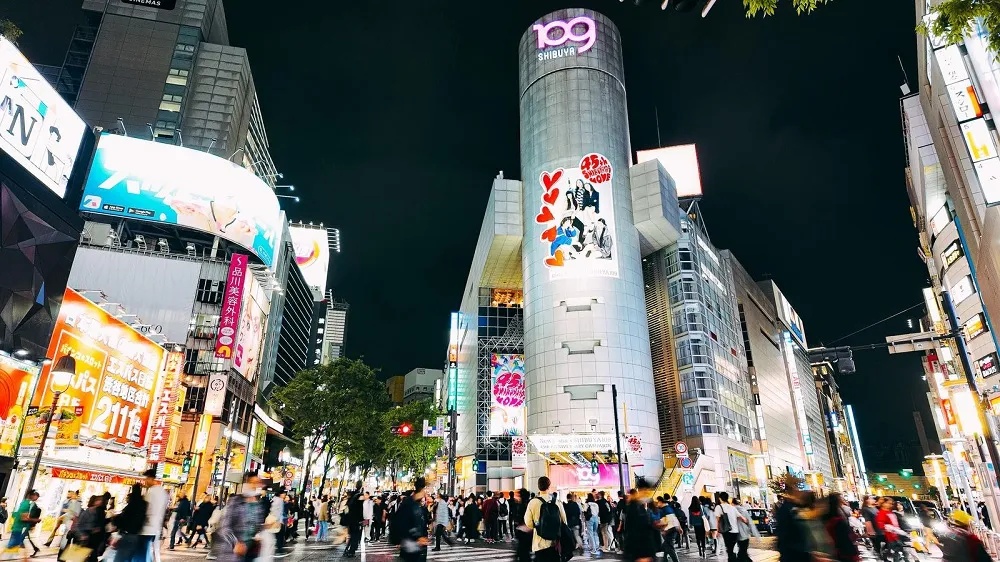
This new rule is enforceable in Shibuya, and not only around Shibuya Station, the famous Shibuya Scramble intersection, Hachiko dog statue plaza, and Center-gai shopping/restaurant street. The littering ban is for all of Shibuya Ward, which also includes the neighborhoods of Harajuku, Ebisu, and Yoyogi, among others. As a result, that littering is now a finable offense on the trendy and high-end fashion meccas of Takeshita Street and Omotesando and the pedestrian approach to Meiji Shrine too. Moreover, the law states that the fine is enforceable on both public and private property within Shibuya Ward, and while leaving an empty candy wrapper at your friend’s apartment isn’t going to get you in trouble with the law, that aspect does mean that fines can be collected from those caught littering within shopping centers, train stations, and other such spaces.

▼ Takeshita Street

To enforce the littering ban, Shibuya Ward has a team of approximately 50 roving inspectors. It’s unclear whether they’ll be a permanent dedicated anti-littering squad or if watching out for litterbugs is one of multiple public safety/order duties they perform while in the field, but the Shibuya administration does say it will have anti-litter inspectors in action 24 hours a day.

Unlike Japan’s recently introduced bicycle safety infractions, fines for littering in Shibuya Ward will be collected on the spot by the inspector. This aspect of the system may have been put in place to address perceptions that a disproportionate amount of litter in the area comes from foreign tourists, and to prevent them from being able to leave the country while still having unpaid fines. Payment can be made in cash or through cashless methods such as credit cards.

In addition, Shibuya Ward has also begun requiring convenience stores, takeout food/beverage sellers, and vending machine operators to provide trash receptacles, with fines of 50,000 yen for non-compliance. In a Shibuya Ward study conducted in 2025, 97 percent of inspected fast food restaurants and 80 percent of cafes were found to already have trash cans available, but those numbers dropped to 50 percent for food trucks and 47 percent for take-out beverage sellers.

However, the aim of the trash receptacle requirement is for food/beverage sellers to contribute to the proper handling of trash generated by their business operations, which could complicate finding a place to throw away your specific type of trash. For example, vending machine trash receptacles in Japan tend to be exclusively for recyclables of the materials used in the containers of the drinks that the machine sells, so if you’ve got, say, a paper bag from Krispy Kreme, the vending machine trash can isn’t going to help you. Likewise, with most Japanese people not being big on eating/drinking while walking, trash can capacity is likely to be relative to the amount of customers that particular place itself expects to have, so if you roll up to a drink stand with a family meal’s worth of fast-food containers from someplace else, they might not be able to accommodate you. Because of that, it’s probably still a good idea to be prepared to hang onto any trash you generate while in Shibuya until you get back home or to your hotel, since the ward is clearly looking to keep its streets cleaner.

Source: Shibuya Ward, Mainichi Shimbun via Yahoo! Japan News via Hachima Kiko, Tokyo MX
Top image: Pakutaso
Insert images: Pakutaso
● Want to hear about SoraNews24’s latest articles as soon as they’re published? Follow us on Facebook and Twitter!
  • ✇SoraNews24 Japan
  • Art exhibition coming to Tokyo this month brings the cute, scary, and weird to ukiyo-e Krista Rogers
    Animals & Monsters: Cute, Scary, and a Little Weird is the perfect exhibition for anyone who delights in art that doesn’t take itself too seriously. This summer, once you’re done shopping in the trendy streets of Tokyo’s Harajuku district, you won’t have to go far to enjoy a little taste of high culture. In fact, there’s some conveniently located right in front of Tokyo Metro Meiji-Jingumae Station and just around the corner from JR Harajuku Station at the Ota Memorial Museum of Art, a pre
     

Art exhibition coming to Tokyo this month brings the cute, scary, and weird to ukiyo-e

2 June 2026 at 03:00

Animals & Monsters: Cute, Scary, and a Little Weird is the perfect exhibition for anyone who delights in art that doesn’t take itself too seriously.

This summer, once you’re done shopping in the trendy streets of Tokyo’s Harajuku district, you won’t have to go far to enjoy a little taste of high culture. In fact, there’s some conveniently located right in front of Tokyo Metro Meiji-Jingumae Station and just around the corner from JR Harajuku Station at the Ota Memorial Museum of Art, a preeminent museum of Japanese ukiyo-e woodblock prints and drawings. However, this repository is offering a fun twist in its upcoming exhibition that might leave you laughing in the gallery.

From June 23-August 23, the Animals & Monsters: Cute, Scary, and a Little Weird exhibition will have 140 works on display, approximately one-fifth of which are new to the museum’s collection. The event will also be split into two parts that will display entirely different works of art during each.

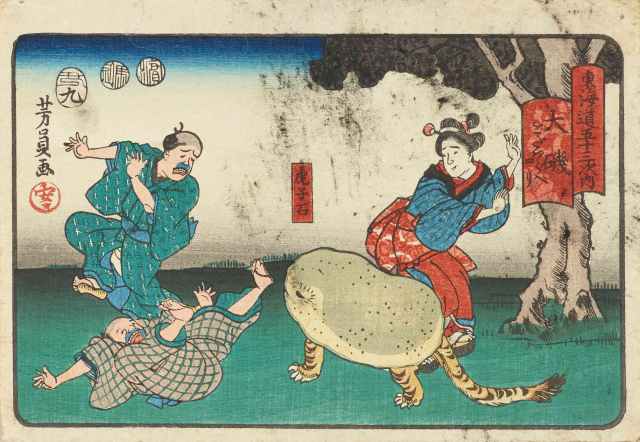
So what makes it “cute, scary, and a little weird,” you ask? It’s the fact that even master artisans from 200 years ago weren’t afraid to be a little bit silly with their craft. Take this print that’s part of Yoshikazu Utagawa’s Fifty-three Stations of the Tokaido series, for instance. At first glance, it appears to show some people being startled at a potato with a tail and legs (for the record, it’s actually a stone tiger–which still leaves us with lots of questions).

▼ “Fifty-three Stations of the Tokaido Road: Oiso” by Yoshikazu Utagawa

If anthropomorphized animals are more your thing, you’ll enjoy the series of cat-humans (human-cats?) going about daily life in a variety of settings such as at a public bathhouse. This print would make for an excellent addition to your bathroom with the ability to potentially disturb your guests.

▼ “Cats’ Bathhouse” by unknown artist

Meanwhile, these cats seem to have rented a property with a bunch of their Japanese yokai friends and are throwing an all-night rager.

▼ “Cats’ Blowdart Stand” by Yoshifuji Utagawa


On the cuter side of things, there are plenty of prints of animals engaging in all kinds of antics. Take this fox that seems to be wearing the latest in cabbage couture and practicing the choreography to “Thriller.”

▼ “Dancing Fox” by Koson Ohara

Moving into the realm of the bizarre, don’t be weirded out by this chimera of all 12 animals in the Chinese zodiac that’s supposed to bring good luck to the household. Good luck in getting people to give a name to this guy, that is…

(Hey, at least it doesn’t look like it’s about to say, “Ed…ward…”)

▼ “Twelve Animal Signs of Oriental Zodiac Gathering to Form One Animal” by Yoshitora Utagawa

Finally, the jury’s still out on whether the below image is bizarre versus downright scary, but we’ll let you decide for yourselves. In all honesty, though, hopefully the museum will be selling merch with this print so that we can commemorate our visit to the real-life pond in Japan where human-faced fish are supposed to live with one.

▼ “Goldfish Resembling Kabuki Actors” by Yoshiiku Ochiai

Admission to the Ota Museum of Art is by cash only, at 1,200 yen (US$7.53) for adults and 800 yen for university and high school students. Junior high school students and younger enter for free, though you’ll have to be the judge of whether any kids you take with you will find the artwork to be hysterical or terrifying.

Come to think of it, our team of writers will have to take a field trip to see the exhibition when it opens. They’ll fit right in with all of the strange antics being depicted.

Exhibition information
Animals & Monsters: Cute, Scary, and a Little Weird / アニマル&モンスター  かわいい・怖い・ちょっと変
Ota Memorial Museum of Art / 太田記念美術館
Address: Tokyo-to, Shibuya-ku, Jingumae 1-10-10
東京都渋谷区神宮前 1-10-10
Duration: June 23-August 23 (Part I: June 23-July 20, Part II: July 25-August 23)
Open: 10:30 a.m.-5:30 p.m. (last entry at 5 p.m.)
Closed: June 29, July 6, July 13, July 21-24, July 27, August 3, August 10, August 17
Website

Source, images: Ota Memorial Museum of Art press release
● Want to hear about SoraNews24’s latest articles as soon as they’re published? Follow us on Facebook and Twitter!

  • ✇SoraNews24 Japan
  • With hot sweaty Shibuya summer on the way, free sodium tablets to be given out in downtown Tokyo Casey Baseel
    Stay salty, everybody. Shibuya is one of Tokyo’s most exciting neighborhoods. Between world-famous tourism landmarks like the statue of faithful dog Hachiko and the scramble intersection, plus shopping options from iconic stores like fashion mecca 109 and Nintendo Tokyo, there’s a lot to see and do in this part of downtown, and if you’re visiting this summer you might want to stop by the Shibuya Ward Office too and grab a little something to eat. No, this isn’t another semi-secret ward office
     

With hot sweaty Shibuya summer on the way, free sodium tablets to be given out in downtown Tokyo

6 June 2026 at 05:00

Stay salty, everybody.

Shibuya is one of Tokyo’s most exciting neighborhoods. Between world-famous tourism landmarks like the statue of faithful dog Hachiko and the scramble intersection, plus shopping options from iconic stores like fashion mecca 109 and Nintendo Tokyo, there’s a lot to see and do in this part of downtown, and if you’re visiting this summer you might want to stop by the Shibuya Ward Office too and grab a little something to eat.

No, this isn’t another semi-secret ward office cafeteria we’re talking about. Instead, the Shibuya Ward Office is giving out free sodium tablets as of June 1.

Shibuya Ward’s goal isn’t to promote snacking, though. The complimentary salt tablets are part of Good Sweat Shibuya Action, a multi-faceted public awareness campaign aimed at dealing with the high heat and humidity that come with summer in Japan. While it might not be as much of an issue in countries with higher salt intakes in their daily diets, in Japan profuse sweating leading to dangerously low levels of sodium in the body is a legitimate concern for many people, with supplements for replenishing sodium and other vital minerals lost during perspiration, such as Kabaya Foods Corporation’s Enbun Charge Tablets being sold in pharmacies and convenience stores.

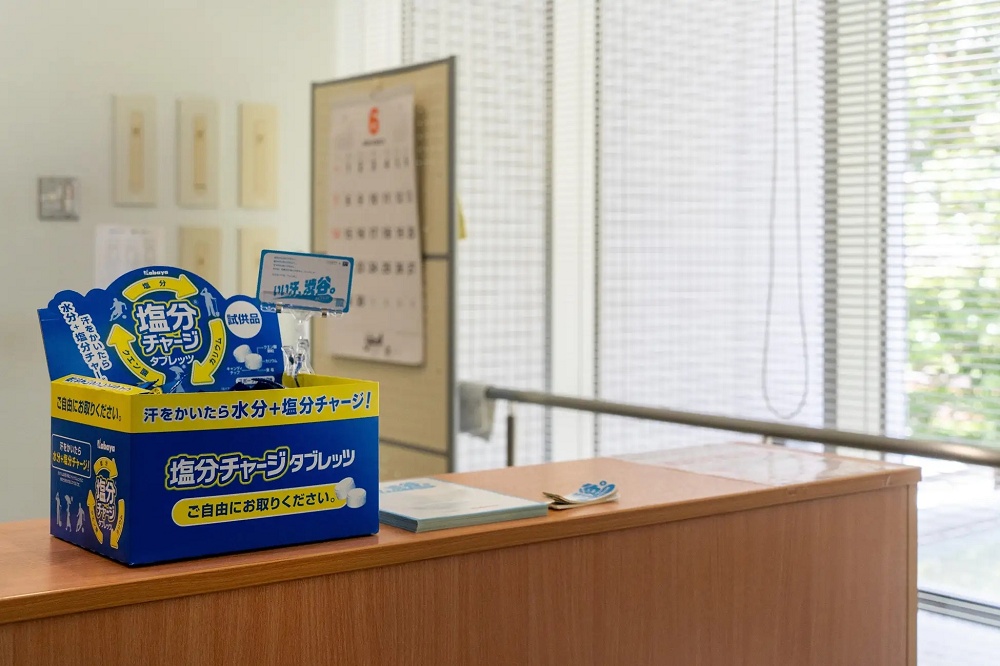
However, not everyone carries a supply of tablets on them, and as the effects of heat stroke can sneak up on people, Enbun Charge Tablets are now being offered free of charge at the Shibuya Ward Office. Anyone who wants one can simply grab a tablet from the box located in the second-floor atrium of the building.

▼ The Shibuya Ward Office is just one black away from the Shibuya Parco shopping center, which houses the Nintendo Tokyo and Shibuya Pokémon Center stores.

▼ A banner announcing the free Enbun Charge (塩分チャージ)

Boxes of free sodium tablets will also be placed at 29 other locations in Shibuya Ward, primarily libraries, public gyms/sports facilities, medical centers, and government offices, tying into the ward’s initiative to promote “cool sharing spots,” climate-controlled common-use areas where a large number of people can cool off in a more aggregately energy-efficient manner than simultaneously running their own home air conditioning units.

As the tablets are individually wrapped, there’s no need to use them right away, so swinging by the ward office and grabbing one to keep on hand for later in the day is an option too.

Source: Shibuya Keizai Shimbun, PR Times
Images: PR Times
● Want to hear about SoraNews24’s latest articles as soon as they’re published? Follow us on Facebook and Twitter!

❌
Subscriptions