Normal view

Can ‘grip strength’ exercises actually help you live longer?

If you follow wellness channels on social media, you might’ve come across the claim that your grip strength – or how firmly you can squeeze something with your hands – can predict how long you will live.

This sounds far-fetched. Yet the science supports such a connection.

But as wellness influencers try to monetise this link, what started as something based on scientific evidence starts to get stretched. Now some influencers claim just strengthening your grip strength can help you live longer.

And it’s not just social media influencers. Mainstream media often follows some similar patterns, overlooking the complexity and nuance of the science and misrepresenting what it means for individuals.


So many ideas about what makes us sick, or keeps us well, sound plausible. Early studies might sound promising. But then something gets twisted. In this series, we investigate how a grain of truth ends up as a common health myth. And we untangle what went wrong along the way.


What the science says

The evidence consistently shows a person’s grip strength is a good indicator of their overall health and therefore can act as a proxy for how long they might live.

However, grip strength isn’t a driver of longevity. The strength of your hands doesn’t make your healthier. It indicates how robust the body is, from muscle and nerve function, to the health of your heart and veins, and how your body uses energy.

A typical way researchers have investigated the relationship between grip strength, health and longevity is to measure participants’ handgrip strength by getting them to squeeze a hand-held device called a dynamometer. Then they track participants over time, to see if they developed diseases and how old they were when they died.

For example, a study of around half a million British people aged 40–69 years found a 5kg lower grip strength was associated with an approximately 20% greater risk of dying during the follow up period, which was up to ten years.

The researchers also found muscle weakness, which they defined as having a grip strength of less than 26kg for men and 16kg for women, was associated with a higher overall risk of death as well as a higher risk of death from cardiovascular disease (heart attack and stroke), respiratory disease, chronic obstructive pulmonary disease and a number of cancers.

The link is stronger for older people

While the relationship between grip strength and health holds for all age groups, in older people it appears to be a particularly good predictor of death, heart attacks, stroke, falls and fractures.

This is because it seems to be exceptionally good indicator of age-related loss of muscle mass (known as sarcopenia), power and resilience in older people.

Consequently, some researchers suggest grip strength should be considered a “new vital sign” – alongside more traditional indicators of health such as temperature, pulse, respiration and blood pressure.

The reason grip strength is a less powerful predictor of longevity in younger people compared to older age groups is because most young people are near the upper end of physiological performance. Differences in young people’s health are relatively small compared to the “noise” introduced by measurement error or random variation.

As people age, however, their health varies much more, while the sources of error remain roughly the same. Consequently, this higher signal-to-noise ratio results in a much stronger relationship between grip strength and health in later life.

So how did this turn into hype?

The problem with the way some people communicate this is generally an issue of overreach. Things often get muddled and this association can sometimes be turned into a prescription.

When people conflate correlation with causation, they may claim that just doing exercises to improve your grip strength, without improving your overall health, can help you live longer.

But just because two variables are linked does not mean that one causes the other. Improving grip strength is not a magic path to longevity. Rather, it’s a marker or proxy of broader physiological robustness, which influences longevity.

Intriguingly, some reels and articles explain the science clearly and highlight that grip strength is a proxy and not a cause, but then, paradoxically, go on to describe ways of increasing grip strength. This undoubtedly undermines the message that the relationship is not causal.

One of the problems seems to be that influencers and journalists sometimes feel it’s not enough to just explain the science: they have to offer actionable health advice or a solution. This can lead to overreach, where advice is given that goes beyond what the evidence says.

In a nutshell

We’re all naturally drawn to simple metrics that promise insights into our health and longevity, and grip strength seems to be one of the more useful ones.

Grip strength is a simple and accessible marker that can help predict health and longevity, particularly in the elderly. But improving your grip strength in isolation won’t make you healthier or extend your life.

The most effective drivers of health and longevity remain the obvious ones: staying active, eating a balanced diet, sleeping well, maintaining social connections and managing stress.


Read more: How old are you really? Are the latest ‘biological age’ tests all they’re cracked up to be?


The Conversation

Hassan Vally does not work for, consult, own shares in or receive funding from any company or organisation that would benefit from this article, and has disclosed no relevant affiliations beyond their academic appointment.
From medieval plague ships to hantavirus: How outbreaks at sea helped to shape the international public health system

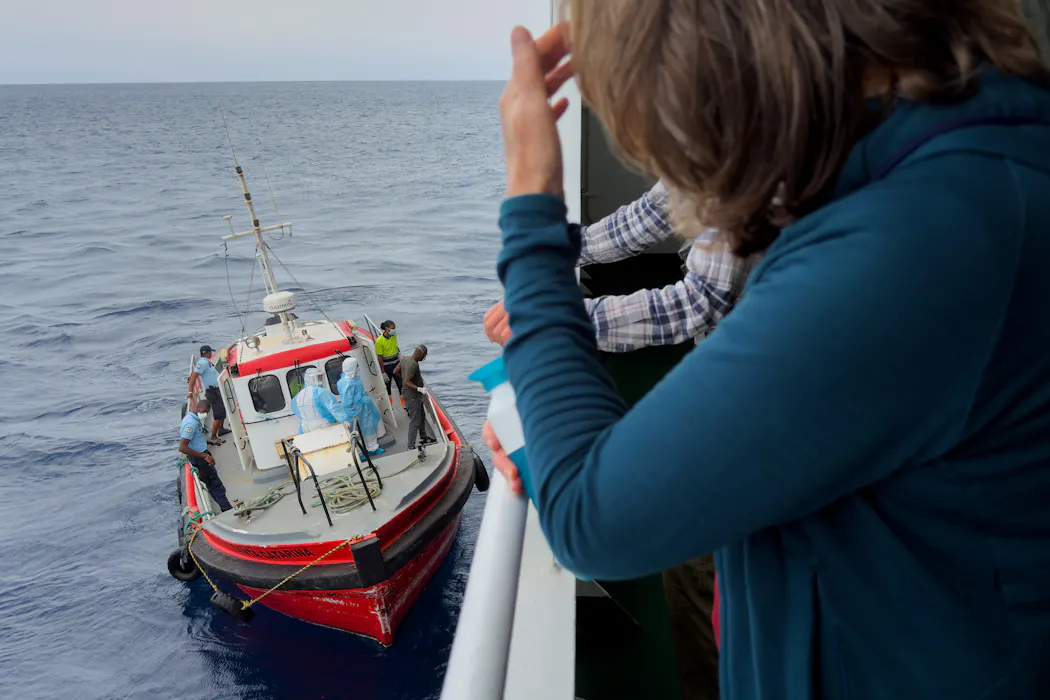
Passengers on the the hantavirus-stricken cruise ship MV Hondius watch epidemiologists board the boat in Praia, Cape Verde, on May 6, 2026 AP Photo/Uncredited

Cruise ships are convenient floating hotels by which to see far-flung parts of the world – but as an epidemiologist, I know they are also everything an infectious pathogen could want: thousands of strangers packed into enclosed spaces for days or weeks, sharing dining rooms and high-touch surfaces such as elevator buttons and handrails, breathing recirculated air.

Each new port of call where passengers can explore for a few days is an opportunity for germs to embark – and once they do, they encounter a highly efficient setting for hopping from host to host.

The MV Hondius confirmed this well-known fact in April 2026, when an outbreak of Andes hantavirus began aboard the Dutch-flagged expedition vessel carrying 147 passengers and crew from 23 countries.

The Andes virus is one of several species of hantaviruses. It is the only one known to spread from person to person, though it doesn’t do so very efficiently. It is far less contagious than COVID-19 or the measles.

As of May 14, a total of 11 cases, including three deaths, have been reported in the Hondius outbreak.

Outbreaks at sea are one of the oldest problems in public health. From medieval plague quarantines to modern times, they have repeatedly tested the ability to control infectious disease – and have played a key role in shaping the international public health framework in place today.

That interconnected public health system, however, depends on the cooperation of countries around the globe.

From harbor quarantine to global disease control

The word “quarantine” was first documented in the English language in 1663, in the Oxford English Dictionary, which defined it as a period of 40 days during which people who might spread a contagious disease are kept isolated from the rest of the community.

The first official quarantine, though, came earlier, in 1377, when the Republic of Ragusa – modern-day Dubrovnik, Croatia – ordered ships from plague-affected ports to anchor offshore for 30 days before anyone could disembark. A quarter-century later, Venice extended this period to 40 days – hence the “quarantine” term, which stuck. In 1423, Venice officially opened the world’s first permanent quarantine island, the Lazzaretto Vecchio, specifically to manage the problem of the plague arriving by sea.

A black and white historical illustration of an island,
Lazzaretto Vecchio, the first quarantine island, was established in 1423. Wikimedia Commons

The system worked during the medieval era because a single authority usually controlled most harbors. Ships waited because they recognized states’ authority to detain them.

For centuries, maritime quarantine operated on this principle. Harbor officials wielded broad public health powers over incoming vessels. In the 19th century this practice continued in the United States. Cholera ships – a nickname for trans-Atlantic vessels carrying migrants and troops that were breeding grounds for cholera and other diseases – arrived from Europe and the Mediterranean and sat offshore in New York for weeks. At quarantine stations on Ellis Island and ports across the Atlantic seaboard, ships were inspected, passengers isolated and captains overruled by public health officers who had the legal authority to isolate passengers for extended periods.

The system was crude and often brutal. Ships of the medieval period were floating sickrooms with poor conditions: putrid water in the casks, bread full of worms, and passengers packed into pitch-sealed berths with lice in the bedding and the bilge stinking under them. Many people died on board. But the system rested on a foundation of recognized, enforceable authority over the vessel and everyone on it for the purpose of protecting the city from disease.

International cooperation

As maritime trade and travel became increasingly globalized, however, no single port or government could manage outbreaks alone. Also, advances in vaccines, antibiotics and sanitation led many countries to downsize the maritime quarantine systems that had once defined disease control at sea.

This forced quarantine systems to evolve from local harbor control into international frameworks for coordination. The World Health Organization was established in 1948, and the International Health Regulations were created in 1969 to manage disease across borders.

Countries agreed to share information, notify one another of outbreaks and coordinate responses at ports and borders. The responsibility no longer fell on a sole harbormaster, but the system was designed to perform a similar coordinating function across an increasingly interconnected world.

Even within that system, however, cruise ships remain unusually vulnerable outbreak environments. A highly visible example was a COVID-19 outbreak that occurred on the Diamond Princess in 2020. The cruise ship, which was anchored off the coast of Yokohama, Japan, produced weeks of confusion between Japanese authorities, the British cruise operator and a dozen foreign governments as they struggled to coordinate responsibility for the 3,700 passengers and containment measures.

Some analyses later suggested the shipboard quarantine may have amplified transmission. At the time, most observers treated it as a crisis specific to the early chaos of the pandemic.

But the Hondius outbreak suggests the problem runs deeper.

The Andes hantavirus can spread from person to person, but not very efficiently.

Ships cross borders – so too do pathogens

Cruise ships combine dense social mixing, international mobility and fragmented legal authority in ways that continue to challenge modern disease-control systems – even decades after the creation of international public health frameworks designed to coordinate them, and even for diseases like Andes hantavirus that are extremely unlikely to cause a pandemic.

As the cruise industry has grown, it has expanded into more remote and epidemiologically unpredictable environments – expedition voyages to Antarctica, the Amazon, Alaska. Alongside the industry’s ambitions, disease risk has also increased. These trips routinely bring large groups of passengers into contact with wildlife, pathogens and ecosystems they may have little prior exposure to and then seal travelers together for weeks.

Nevertheless, the United States chose in January 2026 to withdraw from the World Health Organization, the primary institution administering the framework designed to coordinate responses when disease crosses the borders that cruise ships cross as a matter of routine.

The Trump administration framed the exiting of international organizations as a means of protecting U.S. sovereignty. In practice, it meant that when the Hondius needed a response, the U.S. participated from outside the systems it had spent decades helping to build.

A crack in the system

In the outbreak on the Hondius, the international system still functioned.

The WHO still issued risk assessments and guidance. The European Centre for Disease Prevention and Control still coordinated the response across Europe. And in the U.S., the Centers for Disease Control and Prevention belatedly issued a health alert to physicians.

What changed is that the U.S. moved from being a central participant in the international public health system to operating more from its edges.

Who can say whether the next big outbreak will come from a disease spread on a cruise ship – or whether the pathogen involved will be one that spreads more efficiently between people than the Andes strain of the hantavirus does.

Whatever its source, outbreak response depends on cooperation between major governments, rapid information sharing and coordinated logistics. When a country as globally connected as the U.S. steps back from those systems, managing international health emergencies becomes slower, more fragmented and more dependent on ad hoc negotiations. Ultimately, this may make the world less safe.

The Conversation

Katrine L. Wallace does not work for, consult, own shares in or receive funding from any company or organization that would benefit from this article, and has disclosed no relevant affiliations beyond their academic appointment.

Health authorities work to contain cruise ship hantavirus outbreak

The cruise ship MV Hondius sits anchored off Praia, the capital of Cape Verde, on May 5, 2026, before setting course for Spain on May 6. AFP via Getty Images

The MV Hondius, a Dutch cruise ship with a deadly outbreak of hantavirus, was on its way to the Canary Islands on May 7, 2026, after evacuating three ill passengers for treatment.

The World Health Organization confirmed the outbreak on May 4, noting a total of seven infections, with three deaths since the outbreak began in early April. An eighth case was confirmed on May 6.

Because of the illness’s one- to eight-week incubation period, additional cases may still be identified. Health officials around the world are monitoring passengers who disembarked from the ship in the early days of the outbreak in late April. Health officials emphasize, however, that the risk to the public from the outbreak is low.

I’m a medical epidemiologist – here’s what you need to know about the virus and how the outbreak is playing out.

What is hantavirus?

Hantavirus isn’t just one virus but a group of closely related viruses found throughout the world. Their natural reservoir is rodents, such as wild mice, rats and moles. Infected rodents don’t get symptoms, but the virus replicates in their cells. It sometimes spills over into other animals, including humans, and can cause severe disease and even death.

There are two general types of hantaviruses. Old World hantaviruses, typically found in Europe and Asia, generally affect the kidneys. Their mortality rate in people is 15% or less.

New World hantaviruses, such as the one causing the outbreak on the Hondius, occur in North and South America. The best-known strains of this type are the Andes virus, the strain that was confirmed in the cruise ship outbreak, and the Sin Nombre virus, which likely caused the death of Betsy Arakawa, Gene Hackman’s wife, in March 2025.

These viruses generally affect the lungs and are fatal in about 40% of cases. Symptoms start with a flu-like illness and can progress quickly to intense inflammation in the lungs that leads to lung and heart failure.

A person with a hantavirus infection may experience symptoms anywhere from a week to eight weeks after exposure. There is no treatment; doctors can offer only supportive care, such as hydration, artificial respiration or dialysis.

How do these viruses spread?

Cases of hantavirus infection are rare. The Centers for Disease Control and Prevention recorded 890 cases in the U.S. from 1993, when surveillance began, through the end of 2023.

The vast majority of cases occur in China, with thousands of cases caused by Old World hantavirus strains occurring annually.

Most often, people become infected with these viruses by inhaling aerosolized urine or droppings from infected rodents. Imagine a cabin infested with mice infected by the virus – sweeping the cabin would shake up dust from the mouse urine and droppings, distributing it through the air and enabling people to inhale the viral particles. There’s a smaller risk of getting ill through direct contact, such as by being bitten by an infected rodent or by touching its saliva.

Health officials are tracking people who left the ship before the outbreak was identified.

The worry on the cruise ship is human-to-human transmission. Epidemiologists had previously found hints that the Andes virus may be transmitted from one person to another under certain circumstances, such as close, sustained contact in close quarters, like a small cruise ship.

What do investigators think happened on the cruise ship?

The Hondius, now carrying close to 150 passengers, started out in Argentina on April 1 and was sailing north on a 33-day journey.

There were no reports of rodents on the ship, so it’s unlikely the illness started there. According to news reports, the people who first got sick had been touring Argentina and Chile for months beforehand. Researchers speculate they likely got infected during an activity in which they were exposed to a rodent carrying the disease or its excrement.

Given these viruses’ weekslong incubation period, these people may have been feeling fine when they boarded the ship, before eventually falling ill. They may have then spread Andes virus to others through breathing shared air or other close contact in close quarters.

What happens now?

The ship is now traveling to Spain, and multiple patients are being evacuated along the way.

Also, researchers are tracking 29 people who disembarked from the ship on April 24, before the outbreak was identified. People who had significant exposure will likely be quarantined to watch for symptoms and be isolated if symptoms develop.

Residents of three U.S. states are being monitored. Dutch officials announced on May 7 that a flight attendant who was not a passenger but briefly interacted with a passenger was hospitalized with possible hantavirus symptoms.

Is the situation dangerous?

Health officials can’t rule out that additional hantavirus cases may emerge in the cruise ship outbreak, but beyond the ship the risk remains low. That’s because most cases of hantavirus, including Andes virus, are acquired directly from rodents or their excrement and not from other humans.

It’s important to note, however, that even on vacation, people should pay attention to risks for infection – particularly as they may be very different from the ones they’re used to at home.

The Conversation

Daniel Pastula does not work for, consult, own shares in or receive funding from any company or organization that would benefit from this article, and has disclosed no relevant affiliations beyond their academic appointment.
How cuts to CDC are dismantling its capacity to protect Americans’ health

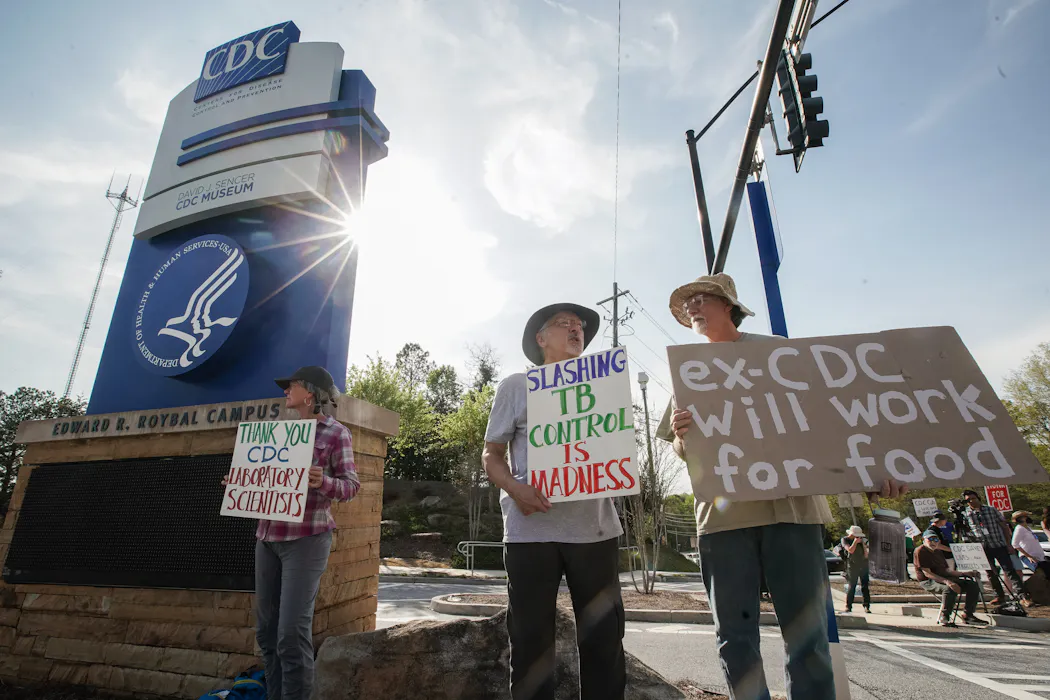
People protest recent layoffs outside the main campus of the Centers for Disease Control and Prevention in Atlanta on April 1, 2025. Elijah Nouvelage via Getty Images

Since the Trump administration took office in January 2025, the workforce at the Centers for Disease Control and Prevention has weathered uncertainty and change.

Mass firings, communication freezes, political interference in the CDC’s scientific mission and a revolving door of leaders have created a challenging work environment for the CDC’s employees.

I’m a public health researcher who studies how working conditions affect employee health and well-being. I also worked at the CDC from 2012 to 2020. Given the turmoil imposed on the CDC workforce since Inauguration Day, I worked with a team of researchers at Michigan State University to conduct an anonymous survey of more than 600 CDC workers.

We found a CDC workforce concerned by a declining ability to achieve the agency’s public health mission, a shrinking and overworked staff and wide-ranging effects that threaten Americans’ health.

CDC’s mission is to protect and improve the health of Americans, which it fulfills by preventing, detecting and controlling disease. CDC also staffs a pool of public health experts who are rapidly deployed to respond to public health emergencies – including disease outbreaks – worldwide. The cuts to CDC put these functions in jeopardy.

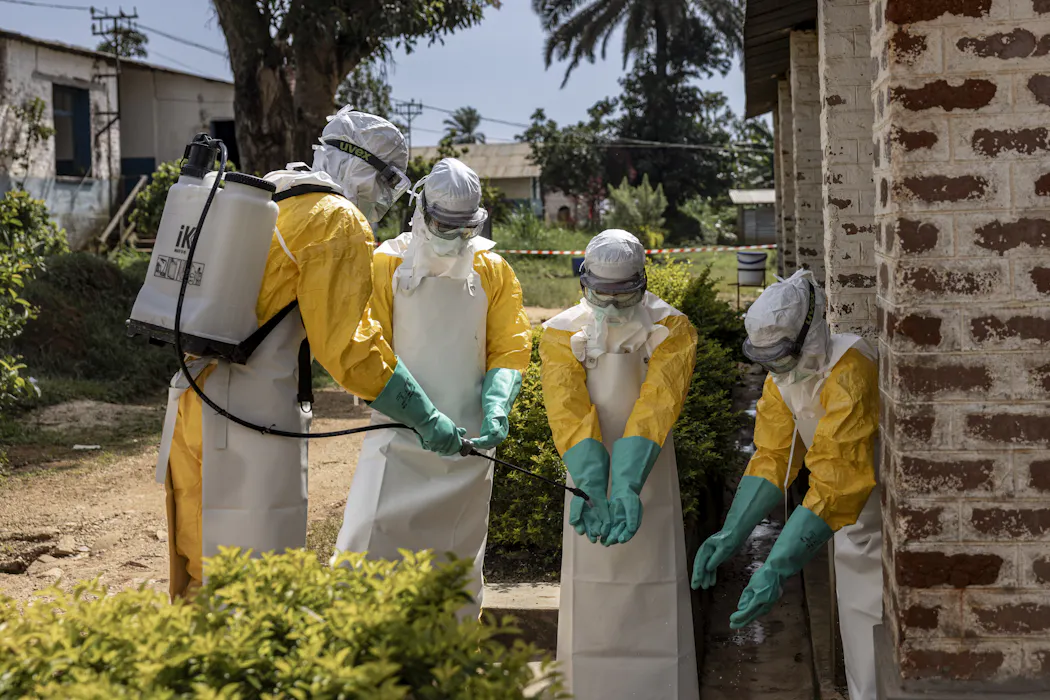
Key CDC posts empty as Ebola outbreak grows

As an explosive Ebola virus outbreak takes hold in Central Africa, infectious disease experts are questioning the U.S. government’s ability to effectively respond to public health emergencies following the cuts to the CDC and foreign aid, as well as the U.S. withdrawal from the World Health Organization.

The CDC remains without strong leadership at a critical point in the outbreak response.

In August 2025, Health and Human Services secretary Robert F. Kennedy Jr. fired CDC Director Susan Monarez after she refused to accept political interference with the agency, causing multiple senior CDC leaders to resign in protest. Almost one year later, the CDC’s top leadership positions remain vacant. The agency has no director, principal deputy director, chief of staff or chief medical officer to lead employees through a complicated emergency response.

But in our survey, we were most interested in knowing how this administration’s changes have affected CDC’s rank-and-file workforce, who are on the front lines of protecting Americans’ health.

Survey: CDC workers say emergency response is eroding

Between February and April 2026, our team distributed our anonymous survey through employee and alumni groups, LinkedIn and professional networks. We received responses from 433 current and 191 former CDC employees who had left since January 2025; 95% were federal employees and the rest contractors or other nonfederal workers.

The survey questions asked how the second Trump administration’s changes have affected their day-to-day work.

In June, we presented our initial findings at the annual meeting of the Council of State and Territorial Epidemiologists as we prepare for publication in an academic journal.

More than 99% of CDC employees we surveyed – 604 out of 605 – said that the administration’s changes to the CDC reduced its capacity to respond to a public health emergency.

For example, during the 2014–2016 Ebola virus outbreak, the CDC sent its public health professionals – including me – on more than 3,000 deployments to West Africa to control the outbreak. But today, in the midst of another growing Ebola outbreak, deep cuts to the CDC workforce mean that the agency may no longer have sufficient personnel to deploy at the same capacity if needed.

Americans are already seeing this in the CDC’s response to ongoing measles outbreaks in the U.S. Public health experts note that the CDC’s communication with the public about the outbreaks has been confusing and sparse, which they attribute to the cuts.

Losses to the CDC workforce

The CDC is home to a specialized public health workforce tasked with responding to the nation’s most important health problems.

Since January 2025, the CDC has lost just over a quarter of its federal employee workforce. More than 1,000 employees were fired after their positions were eliminated, with hundreds remaining on administrative leave due to a court order preventing their firing. Resignations, retirements and contract nonrenewals have further shrunk the workforce.

“We have the same amount of work,” wrote a CDC manager whose work unit was particularly hard-hit by staff losses, “but it is not possible to do all of it with half the staff.”

Among the current CDC workers we surveyed, 85% said they were burning out.

These cuts and challenges have made CDC employees pessimistic about the agency’s future. Of the current CDC employees we surveyed, 1 in 5 have decided to leave, further straining CDC’s resources. The vast majority who left voluntarily – 95% – told us they left mostly or entirely because of changes implemented by the current administration.

“The anti-vaccine, anti-science stance of this administration meant that I could no longer in good conscience continue to work there given the type of work that I did,” a former CDC manager explained.

Similar reasons were given by senior CDC leaders and scientists who resigned in protest since January 2025, citing budget cuts, scientific censorship and political interference with the CDC’s public health mission as the reasons they resigned.

The CDC’s nonscientific workforce was also hard-hit, with the Department of Health and Human Services eliminating CDC’s digital media teams, offices handling Equal Employment Opportunity complaints and Freedom of Information Act requests, and much of human resources and acquisitions. In our survey, 94% of CDC employees said that under this administration, it became harder to do their job.

Cuts to chronic disease and injury prevention

Although the CDC’s responses to infectious disease outbreaks like hantavirus or Ebola virus tend to dominate headlines, much of the agency’s day-to-day work focuses on chronic disease and injury prevention.

Chronic diseases are the No. 1 killer of Americans, and injuries are the No. 1 killer of American children.

Despite Kennedy’s assertions that his administration will focus on preventing chronic disease, he has quietly shuttered many of the CDC’s chronic disease and injury prevention programs, including those dedicated to improving women’s health, preventing violence and injuries, tracking infertility, reducing tobacco use and promoting healthy aging.

President Donald Trump’s fiscal year 2026 budget proposed eliminating the CDC’s chronic disease and injury prevention programs entirely. The final funding bill rejected these cuts.

Since January 2025, the CDC has lost more than a quarter of its workforce.

We asked current and former CDC employees in chronic disease and injury prevention programs what happened to their work unit under this administration. Only three of 142, or 2%, said their work unit remains fully operational and able to meet its public health mission.

We asked everyone we surveyed if they thought Americans will die because of the administration’s changes to the agency; 95% said yes.

Cuts to CDC ripple through the country

Many of the CDC’s functions are invisible to the general public, making it easy to hide the extent to which the agency has been damaged.

In addition to responding to public health emergencies and preventing disease, the CDC plays a vital role in sustaining the nation’s public health infrastructure. About 80% of the CDC’s domestic budget goes to fund public health programs run by state, territorial, tribal and local partners, directly protecting health in local communities.

Health departments around the country are now grappling with sudden cuts to the federal funding that sustains their health data collection and health promotion activities.

I believe that current and recent CDC employees have the best view of how the administration’s cuts are affecting the agency. Their observations warn of a U.S. government losing its ability to protect the nation’s health.

The Conversation

Candice Johnson has received funding from the Centers for Disease Control and Prevention for unrelated work. She is a former CDC employee.

Ebola may have spread beyond Africa. How are health authorities responding?

The latest Ebola outbreak is showing no signs of slowing.

On April 24, the first suspected case of the rare Bundibugyo strain of Ebola was detected in the Democratic Republic of the Congo (DRC). On May 17, the World Health Organisation declared the outbreak a “Public Health Emergency of International Concern”.

The current Ebola outbreak is the third-largest in world history, with 906 suspected cases and 223 deaths in the DRC alone as of 27 May.

And it may have spread to other continents. Health authorities are now investigating a suspected case in Italy, and two possible cases in Brazil. All three are believed to be travellers returning from either the DRC or Uganda. One American man who tested positive for Ebola is currently being treated in Germany.

As concerns grow, the Coalition for Epidemic Preparedness Innovations has committed more than A$86 million in funding to fast-track the development of three potential vaccines, targeting the Bundibugyo strain.

But in the meantime, could this outbreak spread further? And how concerned should we be?

A deadly virus

Ebola is a rare but potentially fatal virus that mainly spreads through direct contact with the bodily fluids – such as blood, faeces and vomit – of an infected person.

Early symptoms of Ebola include sore throat, headaches, fever, fatigue and body pain. Severe Ebola cases can cause skin rashes, shortness of breath, vomiting, diarrhoea, abdominal pain and seizures.

Ebola was first identified in humans in 1976. Since then, there have been more than 40 outbreaks around the world, with the majority occurring in African countries.

The current outbreak is the third ever to be caused by the rare Bundibugyo strain. The majority of past outbreaks were driven by the more deadly Zaire strain, which kills up to 90% of people compared to up to 34% for Bundibugyo.


Read more: Ebola outbreak declared a global health emergency – what you need to know


What is driving this latest outbreak?

The factors driving this latest outbreak also contributed to the devastating West African outbreak of 2014-16, where more than 11,000 people died.

In both outbreaks, the virus had been circulating for months before an outbreak was declared, and initial cases had non-specific symptoms.

Both outbreaks also rapidly spread in urban areas. Transmission in health-care settings is another common factor.

Political instability and social unrest also contributed to both outbreaks. Most recently in the DRC, crowds have set fire to hospital tents, prompting some patients to flee isolation wards.

And certain cultural practices – including traditional burial rituals that often involve handling dead bodies – may have accelerated the spread of both outbreaks.


Read more: Health authorities are racing to contain Ebola in the DRC and Uganda. Here’s what’s making it so challenging


How it crossed continents

Similar to the West African outbreak, this latest Ebola outbreak has spread to other continents through travel.

Nine cases and one death have already been reported in Uganda, which shares a border with the DRC.

An American man who tested positive for Ebola while working in the DRC, is in a stable condition after being treated in Germany.

In Italy, authorities are monitoring a traveller who recently returned from the DRC to the city of Cagliari.

According to some reports, Brazilian authorities are investigating two suspected Ebola cases. They are believed to be two travellers, one who returned from the DRC to São Paulo and the other from Uganda to Rio de Janeiro.

Importantly, both suspected cases have been diagnosed with other illnesses. The São Paulo patient presented with fever and was later diagnosed with severe meningitis. The Rio de Janeiro patient tested positive for malaria after developing a cough, chills and diarrhoea, but has since tested negative for Ebola.

So for now, no Ebola cases have been confirmed in Brazil. But these suspected cases have prompted the country to activate its Ebola safety protocols, including patient isolation, laboratory testing, and epidemiological investigations.

Meanwhile, several countries have imposed travel restrictions to prevent Ebola from reaching their shores.

Both the United States and Canada are temporarily restricting entry for travellers from the DRC, Uganda and South Sudan. The US and other countries such as India and Mexico are also strengthening public health screening and disease monitoring measures, particularly at airports. Some countries have mandated a 21-day quarantine period for their citizens returning from the DRC.


Read more: Ebola outbreak in the DRC: four reasons it will be hard to contain


Could it spread further, including to Australia?

At this stage, the risk of Ebola reaching Australia is very low.

Australia has not put in place any travel or quarantine requirements for affected countries, but federal health minister Mark Butler says authorities are still monitoring the outbreak “very closely”.

Based on lessons from past outbreaks, there are three main ways the current Central African outbreak could play out.

Without effective control measures, cases may surge in the coming months. Some models suggest that by mid-May, up to 1,000 cases had already occurred in the DRC, compared to official figures of about 900 cases. So the actual number of Ebola cases may be much higher than authorities realise.

In a more favorable scenario, a strengthened public health response could bring this latest outbreak under control. This would be possible with continued support from the international community, the rapid development of vaccines and community engagement.

However, the most realistic outcome is cases will continue to rise before authorities successfully contain the current outbreak.

Nevertheless, the international community responded much more swiftly to this outbreak, particularly compared to the devastating 2014-16 West African outbreak. That alone may protect us from an outbreak of the same catastrophic scale and cost.

The Conversation

Holly Seale receives funding from the National Health and Medical Research Council and NSW Health. She has previously received funding from Pfizer to present at international conferences.

Abrar Ahmad Chughtai and Md Saiful Islam do not work for, consult, own shares in or receive funding from any company or organisation that would benefit from this article, and have disclosed no relevant affiliations beyond their academic appointment.

Ebola may have spread beyond Africa. How are health authorities responding?

The latest Ebola outbreak is showing no signs of slowing.

On April 24, the first suspected case of the rare Bundibugyo strain of Ebola was detected in the Democratic Republic of the Congo (DRC). On May 17, the World Health Organisation declared the outbreak a “Public Health Emergency of International Concern”.

The current Ebola outbreak is the third-largest in world history, with 906 suspected cases and 223 deaths in the DRC alone as of 27 May.

And it may have spread to other continents. Health authorities are now investigating a suspected case in Italy, and two possible cases in Brazil. All three are believed to be travellers returning from either the DRC or Uganda. One American man who tested positive for Ebola is currently being treated in Germany.

As concerns grow, the Coalition for Epidemic Preparedness Innovations has committed more than A$86 million in funding to fast-track the development of three potential vaccines, targeting the Bundibugyo strain.

But in the meantime, could this outbreak spread further? And how concerned should we be?

A deadly virus

Ebola is a rare but potentially fatal virus that mainly spreads through direct contact with the bodily fluids – such as blood, faeces and vomit – of an infected person.

Early symptoms of Ebola include sore throat, headaches, fever, fatigue and body pain. Severe Ebola cases can cause skin rashes, shortness of breath, vomiting, diarrhoea, abdominal pain and seizures.

Ebola was first identified in humans in 1976. Since then, there have been more than 40 outbreaks around the world, with the majority occurring in African countries.

The current outbreak is the third ever to be caused by the rare Bundibugyo strain. The majority of past outbreaks were driven by the more deadly Zaire strain, which kills up to 90% of people compared to up to 34% for Bundibugyo.


Read more: Ebola outbreak declared a global health emergency – what you need to know


What is driving this latest outbreak?

The factors driving this latest outbreak also contributed to the devastating West African outbreak of 2014-16, where more than 11,000 people died.

In both outbreaks, the virus had been circulating for months before an outbreak was declared, and initial cases had non-specific symptoms.

Both outbreaks also rapidly spread in urban areas. Transmission in health-care settings is another common factor.

Political instability and social unrest also contributed to both outbreaks. Most recently in the DRC, crowds have set fire to hospital tents, prompting some patients to flee isolation wards.

And certain cultural practices – including traditional burial rituals that often involve handling dead bodies – may have accelerated the spread of both outbreaks.


Read more: Health authorities are racing to contain Ebola in the DRC and Uganda. Here’s what’s making it so challenging


How it crossed continents

Similar to the West African outbreak, this latest Ebola outbreak has spread to other continents through travel.

Nine cases and one death have already been reported in Uganda, which shares a border with the DRC.

An American man who tested positive for Ebola while working in the DRC, is in a stable condition after being treated in Germany.

In Italy, authorities are monitoring a traveller who recently returned from the DRC to the city of Cagliari.

According to some reports, Brazilian authorities are investigating two suspected Ebola cases. They are believed to be two travellers, one who returned from the DRC to São Paulo and the other from Uganda to Rio de Janeiro.

Importantly, both suspected cases have been diagnosed with other illnesses. The São Paulo patient presented with fever and was later diagnosed with severe meningitis. The Rio de Janeiro patient tested positive for malaria after developing a cough, chills and diarrhoea, but has since tested negative for Ebola.

So for now, no Ebola cases have been confirmed in Brazil. But these suspected cases have prompted the country to activate its Ebola safety protocols, including patient isolation, laboratory testing, and epidemiological investigations.

Meanwhile, several countries have imposed travel restrictions to prevent Ebola from reaching their shores.

Both the United States and Canada are temporarily restricting entry for travellers from the DRC, Uganda and South Sudan. The US and other countries such as India and Mexico are also strengthening public health screening and disease monitoring measures, particularly at airports. Some countries have mandated a 21-day quarantine period for their citizens returning from the DRC.


Read more: Ebola outbreak in the DRC: four reasons it will be hard to contain


Could it spread further, including to Australia?

At this stage, the risk of Ebola reaching Australia is very low.

Australia has not put in place any travel or quarantine requirements for affected countries, but federal health minister Mark Butler says authorities are still monitoring the outbreak “very closely”.

Based on lessons from past outbreaks, there are three main ways the current Central African outbreak could play out.

Without effective control measures, cases may surge in the coming months. Some models suggest that by mid-May, up to 1,000 cases had already occurred in the DRC, compared to official figures of about 900 cases. So the actual number of Ebola cases may be much higher than authorities realise.

In a more favorable scenario, a strengthened public health response could bring this latest outbreak under control. This would be possible with continued support from the international community, the rapid development of vaccines and community engagement.

However, the most realistic outcome is cases will continue to rise before authorities successfully contain the current outbreak.

Nevertheless, the international community responded much more swiftly to this outbreak, particularly compared to the devastating 2014-16 West African outbreak. That alone may protect us from an outbreak of the same catastrophic scale and cost.

The Conversation

Holly Seale receives funding from the National Health and Medical Research Council and NSW Health. She has previously received funding from Pfizer to present at international conferences.

Abrar Ahmad Chughtai and Md Saiful Islam do not work for, consult, own shares in or receive funding from any company or organisation that would benefit from this article, and have disclosed no relevant affiliations beyond their academic appointment.

How flu overtook COVID as Australia’s deadliest respiratory virus

Wasana Kunpol/Getty

Many Australians have stopped worrying about respiratory viruses. The pandemic has passed and attention has shifted. COVID no longer dominates the headlines, and influenza is often dismissed as a routine winter illness.

But the latest provisional figures from the Australian Bureau of Statistics (ABS) suggest otherwise.

In 2025, there were 1,455 deaths in Australia due to influenza. This is the highest number the ABS has recorded in this series of data in modern times. This is more than in previous peak years, such as 2017 (1,276 deaths) and 2019 (1,072 deaths).

COVID continued its long decline as a cause of death. In 2025, there were 1,718 deaths due to COVID, down from 3,908 in 2024 and 4,613 in 2023.

These figures count deaths directly attributed to each virus.

The charts below also include deaths where the virus contributed but was not the main cause.

More importantly, between August 2025 and January 2026, influenza was the underlying cause of more deaths each month than COVID, a pattern we have not seen since the pandemic began.

None of this means COVID has disappeared. Far from it. But it means the mix of respiratory viruses is changing.

There’s also a third respiratory virus that often gets overlooked – respiratory syncytial virus, or RSV.

Looking beyond case numbers

When people hear reports that a respiratory virus season is “bad”, they often think about case numbers, meaning the number of people testing positive for a particular disease.

But case numbers have become increasingly unreliable. Most people with a cough, sore throat or fever don’t get tested. Many never see a doctor. Even when they do, they aren’t always tested. And if they are, no test is 100% accurate.

That’s why epidemiologists often pay more attention to severe outcomes such as hospital admissions and deaths. Hospital admissions are generally a better measure than case notifications, but at the moment not all Australian states and territories report them consistently. That leaves deaths as the most reliable measure for comparing the impact of respiratory viruses over time.

The ABS data show that deaths caused by COVID have steadily fallen over the past three years, while deaths caused by influenza have moved in the opposite direction.

In 2024, influenza was recorded as the underlying cause of death in 807 Australians. Last year that almost doubled to 1,455. A big jump like that is unusual for a virus for which we have had vaccines for decades.

Influenza vs COVID deaths

One reason influenza appears to be doing so much damage is what we’re comparing it to – COVID – has become less deadly in recent years. Population immunity from vaccination and prior infection has substantially reduced the risk of severe disease.

COVID treatments are also available for people at high risk of severe disease, and hospital staff now have better ways of treating those severely ill.

Influenza behaves quite differently. The virus evolves rapidly, and vaccine effectiveness varies from year to year. As a result, immunity from last year’s infection or vaccination doesn’t necessarily provide much protection against this year’s strains. That is why a new influenza vaccine is needed every year. Some years influenza causes relatively little severe disease. Other years are much worse.

In 2025, we saw one of those years. A late-emerging H3N2 subclade K influenza variant (known as super K) extended the season and was poorly matched to the H3N2 strain in that year’s vaccine.

At the same time, influenza vaccine coverage among Australians aged 65 years and over was around 62%. This is down from 64% in 2023 and well short of the World Health Organization target of 75% for this age group.


Read more: Can I get a free flu shot? And will it cover ‘super K’? Your influenza vaccine questions answered


Then there’s RSV

Lost in the discussion about flu and COVID is RSV. This is best known as a cause of illness in babies and young children. But older people can also become seriously ill.

In 2025, RSV was the underlying cause of 198 deaths in Australia. However, RSV is often recorded as a contributing rather than underlying cause of death because it can worsen conditions such as chronic lung disease or heart failure. In 2025, another 392 deaths listed RSV as a contributor.

Taken together, this points to RSV playing a much larger role in respiratory deaths – by both contributing to, and being the underlying cause of, death.

What does this mean for winter?

So, will 2026 be another severe flu year? We don’t yet know. What is clear, though, is all three viruses are circulating side by side, and any one of them could surge.

Early data suggest influenza deaths during January and February were roughly double those recorded during the same period in 2025. However, these figures can fluctuate considerably early in the year, so it is too soon to draw firm conclusions.

COVID deaths remain at relatively low levels, while RSV continues to circulate in the background.

Older Australians remain at greatest risk of death from all three viruses.

So vaccination still matters. People aged 65 years and over, aged-care residents, people with chronic health conditions, Aboriginal and Torres Strait Islander people, pregnant women and young children should be up to date with recommended vaccines.

The 2026 flu vaccine has been updated to better match last year’s troublesome H3N2 strain. Importantly, influenza, COVID and RSV vaccines can all be given at the same visit.

The Conversation

Adrian Esterman receives funding from NHMRC, MRFF and ARC.

What’s wrong with how US and Uganda plan to stop Ebola spreading

The Democratic Republic of Congo is scaling up health operations to contain the Ebola epidemic. Michel Lunanga/Getty Images

As public health workers in the Democratic Republic of Congo work to rein in a growing outbreak of a rare Ebola virus, other countries are establishing protocols for keeping their own populations safe.

As of May 27, 2026, Congo has reported more than 1,000 suspected and confirmed cases, and more than 250 deaths, according to the U.S. Centers for Disease Control and Prevention. Neighboring Uganda has also reported seven cases and one death. Several Americans who were in the region have been exposed.

Measures such as screening incoming travelers and isolating those who have been exposed, announced by the U.S., Canada and other countries, are scientifically proven ways to effectively address outbreaks.

But recent decisions by two countries stand out because they are not supported by epidemiological evidence – and because they reflect a surprisingly similar way of thinking about outbreak control: On May 27, Uganda closed its border with Congo. Only a narrow set of exceptions apply, mostly for emergency aid workers, and those who cross the border will be subject to health screening and supervised isolation. The following day, the United States announced plans to send exposed Americans from affected countries to a quarantine facility in Kenya, a country with no Ebola cases – though as of May 29, a Kenyan court has blocked the move.

Uganda closed its border with Congo to prevent the spread of Ebola, but public health history suggests this is not a great idea.

These are very different policies, but both rely on a common assumption: that creating geographic distance from a threat provides protection. However, surveillance, isolation and response capacity are often more important. And both the Ugandan and U.S. moves have drawn criticism from public health and medical experts who argue that managing outbreaks depends more on detection and monitoring than distance alone.

And both decisions emerge from a long-running debate in public health: whether controlling where people are located is more effective than investing in the systems that identify, monitor and treat disease.

As an epidemiologist studying infectious disease outbreaks, I think a look at the history of border restrictions and closures during epidemics helps explain why scientific consensus usually recommends against them.

Land borders are challenging to ‘close’

The instinct to seal borders during outbreaks goes back centuries. Venice’s 14th-century “quarantino” was one of the earliest organized attempts by a state to regulate movement in the name of collective health. It worked because the unit of control was a ship: a discrete location that could be anchored offshore for a period of time.

A land border is a fundamentally different problem. As trade networks crossed continents, epidemic control encountered something maritime quarantine never had to solve. You cannot easily anchor people at a land border.

By the 19th century, repeated cholera outbreaks had made the problem international. European powers responded with waves of uncoordinated border closures and trade restrictions that caused enormous economic damage without reliably stopping transmission.

A four-panel etching from 1833 showing people trying to disembark from a boat and go ashore.
Sealing a border is easier when people arrive by sea than by land. Wikimedia Commons

In 1874, governments from around the world met in Vienna for the Fourth International Sanitary Conference to address a problem that sounds remarkably modern: how to control infectious diseases crossing borders without crippling trade and travel. Delegates explicitly rejected border closures and land quarantine as “unworkable and consequently useless.”

The modern descendant of those 19th-century conferences is a set of global laws called the International Health Regulations. Their core purpose is straightforward: Make it safe for countries to report outbreaks honestly, without fear that doing so will trigger economic punishment or travel bans.

Incentive problem at the heart of global health

The entire modern global health surveillance system rests on a single premise: Countries need to report outbreaks quickly, without fear of automatic economic punishment for doing so. If declaring an outbreak triggers immediate border closures and travel bans, governments have a powerful incentive to delay reporting.

This concern is not hypothetical. During the first SARS outbreak in 2003, China’s delays in official reporting, driven in part by concern about economic fallout, contributed directly to the global spread of the disease. This prompted the World Health Organization to publicly accuse a member state of placing the world at risk. The International Health Regulations were most recently revised in 2005 in direct response to that failure.

When the WHO declared the current Ebola outbreak a public health emergency of international concern on May 17, it explicitly warned against border closures and travel restrictions, saying that these moves “have no basis in science.” That’s because such actions push movement to informal border crossings that are not monitored and “can also compromise local economies and negatively affect response operations from a security and logistics perspective.”

For example, a mother trying to get a sick child to a clinic just across the border may not stop because the formal crossing is shut. The Uganda-Congo border is several hundred miles long and crossed by numerous footpaths beyond formal border posts, which many people use daily to visit family or to trade.

The public health system loses the ability to test, isolate or trace those interactions. This matters especially for Ebola, which transmits only after symptoms begin – meaning a person who can actually spread the virus is already identifiable through symptom screening, making case detection and isolation far more effective than geographic restriction.

U.S. plans to establish quarantine facilities in Kenya for Americans exposed to Ebola have drawn strong pushback.

The U.S. decision to send exposed Americans to a quarantine facility in Kenya reflects a related instinct – to keep the virus off native soil. But exposure has already occurred, so the public health question is no longer how to prevent entry but how to monitor potentially exposed people safely and effectively. The plan is particularly controversial because it would transfer potentially exposed individuals to a country with no Ebola cases of its own, despite the U.S. already possessing specialized facilities designed for exactly this purpose.

The Infectious Diseases Society of America criticized the plan, noting that the United States has already invested heavily in specialized Ebola treatment centers specifically designed to care for patients with highly dangerous infectious diseases. It warned that building and staffing a new unit in Kenya during an active outbreak raises questions about resources, timing and quality of care.

Border restrictions do not work alone

Some countries did use border closures effectively during COVID-19 – New Zealand, Australia and Taiwan sharply restricted international travel while pairing those measures with intensive testing, quarantine and contact tracing. But specific circumstances made those cases work: restrictions before the virus began spreading widely in the community, island geography that naturally limited informal crossings, and aggressive internal measures running in parallel.

Remove any of those elements and the effectiveness drops sharply. In these examples, the act of closing the border did not work alone. It bought time for setting up the infrastructure for testing and contact tracing.

These circumstances don’t apply to Uganda’s border closing. Researchers estimate the virus had been transmitting for approximately six weeks, and Uganda already has seven confirmed cases. A closure here is not a moat.

Governments face real pressure to act visibly during outbreaks, and border restrictions are easier to communicate to a worried public than investments in surveillance infrastructure. Those incentives are understandable.

But history suggests that outbreaks are controlled less by where people are located than by whether governments can identify cases quickly, trace contacts, isolate infections and maintain public trust. In other words, borders alone do not stop outbreaks. The real work happens inside them.

The Conversation

Katrine L. Wallace does not work for, consult, own shares in or receive funding from any company or organization that would benefit from this article, and has disclosed no relevant affiliations beyond their academic appointment.

What’s wrong with how US and Uganda plan to stop Ebola spreading

The Democratic Republic of Congo is scaling up health operations to contain the Ebola epidemic. Michel Lunanga/Getty Images

As public health workers in the Democratic Republic of Congo work to rein in a growing outbreak of a rare Ebola virus, other countries are establishing protocols for keeping their own populations safe.

As of May 27, 2026, Congo has reported more than 1,000 suspected and confirmed cases, and more than 250 deaths, according to the U.S. Centers for Disease Control and Prevention. Neighboring Uganda has also reported seven cases and one death. Several Americans who were in the region have been exposed.

Measures such as screening incoming travelers and isolating those who have been exposed, announced by the U.S., Canada and other countries, are scientifically proven ways to effectively address outbreaks.

But recent decisions by two countries stand out because they are not supported by epidemiological evidence – and because they reflect a surprisingly similar way of thinking about outbreak control: On May 27, Uganda closed its border with Congo. Only a narrow set of exceptions apply, mostly for emergency aid workers, and those who cross the border will be subject to health screening and supervised isolation. The following day, the United States announced plans to send exposed Americans from affected countries to a quarantine facility in Kenya, a country with no Ebola cases – though as of May 29, a Kenyan court has blocked the move.

Uganda closed its border with Congo to prevent the spread of Ebola, but public health history suggests this is not a great idea.

These are very different policies, but both rely on a common assumption: that creating geographic distance from a threat provides protection. However, surveillance, isolation and response capacity are often more important. And both the Ugandan and U.S. moves have drawn criticism from public health and medical experts who argue that managing outbreaks depends more on detection and monitoring than distance alone.

And both decisions emerge from a long-running debate in public health: whether controlling where people are located is more effective than investing in the systems that identify, monitor and treat disease.

As an epidemiologist studying infectious disease outbreaks, I think a look at the history of border restrictions and closures during epidemics helps explain why scientific consensus usually recommends against them.

Land borders are challenging to ‘close’

The instinct to seal borders during outbreaks goes back centuries. Venice’s 14th-century “quarantino” was one of the earliest organized attempts by a state to regulate movement in the name of collective health. It worked because the unit of control was a ship: a discrete location that could be anchored offshore for a period of time.

A land border is a fundamentally different problem. As trade networks crossed continents, epidemic control encountered something maritime quarantine never had to solve. You cannot easily anchor people at a land border.

By the 19th century, repeated cholera outbreaks had made the problem international. European powers responded with waves of uncoordinated border closures and trade restrictions that caused enormous economic damage without reliably stopping transmission.

A four-panel etching from 1833 showing people trying to disembark from a boat and go ashore.
Sealing a border is easier when people arrive by sea than by land. Wikimedia Commons

In 1874, governments from around the world met in Vienna for the Fourth International Sanitary Conference to address a problem that sounds remarkably modern: how to control infectious diseases crossing borders without crippling trade and travel. Delegates explicitly rejected border closures and land quarantine as “unworkable and consequently useless.”

The modern descendant of those 19th-century conferences is a set of global laws called the International Health Regulations. Their core purpose is straightforward: Make it safe for countries to report outbreaks honestly, without fear that doing so will trigger economic punishment or travel bans.

Incentive problem at the heart of global health

The entire modern global health surveillance system rests on a single premise: Countries need to report outbreaks quickly, without fear of automatic economic punishment for doing so. If declaring an outbreak triggers immediate border closures and travel bans, governments have a powerful incentive to delay reporting.

This concern is not hypothetical. During the first SARS outbreak in 2003, China’s delays in official reporting, driven in part by concern about economic fallout, contributed directly to the global spread of the disease. This prompted the World Health Organization to publicly accuse a member state of placing the world at risk. The International Health Regulations were most recently revised in 2005 in direct response to that failure.

When the WHO declared the current Ebola outbreak a public health emergency of international concern on May 17, it explicitly warned against border closures and travel restrictions, saying that these moves “have no basis in science.” That’s because such actions push movement to informal border crossings that are not monitored and “can also compromise local economies and negatively affect response operations from a security and logistics perspective.”

For example, a mother trying to get a sick child to a clinic just across the border may not stop because the formal crossing is shut. The Uganda-Congo border is several hundred miles long and crossed by numerous footpaths beyond formal border posts, which many people use daily to visit family or to trade.

The public health system loses the ability to test, isolate or trace those interactions. This matters especially for Ebola, which transmits only after symptoms begin – meaning a person who can actually spread the virus is already identifiable through symptom screening, making case detection and isolation far more effective than geographic restriction.

U.S. plans to establish quarantine facilities in Kenya for Americans exposed to Ebola have drawn strong pushback.

The U.S. decision to send exposed Americans to a quarantine facility in Kenya reflects a related instinct – to keep the virus off native soil. But exposure has already occurred, so the public health question is no longer how to prevent entry but how to monitor potentially exposed people safely and effectively. The plan is particularly controversial because it would transfer potentially exposed individuals to a country with no Ebola cases of its own, despite the U.S. already possessing specialized facilities designed for exactly this purpose.

The Infectious Diseases Society of America criticized the plan, noting that the United States has already invested heavily in specialized Ebola treatment centers specifically designed to care for patients with highly dangerous infectious diseases. It warned that building and staffing a new unit in Kenya during an active outbreak raises questions about resources, timing and quality of care.

Border restrictions do not work alone

Some countries did use border closures effectively during COVID-19 – New Zealand, Australia and Taiwan sharply restricted international travel while pairing those measures with intensive testing, quarantine and contact tracing. But specific circumstances made those cases work: restrictions before the virus began spreading widely in the community, island geography that naturally limited informal crossings, and aggressive internal measures running in parallel.

Remove any of those elements and the effectiveness drops sharply. In these examples, the act of closing the border did not work alone. It bought time for setting up the infrastructure for testing and contact tracing.

These circumstances don’t apply to Uganda’s border closing. Researchers estimate the virus had been transmitting for approximately six weeks, and Uganda already has seven confirmed cases. A closure here is not a moat.

Governments face real pressure to act visibly during outbreaks, and border restrictions are easier to communicate to a worried public than investments in surveillance infrastructure. Those incentives are understandable.

But history suggests that outbreaks are controlled less by where people are located than by whether governments can identify cases quickly, trace contacts, isolate infections and maintain public trust. In other words, borders alone do not stop outbreaks. The real work happens inside them.

The Conversation

Katrine L. Wallace does not work for, consult, own shares in or receive funding from any company or organization that would benefit from this article, and has disclosed no relevant affiliations beyond their academic appointment.

❌
Subscriptions