
Normal view

How long can a civilization survive before it collapses? ‘Stable utopias are the least likely scenarios’

In the mid‑20th century, when humanity discovered it had the ability to wipe itself out, Albert Einstein and Robert Oppenheimer imagined a symbolic clock measuring how close we were to disaster. But the threat was never limited to the nuclear realm. A recently published paper shows as much. Resource depletion, institutional fragility, and potential technological crises have all served as key variables for a group of researchers trying to determine how long a civilization can remain active before collapsing. In that effort, the authors sketched out 10 possible futures a thousand years from now.

Seguir leyendo

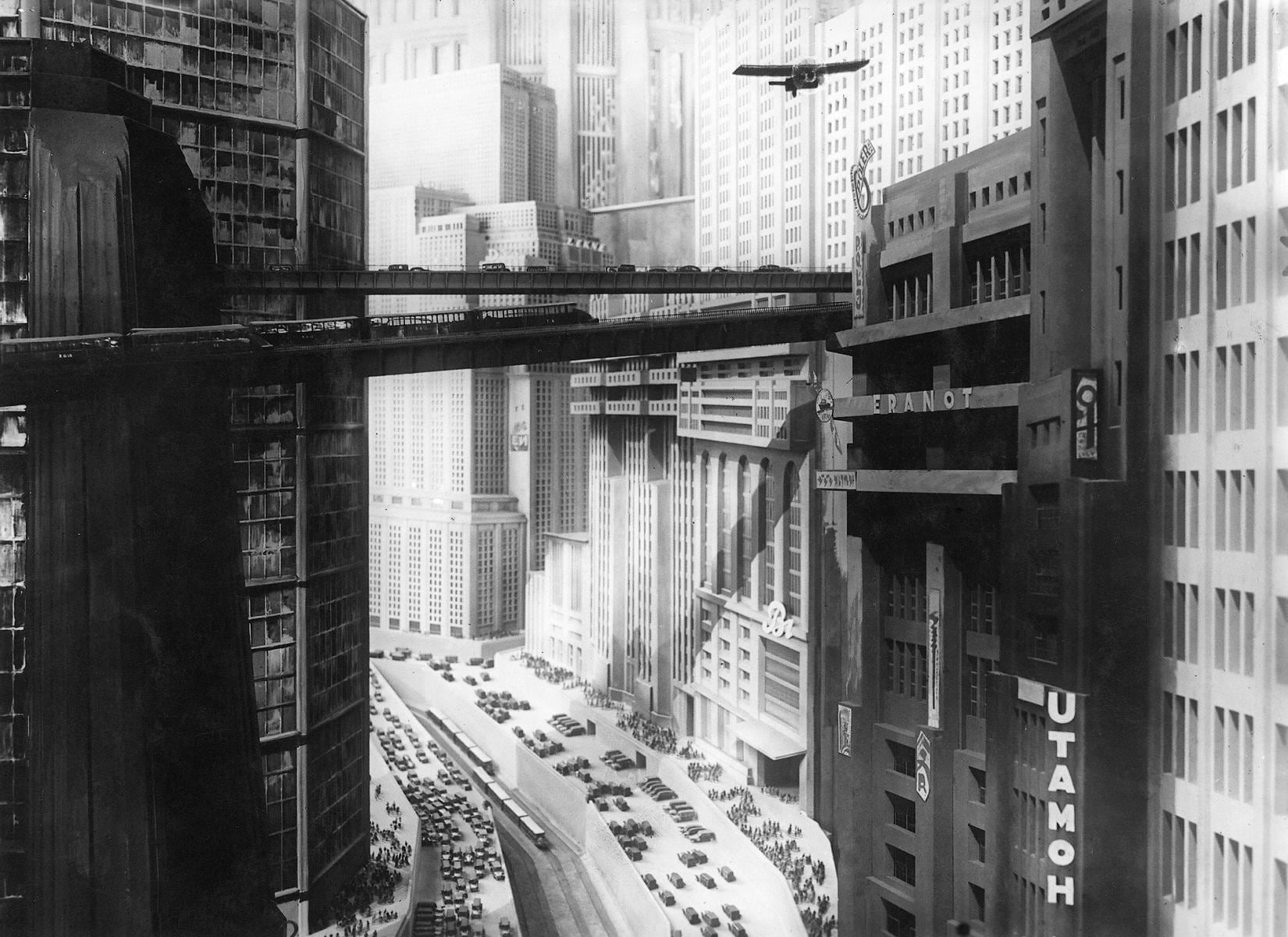
A still from Fritz Lang’s 1927 film 'Metropolis.'

Researchers uncover mechanism responsible for the world’s most famous carnivorous plant’s snapping jaw

12 June 2026 at 18:36

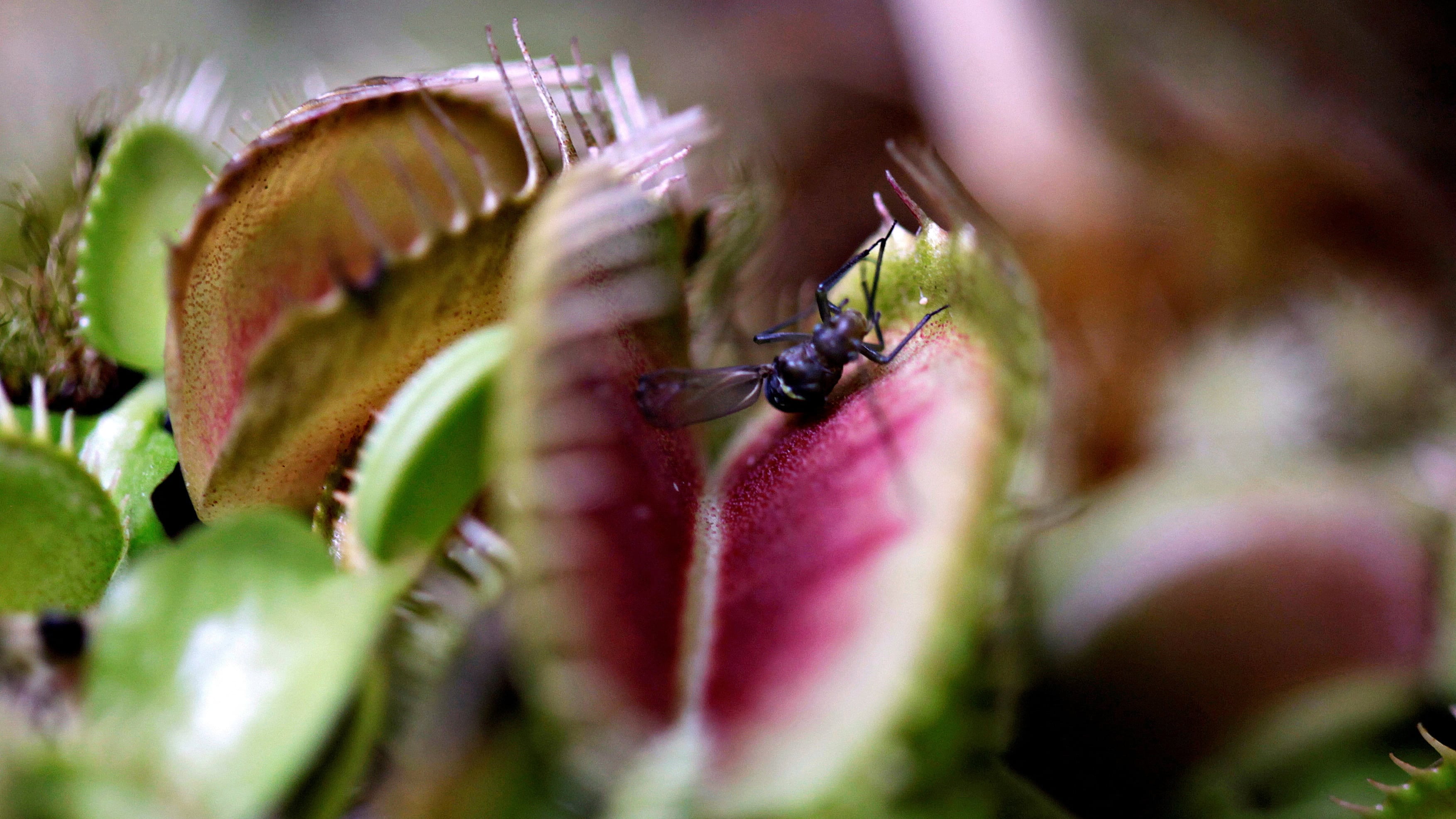
When Charles Darwin first saw a Venus flytrap, he was fascinated. The British naturalist was a pioneer in the scientific study of the carnivorous plant, perhaps the most famous one in the world. Seeing it move so quickly made it seem like an animal. The researcher even thought that there must be some plant equivalent to muscles and nerves. More than a century later, the Venus flytrap continues to challenge scientists’ ideas about plant movement. Now, a team of physicists and biologists have show that the secret to its snapping jaws lies in its capability of modifying the mechanical properties of its cellular walls almost instantaneously, a change that sets off the closure of the leaf around its prey.

Seguir leyendo

💾

© epv

Un insecto se posa sobre una venus atrapamoscas.
❌
Subscriptions