Reading view

Six towering historical warrior floats will grace Fukui’s Mikuni Festival for three days
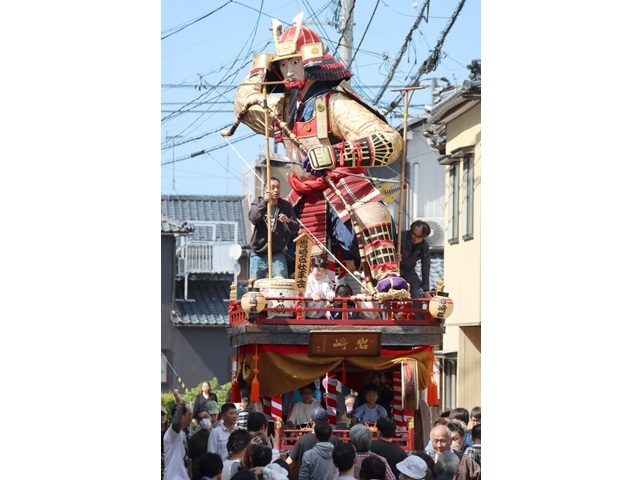
This annual procession is the perfect stop for samurai buffs who enjoy traditional Japanese festivals with a warrior twist.

The streets of Sakai, Fukui Prefecture, are about to be packed when the city’s Mikuni Festival kicks off on May 19 for three days. Considered one of the Hokuriku region of Japan’s “three great festivals,” the annual festival spans approximately 300 years of tradition. This year, six newly crafted floats over six meters (6.6 yards) in height that depict historical samurai of legend as well as famous scenes from kabuki plays and historical battles will be paraded around different districts of the city.

▼ Kamakura Gongoro Kagemasa (born 1069), as depicted in the play “Shibaraku,” one of the 18 Best Kabuki Plays
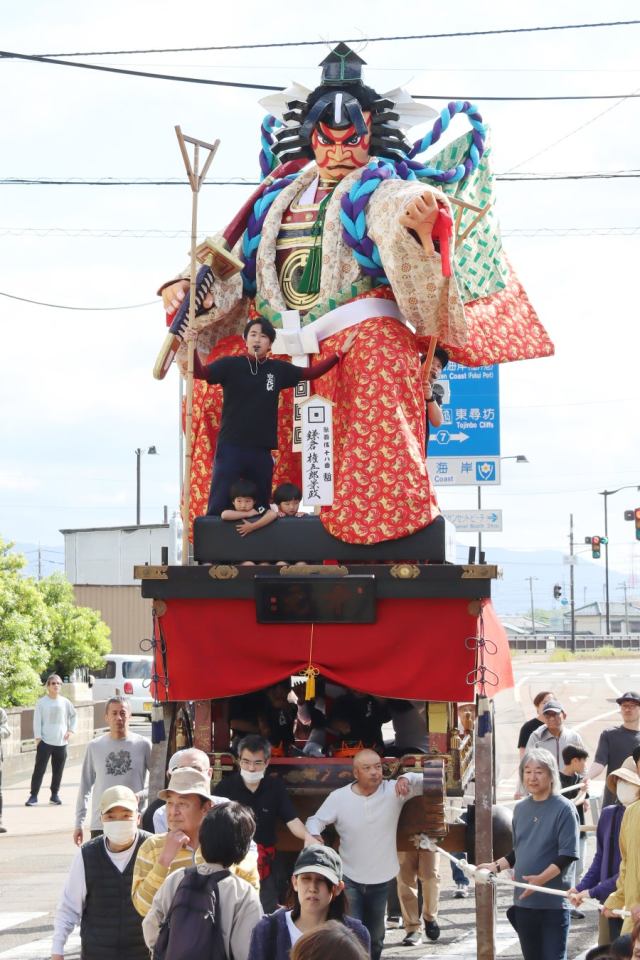
▼ Keiji Maeda (1543-1612)
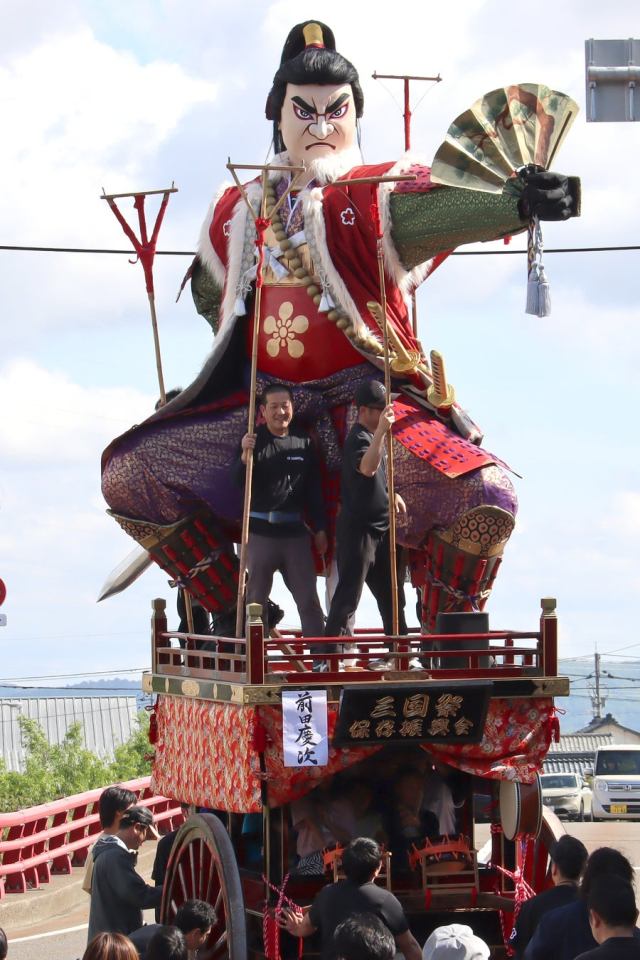
The new floats were first unveiled to the public on 9 May. Festivities will officially begin at 6:30 p.m. on 19 May when the Maeda Keiji float will be showcased in the vicinity of Mikuni Shrine by the harbor. Then, at 1 p.m. on 20 May, all six floats will join in a procession around the city beginning at Mikuni Shrine. On this day, a special mikoshi portable shrine will also leave from the shrine, along with a procession of locals donning warrior-inspired garb.

▼ Magistrate Kinshiro Toyama (1793-1855)
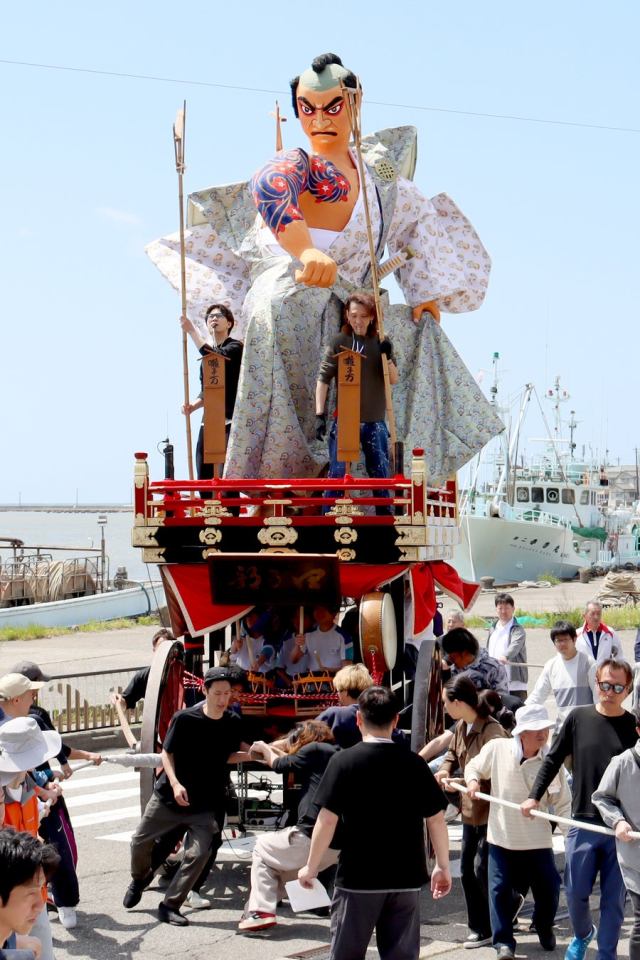
▼ Minamoto no Yoshitsune (1159-1189)
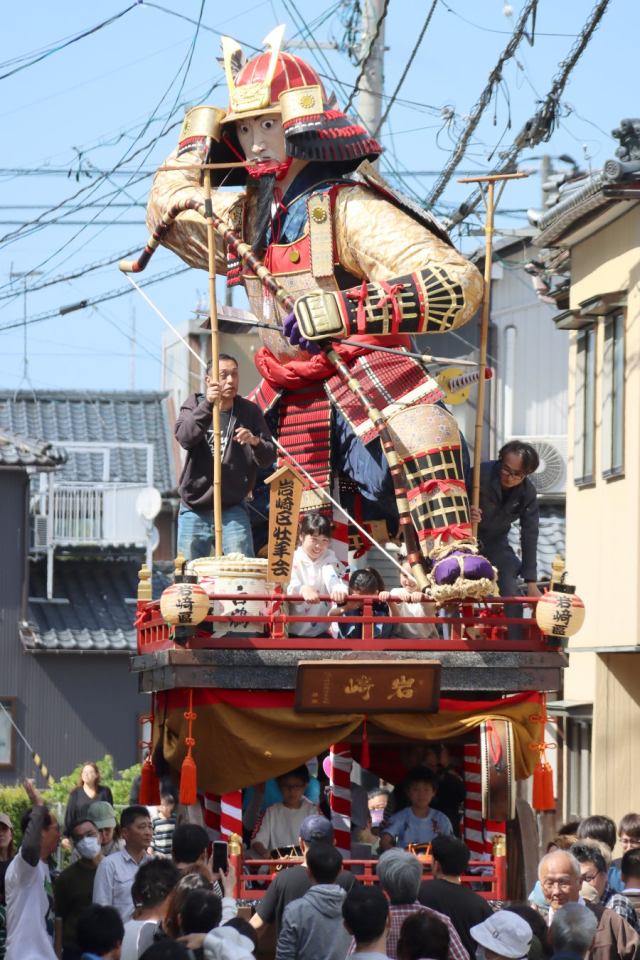
In addition, this year’s festival marks a first as the newly assembled Sakai City Board of Education’s Mikuni Festival General Investigative Committee, comprised of 11 expert individuals from the municipality, will begin conducting a multi-year, comprehensive study of the festival. Their investigation will examine everything from the craftsmanship of the floats and how they’re pulled around, to the various musical accompaniments in different districts of the city. It will also seek to answer overarching questions such as why the floats came to include figures of samurai in the first place and why those are destroyed upon the conclusion of the festival every year. As the first study of its kind to be funded by governmental aid, a formal written report is expected to be published in 2029.

▼ Taira no Tomomori (1152-1185) with the anchor he used to drown himself upon losing the Sea Battle of Dan no Ura (1185)
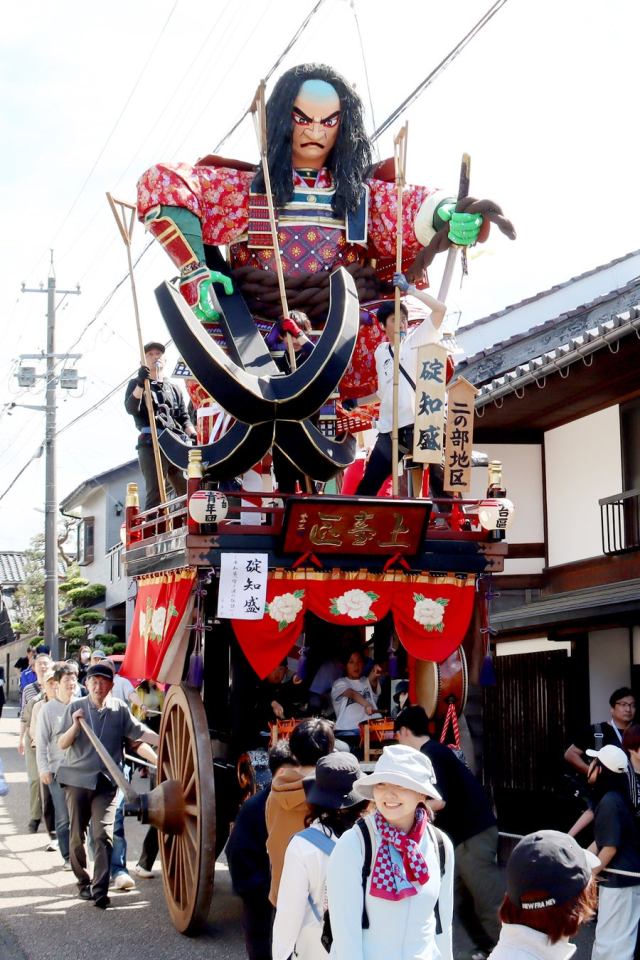
▼ The assault of Naganori Asano (1667-1701) on Yoshinaka Kira (1641-1703) in the Pine Corridor of Edo Castle, the trigger that led to the legend of the 47 Ronin (1703)
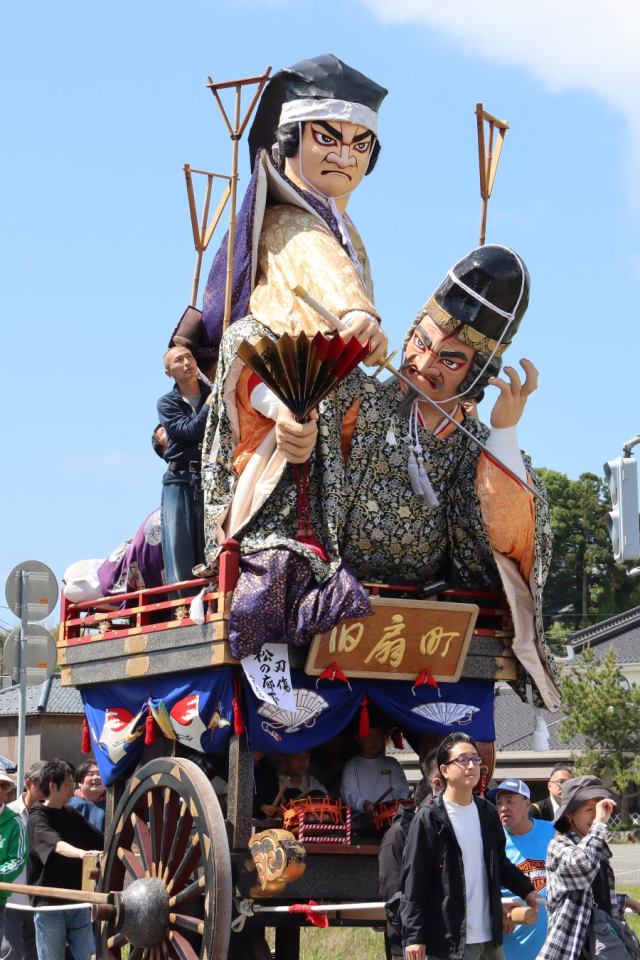
Another new feature of this year’s festival is the creation of a special seated viewing area in the Echizen Railway’s Mikuni Station plaza. Between 4:30-6:30 p.m. on 20 May, spectators can view all six floats in succession as they approach the station and circle the intersection. 40 seats are available for purchase for 5,000 yen ($31.55) each in advance or for 6,000 yen on the day of the event. The viewing area will be split into four levels, with the highest one at 1.8 meters for prime viewing. Seats can be reserved by contacting the Mikuni Community Center at mikuni-cc@city.fukui-sakai.lg.jp or (+81) 0776-82-6400.

While you’re in town, you may also want to see what Fukui has to offer in the gastronomic delights department, such as the sasazuke preserved fish that’s popular among the locals.

Source, images: PR Times
● Want to hear about SoraNews24’s latest articles as soon as they’re published? Follow us on Facebook and Twitter!
  •  

Studio Ghibli adds mini pillows and massive mats to its anime merchandise store in Japan

My Neighbour Totoro is here to help you look and feel cool in traditional Japanese style. 

With the weather heating up in Japan, people across the nation are reaching into their cupboards and bringing out their fans, cotton bedding, and other cooling items to help cope with the rising temperatures.

Those who like to stay cool in traditional Japanese style, however, will be reaching for items made with igusa, a soft rush grass that has been used here for centuries. Commonly used for tatami flooring, products made with igusa have an earthy scent, natural deodorising effects, and excellent moisture-regulating properties – when humidity levels are high, igusa absorbs excess moisture, and in dry environments, it slowly releases moisture, providing comfort without the use of air conditioning.

▼ The cooling, air-cleansing properties of igusa are part of what makes Japanese homes so special.

Image: Pakutaso

Igusa is a common element in traditional countryside homes where the old ways still hold strong, like the Kusakabe family home that features in the Studio Ghibli film My Neighbour Totoro. So it makes sense that Studio Ghibli would release its own series of igusa products, adorned with motifs and characters from the movie.

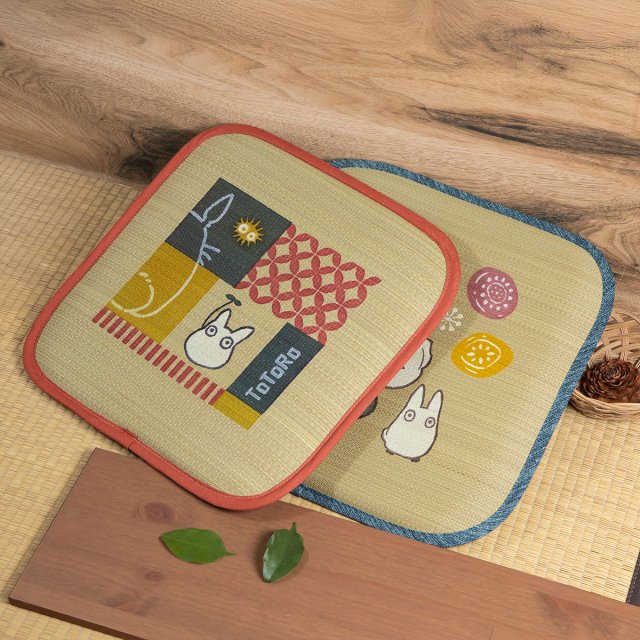
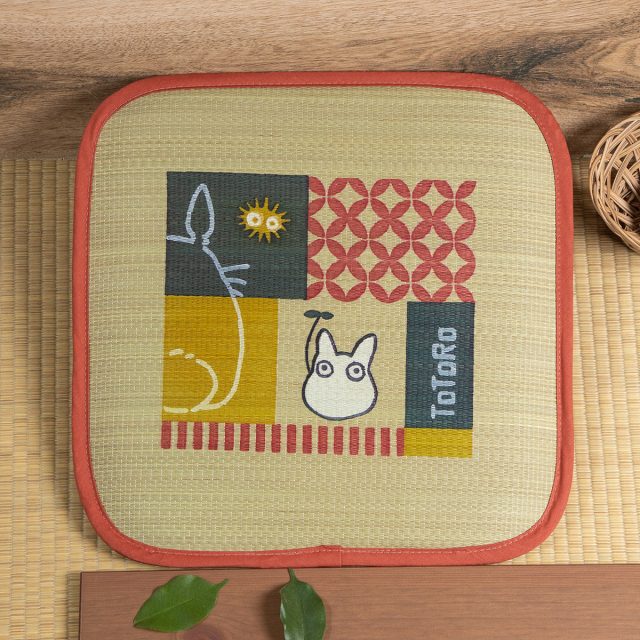
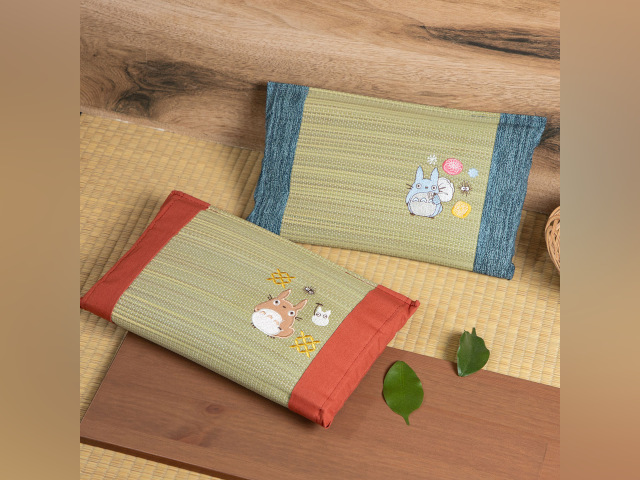
▼ The first item is the Igusa Seat Cushion, which comes in two gorgeous designs.

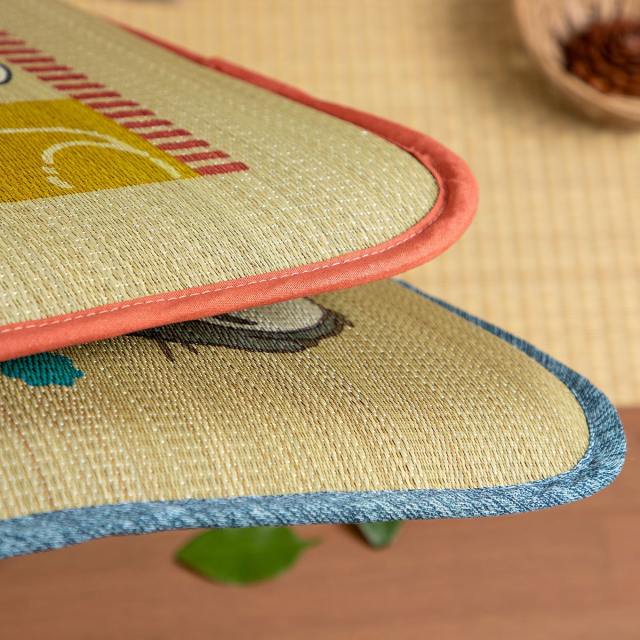
The cushions measure 40 centimetres (15.7 inches) in height and width, and are two centimetres thick, with a smooth surface that makes them very comfortable to sit on, even for long periods of time.

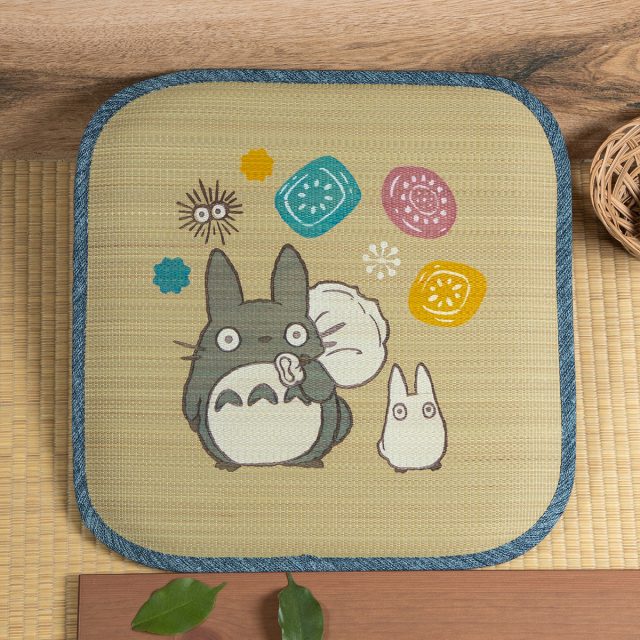
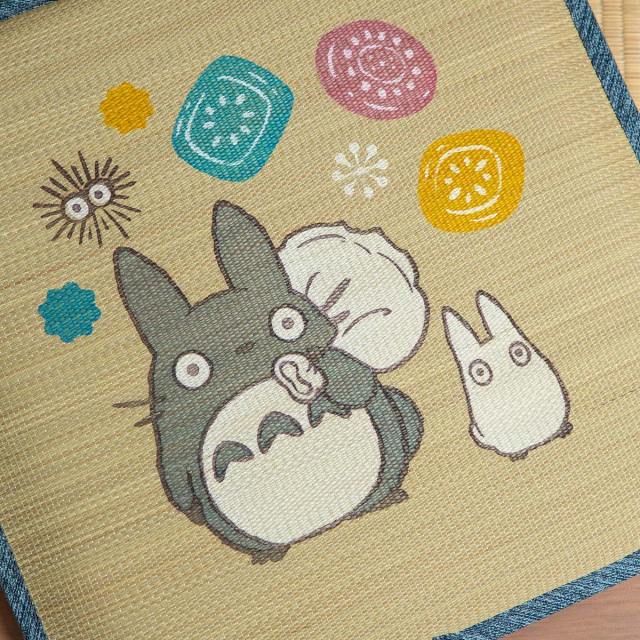
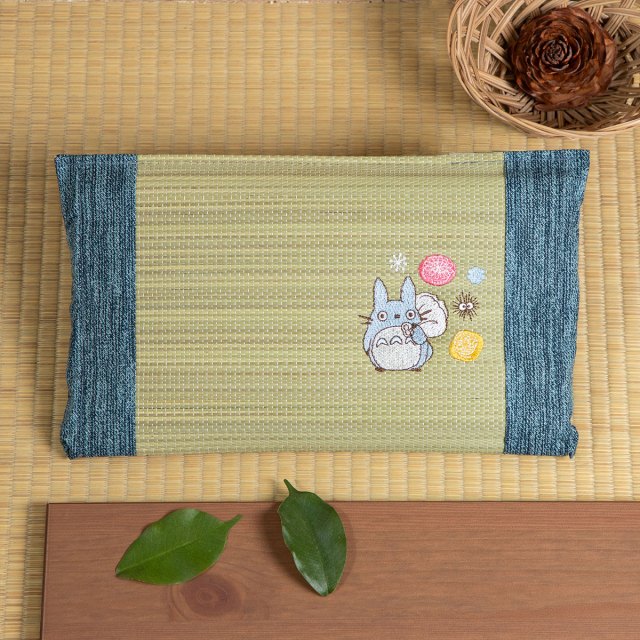
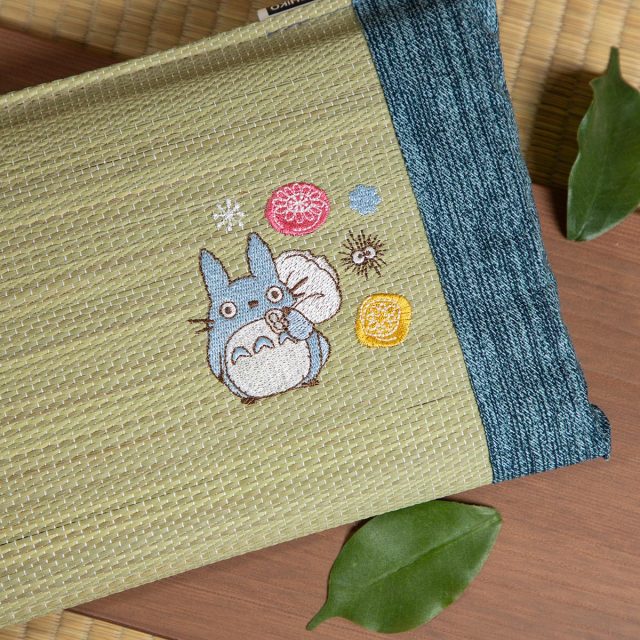
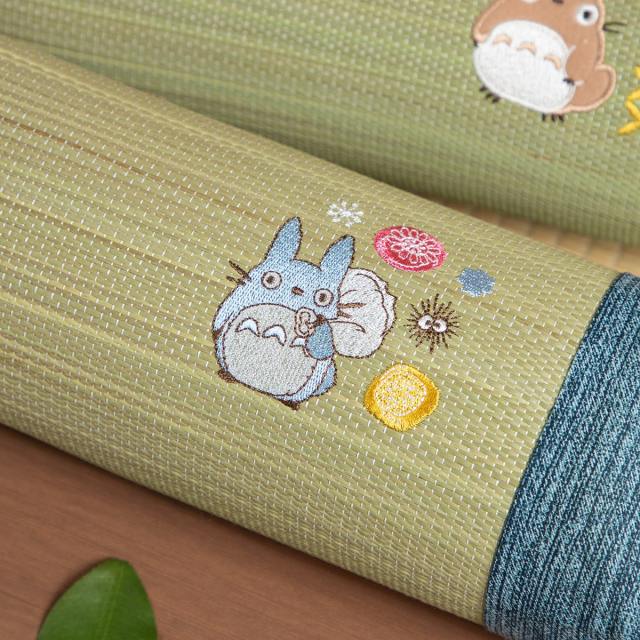
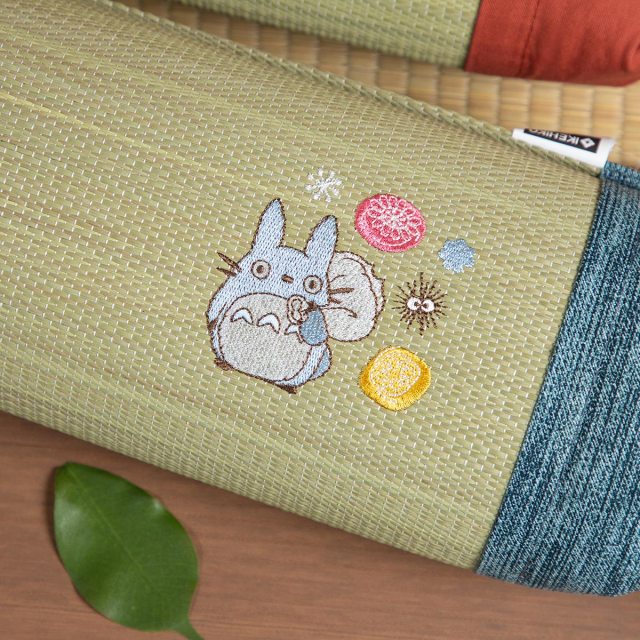
The first design, “Drop“, gives us a Soot Sprite, Small Totoro, and Medium Totoro, with a handful of sweets for added colour and cuteness.

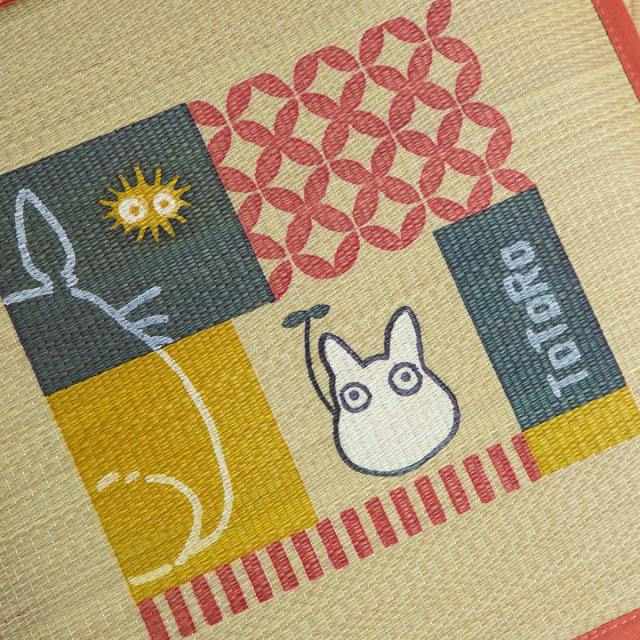
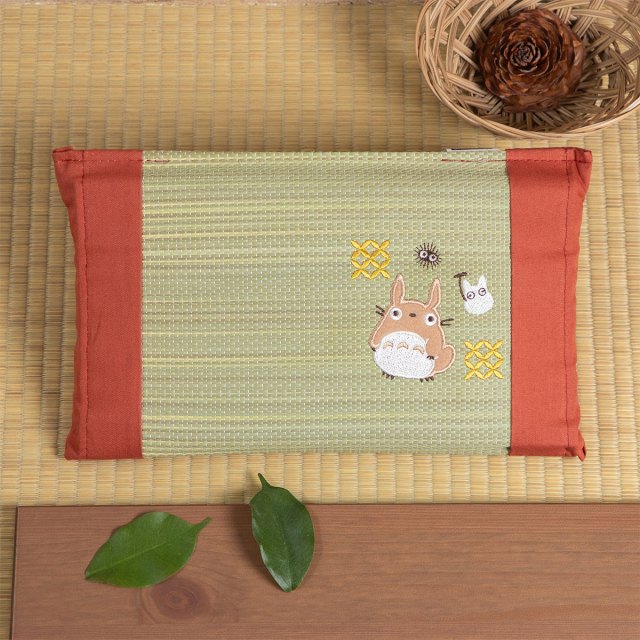
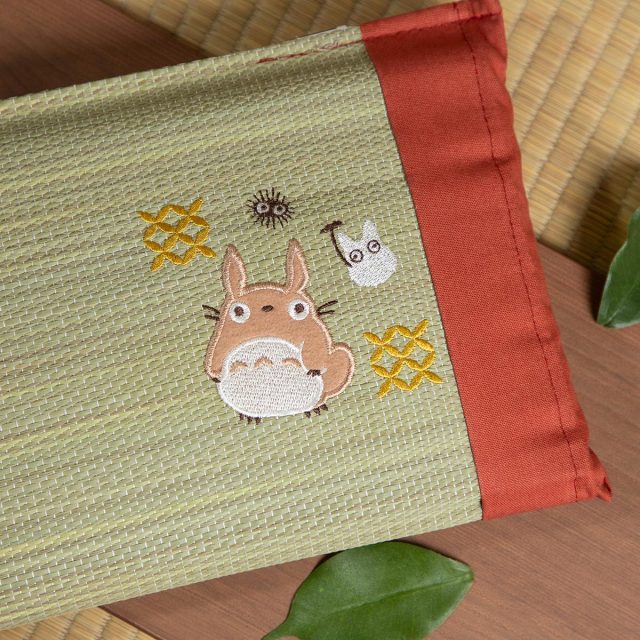
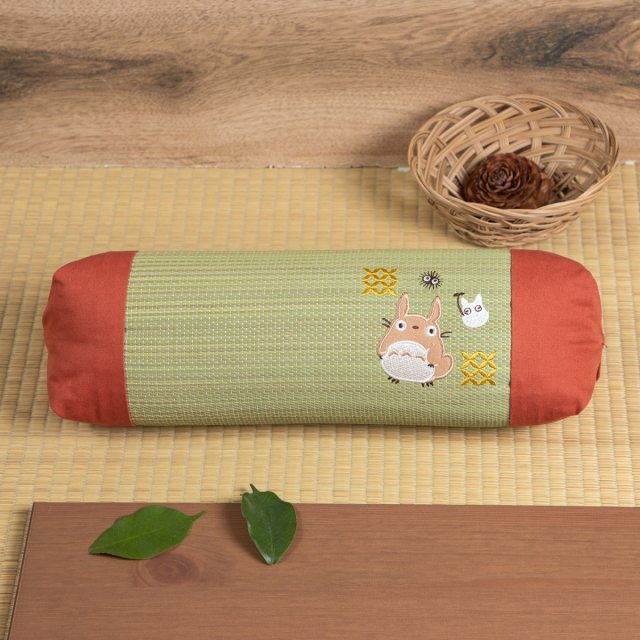
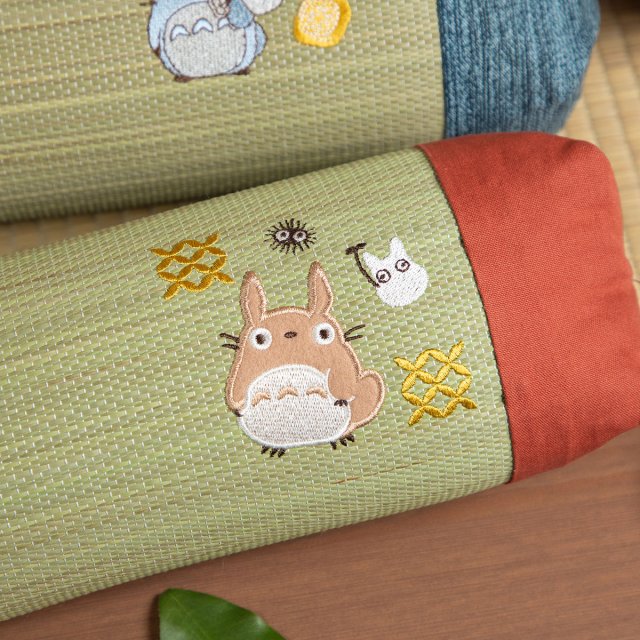
The second design, “Retro Style“, adds a dash of retro colour to a Soot Sprite, a Small Totoro and a silhouette of the Large Totoro, accompanied by an auspicious traditional shippo pattern.

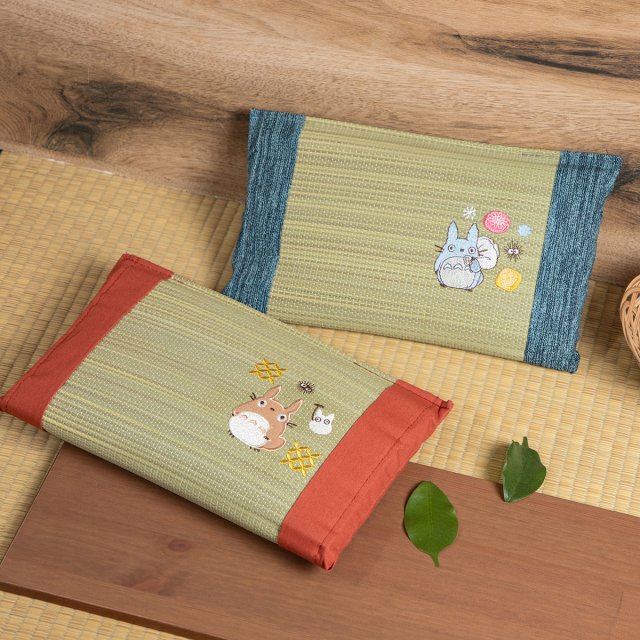
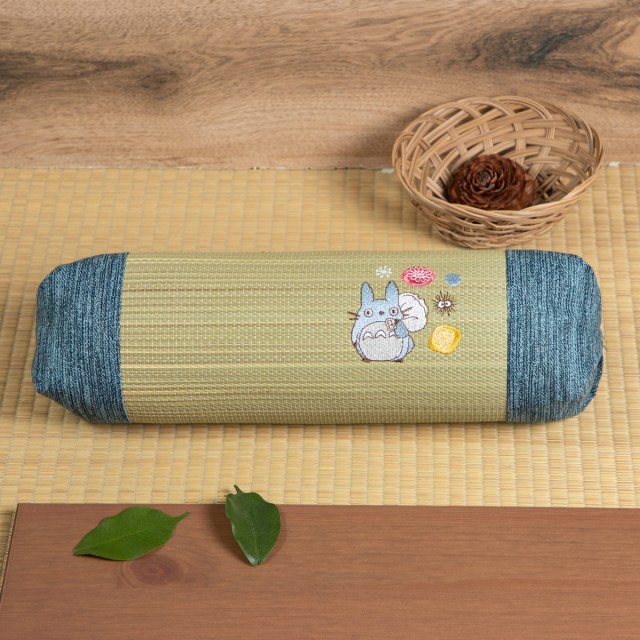
These two designs also feature on three other cushions, starting with the “Mini Flat Pillow” which is filled with breathable polyethylene pipes.

▼ Drop

▼ Retro Style

▼ Next up, we have the Bale Pillow, which is filled with low-rebound urethane chips.

These chips have excellent resistance against sagging, so the cushion is less prone to losing its shape, giving you just the right amount of neck support for summertime naps.

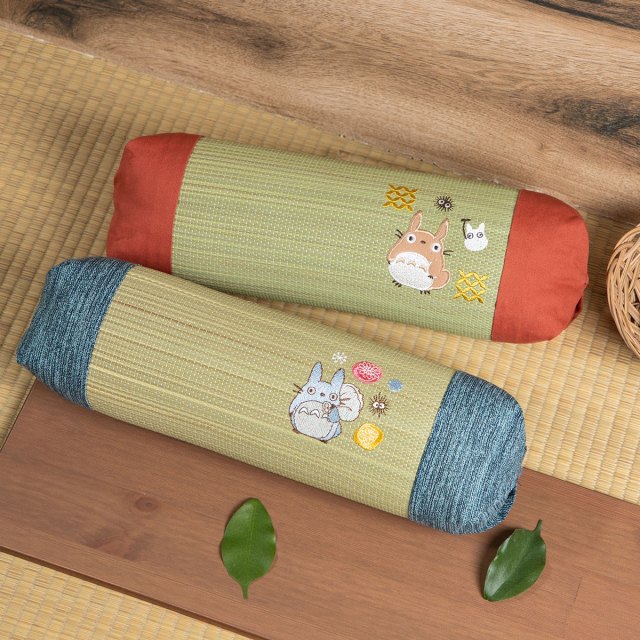
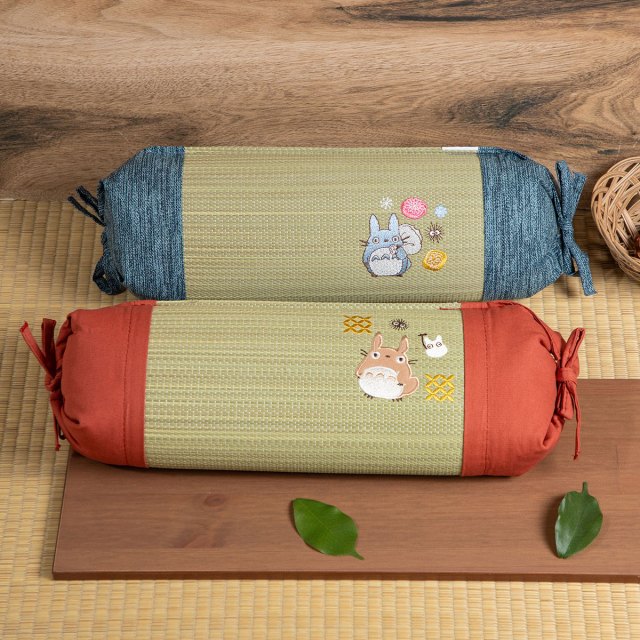
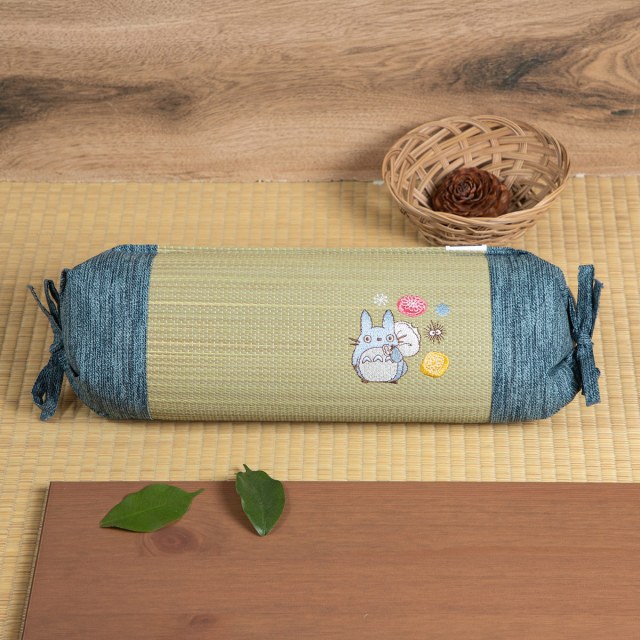
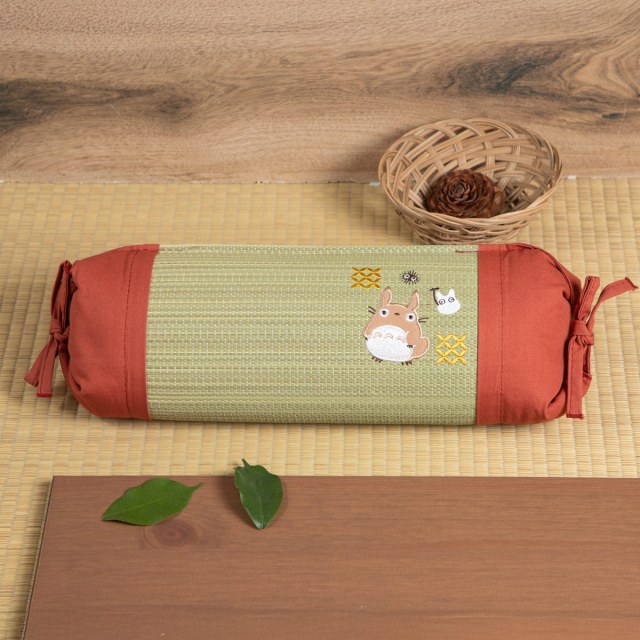
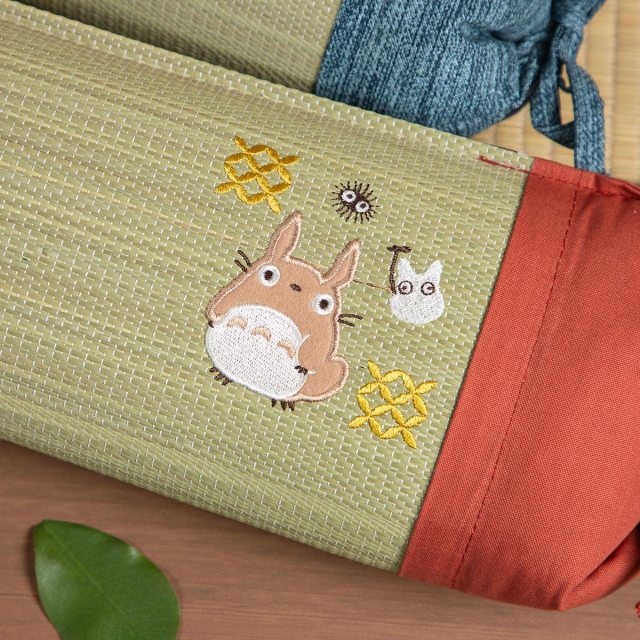
▼ The final cushion is the Candy Pillow, so-called as the rolled shape and ties on each end resemble a candy roll.

Filled with breathable polyethylene pipes, this pillow is less prone to heat buildup, making it another summer naptime essential.

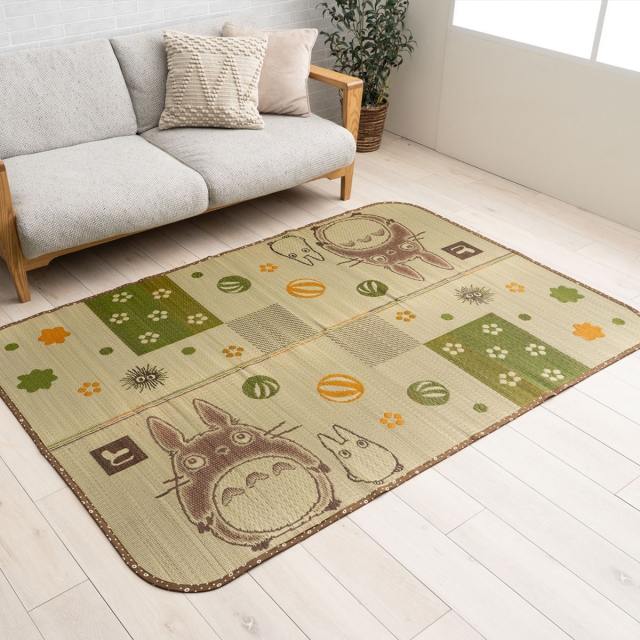
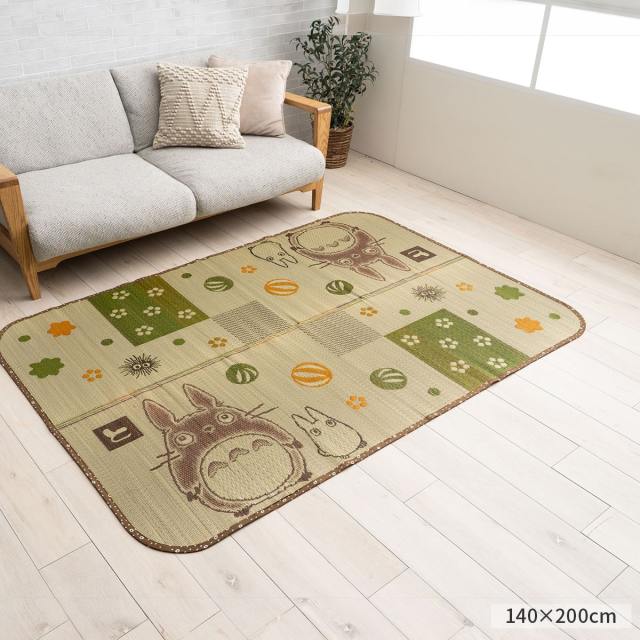
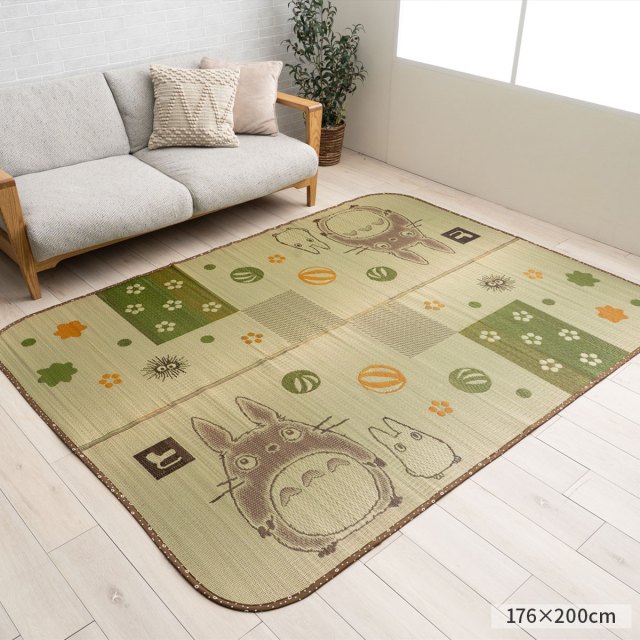
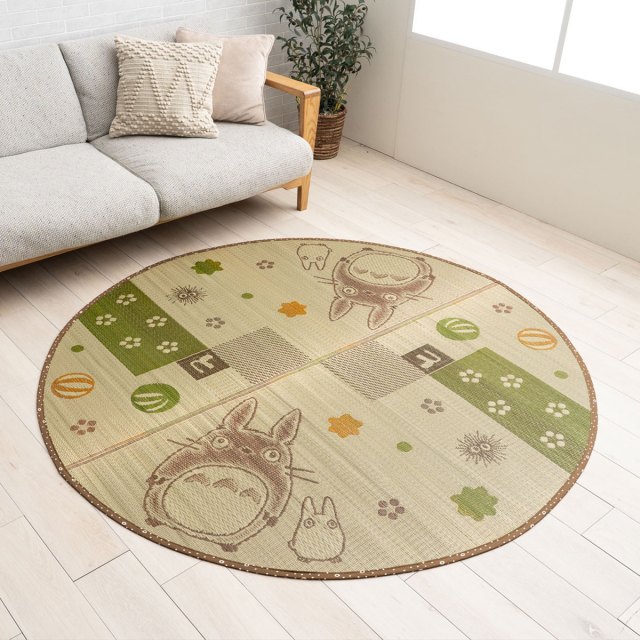
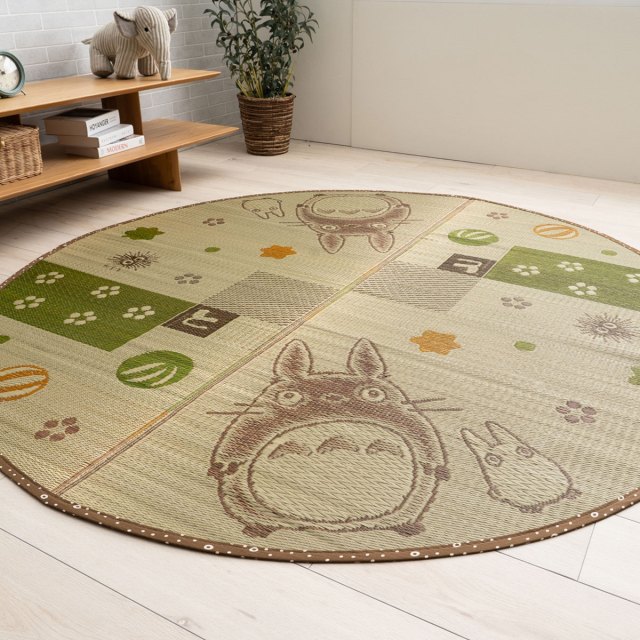
For the ultimate nap, you can pair the pillows with an igusa rug, and there are two to choose from in the collection, both cutely named “Wagororo“.

Wagororo combines the word “wa” (“Japanese style”) with “gorogoro” (“to lounge around”), and that’s exactly what these mats are designed for.

▼ The rectangular mat comes in two sizes, 140 x 200 centimetres and 176 x 230 centimetres.

▼ The round mat is 176 centimetres in diameter. 

Every item in the range is made with domestically sourced igusa, and protected with “Hiba Essence” extracted from Hiba trees in Aomori Prefecture, using a special process unique to the manufacturer. Hiba essence contains a natural substance called hinokitiol, which adds further antibacterial and deodorizing properties to each product.

According to stockists Donguri Kyowakoku, the scent of grass and the expressions of Totoro and his friends will help “soothe away the fatigue of everyday life”. That’s something we could definitely do with when Japan’s humidity starts zapping our energy levels, and the entire range is available to purchase now, at Donguri Kyowakoku stores in Japan and at the online store (links below).

Source: Donguri Kyowakoku
Featured image: Donguri Kyowakoku
Insert images: Donguri Kyowakoku (1, 2, 3, 4, 5, 6, 7, 8, 9, 10)

● Want to hear about SoraNews24’s latest articles as soon as they’re published? Follow us on Facebook and Twitter!
  •  

Self-proclaimed Americans arrested for breaking into Punch the monkey’s Japanese zoo habitat

Intruder enters home of beloved stuffed animal-loving macaque.

Japan’s Ichikawa City Zoo attracted worldwide attention earlier this year as animal lovers around the globe heard about Punch, a newborn monkey who, after being rejected by his mother, bonded with an Ikea orangutang stuffed animal. Though Punch is the facility’s most famous resident, it has other adorable animals as well, such as alpacas, capybaras, and lesser pandas.

However, despite the Ichikawa City Zoo not having any donkeys, there unfortunately were two jackasses at the zoo last weekend. On Sunday morning at around 10:50 a.m., a man wearing a full-body costume resembling a business suit and an emoji-style head climbed over the fence of the habitat where Punch and the other Japanese macaques live. As he walked around, the animals fled to the top of their climbing rock, and a zoo employee came to remove the man. Other workers restrained the costumed man’s companion, who had been recording a video of him from outside the habitat, and the zoo contacted the police, who came and took the pair into custody.

▼ Video of the man being led out of the monkey habitat by a zoo employee

The two men, aged 24 and 27, told the police they were American citizens, although investigators have not, as of the time of this writing, publicly confirmed that piece of information. They have both been arrested on charges of forced obstruction of business, the standard charge for disruptive and/or intimidating behavior in or around places of business (such as sending letters to Nintendo’s main office saying you’re going to “blow them all the hell up”).

After being taken into custody, one of the men said “I do not want to answer questions, and I do not think I should have been arrested.” A spokesperson for the zoo, in speaking with reporters, countered with “This is beyond the bounds of common sense. I’m surprised and baffled that someone would do something like this.”

Thankfully, no monkeys were harmed in the incident, but with orderly conduct and cute animals both being things Japan is very fond of, online reactions to the incident have been pretty much universally furious.

“Just toss them into a cage with a crocodile or bear instead.”
“Put ‘em in with some lions.”
“It’s unforgivable for them to do this just as Punch is integrating with the rest of the macaques.”
“If you had the guy in the costume and Punch both take an IQ test, I’m pretty sure Punch would get the higher score.”
“Deport them and never let them into the country again.”
“Don’t let them go because they’re foreigners. Prosecute them.”
“Please stop letting people get away with things like this without taking them to court…please make them pay fines for disrupting the zoo’s operations.”

Again, the two men’s nationalities have yet to be publicly confirmed. The online reactions, though, still reflect a growing sense of exasperation for transgressions of this nature, and should serve as a warning to anyone considering engaging in such asinine behavior that getting off with a slap on the wrist might be becoming a less likely outcome than it was in the past.

Source: FNN Prime Online, TBS News Dig, Yomiuri Shimbun, Nikkan Sports, YouTube/FNNプライムオンライン
Top image: Pakutaso
● Want to hear about SoraNews24’s latest articles as soon as they’re published? Follow us on Facebook and Twitter!

  •  

Kanji ice cream becomes a sell-out hit in Japan

A fun new way to learn kanji… and reward yourself for it at the same time.  

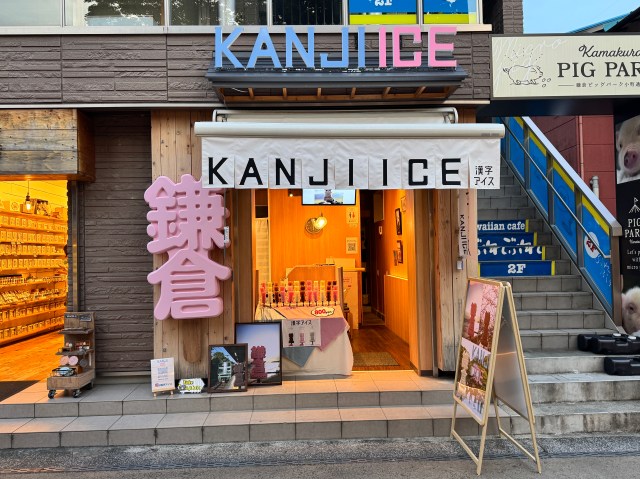
It’s been just over two weeks since Kanji Ice opened a store in the historic district of Kamakura in Tokyo’s neighbouring Kanagawa Prefecture. The opening on 1 May was perfectly timed to precede Golden Week, a string of holidays on 3-6 May, which is known for being a busy travel and shopping period.

While the store’s operators had hoped it would be busy, they couldn’t predict just how sought after its wares would be, and demand turned out to be so great that many of its ice creams totally sold out, proving they were onto a winner.

▼ The word “ice” commonly means “ice cream” in Japan.

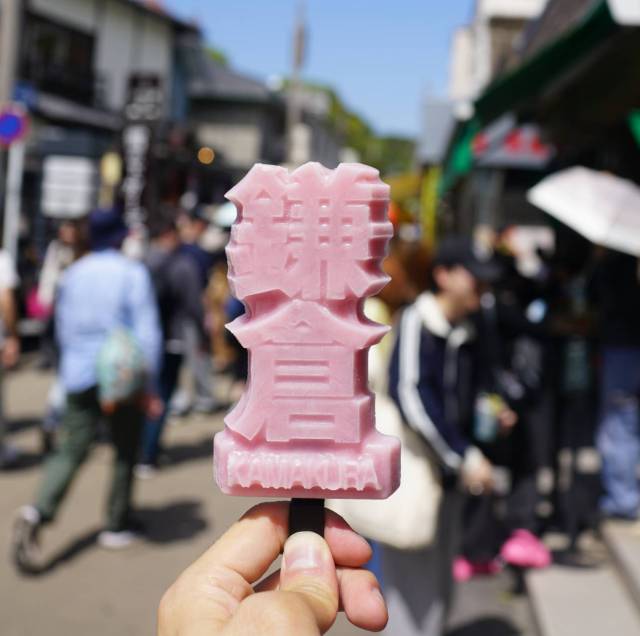
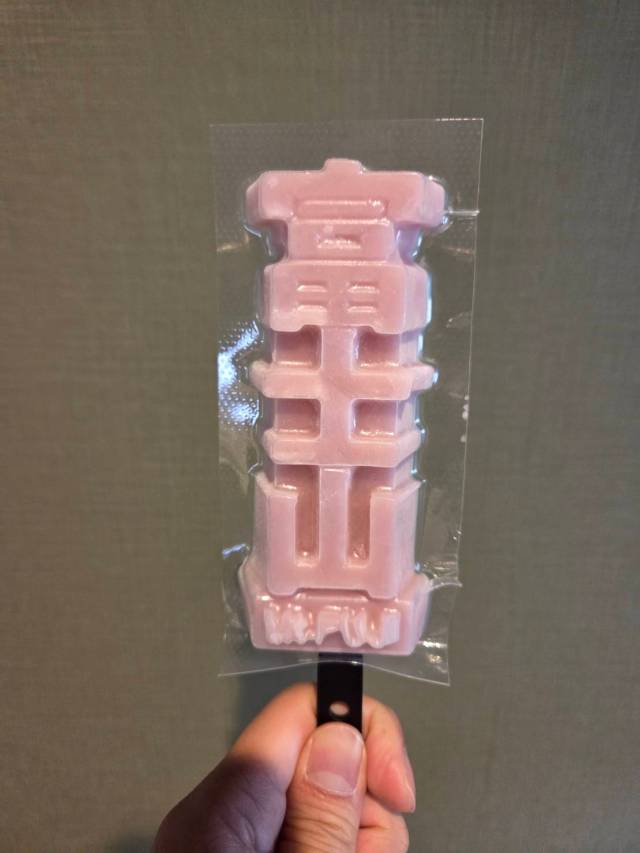
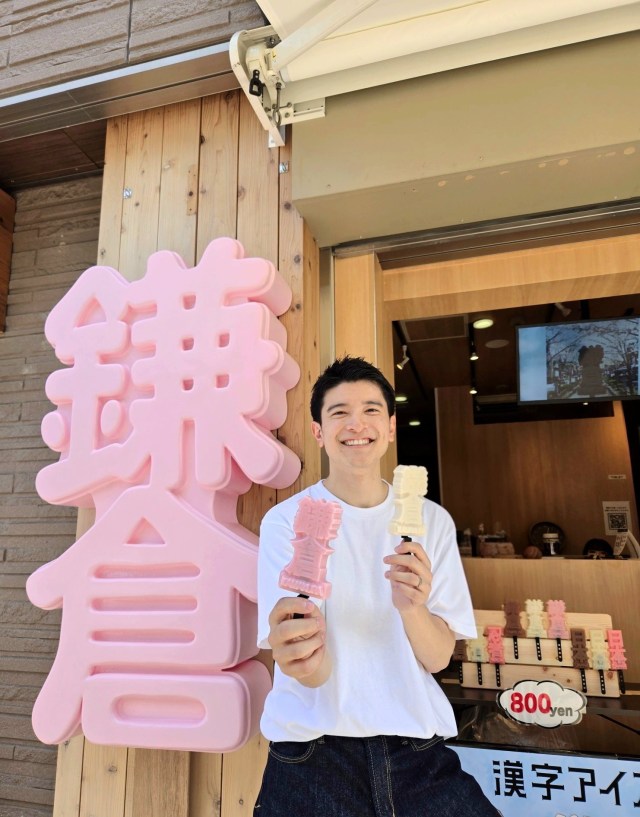
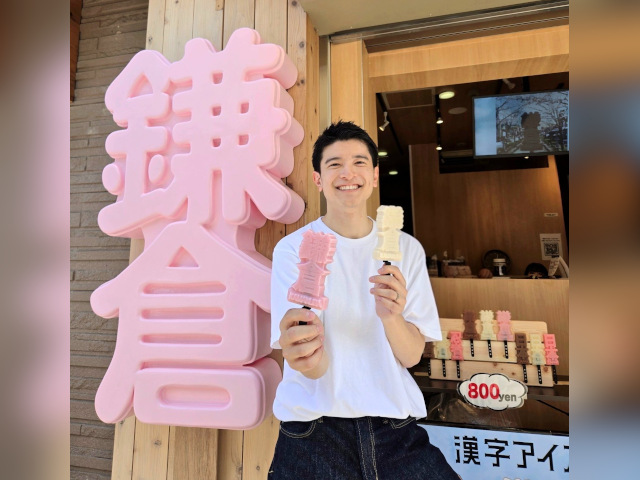
So what makes these new ice creams such a sell-out hit? Well, for starters, they look amazing, with three flavours – Crunchy Rich Chocolate, Crispy Strawberry, and Chewy Milk – moulded into kanji letters that read: “Kamakura“, “Japan” and “Ninja“.

▼ 鎌倉 (“Kamakura“)

Then there’s the fact that they’ve been developed with a special ice cream manufacturing technology that prevents the ice cream from melting, so it remains solid even after 30 minutes even at room temperature. The non-melting ice cream is a patented technology of a Japanese company called Fulllife, who is working with the store to jointly file a new patent application for the Kanji Ice Cream.

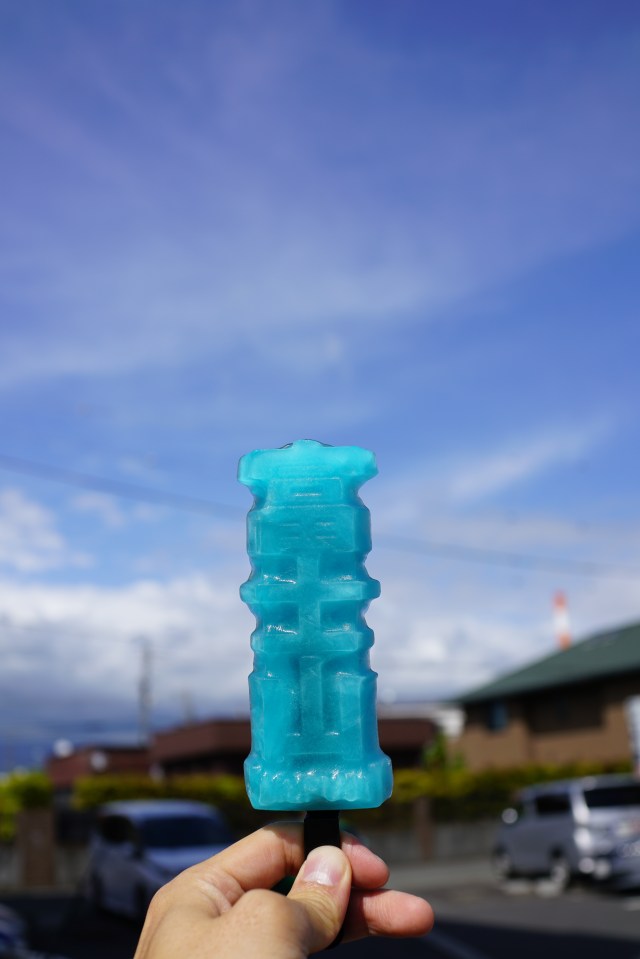
Non-melting ice cream is said to be perfect for carrying around, so you can capture memorable photos of the Kanji Ice cream at various tourist spots in the vicinity. The store is also working at expanding beyond Kamakura, with Kanji Ice cream now available at sites like Sanga Stadium in Kyoto and JR Shin-Fuji Station in Shizuoka Prefecture and the Fuji Shibazakura Festival in Yamanashi Prefecture, where you can pick up an ice cream that says “Mt. Fuji” (富士山).

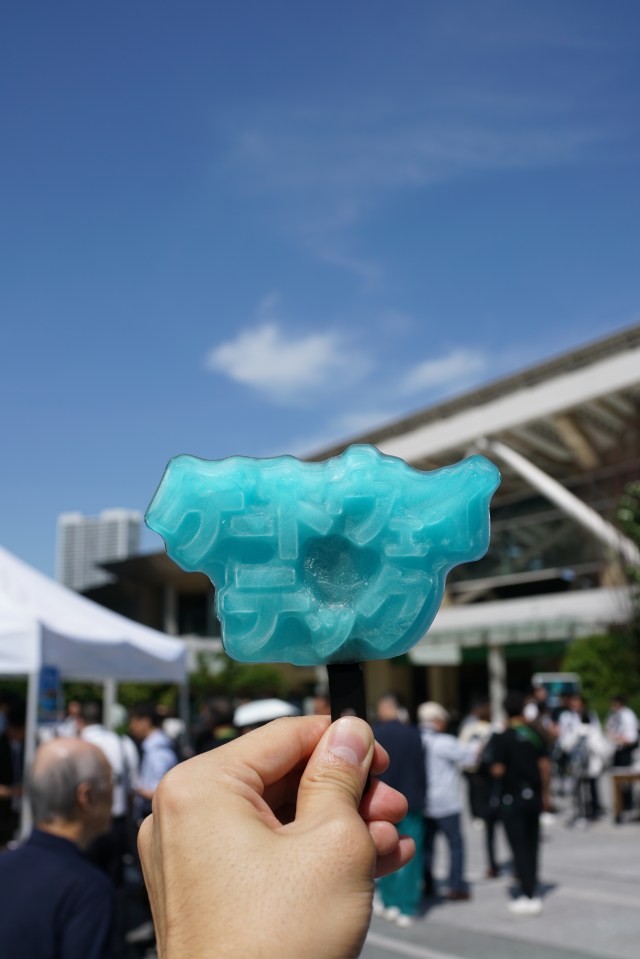
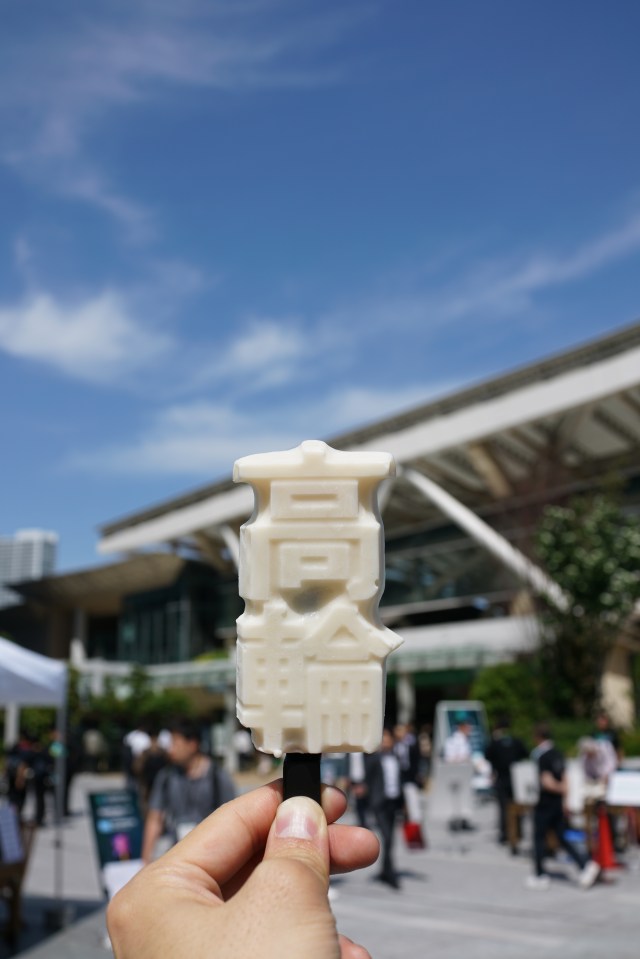
The store is also able to create custom ice creams for events, like these two, which read 高輪 (“Takanawa”) and ゲートウエイテック (“Gateway Tech”), for an annual business event at Tokyo’s Takanawa Gateway City.

With so many options for customisation, the Kanji Ice Cream might soon be greeting you at all sorts of tourist sites around Japan.

▼ Strawberry polyphenols are used for the ice cream’s non-melting properties.

This is a very social media-friendly ice cream that’s sure to attract attention online, so keep an eye out for it while you travel around Japan. And if you happen to find yourself over in Gifu, there’s a non-melt katana samurai sword ice cream that draws upon the secret powers of kudzu for its remarkable strength.

Store information
Kanji Ice Cream / 漢字アイス
Address: Kanagawa-ken, Kamakura-shi, Yukinoshita 1-6-4
神奈川県鎌倉市雪ノ下1-6-4
Open 11:00 a.m.–5:30 p.m.

Source, images: Press release
● Want to hear about SoraNews24’s latest articles as soon as they’re published? Follow us on Facebook and Twitter!

  •  

This Tokyo Station sweets sensation sells out daily, but we finally got our hands on it

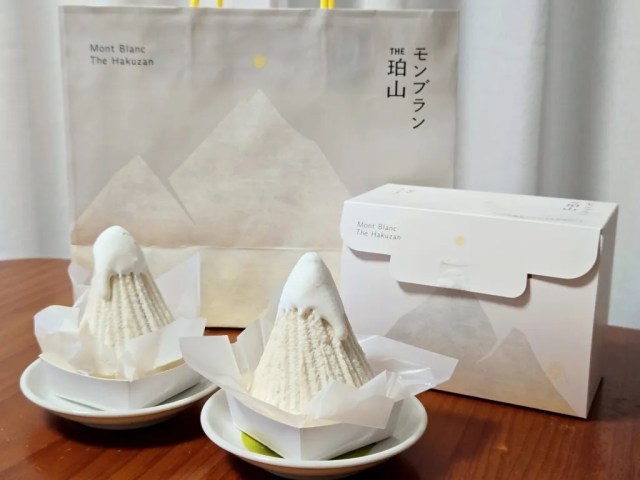
Mont Blanc The Hakuzan is a sweets shop so nice it’s named twice.

Tokyo Station isn’t just one of the most important places in the city for travelers and commuters, but for sweets fans too. Both within the station itself and inside the attached Daimaru department store are an array of dessert specialty stores, and we’ve been wanting to try one of them for months now.

Make no mistake, the reason we haven’t yet tried the desserts from Mont Blanc The Hakuzan, which opened in October, has nothing to do with willpower to resist the temptations of desserts, as such psychological fortitude is in very limited supply at SoraNews24. No, the reason it took us half a year to do this taste test is because of how incredibly popular the place is, and thus how hard it is to actually buy their desserts.

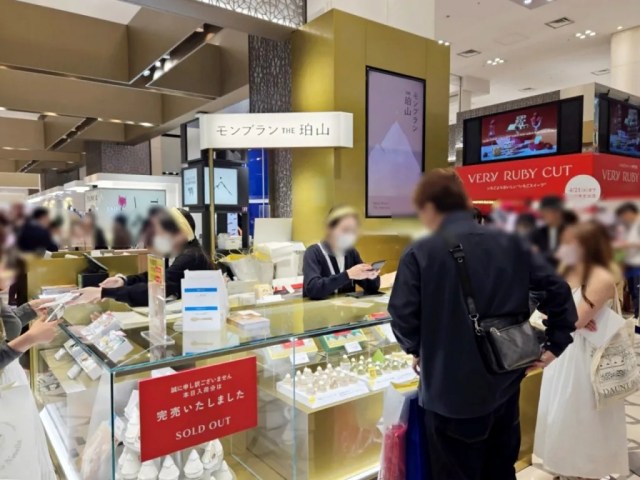
See that “sold out” sign in above photo? Notice how nicely made it is, as opposed to being a handwritten notice that the staff needed to suddenly make? That’s because they know that their entire batch of Mont Blanc, the candied chestnut dessert that’s the store’s specialty, is going to sell out on a daily basis.

We’ve walked by The Hakuzan (as we’ll call the store for short, seeing as how both “Hakuzan” and “Mont Blanc” mean “white mountain”) plenty of times since it opened, but never at a time when we could get our hands on one of the coveted desserts. When we rolled up on a recent Sunday afternoon, just as we’d expected, all of the Mont Blanc that had been stocked that morning at 10 a.m. were gone. But that was OK, because we’d gotten to the shop at around 4:30, and there’s a second batch that comes out at 5 p.m.

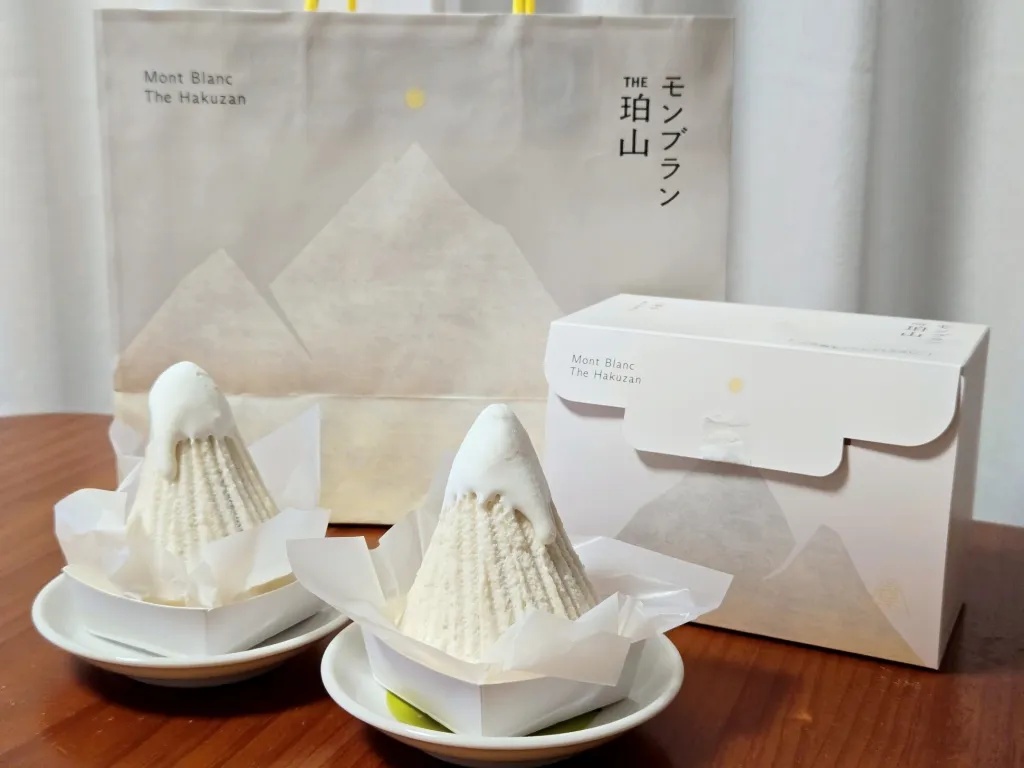
This was what we were aiming for, but even then, it turned out we’d cut things very close. The Hakuzan sells its Mont Blancs in boxes that contain two servings for 1,980 yen (US$13), and they limit each customer to a maximum of two boxes. However, they only make 30 boxes per batch, so it’s possible that as few as only 15 customers will be able to buy any, and there were already about 20 people waiting ahead of us in line.

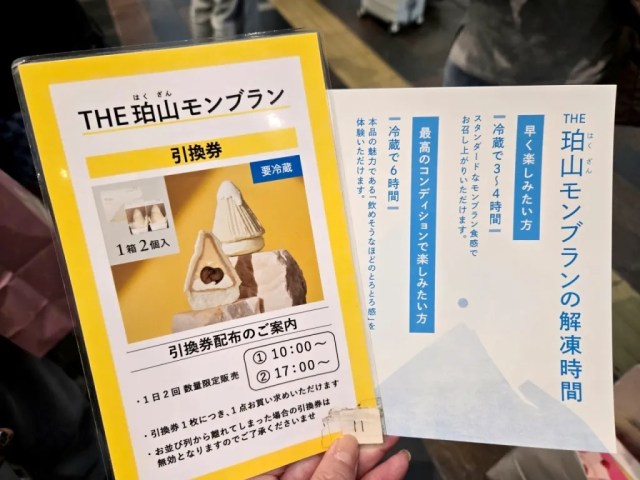
Thankfully, to help with crowd control at around 4:50, the staff asks how many boxes each person in line plans to buy, so they could guarantee us the single box we wanted, and gave us a purchase placard, shown in the photo above (note, though, that you still have to wait in line – leave the line, and your voucher will be voided).

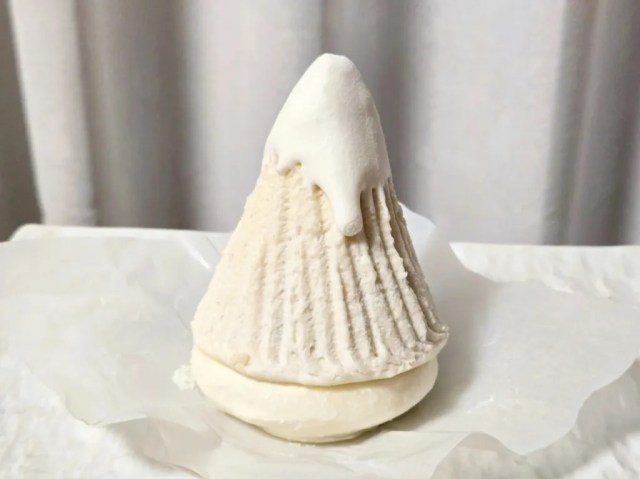
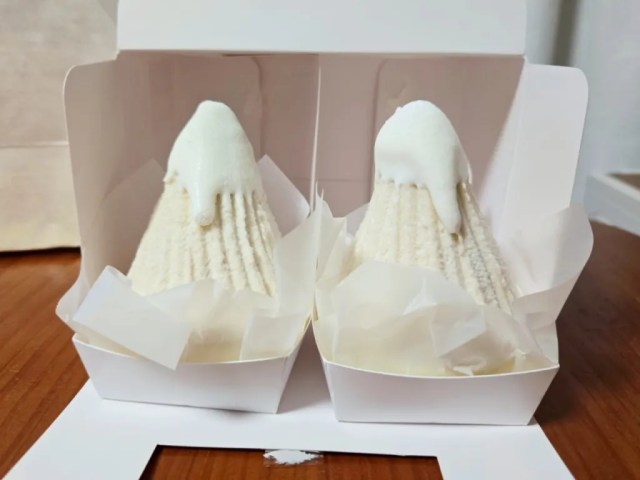
Mont Blanc gets its name because it’s supposed to look like a mountain covered in snow, but a lot of stores and cafes shape theirs like a mound, closer to a hill. The Hakuzan’s version, though, really does look a steep-sided mountain, and we couldn’t wait to dig in…except actually, we had to wait. The Hakuzan’s Mont Blanc comes frozen, and they recommend a total thawing time of six hours (combined getting it home and then putting it in your refrigerator) for the optimal texture.

That’s a longer deferment of gratification than we usually like, but after waiting a little more than six months to try this, another six hours wasn’t going to kill us. And when the Mont Blanc finally was ready to eat, our patience was handsomely, and deliciously, rewarded.

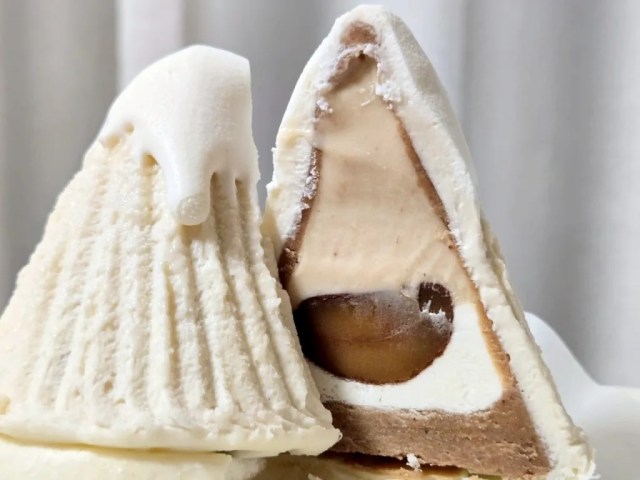
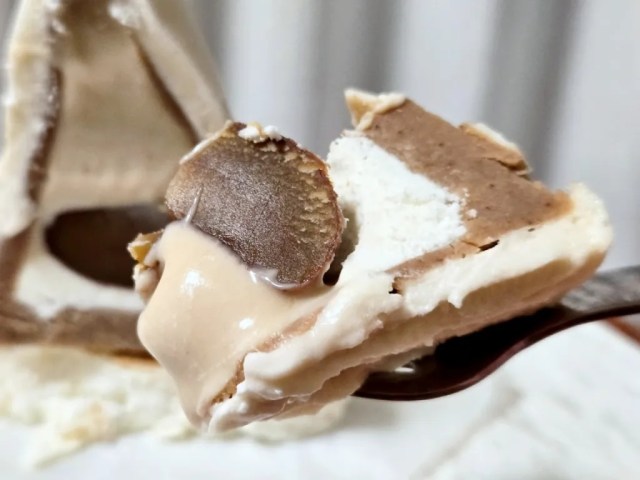
Starting at the top, our fork passed through creamy candied chestnut paste, whipped cream, and a base of crunchy merengue, and there’s a nicely sized chestnut in the middle too. This is, without question, a sweet dessert, but not in an overly sugary or oily way, and the touch of rum The Hakuzan uses gives its Mont Blanc a mature, elegantly quality as well.

So yes, we’re happy to report that the 30 minutes we spent standing in line for The Hakuzan’s Mont Blanc was well worth it. At the same time, we realize that not everyone has space for that in their schedule, and we ourselves might have lucked out by happening to visit on a less-crowded-than-usual Sunday, and on busier days getting there even 30 minutes before the batch comes out might not be early enough. Currently The Hakuzan only has this single shop inside the Tokyo Station Daimaru, so it’s not like you can cut down the waiting time by going to a more remote branch, either.

If you want to get a taste of this dessert without lining up, though, there is a way to do it, as on the 20th of every month, online Mont Blanc pre-orders start for the following month. Granted, that means you’ll actually be waiting weeks, not minutes or hours, for your Mont Blanc, but as least you won’t have to be standing in line the whole time.

Shop information
Mont Blanc The Hazizan / 店名 モンブランTHE珀山
Located inside Daimaru Tokyo / 大丸東京
Address: Tokyo-to, Chiyoda-ku, Marunouchi 1-8-9
東京都千代田区丸の内1丁目8-9
Open 10 a.m.-8 p.m.
Website

Photos ©SoraNews24
● Want to hear about SoraNews24’s latest articles as soon as they’re published? Follow us on Facebook and Twitter!

  •  

Shochu maker on remote Japanese island plays music as its spirits age, flavor varies by genre

Rock shochu and reggae shochu really do taste different from each other.

The island of Amami Oshima is part of Kagoshima Prefecture, and Kagoshima is usually pictured as making up the southwest tip of the island of Kyushu, one of Japan’s four main islands. Amami Oshima, though, is far, far away from the Kyushu coastline, so far away that the ferry from Kagoshima City takes 13 hours to get there.

▼ The route from Kagoshima City to Amami Oshima, which can alternatively be reached by plane from Tokyo in two and a half hours.

With its remote location, Amami Oshima is famous for its lush mangrove forests, beautiful beaches, and clear, sparkling ocean waters.

Oh, and it’s also famous for shochu, a distilled spirit with longstanding cultural connections to southwest Japan. Specifically, Awaji Oshima’s kokuto shochu, made with rice and brown sugar, is highly prized, and so on our recent visit to the island we didn’t just want to drink some, but also see how it’s made.

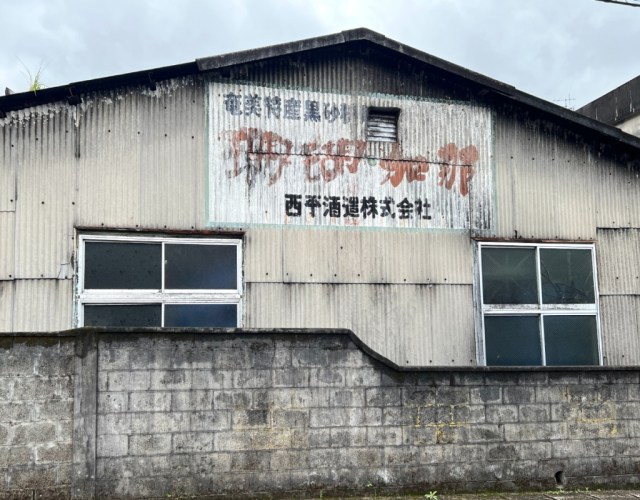
We lucked out when we contacted Nishihira Shuzo, an Amami Oshima shochu maker that’s been in business for 99 years, and they said they could offer us a tour of the facility, and a tasting too, with some very unique beverages to sample.

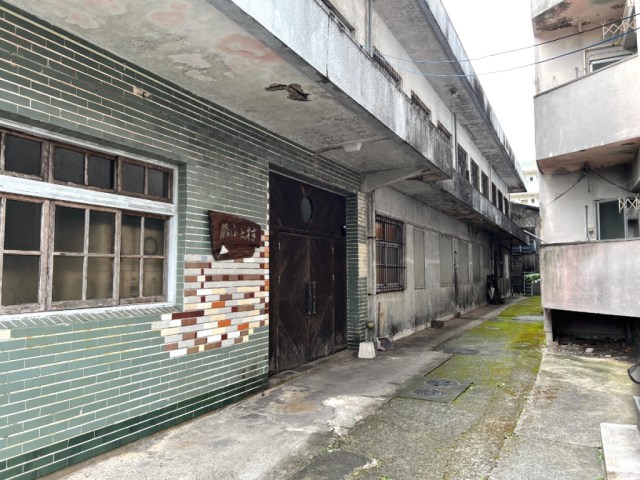
▼ The rustic exterior of the Nishihira Shuzo distillery

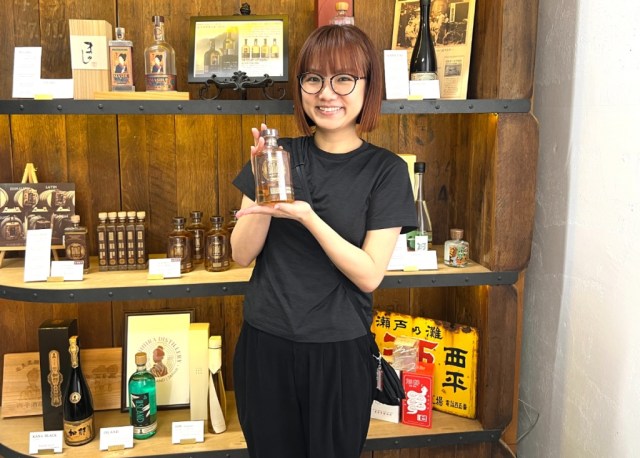
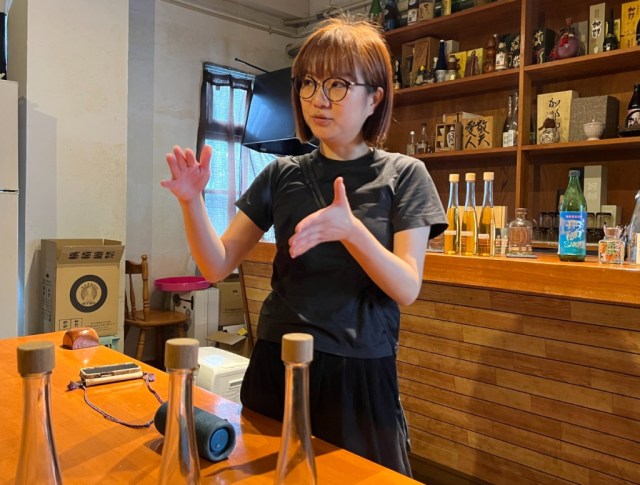
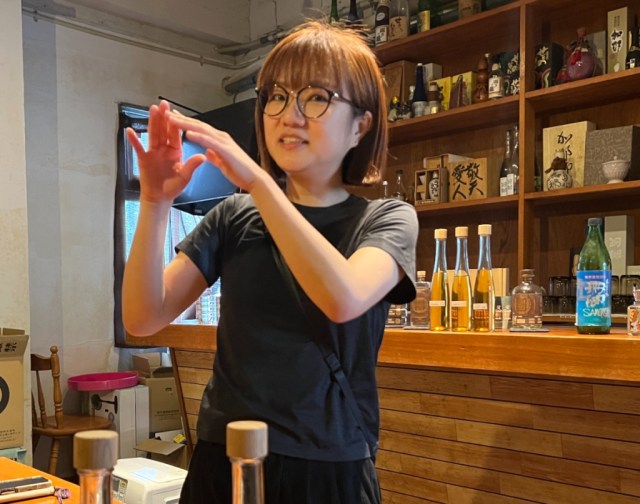
Despite being around for nearly a century, Nishihira Shuzo is still a family-run operation, and we were told that the fourth-generation owner of the business would be our guide. With shochu being a high-alcohol drink with an old-school vibe, our mental knee-jerk reaction was to expect a stern-looking, silver-bearded gentleman, but instead we were warmly greeted by Serena Nishihira and her friendly smile.

▼ Serena Nishihira

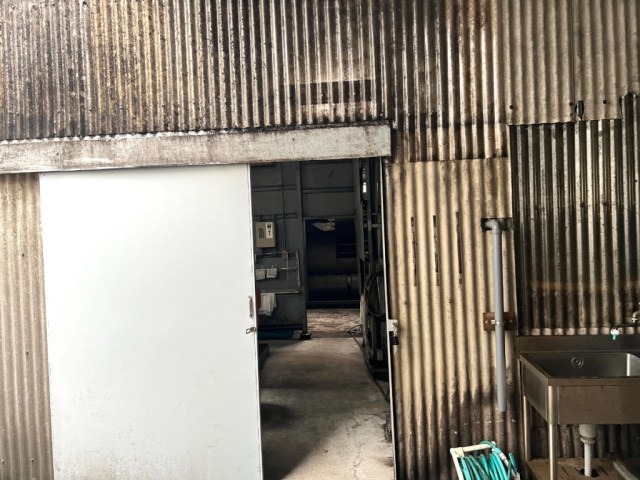
In addition to being a skilled shochu distiller and businesswoman, Nishihira is also a musician, which is something that’ll come into play later on. To start, though, she led us into the distillery’s production area.

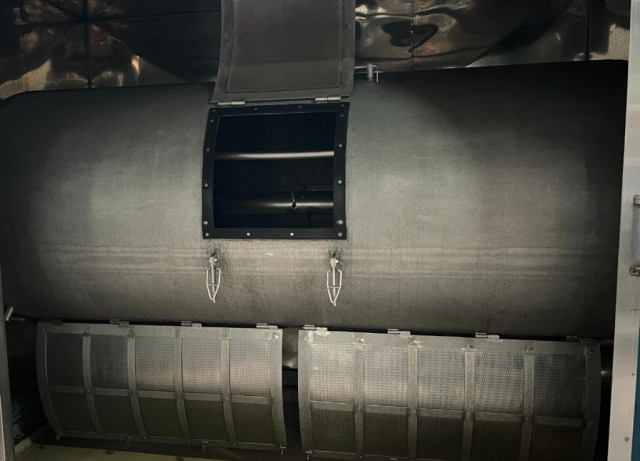
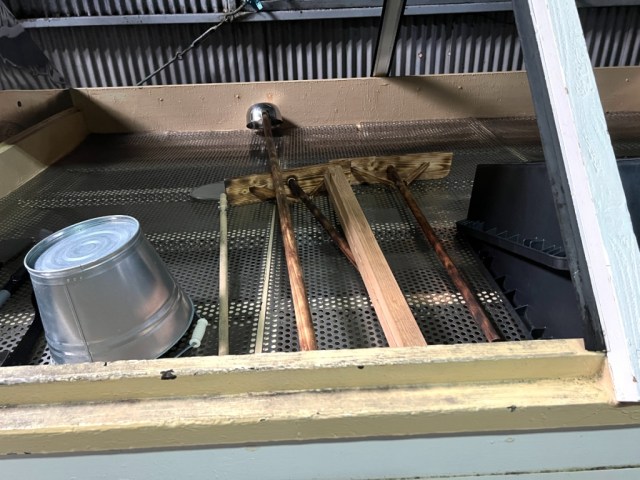
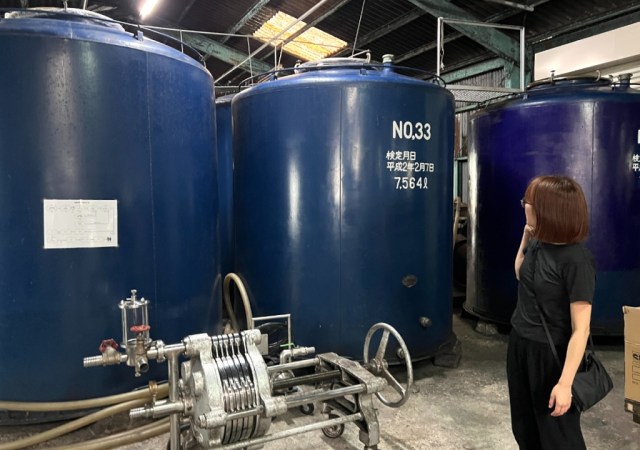
As mentioned above, Nishihira Shuzo’s shochu is made from rice, so steaming the grains is the first step in making it. The distillery has a gigantic cylinder-shaped apparatus that’s used for washing and steaming, with a typical batch using about 400 kilograms (882 pounds) of rice.

Once the rice is cooked, it’s taken out of the drum and sprinkled with koji, a fermentation-triggering type of mold that’s also used in making sake. The rice is then put on racks in a temperature-controlled environment for its initial fermentation.

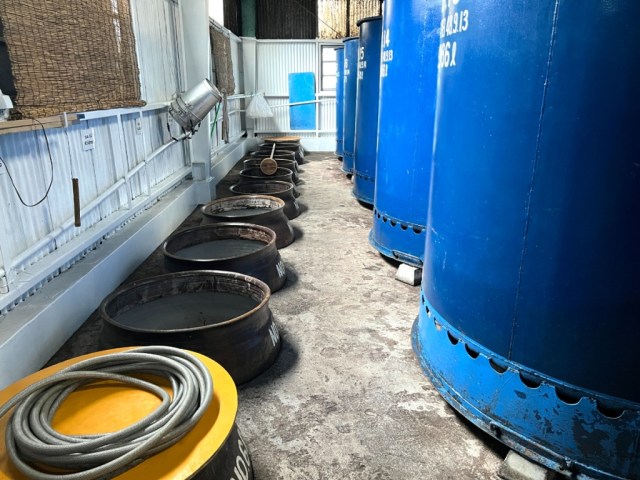
The next morning, the rice is put into jars with yeast and water to ferment for an additional five days. This isn’t a step that all shochu makers include in their process, but Nishihira Shuzo says it’s a key element of theirs.

After its time in the pot, the mixture is transferred into tanks and combined with liquified brown sugar, then given another two weeks to ferment.

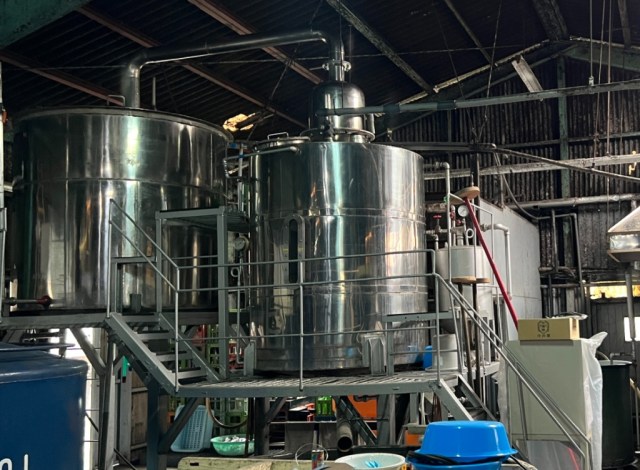
That produces the fermented mash which is then distilled.

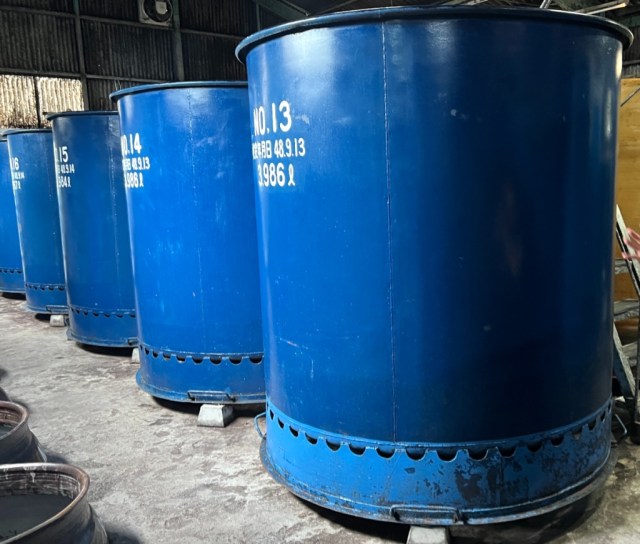
But that doesn’t mean Nishihira Shuzo can whip up a whole batch of kokuto shochu, start to finish, in just three weeks, because the final step (before bottling) is to age the shochu in tanks for at least one full year.

From a 400-kilogram load of rice, Nishihira Shuzo can produce roughly 800 1.8-liter (60.9-ounce) bottles of shochu. Luckily for us, some of those bottles end up in the distillery’s tasting room, which was the next place that Nishihira led us to.

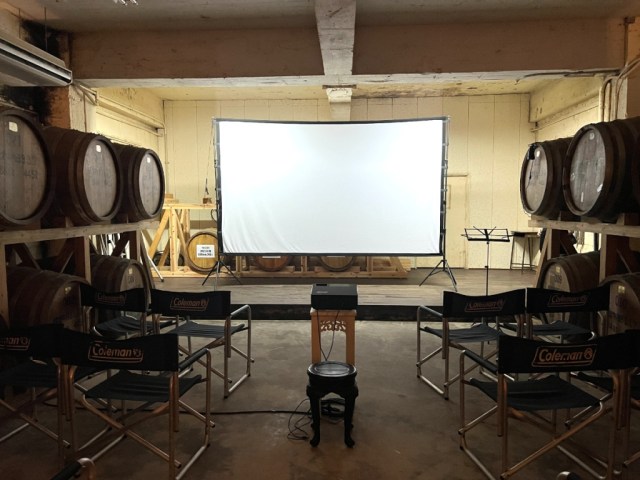
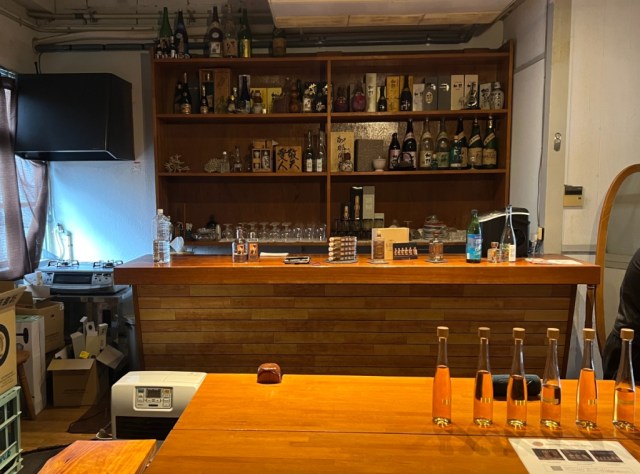
The tasting room has chairs, a projector, and a screen set up for use for group events or musical performances, but we had the place to ourselves on this day.

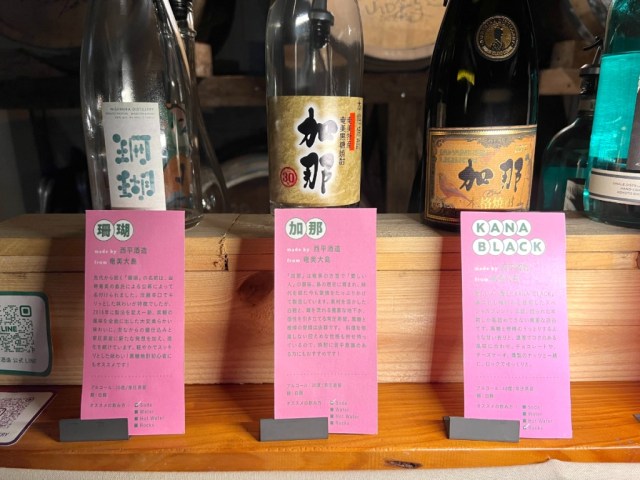
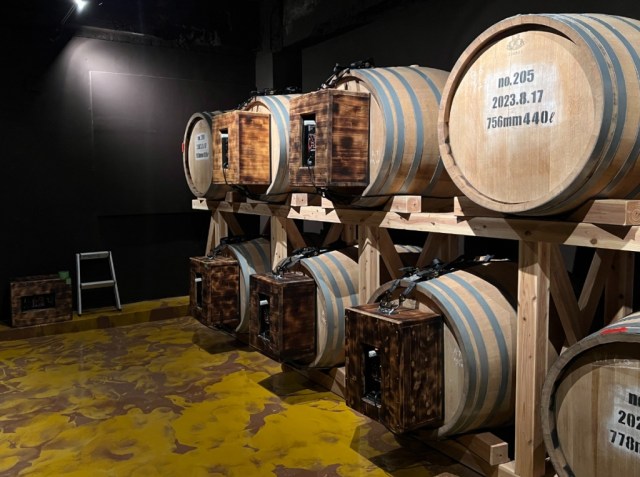
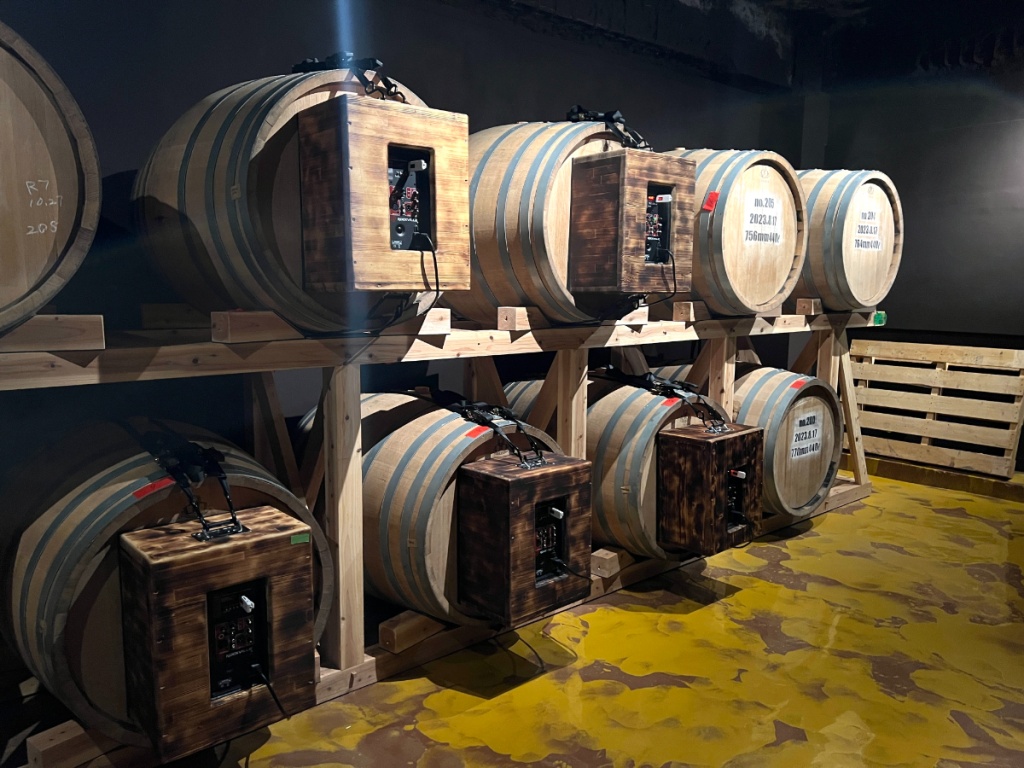
Nishira poured us a selection of the company’s products, and we found them all extremely enjoyable. But just when we thought things couldn’t get any better, she led us through a door at the back of the room where we saw this.

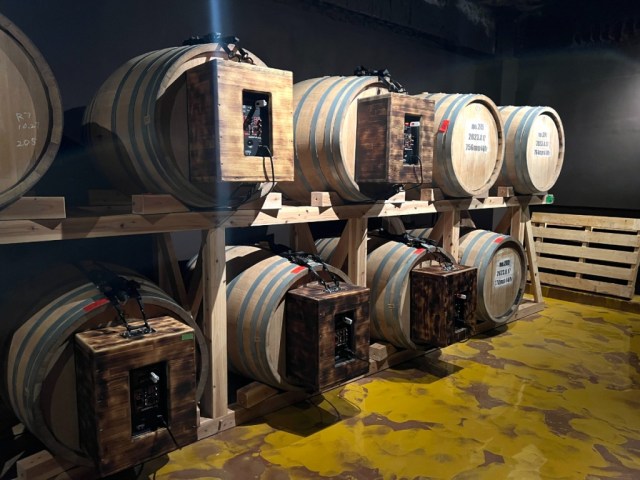
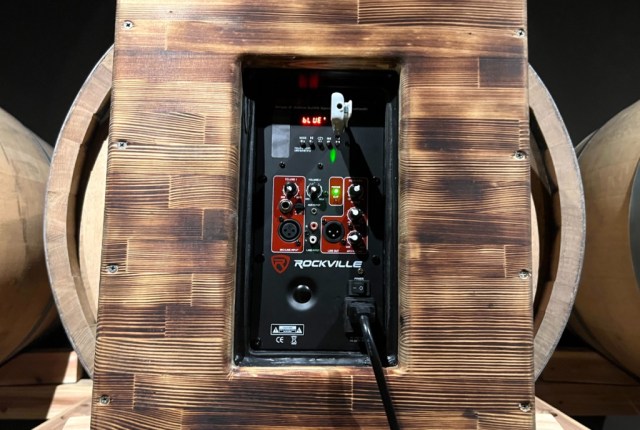
Those are shochu barrels with speakers attached to them. And not some little mini speakers that you might have set up in your kitchen to listen to tunes while you cook, but concert-size amps!

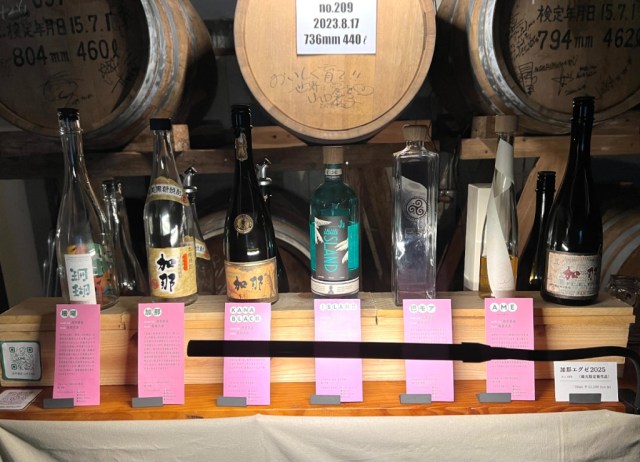
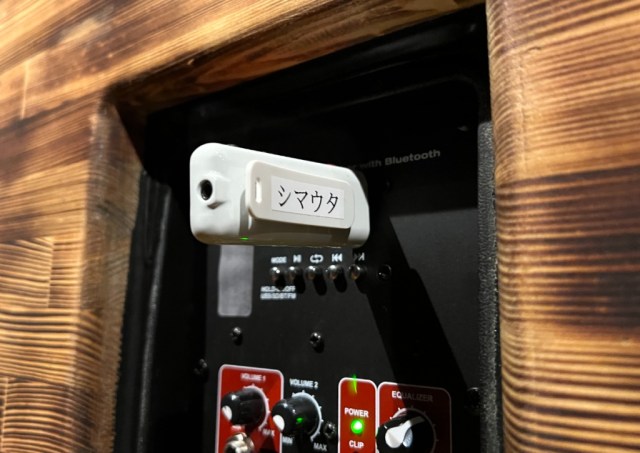
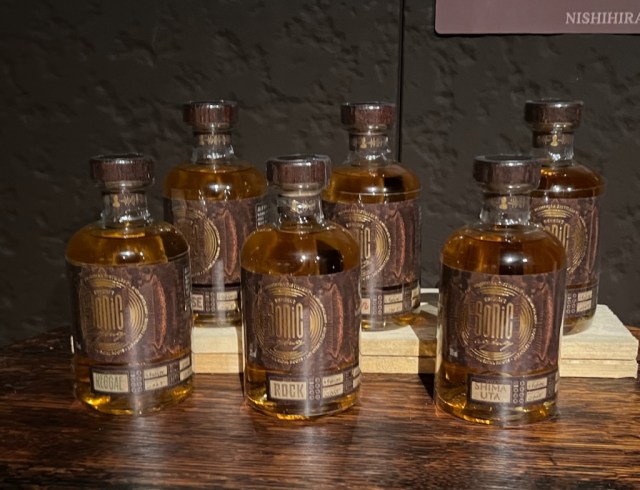
This is where the Nishihira’s Sonic Aging Project takes place. While the speakers were quiet as we looked at them, Nishihira turns all of them on when the distillery starts its shift for the day, and has them play for eight hours. Different amps play different genres of music, with a total of six styles: house, reggae, hip-hop, Latin, rock, and shima uta, or Japanese southern island folk songs.

“We play the music at high volumes,” Nishihira explained, “Depending on the genre, the music produces different vibrations within the barrels, and we want to see how that affects the shochu.”

▼ The shima uta barrel

Like we said, Nishihira is a musician, so at first the idea of playing music for the shochu sounded like a whimsical, creative, but ultimately inconsequential idea. Nishihira, says, though, that with the barrels being music-treated for roughly 2,000 hours in a year, it really does make a difference.

Genres with more bass produce stronger vibrations in the barrel, and also with the shochu itself. That increased interplay between the container and its contents causes the wood to have a more significant influence on the color and flavor of the shochu that’s aging inside.

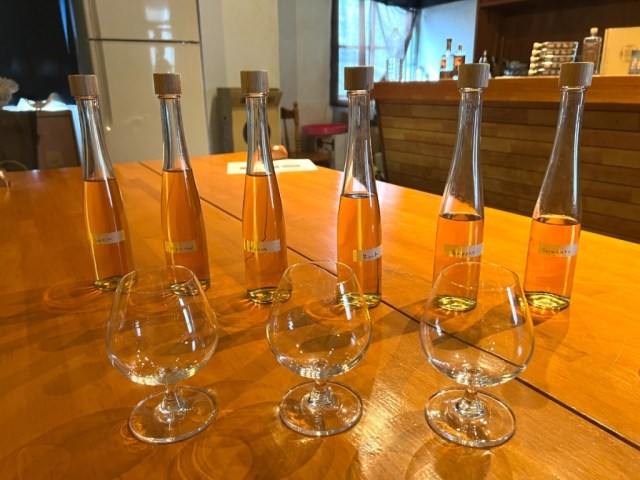
To prove this, Nishihira ushered us up to the second floor of the tasting area to try some of the Sonic Aging Project series.

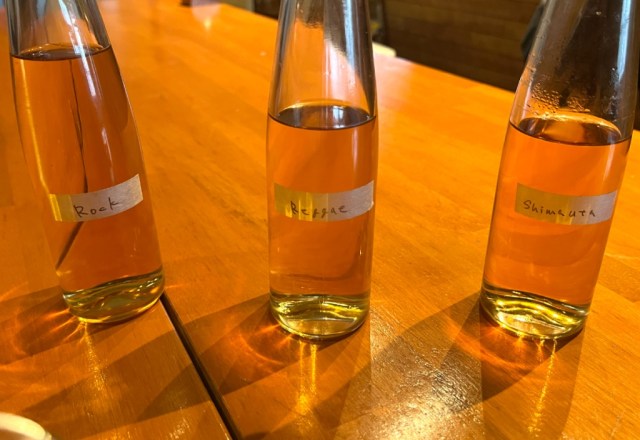
Out of the six music genres, Nishihira says that reggae produces the strongest vibrations, and shima uta the softest. So we definitely wanted to taste those two, and she also poured us some of the rock shochu, which is somewhere between the other two in the spectrum.

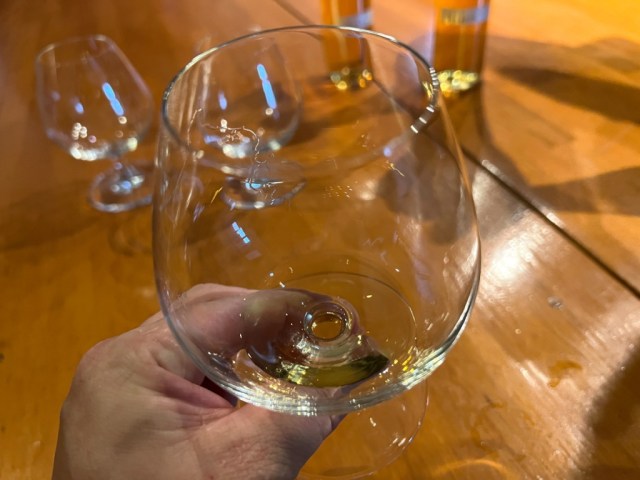
And you know what? We really could taste the difference! The reggae shochu was darker in color and had a rich flavor with some notable bitter notes from the wood. The shima uta shochu, meanwhile, was lighter in color and sharper in taste, with a more pronounced sensation of alcohol. The rock shochu, sure enough, was a mid-point between the more distinct characteristics of the reggae and shima uta.

So which of the Sonic Aging Project shochu styles is the best? There’s actually no answer to that, Nishihira says. Just like your favorite musical genre is a matter of personal taste, so too will different people have different rankings for how much they like the different types Sonic Aging Project shochu, and they’ve all got their own unique charms.

Reservations for Nishihira Shuzo tours can be made through their website here, but if you can’t make it all the down to Amami Oshima, they also offer their shochu, including the Sonic Aging series, through their online store here.

Related: Nishihira Shuzo official website
Photos ©SoraNews24
● Want to hear about SoraNews24’s latest articles as soon as they’re published? Follow us on Facebook and Twitter!

  •  

Choc mint ice cream season hits Japan with a spectacular drinkable ice cream from Tully’s

Why go to Starbucks when you can find hidden gems like this at a locally born chain?

Are you a Chokomintou supporter? If you are, then you will be gearing up for a very busy, and refreshing, summer in Japan, because Chokomintou means “Choco Mint Tou”, where “tou” (“political party”) humorously refers to the chocolate mint party, a faction despised by some and strongly supported by others.

Choc mint is certainly a divisive flavour combination, but here in Japan, where summers can be excruciatingly hot and brutal, it’s become immensely popular, so much so that “Chokomintou” quickly became a common term, with people proudly declaring their support for it.

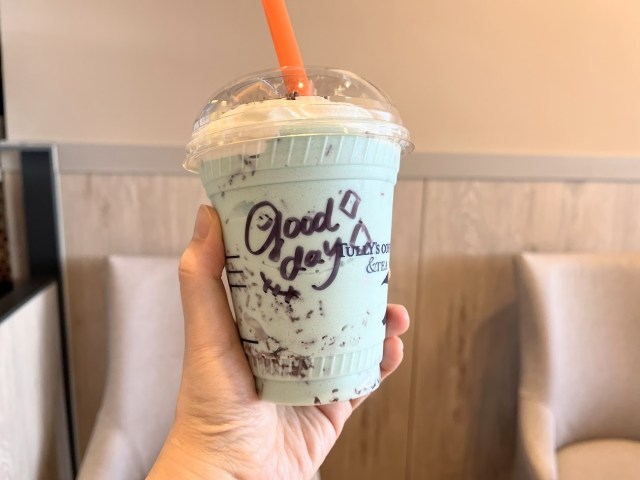
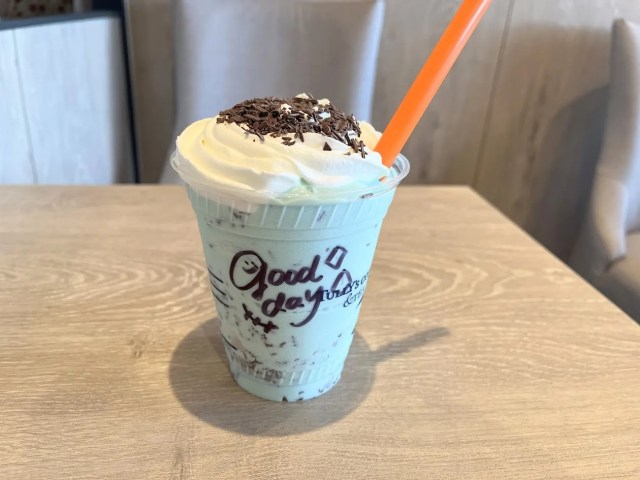
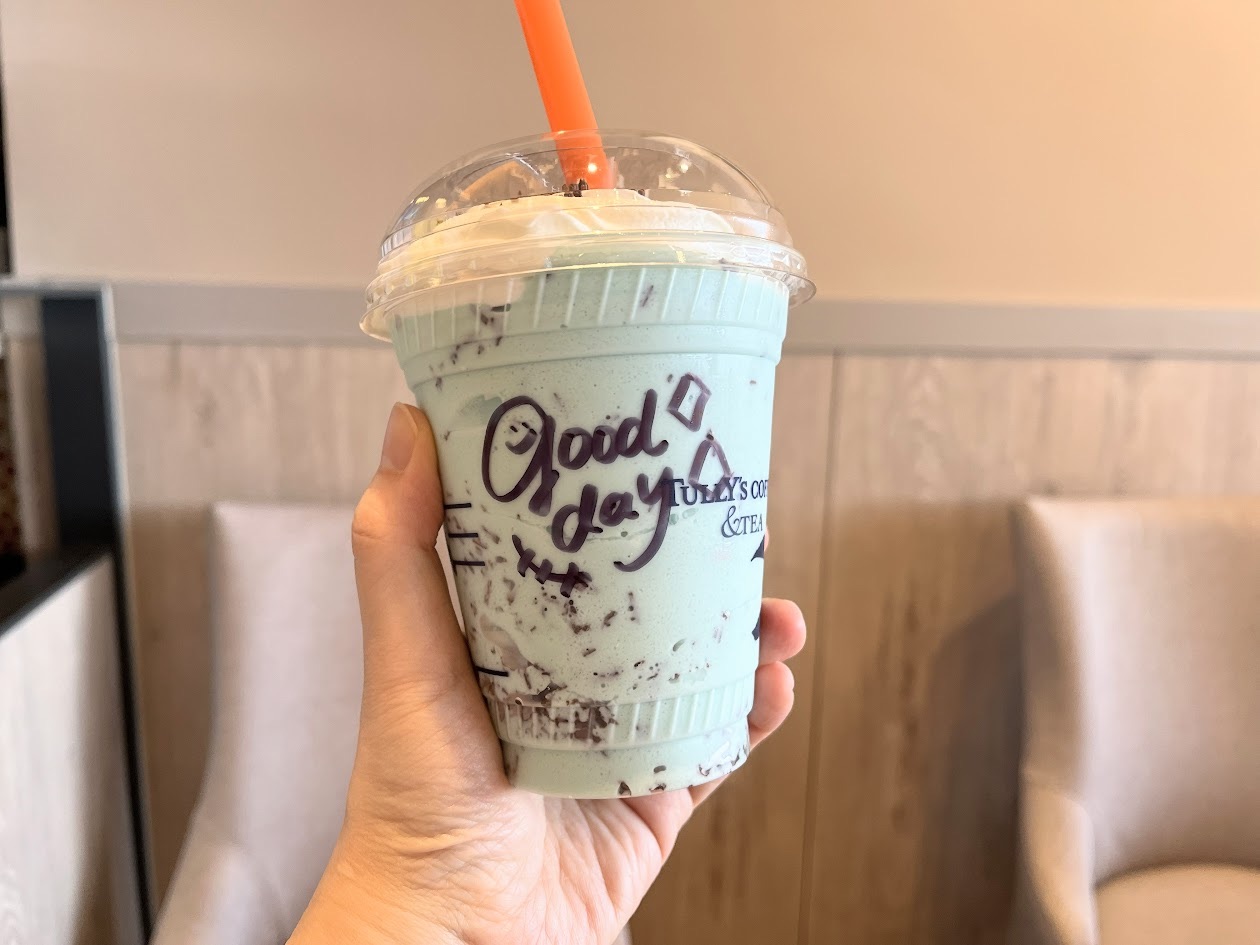
This summer, those supporters are being treated to a whole slew of new treats, and one that’s currently causing a stir is the Chocolate Mint Shake from Japanese coffeehouse chain Tully’s.

This beverage is so thick it’s more like a drinkable ice cream than a shake, but what makes it even more special is the fact that you can request extra mint, making it one of the strongest mint-to-chocolate drinks on the market.

▼ The Chocolate Mint Shake retails for 790 yen (US$4.98).

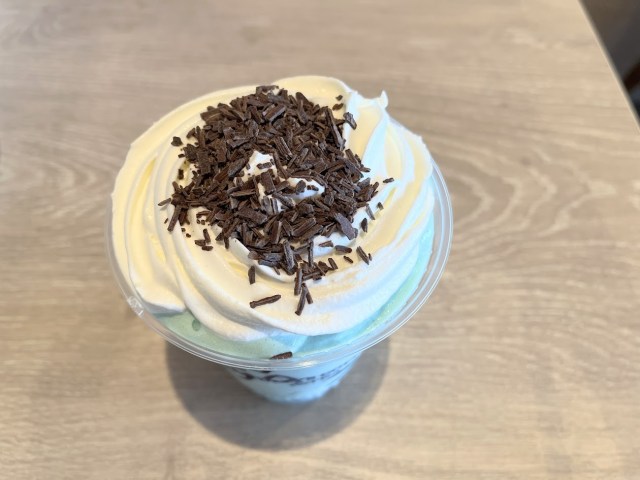
The blue-green hues will immediately refresh your mind when you lay your eyes on the shake, and the pop of contrasting colour with the bright orange straw is another nice visual touch. The topping of chocolate shavings adds another accent in colour and, as it turns out, texture.

We ordered our shake with extra mint, and the resulting flavour was super minty, hitting the taste buds with an invigorating freshness. Thankfully, there was no “toothpaste-like” taste that’s sometimes evident in chocolate mint products – it was purely a fresh mint zing that paired beautifully with the chocolate, all wrapped up in a rich and creamy, ice cream-like texture. It was a delightful sensation, and the occasional crunch of the chocolate shavings added a nice surprise in between mouthfuls.

It was such an exquisite balance between mint and chocolate that we’d describe it as the golden ratio of choc mint. It’s by far the best chocolate mint product we’ve ever tasted, and so good it has the power to move a chocomintou fan to tears.

As a home-grown coffeehouse that tends to sit in the shadow of Starbucks, Tully’s is often coming out with unusual releases to stay in the competition. The Chocolate Mint Shake is a great example of that, and a good reminder that sometimes the best finds can be found in the shadows.

Photos ©SoraNews24
● Want to hear about SoraNews24’s latest articles as soon as they’re published? Follow us on Facebook and Twitter!

  •  

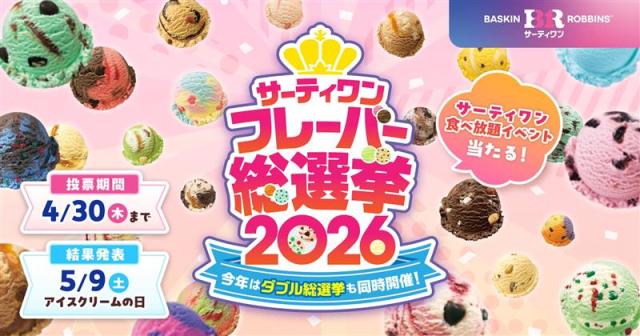
Baskin-Robbins Japan’s 2026 popularity poll results are in and the champion flavor is crowned

One flavor still rules the nation.

For the last five years, Baskin-Robbins Japan (colloquially known as “31”) has been holding an annual Flavor Election that petitions fans of its ice cream to vote for their top flavors to discover the nation’s favorite.

Out of a possible 1,400 original flavors that could have been potentially chosen from across the 53 years it has been operating in Japan, Baskin-Robbins narrowed down the contenders to the top 100, based on their own data, for fans to vote on and determine the tops spots in popularity.

Starting with the overall top five, the tallies are:
  • 5. Strawberry Cheesecake – 28,593 votes
  • 4. Jamoca Almond Fudge – 30,190 votes
  • 3. Burgundy Cherry – 31,163 votes
  • 2. Cotton Candy – 31,509 votes
  • 1. Love Potion 31 – 69,318 vote

With more than double the amount of votes as second place, this year’s runaway champion is Love Potion 31, a flavor poised to make you fall in love with it thanks to a delightful mix of raspberry and white chocolate ice cream with chocolate heart accents.

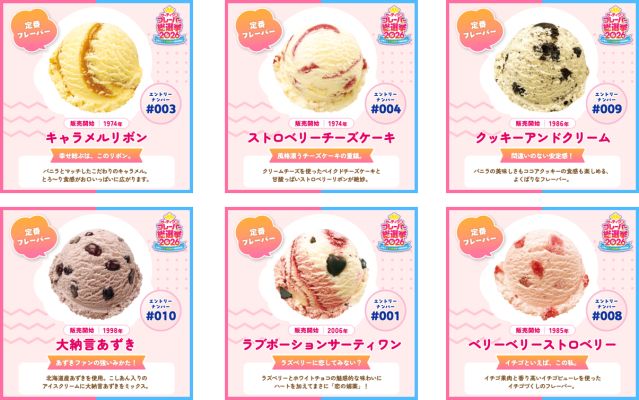
▼ Caramel Ribbon, Strawberry Cheesecake, Cookies and Cream, Dainagon Azuki, Love Potion 31, Very Berry Strawberry

One of the charms of Baskin-Robbins is the rotating limited-edition menu, with new and exciting flavors available each season, necessitating regular visits for anyone with even a hint of a sweet tooth. The most popular among the limited-edition flavors are:
  • 5. Daiquiri Ice – 15,520 votes
  • 4. Magical Mint Night – 17,522 votes
  • 3. 31 All Stars – 18,646 votes
  • 2. Burgundy Cherry – 31,163 votes
  • 1. Cotton Candy – 31,509 votes

While Cotton Candy was second in the limited-time category in last year’s poll, this year the sweet cotton candy ice cream rose to the top of this sub-section for the first time, with Baskin-Robbins’ cherry ice cream with rich cherry chunks a very close second.

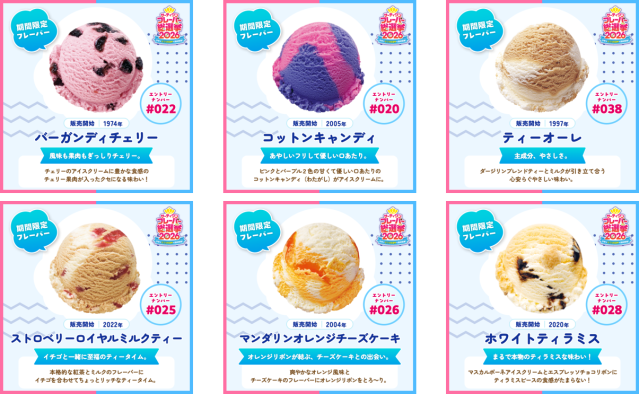
▼ Burgundy Cherry, Cotton Candy, Tea Au Lait, Strawberry Royal Milk Tea, Mandarin Orange Cheesecake, White Tiramisu

Of course, with so many new flavors making appearances each year, there are naturally promising newcomers who are looking to build their fanbase. The flavors that have overtaken their fellow new counterparts in the poll this year are:

  • 5. Berry Meets Pistachio – 3,648 votes
  • 4. White Tiramisu – 4,931 votes
  • 3. Mandarin Orange Cheesecake – 5,099 votes
  • 2. Strawberry Royal Milk Tea – 5,772 votes
  • 1. Melty Strawberry Chocolate – 7,926 votes

Melty Strawberry Chocolate is a mouthwatering addition to Baskin-Robbins’s offerings that’s a mix of a chocolate and strawberry ice creams, further blended with a ribbon of strawberry sauce and chocolate chunks to balance its sweet and slightly sour elements.

This time around, Baskin-Robbins has introduced a new category: Double. The option of choosing two flavors and enjoying double the deliciousness is a highly recommended way to experience the ice cream at Baskin-Robbins, so what better way to find out the next combination to try than learning other people’s pairing of choice.

The top picks for Doubles are:

  • 5. Chocolate Mint and Popping Shower – 5,872 votes
  • 4. Strawberry Cheesecake and Popping Shower – 7,052 votes
  • 3. Caramel Ribbon and Popping Shower – 8,132 votes
  • 2. Cotton Candy and Popping Shower – 12,590 votes
  • 1. Love Potion 31 and Popping Shower – 35,202 votes

Considering how popular Love Potion 31 was found to be, it comes as no surprise that a combination featuring it has reached first place with close to three times the votes as second place.

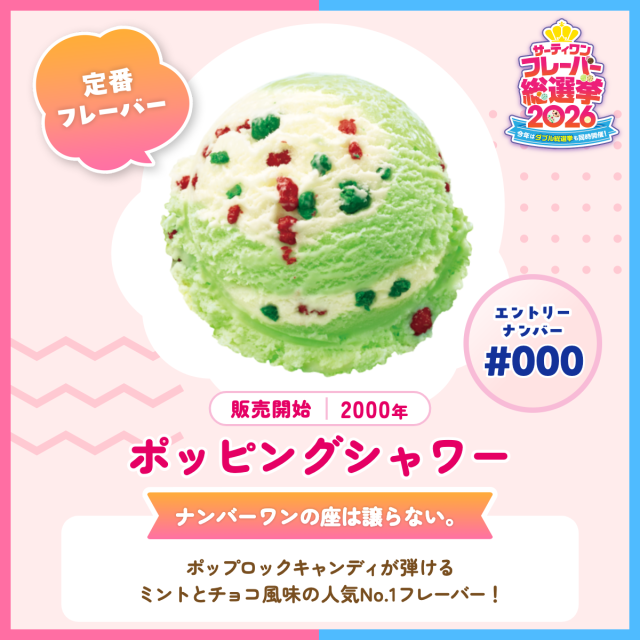
However, the list also has what might seem like an anomaly: every choice in the top five includes the Popping Shower, a flavor of mint ice cream with popping candy pieces mixed in. In fact, it was in every combination in the Top 9. Seeing the mint and chocolate ice cream, mixed with popping candy, featured so often, it is a testament to how beloved the flavor is. In total, Popping Shower enters the top 50 list a total of 19 times, including seventeenth place where it is paired with itself, so its popularity is without question. The fact remains, though, that it does not show up at all in the 100 flavors in the single category. So, why is that?

▼ The legendary Popping Shower

Well, Popping Shower is simply too popular. After its inclusion in the first-ever poll, where it absolutely crushed the competition, it was determined that any future poll would similarly be dominated by Popping Shower, so it was ceremoniously retired into the Hall of Fame and removed from the candidate list from the second poll onwards, giving the other flavors a shot at the glory of being crowned champion. Popping Shower was allowed special entry into the Double category where it demonstrated that its dominance over other flavors has not diminished at all with time.

As a result of the poll, Baskin-Robbins Japan have pledged to turn the overall winner Love Potion 31 into an original keychain to be given to 31 winners selected by lottery from those who voted for it. They also promise to re-release the top three limited-edition flavors in 2027, so keep your eyes peeled for their return. In addition, there will also be gift cards, all-you-can-eat event vouchers, and variety box vouchers up for grabs in the lottery for those who participated in the poll. If you want to be in a chance for winning, keep checking for news of the poll next year.

With the frequently rotating menu, the best time to visit Baskin-Robbins is: always. However, if you don’t eat ice cream very often, but still want to see what all the fuss is about, you can’t go wrong with getting a Double with this year’s champion, Love Potion 31, and the eternal king Popping Shower.

Related: Baskin-Robbins Japan
Source: Baskin-Robbins Japan, PR Times via Golden Times
Images: PR Times
● Want to hear about SoraNews24’s latest articles as soon as they’re published? Follow us on Facebook and Twitter!

  •  
❌