Reading view

The story of our reporter P.K. Sanjun’s heart attack
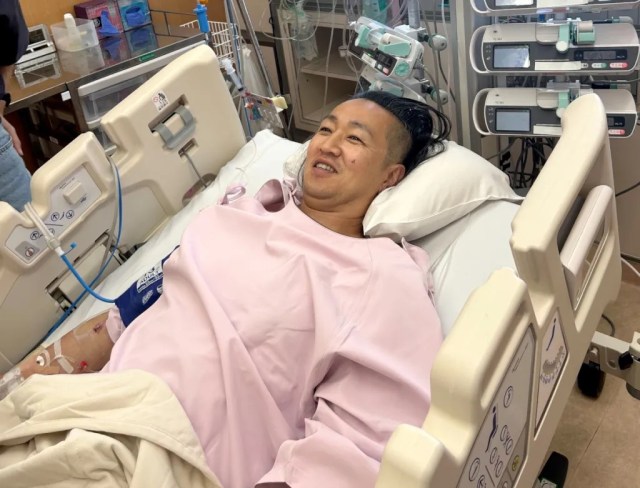
There are two phone numbers to remember in a situation like this, but one is much more important.

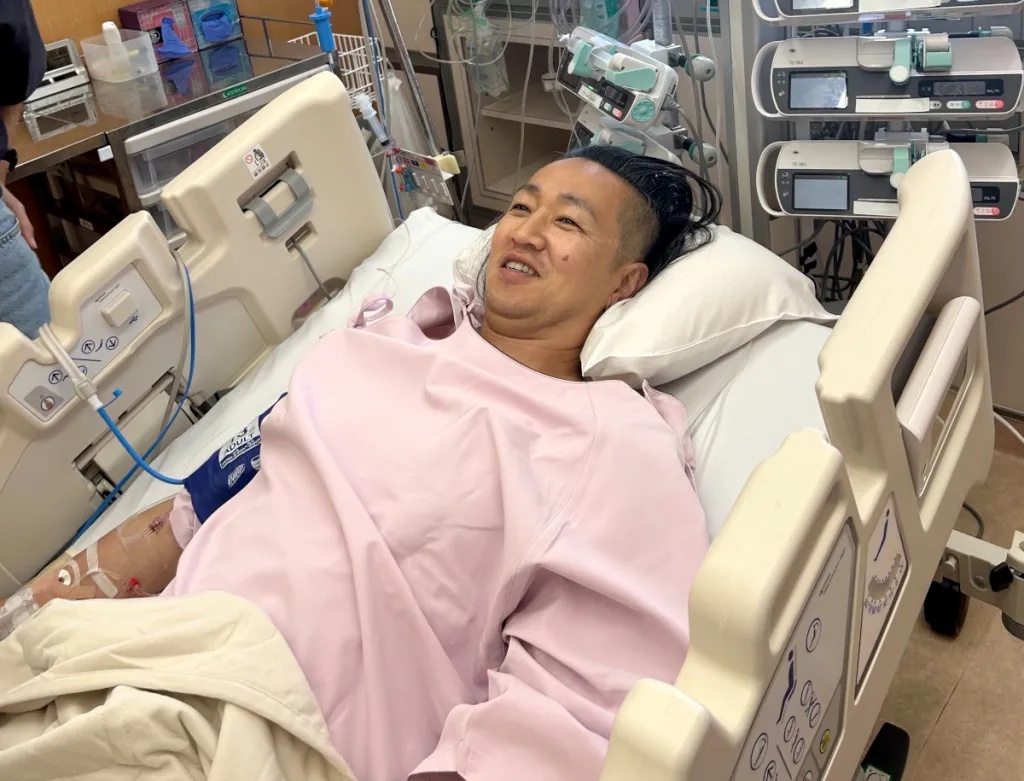
Our Japanese-language reporter P.K. Sanjun is an adventurous guy with a wide range of interests, and if you’re out and about in Japan, you might run into him at a Pokémon tournament, nuikatsu gathering, or just seeing how far away from downtown Tokyo a person can bicycle in eight hours. However, he’s currently on break from field assignments, because he’s in the hospital recovering from a heart attack.

Dedicated correspondent that he is, though, P.K. still feels the urge to write while he’s recuperating. For the record, this isn’t something we asked him to do, but he wants to share the story of what happened, so we’ll turn things over to him now.

Seriously, I’m as surprised about this as anybody, but I had a heart attack.

I’m writing this on the morning of Tuesday, May 19, and I had the heart attack on Sunday morning. So yeah, it’s only been two days since it happened. “Should you be working right now?” is probably something a lot of you are thinking, but physically, I’m honestly feeling fine right now. Really, I’m getting antsy just sitting here in the hospital with so much time on my hands, so I figured I’d fire up my laptop and write something.

Getting down to business, on Sunday I woke up at about 7 in the morning and felt a weird pain in my chest. I can’t really remember if it was the pain that woke me up, or if I noticed it after I was awake, but either way, when I made a move to get out of bed, my chest was hurting. At first, it felt like my whole upper body had tensed itself up.

It was strange to feel that sensation over such a large area, and I remember thinking “Geez, is this what getting older feels like?” But after I got up and went to the bathroom, the pain went away…or so I thought. It was only gone for a second, but then it came back so much worse, and I started gushing cold sweat.

In a rush, I grabbed my phone and did a search for “chest pain sickness,” and the results said “There is a possibility that you are experiencing myocardial infarction [a heart attack] or aortic dissection” and “Please call 119 [the nationwide number for emergency medical services in Japan] immediately.” That’s when I realized “Uh oh…this might be something serious.”
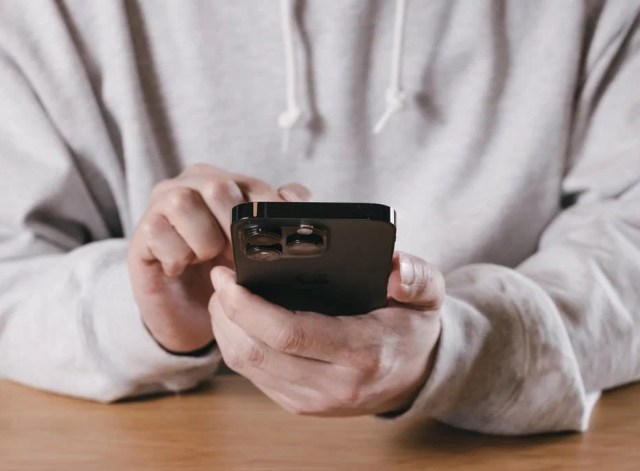
But even still, I didn’t call 119 right away. I didn’t want to jam up the line calling for an ambulance if my condition turned out to be nothing major, and I can’t deny that at this point I was still thinking “No, I couldn’t be having a heart attack. Not me.”

So instead I dialed 7119, which is the Tokyo Fire Department’s Emergency Consultation number, thinking that I should ask them whether or not I really needed an ambulance. To be honest, my memory starts getting a little fuzzy from here, but I remember the operator asking me “Do you think you can make it to the hospital by yourself?”, but by that time the pain had gotten exponentially worse. “No, I don’t think I can,” I told her, and she said she’d send an ambulance, telling me to stay in my apartment, so I sat in my entryway and waited.

Actually, a fire engine arrived even before the ambulance, and they administered first aid to me. The ambulance rolled up right after that, though, and it seems like they did some other on-site treatment too. While that was going on, they kept asking me “Can you tell us your name and date of birth?” “Damn, quit asking the same thing over and over!” I thought, but now I can understand that they were doing that to make sure I was still able to think straight and communicate. Once they were done with the first aid, they loaded me into the ambulance and rushed me to the hospital and into the emergency room, with my consciousness starting to fade. The doctors diagnosed me as having had a heart attack, and I had to have surgery, but it’s crazy how a few hours later I felt so much better.

P.K. says he has more to say about his experience, but we’re going to let the guy get some rest now. As mentioned in his report, the number for emergency medical services in Japan, and emergency fire department response too, is 119, and the number in Tokyo for “emergency consultation” is 7119. We should also add, however, that we don’t necessarily recommend copying P.K.’s hesitancy to call for an ambulance when experiencing searing chest pains, since it really could be a matter of life and death.

Top image ©SoraNews24
Insert image: Pakutaso

● Want to hear about SoraNews24’s latest articles as soon as they’re published? Follow us on Facebook and Twitter!
  •  

Starbucks Japan has a secret breakfast set…and a hack for when it sells out

Japanese customer service turns a disappointing experience into a heartwarming memory. 

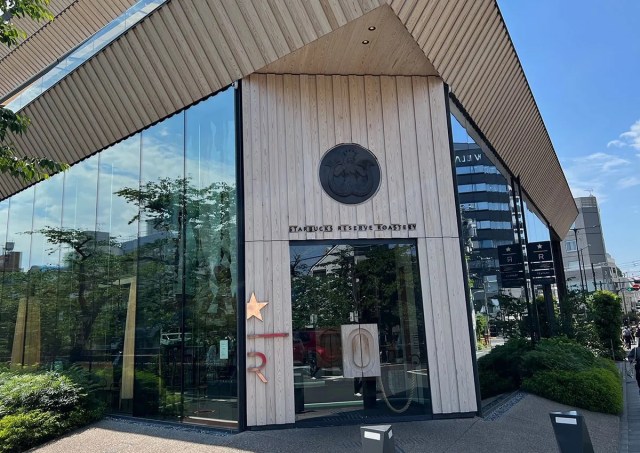
When people hear the words “Starbucks breakfast” in Japan, they usually think of the chain’s “Good Start Morning” offer, which gives you a 40-yen (US$0.25) discount on the in-store price when you buy a qualifying drink and food item together. You can take advantage of the deal until 11 in the morning at most stores, but diehard fans of the chain know there’s a better deal hiding out at the Starbucks Reserve Roastery Tokyo in Tokyo’s Meguro Ward.

Here, you’ll find a luxurious breakfast that’s been described by diners as “hotel-quality”, but the only problem is it’s so popular it often sells out. That’s what happened when we stopped by to try it, but rather than leave disappointed, we ended up leaving with a full stomach and a warm heart, thanks to the help of staff who went above and beyond with their customer service to make our experience a great one.

▼ Starbucks Reserve Roastery Tokyo

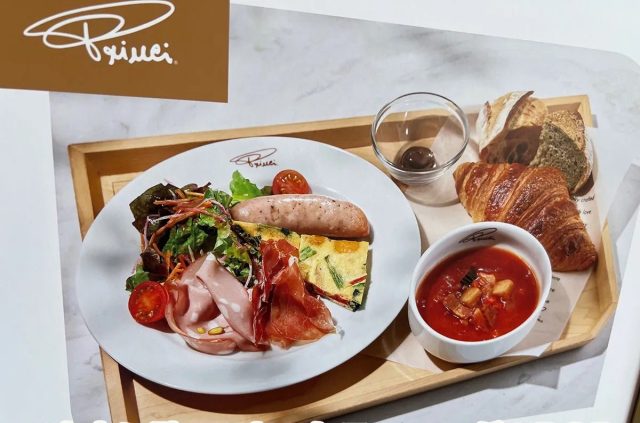
The official name of the popular breakfast is “Roastery Breakfast Mattina“, and it’s sold by Princi, the Italian bakery on the first floor. While it’s said to be incredibly delicious, it’s also slightly pricey, at 2,250 yen per set, and can only be ordered dine-in until 11:00 a.m. each day.

▼ Drinks are sold separately, so if you want to add coffee to your breakfast, you should be prepared to spend at least 3,000 yen.

Despite the price, the breakfast is incredibly popular – so much so that when we visited at 10:30am, staff told us that they’d just sold out, and when we returned the next day just after 9 a.m. staff told us they sold out at 8 a.m.

Fearing we may never get to eat breakfast, we asked staff if there was any type of workaround they might recommend. We told them we’d be happy to purchase the bread and ham from the breakfast set on their own if it were possible, and to our surprise, the staff member we spoke to said, “You can buy the bread individually. We also offer ham in sandwiches and such, but…please wait a moment.” They then started communicating with someone on their intercom system.

Eagerly waiting to find out what was about to happen, the employee then said, “Well, how about this? We have a menu item that we’d like to recommend, but please wait a moment while we check if it’s still available.”

Crossing our fingers for the best result, we waited with bated breath until the staff member turned and said, “It seems it’s still available, so I’ll guide you to the place where it’s being served.”

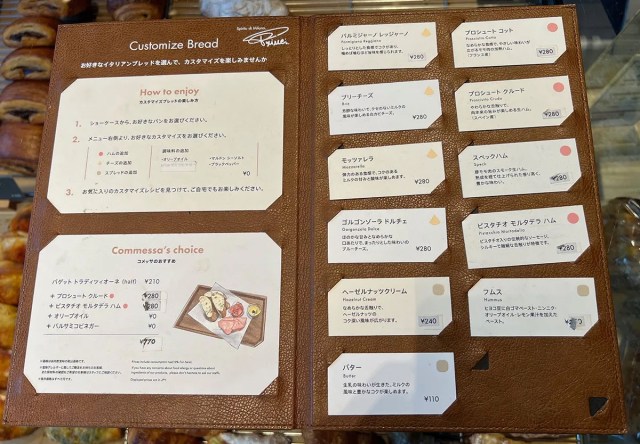
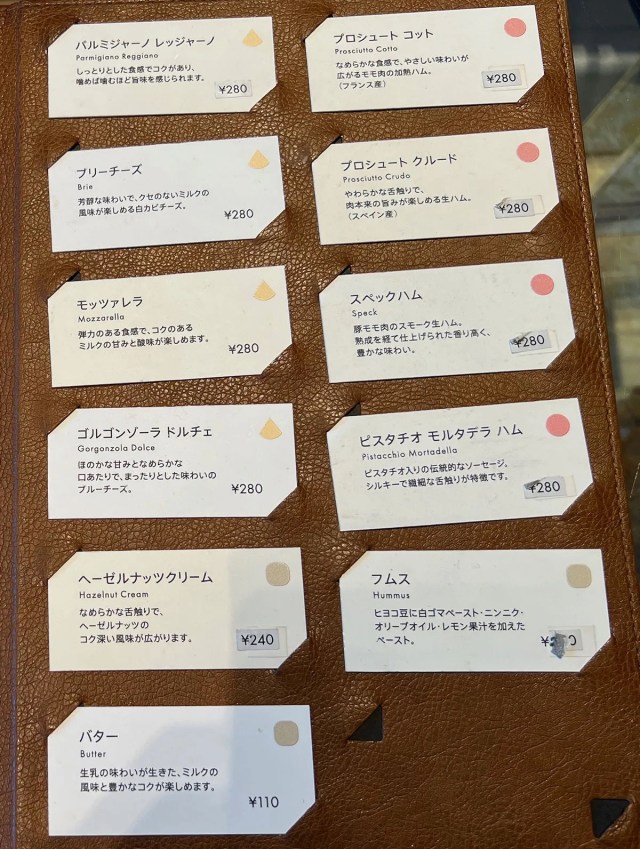
▼ They then led us to the Princi bakery, where they introduced us to a store-exclusive menu item called “Customize Bread”.

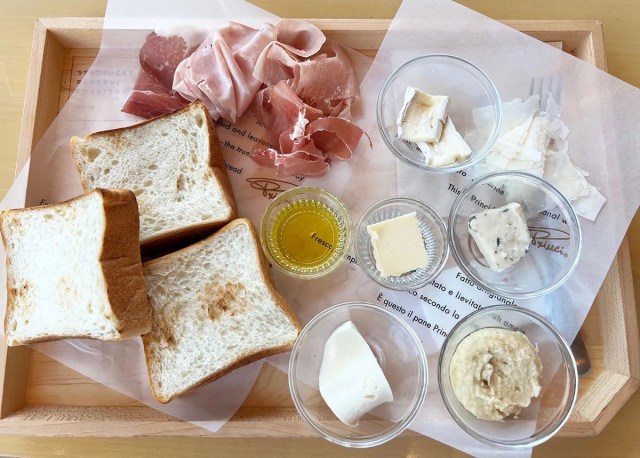
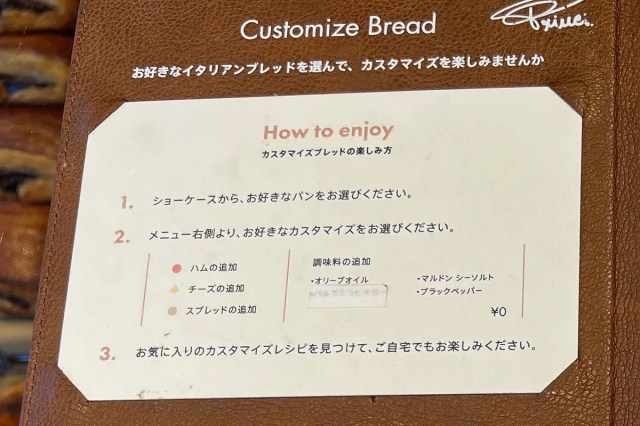
As the name suggests, this customisable bread menu allows for a wide range of customisation. You can choose your favourite bread, cheese, ham, and, if desired, olive oil, salt, and black pepper, to create your own unique set.

The price varies depending on what you add – cheese add-ons cost an extra 280 yen, while the butter, dip and cream options are less expensive.

You get to choose your bread yourself, but if you’re unsure about anything, you can simply tell staff your preferences for hard or soft textures and they’ll choose something that suits your taste. Staff were incredibly helpful, and when we asked if it might be okay to order pretty much all the toppings, they told us not to worry as customers often add all of them.

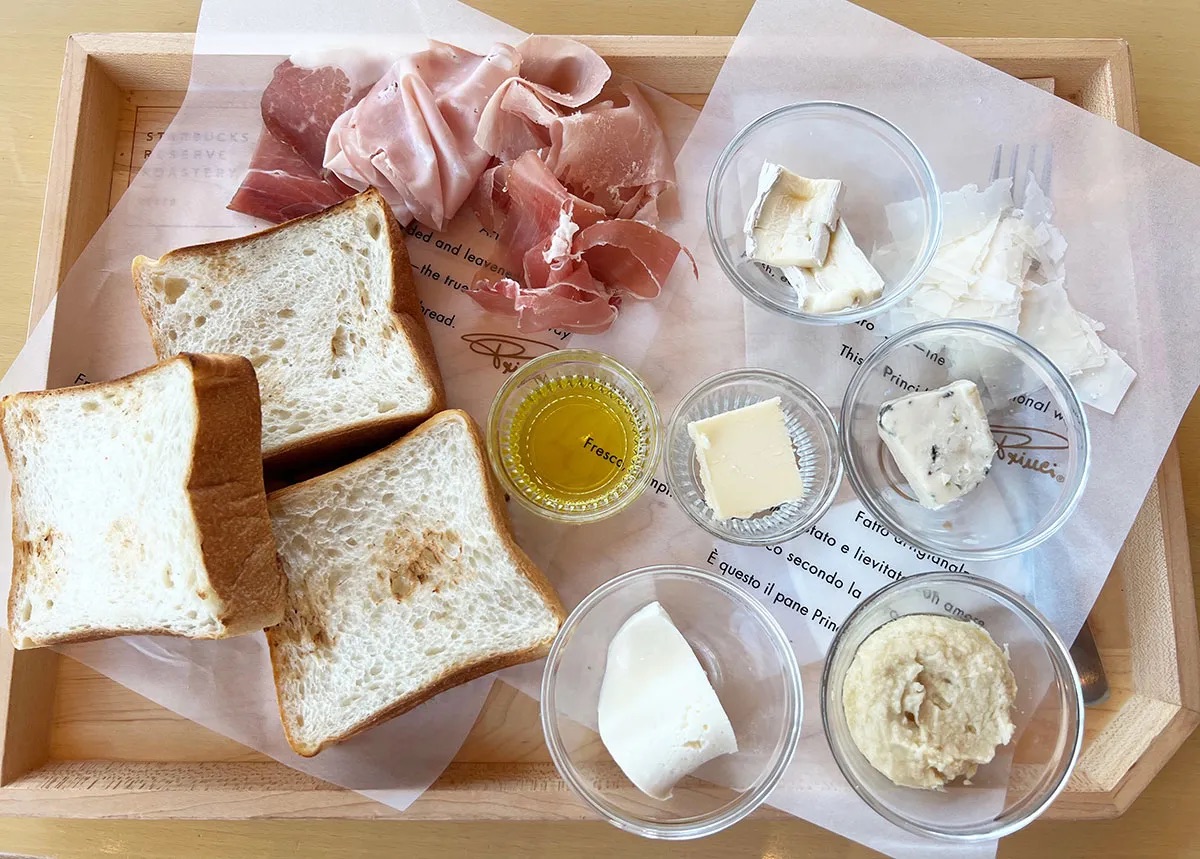
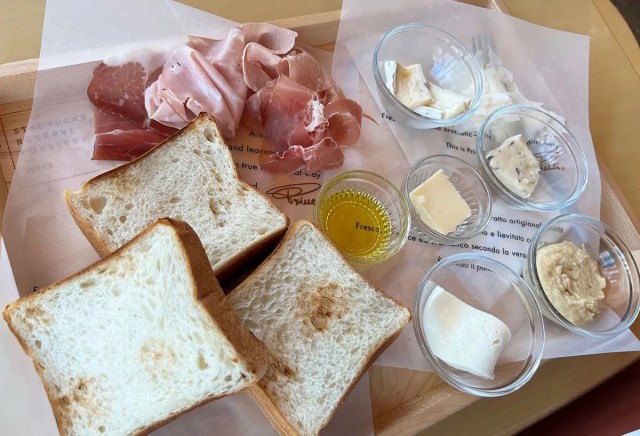
▼ So we ended up ordering the lot, except for the Hazelnut Cream, which we worried might be too sweet for our liking.

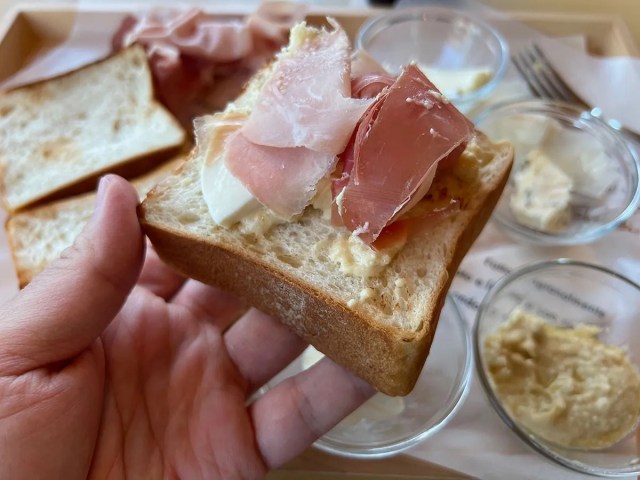
It was a veritable feast, and so good looking it resembled a breakfast you’d get at a fancy hotel.

▼ Olive oil, Maldon sea salt, and black pepper are free with every order.

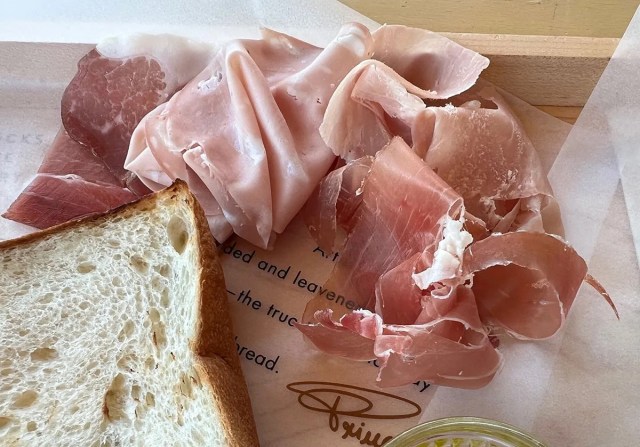
We had no idea a breakfast like this was possible at Starbucks, and we were particularly impressed with the range of hams.

▼ We chose prosciutto crudo, prosciutto cotto, pistachio mortadella, and speck.

Sure, it may not be as colourful as the original breakfast set, but in every other respect it seemed overwhelmingly superior. Not only did it look like a high-class hotel breakfast, we also enjoyed being able to mix and match the bread with toppings to our liking.

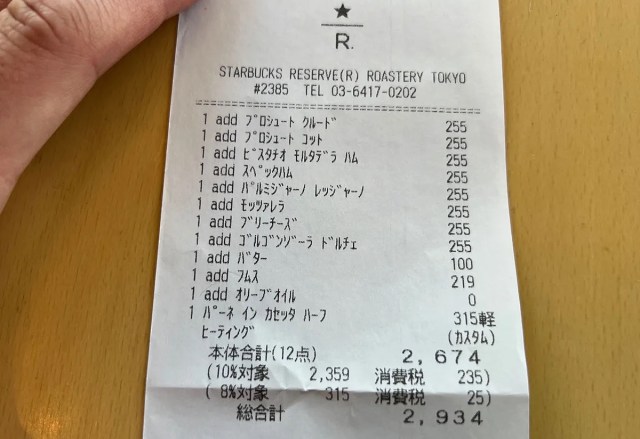
As previously mentioned, the price of the set varies depending on what you add, and because we went all out with the add-ons, our total came to 2,934 yen, which was more than the sold-out breakfast.

Still, it was an experience we were happy to pay for, because not only did we get to discover a new way to eat breakfast at Starbucks, we got to experience the warmth of Japanese customer service as well. In fact, it was the customer service that left a lasting impression on us, as staff went out of their way to ensure we left happy, and never applied any pressure during our order, so we were able to make our choices calmly and with ease.

It added the pep in our step we needed to start the day, and now we know Starbucks is just as good a place to go for breakfast as it is for afternoon tea.

Cafe information
Starbucks Reserve Roastery Tokyo / スターバックス リザーブ ロースタリー東京
Address: Tokyo-to, Meguro-ku, Aobadai 2-19-23
東京都目黒区青葉台2丁目19-23
Open 7 a.m.-11 p.m.
Website

Images©SoraNews24
● Want to hear about SoraNews24’s latest articles as soon as they’re published? Follow us on Facebook and Twitter!
  •  

Do Bare Feet of a Gorilla slides really make your legs slimmer?

These bizarre sandals have gone viral on Japanese social media, so we put them to the test.

If you’re interested in Japan, your timeline and explore pages are likely filled with photos and videos of influencers promoting the country’s latest finds. A lot of the time, though, these influencers miss the true hidden gems that circulate on Japanese social media, and right now there’s one product that locals are raving about: Bare Feet of a Gorilla.

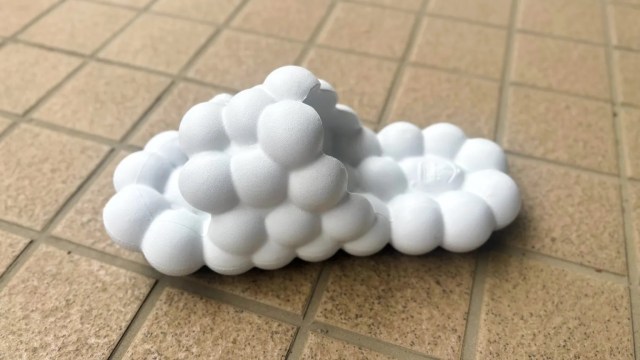
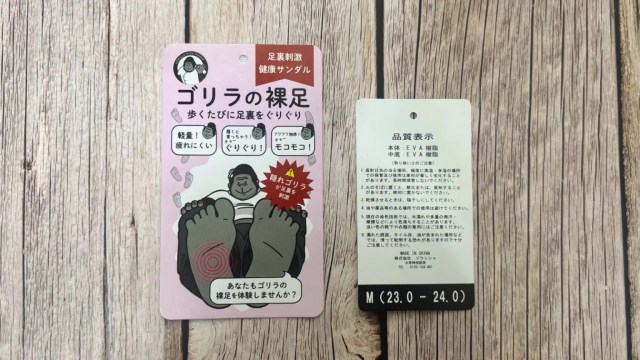
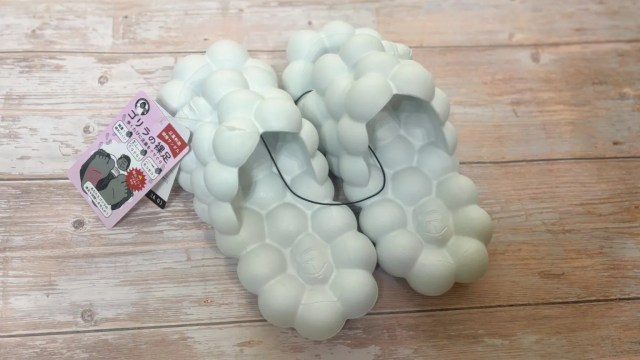
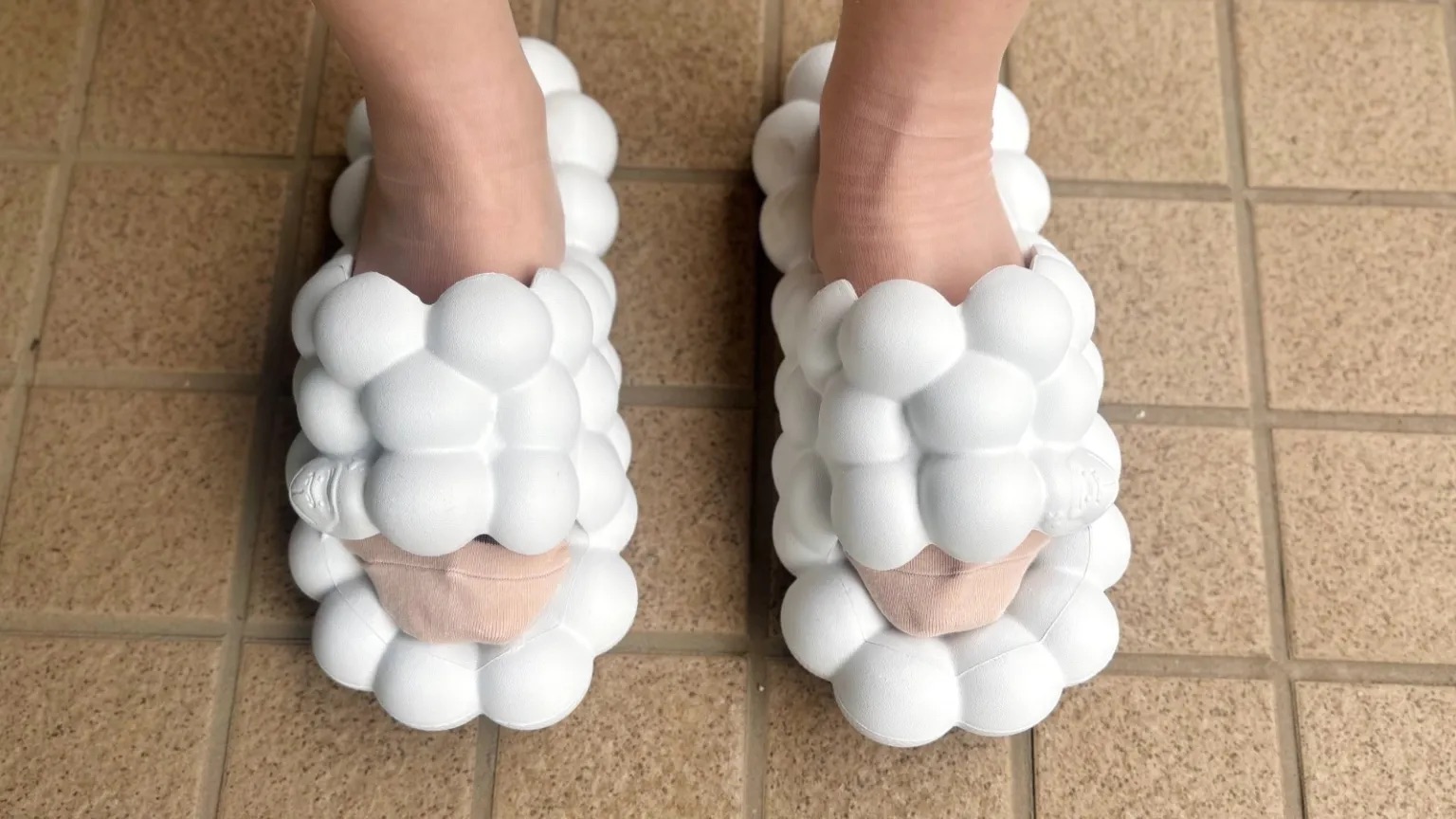
Produced by Osaka-based company Doshisha, as part of its Gorilla Series of quirky lifestyle products, Bare Feet of a Gorilla are acupressure sandals designed to provide a pleasant stimulation to the soles of the feet every time you walk in them.

Ever since their release in late April, users have been heaping praise on the sandals, adoring them not only for their cute similarities to a cloud, but the effect they have on the feet and legs.

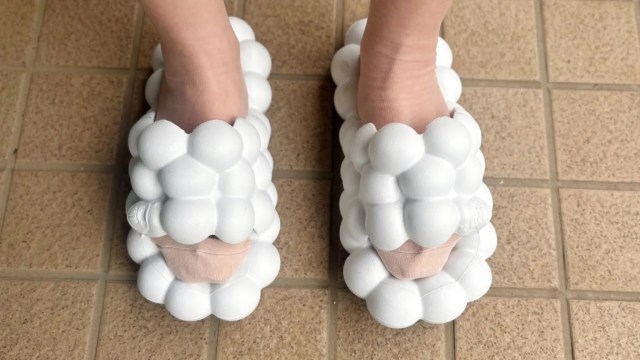
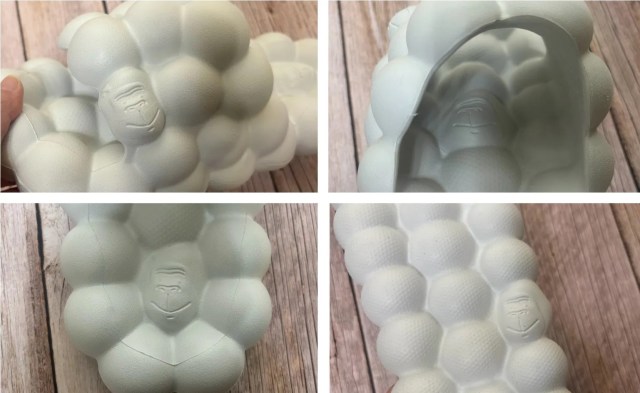
▼ Look closer and you’ll find hidden gorillas within the puffy surface of each sandal.

According to Doshisha, these slides were created in response to the growing popularity of so-called “recovery sandals”, which are particularly popular with young people in summer to relieve tired legs. The pleasant stimulation provided by the puffy surface, and the gorillas hidden within them, are said to combat swelling in the legs, an assertion backed by many users of the product, who say their legs look slimmer after wearing them.

From our experience, acupressure sandals tend to have a breaking-in period, where you have to put up with a certain amount of pain before getting used to the stimulation on the soles of your feet. However, when we slid into the Bare Feet of a Gorilla, we were surprised to find that we barely felt any pain.

Although there was a feeling of unevenness, the sensation was soft on the feet, thanks to the EVA material, which had excellent give. The stimulation was moderate, and after just a short period we felt the sluggishness disappear from our legs.

They were wonderfully lightweight, making them very easy to walk in, and we were able to walk about the house for a couple of hours while doing chores before we felt it was time to step out of them. They’re comfortable enough that you could even wear them when ducking out to a nearby convenience store, but they do have an acupressure effect that’s hard on the feet after an extended period of time.

As for the slimming effect, well, we didn’t notice any differences there, but they did help to stimulate the soles of the feet and they also reduced fatigue so they certainly delivered on that promise.

They do look fantatstic, though, and will definitely turn the heads of passersby if you go out in them. Available in black, grey, white, and mint green, the slides come in small, medium and large sizes (22-23 centimetres [8.7–9.1 inches],  23-24 centimetres, and 24-25 centimetres respectively). They can be purchased at Don Quijote stores and affiliated retail chains like Apita and Piago nationwide, priced at 2,189 yen (US$13.76).

Related: Doshisha, Don Quijote
Images ©SoraNews24

● Want to hear about SoraNews24’s latest articles as soon as they’re published? Follow us on Facebook and Twitter!
  •  

Japan has a new cute and clever sunblock for cat lovers

The adorable bottle is only part of what makes this a fun and convenient way to protect yourself from UV rays.

The calendar says we’re still in spring, but the thermometer shows that summer is almost here. With temperatures in Tokyo hitting 30 degrees Celsius (86 degrees Fahrenheit) last weekend, we’re closing in on the time of year when some form of sun protection is a must for many when going outside, which in turn means the time of year when many find themselves thinking “I really should put on some sunblock…but it’s a hassle, so maybe I’ll just skip it…”

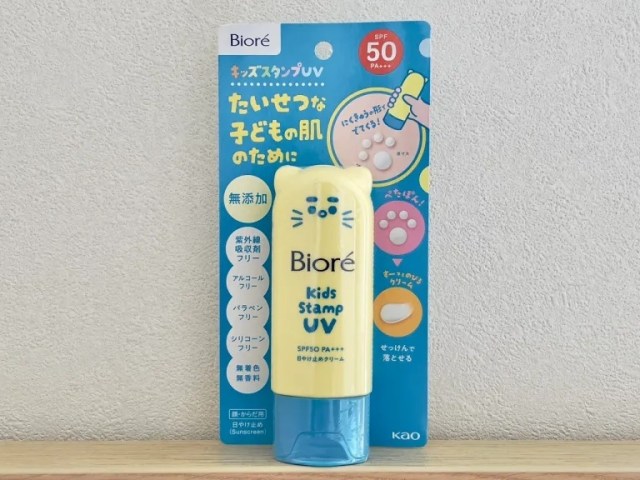
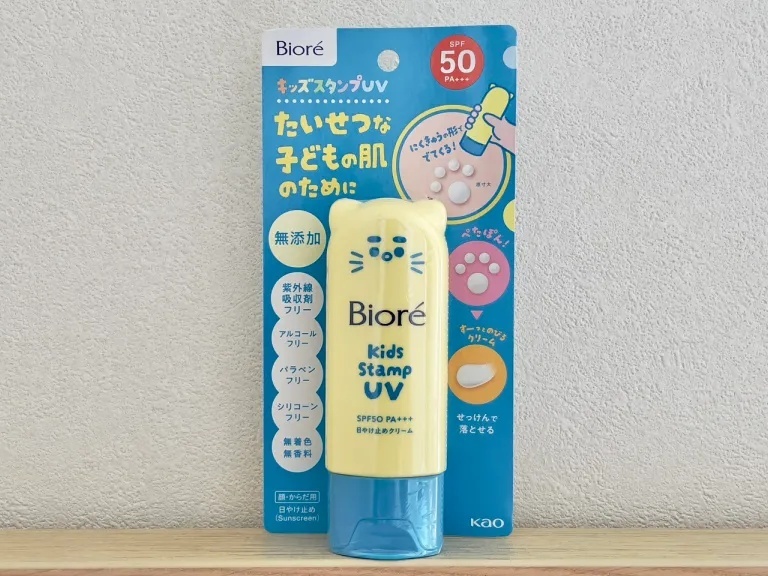
Thankfully, Japan’s Biore brand of sunblock is here to give us a little extra nudge towards taking the time to apply protection with its Kids Stamp UV.

Yes, the name does reveal that this was created first and foremost with kids in mind, but the appeal of cats knows no age limits, and unlike, say, children’s medicine, Kids Stamp UV is just as effective for adults as it is for children, with an SPF50 PA+++ rating.

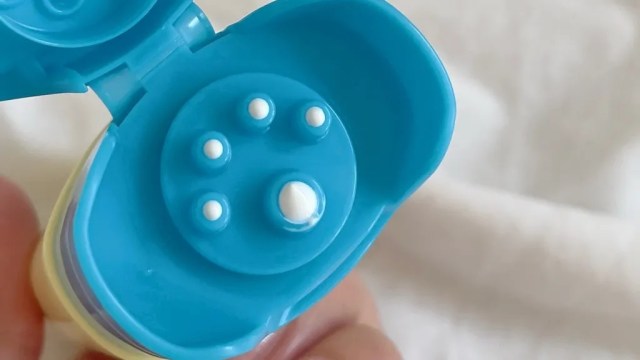
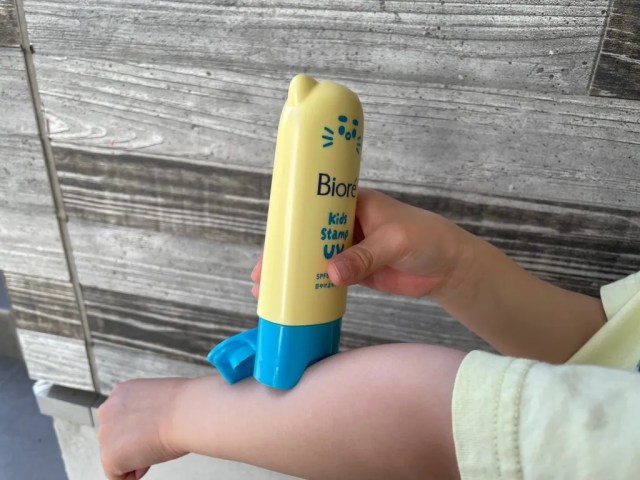
Right away, the cute feline-eared design for the bottle catches the cat-loving eye, and things get even better when you flip open the cap.

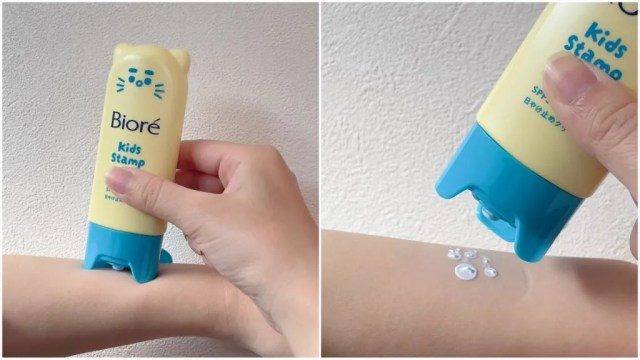
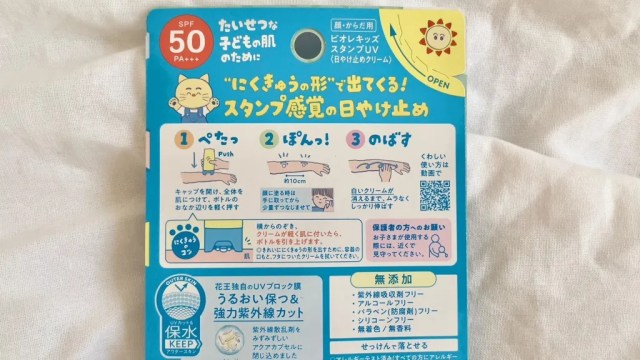
Instead of a single opening, Kids Stamp UV has five, arranged in the pattern of a cat’s paw pads. The bottle is also designed so that instead of squeezing out a stream of liquid, you use it like a stamp, tapping it against your skin to apply the sunblock directly…

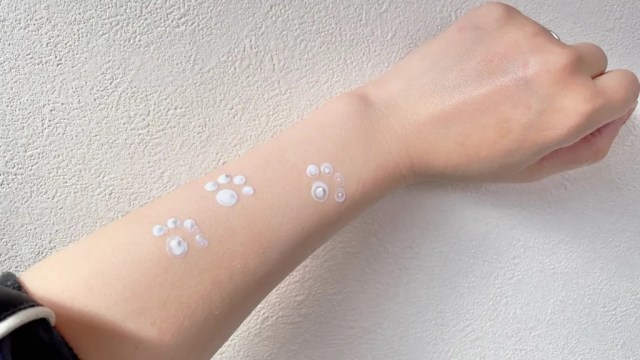
…and when you do, you get a series of paw prints, like a little kitty has been walking across your arm, leg, or cheek.

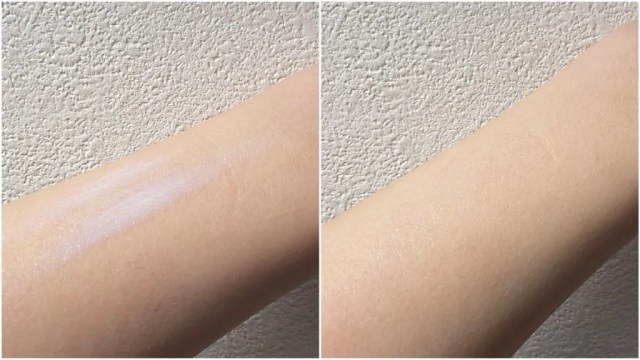
You do still need to rub the lotion in, but while there’s some initial stickiness, it quickly fades away and the Kids Stamp UV sunblock dries nicely, leaving no significant greasiness behind.

If you have kids, a big advantage of Kids Stamp UV is how it makes the process of applying sunblock fun. Our Japanese-language reporter Ninoude Punico tried it out with her 6-year-old, and it immediately turned the regular session of “Sit still! You need this!” into a much more relaxed and happy “OK, let’s get our cat prints on before we go out.”

As a matter of fact, with how easy the sunblock is to apply because of the stamp-style top, Punico’s kid has even started using it without Mom’s help.

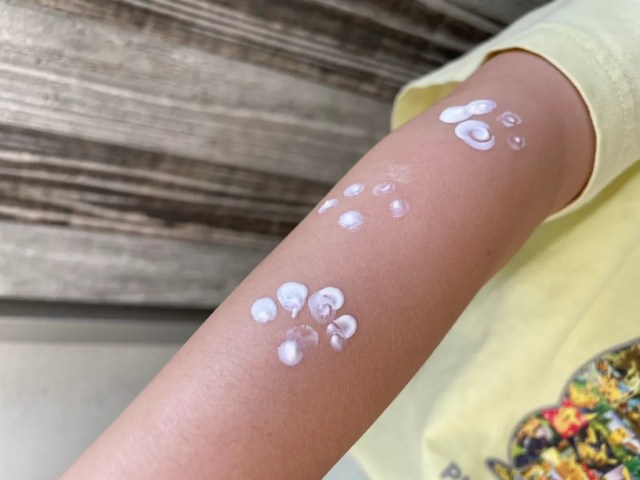
▼ The instructions, complete with adorable illustrations, say to apply one “stamp” every 10 centimeters (3.9 inches) or so.

Of course, Biore’s cute and clever design is just as fun and convenient for adult cat fans as it is for kids, and with Japan being the land of kawaii culture, you’re not going to get side-eyed by other adults for using it yourself either.

Being jointly developed by Biore parent company Kao and Aeon Retail, Kids Stamp UV is available at Aeon, Welcia, and Tsuruha supermarkets/drugstores, and we’ll be keeping some handy for mountain- hiking, Gundam-viewing, and other outdoor summer excursions.

Photos ©SoraNews24
● Want to hear about SoraNews24’s latest articles as soon as they’re published? Follow us on Facebook and Twitter!
  •  

You’ll never win cash or prizes or cash at this Tokyo pachinko parlor, and that’s why it’s so cool

Tampopo is part pachinko parlor, part video game arcade, and part museum.

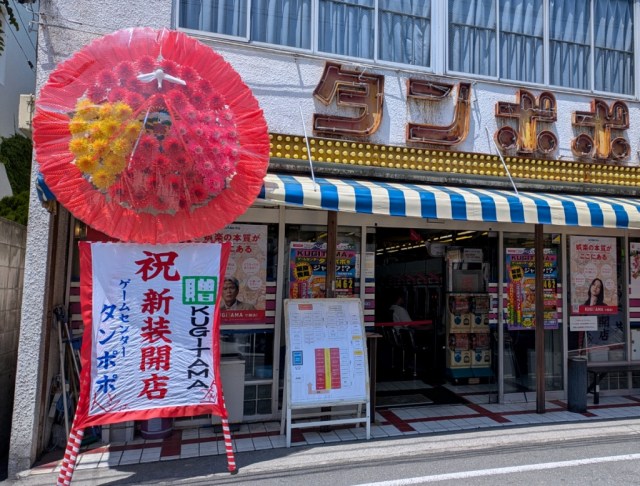
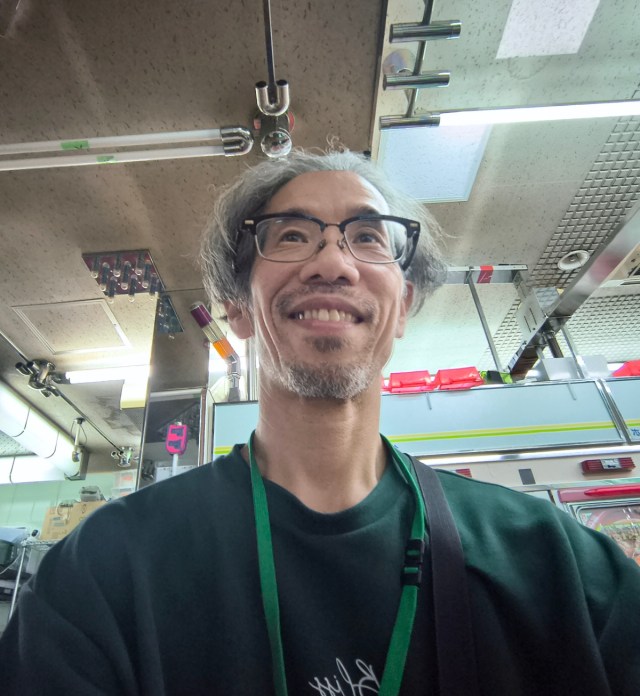
Being a man of culture, when our ace reporter Mr. Sato is out and about in the suburbs and sees on the map that there’s a “game center” (as Japanese arcades are called) on the map, he often goes to check them out. This isn’t because he’s a hardcore gamer (though he’s got some impressive in-game victories under his belt), but because a lot of times suburban arcades have a lineup of retro games, and visiting them feels like taking a trip back in time twenty, thirty, or even 40 years.

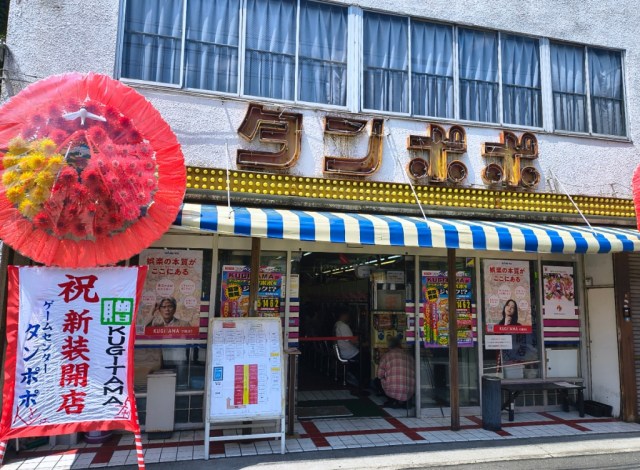
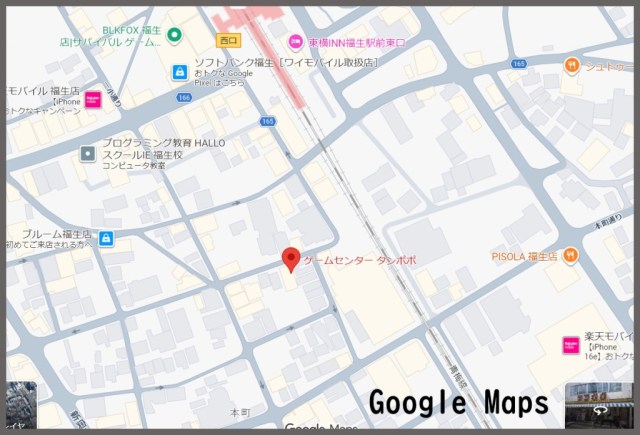
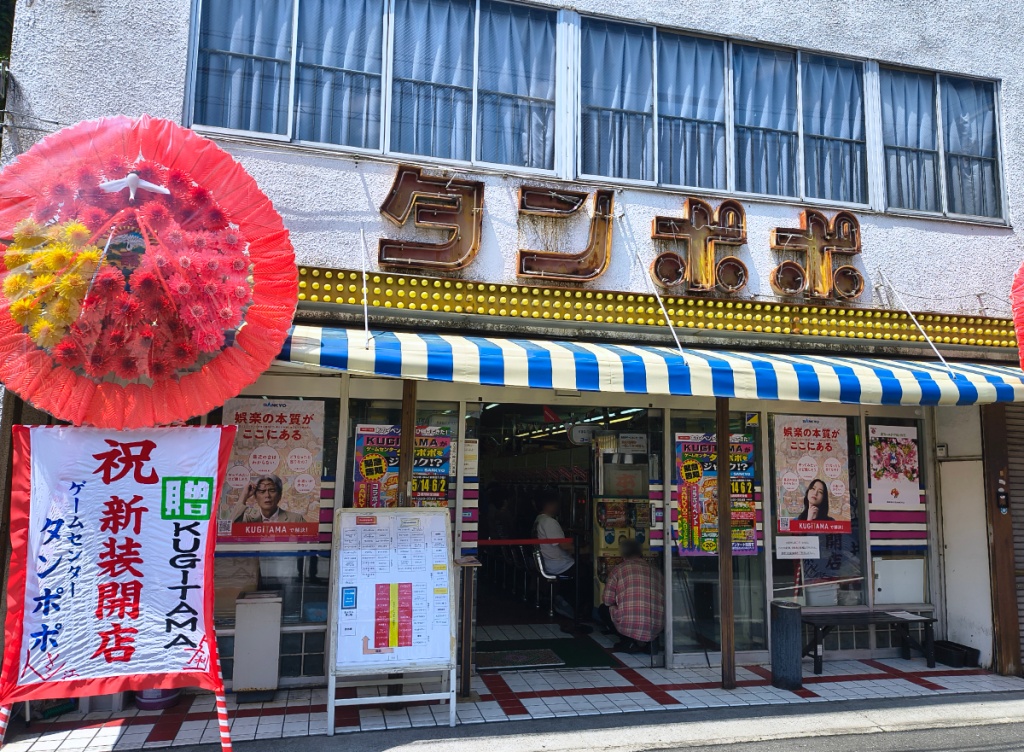
So when Mr. Sato was in Tokyo’s Fussa district, a bit west of the city center, on a recent afternoon and noticed “Game Center Tampopo” (ゲームセンタータンポポ) on Google Maps, and just a three-minute walk from Fussa Station, he decided to pay the place a visit and play some games.

However, when he got there, and took a look inside…

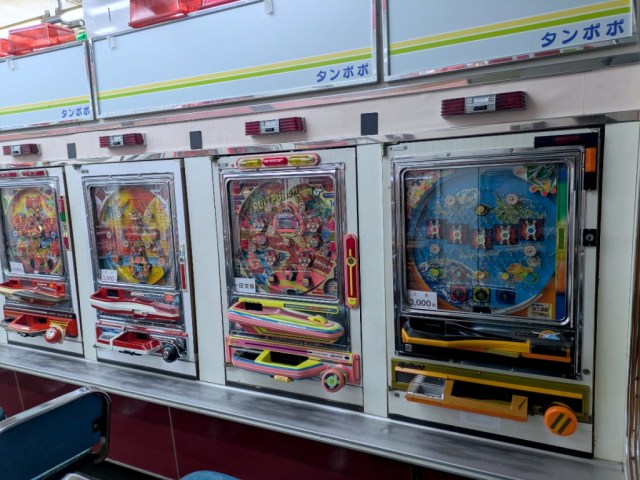
…he saw that the place is packed with pachinko machines!?!

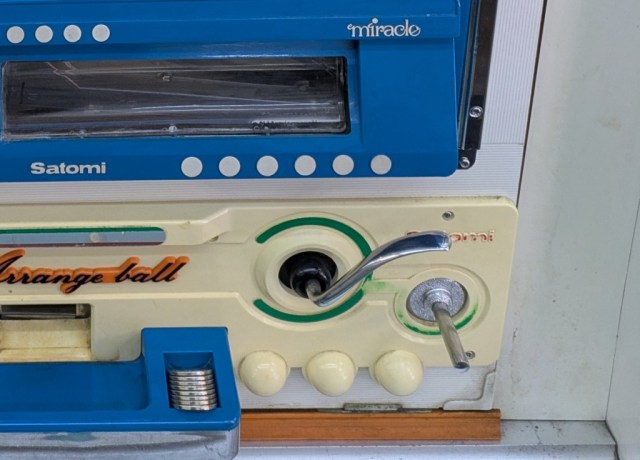
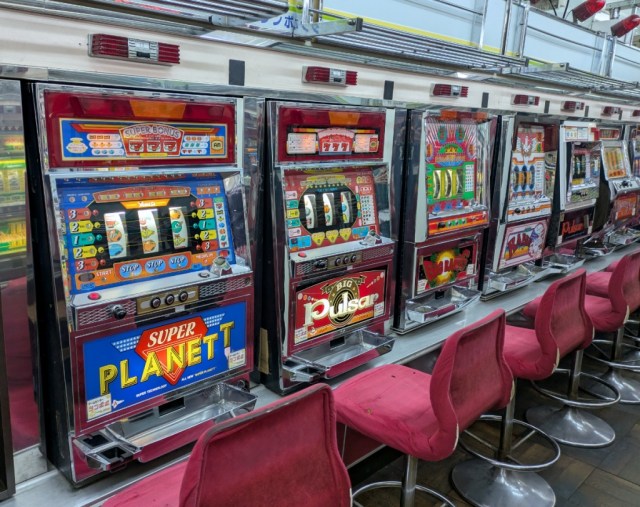
There are a total of 70 pachinko machines inside Tampopo, and not a single conventional video game. As such, “Game center” might seem like a misclassification of the facility, because pachinko parlors, by nature of being a form of gambling, are fundamentally different from game centers, right?

Except, Tampopo isn’t actually a gambling hall, because no matter what you do, you can’t win anything to take home.

Ordinarily, if you win at pachinko you can exchange the balls you’ve won for non-monetary prizes…and every neighborhood that has a pachinko parlor also, conveniently, has a small, nondescript shop (usually just a window set into an exterior wall) nearby that just so happens to be in the business of buying those prizes from people for cash (this whole song and dance is to get around Japan’s laws prohibiting gambling for money on pachinko). But at Tampopo, there are no prizes of any kind given out, regardless of how many balls you may win from their machines.

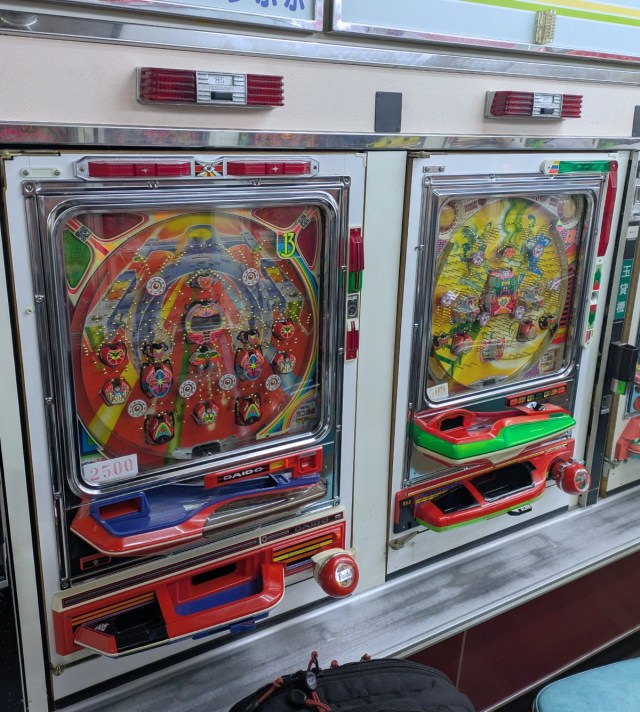
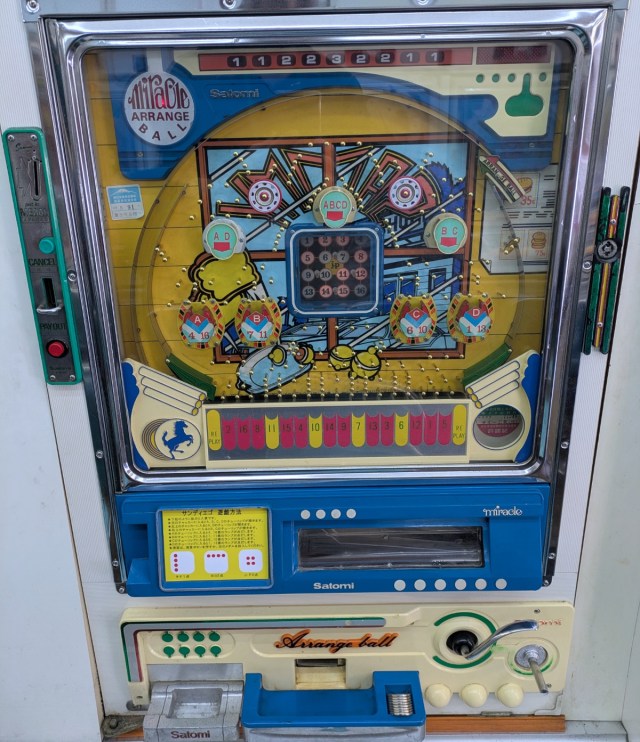
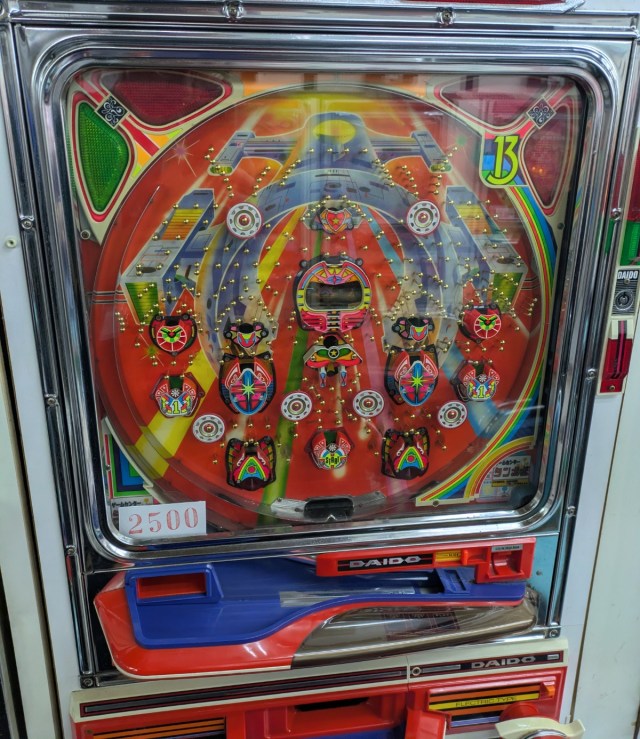
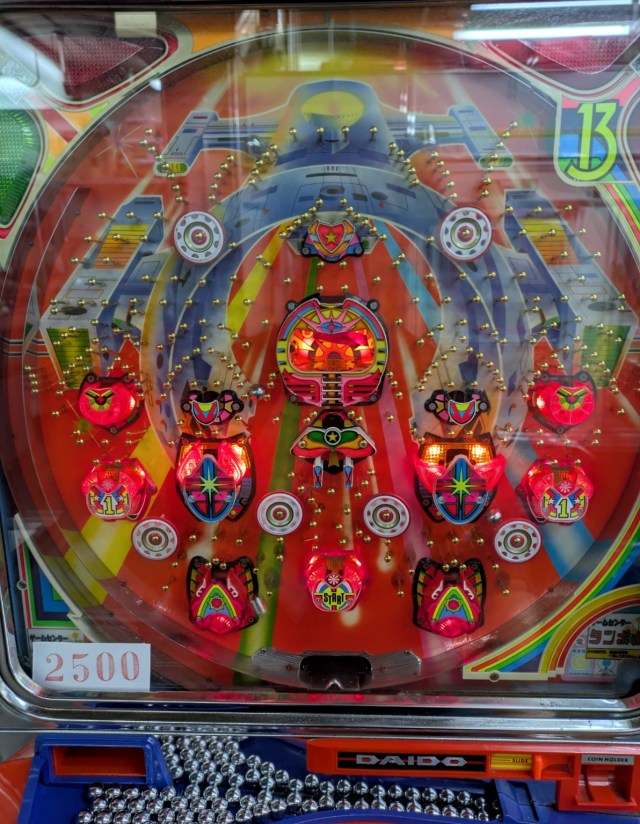
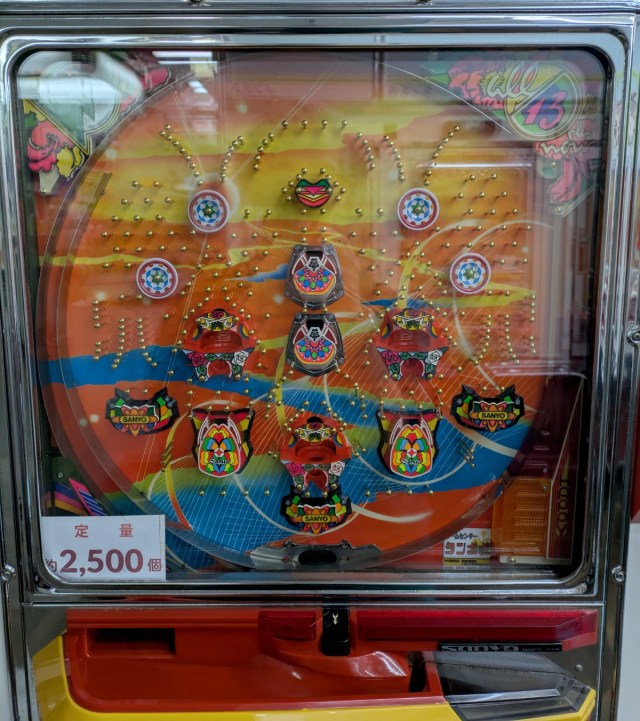
Why? Take a look at Tampopo’s machines, and you’ll probably notice that they’re all very old-school in design. Modern pachinko machines, pretty much without exception, have video displays and all sorts of other digital bells and whistles. Tampopo’s machines, though, are pretty much entirely analog.

As you might expect from gambling devices, there are a lot of rules about pachinko machines that operators have to follow. Machines have to be periodically certified as functioning properly and fairly, but even if their owners are keeping up with the required maintenance, the machines also have a specified maximum service life, after which they can no longer be legally used for gambling (i.e. the transaction in which players pay money for a chance at winning prizes). Once pachinko machines reach the end of their service period, most of them are scrapped, but Tampopo wants to give them a second life.

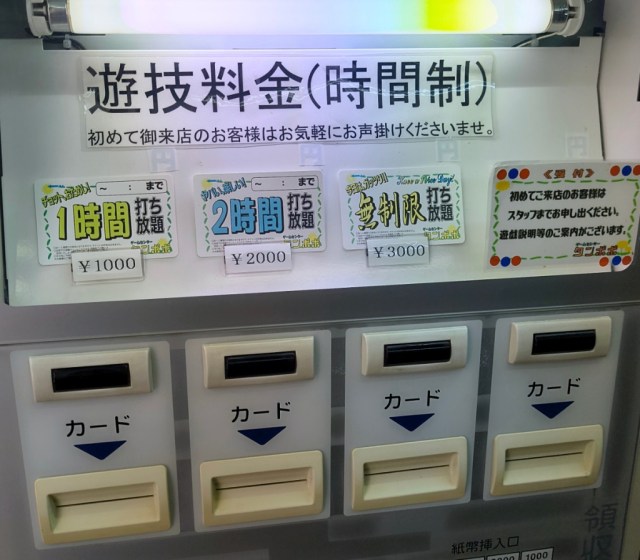
Tampopo’s machines are what are called “minashi machines,” meaning that they’re no longer played for gambling, but simply for fun. Instead of purchasing a set amount of balls, players at Tampopo pay for an unlimited amount of balls for a certain amount of time: 1,000 yen (US$6.50) for one hour, 2,000 yen for two hours, or 3,000 yen for a full day, from 10 a.m. to 8 p.m.

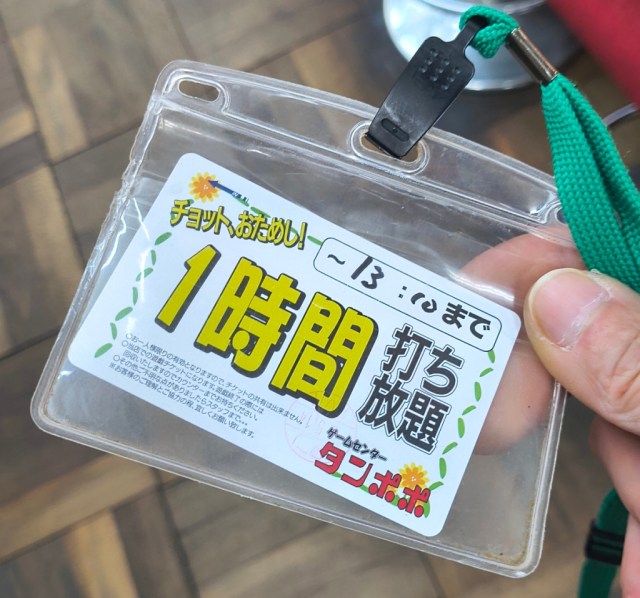
After purchasing the ticket you want from a vending machine, the staff will write the ending time of your session on it and place it in a lanyard that you wear while playing.

▼ Mr. Sato’s card, with “until 1:10 p.m.” (13:10まで) written on it

The lack of any possible payout means this isn’t gambling, and the vibe is more like an arcade or retro tech preservation museum. As a matter of fact, back in his youthful days in Shimane Prefecture, Mr. Sato spent about a year working in a pachinko hall when machines like this were still in widespread use, and Tampopo is a cleaner and more pleasant place to spend an extended time (especially since it’s an entirely non-smoking facility) than the parlor he worked in.

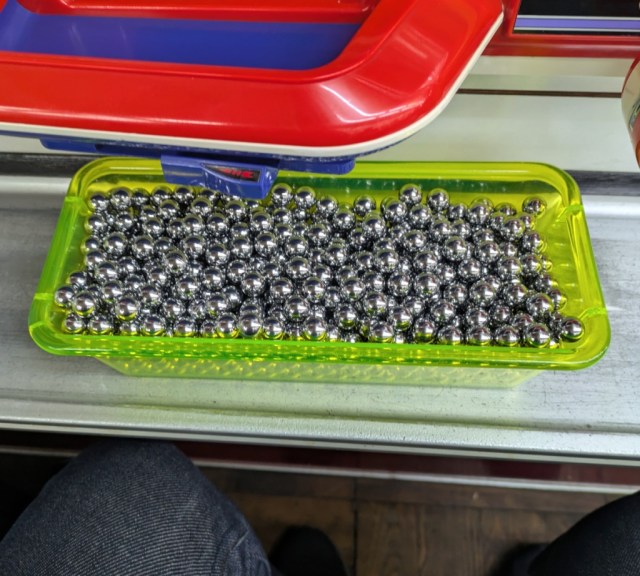
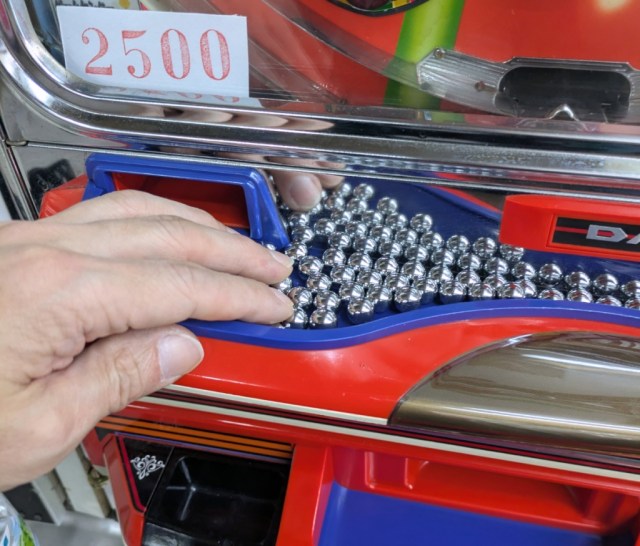
Once your session starts, you can grab an entire box of balls and play to your heart’s content.

Free of any worry about winning or losing, Mr. Sato was able to sit back and appreciate the craftsmanship that went into pachinko machines of this era, when every pin, spinner, bumper, and target was a physical part of the playing field.

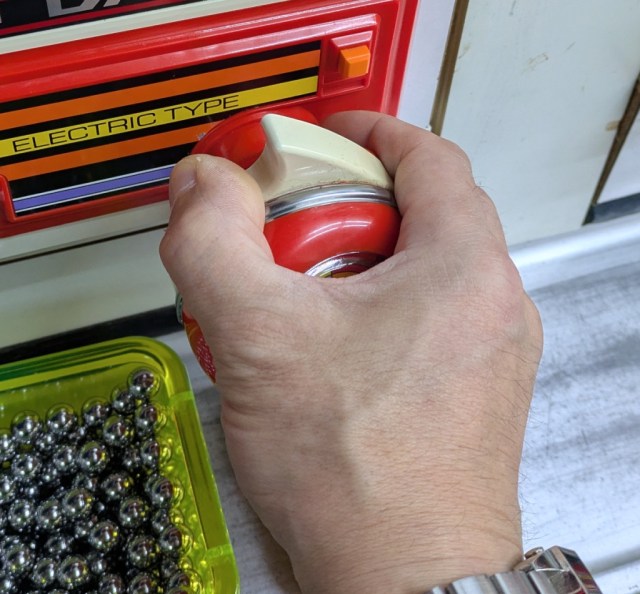
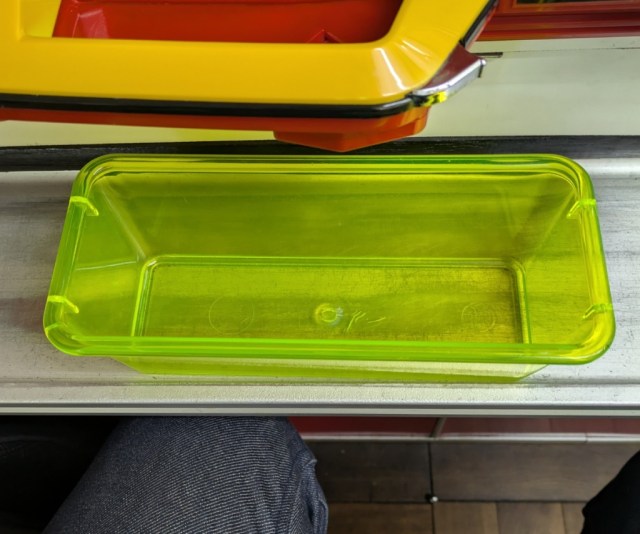
And should luck not be on your side and you run out of balls…

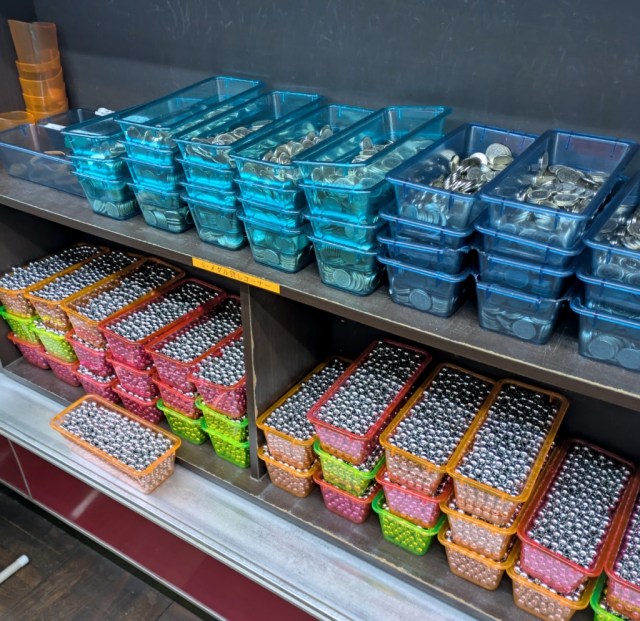
…you can just go and grab a refill.

Ah, and if you’re wondering why there are boxes of tokens (or “medals,” as they’re called in Japan), that’s because in addition to its 70 pachinko machines, Tampopo also has 19 slot machines, which are also part of its unlimited-play not-for-gambling deal.

While retro video games are enjoying a revival in popularity these days, retro pachinko is something much harder to find, but it’s a fascinating pop culture subcategory in its own right too, and there’s no better place to get a taste of it in the Tokyo area than Tampopo.

Location information
Game Center Tampopo / ゲームセンター タンポポ
Addres: Tokyo-to, Fussa-shi, Honcho 135
東京都福生市本町135
Open 10 a.m.-8 p.m.
Closed Wednesdays (unless Wednesday is a holiday)
Website

Photos ©SoraNews24
Screenshot: Google Maps
● Want to hear about SoraNews24’s latest articles as soon as they’re published? Follow us on Facebook and Twitter!
  •  

McDonald’s Japan’s new Chiikawa Happy Meal figures are here![Photos]

New tie-up with hit anime comes with anti-scalper strategy.

Fast food and anime figures are two of the reliable simple sources of joy in life, and yet there was some trepidation about combining the two of them as McDonald’s Japan launched a collaboration with the Chiikawa franchise last week. Chiikawa Happy Meals went on sale on May 15, but there was worry that the promotion would be marred by the same sort of ugly behavior from scalpers that’s taken place in some of the chain’s previous high-profile partnerships.

Because of that, McDonald’s is taking some extra precautions in order to make it harder for would-be-resellers to buy the Chiikawa Happy Meals in bulk, and even popular Japanese second-hand goods site Mercari has pledged to remove posts from sellers attempting to flip the figures for a profit. McDonald’s restrictions were tightest on the day of the Chiikawa Happy Meals’ release, with sales limited to users of the McDonald’s app and capped at four Happy Meals per time block (morning or afternoon/night).

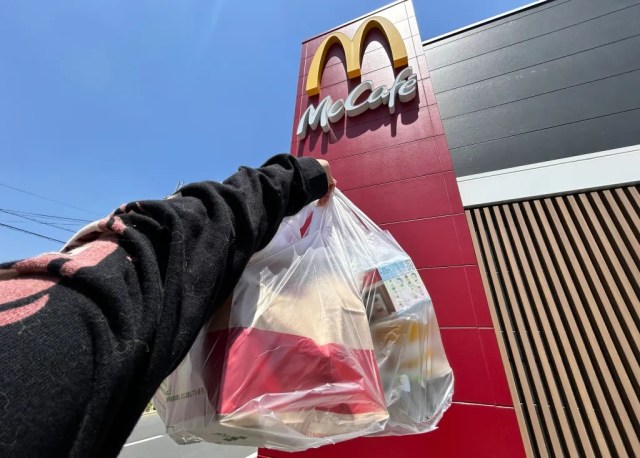
And you know what? The rules seemed to achieve their purpose, at least at the branch where we got our four Chiikawa Happy Meals. There were no massive lines, no one walking out with a dozen orders just for themselves, and no one just taking their toys and leaving uneaten food on the restaurant counter or littered on the street outside.

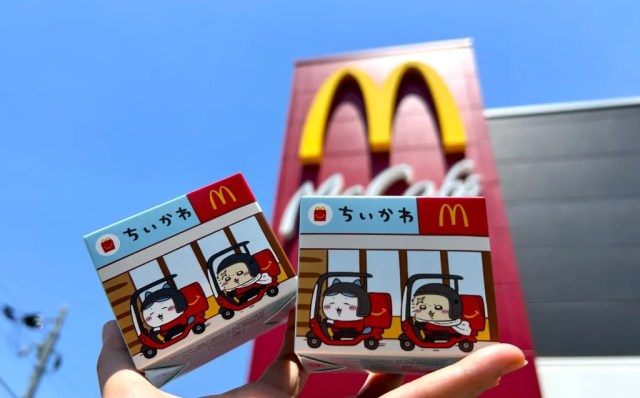
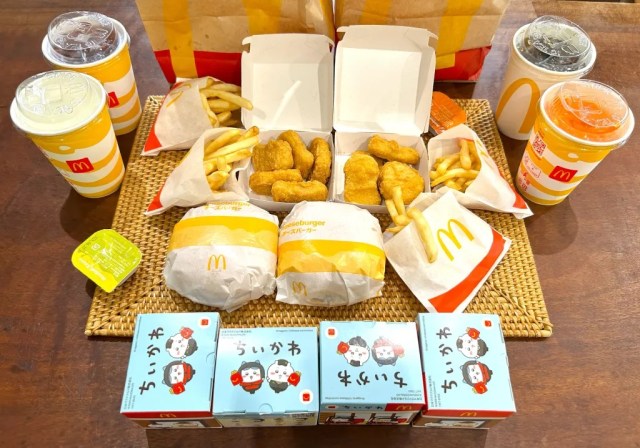
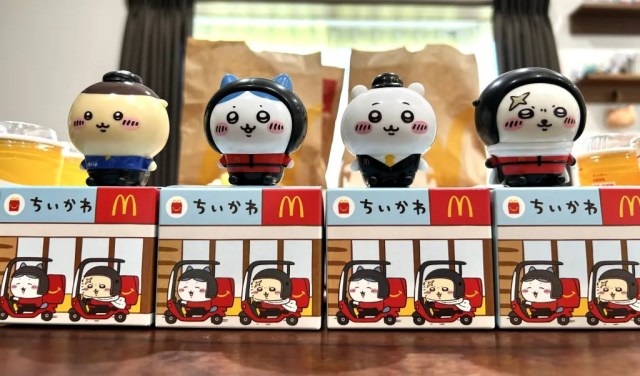
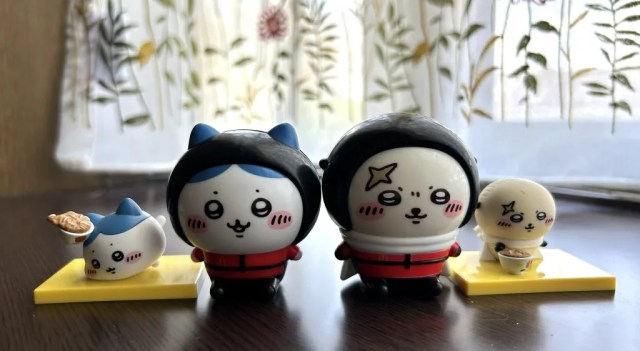
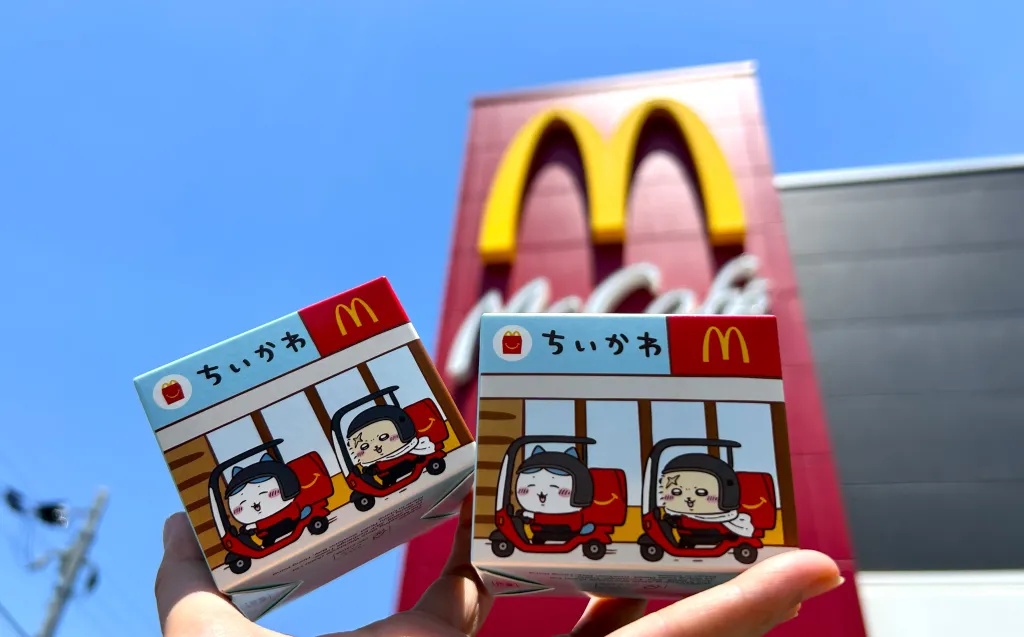
Each Happy Meal comes with one of four figures of the Chiikawa cast dressed in McDonald’s uniforms, so we ordered four meals, keeping our fingers crossed that we’d be lucky enough to get the full set.

▼ We got ourselves two Chicken McNugget Happy Meals and two cheeseburger ones, each priced at 540 yen (US$3.50), so we were pretty much set for lunches for the next few days.

And to our great joy, as we opened up the four figure boxes one by one, each of them had a different figure waiting for us inside!

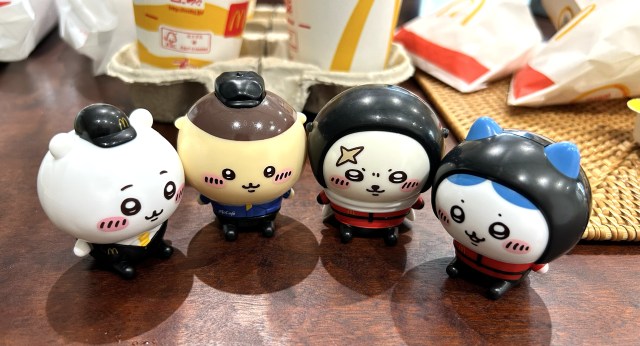
Not only are they adorable, there’s even a bit of inspiration from Chiikawa lore in their designs. For example, Rakko, seen on the far right in the photo above, is depicted in the Chiikawa manga and anime as owning a car and being a skilled driver, so he’s dressed in the uniform of a McDonald’s Japan delivery person, as is Hachiware.

Also part of our set of four is Kuri-Manju (second from the lest in the above photo), the alcohol-loving character with a head shaped like a chestnut dumpling (Chiikawa can be a very unique franchise). Perhaps due to his regularly inebriated condition, Kuri-Manju is not part of the delivery team, and is instead dressed in the uniform of a McCafe by Barista crew member, in charge of McDonald’s Japan’s fancier dessert and beverage subdivision, which sometimes even has its own order counter inside the restaurant. Finally, there’s Chiikawa, who, fittingly for the series’ protagonist, is dressed in a McDonald’s manager’s uniform.

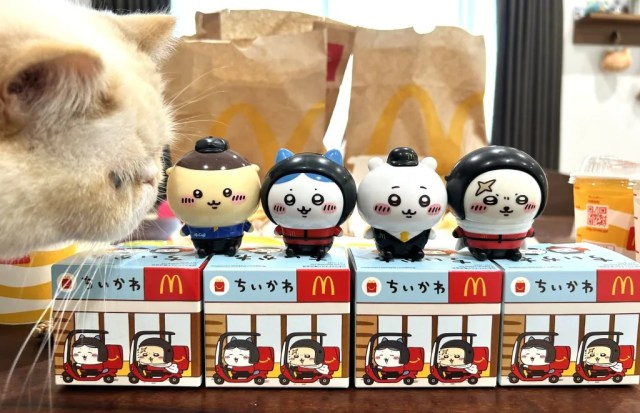
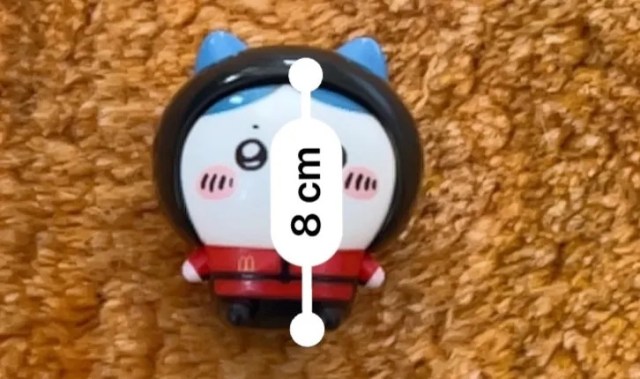
Each of the figures is about eight centimeters (3.1 inches) tall, compact enough to easily find space for on a shelf or your desk, but big enough to still provide a palpable Chiikawa aura.

▼ McDonald’s figures are quite a bit bigger than the ones beef bowl chain Matsuya gave out in their most recent Chiikawa collaboration, as you can see here.

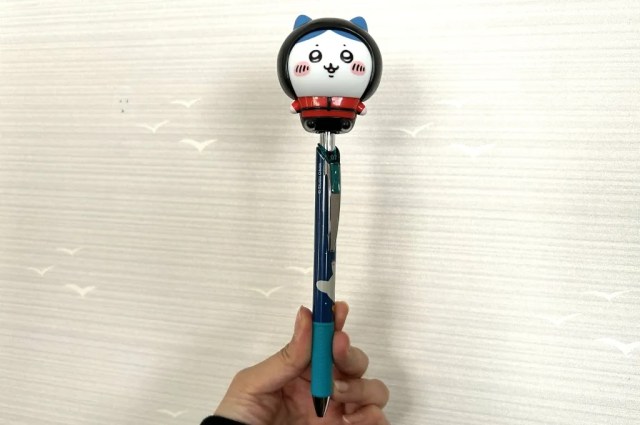
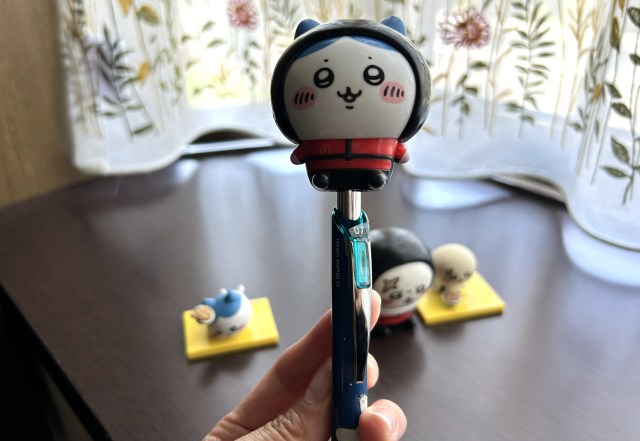
In addition, the figures have holes on the bottom so that you can use them as pencil/pen toppers too.

As is becoming increasingly common with Japanese Happy Meals, McDonald’s is releasing its Chiikawa ones in two waves, with the first lasting until May 28, then a new set of four figures coming in as a second batch from May 29 to June 11, and hopefully the anti-scalping strategies continue to be effective in round two.

Photos ©SoraNews24
● Want to hear about SoraNews24’s latest articles as soon as they’re published? Follow us on Facebook and Twitter!
  •  

This Tokyo Station sweets sensation sells out daily, but we finally got our hands on it

Mont Blanc The Hakuzan is a sweets shop so nice it’s named twice.

Tokyo Station isn’t just one of the most important places in the city for travelers and commuters, but for sweets fans too. Both within the station itself and inside the attached Daimaru department store are an array of dessert specialty stores, and we’ve been wanting to try one of them for months now.

Make no mistake, the reason we haven’t yet tried the desserts from Mont Blanc The Hakuzan, which opened in October, has nothing to do with willpower to resist the temptations of desserts, as such psychological fortitude is in very limited supply at SoraNews24. No, the reason it took us half a year to do this taste test is because of how incredibly popular the place is, and thus how hard it is to actually buy their desserts.

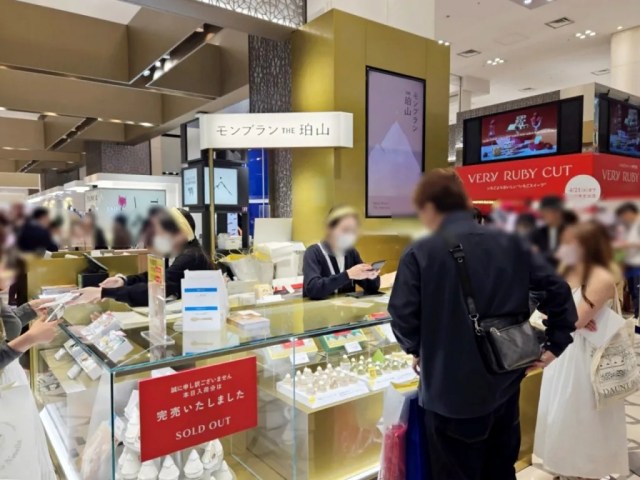
See that “sold out” sign in above photo? Notice how nicely made it is, as opposed to being a handwritten notice that the staff needed to suddenly make? That’s because they know that their entire batch of Mont Blanc, the candied chestnut dessert that’s the store’s specialty, is going to sell out on a daily basis.

We’ve walked by The Hakuzan (as we’ll call the store for short, seeing as how both “Hakuzan” and “Mont Blanc” mean “white mountain”) plenty of times since it opened, but never at a time when we could get our hands on one of the coveted desserts. When we rolled up on a recent Sunday afternoon, just as we’d expected, all of the Mont Blanc that had been stocked that morning at 10 a.m. were gone. But that was OK, because we’d gotten to the shop at around 4:30, and there’s a second batch that comes out at 5 p.m.

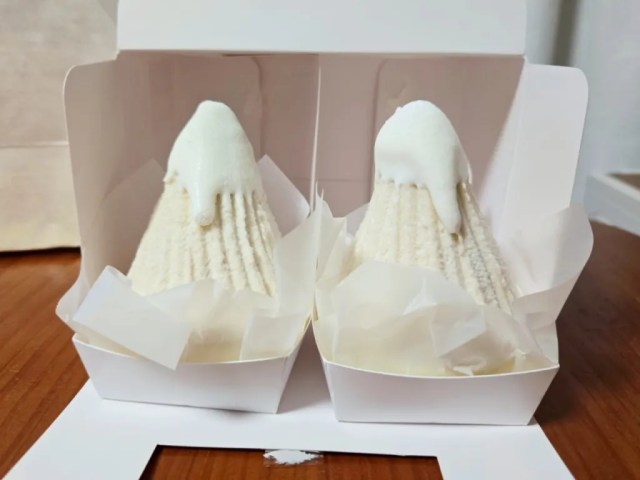
This was what we were aiming for, but even then, it turned out we’d cut things very close. The Hakuzan sells its Mont Blancs in boxes that contain two servings for 1,980 yen (US$13), and they limit each customer to a maximum of two boxes. However, they only make 30 boxes per batch, so it’s possible that as few as only 15 customers will be able to buy any, and there were already about 20 people waiting ahead of us in line.

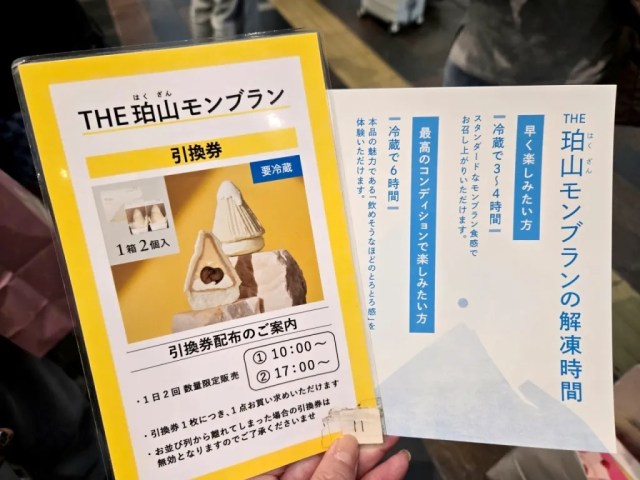
Thankfully, to help with crowd control at around 4:50, the staff asks how many boxes each person in line plans to buy, so they could guarantee us the single box we wanted, and gave us a purchase placard, shown in the photo above (note, though, that you still have to wait in line – leave the line, and your voucher will be voided).

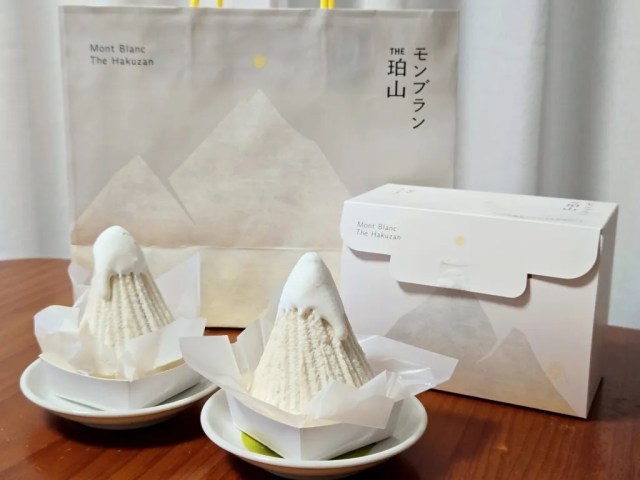
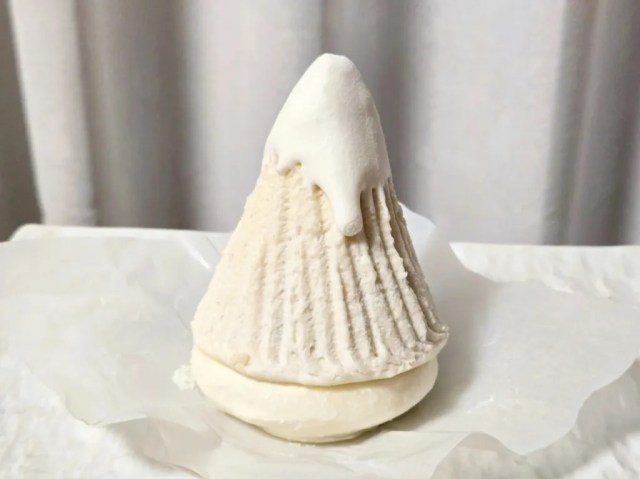
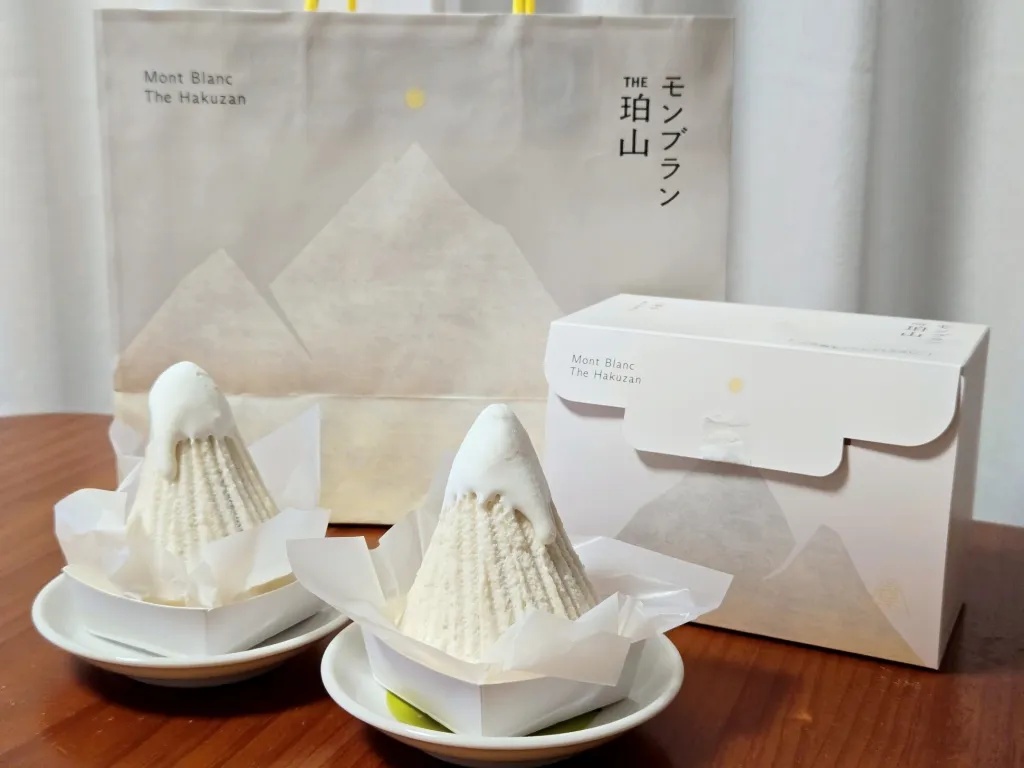
Mont Blanc gets its name because it’s supposed to look like a mountain covered in snow, but a lot of stores and cafes shape theirs like a mound, closer to a hill. The Hakuzan’s version, though, really does look a steep-sided mountain, and we couldn’t wait to dig in…except actually, we had to wait. The Hakuzan’s Mont Blanc comes frozen, and they recommend a total thawing time of six hours (combined getting it home and then putting it in your refrigerator) for the optimal texture.

That’s a longer deferment of gratification than we usually like, but after waiting a little more than six months to try this, another six hours wasn’t going to kill us. And when the Mont Blanc finally was ready to eat, our patience was handsomely, and deliciously, rewarded.

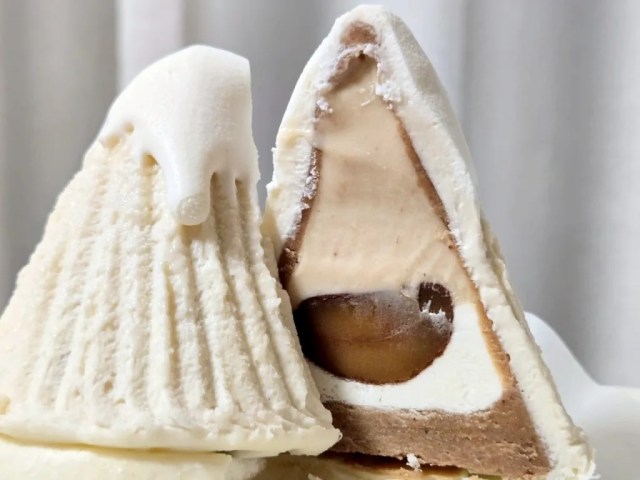
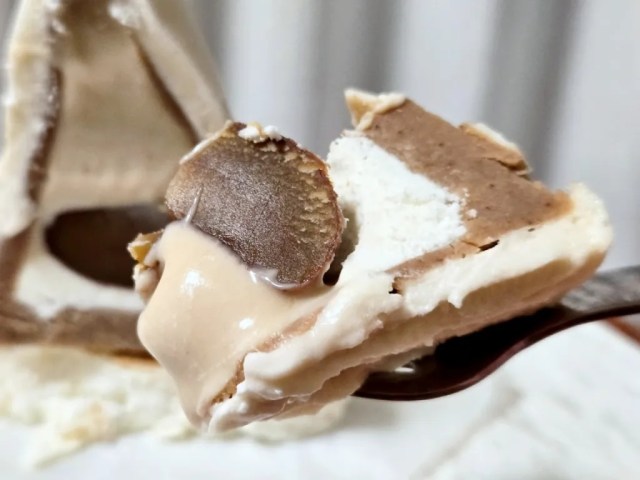
Starting at the top, our fork passed through creamy candied chestnut paste, whipped cream, and a base of crunchy merengue, and there’s a nicely sized chestnut in the middle too. This is, without question, a sweet dessert, but not in an overly sugary or oily way, and the touch of rum The Hakuzan uses gives its Mont Blanc a mature, elegantly quality as well.

So yes, we’re happy to report that the 30 minutes we spent standing in line for The Hakuzan’s Mont Blanc was well worth it. At the same time, we realize that not everyone has space for that in their schedule, and we ourselves might have lucked out by happening to visit on a less-crowded-than-usual Sunday, and on busier days getting there even 30 minutes before the batch comes out might not be early enough. Currently The Hakuzan only has this single shop inside the Tokyo Station Daimaru, so it’s not like you can cut down the waiting time by going to a more remote branch, either.

If you want to get a taste of this dessert without lining up, though, there is a way to do it, as on the 20th of every month, online Mont Blanc pre-orders start for the following month. Granted, that means you’ll actually be waiting weeks, not minutes or hours, for your Mont Blanc, but as least you won’t have to be standing in line the whole time.

Shop information
Mont Blanc The Hazizan / 店名 モンブランTHE珀山
Located inside Daimaru Tokyo / 大丸東京
Address: Tokyo-to, Chiyoda-ku, Marunouchi 1-8-9
東京都千代田区丸の内1丁目8-9
Open 10 a.m.-8 p.m.
Website

Photos ©SoraNews24
● Want to hear about SoraNews24’s latest articles as soon as they’re published? Follow us on Facebook and Twitter!
  •  

Shochu maker on remote Japanese island plays music as its spirits age, flavor varies by genre

Rock shochu and reggae shochu really do taste different from each other.

The island of Amami Oshima is part of Kagoshima Prefecture, and Kagoshima is usually pictured as making up the southwest tip of the island of Kyushu, one of Japan’s four main islands. Amami Oshima, though, is far, far away from the Kyushu coastline, so far away that the ferry from Kagoshima City takes 13 hours to get there.

▼ The route from Kagoshima City to Amami Oshima, which can alternatively be reached by plane from Tokyo in two and a half hours.

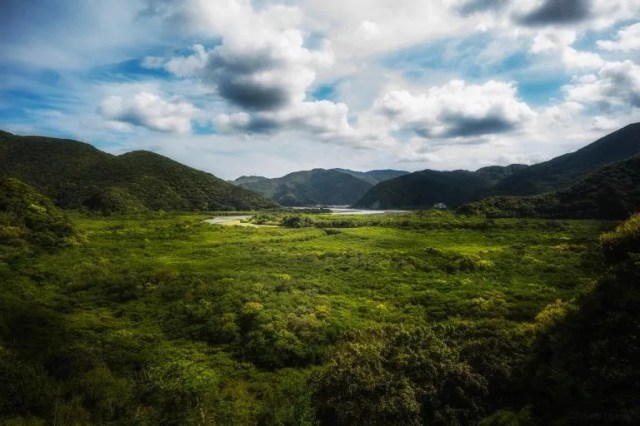
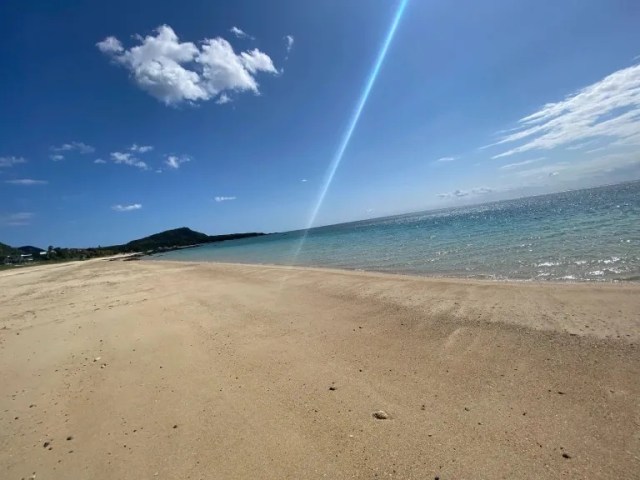
With its remote location, Amami Oshima is famous for its lush mangrove forests, beautiful beaches, and clear, sparkling ocean waters.

Oh, and it’s also famous for shochu, a distilled spirit with longstanding cultural connections to southwest Japan. Specifically, Awaji Oshima’s kokuto shochu, made with rice and brown sugar, is highly prized, and so on our recent visit to the island we didn’t just want to drink some, but also see how it’s made.

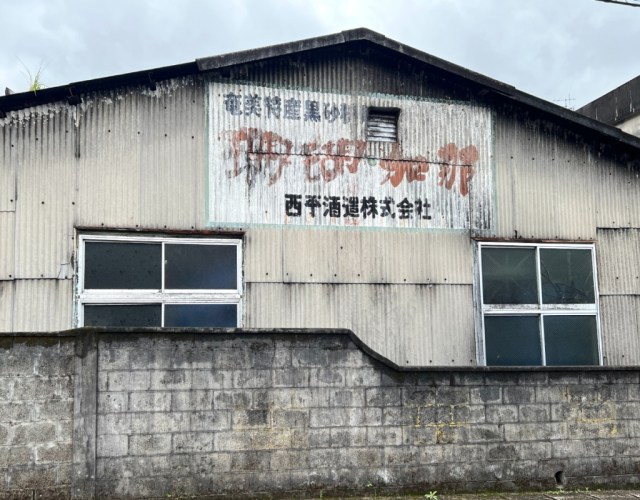
We lucked out when we contacted Nishihira Shuzo, an Amami Oshima shochu maker that’s been in business for 99 years, and they said they could offer us a tour of the facility, and a tasting too, with some very unique beverages to sample.

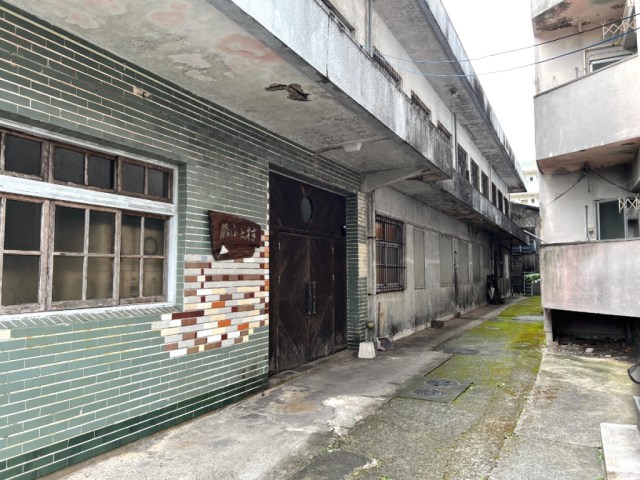
▼ The rustic exterior of the Nishihira Shuzo distillery

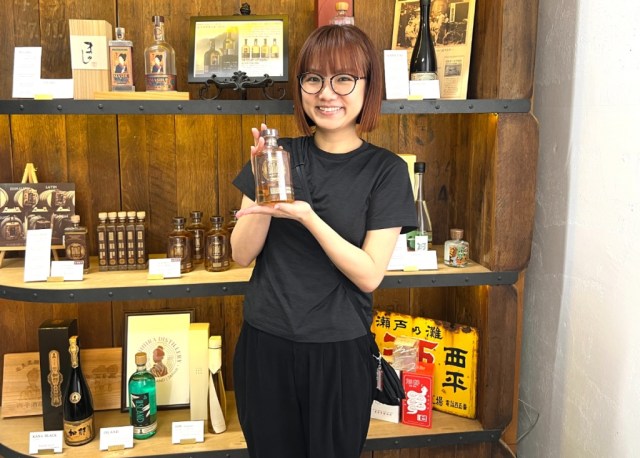
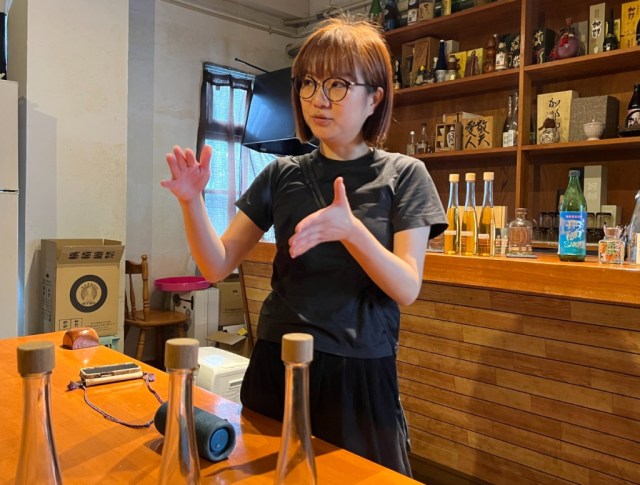
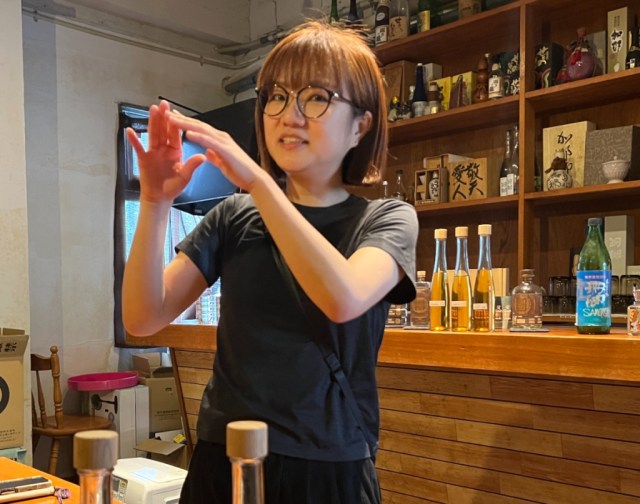
Despite being around for nearly a century, Nishihira Shuzo is still a family-run operation, and we were told that the fourth-generation owner of the business would be our guide. With shochu being a high-alcohol drink with an old-school vibe, our mental knee-jerk reaction was to expect a stern-looking, silver-bearded gentleman, but instead we were warmly greeted by Serena Nishihira and her friendly smile.

▼ Serena Nishihira

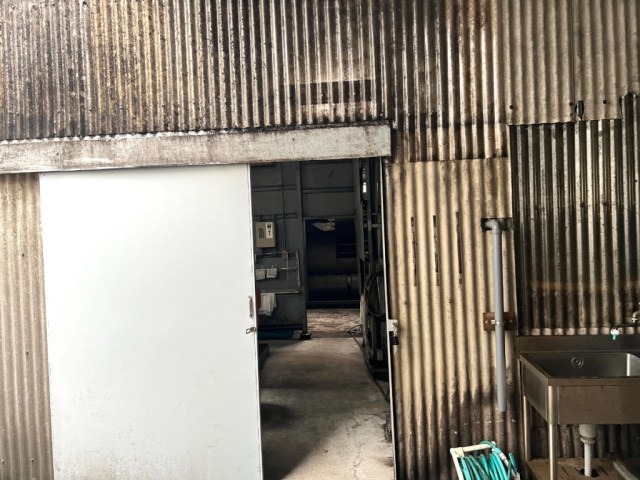
In addition to being a skilled shochu distiller and businesswoman, Nishihira is also a musician, which is something that’ll come into play later on. To start, though, she led us into the distillery’s production area.

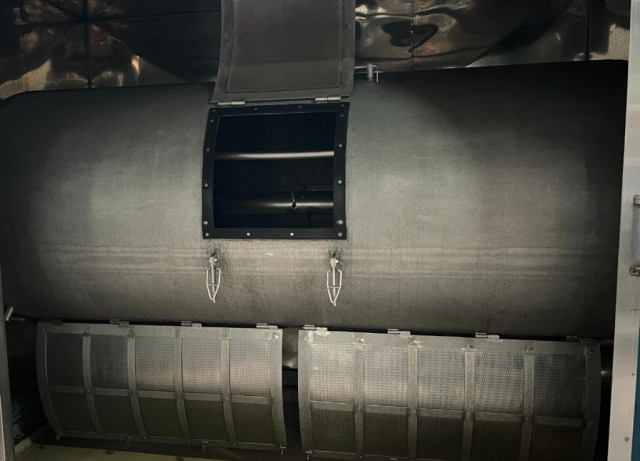
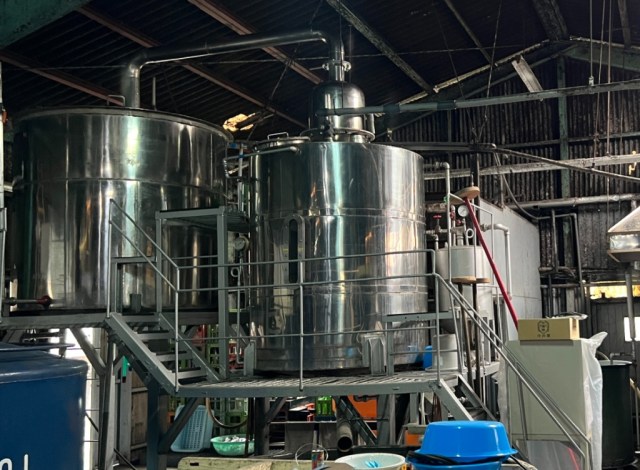
As mentioned above, Nishihira Shuzo’s shochu is made from rice, so steaming the grains is the first step in making it. The distillery has a gigantic cylinder-shaped apparatus that’s used for washing and steaming, with a typical batch using about 400 kilograms (882 pounds) of rice.

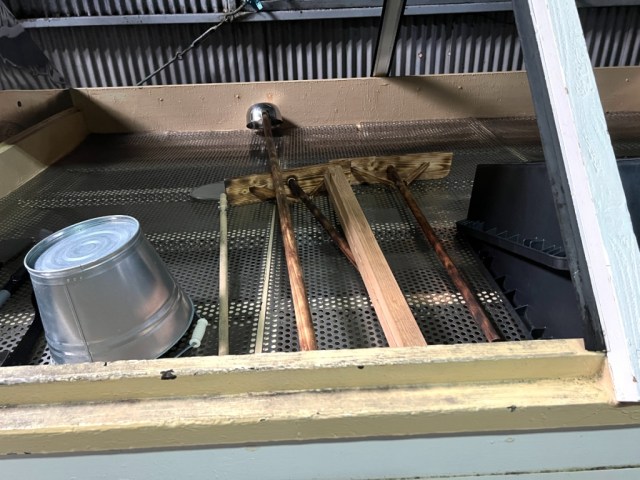
Once the rice is cooked, it’s taken out of the drum and sprinkled with koji, a fermentation-triggering type of mold that’s also used in making sake. The rice is then put on racks in a temperature-controlled environment for its initial fermentation.

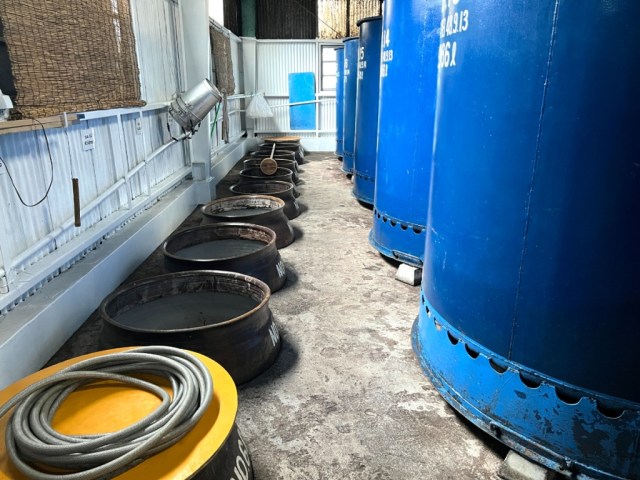
The next morning, the rice is put into jars with yeast and water to ferment for an additional five days. This isn’t a step that all shochu makers include in their process, but Nishihira Shuzo says it’s a key element of theirs.

After its time in the pot, the mixture is transferred into tanks and combined with liquified brown sugar, then given another two weeks to ferment.

That produces the fermented mash which is then distilled.

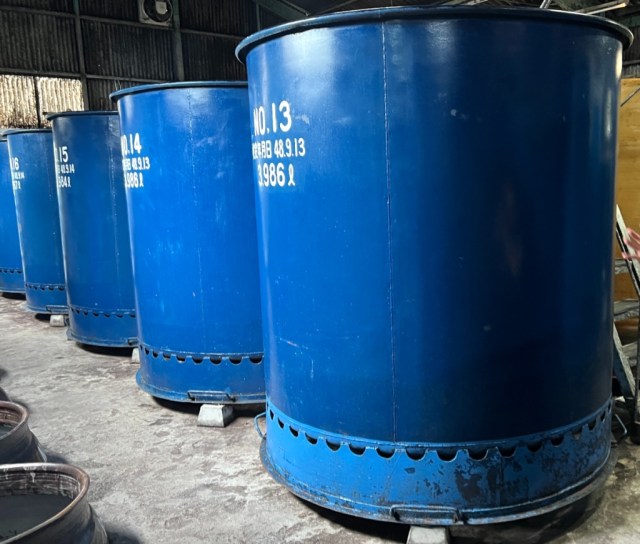
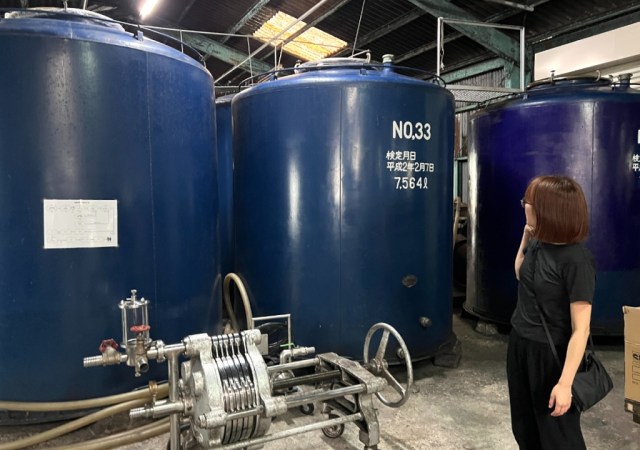
But that doesn’t mean Nishihira Shuzo can whip up a whole batch of kokuto shochu, start to finish, in just three weeks, because the final step (before bottling) is to age the shochu in tanks for at least one full year.

From a 400-kilogram load of rice, Nishihira Shuzo can produce roughly 800 1.8-liter (60.9-ounce) bottles of shochu. Luckily for us, some of those bottles end up in the distillery’s tasting room, which was the next place that Nishihira led us to.

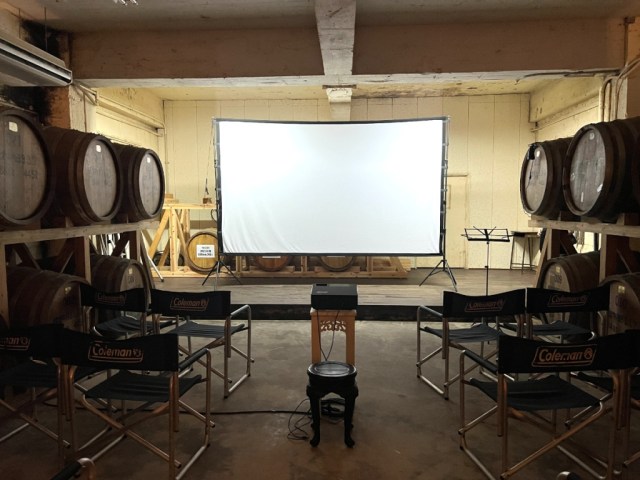
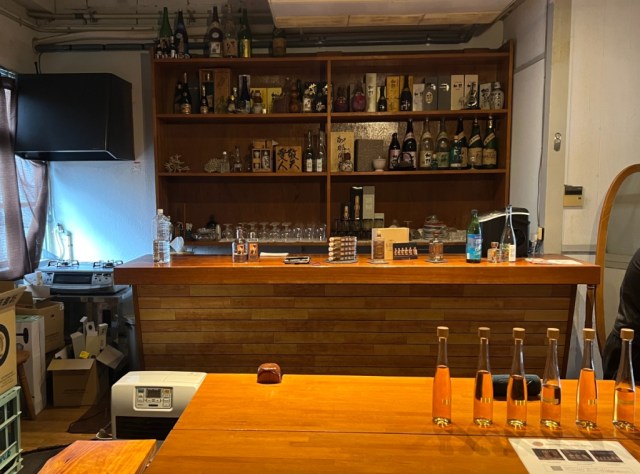
The tasting room has chairs, a projector, and a screen set up for use for group events or musical performances, but we had the place to ourselves on this day.

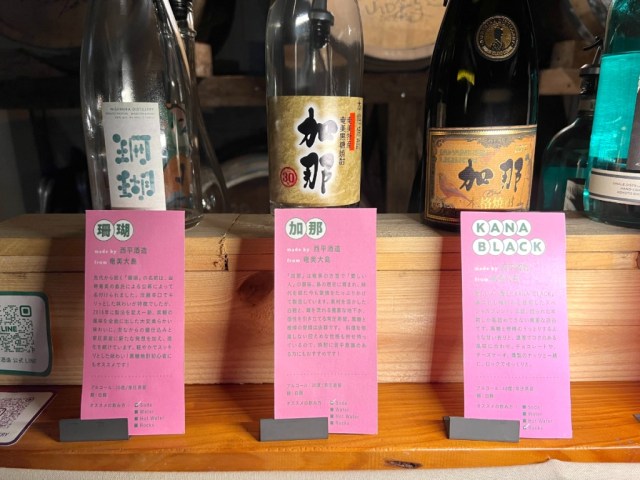
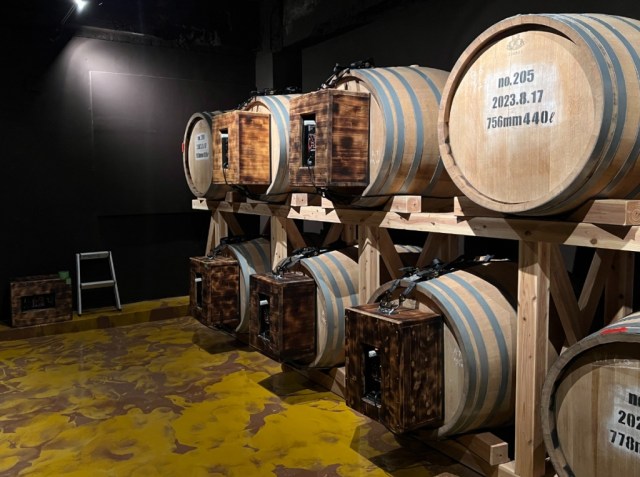
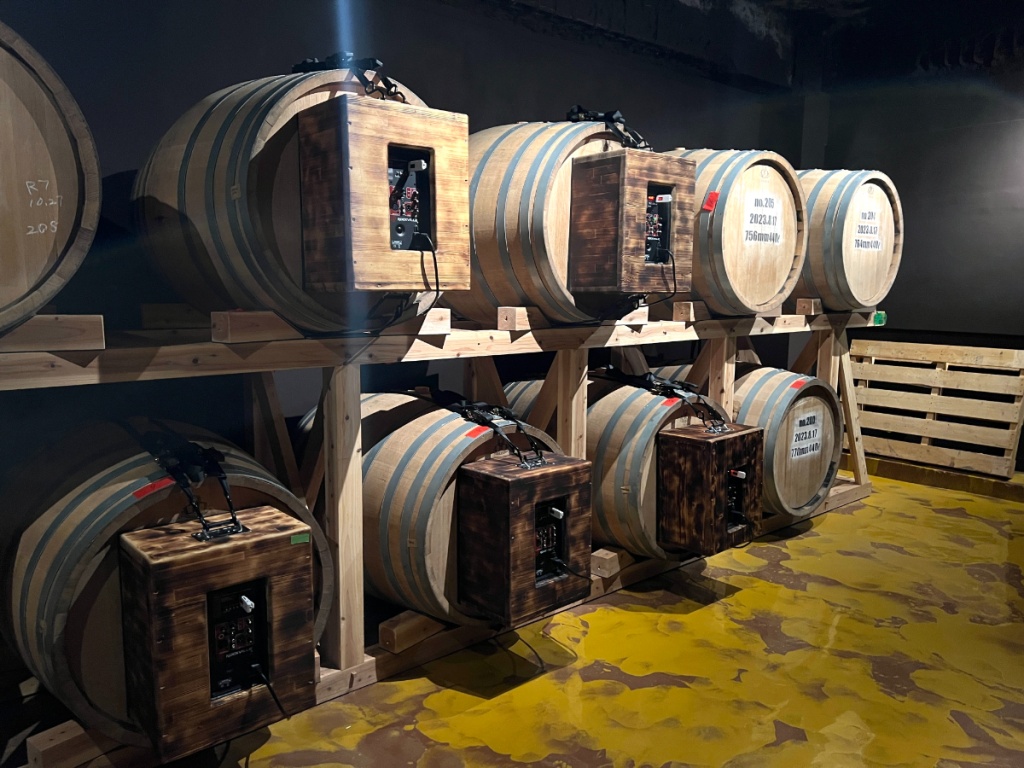
Nishira poured us a selection of the company’s products, and we found them all extremely enjoyable. But just when we thought things couldn’t get any better, she led us through a door at the back of the room where we saw this.

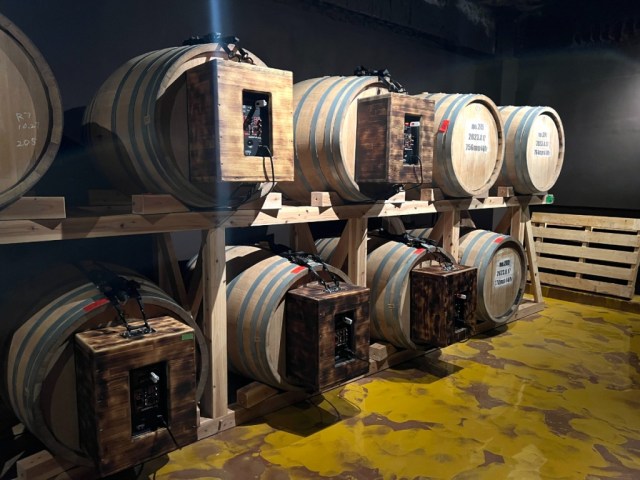
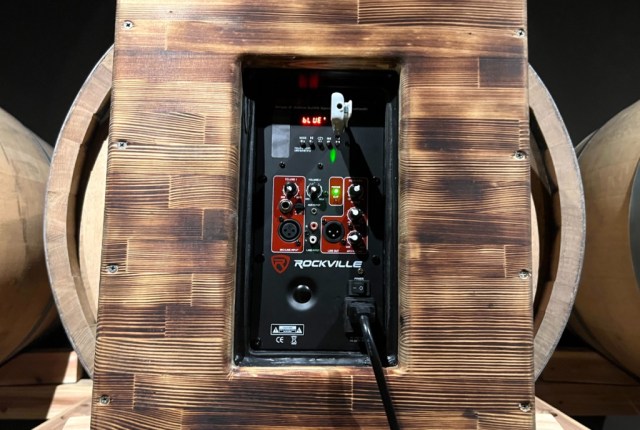
Those are shochu barrels with speakers attached to them. And not some little mini speakers that you might have set up in your kitchen to listen to tunes while you cook, but concert-size amps!

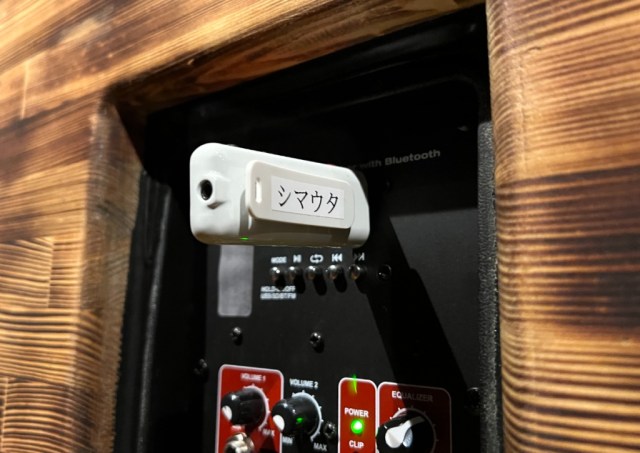
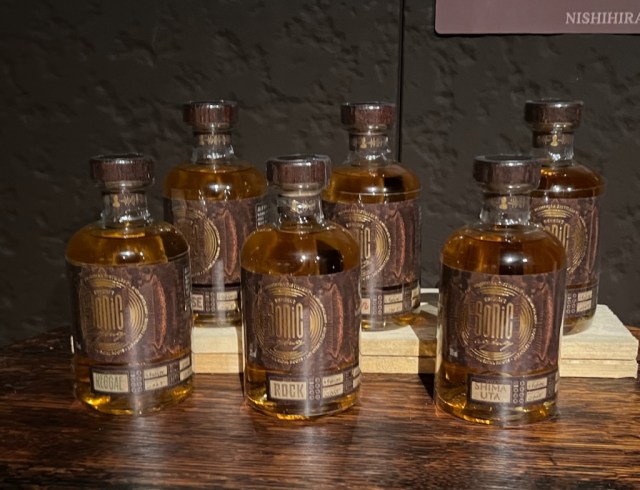
This is where the Nishihira’s Sonic Aging Project takes place. While the speakers were quiet as we looked at them, Nishihira turns all of them on when the distillery starts its shift for the day, and has them play for eight hours. Different amps play different genres of music, with a total of six styles: house, reggae, hip-hop, Latin, rock, and shima uta, or Japanese southern island folk songs.

“We play the music at high volumes,” Nishihira explained, “Depending on the genre, the music produces different vibrations within the barrels, and we want to see how that affects the shochu.”

▼ The shima uta barrel

Like we said, Nishihira is a musician, so at first the idea of playing music for the shochu sounded like a whimsical, creative, but ultimately inconsequential idea. Nishihira, says, though, that with the barrels being music-treated for roughly 2,000 hours in a year, it really does make a difference.

Genres with more bass produce stronger vibrations in the barrel, and also with the shochu itself. That increased interplay between the container and its contents causes the wood to have a more significant influence on the color and flavor of the shochu that’s aging inside.

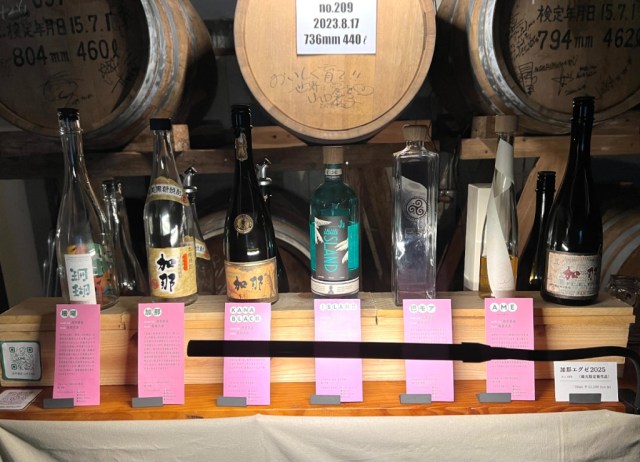
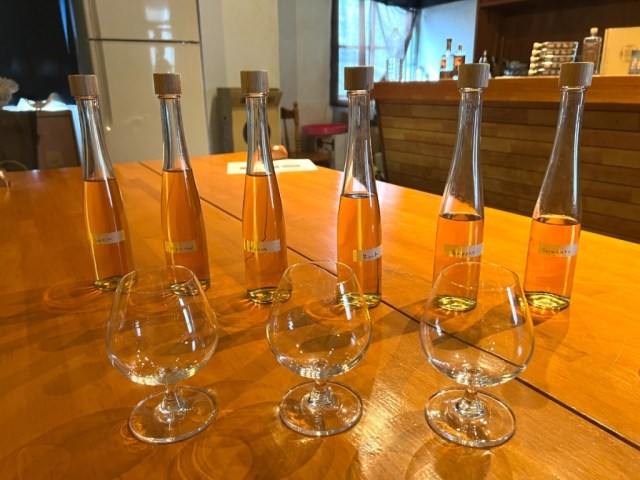
To prove this, Nishihira ushered us up to the second floor of the tasting area to try some of the Sonic Aging Project series.

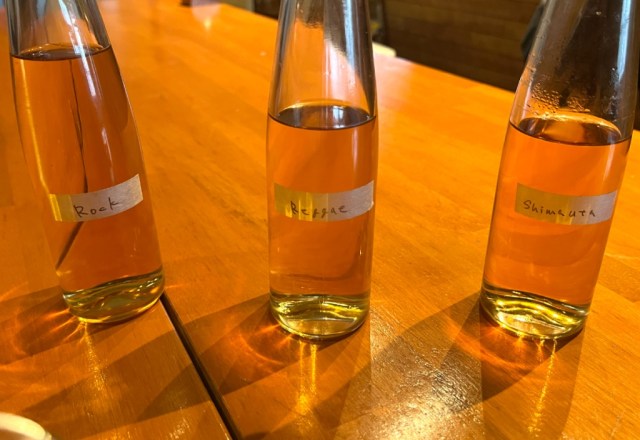
Out of the six music genres, Nishihira says that reggae produces the strongest vibrations, and shima uta the softest. So we definitely wanted to taste those two, and she also poured us some of the rock shochu, which is somewhere between the other two in the spectrum.

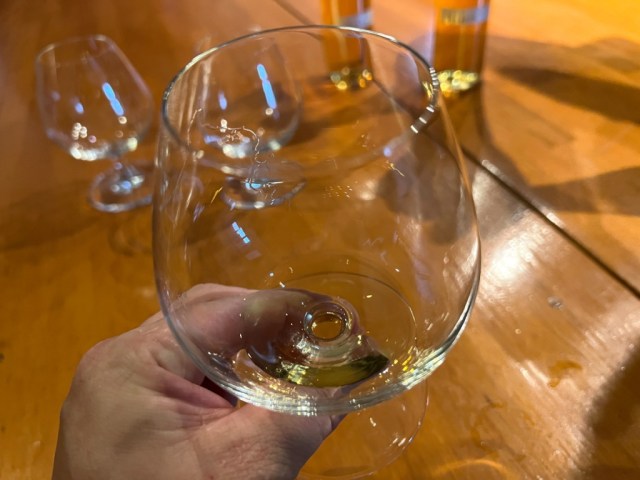
And you know what? We really could taste the difference! The reggae shochu was darker in color and had a rich flavor with some notable bitter notes from the wood. The shima uta shochu, meanwhile, was lighter in color and sharper in taste, with a more pronounced sensation of alcohol. The rock shochu, sure enough, was a mid-point between the more distinct characteristics of the reggae and shima uta.

So which of the Sonic Aging Project shochu styles is the best? There’s actually no answer to that, Nishihira says. Just like your favorite musical genre is a matter of personal taste, so too will different people have different rankings for how much they like the different types Sonic Aging Project shochu, and they’ve all got their own unique charms.

Reservations for Nishihira Shuzo tours can be made through their website here, but if you can’t make it all the down to Amami Oshima, they also offer their shochu, including the Sonic Aging series, through their online store here.

Related: Nishihira Shuzo official website
Photos ©SoraNews24
● Want to hear about SoraNews24’s latest articles as soon as they’re published? Follow us on Facebook and Twitter!
  •  
❌