In December 2010, Michael Faherty died in his home in Galway, Ireland. His body was burned and the fireplace was lit, but there was no other source of flames or fuel. The house was largely uncharred. The only damage was soot marks on the ceiling and floor, right where the 76-year-old retiree expired.
At a loss for an alternate explanation, the coroner chalked up Faherty’s death to: Spontaneous. Combustion.
Sooo…fact? Fiction? Something in between? In the latest video from Popular Science, we separate the fact from the fiction when it comes to spontaneous combustion.
If you’d like to see more Popular Science videos, subscribe on YouTube. We’ll be bringing you explainers and explorations of our weird world.
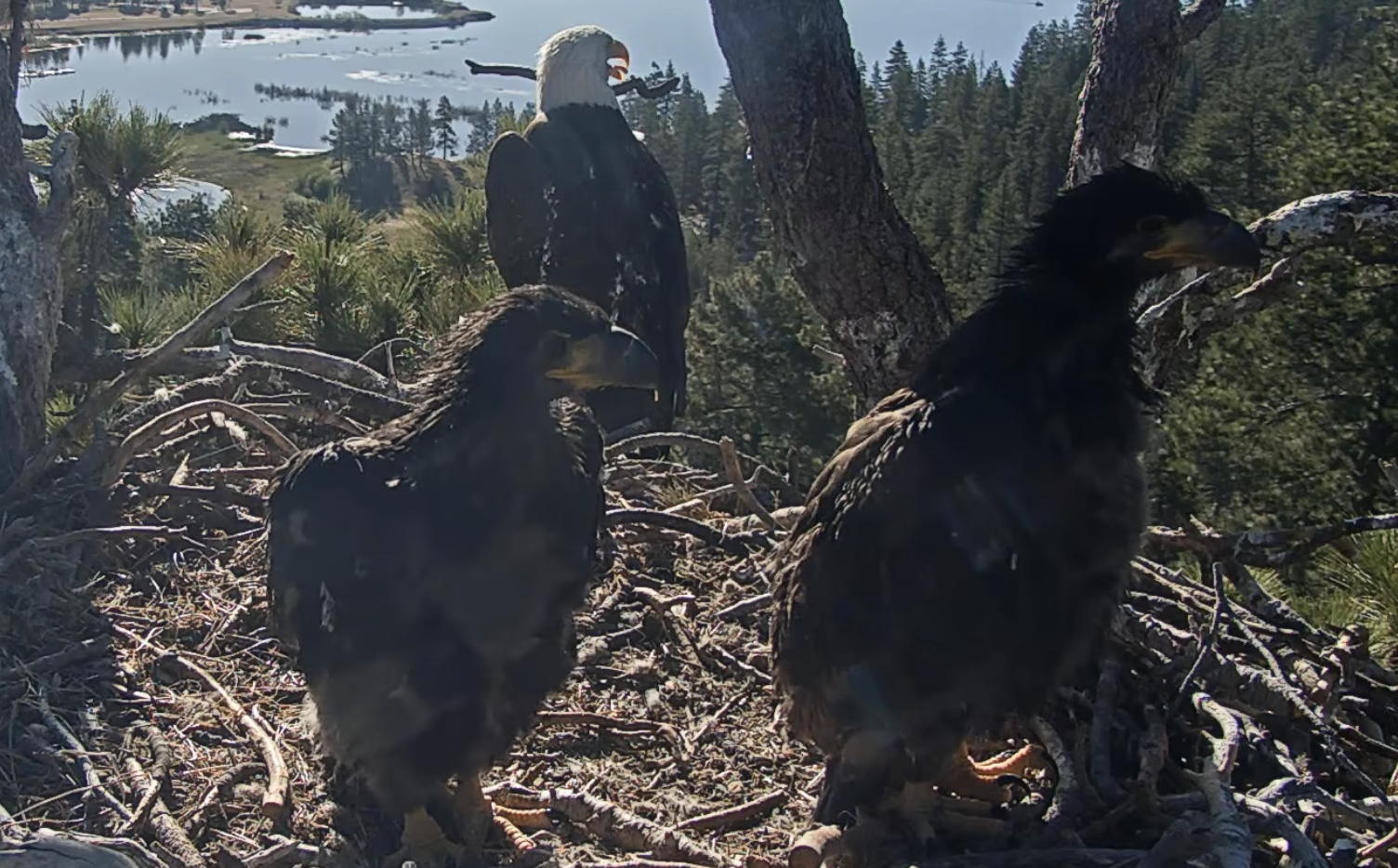
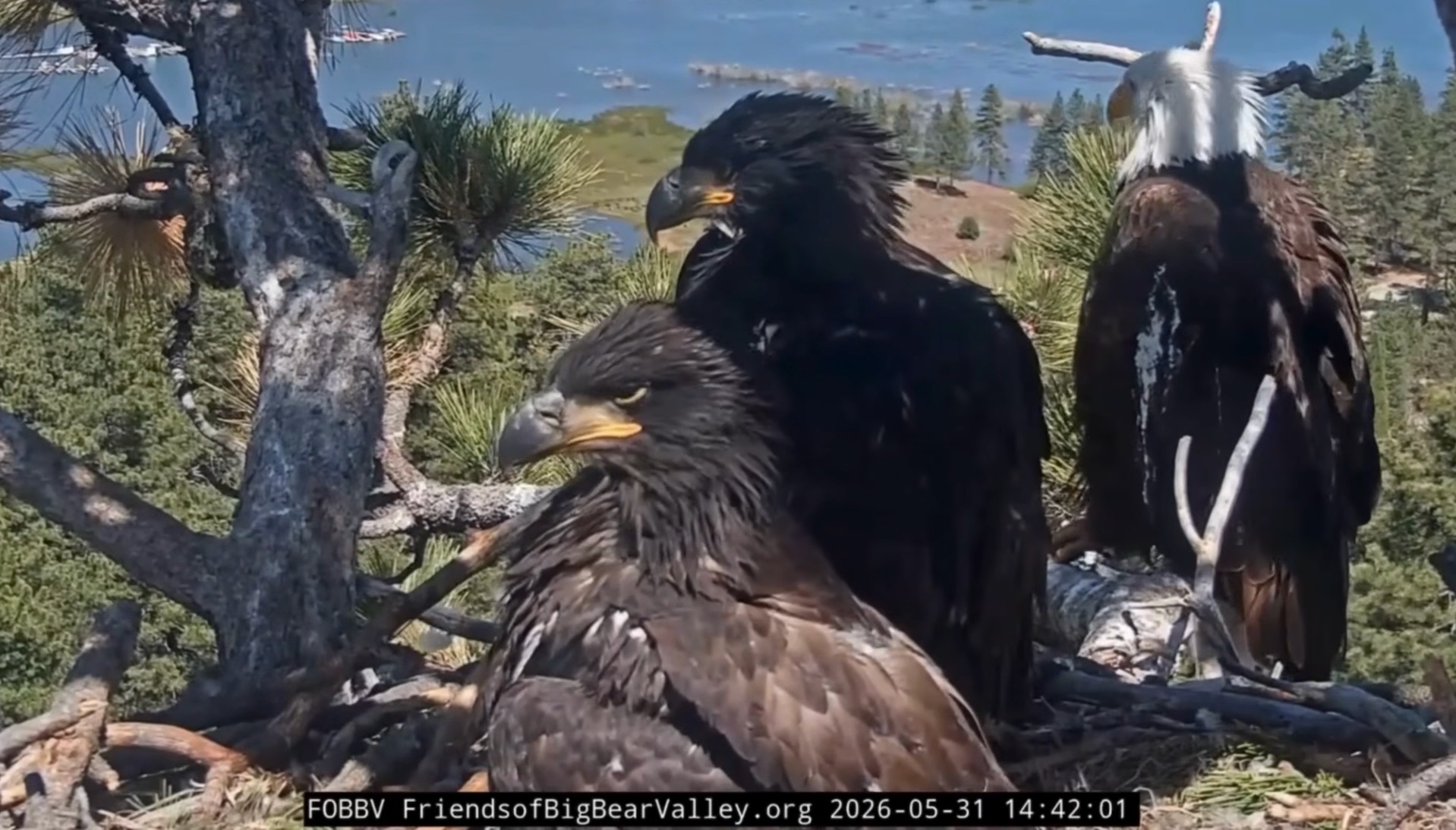
The babies are growing up. Since hatching in early April, Jackie and Shadow’s eaglets have sprouted new feathers, developed keen vision, and now, they’re practicing some vital grownup skills. Sandy and Luna can be seen engaged in lively wing-flapping sessions. While it might look a little awkward, the movement helps the chicks develop their pectoral muscles, an essential step in learning to fly.
“It [also] helps them learn the ‘wingspan’ of their own bodies so they don’t hit the nest walls or their siblings,” Friends of Big Bear Valley (FOBVV), the non-profit group that maintains the eagles’ livestream, explains. But don’t expect them to fly away anytime soon. The chicks are only about six weeks old and fledging won’t happen until 10-14 weeks of age. Last year, Sunny and Gizmo each fledged around 13 weeks.
Viewers might also notice the pair stomping around their nest. Again, the eaglets aren’t exactly graceful, but this behavior is important. Bald eagles are raptors, or birds of prey, so learning how to hunt is essential to long-term survival. “This is an instinctual behavior to ‘pin’ prey down,” FOBBV explains. “Because they are top-heavy at this age, stomping helps them find their center of gravity as their legs grow longer and stronger.” Although, yes, they do occasionally stomp on each other’s toes.
It’s been another roller coaster nesting season for Jackie and Shadow, a pair of internet-famous bald eagle parents living in San Bernardino National Forest in Southern California. After two of their eggs were destroyed by ravens in January, Jackie and Shadow laid two new eggs that have successfully hatched.
Chick 1 hatched on April 4 at 9:33 p.m. PDT, while Chick 2 followed on April 5 at 8:30 a.m. Their large nest in Big Bear Valley east of Los Angeles is livestreamed 24 hours a day by nonprofit Friends of Big Bear Valley (FOBBV) and has captivated millions.
On May 1, FOBBV announced the chicks’ names: Sandy and Luna.
Before leaving the nest, the chicks face threats from other birds of prey, including hawks, ravens, other eagles, and owls. Inclement weather can also present challenges for the chicks. In 2025, a March snowstorm resulted in the death of one of Jackie and Shadow’s three chicks.
During fledging, only 70 percent of eaglets survive. One of the greatest threats is from cars that can injure or kill the birds while they scavenge for food on roadkill.
Who are Jackie and Shadow?
The pair first got together in 2018 and successfully raised chicks in 2019 and 2022. However, their eggs failed to hatch in 2023 and 2024. Only 50 percent of eagle eggs successfully hatch, so this pair has already beaten the odds.
What happened to Jackie and Shadow’s 2025 eaglets?
In 2025, Jackie laid three eggs that all hatched in early March. On March 13, a strong snowstorm dumped up to two feet of snow and battered the nest with strong winds. Only two of the chicks were visible on the live cam when the storm passed by the next morning. FOBBV later confirmed the passing of one of the chicks. The two surviving chicks were later named Sunny and Gizmo after 54,000 names were submitted by fans.
What happens after chicks fledge?
Young eagles usually fledge–or leave the nest and fly–when they can flatten their wings and have feathers capable of flight. This typically occurs when the birds hit 10 to 14 weeks of age. Males also tend to take their first flight a little sooner than females.
According to FOBBV, fledglings from Southern California have been spotted as far south as Baja California, as far north as British Columbia, and as far east as Yellowstone National Park.
About 70 percent of bald eagles survive the fledgling stage. FOBBV does not tag their eagles, so it’s not possible to follow the chicks’ journeys after they flee the nest.
Can I help Jackie and Shadow?
Yes. Environmental groups are currently fundraising $10 million to protect Jackie and Shadow’s foraging area from development. Learn more at SaveMoonCamp.org.
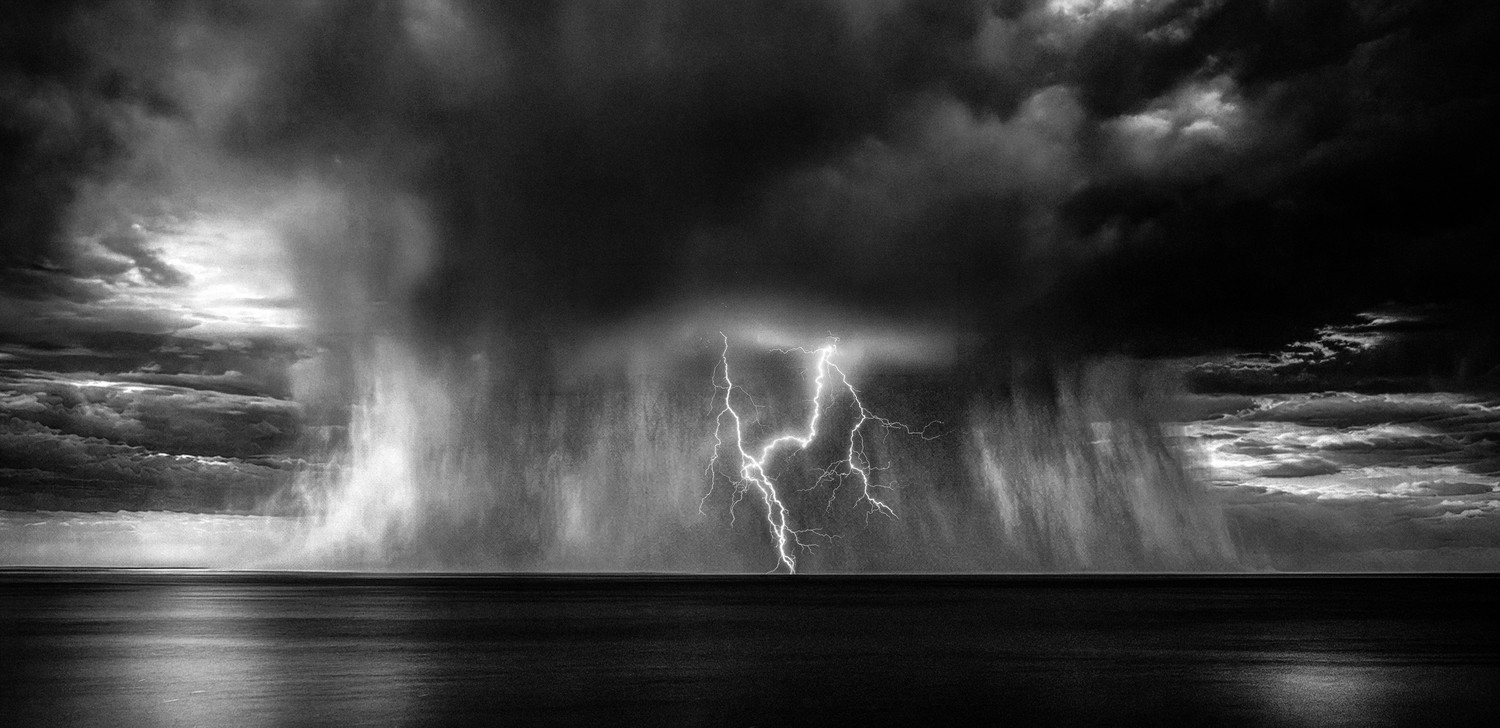
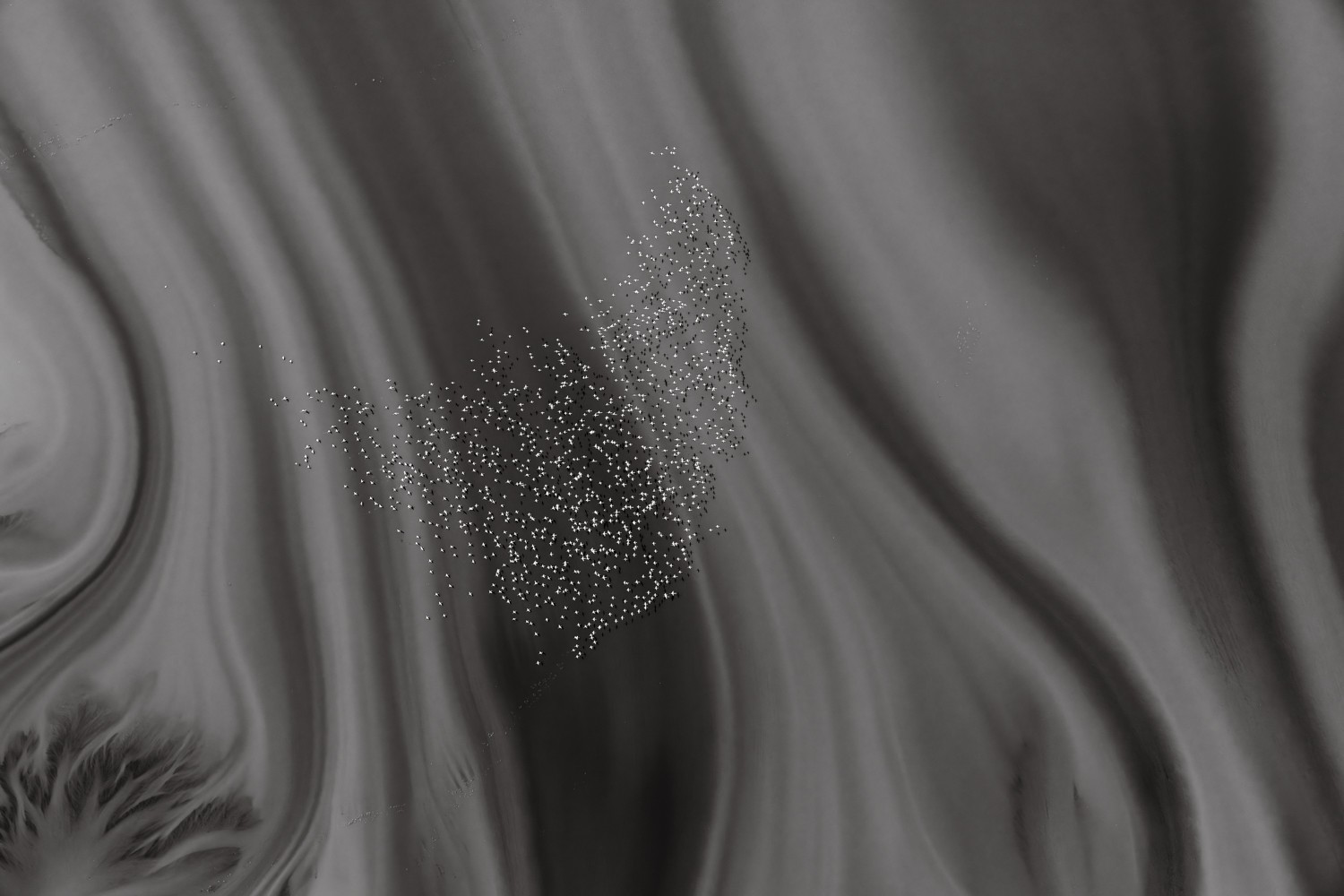
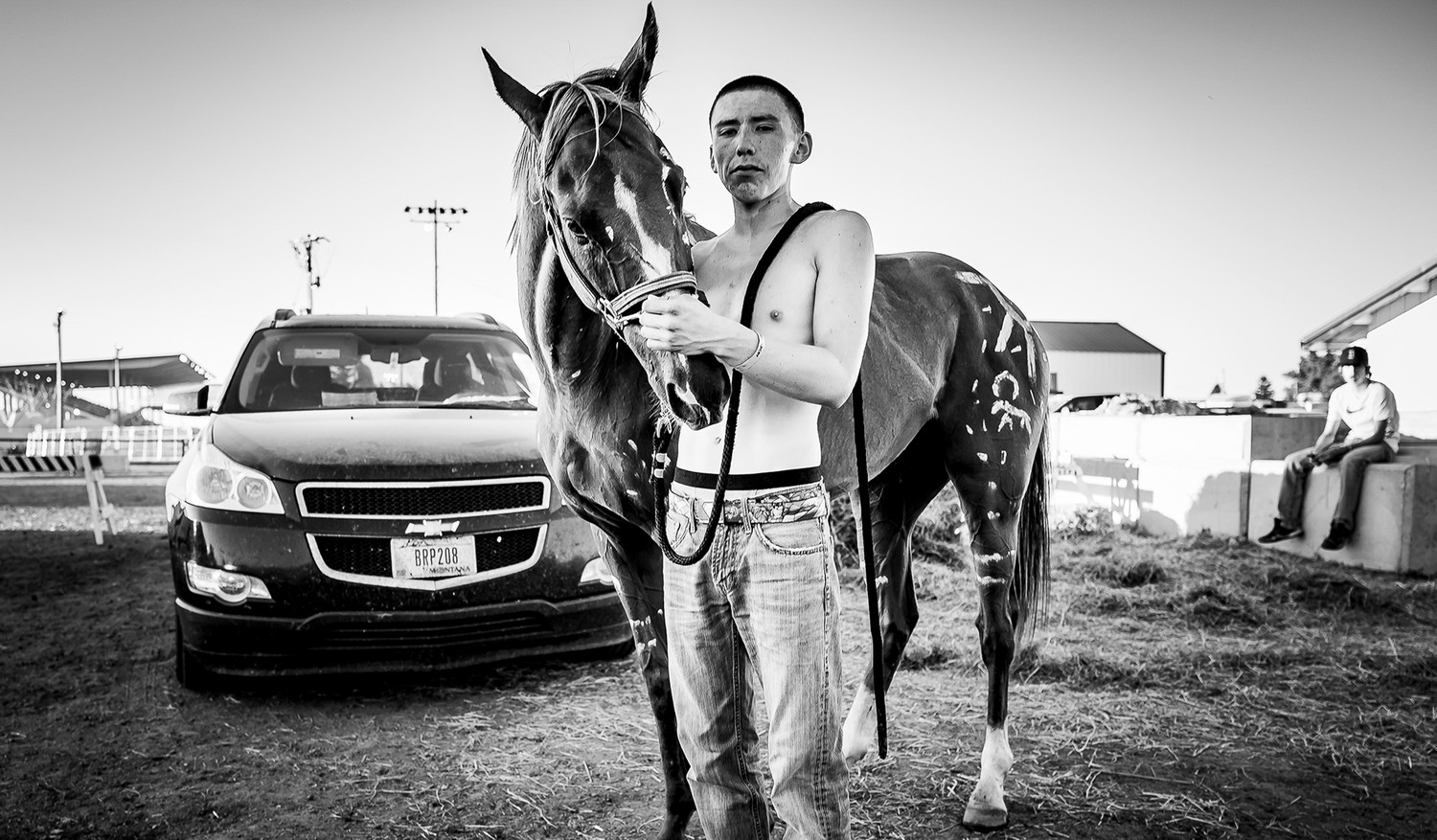
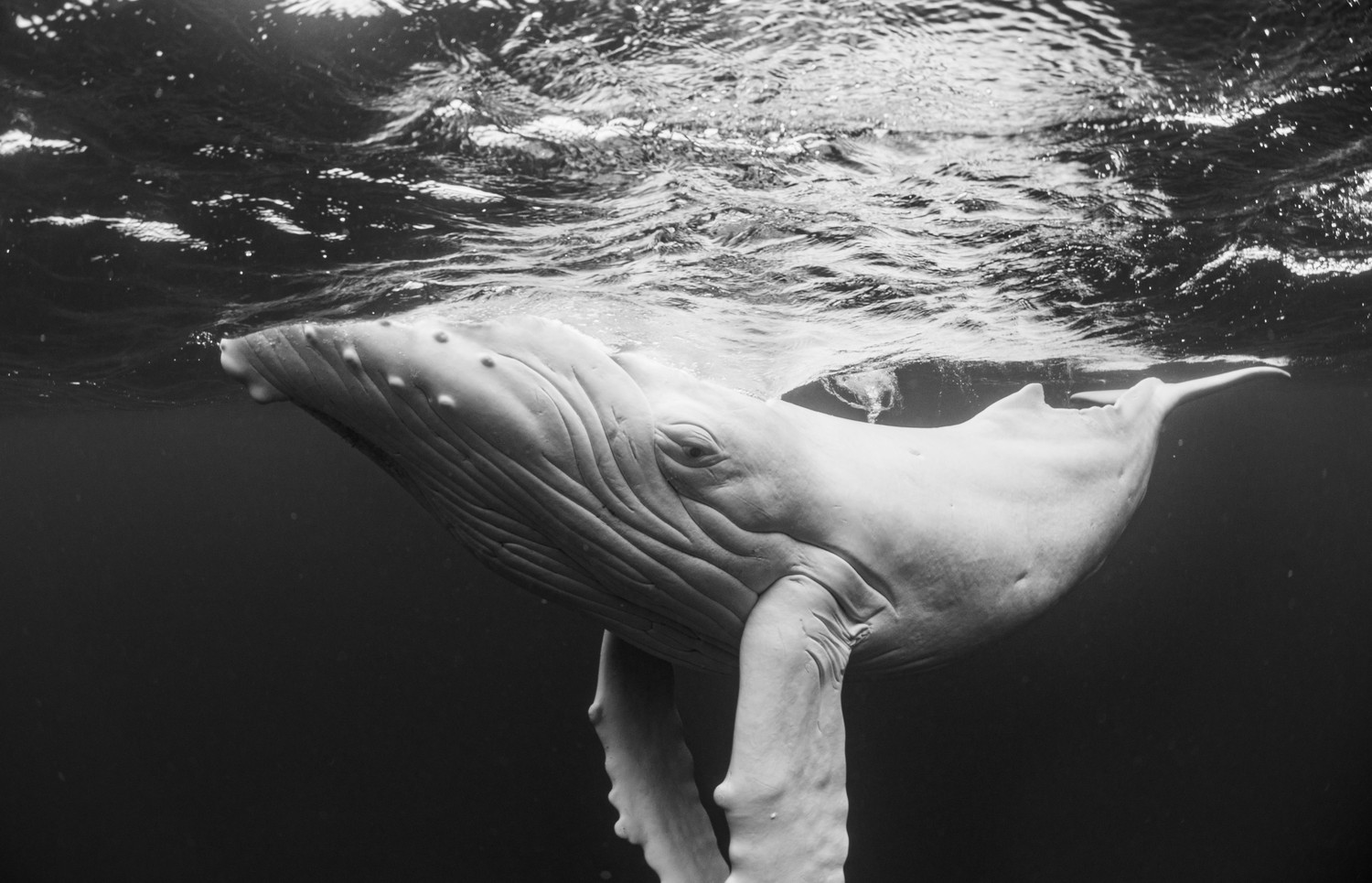
Our world exists in vibrant color, but seeing it in black and white can be moving. The Exposure One Awards celebrate monochrome beauty.
In this year’s One Shot Photo Contest, photographers from 82 countries submitted images for consideration.
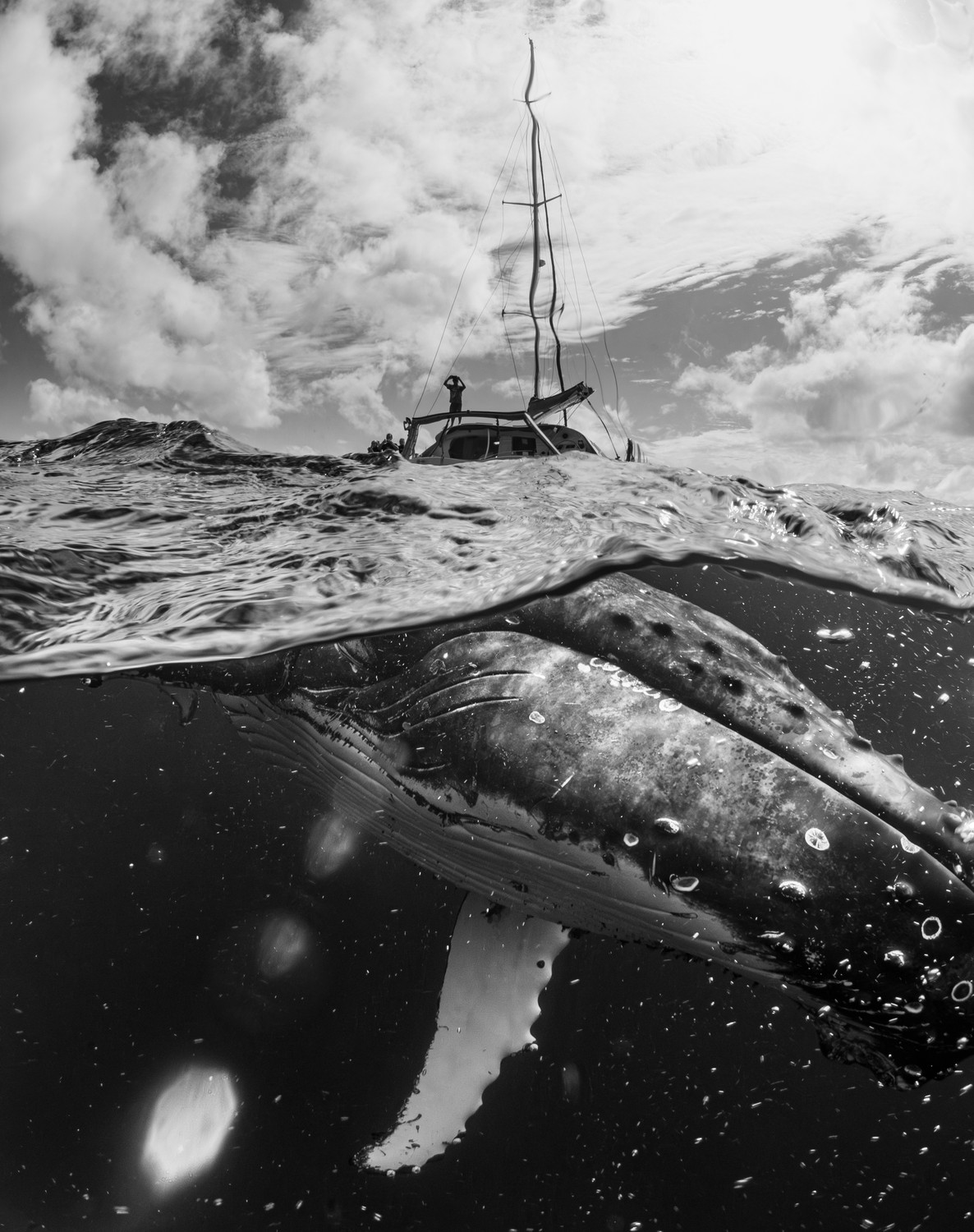
“Sassy, an Insistent Whale” Credit: Tristin Sheen / Exposure One Awards
“The 2026 One Shot Photo Contest challenges photographers to distill their craft, perspective, and storytelling into a single, definitive image,” a statement read. “A distinguished jury evaluated submissions across multiple categories, ultimately recognizing a select group of photographers whose work exemplifies the power and precision of the single frame.”
Judges from Leica Gallery LA, Aperture, Vogue, SFMoMA, and others selected the 2026 honorees.
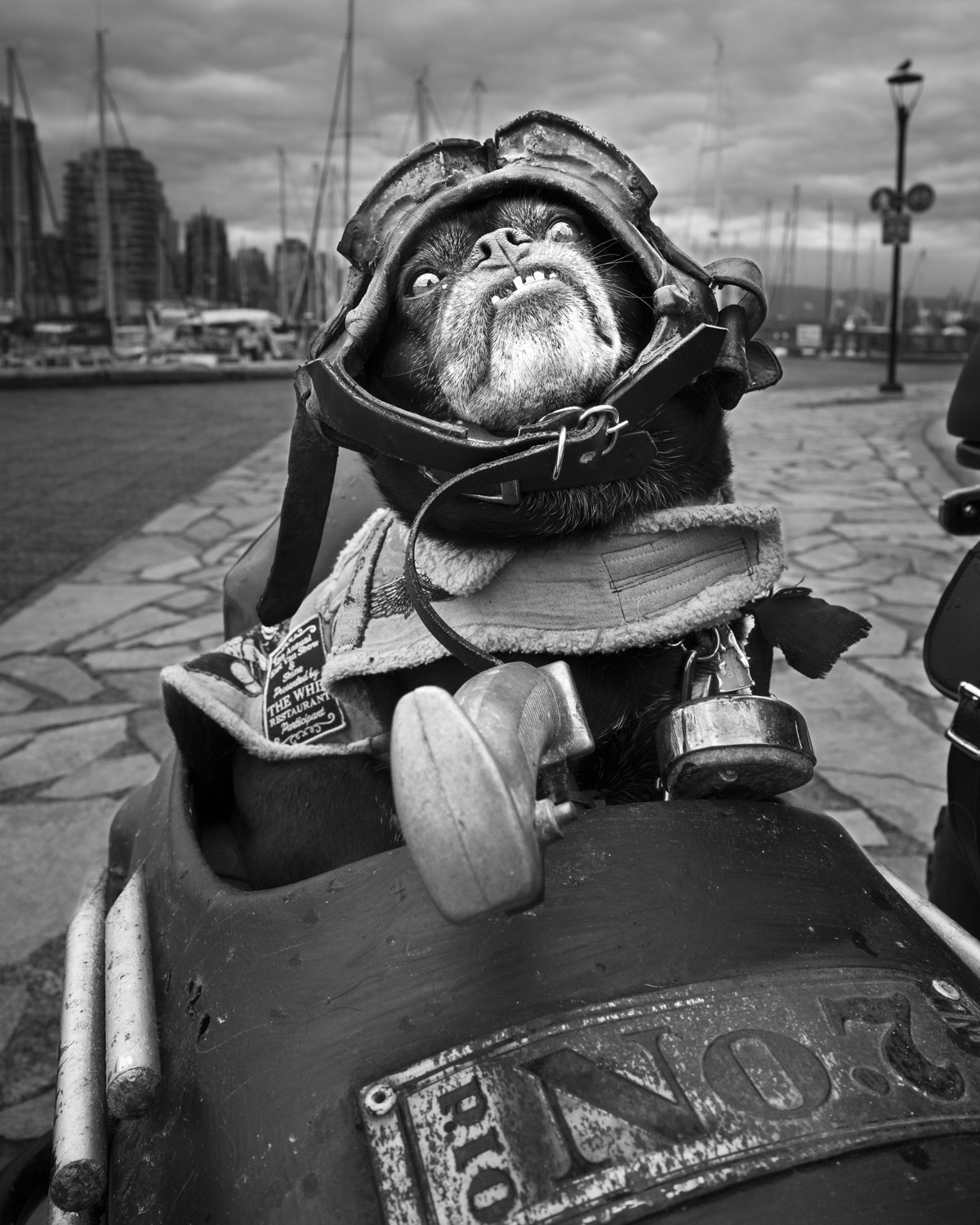
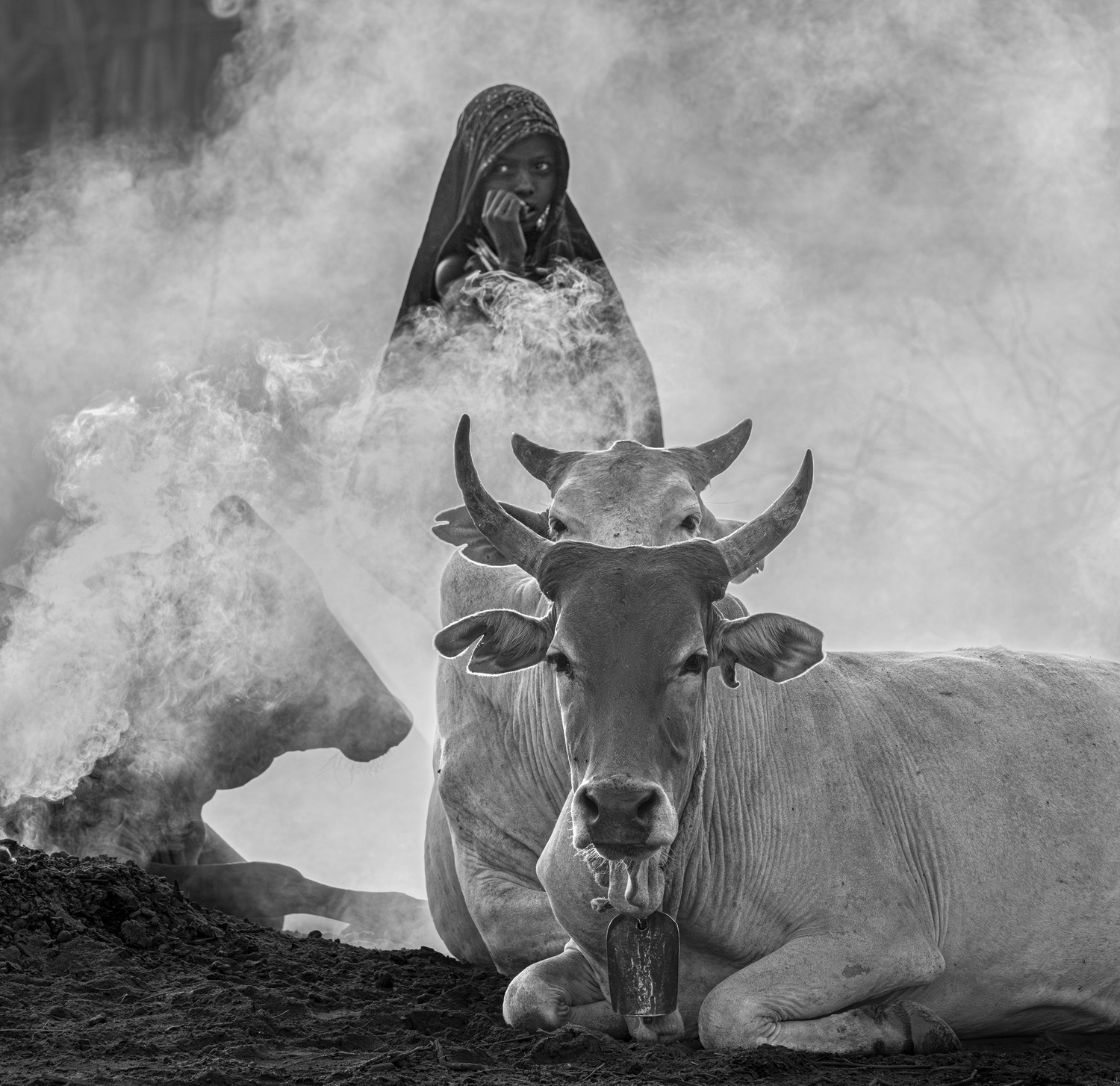
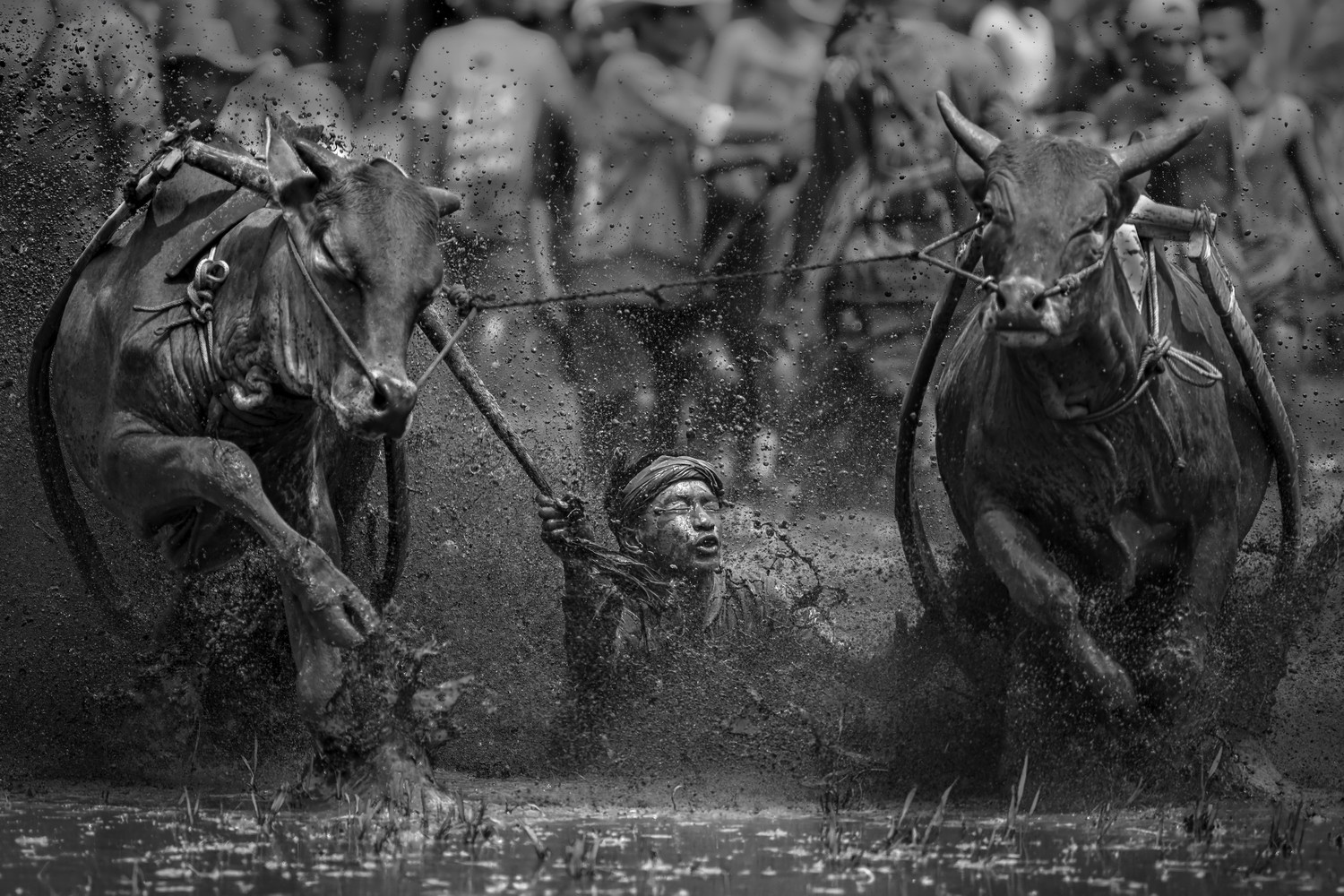
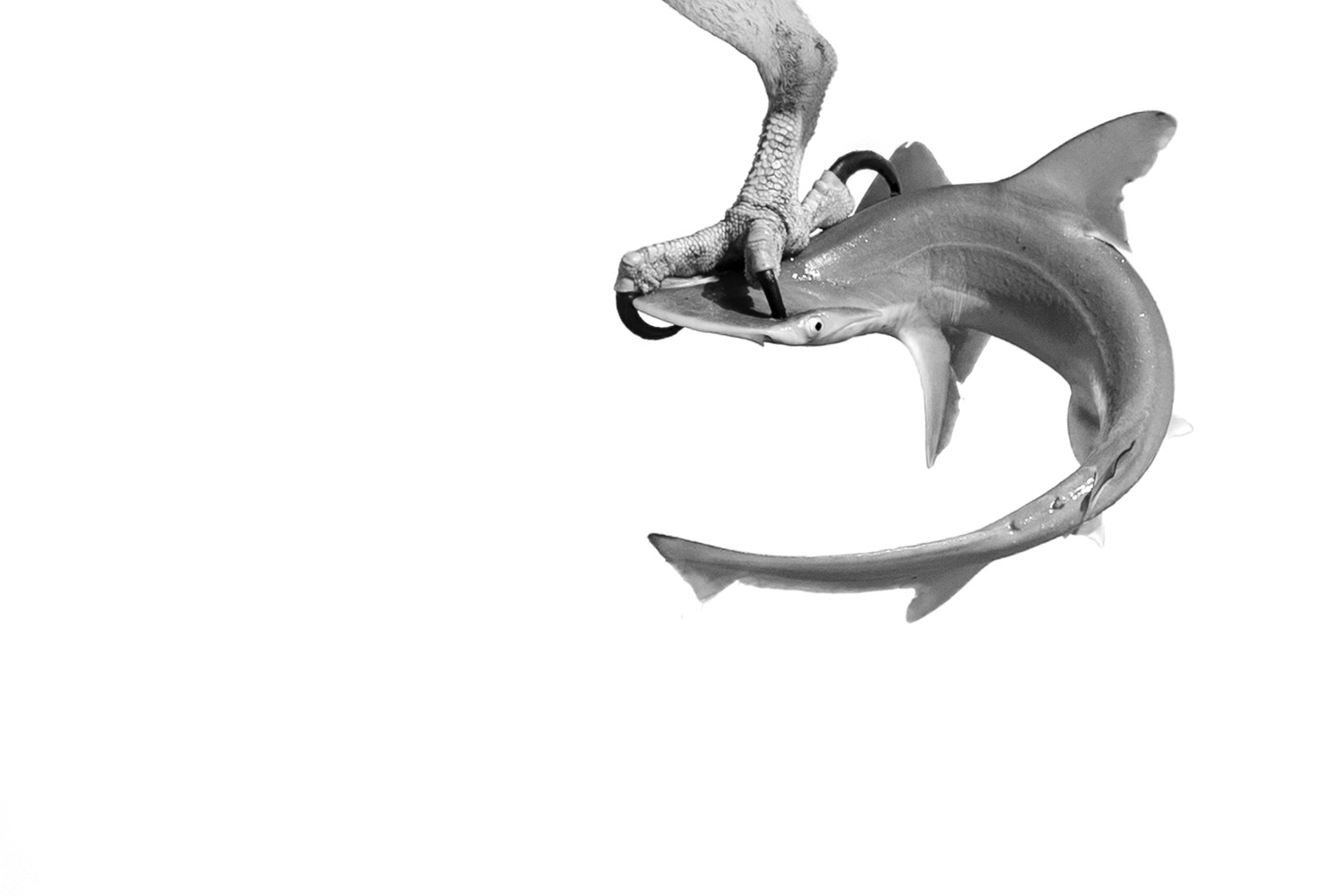
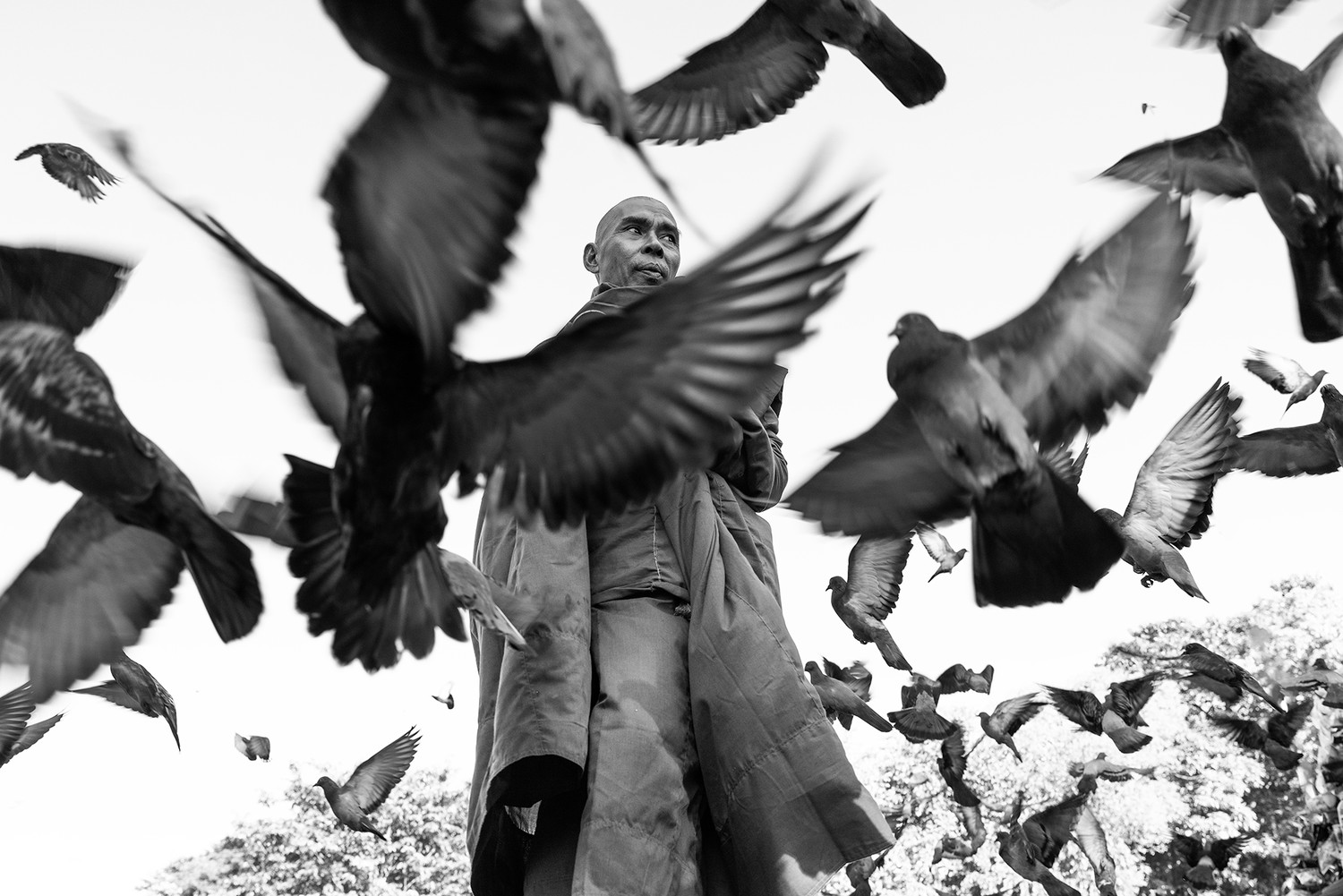
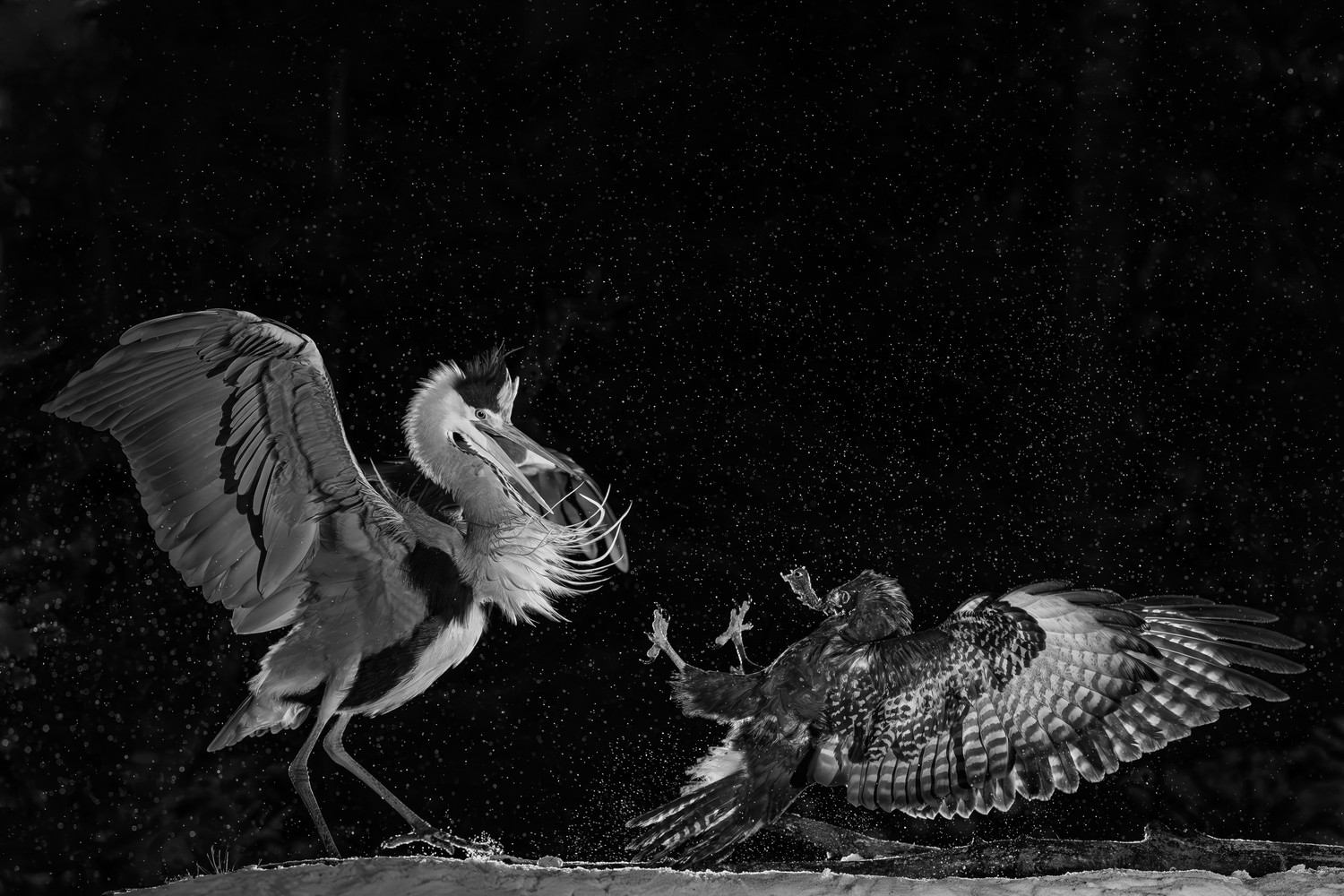
“Rio No.7” Credit: Willy Paul / Exposure One Awards“Smoking the Cows” Early morning with the Abore tribe. This young girls stand with the cattle as the sunrises and sun beams travel thru the smoke. Smoking the cows helps repel insects and gives the cattle a sense of calm. The Abore treasure their cows and take very good care of them. Credit: Cydny B Waters / Exposure One Awards“Hard Luck” The image is from Sumatra, the moment the contestant fell and lost control of the two cows during the race. Credit: Sameerah Abbas / Exposure One Awards“Air Superiority” The Hammerhead was no match for the Osprey claw. Credit: Scott Joshua Dere / Exposure One Awards“Between Wings” A Buddhist monk stands outside the Shwedagon Pagoda, his gaze framed by wings. Credit: Mateo Borrero / Exposure One Awards“Defensive” Credit: Arne Bivrin / Exposure One Awards“Signals in the Storm” A sequence of black and white photographs made where light meets pressure. Storm, surf, and mountain layers resolve into structure and tone. The work is about endurance, the small human signal set against the larger movement of nature. Credit: John Martinotti / Exposure One Awards“Textures in Motion” Flamingos fly over Lake Magadi in Kenya’s Rift Valley. Credit: Lori Dove / Exposure One Awards“Holman Bronc Real Bird” ‘Indian Relay Rider’Holman from Lodge Grass Montana at the World Championship Sheridan Wyoming Credit: Aengus MacNeil / Exposure One Awards
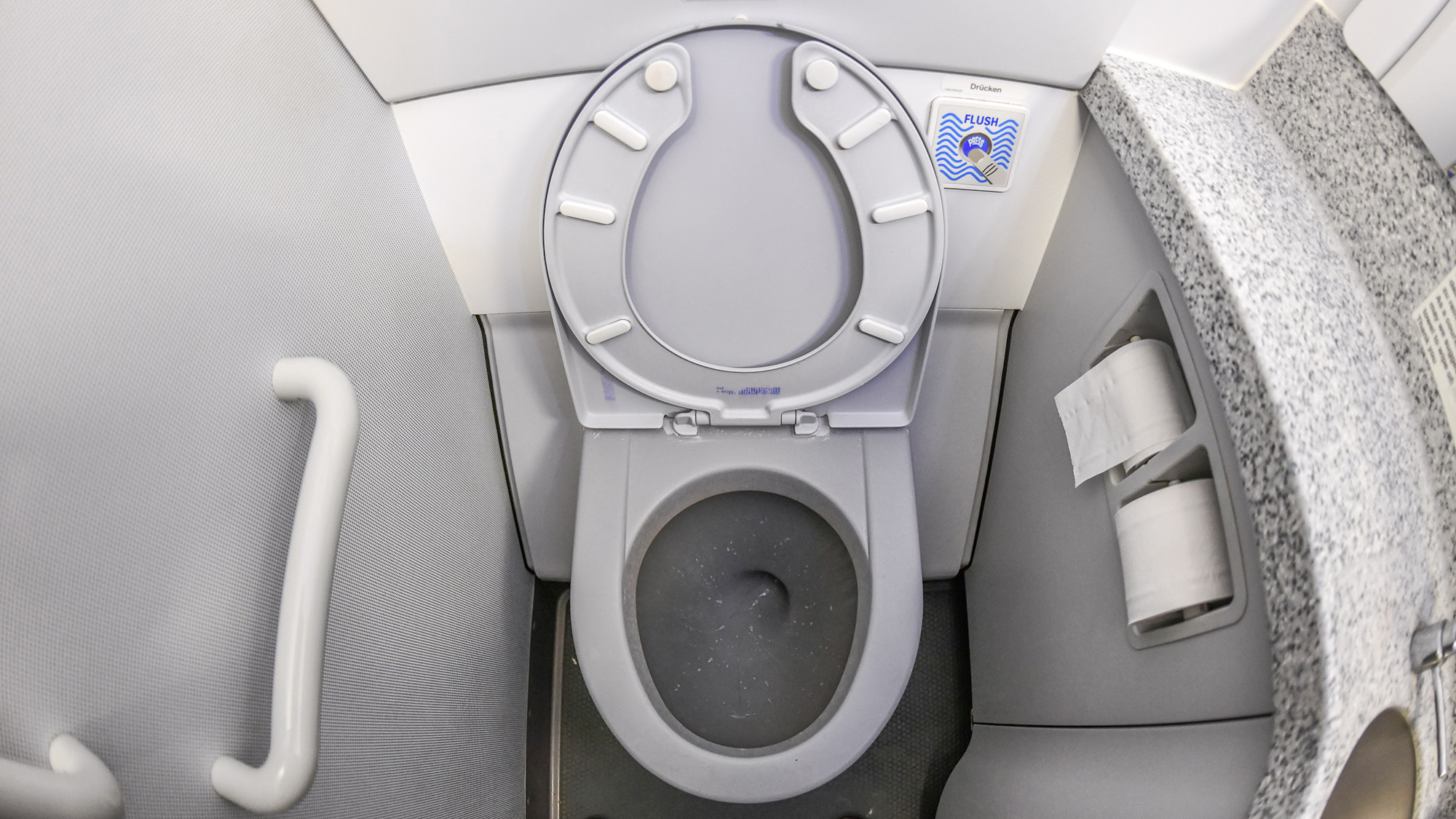
There’s nothing quite like the sound of an airplane toilet flushing. But that incredibly loud sucking sound is actually something of an engineering marvel. These toilets flush, with no water, while zooming along at 500 miles per hour.
In this episode of Ask Us Anything by Popular Science, we get into all the smelly details of how airplane toilets actually work.
Sarah Durn: You’re six years old, wedged into a middle seat on your very first flight.
Your ears are popping. The engine sounds impossibly loud. Somewhere a baby is crying. And after nervously sipping one too many ginger ales, you realize there’s something else you need to do.
So you make the LONG walk down the NARROW aisle to the airplane bathroom.
You open the weird sliding door, and this lavatory is tiny. And, after doing your business, you hesitantly hit the flush button.
For one horrifying second, you’re convinced the toilet might actually suck you into the sky.
But what exactly is happening here? How do airplane toilets work?
Turns out, the answer involves physics, pressure differentials, and one surprisingly clever engineering trick.
Laura Baisas:And hello, I’m news editor Laura Baisis.
SD: Here at Popular Science, we can’t stop thinking about all the world’s strangest questions, and this week, we’re wondering how the heck airplane toilets actually work, something Laura actually edited a story on.
So Laura, what’s going on here? What happens when we use the bathroom at 35,000 feet?
LB: First of all, you can relax. The toilet is not strong enough to suck you out of the plane.
SD: Ah, thank God. Childhood fear officially resolved.
LB: But that terrifying slurp sound, very real. And it turns out that airplane toilets use a surprisingly clever system that takes advantage of something that planes already have at high altitude, the enormous pressure difference between the cabin and the outside of the plane.
SD: So every time we flush on a plane, physics is essentially doing the dirty work?
LB: Pretty much. We love physics.
SD: Oh, we do.
LB: And once you learn how the system actually works, from vacuum toilets to something called blue ice, I’m pretty sure you’ll never hear that sound the same way again.
SD: All right. I’m in. Tell me all the airplane bathroom facts.
LB: I’d be happy to. But before we dive into the science of sky-high plumbing, we want to hear from you. What questions are swirling around your brain? Submit your question by clicking the “Ask Us” link at popsci.com/ask. Again, that’s popsci.com/ask, and click the “Ask Us” link.
SD: We’ll be right back with more about airplane toilets after this quick break.
SD: Welcome back! Okay, Laura, before we get into all the smelly details, I think we need to talk about the history of airplane toilets because early flying was kind of a nightmare.
LB: Oh, absolutely. I mean, that glamorous golden age of air travel, a lot less glamorous if you needed to pee.
SD: Right. So in the very earliest days of aviation, planes just, you know, straight up no bathrooms at all.
LB: Which makes sense if you remember early flights were a lot shorter and planes flew so much closer to the ground.
SD: Yeah, exactly. Pilots were basically flying by sight, and it’s said that early pilots actually peed into their shoes and then would just toss it into the air.
LB: I still can’t believe that’s real.
SD: Me neither. Or they’d make a hole in the cockpit floor…and just go ahead and, you know, pee through that.
LB: Correct. This is all so, so bad. So bad.
SD: But it does get better. I mean, kind of. As passenger air travel became more common in the later 1920s, airlines were like, “Okay, we should probably do something about the bathroom sitch.”
So early passenger planes basically had buckets. Just, you know, a bucket in the back of the plane.
LB: Ah, truly a luxury travel experience.
SD: Very chic, very elegant. Then in the late 1930s, the first enclosed plane lavatory debuted on the DC-4 passenger plane. But even those were pretty primitive. The toilet had a removable bowl that crews had to take out and dump after landing.
LB: Yeah, not sure I’d want that job.
SD: Yeah, same. Eventually planes, though, started using chemical toilets, you know, kind of like a fancy porta potty situation. Waste would sit in these tanks full of bright blue disinfectant liquid.
LB: Ah, yes, we come to the origin of one of aviation’s most disgusting phrases: blue ice.
SD: It doesn’t sound disgusting, which is what throws me.
LB: It’s kind of a misnomer.
SD: I know. It sounds like something a superhero would use. But anyways, explain it to us. What is blue ice?
LB: So blue ice forms when waste leaks from a plane at a really high altitude. Since it’s so cold outside, the waste instantly freezes onto the aircraft.
SD: Okay, which is already kinda gross.
LB: Yeah, and then sometimes, I’m gonna emphasize this, very, very rarely it can break off as the plane descends.
SD: Wait, meaning frozen airplane toilet waste can theoretically fall from the sky? That’s what blue ice is? Frozen human waste raining from above?
LB: Again, gross, but very, very rare, but yes, it can.
SD: Okay. Awful. New fear unlocked. Hate that. Really bad.
LB: But the good news is that modern airplane toilets are much, much more sophisticated. Most commercial planes today use vacuum toilet systems, which are lighter, cleaner, and honestly kind of ingenious.
SD: Okay, so let’s get into it. What’s actually happening when we flush while up in the sky?
LB: Okay, so the key thing to understand here is pressure. Airplanes fly at very high altitudes, usually between 31,000 and 42,000 feet up. There, the air pressure outside of the plane is way lower than inside of the cabin.
SD: Because the cabin is pressurized so all of us, you know, can breathe.
LB: Exactly. Breathing equals important. Right.
SD: Right.
LB: So engineers realized they could use that pressure difference to their advantage. So when you hit the flush button in an airplane bathroom, a valve opens between the toilet bowl and a waste tank. So because the air pressure is lower on the tank side, everything gets sucked downward incredibly fast.
SD: Which explains the very loud sucking sound.
LB: Exactly. And one reason engineers love this system is because it saves a ton of weight. Traditional toilets need a lot of water, but on airplanes water is heavy and heavier planes burn more fuel.
SD: So instead of gallons and gallons of water, plane toilets mostly use air pressure.
LB: Right, which is why the flush is so dramatic and loud and fast.
SD: Okay, and, you know, silly question, but can you actually get sucked into an airplane toilet?
LB: No. Despite what every child, and honestly some adults, might believe, the vacuum is nowhere near powerful enough to suck a human into the plumbing.
SD: Oh, thank goodness.
LB: Although aviation experts do say that you should close the lid before flushing because the suction can splash some gross things around more than you’d maybe like.
SD: Ooh, yikes. Noted forever.
LB: And that’s… Come on, that’s just good general toilet flushing behavior anywhere. You know, flush with that lid down.
SD: Yeah, I’m a strict lid down girl.
LB: Yep, same. Same.
And, you know, airplane toilet systems are also designed with a lot of safety features. There are pressure valves, sealed tanks, all kinds of redundancies to make sure the cabin stays pressurized and everything works safely.
SD: Right, ’cause you don’t wanna mess with the air pressure on a plane.
LB: Absolutely not.
SD: Okay, so when you flush an airplane toilet, where does everything actually go?
LB: So all the waste gets sucked through pipes into holding tanks elsewhere in the aircraft, and contrary to a very persistent myth, planes do not just simply dump sewage while flying. The waste stays on board until the plane lands.
SD: Unless it’s blue ice.
LB: Unless it’s blue ice. But remember, very rare and not that often anymore. Planes are more sophisticated with their waste.
SD: I’m gonna be so aware of anything falling from the sky.
LB: I know.
SD: Watch out. We’re really helping, you know, just assuage a lot of childhood fears on this episode.
LB: You know, we aim to please here.
SD: And okay, so then after the plane lands comes the very misleadingly named honey truck.
LB: The honey truck. Uh, yeah, unfortunately the honey truck is a lot grosser than it sounds. After landing, airport ground crews bring over these specialized service trucks that connect to the aircraft and pump all of that waste out of the holding tanks.
SD: The fact that they’re called honey trucks feels like a crime. Like, who is naming things—blue ice, honey trucks—what the heck is going on?
LB: But, at major airports this happens constantly. Honey trucks are always roving around, pumping waste from planes into their holding tanks for disposal.
Kinda cute, sort of like a poop version of WALL-E happening all along the tarmac without us even knowing.
SD: Is it cute? Do we think that’s cute?
LB: I kind… You know what? I kind of do. It’s important. It’s important, so I think it’s cute.
SD: Fair. Yeah, I can’t imagine being the person assigned to the airplane poop truck.
LB: And apparently, as I said, those very important crews also deal with people flushing things they absolutely should not flush.
SD: Oh, no.
LB: According to one aircraft engineer, mechanics have found diapers, silverware, soda cans.
SD: Soda cans?
LB: Soda cans. And airplane toilet pipes are tiny, so clogs are a huge deal, not to mention they can cause major delays.
SD: Yeah, you do not wanna be the person responsible for grounding a plane because you flushed your ginger ale can.
LB: There are already enough reasons you could get delayed. Do not delay a flight because you decided to flush that can, exactly.
SD: People are crazy.
LB: A clog can even take a plane out of service for days while mechanics fix the plumbing.
SD: It’s honestly incredible that these toilets don’t have more issues. I mean, they’re really clever little pieces of technology.
LB: And the engineering behind all of this is fascinating. These systems have to work safely, reliably, and hygienically while flying hundreds of people through the sky at 500 miles per hour. It’s amazing.
SD: Airplane toilets are one of those weird engineering marvels most of us never think about unless we’re hearing the very loud slurp sound.
LB: And yep, never gonna hear that sound the same way again.
SD: Yeah, same.
LB: Or think of blue ice and honey the same way again, if I’m being honest. And with that image in mind, we’ll be right back after this quick break.
SD: Welcome back. Since this episode is all about flying toilets, we have to talk about the fact that while we were making this episode, NASA sent four astronauts into space, headed to the dark side of the Moon for the first time, and then their toilet basically immediately broke.
LB: Immediately. I mean, that poor crew.
SD: I know. Yeah, Artemis II embarks on this historic mission around the Moon, and then just a few hours into the mission, NASA’s like, “Ooh, guys, quick update, the space toilet fan broke.”
LB: Guessing that’s a sentence that probably caused, you know, some stress at Mission Control.
SD: Yeah, just, you know, a little bit, especially because there was only one toilet on board for four astronauts on a 10-day mission.
LB: Yeah, that toilet had a lot riding on it.
SD: Yeah. And unlike airplane toilets, space toilets can’t really rely on gravity because, you know, space.
LB: Space. In microgravity, nothing naturally goes down, which means space toilets use fans to pull waste in the correct direction, and in this case, the fan stopped doing that, which would have meant urine floating around the cabin. Ew.
SD: Yeah. The good news is NASA fixed it pretty quickly. Astronaut Christina Koch worked with Mission Control to get the system back online within a few hours.
LB: And apparently the astronauts had backup emergency urine bags, just in case.
SD: Which, fun fact, is basically how Apollo astronauts handled this back in the 1960s. No luxury Moon bathroom, just Neil Armstrong peeing and pooping in a bag.
LB: What an image.
SD: I mean …
LB: I know, right? Humanity can build giant rockets, fly hundreds of thousands of miles through space, and still end up improvising bathroom solutions.
SD: Honestly, it all feels very, very human.
LB: It does. And on that note…
SD: May all of your toilets, earthly or cosmic, function correctly.
LB: And that’s it for this episode, but don’t worry, we’ve got more episodes of Ask Us Anything live in our feed right now. Follow or subscribe to Ask Us Anything by Popular Science wherever you enjoy your podcasts, and if you like our show, leave us a rating and review.
SD: Our producer is Alan Haburchak, and this week’s episode was based on an article written for Popular Science by Tom Hawking, with a link in the show notes if you wanna learn more about airplane bathrooms.
LB: Thank you, team. Thank you, toilets, and thanks everyone for listening.
SD: And one more time, if you want something you’ve always wondered about explained on a future episode, go to popsci.com/ask and click the “Ask Us” link. Until next time, keep the questions coming and close those toilet lids.
Billions of stars illuminate the Milky Way. Down here on Earth, only about 6,000 stars are visible to the naked eye, but with the right camera, we can see tens of thousands more.
The Milky Way Photographer of the Year awards celebrate the celestial light show, honoring 25 truly awe-inspiring images. This year’s competition received more than 6,500 submissions, the highest number in the project’s history.
“Aoraki Mt Cook” My goal with astrophotography has always been to combine my passion for mountains, adventure, and the landscapes of New Zealand. Capturing the Milky Way arch above Aoraki / Mount Cook, the central peak of the national park, became one of the most demanding challenges I had set for myself. Reaching this location required drawing on my experience as a mountaineer, navigating steep rocky terrain and snow-covered slopes under winter conditions. The route presented constant challenges, including large washouts along the mountainside, unstable snow affected by solar radiation, and the demands of winter camping at altitude. The effort required both physical endurance and careful decision-making throughout the journey. Despite these difficulties, the environment offered extraordinary conditions. As night fell, the Milky Way and zodiacal light appeared with exceptional clarity, enhanced by the cold, stable air at elevation. Being positioned so close to Aoraki added a sense of scale and intensity to the moment, especially as the western arc of the Milky Way moved into alignment above the mountain. With only a brief window to capture the scene, there was little margin for error. This image represents that single opportunity, where preparation, experience, and timing came together to document a moment that felt both challenging and deeply rewarding. Credit: Owain Scullion / Milky Way Photographer of the Year 2026 Owain Scullion
“Every year, this collection reminds us that photographing the Milky Way is not only about technique or planning,”says Dan Zafra, editor of Capture the Atlas, the organization behind the collection. “It is about curiosity, patience, and the desire to experience the night sky in places where it still feels wild,” “Many of these skies are becoming increasingly rare, and we hope these images inspire people not only to admire them, but also to value and protect them.”
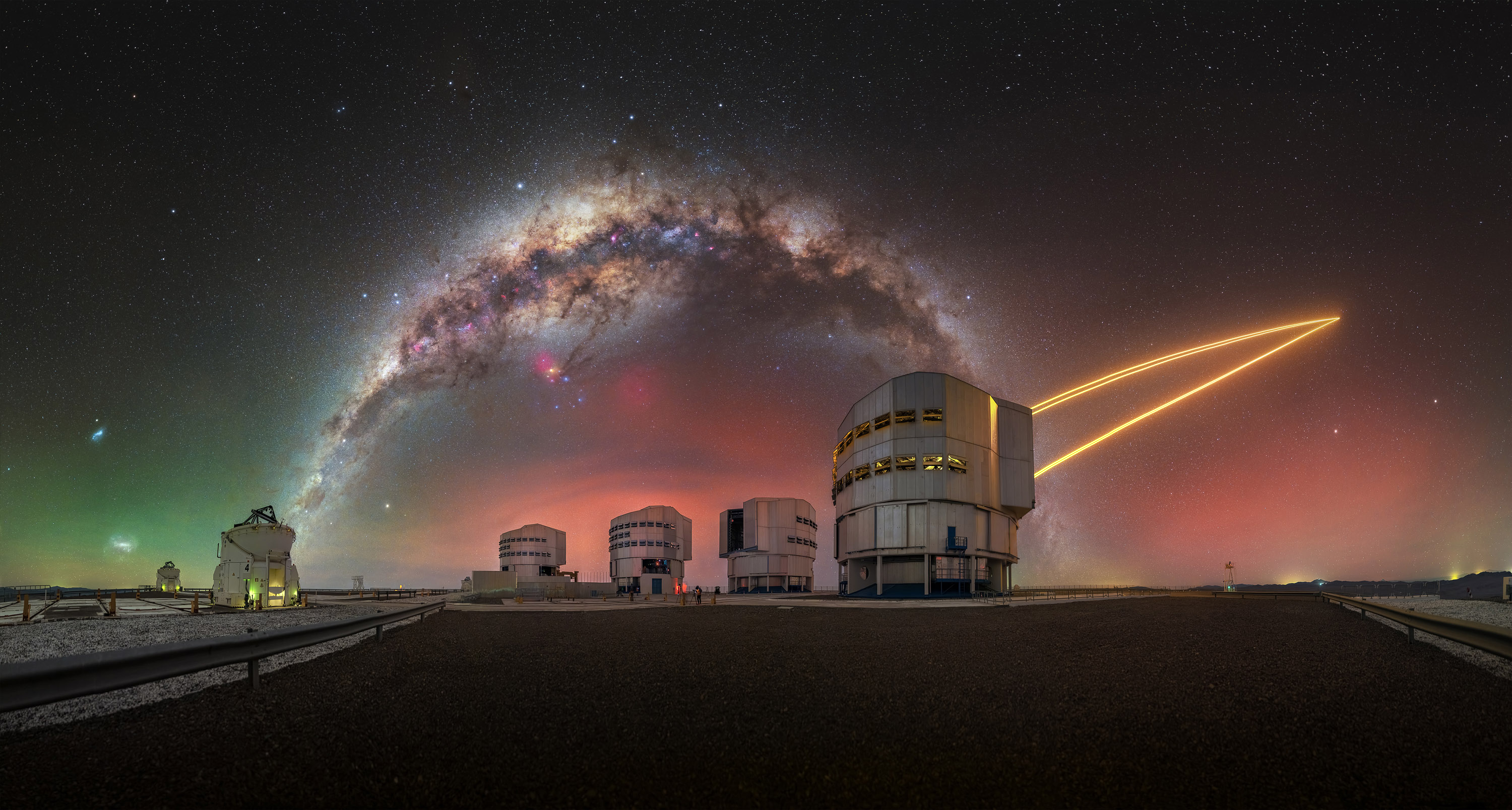
Amongst the 25 selected images are scenes from Paranal, Chile, home to the Very Large Telescope and coastal Florida during the Perseids and Geminids meteor showers.
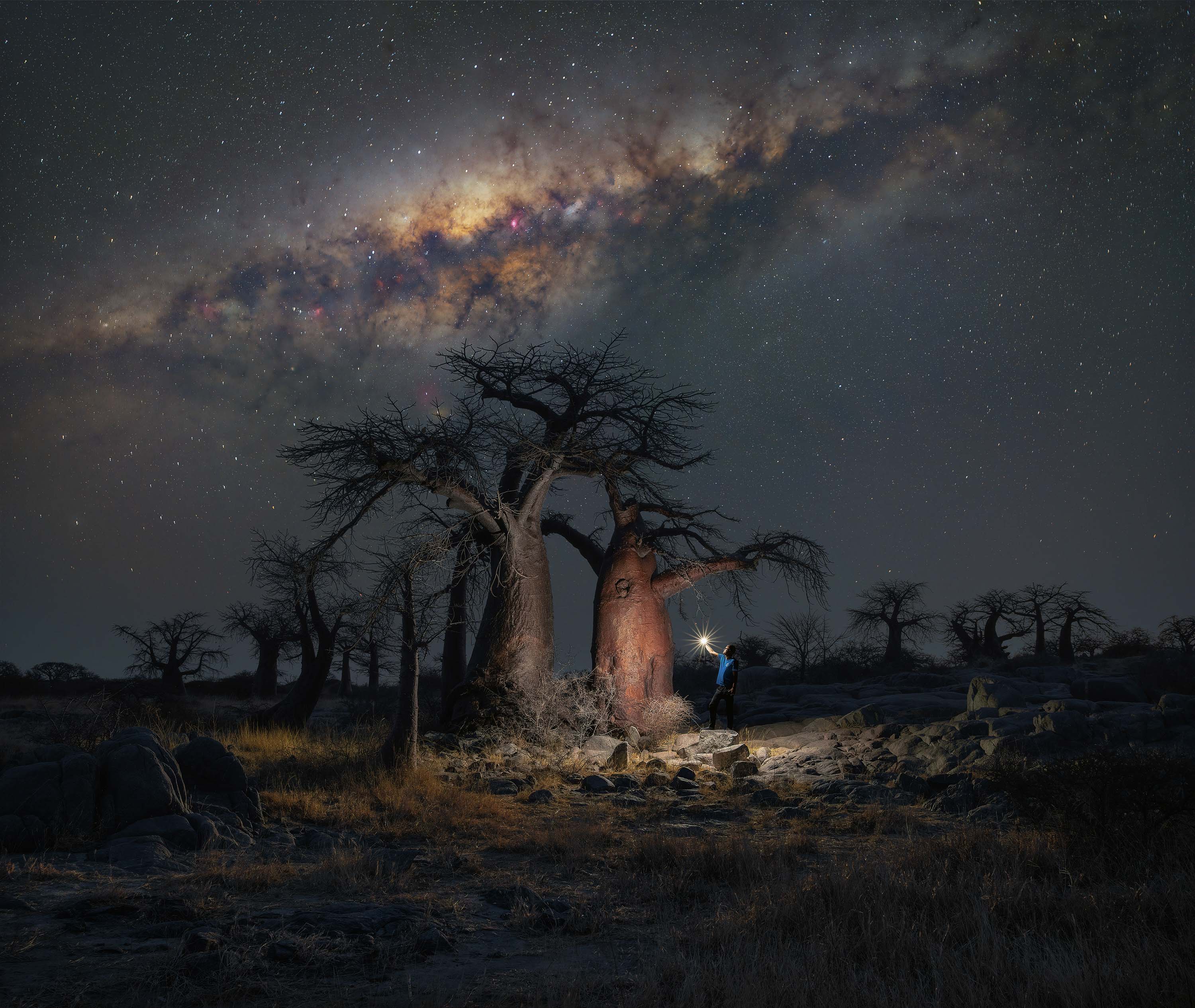
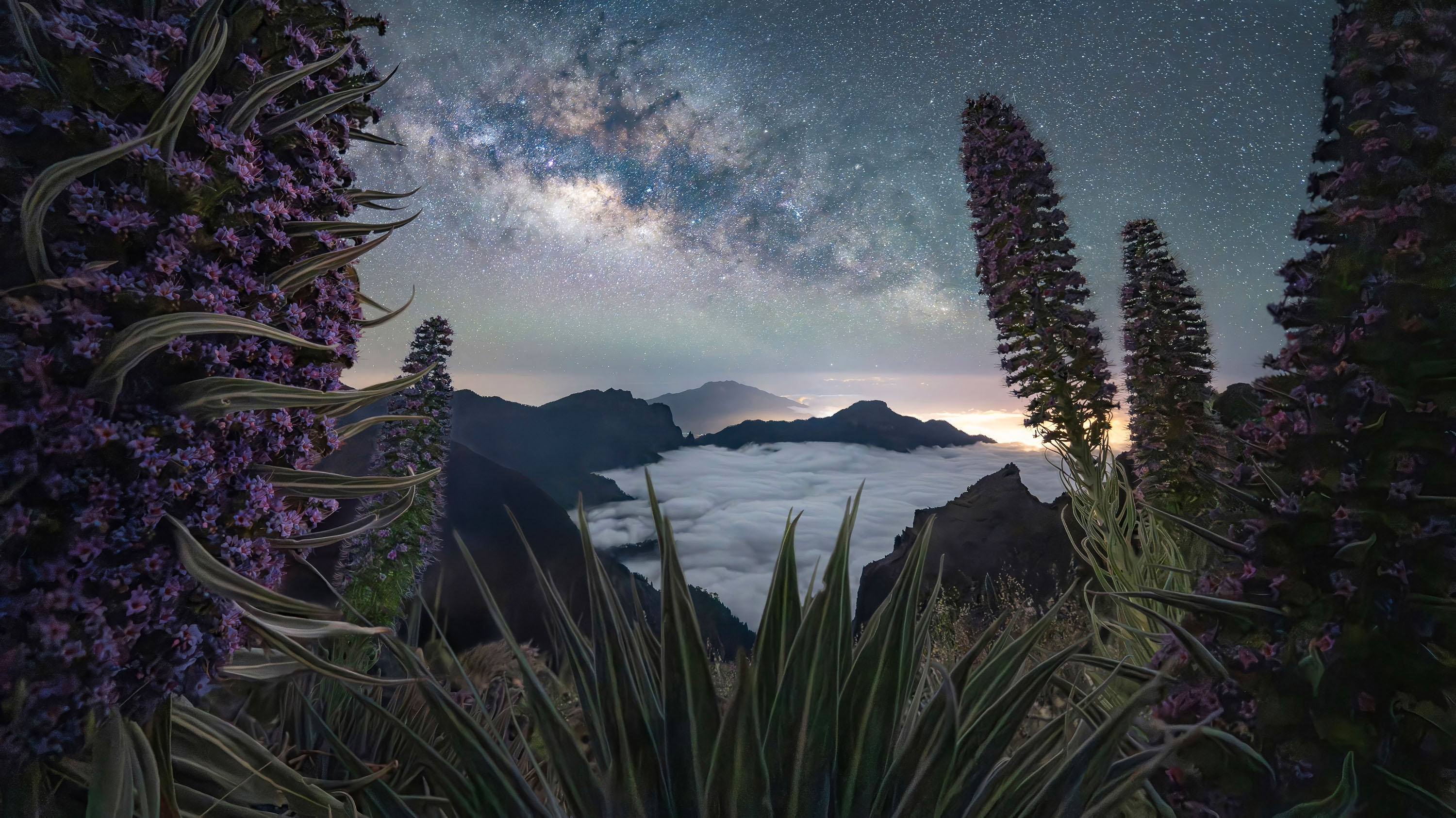
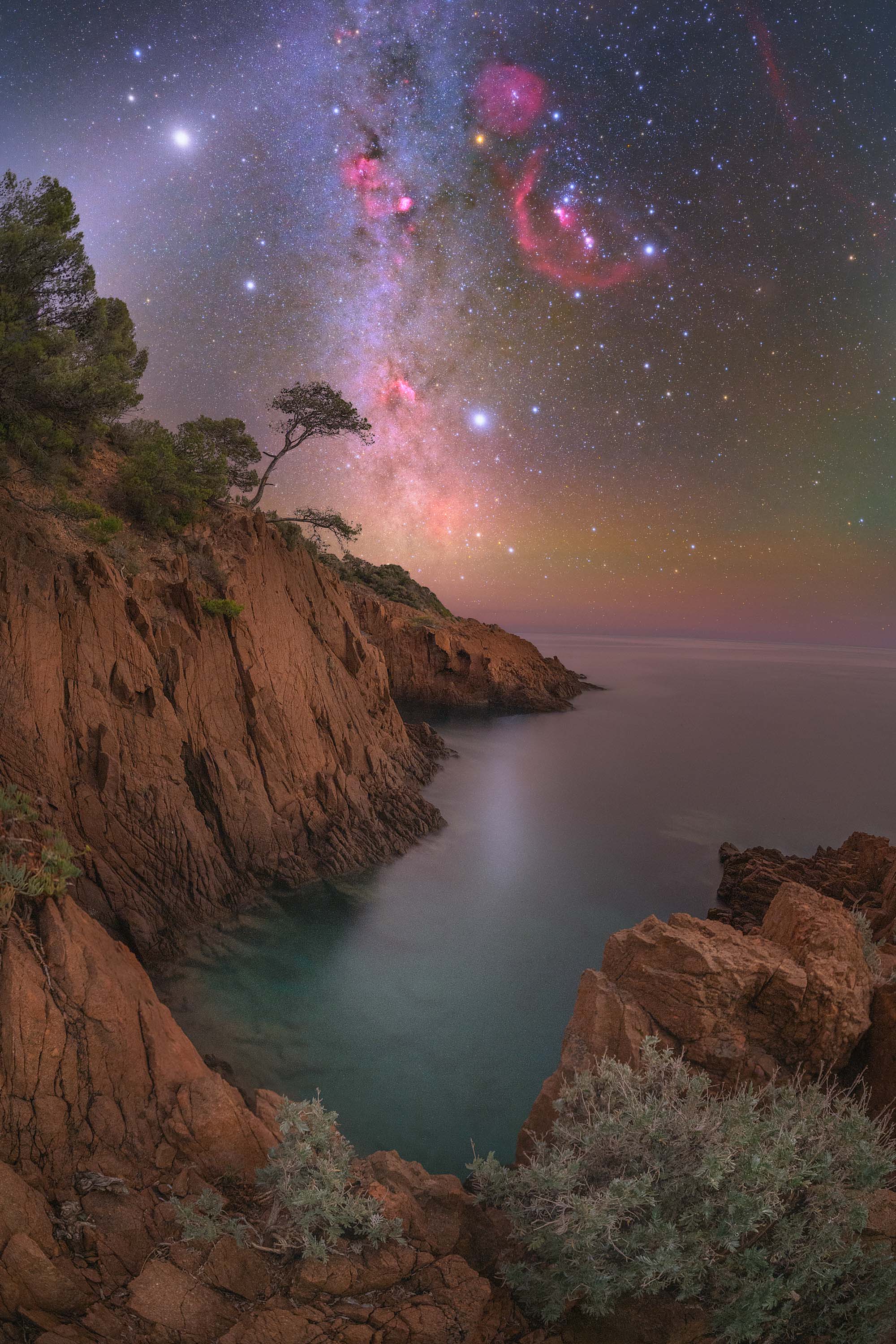
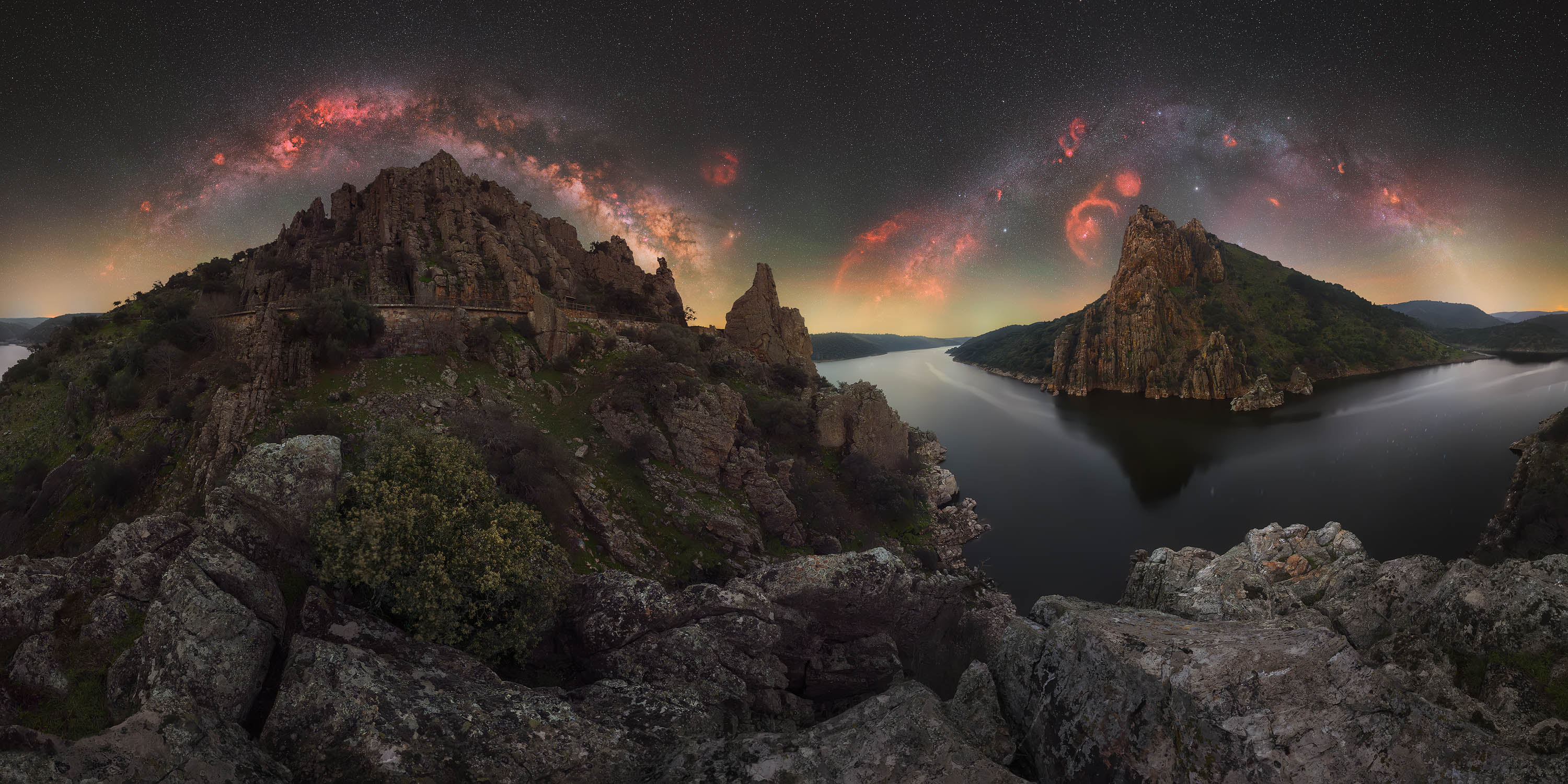
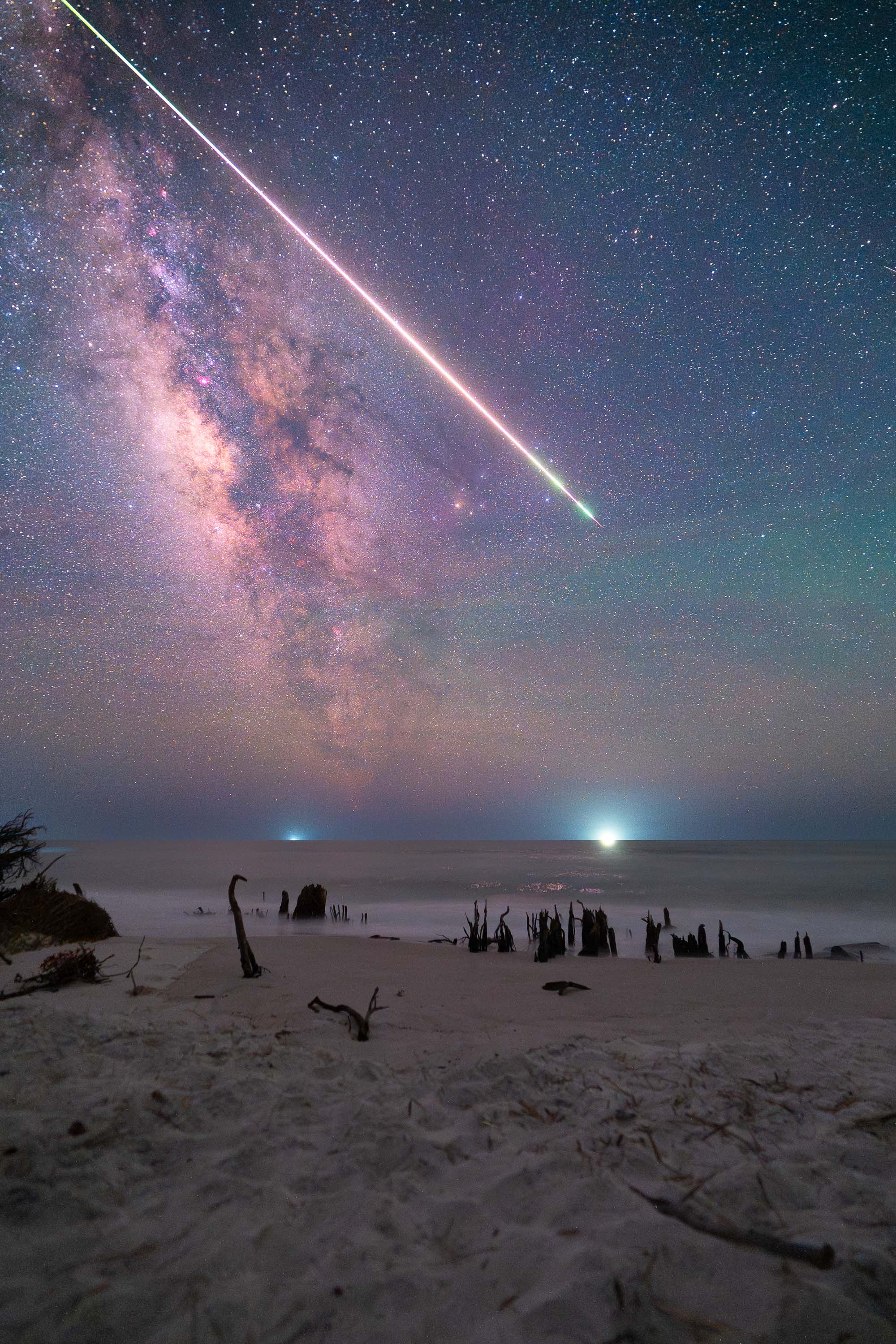
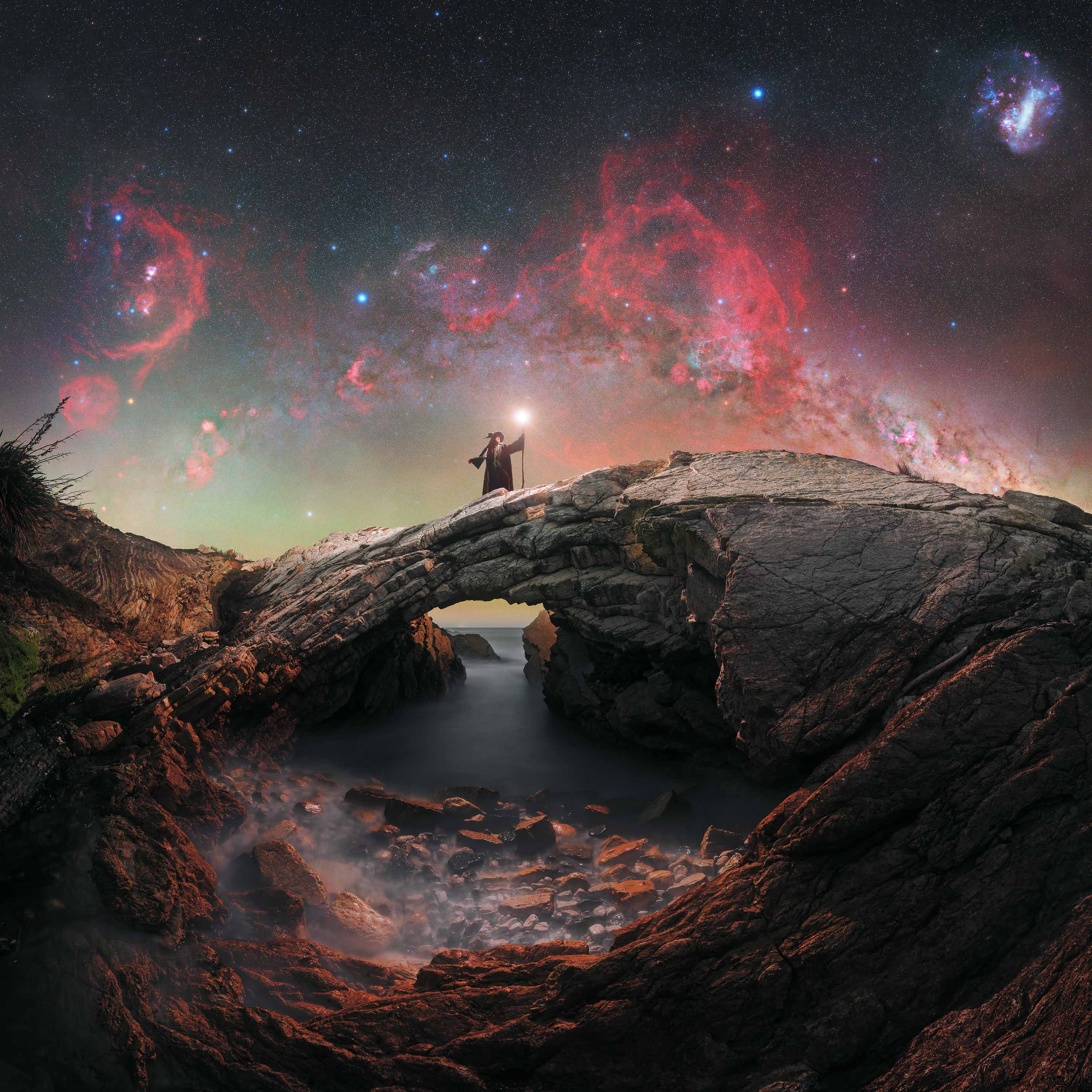
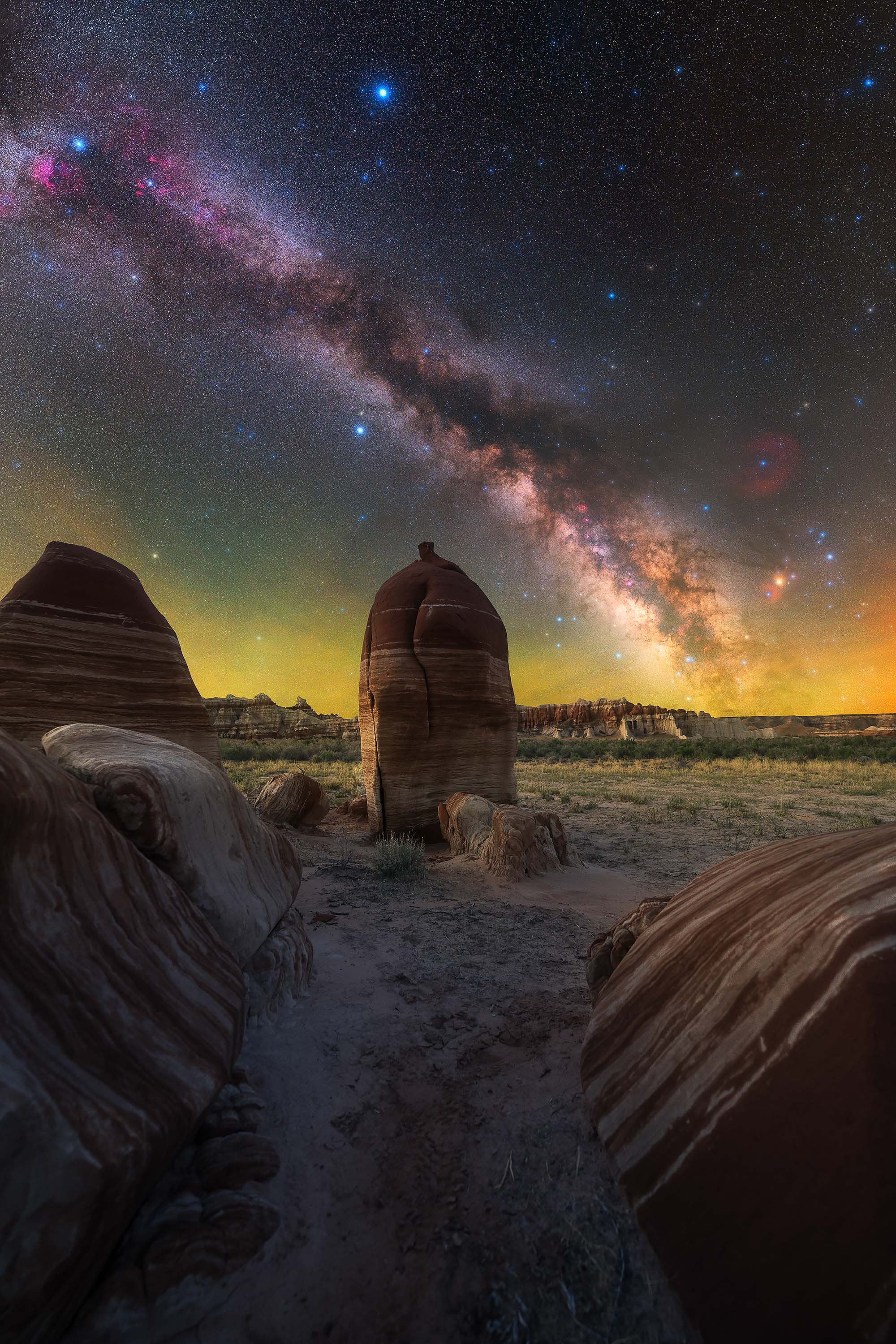
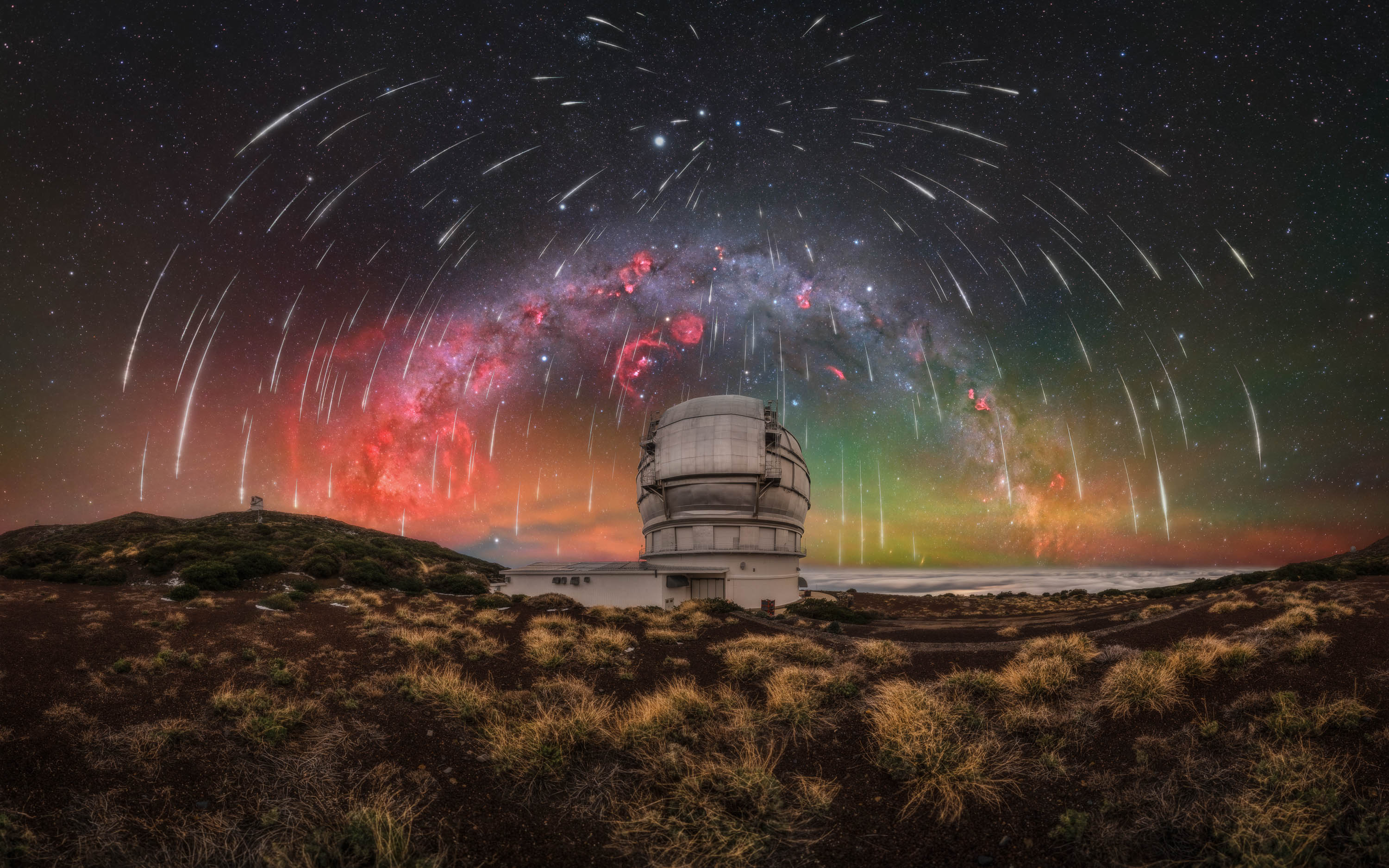
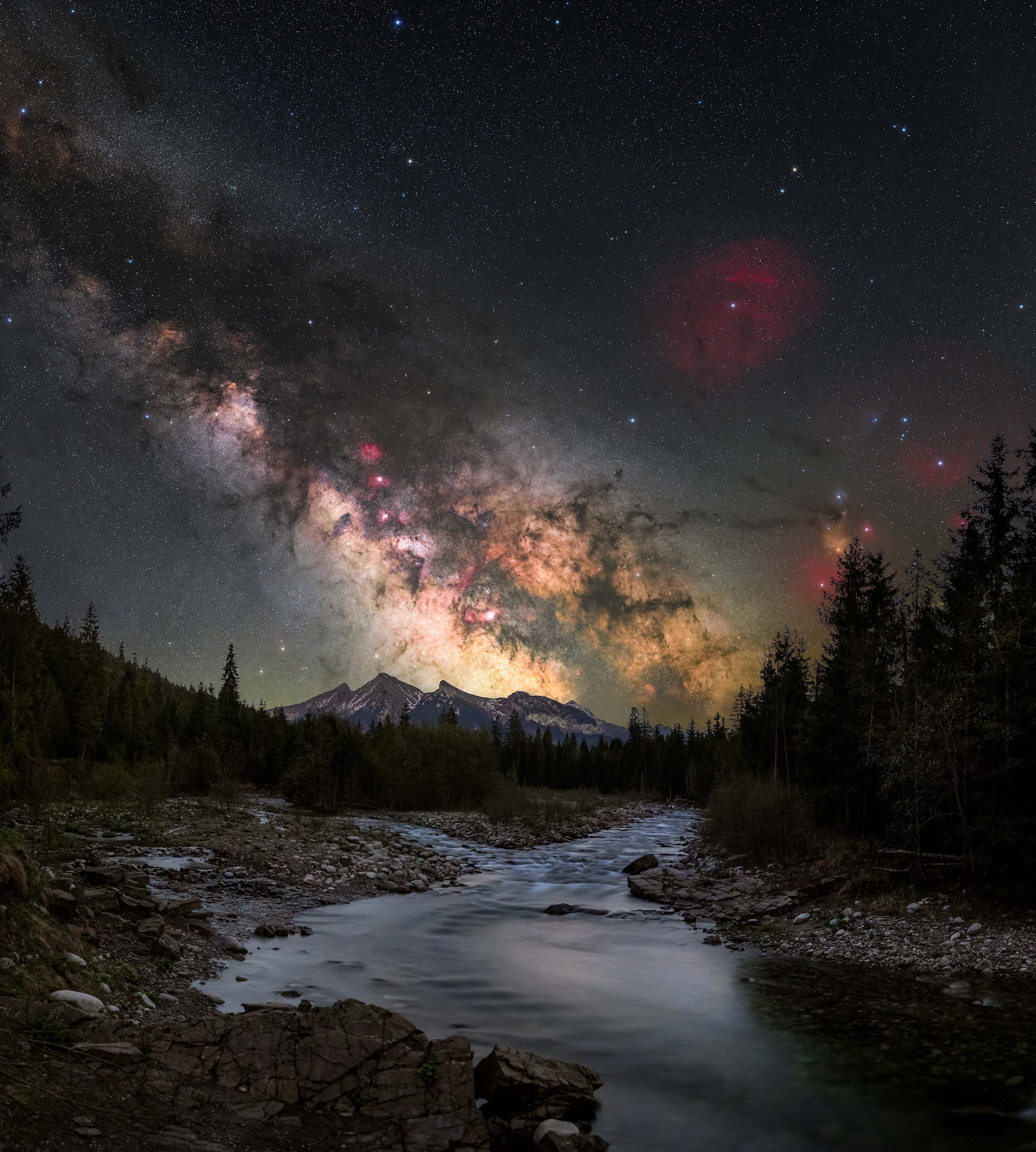
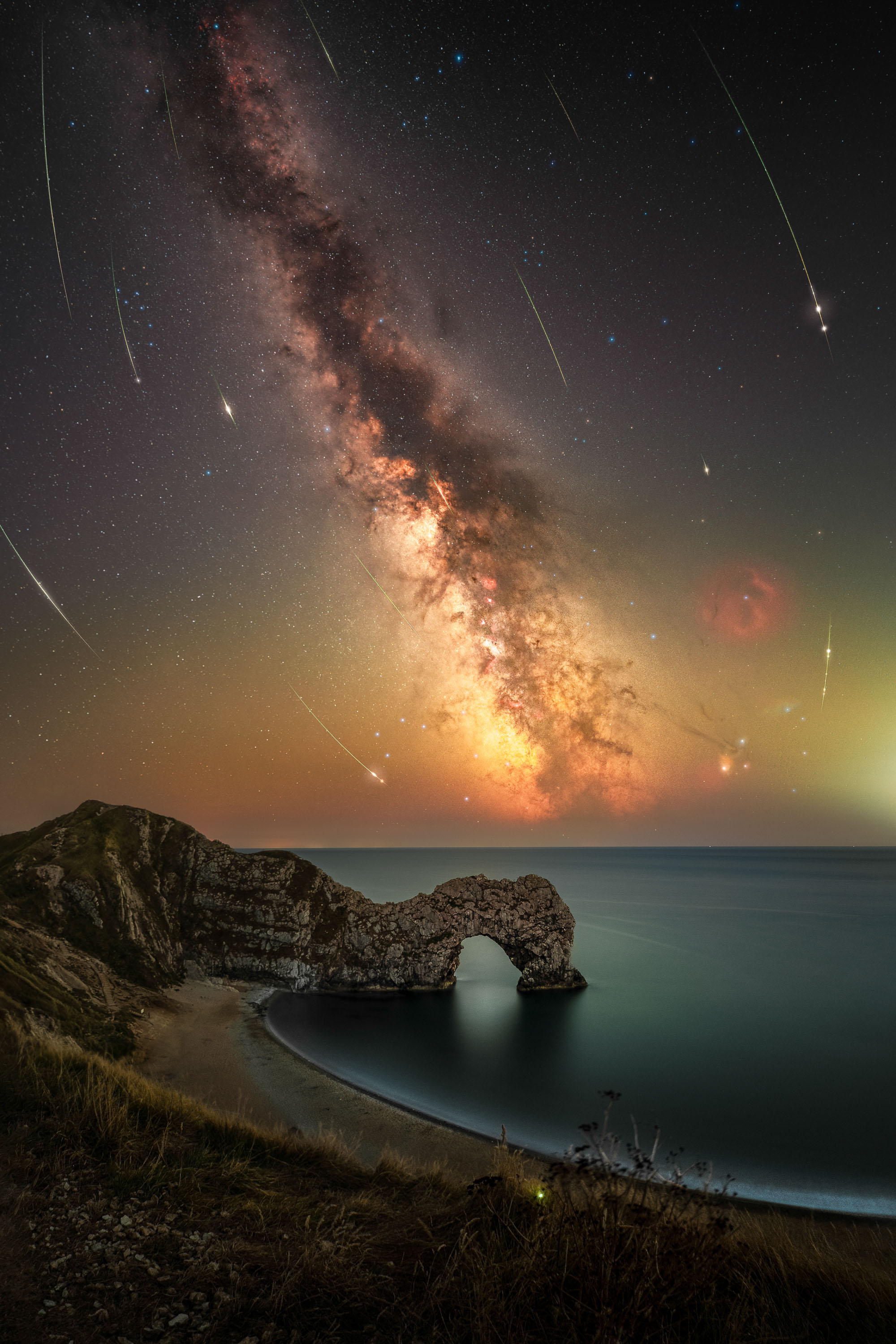
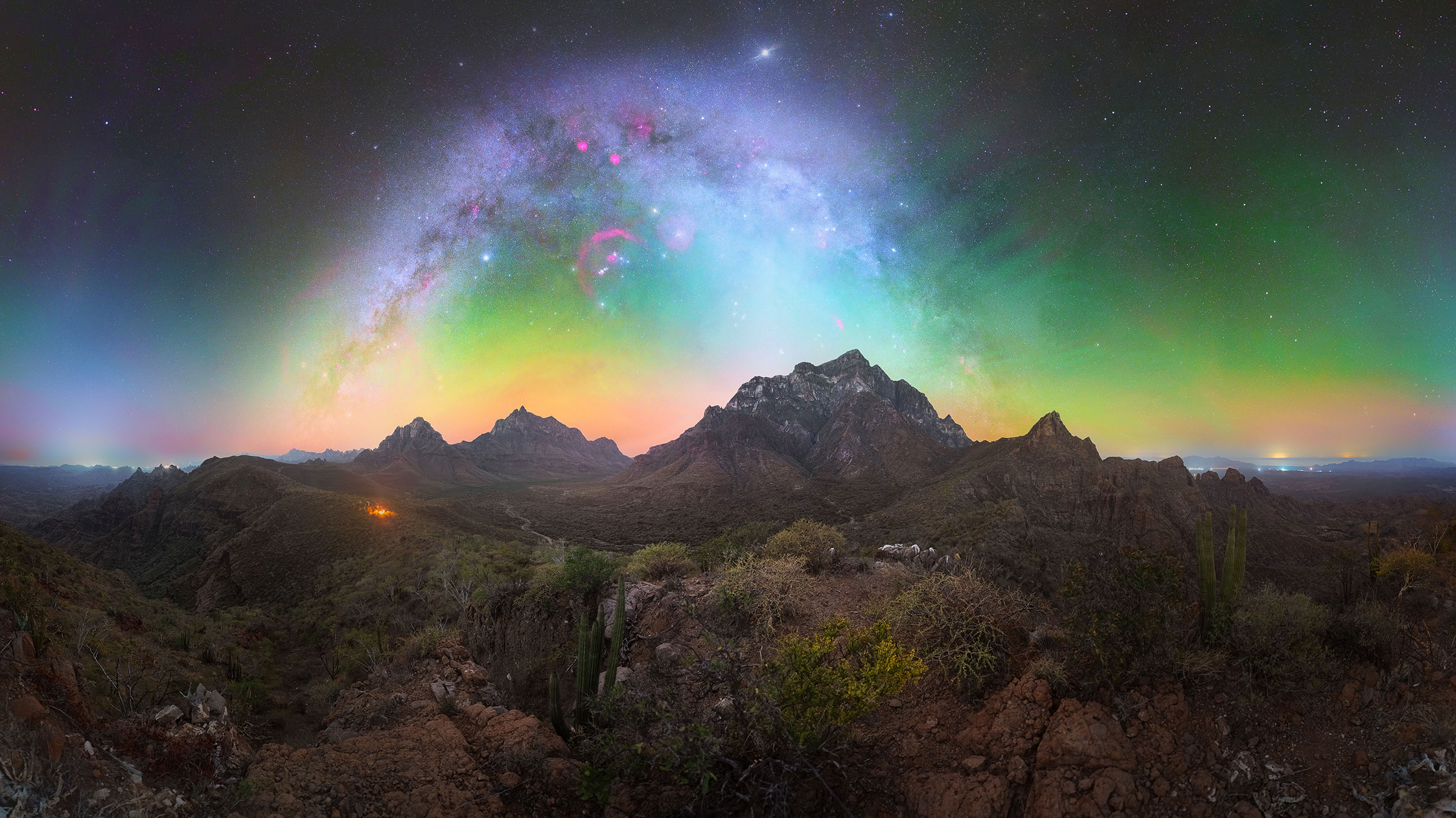
“Botswana Baobabs by Night” I spent ten days traveling through Botswana, living out of my car and moving through remote desert landscapes in complete isolation, focused entirely on photographing the night sky. This location became the highlight of the trip: a small, ancient island rising from the middle of a vast salt pan. Reaching it, however, was far from straightforward. After struggling to find the route and nearly giving up, I only managed to get there by chance, spotting two Jeeps heading in the opposite direction and deciding to turn around and follow them. After three intense hours navigating the terrain, I finally found myself driving across the open salt pan, leaving a trail of white dust behind. The island itself was covered with baobab trees, scattered in small groups or standing alone, each one offering a striking subject under the night sky. Many were naturally positioned beneath the Milky Way core early in the night, while others lent themselves to different compositions, including star trails. This particular group stood out to me the most. Alone in the darkness, I took my time shaping the scene, using a torch to carefully light-paint the foreground. The final image is a blend of one exposure for the landscape, eleven for the light painting, and a stack of four tracked exposures for the sky, combined to balance detail and atmosphere. Credit: Stefano Pellegrini / Milky Way Photographer of the Year 2026 Stefano Pellegrini“Caldera Galaxy Panorama” This panorama was captured at the highest point of the volcanic island of La Palma, a location defined by its unique terrain and exceptional night sky conditions. The lack of ambient light made the process more demanding, requiring extensive focus stacking to achieve sharpness across the entire scene, but it also provided ideal conditions for astrophotography. I chose to create a panoramic composition to include the blooming pink Tajinaste flowers, an endemic species of the island, using them to frame the full arc of the Milky Way’s core. The summit itself forms a vast crater, offering expansive views across the island, often rising above a layer of clouds. Although it was already early summer and nearing the end of the blooming season, I was fortunate to find a few flowers still in good condition and positioned perfectly for the composition I had envisioned. This image represents both careful planning and timing, and I’m especially pleased with the result and honored to have it selected for the Milky Way Photographer of the Year collection. Credit: Max Terwindt / Milky Way Photographer of the Year 2026 Max Terwindt“Celestial Light Over Sea Cliffs” The night sky takes on a distinctly different character during this time of year, especially with the arrival of the winter constellations. The tones feel cooler, the air sharper, and Orion rises prominently above the horizon, becoming the centerpiece of the scene. It’s a season that brings a quiet, almost meditative atmosphere to nightscape photography. This image was captured along the sea cliffs near my home in the south of France, a place where the coastline, the stars, and the surrounding silence come together in perfect balance. Having access to such diverse landscapes, from mountains to the sea, all within reach of dark skies, makes moments like this not only possible, but deeply rewarding. Credit: Anthony Lopez / Milky Way Photographer of the Year 2026 Anthony Lopez“Divinity” Capturing a setting Milky Way core from this beach had been on my list for a long time, with the starfish-covered reef offering a distinctive and compelling foreground. It’s a notoriously difficult scene to photograph, as access to the reef is only possible during the lowest tides, while the sky must also cooperate with favorable moon and cloud conditions. During my short visit, everything unexpectedly aligned. At first, the conditions seemed uncertain due to strong winds, but I decided to attempt the shot with some company for safety. After assessing the reef, I carefully made my way onto it while others kept watch to ensure I remained safe. The terrain is hazardous, with gaps between the rocks posing a real risk, and the rapidly rising tide added constant pressure throughout the shoot. Despite these challenges, I was able to capture the necessary frames, returning to shore just in time. Due to the changing tide, the upper rows of the sky panorama were photographed from the beach, while the lowest row was captured from the reef to maintain proper alignment and perspective in the final composition. Credit: Kavan Chay / Milky Way Photographer of the Year 2026 Kavan Chay“Double Milky Way over Monfrague National Park” I am always drawn to traveling to remarkable natural landscapes to capture their essence through night photography. This image, which represented a significant challenge for me, was taken in Monfragüe National Park during one of the few nights of the year when both the winter and summer Milky Way can be seen in the same sky. The scene does not appear this way to the naked eye. It is a composite that captures the transition of the Milky Way over several hours, combining the winter Milky Way visible after dusk with the summer Milky Way rising before dawn. The following morning, I was able to return to this location with my family, who had accompanied me in the search for this long-envisioned image. Those shared moments, along with the effort behind the capture, make this photograph especially meaningful to me. Credit: Luis Cajete / Milky Way Photographer of the Year 2026 Luis Cajete“Fireball in Paradise” This single-exposure image became a reminder to always expect the unexpected in astrophotography. I had not even planned to visit this beach, as the forecast called for clouds and rain throughout the night. The capture was part of a larger day-to-night time-lapse that I began shooting at golden hour, working through biting insects and the intense tropical humidity of Florida. After setting up the sequence, I left the camera running and returned to my vehicle. Several hours later, shortly after midnight, I noticed the ground around me suddenly illuminated by a green glow, prompting me to look up. What followed was the largest meteor I have ever witnessed. It moved slowly across the Milky Way for nearly five seconds, and the glowing trail left behind by the fireball remained visible for almost fifteen minutes. It was one of the most memorable moments I have experienced in astrophotography, completely unplanned and impossible to anticipate. Credit: Jason Rice / Milky Way Photographer of the Year 2026 Jason Rice“Galactic Gandalf” When I first discovered this location, I immediately envisioned creating something special beneath the night sky. However, upon arriving after dark, I found that a seal had settled exactly where I had planned to set up my tripod. It showed little interest in moving, and judging by how worn and polished the rock was, it was clearly one of its preferred resting spots. Eventually, the seal shifted slightly to the side, remaining within the scene for the duration of the shoot. It can still be seen in the final image for those who look closely, adding an unexpected and memorable element to the composition. Given the complexity of the scene, I knew the final image would require a significant amount of work. Over the following weeks, starting in November, I returned whenever possible to collect the necessary data for this panorama, carefully building the image piece by piece under the night sky. Credit: Evan McKay / Milky Way Photographer of the Year 2026 Evan McKay“Galactic Spine” I am drawn to Milky Way photography because of its ability to spark curiosity. It offers a perspective that feels entirely different from other forms of photography, often revealing a world that many people have never experienced. With my images, my goal is to inspire that same sense of curiosity, encouraging others to imagine what it feels like to stand beneath a sky like this and witness it with their own eyes. That sense of wonder is what first drew me to the Milky Way, and it continues to shape the way I approach each image. Credit: Andrew Imhoff / Milky Way Photographer of the Year 2026 Andrew Imhoff“Galaxy on the Rise” I’m always drawn to locations that feel unique and relatively undiscovered, and this cave was a perfect example. Although it was only a few minutes from the parking area, it took me nearly four hours of scouting to finally locate it. The conditions made the process even more demanding. Intense heat combined with powerful winds made movement difficult, at times pushing me against sharp rocks. After nearly giving up and heading back, I finally came across the cave, a moment that made the entire search worthwhile. Capturing the image proved just as challenging. Composing and shooting the panoramic foreground required careful positioning, while properly illuminating the upper section of the cave was particularly difficult. To manage this, I used focus stacking across different planes, including the upper edge, the horizon, and the lower foreground, all in near-total darkness, where the brief blue hour offered little assistance. With the Milky Way sitting low on the horizon, bringing out its color and detail required additional effort in both capture and processing. In the end, the result reflects not only the scene itself, but also the persistence and experience behind it, making it especially meaningful. Credit: Anastasia Gulova / Milky Way Photographer of the Year 2026 Anastasia Gulova“Geminid Symphony Over La Palma Guardian of the Sky” This winter Milky Way panorama captures a sky filled with Geminid meteors above the Gran Telescopio Canarias, the largest optical telescope in the world. My first trip to La Palma was an intense and unpredictable experience, from storms and summit snowfall to strong winds, rain, and brief windows of clear skies. For the first three nights, we were confined to the southern part of the island, as the road to the Roque de los Muchachos Observatory remained closed, forcing us to search for clear conditions elsewhere. Reaching the summit seemed increasingly unlikely, until the fourth day, when the road finally reopened. We immediately made our way up, filled with anticipation. After scouting compositions and preparing for the night, clouds once again moved in, putting everything at risk. Rather than giving up, we waited, constantly checking the sky for any sign of improvement. Around midnight, the first stars began to appear, and we quickly headed to the Gran Telescopio Canarias. Above us, the sky opened into a field of stars, while a layer of clouds remained below, creating a striking contrast with the illuminated structure of the telescope. Although the dome could not be opened due to humidity, the experience of witnessing such dark skies for the first time was remarkable, with the Milky Way appearing almost three-dimensional. This was also my first successful capture of the Gum Nebula, adding a unique element to the composition. The final image is the result of an extensive post-processing workflow, combining meteor data registered using Auriga RegiStar from six cameras over five nights on La Palma. All RGB frames were captured using the Capture the Night Astro filter by Capture the Atlas. The final resolution reaches approximately 400 megapixels. This image reflects not only the complexity of the process, but also the experience behind it. Each time I revisit it, it brings me back to that unforgettable time on La Palma. Credit: Uroš Fink / Milky Way Photographer of the Year 2026 Uroš Fink“Lost in the ripples of space and time” There’s something uniquely powerful about a calm, windless night in the Pinnacles Desert, a place that never fails to remind me how fortunate we are to have such pristine dark skies so close to home, just a short drive away. As the sun sets beyond the Indian Ocean, a profound stillness settles over Nambung, transforming the landscape into an almost otherworldly scene and drawing me back here time and time again. In this composition, the main limestone pillar aligns almost perfectly with the South Celestial Pole, anchoring the image beneath the rotating sky. To the right, the faint but unmistakable red glow of the Gum Nebula, a vast supernova remnant, adds depth and scale to the scene. Western Australia offers some of the finest night skies in the world, yet it’s easy to take them for granted. Nights like this serve as a reminder of just how special these quiet, remote corners of the Wheatbelt truly are. Credit: Leonel Padrón / Milky Way Photographer of the Year 2026 Leonel Padrón“Milky Way over Tatra mountains” Taking advantage of the April new moon, I set out to capture my first Milky Way image of 2025. With promising conditions forecast across southern Poland, I returned to the Tatra Mountains, a region I often revisit with my camera, this time exploring the Białka Gorge in Jurgów, a location I had not photographed before. From this vantage point, the Milky Way rises above the Tatras, which in early spring still carry the lingering traces of winter. What drew me most to this scene was the contrast between the dark, rugged landscape and the richness of the sky. The galactic core emerges just above the mountain horizon, accompanied by the subtle colors of the dust and nebulae within the Rho Ophiuchi region. In the foreground, the river creates a natural leading line, guiding the eye from the earth toward the mountains and into the night sky, visually connecting the terrestrial and the cosmic. Beyond the final image, astrophotography is equally about the experience in the field, often shared with others who are drawn to the same conditions and moments, united by a common appreciation for the night sky. Credit: Lukasz Remkowicz / Milky Way Photographer of the Year 2026 Łukasz Remkowicz“My perfect night” Reaching this location required traveling deep into the Argentine Puna, a remote region accessible only by 4×4 vehicles along rough dirt tracks, far from any source of light pollution. The nearest settlement was Antofalla, a small village of around 60 inhabitants, where electricity is generated locally and turned off at night. Beyond that, the closest towns are several hours away, surrounded by vast and isolated landscapes. Situated between 3,500 and 4,000 meters above sea level, the altitude and remoteness make this an exceptional environment for night sky photography. What made this place particularly compelling was its rarity. I had never seen photographs of this salt flat before, and its untouched character and minimalist landscape immediately stood out. Photographing the Milky Way in the southern hemisphere brought both challenges and excitement, as its appearance differs significantly from what I was used to in the north. In this moment, the galactic center sits to the left side of the arch, while the Gum Nebula appears on the right, creating a natural visual balance across the sky. Credit: Daniel Viñe Garcia / Milky Way Photographer of the Year 2026 Daniel Viñé Garcia“Perseid Meteors over Durdle Door” “Ancient fireworks” from Comet Swift-Tuttle hurtled through the atmosphere to document this ultra-wide angle composite image above the natural limestone arch of Durdle Door. In the foreground, a singular glow worm was documented amongst reeds along the sea cliff edge. As the subject of Astrophotography grows by demand, beauty hotspots and World Heritage Sites including Durdle Door, are getting busy. With good reason that is why as Astrophotographers, we need to set an example in protecting beauty hotspots and local ecology. Through practice of utilising red head torches and adhering to access-restricted areas of UNESCO World Heritage sites. Credit: Josh Dury / Milky Way Photographer of the Year 2026 Josh Dury“The Milky Way over a field of Lupines” This image captures the Milky Way rising above a blooming field of lupines in New Zealand during November, when spring wildflowers transform the landscape beneath the night sky. Using a fisheye perspective, the flowers encircle the scene, forming a natural frame that draws the viewer into the celestial sphere above. Credit: Alvin Wu / Milky Way Photographer of the Year 2026 Alvin Wu“Standing on the shoulders of Giants” This photograph was captured in the heart of the Sierra La Giganta, in Baja California Sur, following a two-day expedition from the small village of San Juan Londo. The final approach required an ascent of more than 800 meters by mule along a long-forgotten section of the historic Camino Real, once used by vaqueros and their donkeys to transport goods between remote settlements. This path has remained largely untouched for nearly 80 years. The image forms part of an ongoing project focused on documenting and promoting the exceptional dark skies of Baja California Sur for astrotourism. These conditions meet the standards of true Dark Sky Sanctuaries, offering some of the purest night skies in the region. On the right side of the frame, the faint glow belongs to the distant city of Loreto, the first capital of the Californias, located approximately 30 kilometers to the south. We were accompanied by Señor Juan, our guide, whose father first brought him to this hidden location over 65 years ago. Together, we aim to preserve the memory of these historic routes, ancient paths that have been gradually reclaimed by nature over time. This photograph reflects not only the pursuit of pristine dark skies, but also a deeper process of exploration and rediscovery. It brings together the search for untouched landscapes with the recovery of a cultural and historical legacy, helping to position Baja California Sur as a world-class destination for night sky photography while honoring the stories embedded in its terrain. Milky Way photography goes beyond capturing the stars. It becomes a way to explore remote environments, challenge physical limits, and reconnect with both nature and history. If this image encourages others to look beyond established paths in search of truly dark skies, then it has fulfilled its purpose. Credit: Ignacio Pelaez / Milky Way Photographer of the Year 2026 Nacho Peláez“Valle de la luna” This photograph was captured in the heart of the Sierra La Giganta, in Baja California Sur, following a two-day expedition from the small village of San Juan Londo. The final approach required an ascent of more than 800 meters by mule along a long-forgotten section of the historic Camino Real, once used by vaqueros and their donkeys to transport goods between remote settlements. This path has remained largely untouched for nearly 80 years. The image forms part of an ongoing project focused on documenting and promoting the exceptional dark skies of Baja California Sur for astrotourism. These conditions meet the standards of true Dark Sky Sanctuaries, offering some of the purest night skies in the region. On the right side of the frame, the faint glow belongs to the distant city of Loreto, the first capital of the Californias, located approximately 30 kilometers to the south. We were accompanied by Señor Juan, our guide, whose father first brought him to this hidden location over 65 years ago. Together, we aim to preserve the memory of these historic routes, ancient paths that have been gradually reclaimed by nature over time. This photograph reflects not only the pursuit of pristine dark skies, but also a deeper process of exploration and rediscovery. It brings together the search for untouched landscapes with the recovery of a cultural and historical legacy, helping to position Baja California Sur as a world-class destination for night sky photography while honoring the stories embedded in its terrain. Milky Way photography goes beyond capturing the stars. It becomes a way to explore remote environments, challenge physical limits, and reconnect with both nature and history. If this image encourages others to look beyond established paths in search of truly dark skies, then it has fulfilled its purpose. Credit: Gonzalo Santile / Milky Way Photographer of the Year 2026 Gonzalo Javier Santile
High above Big Bear Lake in southern California, a pair of eaglets’ eyesight is coming into focus. Sandy and Luna, the 2026 chicks of internet-famous bald eagles Jackie and Shadow, now boast vision abilities nearly equal to that of adult birds.
According the Friends of Big Bear Valley (FOBBV), the non-profit organization responsible for the 24/7 live cam, the bald eagle chicks can now track objects like squirrels and airplanes in the distance. Viewers can spot Sandy and Luna bobbing their heads as they watch things move. “This ‘bobbing’ helps them calculate the exact distance and speed of moving objects,” FOBBV explains.
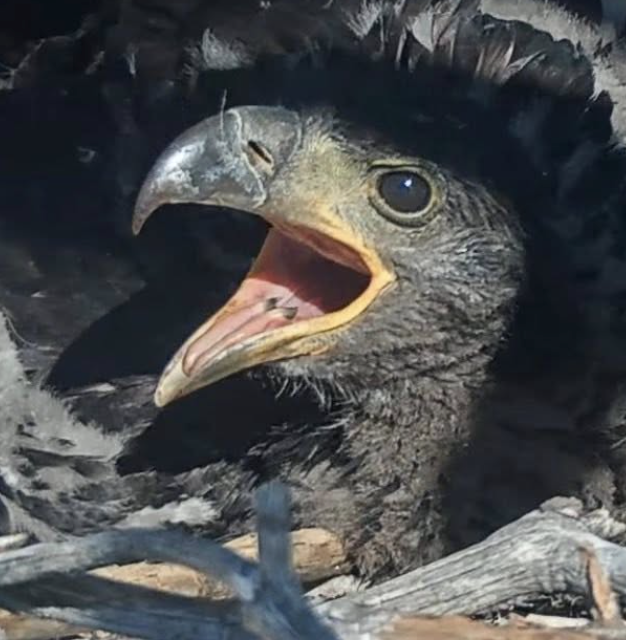
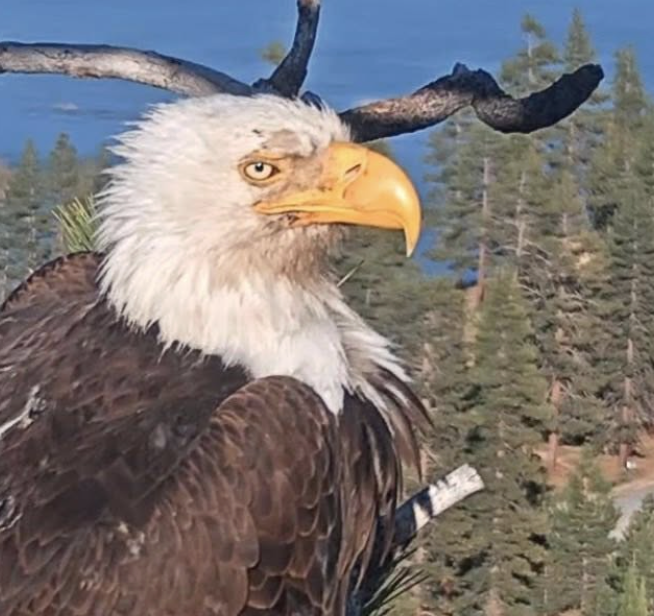
This vision maturation typically occurs around 35 days old. The physical changes to their eyes take a bit longer—about five years. You’ll notice that Sandy and Luna have black-looking eyes while their parents’ eyes appear as a lighter, creamy yellow. The eyes lighten as they age, evolving from extremely dark brown to a lighter brown to a creamy brown to yellow.
A lot will change for Sandy and Luna. Images: FOBBV
Maturing eyesight isn’t the only physical change the chicks have undergone. At around 35 days old, eaglets’ leg bones also harden. So while their feet remain comically large, their leg bones have reached their full length, allowing Sandy and Luna to walk around the nest with more confidence in their steps.
It’s been another roller coaster nesting season for Jackie and Shadow, a pair of internet-famous bald eagle parents living in San Bernardino National Forest in Southern California. After two of their eggs were destroyed by ravens in January, Jackie and Shadow laid two new eggs that have successfully hatched.
Chick 1 hatched on April 4 at 9:33 p.m. PDT, while Chick 2 followed on April 5 at 8:30 a.m. Their large nest in Big Bear Valley east of Los Angeles is livestreamed 24 hours a day by nonprofit Friends of Big Bear Valley (FOBBV) and has captivated millions.
On May 1, FOBBV announced the chicks’ names: Sandy and Luna.
Before leaving the nest, the chicks face threats from other birds of prey, including hawks, ravens, other eagles, and owls. Inclement weather can also present challenges for the chicks. In 2025, a March snowstorm resulted in the death of one of Jackie and Shadow’s three chicks.
During fledging, only 70 percent of eaglets survive. One of the greatest threats is from cars that can injure or kill the birds while they scavenge for food on roadkill.
Who are Jackie and Shadow?
The pair first got together in 2018 and successfully raised chicks in 2019 and 2022. However, their eggs failed to hatch in 2023 and 2024. Only 50 percent of eagle eggs successfully hatch, so this pair has already beaten the odds.
What happened to Jackie and Shadow’s 2025 eaglets?
In 2025, Jackie laid three eggs that all hatched in early March. On March 13, a strong snowstorm dumped up to two feet of snow and battered the nest with strong winds. Only two of the chicks were visible on the live cam when the storm passed by the next morning. FOBBV later confirmed the passing of one of the chicks. The two surviving chicks were later named Sunny and Gizmo after 54,000 names were submitted by fans.
What happens after chicks fledge?
Young eagles usually fledge–or leave the nest and fly–when they can flatten their wings and have feathers capable of flight. This typically occurs when the birds hit 10 to 14 weeks of age. Males also tend to take their first flight a little sooner than females.
According to FOBBV, fledglings from Southern California have been spotted as far south as Baja California, as far north as British Columbia, and as far east as Yellowstone National Park.
About 70 percent of bald eagles survive the fledgling stage. FOBBV does not tag their eagles, so it’s not possible to follow the chicks’ journeys after they flee the nest.
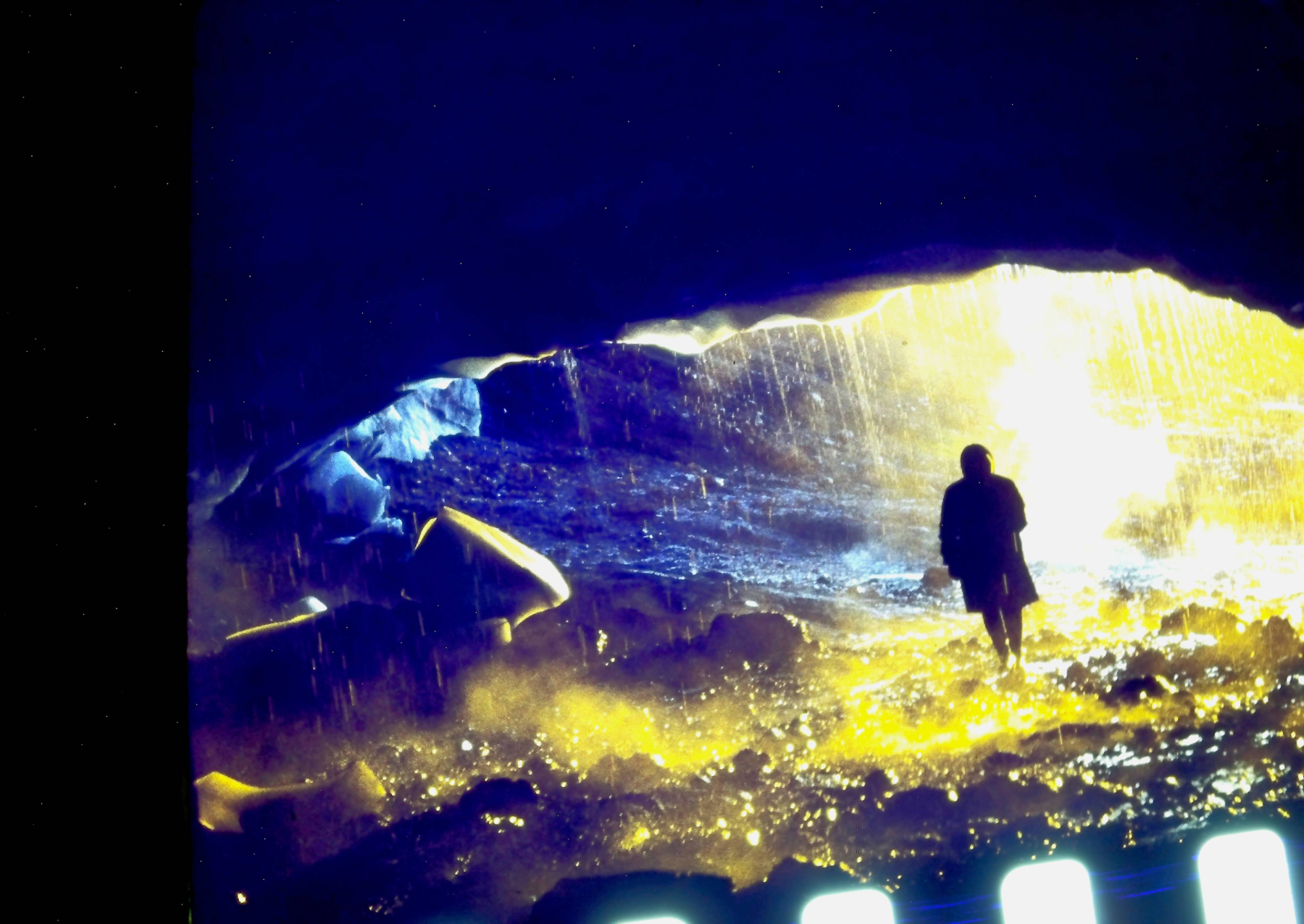
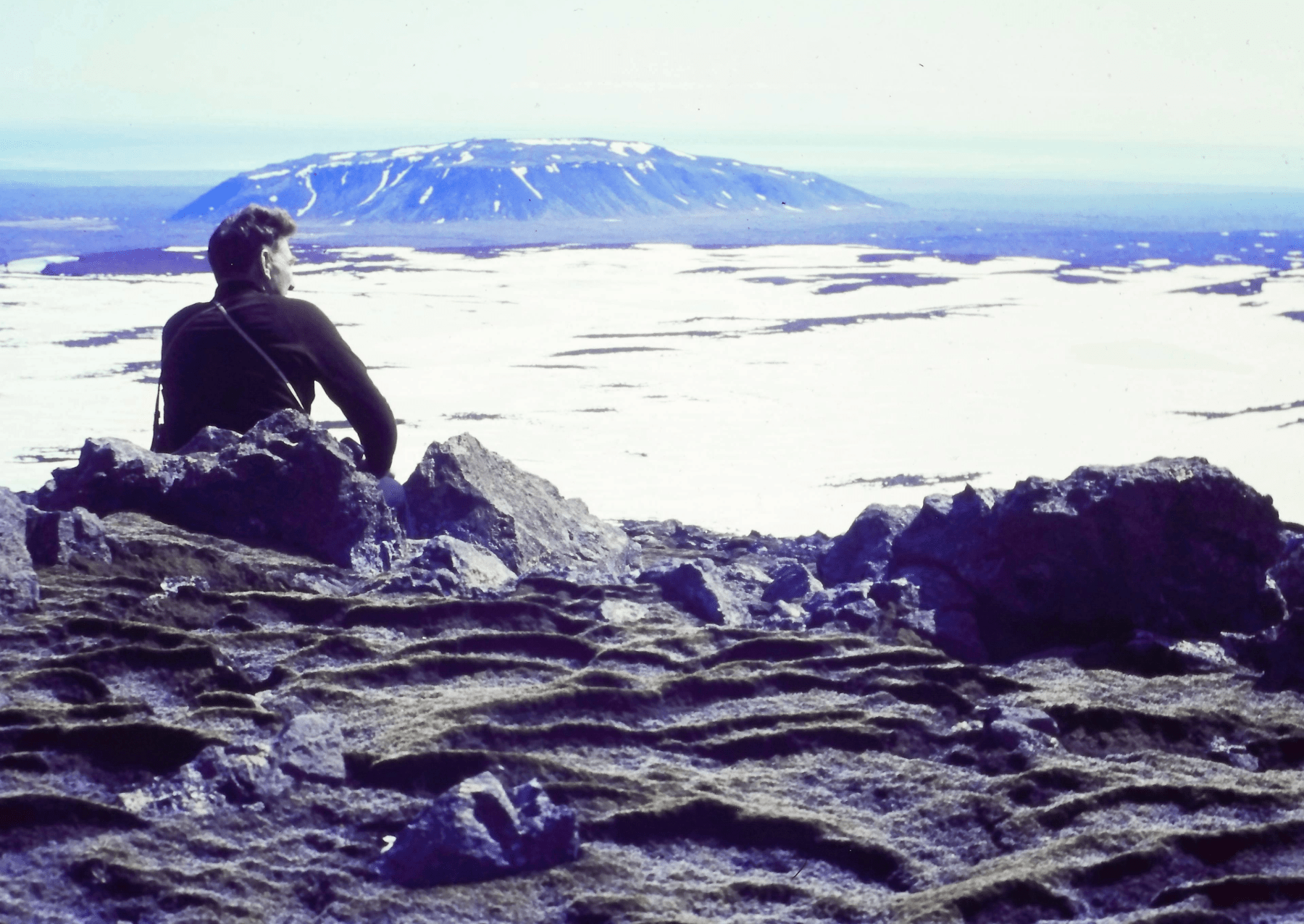
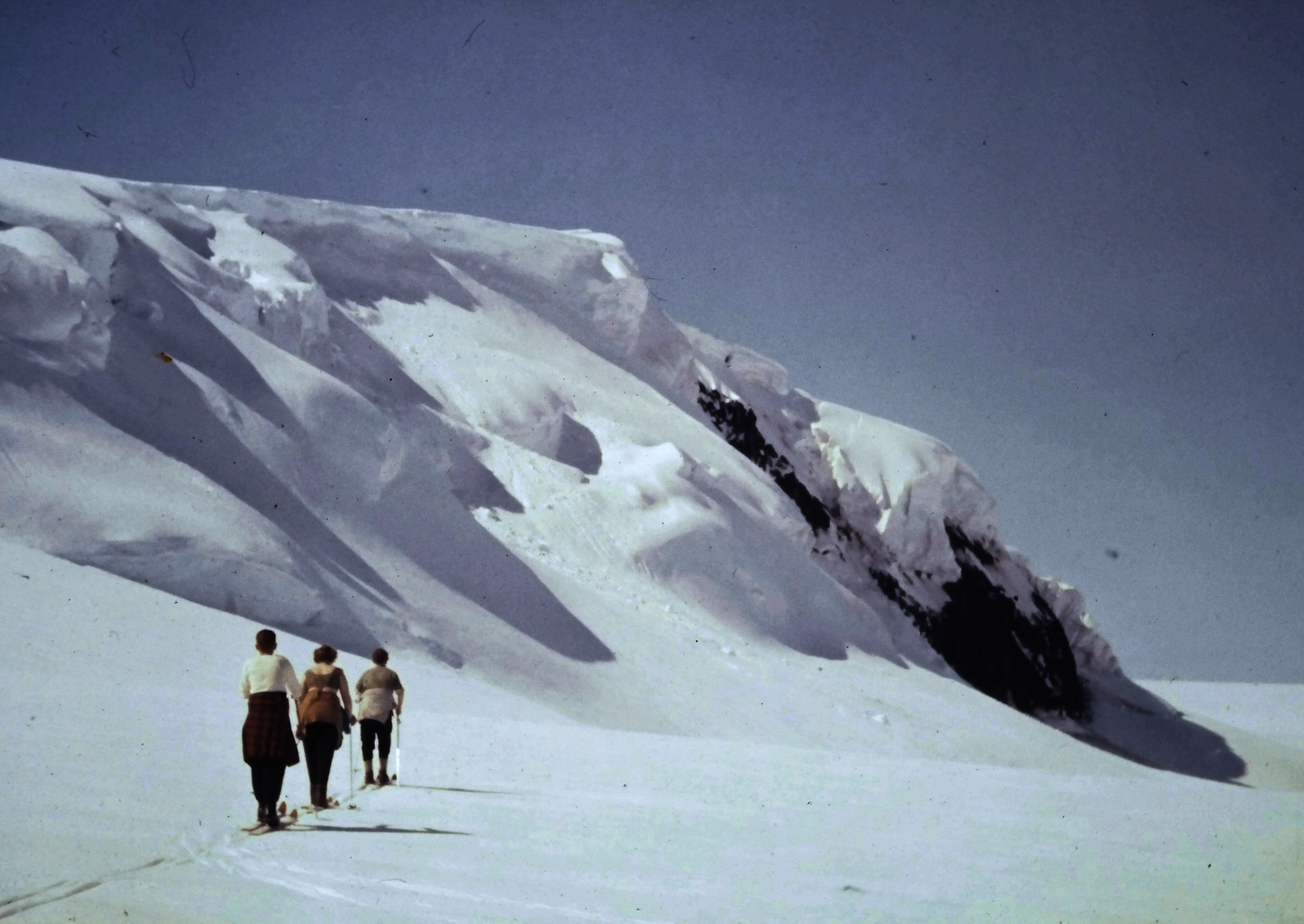
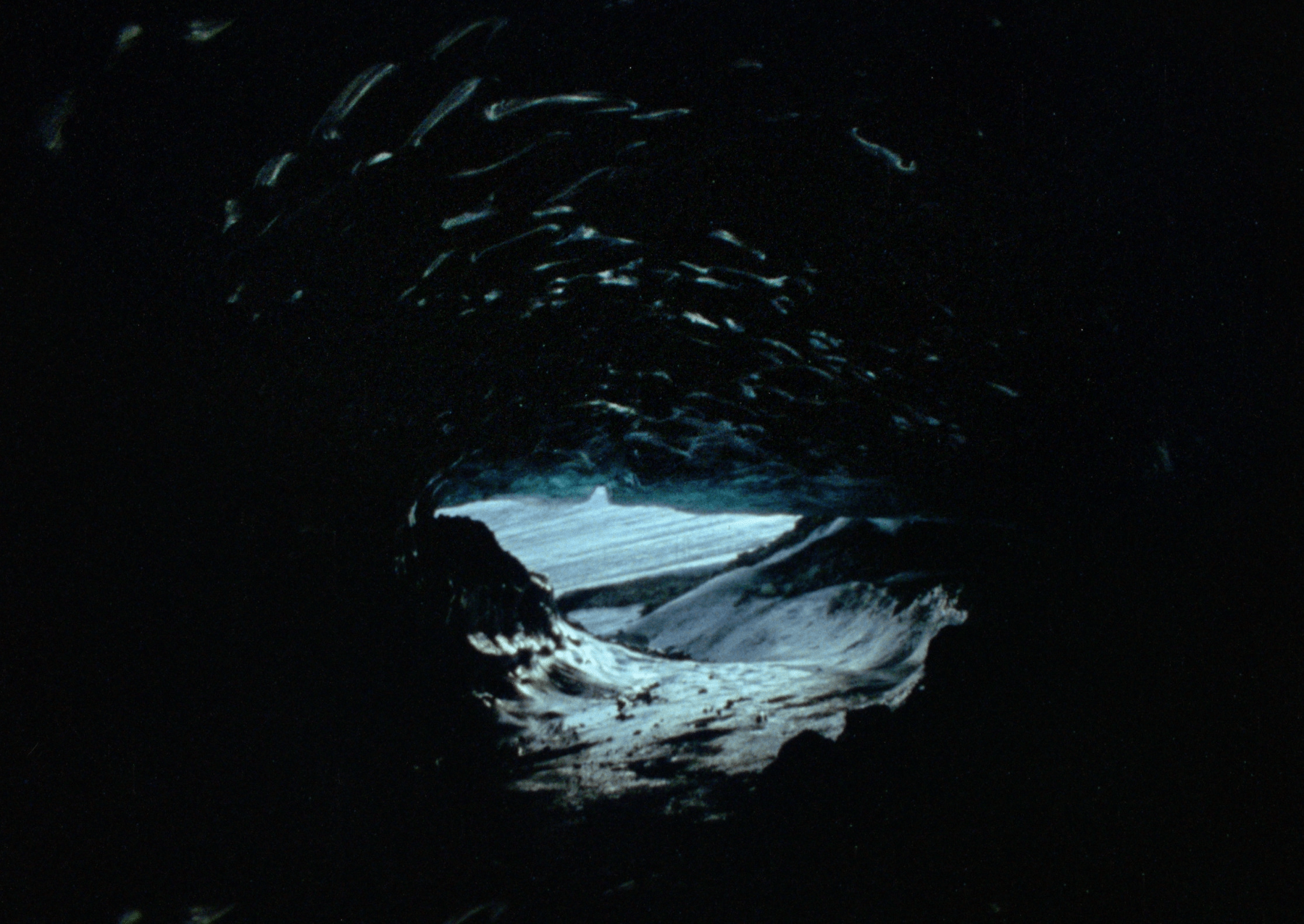
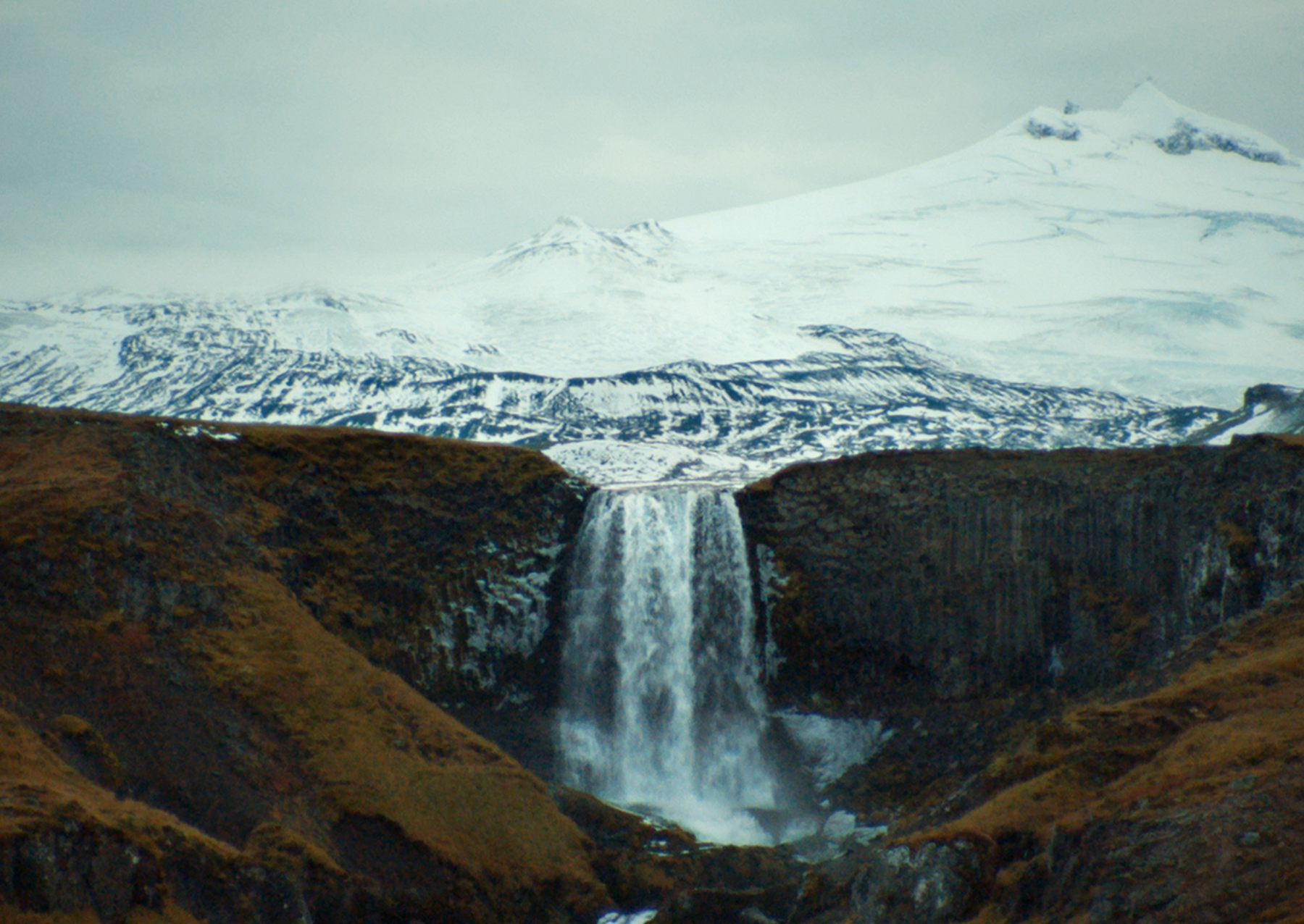
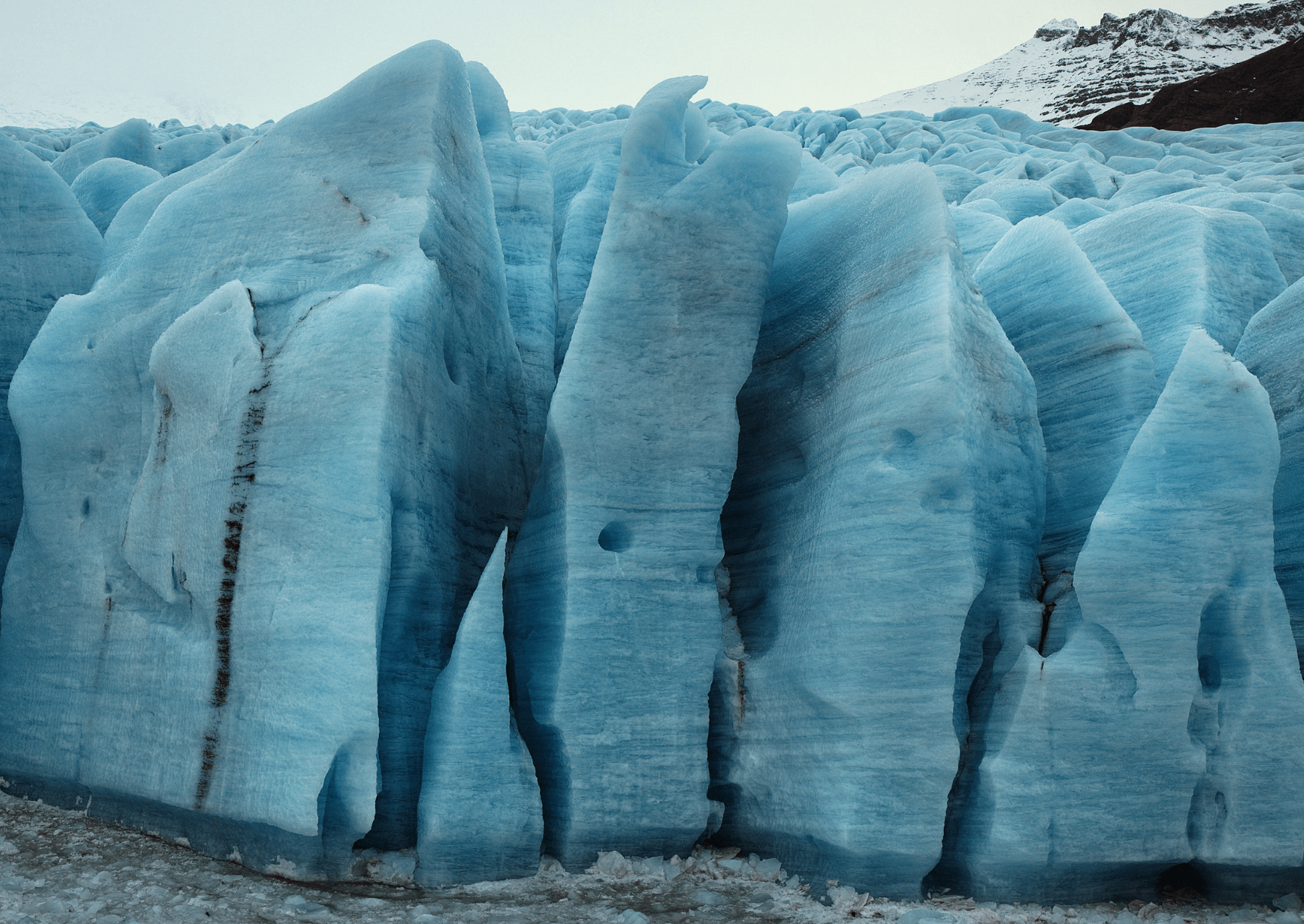
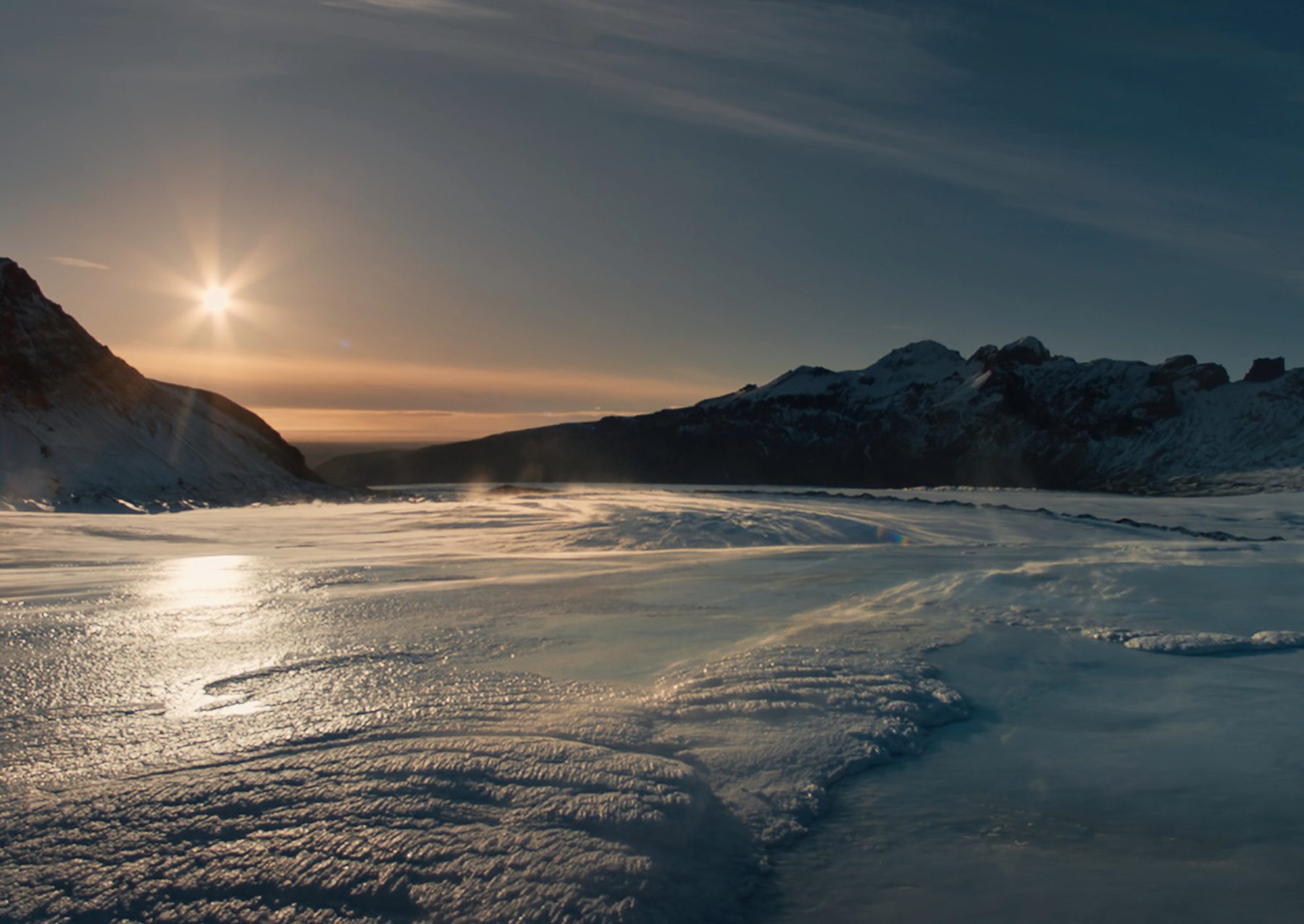
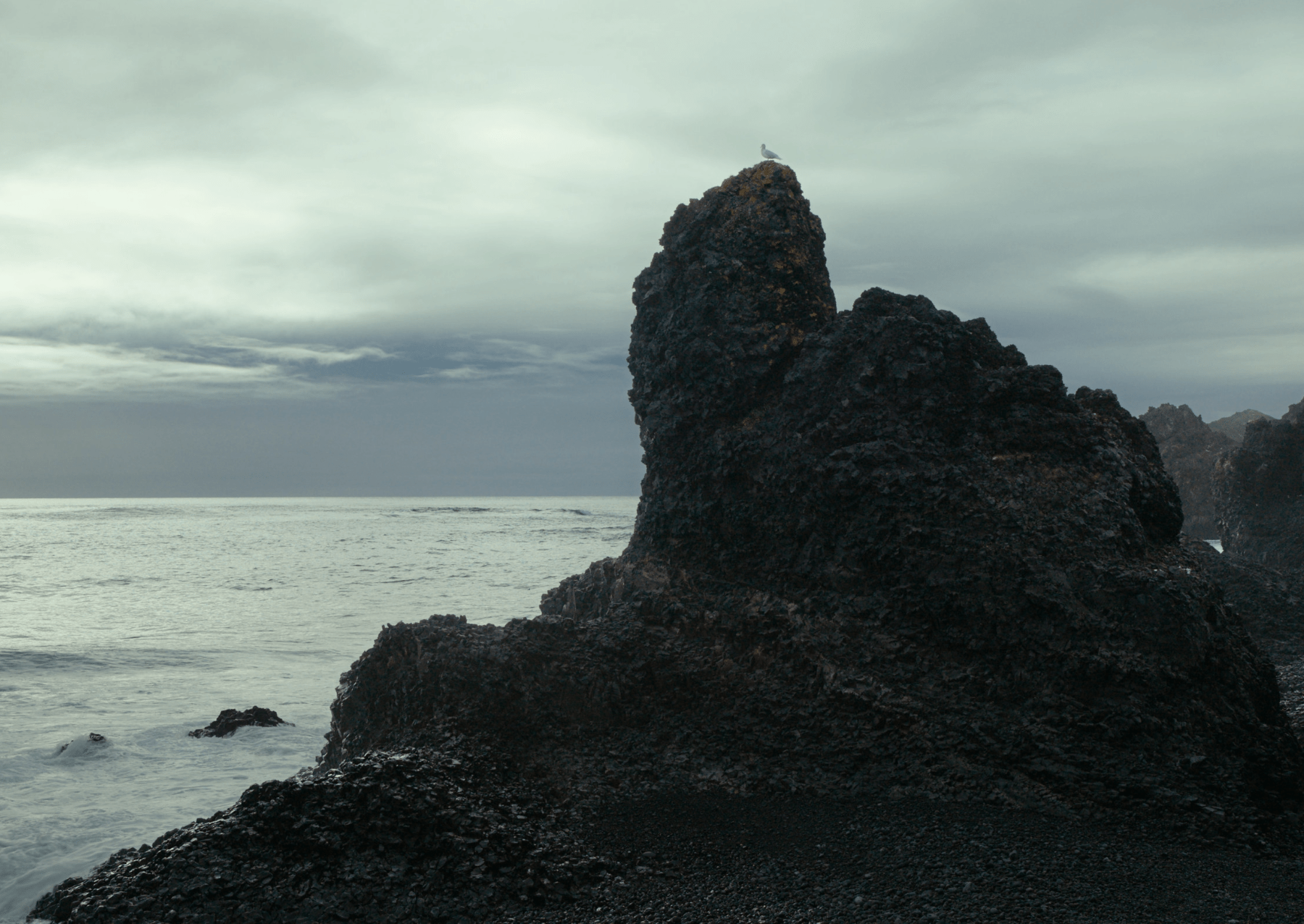
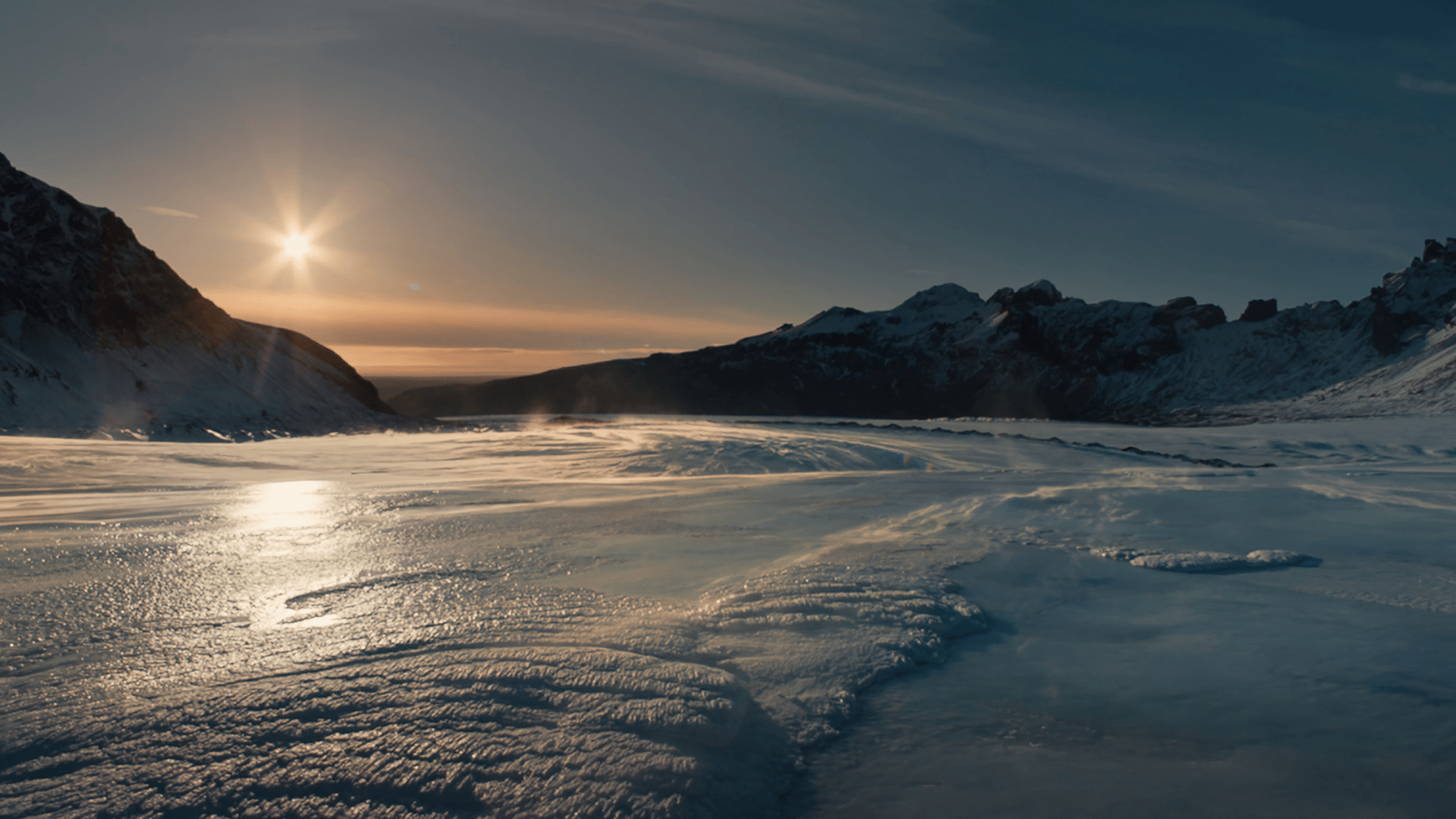
What happens when your homeland begins to melt? Icelandic poet and author Andri Snær Magnason explores this in Time and Water, a new documentary from National Geographic. Directed by Sara Dosa, archival and family photographs and folktales weave personal history with the story of the land in the face of climate change.
“In a time when the violence of the climate crisis ravages the earth, we need stories that can act as maps for our shifting world,” Dosa says in her director’s statement. “Time and Water is a gesture toward such a map, one that traces the ice of Iceland through the human story of one family, anchored by the first-person perspective and expansive archives of celebrated writer Andri Snaer Magnason.”
Images from the documentary are in the gallery below. (Click to expand images to full screen.)
A silhouetted person stands beneath the vaulted ceiling of a glacial cave in Iceland. Image: Archival Materials Courtesy of Andri Snær Magnason. Icelandic Glaciological Society member, Árni Kjartansson, sits overlooking a glacier in Iceland. Image: Archival Materials Courtesy of Andri Snær Magnason. Women walk in skis on glacier. Image: Archival Materials Courtesy of Andri Snær Magnason. An ice cave in Iceland. Image: National Geographic.
The story of Andri’s grandparents is woven together with the glaciers and oceans that has sustained generations of Icelanders.
“As Andri’s grandfather Arni’s memory recedes, so too does Iceland’s ice. A story of the earth, which has been frozen for millennia inside glaciers, is rapidly melting away,” says Dosa. “But, through the framing of our film as a time capsule, which is also a nod to Andri’s work as a poet and sci-fi author, we illustrate how the transmission of stories and memories into the future can be an act of not just holding onto our beloved present world, but a way of dreaming up possibilities for a habitable future.”
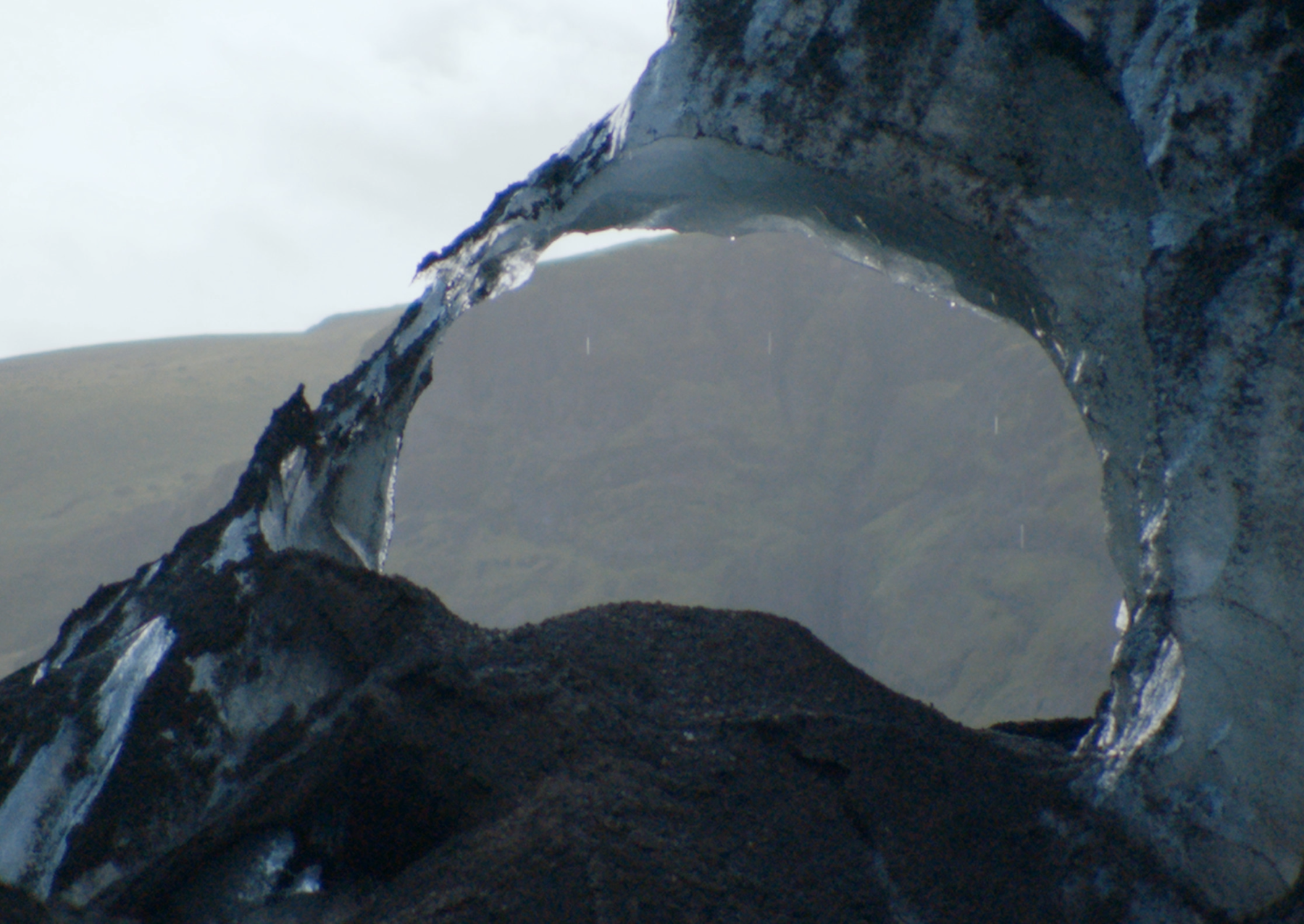
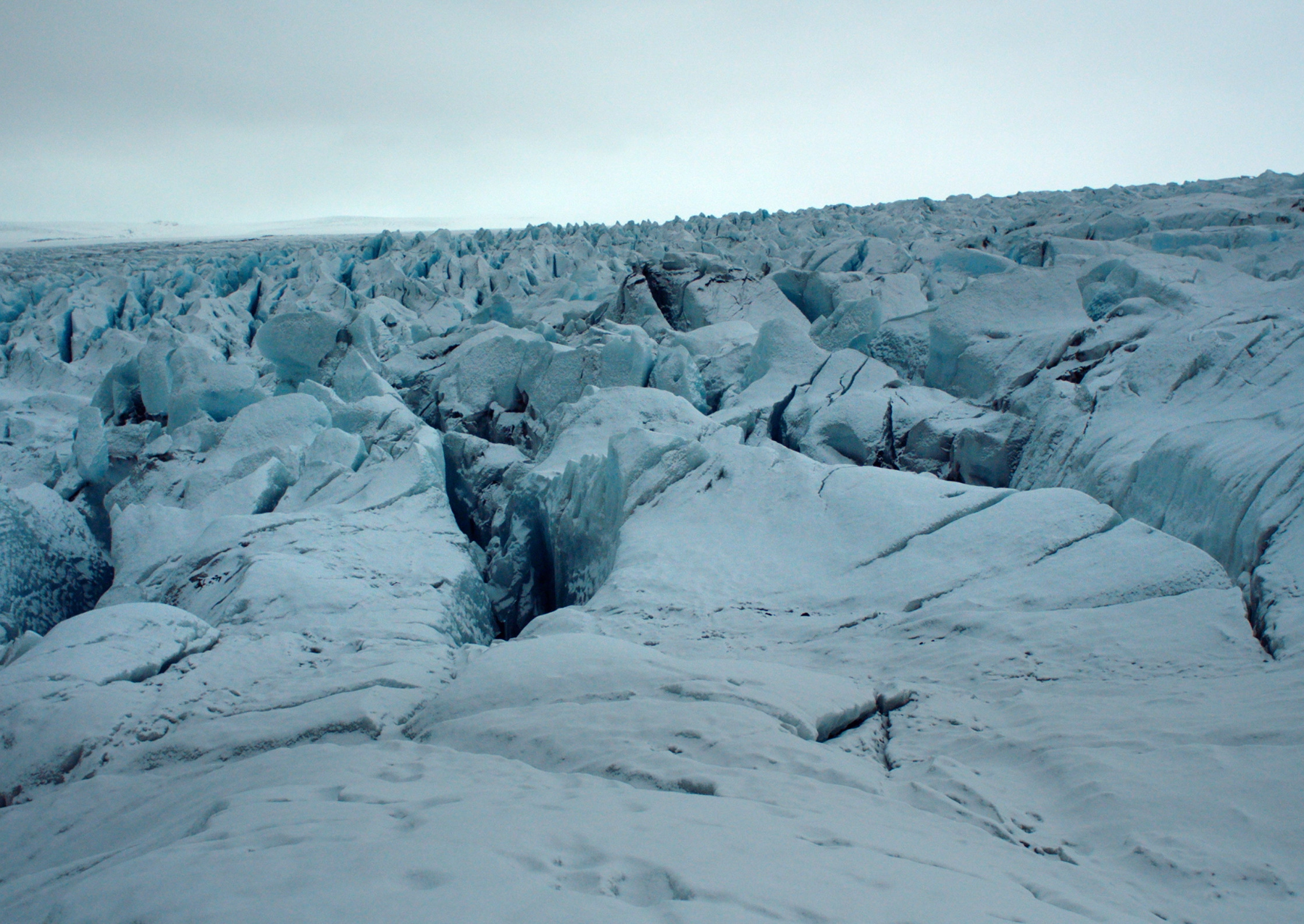
A glacial tongue behind a waterfall. Image: National Geographic. Glacial tongue descends into glacial lagoon. Image: National Geographic. Melting arc made of glacial ice. Image: National Geographic. Glacial ice formations. Image: National Geographic. Strong winds lift snow off a glacial cap on a sunny day. Image: National Geographic. Birdcliff in western Iceland. Image: National Geographic.
Time and Water opens in select theaters May 29 and later this year on National Geographic & Disney+.
If you’ve ever shared a bed with your child, you know the pain of flailing limbs at 3am. Bald eagle parents can relate.
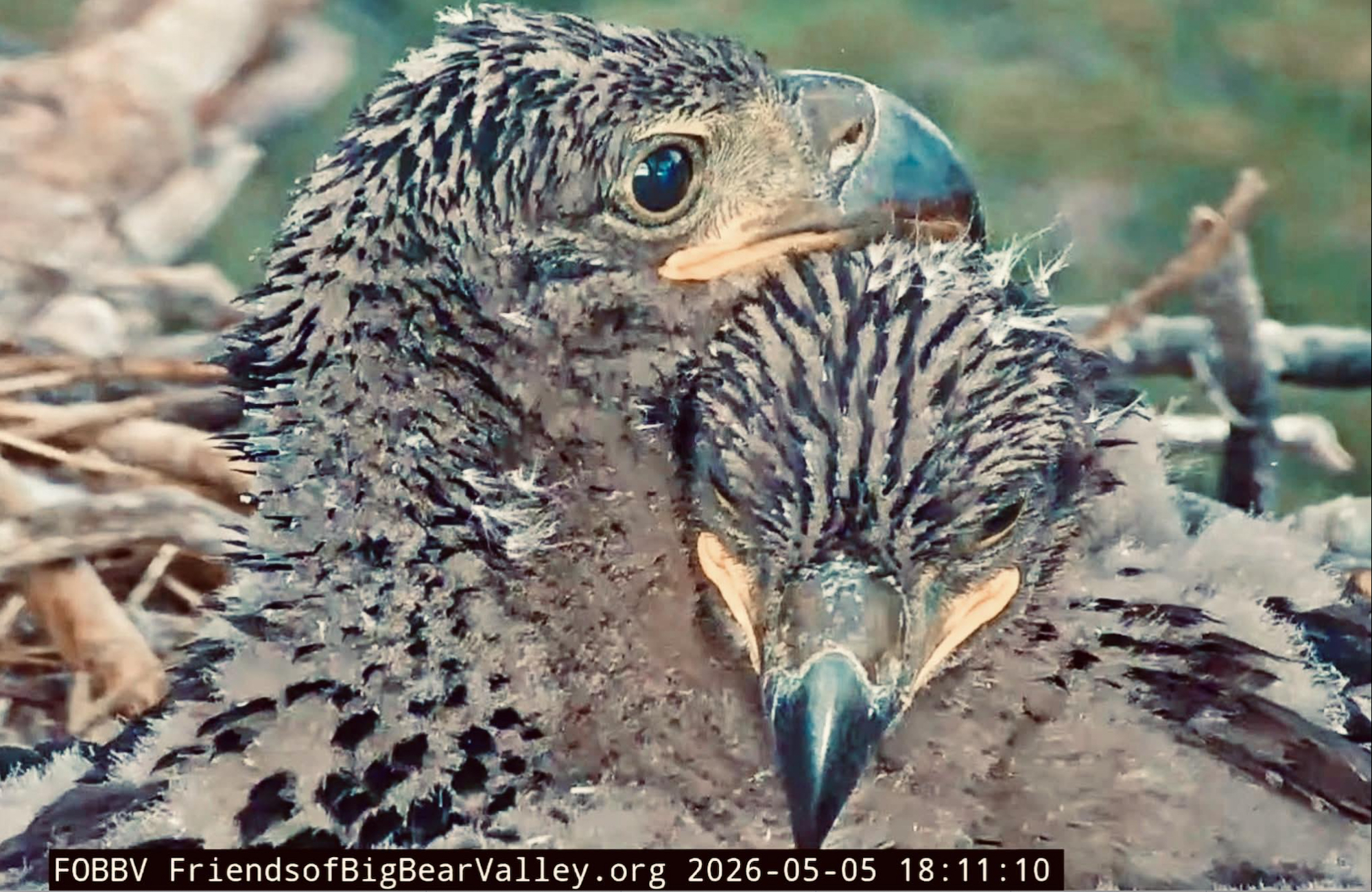
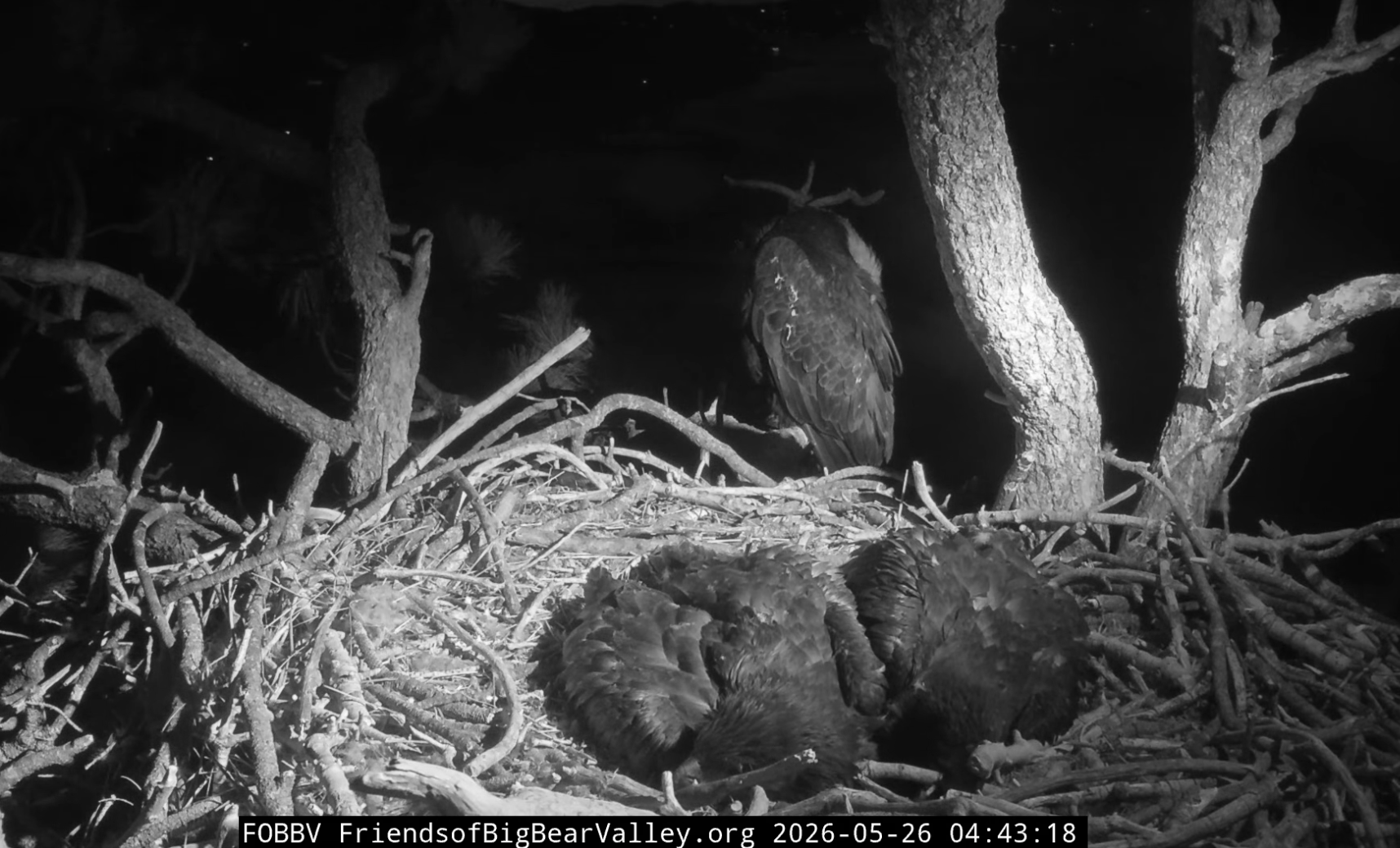
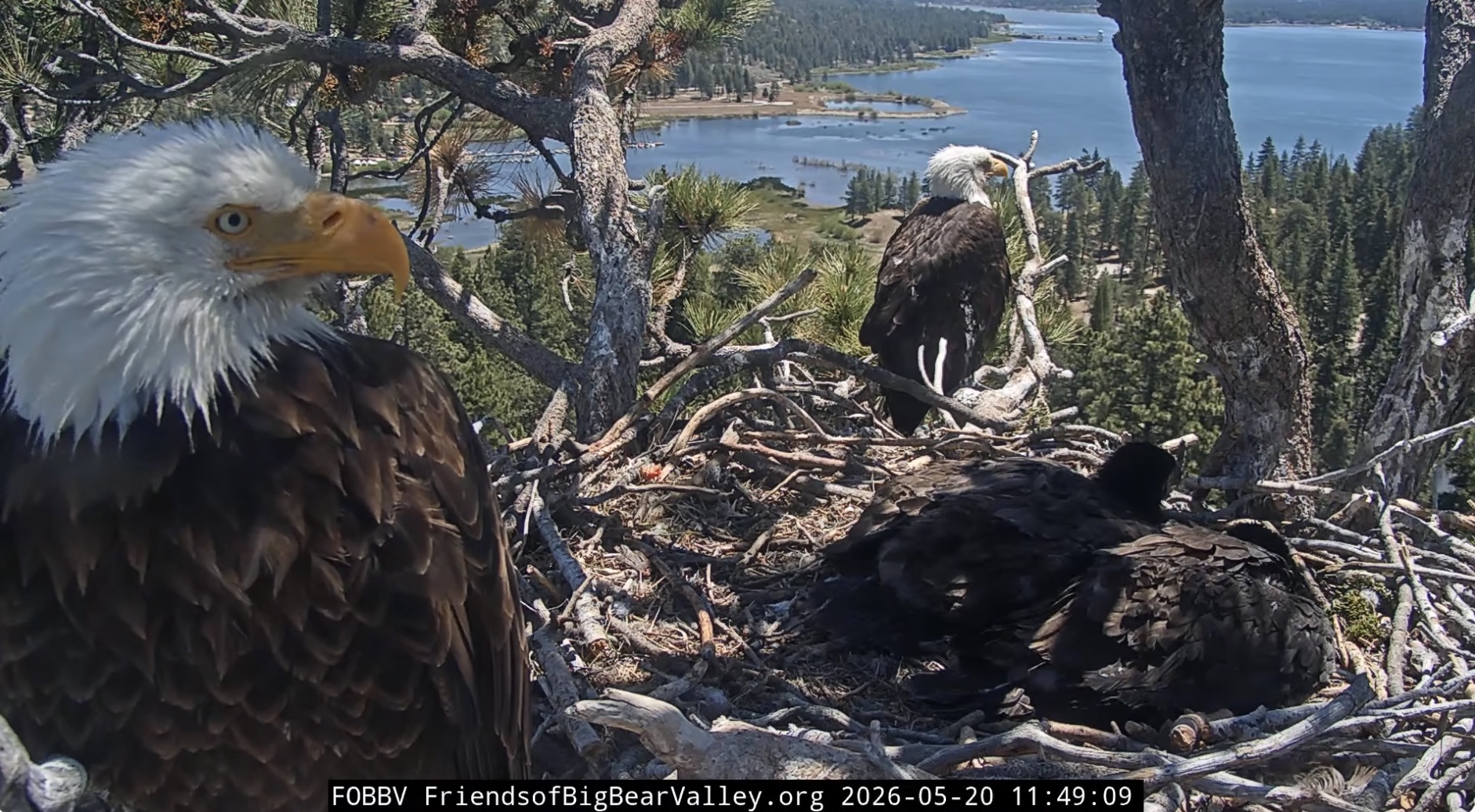
Jackie and Shadow‘s 2026 eaglets, Sandy and Luna, have reach near-adult size, which has made sharing the nest bowl at night a difficult task. Viewers of the eagles’ 24/7 livestream have noticed that the parents no longer sleep right next to the young pair, instead resting on a nearby branch while the chicks doze at night.
“While it looks like she just needs a break from the kids, one of the most practical reasons is space management,” Friends of Big Bear Valley (FOBBV), the non-profit behind the livecam, explains. “By the time the chicks are 6 to 7 weeks old, they are nearly adult-sized. If you’ve ever tried to share a bed with someone who flails, kicks, and unexpectedly opens a 6-foot wingspan in the middle of the night, you would know exactly why Mama moves out!”
Just this morning, Jackie could be seen perched on the nest’s “front porch” as Sandy and Luna slept in the nest bowl. Image: FOBBV
To us humans, sleeping in a cozy nest likely seems more comfortable than catching zzzzzs while standing, but we don’t have bird legs. Bald eagles roost on branches thanks to a natural adaptation called a tendon locking mechanism. This mechanism allows the majestic birds to clamp onto a branch or prey without needing to constantly flex their muscles. By doing so, the birds conserve energy and reduce fatigue—think about how weak your puny human legs would feel after standing all night.
Mama Jackie still remains close to Sandy and Luna to watch for predators, but also far enough away to avoid random talon jabs.
It’s been another roller coaster nesting season for Jackie and Shadow, a pair of internet-famous bald eagle parents living in San Bernardino National Forest in Southern California. After two of their eggs were destroyed by ravens in January, Jackie and Shadow laid two new eggs that have successfully hatched.
Chick 1 hatched on April 4 at 9:33 p.m. PDT, while Chick 2 followed on April 5 at 8:30 a.m. Their large nest in Big Bear Valley east of Los Angeles is livestreamed 24 hours a day by nonprofit Friends of Big Bear Valley (FOBBV) and has captivated millions.
On May 1, FOBBV announced the chicks’ names: Sandy and Luna.
How long will the chicks stay in the nest?
Chicks usually stay in the nest until 10 to 14 weeks of age. This year’s chicks will likely fledge sometime between mid-June and mid-July.
What challenges do the eaglets face?
Before leaving the nest, the chicks face threats from other birds of prey, including hawks, ravens, other eagles, and owls. Inclement weather can also present challenges for the chicks. In 2025, a March snowstorm resulted in the death of one of Jackie and Shadow’s three chicks.
During fledging, only 70 percent of eaglets survive. One of the greatest threats is from cars that can injure or kill the birds while they scavenge for food on roadkill.
Who are Jackie and Shadow?
The pair first got together in 2018 and successfully raised chicks in 2019 and 2022. However, their eggs failed to hatch in 2023 and 2024. Only 50 percent of eagle eggs successfully hatch, so this pair has already beaten the odds.
What happened to Jackie and Shadow’s 2025 eaglets?
In 2025, Jackie laid three eggs that all hatched in early March. On March 13, a strong snowstorm dumped up to two feet of snow and battered the nest with strong winds. Only two of the chicks were visible on the live cam when the storm passed by the next morning. FOBBV later confirmed the passing of one of the chicks. The two surviving chicks were later named Sunny and Gizmo after 54,000 names were submitted by fans.
What happens after chicks fledge?
Young eagles usually fledge–or leave the nest and fly–when they can flatten their wings and have feathers capable of flight. This typically occurs when the birds hit 10 to 14 weeks of age. Males also tend to take their first flight a little sooner than females.
According to FOBBV, fledglings from Southern California have been spotted as far south as Baja California, as far north as British Columbia, and as far east as Yellowstone National Park.
About 70 percent of bald eagles survive the fledgling stage. FOBBV does not tag their eagles, so it’s not possible to follow the chicks’ journeys after they flee the nest.
Can I help Jackie and Shadow?
Yes. Environmental groups are currently fundraising $10 million to protect Jackie and Shadow’s foraging area from development. Learn more at SaveMoonCamp.org.
What’s the weirdest thing you learned this week? Well, whatever it is, we promise you’ll have an even weirder answer if you listen to Popular Science’s hit podcast. The Weirdest Thing I Learned This Week hits Spotify, YouTube, Apple, and everywhere else you listen to podcasts every-other Wednesday morning. It’s your new favorite source for the strangest science-adjacent facts, figures, and Wikipedia spirals our editors can muster. If you like the stories in this post, we guarantee you’ll love the show.
FACT: This musical motif is works like an emotional cheat code
So I played a lot of Hollow Knight: Silksong last year. And if you’ve played or even watched some of that game, you’ll recognize the core motif that’s embedded in the game’s entire soundtrack. In fact, it might even sound familiar if you’ve never played Silksong at all. That’s because that motif is actually an 800-year-old Latin chant called the “Dies irae.”
After it made the rounds in the Catholic church as a part of funeral requiems, it jumped to secular music and eventually movies. Most memorably, the opening of The Shining copies the exact melody of this ancient church song. But composers also sneak it into less obviously menacing movie scores like Star Wars, The Lion King, Shrek, and hundreds more. (Another more recent example is Frozen 2.)
Of course, it’s also trickled into video games like Silksong—and Elden Ring, The Witcher 3, and many others. I was curious why this often four-note motif is so prevalent, so I interviewed a musicology professor at the Berklee College of Music. He helped me break down why this motif sounds so sad, both contextually, psychologically, and sonically. Listen to the full episode to hear the motif and see for yourself just how sad it is! (And keep an eye out for my upcoming YouTube video essay on the topic, too!)
FACT: A roller coaster ‘thoosie’ on the latest advances in amusement park tech
The last time Grant joined us on Weirdest Thing, we broke format to quiz him on weird historical gossip:
This time, we let Grant go wild on his favorite nerdy hyperfixation: roller coasters. Check out this week’s episode to learn about the hottest new technological features in coaster design—and why he has a few notes for the folks who designed Falcon’s Flight.
FACT: This disabled bird is the alpha male of his flock
Here’s a riddle for you: What do you call a bird with a busted beak? An alpha male, apparently.
This is the story of a kea—which is a species of alpine parrot from New Zealand—named Bruce. Bruce made the media rounds a few years ago because of his unique methods for adapting to a lack of top beak. After losing this seemingly necessary chunk of himself, researchers found, he found new ways to incorporate tools into his grooming and eating routine. Bruce was thriving! What a wholesome tale.
A new study sheds light on some arguably less adorable, but to my mind no less inspiring, behaviors from Bruce. To make a long story short, this disabled parrot uses his half-beak to stab his adversaries. And it works really, really well. In fact, the researchers studying Bruce say he serves as the alpha male of his flock (or “circus,” to use the correct term for a group of cheeky kea) by just about every metric they could measure. Far from being shunted aside due to his undeniable handicap, Bruce has basically invented a method of fighting that’s so foreign to his peers that they can’t figure out how to beat him.
What’s the weirdest thing you learned this week? Well, whatever it is, we promise you’ll have an even weirder answer if you listen to Popular Science’s hit podcast. The Weirdest Thing I Learned This Week hits Spotify, YouTube, Apple, and everywhere else you listen to podcasts every-other Wednesday morning. It’s your new favorite source for the strangest science-adjacent facts, figures, and Wikipedia spirals the editors of Popular Science can muster. If you like the stories in this post, we guarantee you’ll love the show.
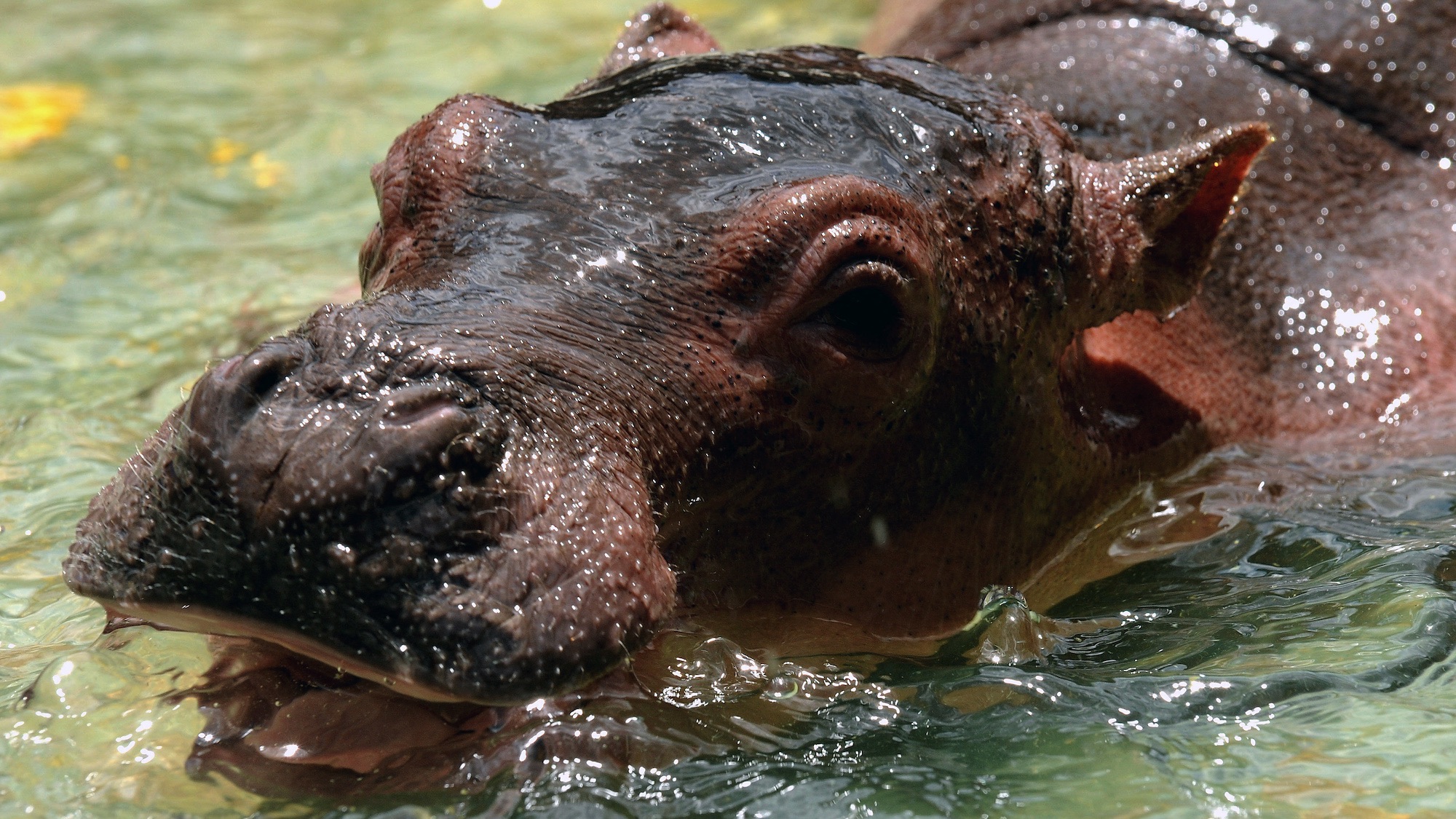
FACT: There’s more than one way to sterilize a hippo, but there’s no easy way to sterilize a hippo
This is not for lack of trying. Like, seriously: The government really, really tried to avoid killing any hippos. But the years-long effort to sterilize these animals has largely failed, and researchers say we’re running out of time to avoid a population too large to deal with. That got me wondering… what makes it so difficult to sterilize a hippo?
As you’ll learn in this week’s episode, sterilizing a hippo surgically is a difficult, dangerous, and expensive endeavor. And while chemical castration (AKA shooting hippos with birth control darts) might sound simpler, it’s… still difficult, dangerous, and expensive.
For a hippo palate cleanser, I also dive into the herculean effort made to save Fiona the hippo a few years back, which required milking a hippo (a feat never before attempted!) and replicating hippo milk.
FACT: John Steinbeck took part in a failed deep-sea drilling expedition
Featuring Ben Lillie (the co-founder of Caveat, our favorite venue in NYC!)
This week’s episode features special guest Ben Lillie, otherwise known as the keeper of our favorite place to do Weirdest Thing live shows! He spun a yarn about Project Mohole, a failed deep-sea drilling expedition that took place back in the 1960s. The expedition featured a surprising crew member: John Steinbeck, who covered the endeavor for LIFE Magazine in… very Steinbeck-ian fashion.
Pilates is a super trendy workout modality right now, and it’s gotten a reputation for being pretty elitist. But Joseph Pilates—yes, he was a real guy, and his name was Pilates—didn’t set out to create a workout that looked good on the ‘gram. He didn’t even set out to create a workout that people would spend loads of money on. The former circus performer actually dreamed up the exercises that would become pilates while interned in a prison camp. You can learn more about the reformer’s journey from janky hospital bed to sleek boutique workout equipment in this week’s episode, or by checking out this article I wrote about the history of Pilates.
What’s the weirdest thing you learned this week? Well, whatever it is, we promise you’ll have an even weirder answer if you listen to Popular Science’s hit podcast. The Weirdest Thing I Learned This Week hits Apple, Spotify, YouTube, and everywhere else you listen to podcasts every-other Wednesday morning. It’s your new favorite source for the strangest science-adjacent facts, figures, and Wikipedia spirals the editors of Popular Science can muster. If you like the stories in this post, we guarantee you’ll love the show.
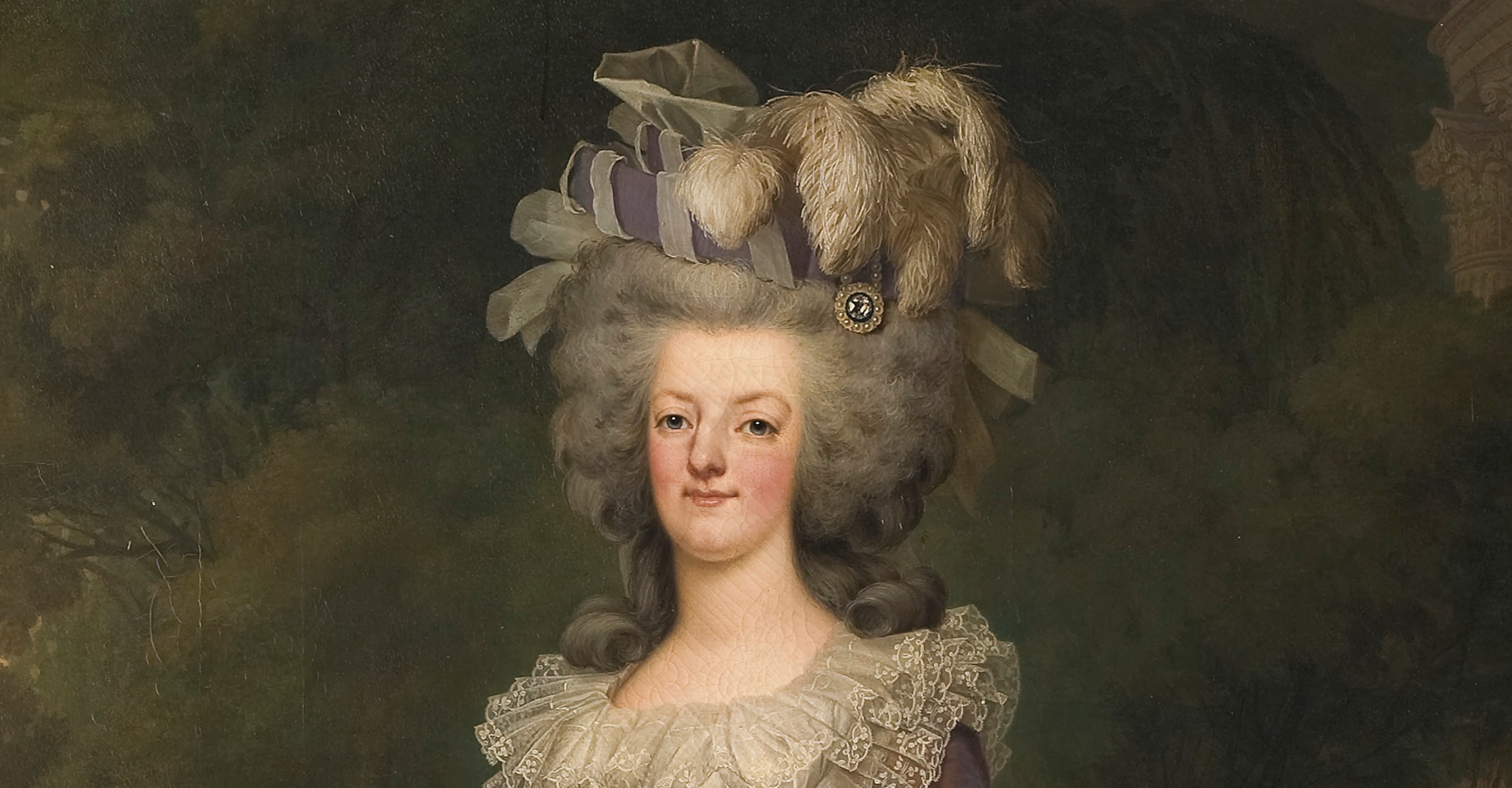
The idea of Marie Antoinette in orthodontic braces probably sounds like something out of my favorite Sofia Coppola film, but it’s not as anachronistic as it sounds. While I couldn’t find a definitive primary source on the subject, there are historical mentions of Marie Antoinette undergoing orthodontic treatment. And in some ways, it would be more surprising if she didn’t do a stint in braces: modern dentistry as we know it was essentially invented in France in the early 1700s, and by the time Marie and Louis got hitched, French people were practically known for having straight, pretty teeth. We know that Marie Antoinette was given an intense French makeover in all things before being shipped off to Versailles, so it’s plausible that she had a bit of dental work done, too.
If the idea of 18th century orthodontia makes you want to put your head between your knees, you’re not wrong. The hardware designed by Pierre Fauchard, called a bandolet or bandeau, used a horseshoe-shaped piece of metal that pressed against the inside or outside of the dental arch. Dentists would manually tie individual teeth to the appliance using either silk threads or thin metal wires. That is, admittedly, pretty identical to how braces work today—they exert constant pressure on teeth to help move them into new positions, then hold them there while everything settles into place. But modern braces are designed to move teeth more effectively and with as little pain as possible, and the bandeau was much more of a blunt instrument.
Today’s special guests are comedian Hari Kondabolu and physician-slash-comedian Priyanka Wali. Together they host the podcast Health Stuff, where they dive into everything from earwax to sleep hygiene.
On this week’s episode of Weirdest Thing, Hari and Priyanka share the story of Henrietta Lacks. While being treated for cervical cancer at Johns Hopkins in the 1950s, this African American mother of five unknowingly—and involuntarily—changed the course of medical history. Cancer cells from one of her biopsies were sent off for research without her knowledge or consent. Unlike other cancer cells in the lab, hers kept doubling instead of dying off. They were the first human cells that were discovered to multiply easily in a lab setting, making them perfect for studying the impact of various drugs, hormones, viruses, and toxins. While the cell line that originates from Henrietta Lacks’ tissues—called the HeLa line—has been used in research that’s saved countless lives over the decades, they also serve as a reminder of the entrenched racism of our medical system.
Surprise, more teeth! Scientists recently reported that a 59,000-year-old tooth—a neanderthal molar, to be precise—could conceivably have been drilled to treat a cavity. They came to that conclusion by tinkering with three modern teeth, AKA subjecting them to the horrors of prehistoric dental treatment, to show that the ancient chomper showed signs of the same.
Internet-famous eagles Jackie, Shadow, Sandy, and Luna are not the only residents of their beautiful pine tree overlooking big bear lake. And sometimes, the watchful parents will let their presence be known.
According to Friends of Big Bear Valley (FOBBV), one of the tree’s most famous residents came close to the eagle family over the weekend. Fiona the squirrel made several appearances overnight between May 30 and 31. During one visit, Jackie decided to send a message to the bushy-tailed rodent.
“Jackie responded with a dramatic slap and some backtalk that reminded us she is not tolerating Fiona while trying to sleep,” FOBBV writes.
The not-so-little-anymore eaglets Sandy and Luna also practiced their squirrel-shooing skills and wing flaps later in the day.
Fiona is one of the catchall names of the flying squirrels that live near Jackie and Shadow. FOBBV is not sure how many of the rodents are in the area, but Fiona and Fast Freddie (another nickname) have had cameo appearances on the livestream for years. The squirrels will visit the nest from time to time, primarily searching for food scraps.
According to the United States Fish and Wildlife Service, the nocturnal creatures are San Bernardino flying squirrels, (Glaucomys sabrinus californicus) a subspecies of the Humboldt’s flying squirrel. They can glide for as far as 300 feet in the air and primarily eat truffles, conifer seeds, and lichens. FOBBV volunteers have noted that the squirrels are “very fond of Shadow’s fish tails, coot feathers, egg shells and even crunchy beetles!”
So far, Jackie and Shadow’s eggs and eaglets have not been in any serious danger from the squirrels. The same can’t be said for the tree’s ravens, who destroyed the pair’s first two eggs this breeding season.
All of the action can be found 24/7 on the eagle nest livestream.
It’s been another roller coaster nesting season for Jackie and Shadow, a pair of internet-famous bald eagle parents living in San Bernardino National Forest in Southern California. After two of their eggs were destroyed by ravens in January, Jackie and Shadow laid two new eggs that have successfully hatched.
Chick 1 hatched on April 4 at 9:33 p.m. PDT, while Chick 2 followed on April 5 at 8:30 a.m. Their large nest in Big Bear Valley east of Los Angeles is livestreamed 24 hours a day by nonprofit Friends of Big Bear Valley (FOBBV) and has captivated millions.
On May 1, FOBBV announced the chicks’ names: Sandy and Luna.
Before leaving the nest, the chicks face threats from other birds of prey, including hawks, ravens, other eagles, and owls. Inclement weather can also present challenges for the chicks. In 2025, a March snowstorm resulted in the death of one of Jackie and Shadow’s three chicks.
During fledging, only 70 percent of eaglets survive. One of the greatest threats is from cars that can injure or kill the birds while they scavenge for food on roadkill.
Who are Jackie and Shadow?
The pair first got together in 2018 and successfully raised chicks in 2019 and 2022. However, their eggs failed to hatch in 2023 and 2024. Only 50 percent of eagle eggs successfully hatch, so this pair has already beaten the odds.
What happened to Jackie and Shadow’s 2025 eaglets?
In 2025, Jackie laid three eggs that all hatched in early March. On March 13, a strong snowstorm dumped up to two feet of snow and battered the nest with strong winds. Only two of the chicks were visible on the live cam when the storm passed by the next morning. FOBBV later confirmed the passing of one of the chicks. The two surviving chicks were later named Sunny and Gizmo after 54,000 names were submitted by fans.
What happens after chicks fledge?
Young eagles usually fledge–or leave the nest and fly–when they can flatten their wings and have feathers capable of flight. This typically occurs when the birds hit 10 to 14 weeks of age. Males also tend to take their first flight a little sooner than females.
According to FOBBV, fledglings from Southern California have been spotted as far south as Baja California, as far north as British Columbia, and as far east as Yellowstone National Park.
About 70 percent of bald eagles survive the fledgling stage. FOBBV does not tag their eagles, so it’s not possible to follow the chicks’ journeys after they flee the nest.
Can I help Jackie and Shadow?
Yes. Environmental groups are currently fundraising $10 million to protect Jackie and Shadow’s foraging area from development. Learn more at SaveMoonCamp.org.

 Login
Login