Reading view

Ebola risk now at highest level in DR Congo, says WHO

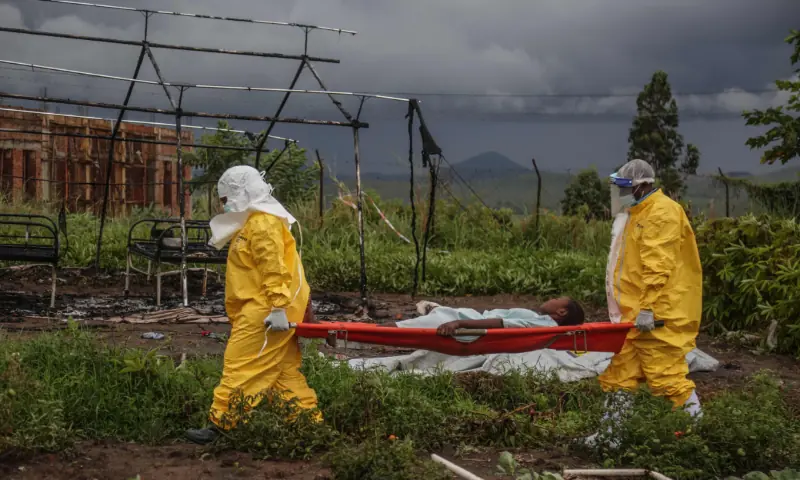
The risk from the deadly Ebola outbreak has been raised to the highest level for the Democratic Republic of Congo (DRC), the World Health Organisation (WHO) said Friday, as the toll continues to rise.

The WHO upgraded its risk assessment level from high to very high for the DRC, while keeping the regional risk level at high and the global risk level at low.

WHO chief Tedros Adhanom Ghebreyesus said the situation was “deeply worrisome”.

He said there were now nearly 750 suspected cases in the DRC and 177 suspected deaths, as health workers scramble to track down contacts of everyone thought to be infected with the virus.

“The Ebola outbreak in the Democratic Republic of the Congo is spreading rapidly,” he told a press conference.

“So far, 82 cases have been confirmed in DRC, with seven confirmed deaths.

“But we know the epidemic in DRC is much larger. There are now almost 750 suspected cases and 177 suspected deaths.”

He said the situation in Uganda was “stable”, with two cases confirmed in people who travelled from DRC and one death.

Measures taken in Uganda, including “intense contact tracing” and calling off the Martyrs’ Day commemorations, “appear to have been effective in preventing the further spread of the virus,” Tedros added.

While a US national who was working in the DRC has tested positive and been transferred to Germany for care, Tedros said another US national deemed to be a high-risk contact had been transferred to the Czech Republic.

Besides national staff already in the DRC, he said 22 international staff had been deployed to the field, “including some of our most experienced people”.

Tedros said that violence and insecurity were impeding the response to the outbreak in the DRC.

Treatment trials planned

Ebola is a deadly viral disease spread through direct contact with bodily fluids. It can cause severe bleeding and organ failure.

There are no approved vaccines or therapeutics for the Bundibugyo strain of Ebola behind the current outbreak.

There have only been two previous outbreaks of Bundibugyo, in Uganda in 2007 and DRC in 2012.

WHO chief scientist Sylvie Briand said the UN agency was making an inventory of all existing tools which might be useful in combating the outbreak and then prioritising them, with safety and efficacy the main criteria.

The WHO research and development branch has convened its technical advisory group on treatments, which recommended the prioritisation of two monoclonal antibodies for clinical trials.

It also recommended evaluating the antiviral obeldesivir in clinical trials as post-exposure prophylaxis for people who are high-risk contacts.

Briand said it looked “promising” as something that might be able to prevent infected contacts from going on to develop disease from that infection.

The WHO is also in talks with partners on developing eventual vaccines that work against Bundibugyo.
  •  

Rickshaws in India's capital get Trump makeover

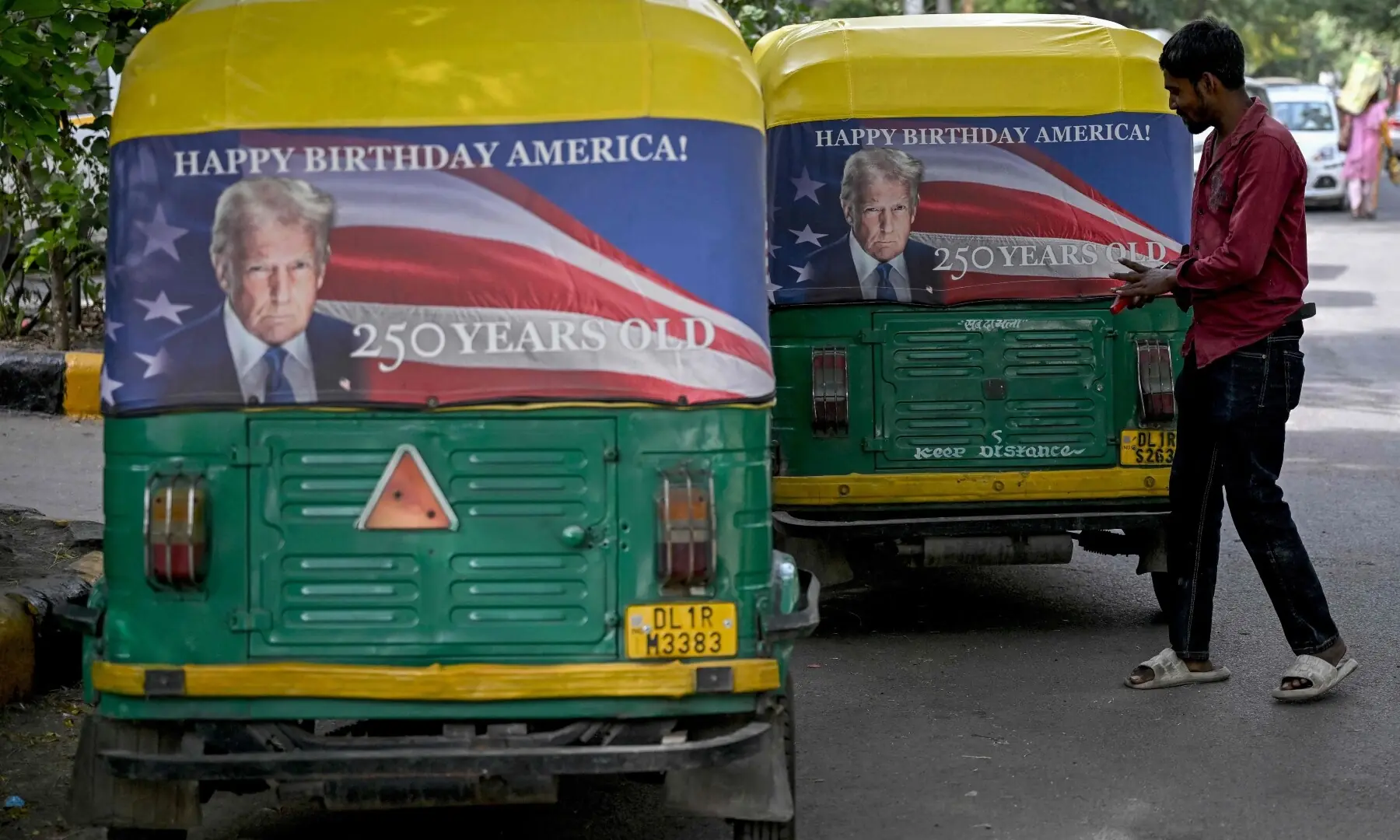
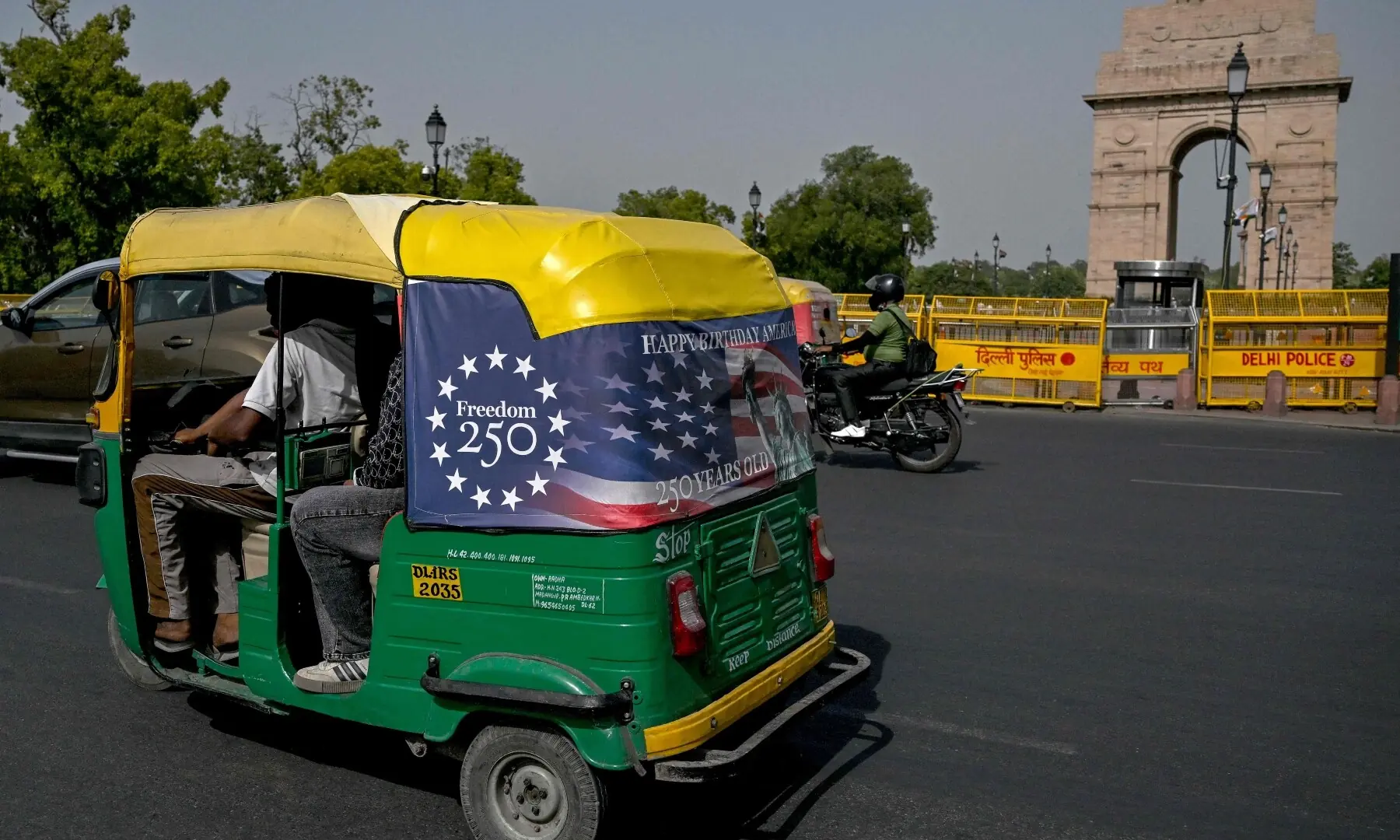
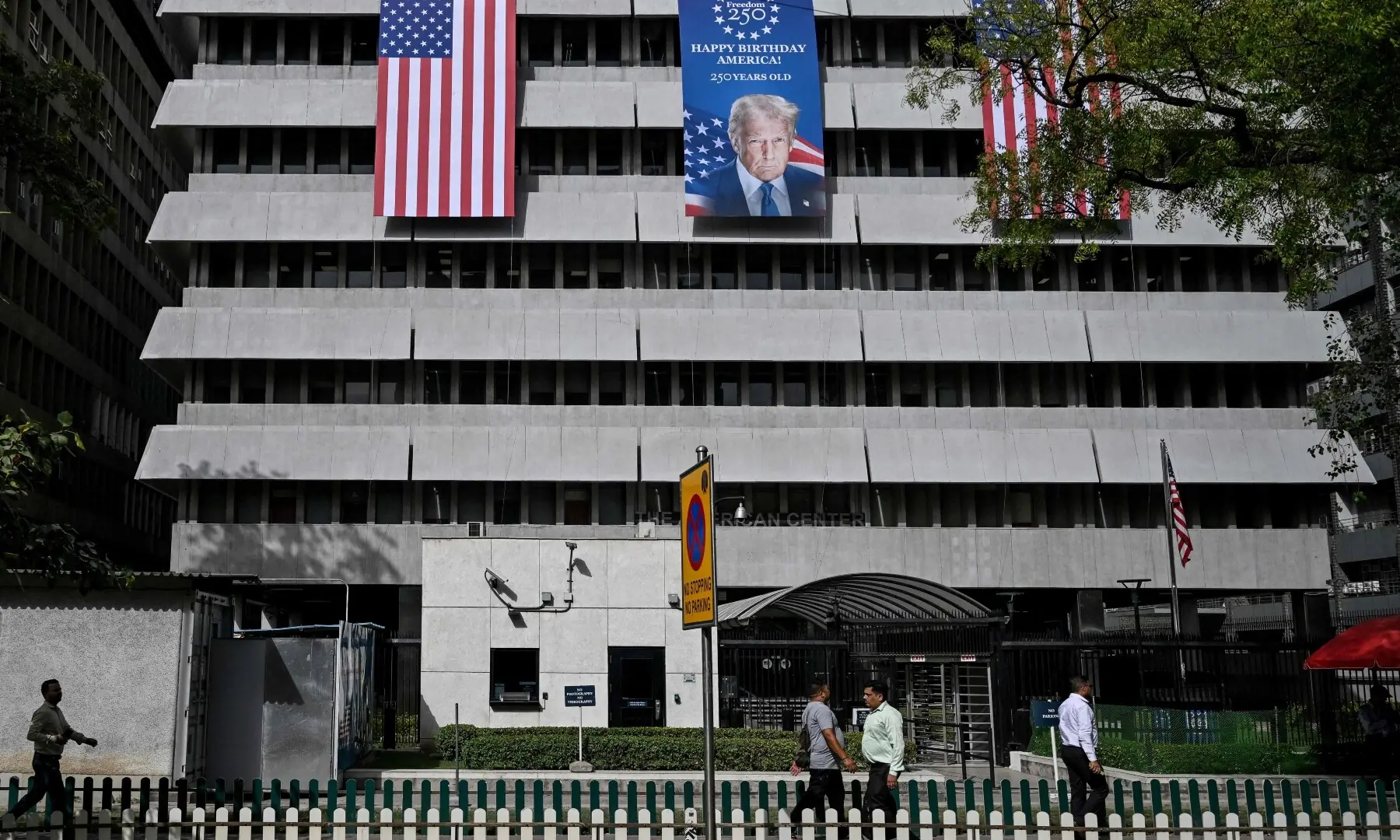
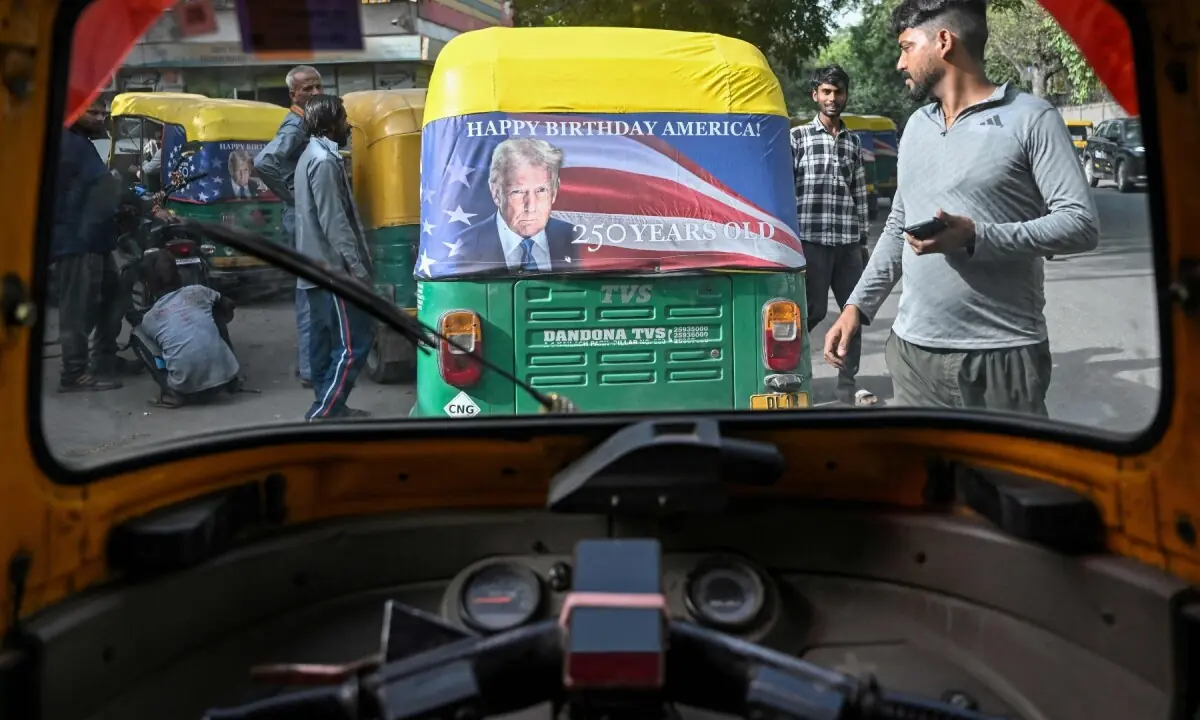
New Delhi’s iconic auto-rickshaws have received a Donald Trump-themed makeover to mark the United States’ 250th Independence celebrations and the upcoming India visit of Secretary of State Marco Rubio, but not everyone is a fan.

The US embassy said it is providing thousands of vehicle covers emblazoned with Trump’s face and the US flag for the ubiquitous three-wheeled taxi rickshaws plying the sprawling megacity.

“Happy Birthday America!”, the cover reads, fitted to the back of the usually yellow-and-green rickshaws, also known as tuk-tuks. “250 years old”.

A worker fixes a poster featuring US President Donald Trump on an autorickshaw in New Delhi on May 21, 2026 marking the 250th anniversary of American independence. — AFP

US Ambassador Sergio Gor, who was previously in charge of staffing the second Trump administration with loyalists, launched the rickshaw campaign in April featuring “iconic American images”.

The US embassy in New Delhi told AFP that “thousands of tuk-tuks currently in circulation will be sponsored to showcase messages celebrating America’s 250th birthday”. Some include the Statue of Liberty.

In sweltering heat at a fuel station, 24-year-old Tushar wielded a hammer as he fitted a Trump face cover to a three-wheeled rickshaw.

“We get around 60 to 70 of these covers every day from a supplier,” Tushar, who uses only one name, told AFP, saying he earns around 50 rupees (half a dollar) to fit each one.

He was busy persuading drivers to fit the free covers as they sat in queues for compressed natural gas (CNG), sweetening the deal with a small packet of tea.

“The gifts keep changing,” Tushar said. “Sometimes, it is pickles.”

An autorickshaw with a poster marking the 250th anniversary of American independence, moves past the India Gate in New Delhi on May 21, 2026. — AFP

‘Trump ruined everything’

India has been hard hit by fuel disruptions following the US and Israeli strikes on Iran that led to Tehran’s stranglehold on the strategic Strait of Hormuz.

New Delhi announced fuel-saving measures last week, including work-from-home days for government employees, after Prime Minister Narendra Modi called for reduced consumption.

India, the world’s third-largest oil buyer, normally sources about half of its crude through the Strait of Hormuz.

The country had been one of the few in the region to not hike domestic fuel prices, but has raised costs twice since last week — sparking anger, especially among commercial drivers.

“I know it’s Trump, but I have got a new cover — and without paying anything,” said driver Murari Lal, saying a new plain cover costs around 700 rupees ($7).

Another driver was less enthusiastic.

“I won’t get the cover, even if it is for free,” he said, declining to give his name. “Trump has ruined everything.”

Drivers usually risk a fine if they display adverts on their vehicles, although some still promote brands, language-speaking courses, little-known sexual wellness clinics or paint nationalistic slogans like “My India is Great”.

Tushar said he faced a tough task persuading some to put Trump on their vehicle.

“Those who read the newspapers are angry at him over the war,” he said. “They refuse us straight up.”

Rubio arrives in India on Saturday, for a multi-city tour of the world’s most populous nation — where he will seek to build ties beyond government meetings in the capital.

He will visit four Indian cities, beginning in Kolkata, home to one of the oldest US diplomatic posts — which got its first consul in 1792, just 16 years after Washington’s independence.

Rubio then attends a gala reception in New Delhi for the 250th anniversary of US independence from Britain, on July 4, 1776.

Pedestrians walk past a poster featuring US President Donald Trump outside the American Center in New Delhi on May 21, 2026 marking the 250th anniversary of American independence. —AFP

  •  

Something coming: Here's what scientists know about a potential 'super' El Nino

Forecasters say a potentially “super” El Nino is rapidly taking shape in the Pacific — but whether it evolves into a history-making event could hinge on fickle winds and other volatile atmospheric shifts.

The fast-warming tropical Pacific is pointing to a major event but a crucial weakening of trade winds — capable of turbocharging or throttling the phenomenon — has yet to materialise.

Scientists say these interactions are notoriously complex and difficult to predict — making it too early to confidently forecast how powerful this El Nino could become.

Flashing red

The US National Oceanic and Atmospheric Administration (NOAA) said there is about an 80 per cent chance of El Nino developing by July.

Sea temperatures in key El Nino zones of the equatorial Pacific are rapidly rising, and an enormous pool of abnormally warm water is massing beneath the surface.

Several leading weather services are predicting Pacific sea temperatures could surge 2.5 degrees Celsius or more above average later this year — exceptionally high projections.

Just three events — 1982/83, 1997/98 and 2015/16 — have breached 2 degrees Celsius since the first major El Nino recorded in the modern era in 1877/78.

Adam Scaife, head of long-range prediction at the UK Met Office, said this El Nino could be the strongest in decades or “even be of record strength”.

“There’s definitely something coming. We’re very confident about that, and it looks like it will be a big event,” he told AFP.

Wily winds

The NOAA forecasted a one-in-three chance this episode will hit 2 degrees Celsius or above — crossing into what is dubbed “super El Nino” territory.

But key pieces of the puzzle had yet to fall into place, said Michelle L’Heureux, NOAA’s El Nino-Southern Oscillation lead.

El Ninos build strength as the ocean and atmosphere increasingly “couple” over the summer months, shifting air pressure, cloud patterns and winds.

This feedback loop can turn a modest El Nino into a blockbuster event, supercharging heat and triggering chaotic weather worldwide.

A hallmark of the strongest El Ninos is the weakening of trade winds that blow east to west across the equator.

But those winds are unpredictable and can strengthen unexpectedly, said L’Heureux.

“When that happens, it pauses the growth of El Nino or even reverses it,” she told AFP.

“Ultimately, the strength of this event will likely be influenced by these details, like the low-level winds, which we cannot predict many months in advance.”

Heat incoming

El Nino tends to peak around December but ocean heat releases slowly and can drive up global temperatures the following years.

Many record-hot years — including 1998, 2010, 2016, 2023 and 2024 — followed major El Nino events or developed alongside them.

Climate scientists interviewed by AFP said global heat records could fall in 2026 — but 2027 was the year to watch.

There “could easily be a new record level of global warmth in 2027” if an extreme El Nino takes shape this year, said Scaife.

It remains unclear whether Earth’s warming is influencing El Nino intensity. The last event in 2023/24 was weaker than episodes in 1982/83 and 1997/98, making any trend hard to pin down.

Scientists stress that stronger El Ninos raise the odds of more severe impacts — but do not guarantee them.

Yet even a weaker event now unfolds in a world transformed by climate change, with extra heat and moisture loading an already feverish atmosphere and oceans.

That means El Nino’s impacts could become more extreme even if the phenomenon itself is not growing stronger.

“The impacts of this El Nino — on things like rainfall and of course temperature — are riding on top of climate change, and could well be larger than anything we’ve seen in the past,” said Scaife.

Different world

Every El Nino is different, but major events often follow familiar patterns: drought across parts of the Amazon, Indonesia and Australia, disrupted Indian monsoons, and shifting rainfall throughout the tropics.

But climate change has shifted the baseline so dramatically that “history is a poorer guide for seasonal predictions,” climatologist Felicity Gamble at Australia’s Bureau of Meteorology told AFP.

“What happened during an El Nino event 20 years ago is probably quite different to how it might manifest these days.”

Forecasts are also complicated by climate-driven ocean warming, which makes it easier to trigger El Nino conditions and harder to distinguish La Nina, its opposite cooling phase, against a hotter backdrop, Gamble said.

The Bureau of Meteorology and NOAA have started filtering out background warming to improve forecast accuracy. Other weather agencies are adopting similar adjusted benchmarks.

Even still, Australia is predicting El Nino could reach 2.8 degrees Celsius — potentially a history-making event.

  •  

SpaceX to give out bonus when 1m humans settle on Mars

NEW YORK: SpaceX’s blockbuster IPO filing included some out of this world details, including a provision that founder Elon Musk’s massive bonus only kicks in if one million humans settle on Mars.

The bonus structure, laid out in SpaceX’s prospectus filed with US regulators on Wednesday, reads less like a compensation agreement and more like a science fiction plot.

Musk’s bonus is contingent on SpaceX’s stock market value hitting targets ranging from $400 billion to $6 trillion — along with the company moving a million people to a planet 140 million miles (225 million kilometres) away.

Musk describes that ambition as essential to the long-term survival of the human race, though most experts see it as being at least decades away. Still, Musk will do just fine if the IPO goes ahead in the coming weeks as planned.

At the company’s reported target valuation of $1.75 trillion, Musk’s existing stake would be worth an estimated $735 billion — before a single person sets foot on the Red Planet.

A second, smaller bonus ties an additional 60 million shares to a different moonshot: building data centers in orbit capable of delivering 100 terawatts of computing power per year — a figure that dwarfs anything that exists on Earth today. SpaceX filed for its long-awaited IPO Wednesday, targeting a listing on the Nasdaq stock exchange under the ticker “SPCX” in what could be the largest public offering in Wall Street history.

The company’s Starship rocket — whose latest iteration could launch on Thursday — is explicitly designed with Mars colonization in mind.

The filing confirmed a dual-class share structure that will leave Musk firmly in control of the company after the listing, sidestepping the kind of governance fights that have dogged him at Tesla, where shareholders have repeatedly taken aim at his compensation and the board’s independence.

Published in Dawn, May 22nd, 2026

  •  

Taliban's new marriage separation decree draws UN criticism

The Afghan Taliban government’s new decree governing the separation of spouses “reinforces systemic discrimination” and erodes the rights of Afghan women and girls, the United Nations said on Thursday.

Published in mid-May, the 31-article code sets out various grounds for separation in Afghanistan, including a husband’s prolonged disappearance, “incompatibility” between couples, renunciation of Islam and “failure on the part of the husband”.

The decree, which appeared in the country’s Official Gazette, also states that marriage contracts drawn up by relatives “on behalf of a minor boy or girl” can be annulled, which suggests child marriage is permitted in Afghanistan, according to the UN.

In most cases, the procedures for women seeking a separation are more complicated than those for men.

The document, approved by Supreme Leader Hibatullah Akhundzada, “is part of a broader and deeply concerning trajectory in which the rights of Afghan women and girls are being eroded”, said Georgette Gagnon, deputy special representative of the UN secretary-general.

It “further entrenches systemic discrimination in law and practice”, the UN statement said, adding that women and girls are denied “autonomy, opportunities and access to justice”.

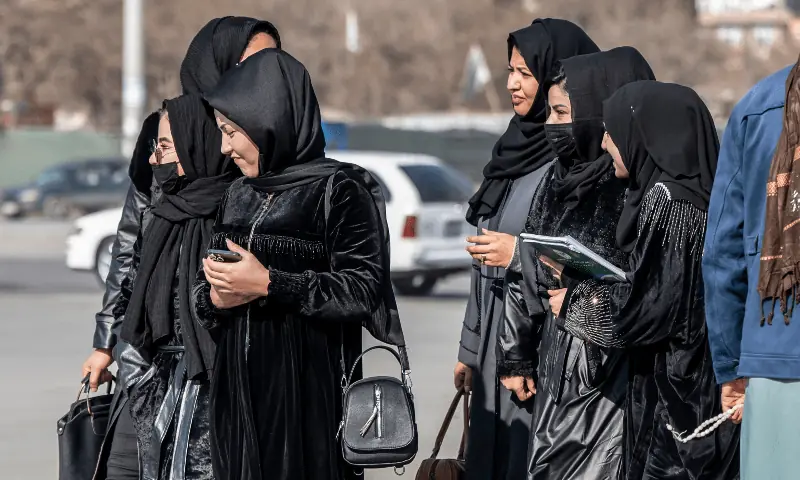
Since returning to power in 2021, the Taliban government has banned girls from continuing their education beyond primary school, walking in parks and going to gyms, swimming pools or beauty salons.

They are required to cover themselves from head to toe and are barred from many jobs.

Any breach of the rules can result in arrest and imprisonment.

The UN’s Afghanistan mission (UNAMA) said that following a decree issued in 2021 in which the Taliban authorities had “recognised certain rights for women, including women’s consent to marriage”, subsequent legislation has ultimately eroded those protections.

Article 5 of the decree has drawn widespread criticism.

It sets out the procedures for the separation of minors whose family members enter into a marriage contract on their behalf, which “implies that child marriage is permitted”, according to UNAMA.

“If any relative other than the father or grandfather concludes a marriage contract on behalf of a minor boy or a minor girl with a compatible spouse and for a customary dower, the contract shall be valid,” the decree says, before outlining how the boy or girl can choose to annul at puberty if approved by a court.

According to a traditional practice that has been in place in some families in Afghanistan for decades, parents promise that their child will marry a child from the other family.

However, the marriage contract is only concluded later, as sexual relations before puberty are prohibited under Islamic law.

The Taliban government’s Ministry of Justice did not respond when asked by AFP whether the minor should be required to live with their spouse at any age.

Marriage was only permitted from the age of 16 for girls under the law in force until the Taliban took back power.

The decree makes a distinction between girls’ and boys’ option to annul on reaching puberty, saying that if a “virgin girl” had previously remained silent, the decree considers her choice to separate as “invalidated”.

However, “the choice upon obtaining puberty of a boy… is not invalidated by silence”.

Government spokesperson Zabihullah Mujahid dismissed criticism to the decree, telling the state-run RTA television channel on Wednesday it was coming from people “hostile” to Islam.

He defended fathers and grandfathers having authority over their children, including the power to enter into a marriage contract, provided they were “kind and healthy”.

However, he said such cases would be rare because the Taliban “prohibits marrying off a girl without her permission”.

The procedures also set out how a woman may remarry if her husband has gone missing, but not in the event of war.

In such cases, “the wife shall wait for such a period until his death becomes certain and until the people of his generation (peers) have all passed away”.

If the missing person were to reappear after the woman had remarried, it would be up to him to decide whether to “keep” her, divorce or opt for mutual separation.

  •  

Commander-in-beef: Buffalo nicknamed 'Donald Trump' wins fans in Bangladesh

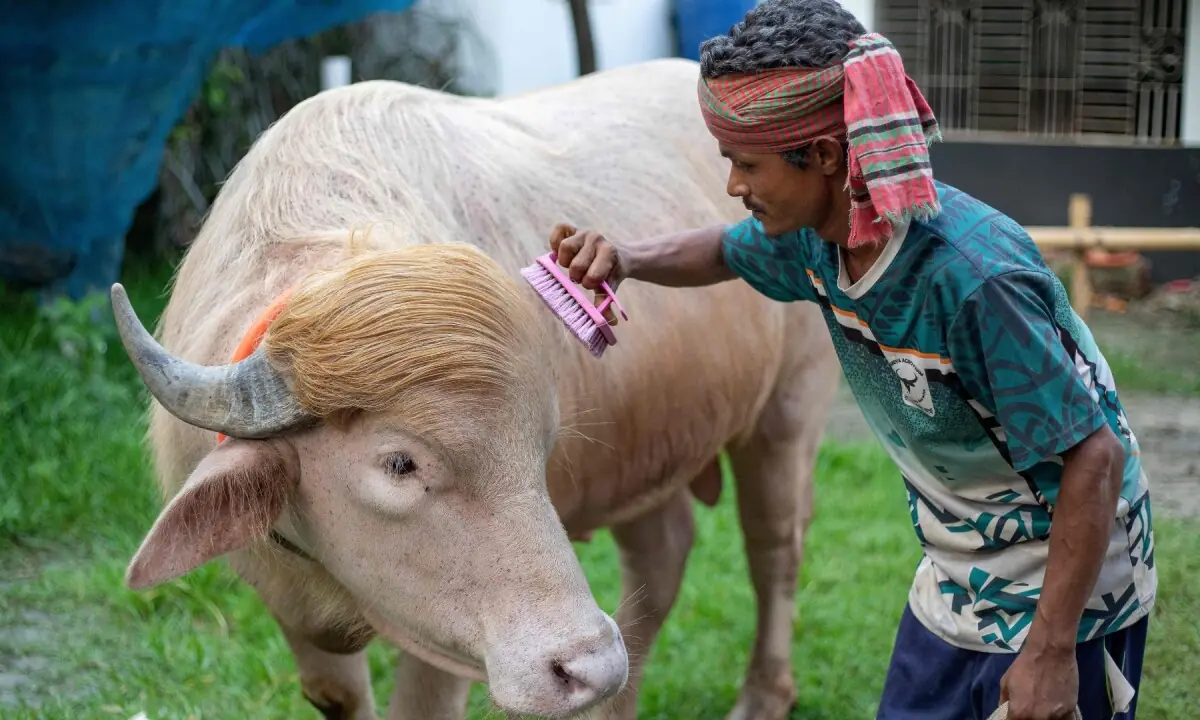
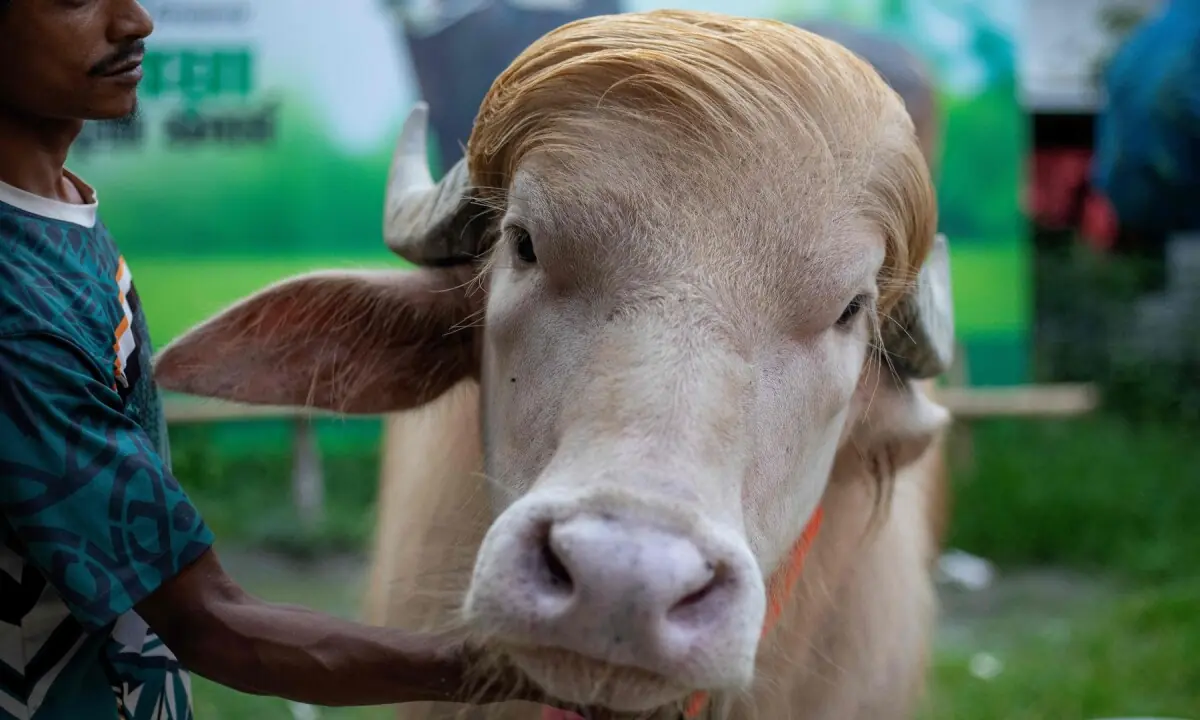
Crowds in Bangladesh are flocking to snap photographs with an unlikely social media star — an albino buffalo with flowing blond hair nicknamed “Donald Trump” due to be sacrificed within days.

Owner Zia Uddin Mridha, 38, said his brother named the 700 kilogramme bull over its flowing helmet of hair resembling the signature look of the US president.

“My younger brother picked this name because of the buffalo’s extraordinary hair,” he told AFP at his farm in Narayanganj, just outside the capital Dhaka.

Mridha said a constant stream of curious visitors — social media fans, onlookers and children — have come throughout May, eager to see the internet sensation.

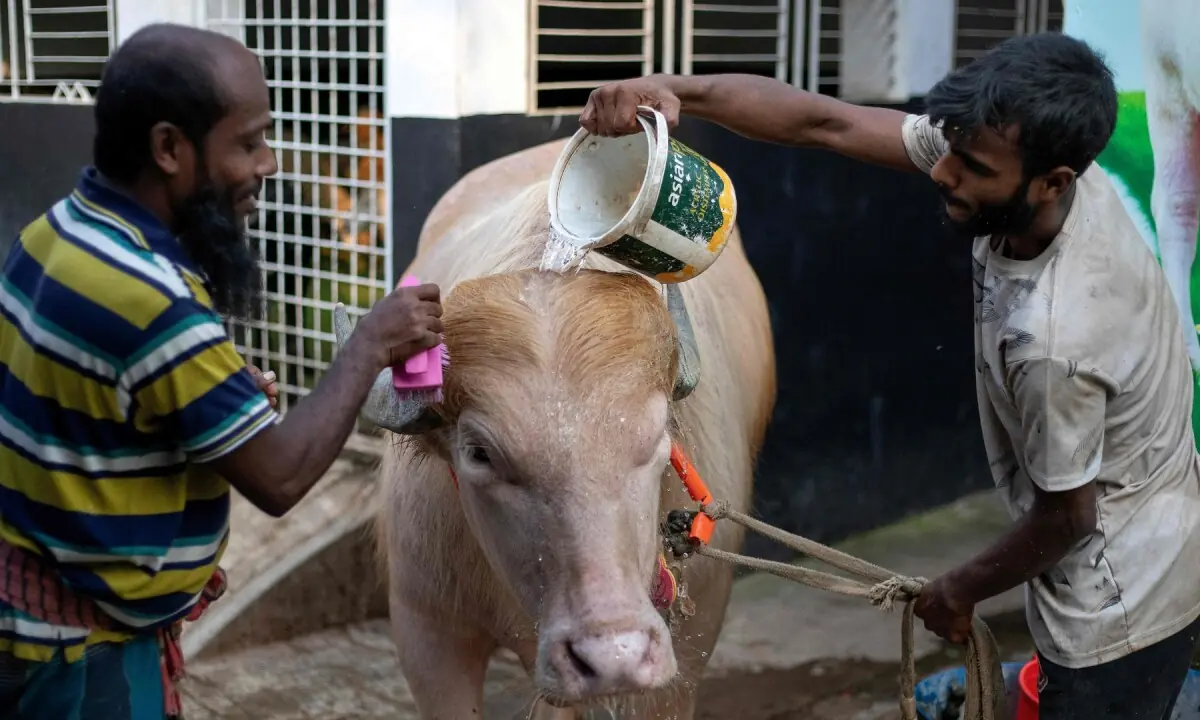
He watched as men poured a cool bucket of water over the bull’s head, running a pink brush through its blond combover, neatly tucked between sweeping curved horns.

“The only luxury he enjoys is bathing four times a day,” Mridha said, stressing that the similarities between the bull and the president stopped at the hair.

Officials from the livestock department said albino buffaloes are extremely rare, and appear white or pink due to a lack of melanin production.

This photograph taken on May 17, 2026 shows caretakers attending an albino buffalo nicknamed “Donald Trump” for sale ahead of Eidul Azha at a livestock farm in Narayanganj. — AFP

Eidul Azha

Muslim-majority Bangladesh, a South Asian nation of 170 million people, is preparing for Eidul Azha later this month.

More than 12 million livestock — including goats, sheep, cows and buffaloes — are expected to be sacrificed during the holiday, when many poorer families get a rare chance to feast on meat.

Mridha said the stress of the crowds had caused the buffalo to lose weight, forcing restrictions on public viewing.

Still, children continue to peer through the gates for a glimpse.

Businessman Faisal Ahmed, 30, was among those who managed to get close, snapping photographs.

“Truly, the features are similar between the buffalo and President Donald Trump,” Ahmed told AFP, after arriving with five friends and relatives to see the animal.

“My nephew took a one-hour boat journey just to come and see ‘Donald Trump’,” he added.

This photograph taken on May 17, 2026 shows content creators shooting videos of an albino buffalo nicknamed “Donald Trump” for sale ahead of Eidul Azha at a livestock farm in Narayanganj. — AFP

‘Making a sacrifice’

While the Trump buffalo has become a national star online, it is not the only buffalo with a nickname.

His companions include an aggressive bull named “Tufan,” meaning “storm,” a generously sized animal called “Fat Boy”, and the gentle-natured “Sweet Boy.”

One golden-haired bull was named after Brazilian footballer Neymar for his bleached-blond cut.

Mridha, who has cared for his four-year-old buffalo for the past year, looked with affection at the animal, snuffling through a bowl of fodder.

“I am going to miss Donald Trump, but that is the core spirit of Eidul Azha — making a sacrifice.”

This photograph taken on May 17, 2026 shows a caretaker attending an albino buffalo nicknamed “Donald Trump” for sale ahead of Eidul Azha at a livestock farm in Narayanganj. —AFP

  •  

Radio station mistakenly announces death of King Charles

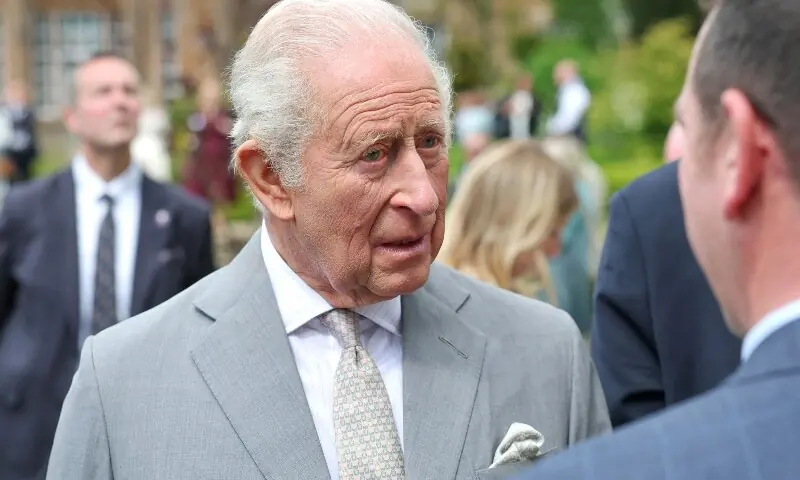
LONDON: A former British pirate radio station on Wednesday apologised “for any distress caused” after accidentally announcing the death of King Charles III.

The erroneous announcement was made on Tuesday afternoon due to a computer error at its main studio in Maldon in eastern Essex, Radio Caroline said in a post on social media.

The error had triggered the so-called death of a monarch procedure “which all UK stations hold in readiness while hoping not to require”, wrote station manager Peter Moore.

Radio Caroline then fell silent as would be required, which alerted us to restore programming and issue an on-air apology,” he said on Facebook post.

“Caroline has been pleased to broadcast Her Majesty the Queen’s and now the King’s, Christmas message and we hope to do so for many years to come,” he said, referring to the monarch’s traditional Christmas Day message to the nation.

“We apologise to HM (his majesty) the king and to our listeners for any distress caused,” Moore added. The mishap on Tuesday came as Charles and Queen Camilla were in Northern Ireland, where they joined a performance with an Irish folk group.

The post did not say how long it was before the mistake was discovered, but the domestic Press Association news agency reported that on Wednesday afternoon, playback for Tuesday’s broadcast between 1:58pm and 5pm was unavailable on the station’s website.

Esta­bl­ished in 1964 to challenge the BBC’s broadcasting mon­opoly, Radio Caroline previously operated from ships off the English coast. After legislation in 1967 forced many pirate broadcasters to close, it continued intermittently before ending offshore broadcasts in 1990.

Published in Dawn, May 21st, 2026

  •  

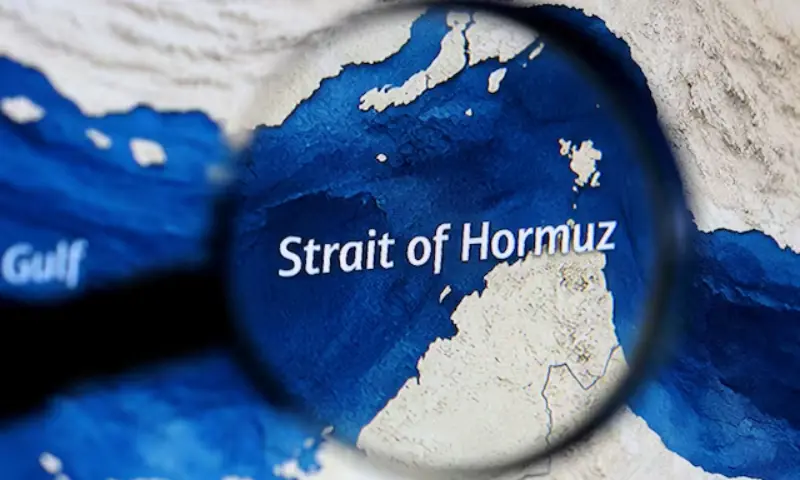
How IRGC’s ‘permit’ threats may impact submarine cables in Hormuz

Iran’s Islamic Revolutionary Guard Corps threatened Monday to impose “permits” on submarine fibre-optic cables passing through the Strait of Hormuz.

Here is what you need to know about cable infrastructure in the region and how the threats could play out:

What cables run through Hormuz?

Major connections running through Hormuz include a branch of AAE-1 (Asia, Africa, Europe), which connects points from Hong Kong to Italy and France.

Meanwhile, the Falcon and Gulf Bridge cables connect countries in the Gulf — including Iran — with India and eastern Africa as far as Egypt.

Data running over the cables includes “all kinds of traffic, any data you can think of — videos, email, social media, financial transactions, government communication,” Alan Mauldin, research director at specialist data firm TeleGeography, told AFP.

The potential for global disruption is limited as data flowing between Asia and Europe on AAE-1 does not pass via the Gulf branch, Mauldin said.

What’s more, “all of the Gulf countries using submarine cables that traverse the Strait of Hormuz have multiple other connectivity options,” he added.

But Mauldin did note in a March blog that “the capacity of terrestrial networks may not be sufficient to handle the complete re-routing of traffic” if the Gulf’s subsea connections are cut off.

As host of AAE-1’s Gulf terminal, Qatar especially would be affected by any disruption to the link.

What threat could Iran pose to cables?

Hormuz is “a closed-in geographic area in a strait, with relatively shallow waters… it’s especially favourable for harassment operations using manned or unmanned systems,” said Eric Lavault, a former French naval officer.

Lavault pointed out that American forces have not been able to prevent Iran from launching operations from its long Gulf coast, with Tehran retaining “solid military potential”.

Iran could both attack the cables themselves and “prevent the cable firms from carrying out operations, either for maintenance or for laying new cables,” he said.

“If Iran damages them, they’ll have to be repaired,” Lavault added.

Cables around the world are regularly damaged — mostly by accidents, such as ships dragging their anchors. The International Cable Protection Committee tallied around 200 incidents a year, Mauldin wrote in March.

“A dedicated fleet of repair vessels is on standby,” he noted.

But these require permits to enter a country’s waters and must remain stationary on site for long periods — making them potentially vulnerable to attack.

Only one repair vessel owned by UAE-based e-Marine is currently in the Gulf, Mauldin pointed out, limiting capacity until the Strait of Hormuz is reopened.

Can Iran legally tax or forbid the cables?

It was not immediately clear from Iranian statements who it could target for demands to pay tolls or permits — whether cable layers, owners, operators or users.

In territorial terms, “given the long-standing issues with Iran, all cables were laid in Omani waters as they passed through the Strait of Hormuz,” Mauldin wrote in March.

But Tehran has claimed “absolute sovereignty over the bed and subsoil of its territorial sea”.

Iran’s threat “calls international law into question,” said Lavault, as the country is a signatory to the 1982 UN Convention on the Law of the Sea (UNCLOS) — “a bit like the rules of the road at sea”.

“In normal conditions, they don’t have the right to demand tolls” from passing ships — “and the same goes for cables”, he added.

UNCLOS allows laying cables and pipelines within countries’ exclusive economic zones, which extend up to 200 nautical miles (230 miles, 370 kilometres) from their coastlines.

“The coastal state normally has no right to object,” Lavault said.

But although Iran has signed UNCLOS, it never ratified the treaty — the same position as the United States.

If the treaty is called into question, “it would be a crack in another fundamental pillar of international law”, Lavault warned.

  •  
❌