Login
Login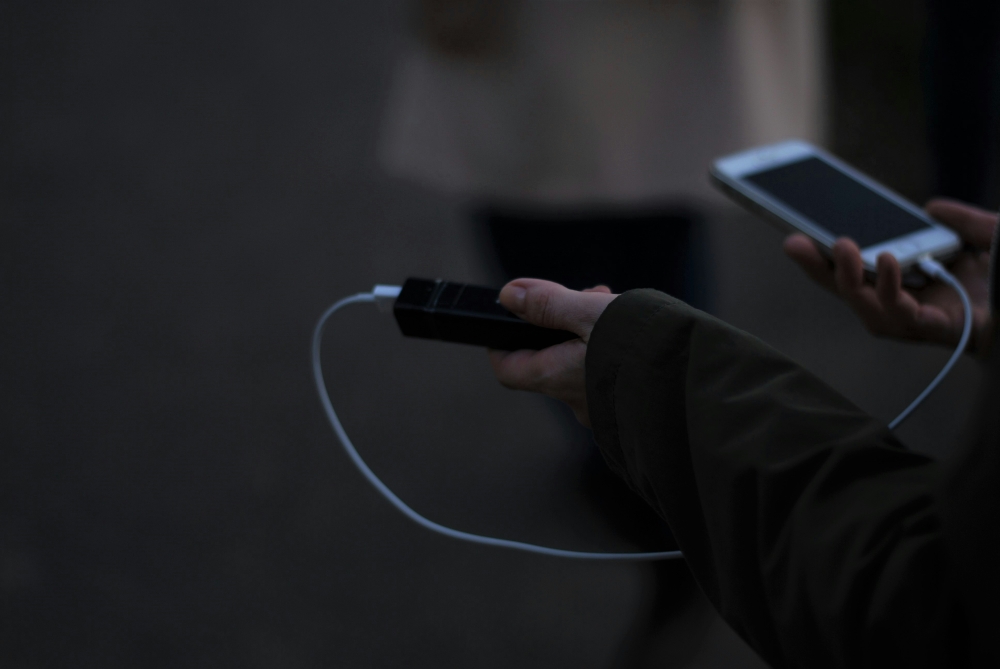


Thailand finally adopts ICAO power bank rules after airline fire scares

BANGKOK, June 6 — Thailand’s aviation regulator has tightened rules on power banks on flights after a series of lithium-battery scares, more than two months after standards set by the International Civil Aviation Organisation (ICAO) took effect.
The move follows the January 2025 Air Busan fire in South Korea, where early investigations suggested a power bank may have been involved, as well as Thai-linked incidents on Thai AirAsia in January 2024 and Bangkok Airways in July 2025.
The Civil Aviation Authority of Thailand said power banks must now be carried only in cabin baggage and are banned from checked luggage, The Bangkok Post reported this week.
It capped devices at 100 watt-hours, or 20,000 milliampere-hours, while power banks between 101Wh and 160Wh require airline approval.
Each passenger may carry no more than two lithium-battery power banks, and devices with unclear or missing capacity labels are not allowed on board.
Passengers are also barred from charging power banks or using them to charge phones or other devices during flights.
Power banks must be kept within reach, such as in a seat pocket, under the seat in front or on the passenger, and cannot be stored in overhead lockers.
The safety logic is simple: a lithium battery fire in the hold is hard to detect, while a smoking battery in the cabin can be isolated, cooled and contained by trained crew.
The ICAO guidelines, set on March 27, limits passengers to two power banks each, besides barring them from recharging the devices during flights.
That means Thailand took about 10 weeks, or 69 days, to turn the latest international safety practice into a local regulator rule.
But Thailand was not starting from zero, as Thai Airways had already announced similar power bank restrictions in early April based on ICAO requirements.
Malaysia Airlines, Firefly and MASwings tightened power bank controls on April 1, 2025, requiring passengers to keep devices with them, barring overhead storage and banning the charging of power banks in flight.
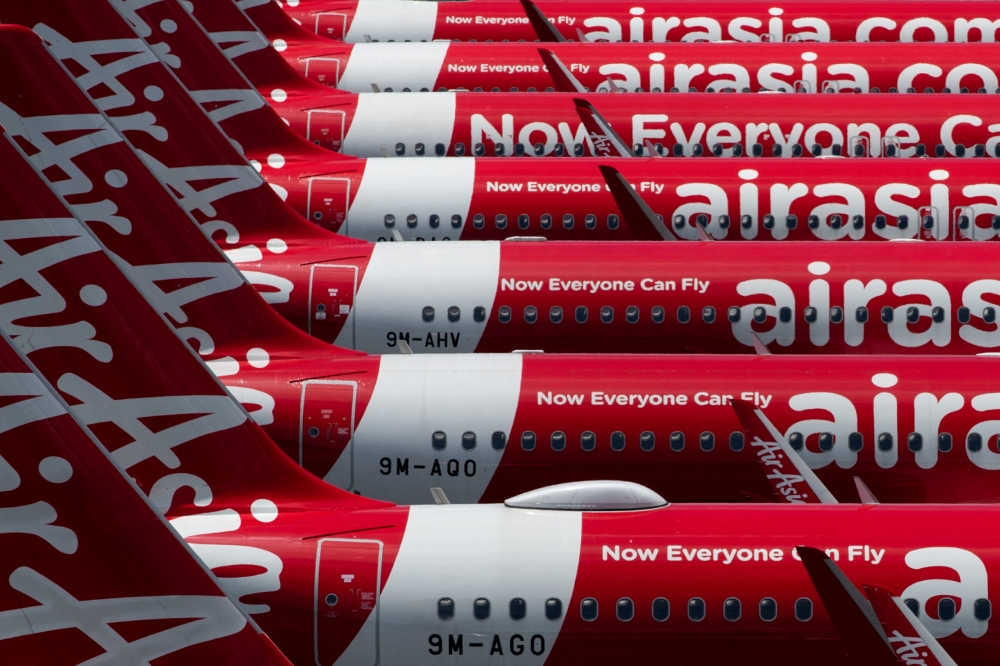
Malaysia-based budget carrier AirAsia also moved to require power banks to be kept in the cabin and within reach, while barring their in-flight use and charging.
Malaysia had also put core lithium-battery flight limits into a regulator directive as far back as December 2015, showing that parts of Thailand’s new package reflect safety practice that has existed regionally for more than a decade.
Singapore moved faster on the 2026 ICAO update, limiting passengers flying out of the island nation to two power banks from April 15.
Singapore Airlines and Scoot had already banned passengers from using or charging power banks in flight from April 1, 2025, after a series of battery-related cabin fire incidents.
The common international baseline remains that power banks and spare lithium batteries should travel in the cabin, devices under 100Wh are generally allowed, 101Wh to 160Wh devices require airline approval, and higher-capacity units are banned from passenger baggage.
Thailand’s version is slightly stricter in practice because it states the standard limit as 20,000mAh, below the roughly 27,000mAh often treated as the 100Wh equivalent for typical 3.7-volt power banks.
For travellers, the message is blunt: bring no more than two clearly labelled power banks, keep them in hand luggage, do not put them overhead, do not use them in flight, and charge your phone before boarding.