
Normal view

More Asians turning to charcoal and firewood amid fuel crisis, raising health concerns

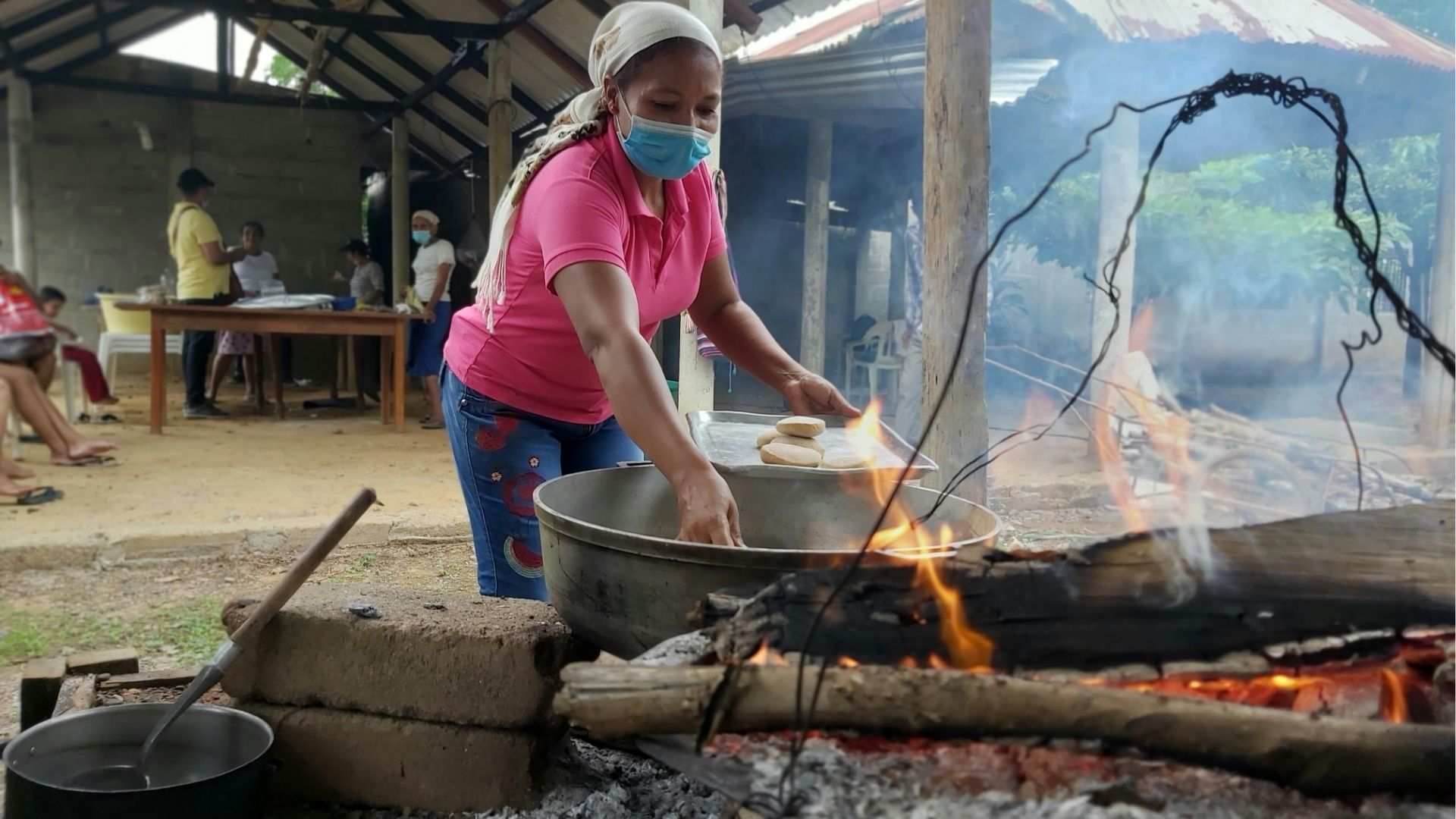
MANILA: As Asia continues to grapple with the fuel crisis brought about by the war in the Middle East, more people have resorted to using charcoal or firewood for cooking. This means higher pollution levels as well as a threat to public health.

The price of fuel rose sharply in the wake of the war due to the closure of the Strait of Hormuz, a chokepoint for 20% of the world’s fuel supply. Asia, which is heavily dependent on oil from the Middle East, has struggled to ensure sufficient supply for domestic use.

As a result, poorer people in countries such as India and the Philippines have gone back to older methods of cooking, which is likely to have an adverse effect on people’s health.

In the Philippines, the demand for charcoal has gone up as the price of the liquefied petroleum gas (LPG) canisters that many use for cooking has doubled.

The head of the LPG Marketers Association told the Philippine Congress last month that LPG consumption was reduced by 30% in comparison to the previous year as many people, especially in the provinces, shifted to charcoal and firewood. However, the price of charcoal has also gone up due to rising transport costs.

In India, over 60% of the population relies on LPG for their cooking needs. A sharp price increase and the scarcity of supplies have meant a return to “dirty” fuels such as firewood for many.

A woman told The Guardian that LPG would now cost her family 1,000 rupees (S$13.29) a week, which her family cannot afford, since her husband only earns between 400 and 500 rupees (S$5.32-S$6.53) daily. 

In late March, less than a month after the war in the Middle East began, the International Energy Agency (IEA) warned that higher fuel prices were already driving households to again use charcoal and wood, “undermining longer-term objectives to extend universal access to clean cooking.

This has implications for air quality and health. Using biomass as a traditional cooking fuel is associated with around 2.5 million premature deaths globally each year.”

The pollutants from such cooking methods have been linked to a wide range of diseases, including lung cancer, strokes, and chronic obstructive pulmonary disease.

The World Health Organization has said that the combined effects of ambient air pollution and household air pollution contribute to 7 million premature deaths each year. And, as in any crisis, it’s the poorest in society who are most exposed to these risks, with women and children being particularly vulnerable. /TISG

Read also: Poorest across Southeast Asia are the hardest hit by energy crisis due to Iran war

This article (More Asians turning to charcoal and firewood amid fuel crisis, raising health concerns) first appeared on The Independent Singapore News.
  • ✇The Independent Singapore News
  • Energy pact pursued by ASEAN amid fuel crisis due to Iran War Anna Maria Romero
    MANILA: A framework agreement on petroleum security is being pushed forward by the Association of Southeast Asian Nations (ASEAN), as the region struggles to scramble for adequate fuel supplies amid the oil crisis brought about by the conflict in the Middle East. “APSA, or the Asean Petroleum Security Agreement, is being pursued to enable coordinated emergency fuel sharing and collective responses to supply disruption,” a Reuters report quoted the Philippines’ Trade Secretary Cristina Roque as s
     

Energy pact pursued by ASEAN amid fuel crisis due to Iran War

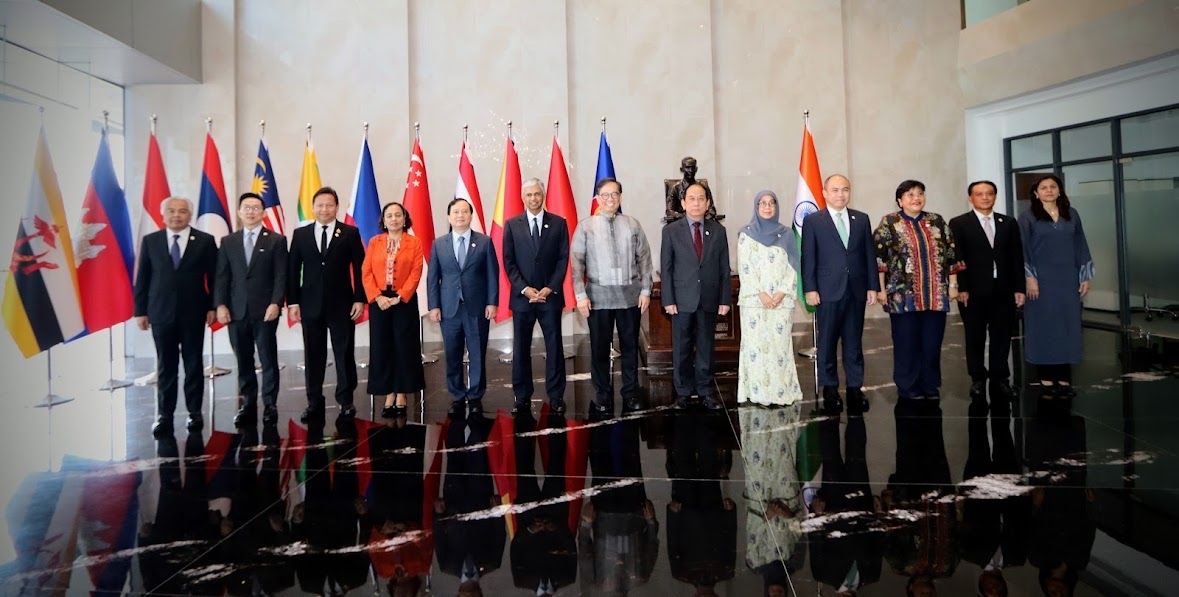
MANILA: A framework agreement on petroleum security is being pushed forward by the Association of Southeast Asian Nations (ASEAN), as the region struggles to scramble for adequate fuel supplies amid the oil crisis brought about by the conflict in the Middle East.

“APSA, or the Asean Petroleum Security Agreement, is being pursued to enable coordinated emergency fuel sharing and collective responses to supply disruption,” a Reuters report quoted the Philippines’ Trade Secretary Cristina Roque as saying on Thursday (April 30).

The Philippines is chairing ASEAN this year, hosting the 48th Leaders’ Summit on May 7 to 8.

The conflict, which began on Feb 28 when the United States and Israel started bombing Iran, resulted in the effective closure of the Strait of Hormuz, a chokepoint for 20% of the global energy supply. This has sent oil prices skyrocketing, and countries in Southeast Asia, heavily dependent on oil from the Middle East, have been among the most badly affected.

The Philippines, which relies on 98% of its oil from the region, declared a national emergency less than three weeks after the war started. Indonesia, Malaysia, Thailand, and Vietnam have also been affected by the Hormuz closure.

These countries have begun to look for other sources of oil, including Russia.

Underlining the vulnerability of the region, the United Nations Development Programme (UNDP) warned last month that the war may end up costing countries in the Asia-Pacific billions of dollars in losses. Moreover, nearly nine million people could also fall into poverty as a result of the war.

What APSA is for

According to the Philippines’ Trade Secretary, moving forward with ratifying the pact is meant to increase energy resilience and fuel sharing across Southeast Asia, and added that the country will make implementing a region-wide power grid for the purpose of energy sharing a priority.

ASEAN will also maintain open and predictable trade and steer clear of trade measures that are restrictive, which include bans on the export of essential goods during uncertain times.

Ms Roque added that the current trade agreement, including the free trade agreement with South Korea and China, will be strengthened and accelerated by ASEAN. Furthermore, food security and supply chain coordination will also be strengthened by the bloc, which would secure better access to food region-wide.

The energy supply for essential services during critical times, such as health care, hospitals, emergency systems and critical care facilities, will also be safeguarded by ASEAN member states. Also, support for micro, small, and medium enterprises will be intensified by ASEAN through better access to financing, which will help safeguard jobs during times of economic shock. /TISG 

Read also: Netizens call out top EU diplomat for asking Southeast Asia not to ‌buy Russian oil amid Iran war

This article (Energy pact pursued by ASEAN amid fuel crisis due to Iran War) first appeared on The Independent Singapore News.

❌
Subscriptions