Normal view

  • ✇Malay Mail - All
  • MOF: RON97 up 15 sen, unsubsidised RON95 up 20 sen, diesel up 10 sen for May 21–27
    KUALA LUMPUR, May 21 — The retail prices of RON97, unsubsidised RON95 and diesel in Peninsular Malaysia will increase by 15 sen, 20 sen and 10 sen per litre respectively for the period from May 21 to 27.The Ministry of Finance (MOF) said in a statement yesterday that the retail price of RON97 would be set at RM4.85 per litre compared with RM4.70 previously, while unsubsidised RON95 would rise to RM4.07 per litre from RM3.87 previously.The price of diesel in Penin
     

MOF: RON97 up 15 sen, unsubsidised RON95 up 20 sen, diesel up 10 sen for May 21–27

21 May 2026 at 02:07

Malay Mail

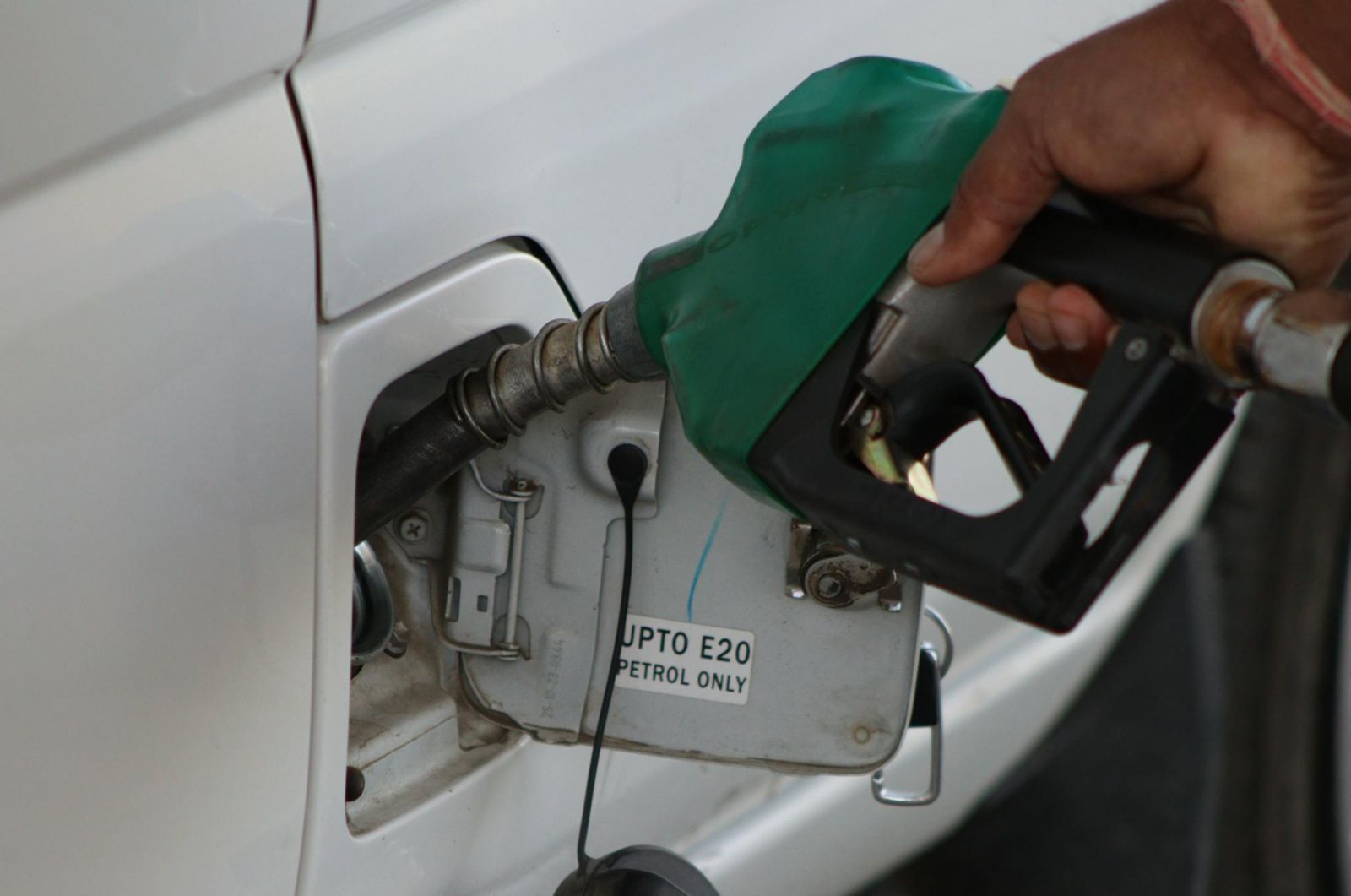
KUALA LUMPUR, May 21 — The retail prices of RON97, unsubsidised RON95 and diesel in Peninsular Malaysia will increase by 15 sen, 20 sen and 10 sen per litre respectively for the period from May 21 to 27.

The Ministry of Finance (MOF) said in a statement yesterday that the retail price of RON97 would be set at RM4.85 per litre compared with RM4.70 previously, while unsubsidised RON95 would rise to RM4.07 per litre from RM3.87 previously.

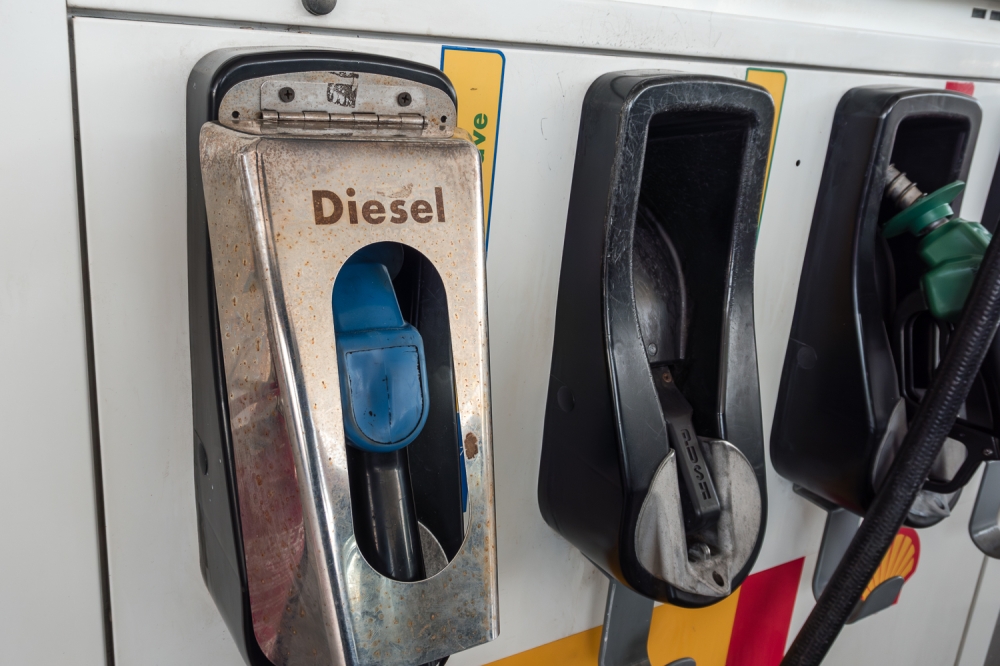
The price of diesel in Peninsular Malaysia will meanwhile be set at RM4.97 per litre compared with RM4.87 previously.

According to MOF, the new retail price adjustment is in line with the Automatic Pricing Mechanism (APM) formula.

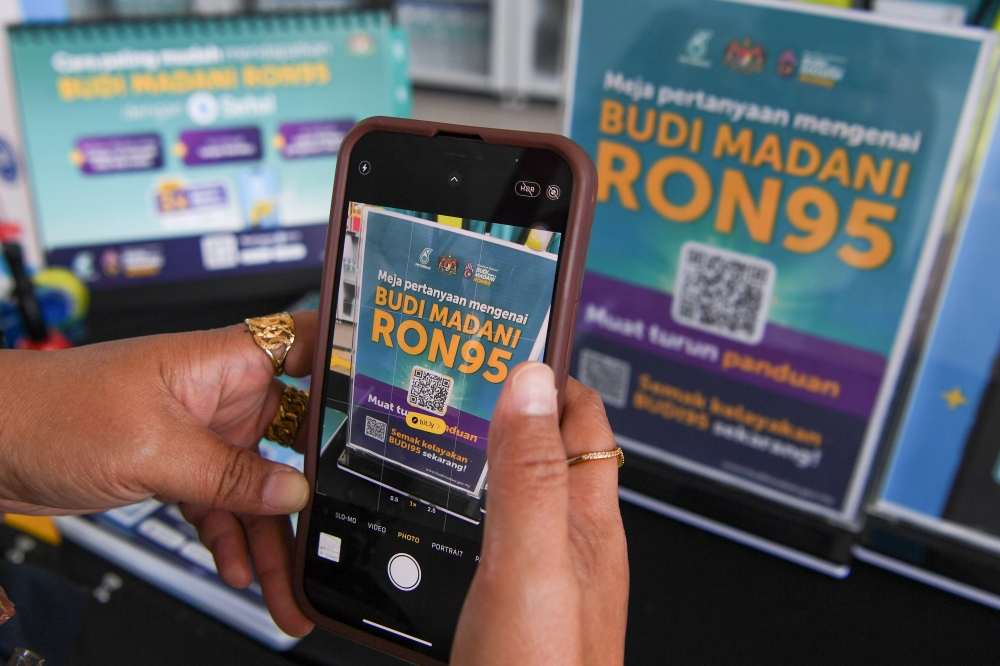
At the same time, the Madani Government will maintain targeted subsidised prices for the people and selected sectors, covering RON95 (BUDI95) at RM1.99 per litre, diesel in Sabah, Sarawak and Labuan, as well as the Subsidised Diesel Control System (SKDS) at RM2.15 per litre, the Subsidised Petrol Control System (SKPS) at RM2.05 per litre.

MOF said that at the current unsubsidised RON95 price of RM4.07 per litre, the use of 200 litres would cost RM814.

“This means the Madani Government is bearing RM416, or more than half of the actual RON95 cost, for each recipient using the full BUDI95 entitlement,” it said.

It said Brent crude oil prices have now reached around USD110 per barrel, nearly 60 per cent higher compared with the pre-conflict level of around USD70 per barrel, as logistics costs and insurance premiums increased significantly due to shipping risks through conflict zones, further pressuring petroleum product prices.

The statement said disruptions to global oil supply were becoming more severe as the conflict continues with the Strait of Hormuz is a route for about 20 per cent of the world’s petroleum supply, while damage to oil production and refining facilities in West Asia will take time to restore.

“In view of the still uncertain global market conditions, MOF said the Madani Government urged the public to continue practising prudent fuel consumption to help extend the country’s supply,” it added. — Bernama

  • ✇Malay Mail - All
  • From fuel subsidies to smarter mobility: Malaysia must rethink how we move — Ben Fong Kok Seng
    MAY 19 — Of late, there has been intense debate over BUDI95, particularly on whether subsidised fuel should be extended to the T20 group, whether the income threshold should be narrowed, and how the mechanism should ultimately be implemented in light of the country’s growing subsidy bill.But beyond subsidies and income brackets lies a bigger question: is Malaysia’s dependence on private cars and cheap petrol still sustainable in the long run?The truth is that the
     

From fuel subsidies to smarter mobility: Malaysia must rethink how we move — Ben Fong Kok Seng

19 May 2026 at 11:07

Malay Mail

MAY 19 — Of late, there has been intense debate over BUDI95, particularly on whether subsidised fuel should be extended to the T20 group, whether the income threshold should be narrowed, and how the mechanism should ultimately be implemented in light of the country’s growing subsidy bill.

But beyond subsidies and income brackets lies a bigger question: is Malaysia’s dependence on private cars and cheap petrol still sustainable in the long run?

The truth is that the Government is now spending some RM6 billion to RM7 billion per month on subsidies following the blockade in the Strait of Hormuz. This is up from about RM700 million in January before the conflict in West Asia started.

This is not sustainable in the long run. Money spent subsidising petrol consumption is money that cannot be fully used to improve buses, trains, walkways, schools, clinics or direct support for those who need it most.

Part of the reason Malaysia remains trapped in the subsidy cycle is that the country has grown heavily dependent on private cars and artificially low fuel prices. Malaysia reportedly has the second highest car ownership rate in Asia.

In major cities such as London, New York, Tokyo and Singapore, taking the train or bus is normal. Office workers, students, professionals, tourists and senior executives use public transport without any social stigma. It is simply the most practical way to move around.

Malaysians must develop the same attitude. Public transport should not be seen as a second-class option.

The good news is that Malaysia is not starting from zero. In the Klang Valley, especially Bukit Bintang where I am active in community work, public transport connectivity has improved considerably over the years. Thanks in large part to the efforts of the Ministry of Transport, the MRT, LRT, monorail, KTM, bus and feeder networks, along with free city bus services, have become far more extensive and accessible in recent years.

The launch of the Segambut Utara KTM station by the Transport Minister on May 15, along with the extension of DBKL’s GoKL13 bus service to include the station, is another clear testament to the government’s continuous commitment to strengthening the public transport network.

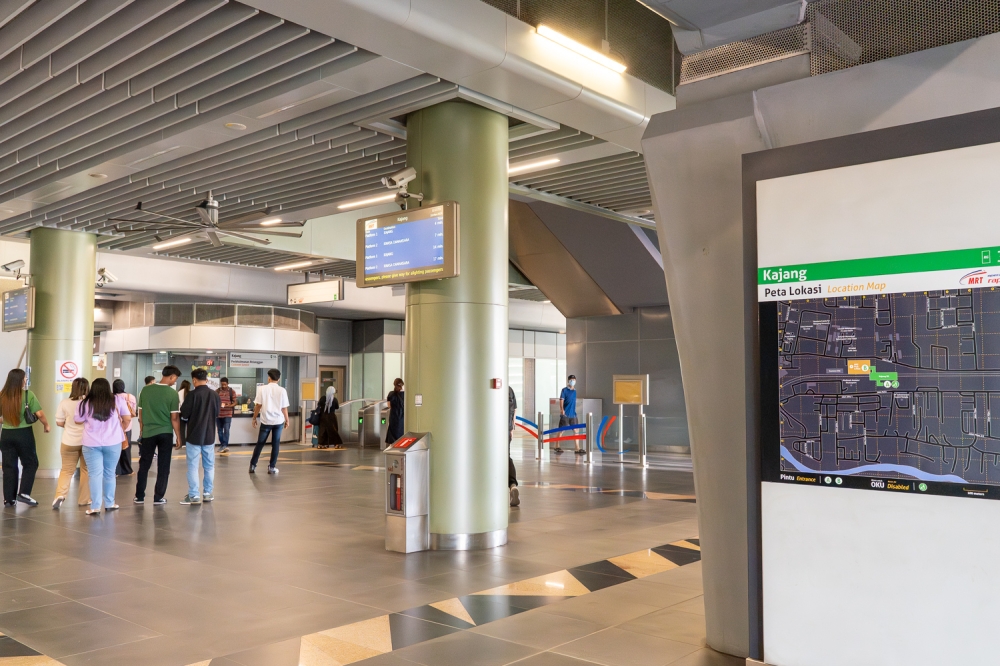
Commuters are seen at an MRT station in Kajang, Selangor as calls grow for Malaysia to reduce dependence on fuel subsidies by improving public transport connectivity and promoting smarter mobility solutions. — Picture by Raymond Manuel

Initiatives like the My50 pass have also helped keep commuting affordable. The Putrajaya Line has expanded rail coverage. The LRT3 Shah Alam Line is expected to further improve connectivity. ETS services have also expanded southwards, improving intercity rail travel. These are not small achievements.

That said, there’s still room for improvements. Occasional train delays and breakdowns, crowded coaches, as well as weak first-mile and last-mile connectivity may discourage people from changing their commuting habits. If the government wants Malaysians to reduce petrol consumption, public transport must be reliable, convenient and attractive enough for people to willingly choose it over driving.

This is where more practical solutions are needed. First and foremost, first-and-last-mile connectivity must be prioritised. Services such as on-demand vans have shown that neighbourhoods can be linked to rail stations in a more flexible and efficient manner. In some countries, shared scooters are widely available for short-distance travel, helping commuters get to train stations and reach their final destinations more conveniently.

Another dimension involves reducing unnecessary travel and easing traffic congestion through flexible working hours and work-from-home arrangements. Technology already makes this possible for many jobs. The government can consider incentives for companies that implement staggered hours, hybrid work or staff public transport benefits.

The private sector should also be part of the solution. In Kuala Lumpur, initiatives similar to Bangun KL could be expanded beyond food and beverage discounts to encourage off-peak travel and commuting. The government can also incentivise or encourage toll operators, taxis and ride-sharing platforms to offer lower rates during non-peak hours, helping to spread out travel demand more evenly throughout the day. These will ultimately lead to lower usage of petrol.

Lastly, if private car ownership cannot be avoided, then the government should continue incentivising the shift towards electric vehicles (EVs). The government has already taken several encouraging steps, including extending tax exemptions for EVs, accelerating the rollout of charging infrastructure nationwide, and attracting major global EV investments into Malaysia. 

These efforts must continue to accelerate the country’s transition away from fossil fuel-powered vehicles.

Ultimately, BUDI95 should not be treated only as a subsidy mechanism. It should be treated as a turning point. The global energy situation is telling us that the old model of cheap petrol, more cars and endless congestion cannot continue forever.

If we get this right, Malaysia can use this moment to build a better transport future with more reliable public transport, less congestion and lower subsidy burden on taxpayers.

* Ben Fong Kok Seng is the chairman of the Bukit Bintang Parliamentary Zone Residents’ Representative Council.

** This is the personal opinion of the writer or publication and does not necessarily represent the views of Malay Mail.

 

  • ✇Malay Mail - All
  • Putrajaya focused on improving BUDI95, not redefining T20 group, says Amir Hamzah
    BALIK PULAU, May 17 — The government has not discussed any proposal to introduce a new classification for the top 20 per cent income group (T20), Finance Minister II Datuk Seri Amir Hamzah Azizan said.He said the government is instead focused on improving the existing BUDI Madani RON95 (BUDI95) initiative, which he described as comprehensive and fair to all groups.“We are not discussing anything on the T20 classification at this point, so I do not know how the is
     

Putrajaya focused on improving BUDI95, not redefining T20 group, says Amir Hamzah

17 May 2026 at 11:42

Malay Mail

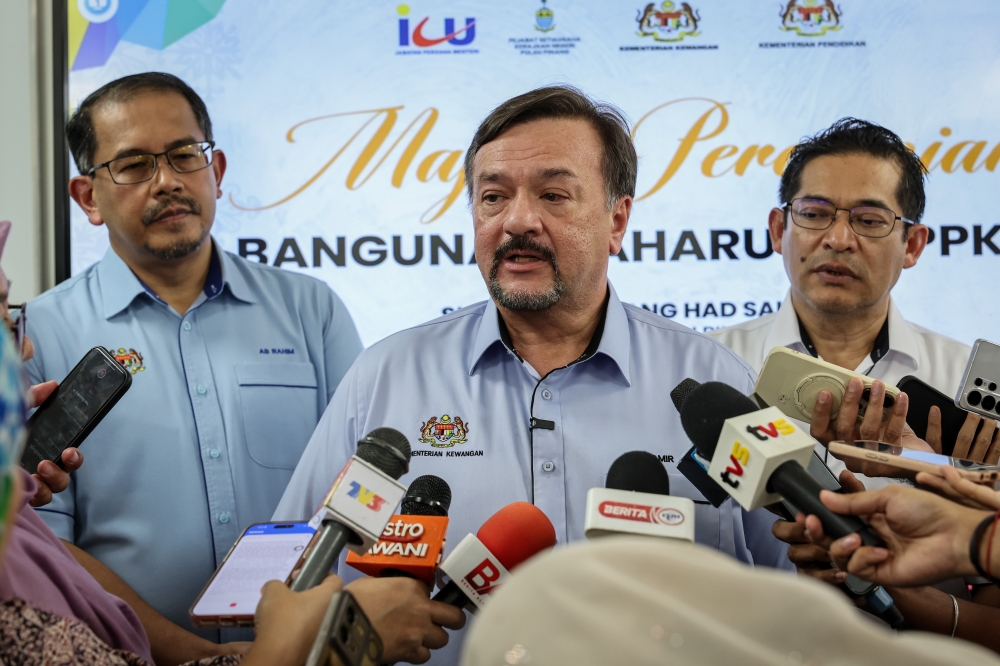
BALIK PULAU, May 17 — The government has not discussed any proposal to introduce a new classification for the top 20 per cent income group (T20), Finance Minister II Datuk Seri Amir Hamzah Azizan said.

He said the government is instead focused on improving the existing BUDI Madani RON95 (BUDI95) initiative, which he described as comprehensive and fair to all groups.

“We are not discussing anything on the T20 classification at this point, so I do not know how the issue came about.

“Our approach is to look at fuel usage nationwide. We are using the same approach as in BUDI95 because we believe the current system is sufficiently comprehensive and fair to everyone, and we will extend it to Sabah and Sarawak as well,” he told reporters.

He was speaking after officiating at the opening and handover of an additional block of preschool classrooms for the Special Education Integrated Programme (PPKI) at Sekolah Kebangsaan (SK) Tan Sri Awang Had Salleh here today. Also present was Education Ministry secretary-general Datuk Wan Hashim Wan Rahim.

Commenting on the National Union of the Teaching Profession’s (NUTP) call for the government to reconsider the provision of 300 litres of monthly fuel subsidy under BUDI95 for teachers, Amir Hamzah said the government must take into account global oil market conditions and the subsidy burden it bears.

He said the conflict in the Middle East had put pressure on global oil supplies, causing the government’s monthly subsidy bill to rise from about RM700 million to nearly RM7 billion in March before easing to between RM3.5 billion and RM4 billion recently.

As such, he said the government had reduced the subsidy quota from 300 litres to 200 litres to minimise the risk of abuse, encourage prudent fuel consumption and ease the subsidy burden.

Meanwhile, Amir Hamzah said eligible micro, small and medium enterprises (MSMEs) can apply for financing of up to RM750,000 under Bank Negara Malaysia’s RM5 billion SME Financing Facility for Sustainability and Resilience (SME SRF), with a maximum interest or profit rate of 3.7 per cent per annum.

Last Friday, NUTP president Aminuddin Awang expressed hope that the government would reconsider the 300-litre monthly fuel subsidy for teachers, noting that some educators use their individual BUDI95 quota for official duties, including transporting students to co-curricular activities and competitions. — Bernama

Communications minister clarifies report on BUDI95 cuts, says deputy finance minister misquoted

13 May 2026 at 08:04

Malay Mail

PUTRAJAYA, May 13 — The Cabinet has not discussed any proposal to cut the BUDI95 fuel subsidy quota, Communications Minister Fahmi Fadzil said today.

He added that earlier reports quoting Deputy Finance Minister Liew Chin Tong as saying the government is looking to reduce the monthly BUDI95 allocation were inaccurate.

“I understand that the original report with the inaccurate headline has been withdrawn by the media company,” Fahmi told reporters after the weekly Cabinet meeting.

He said Liew had since clarified his remarks and explained he was referring to a study conducted by the Economy Ministry examining fuel usage patterns among Malaysians.

“The Ministry of Economy studied the levels of 300 litres, 200 litres, 150 litres and 100 litres to see how many Malaysians fall within those categories,” he said.

“When it comes to the level of study, that is what has been misunderstood.”

Fahmi stressed that no discussion on reducing the BUDI95 allocation took place during today’s Cabinet meeting.

“Currently, we are looking into matters related to diesel and the implementation of diesel assistance using a system similar to BUDI95,” he added.

He said discussions involving diesel subsidy mechanisms were still ongoing and no final decision had been made.

  • ✇The Independent Singapore News
  • Removing petrol subsidies for top tax payers in Malaysia unfair says netizens Kazi Mahmood
    MALAYSIA: Economist Ahmed Razman Abdul Latiff suggested limiting the BUDI95 fuel subsidy to Malaysia’s B40 and M40 groups, potentially saving Putrajaya RM1.5 billion monthly. He noted that the T20 consumes over 30% of RON95 subsidies, arguing that restructuring would better target those in need. Fellow economist Afzanizam Abdul Rashid also urged rationalisation, proposing reduced quotas for high‑income users. In Malaysia, the B40 category refers to households earning below RM3,000 (S$966) monthl
     

Removing petrol subsidies for top tax payers in Malaysia unfair says netizens

MALAYSIA: Economist Ahmed Razman Abdul Latiff suggested limiting the BUDI95 fuel subsidy to Malaysia’s B40 and M40 groups, potentially saving Putrajaya RM1.5 billion monthly. He noted that the T20 consumes over 30% of RON95 subsidies, arguing that restructuring would better target those in need. Fellow economist Afzanizam Abdul Rashid also urged rationalisation, proposing reduced quotas for high‑income users.

In Malaysia, the B40 category refers to households earning below RM3,000 (S$966) monthly. The M40 group includes households earning under RM7,000 (S$2,254). At the top, the T20 represents households with incomes exceeding RM15,000 (S$4,830) per month. These classifications are widely used in policymaking to determine subsidy eligibility, social assistance, and economic planning. 

On social media, users are debating whether Malaysia’s top taxpayers, the T20 group, should continue receiving subsidies. Supporters argue that since the T20 contributes an estimated 86% of the nation’s tax revenue, excluding them from benefits would be unfair. 

Malaysia’s higher taxpayers, particularly the T20 group, according to a netizen, should be entitled to petrol subsidies since they contribute significantly to national revenue. He added that if the government’s priority is to help the poor, reinstating the GST would be a more effective measure.

Some Malaysians argue it is unfair for the country’s highest taxpayers to be excluded from petrol subsidies. An X user noted that while everyone else enjoys equal subsidies, certain individuals contribute at least 25% of their income in taxes. Now, they face being cut off from benefits, raising questions about fairness.

The definition of Malaysia’s upper‑income category remains complex. A commenter said that high taxpayers in single‑income households with children face heavy burdens. After taxes, unsubsidised petrol adds further strain on their household. 

However, some feel that the high taxpayers should not receive the subsidy. One pointed high earners in Malaysia are constantly showing that they’re driving out of state just to have an expensive lunch. He adds that there won’t be a difference in their budget if they were to pay more for petrol. 

Many Malaysians believe petrol subsidies should apply to all citizens, regardless of wealth. They argue the nation’s resources belong collectively to the people, and excluding the T20 group undermines fairness, as they too are Malaysians. 

This article (Removing petrol subsidies for top tax payers in Malaysia unfair says netizens) first appeared on The Independent Singapore News.

❌
Subscriptions