Login
Login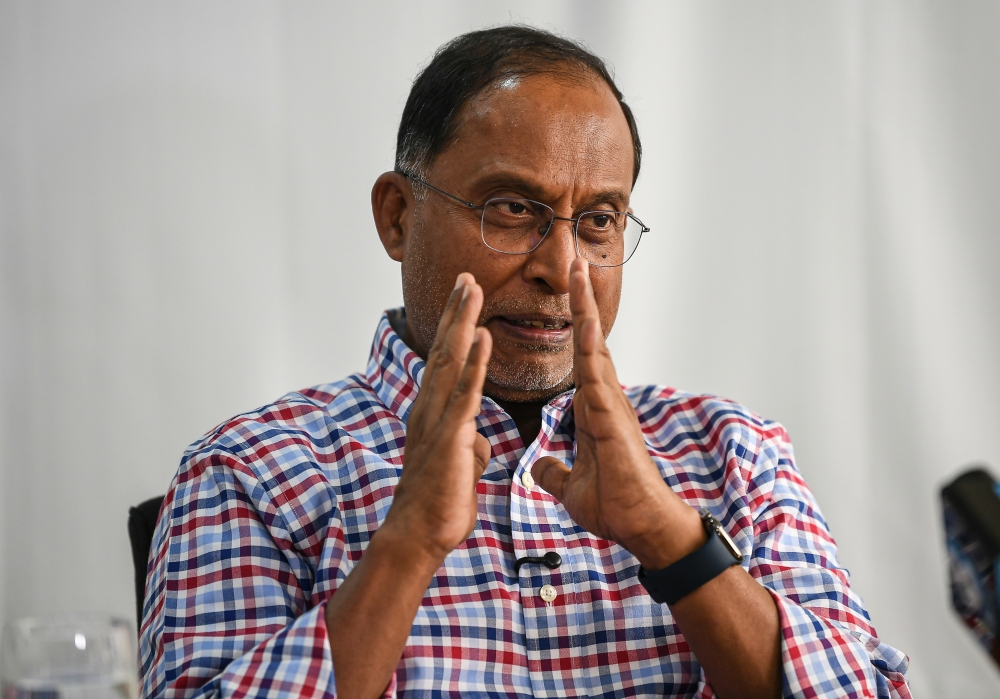


Zambry: Higher education access must align with national policy, unity goals, stresses BM and History requirements for UEC holders

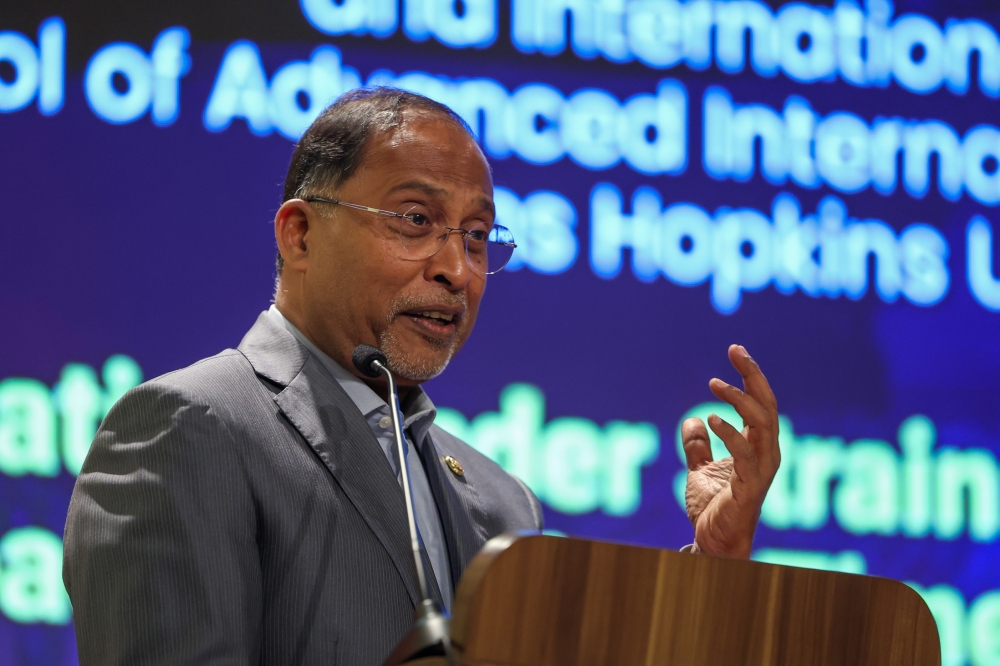
KUALA LUMPUR, May 17 — The government is adopting a balanced, inclusive and responsible approach in its efforts to expand access to national higher education as part of building a common meeting point for Malaysia’s diverse society.
Higher Education Minister Datuk Seri Dr Zambry Abd Kadir said the commitment must nevertheless remain aligned with efforts to uphold the foundations of the National Education Policy and the National Education Philosophy.
According to him, in a sovereign nation, the education system cannot merely be viewed through the lens of academic demands, the interests of certain groups or narrow identity considerations.
“It also involves nation-building, strengthening unity, empowering Bahasa Melayu as the national language, as well as understanding Malaysia’s history and nationhood.
“For this reason, the government cannot alter the foundations of the national education system simply to satisfy the demands of any particular educational stream,” he told Bernama in an exclusive interview at the World Trade Centre Kuala Lumpur today.
He was responding to a statement by the Federation of Malaysian Chinese School Management Associations (Dong Zong) on May 15, which claimed that the government had failed to reflect educational justice towards Unified Examination Certificate (UEC) graduates.
Zambry described the claim as misguided and irresponsible.
He said any educational stream seeking broader access to public institutions must demonstrate a willingness to operate within the country’s national framework, adding that the government must defend national principles and policies that form the basis of national identity and unity.
He added that the government’s decision to allow UEC holders to apply to public institutions of higher learning (IPTA) for selected Chinese language and literature courses, provided they obtain a credit in Bahasa Melayu and pass History in the Sijil Pelajaran Malaysia (SPM) examination, should not be regarded as vague, unfair or a systemic flaw as alleged by Dong Zong.
On the contrary, he said the move reflected an inclusive and responsible approach that respected the framework of the National Education Policy.
“In this regard, the position of Bahasa Melayu as the national language and History as the foundation of nationhood cannot be compromised. These principles must be implemented consistently and cannot change simply because of political pressure or demands from any party,” he said.
Elaborating further, Zambry said Malaysia’s future depends on a common foundation capable of uniting the people through Bahasa Melayu as the national language, an understanding of the country’s history and a shared spirit of nationhood.
He added that Dong Zong also needed to understand that public universities are national institutions governed by national policies, and therefore the government has the right to impose certain conditions to preserve educational standards, system harmony and the country’s long-term interests.
“The government remains committed to ensuring that the country’s higher education system continues to be inclusive, fair and of high quality. However, inclusiveness does not mean the government must sacrifice the country’s core policies.
“Openness also does not mean the nation should ignore the national principles that have formed the backbone of Malaysia’s development since independence,” he said. — Bernama