Login
Login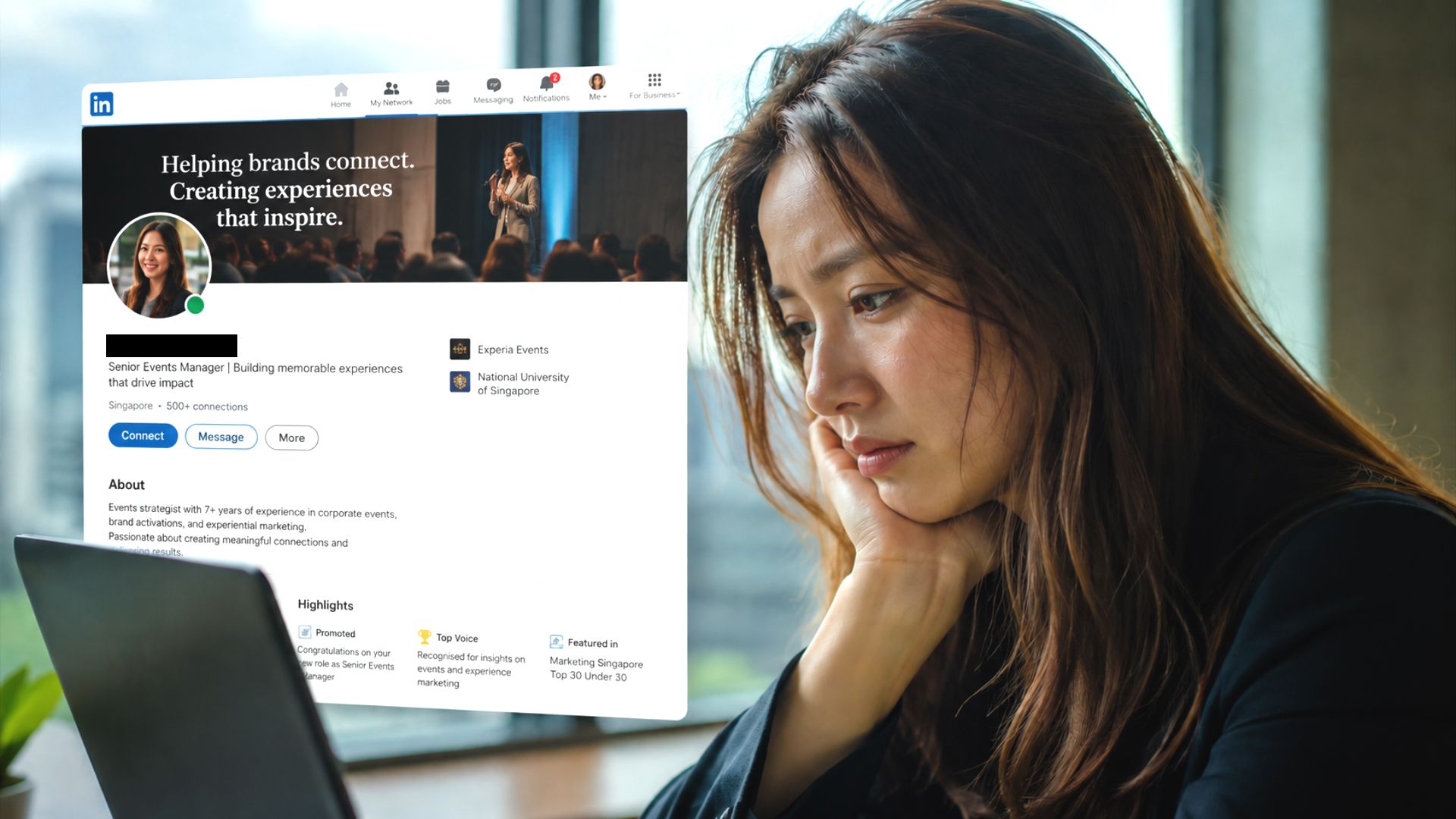


Career experts: Singapore workers aren’t as far ahead in their jobs as their LinkedIn work update suggests

SINGAPORE: Scrolling through LinkedIn, the online professional networking and career development platform, can feel like attending a never-ending awards night. One of your friends becomes a vice-president, while another buys a condominium.
Then, someone else posts a business-class work trip and celebrates a promotion with a polished photo and hundreds of congratulatory comments. For many working adults in Singapore, this type of stream of updates can create an uncomfortable thought: Am I falling behind?
According to Channel NewsAsia (CNA), career experts say feeling this way has become harder to avoid because career milestones are now more visible online, more frequent and easier to compare. It’s the very pressure that 27-year-old Shania Tsing is currently experiencing.
After leaving her previous role as a sales engineer in 2025 to work in events management, she accepted a lower salary in exchange for work she enjoyed more. Even though she feels happier in her current role, comments from people around her and constant exposure to friends reaching life milestones sometimes make her question whether she made the right call.
Workers compare others’ progress instead of deciding what progress means for themselves
Career comparison is not new, but what has changed is its speed and visibility. Career counsellors said that people compare themselves with those of similar age and background because they feel like the easiest measuring stick.
Over time, people may start using public signs of success to judge how well they are doing, rather than deciding what progress means for themselves.
Clinical counsellor Stella Ong said many people aren’t chasing someone else’s success. They are trying to answer a silent question: Am I progressing at the right pace?
Platforms like LinkedIn make that question harder to avoid, as career updates now appear alongside daily browsing.
Promotions, job changes, and achievements arrive continuously, creating the impression that everyone else is accelerating while you remain still. Impressions like this can slowly reset what people consider normal.
The career race online is usually edited, polished and idealised from what actually is
Experts interviewed pointed out something many people already suspect but rarely say aloud: online career updates are selective.
Recruitment and leadership coach Connie Low explained that professional announcements are frequently shaped to present someone in the best possible light. Job titles also differ across firms and industries, making direct comparisons unreliable.
On top of that, there is another career wrinkle: job title inflation. Global talent consultancy Robert Walters reported that Singapore saw growth in senior-sounding job titles in recent years, including roles labelled “manager” and “director” for people with relatively limited experience. Those titles don’t always align with their actual salary, authority, or scope of work.
Low also noted that promotion rates are lower than many assume. Based on industry benchmarks she referenced, only a small portion of employees receive promotions in a typical year. Most careers move more slowly than social media, such as LinkedIn, suggests.
So people rarely post their ordinary or not-so-good years. No one, in the general sense, uploads a status saying they stayed in the same role, did solid work and just went home.
Does your own current career path really match your values, interests and goals?
The career experts added that the answer isn’t to stop comparing entirely. Comparison can still motivate people if it ignites the fire of learning within, rather than self-doubt. The problem starts when it becomes constant and begins to shape how people see themselves.
One helpful change is to change the question. Instead of asking whether someone else is ahead, ask whether your current path matches your values, interests and goals.
Counsellors also suggested getting reality checks from managers, mentors, recruiters or experienced colleagues instead of relying on what appears online. Keeping a record of personal achievements can help, too, because it provides a defined view of progress over time.
Tsing said she has now started placing more weight on enjoying her work and on fostering a healthy workplace culture than on chasing visible milestones. A mindset switch that has helped her reduce comparisons.
Career progress doesn’t always arrive in neat age brackets. Some people move fast. Others change direction. Most are doing better than their feeds suggest. So use LinkedIn as a noticeboard, not a scoreboard. A job title can impress strangers for five seconds, but building work you can live with lasts much longer.
This article (Career experts: Singapore workers aren’t as far ahead in their jobs as their LinkedIn work update suggests) first appeared on The Independent Singapore News.