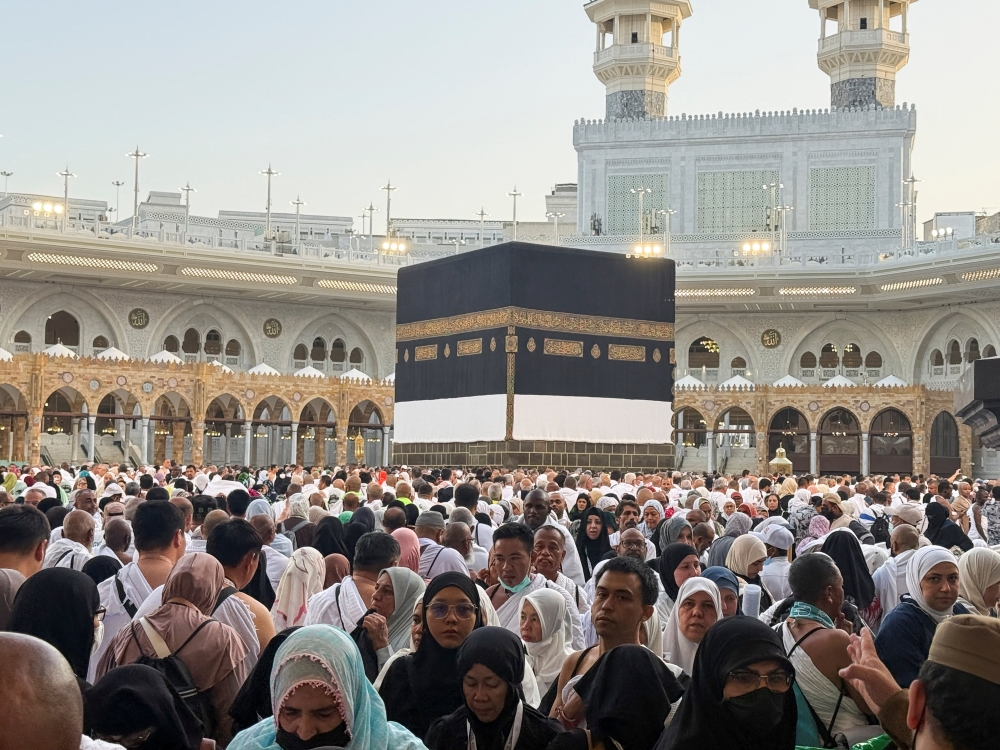
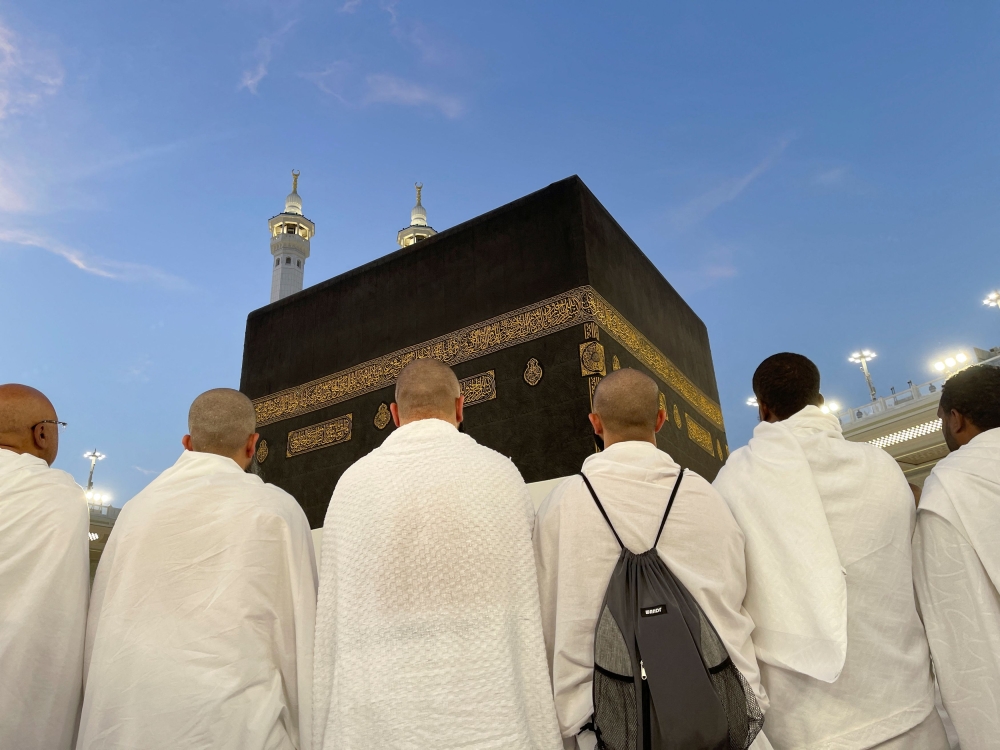
MECCA, May 19 — As dawn breaks on the 9th of Zulhijah in the holy city of Mecca, the eyes of Muslims around the world turn not only to the peak of the Haj pilgrimage, but also to a centuries-old tradition steeped in symbolism, the changing of the Kiswah, the black cloth that envelops the Kaaba.
Beneath the beauty of the black cloth adorned with intricate Quranic verses that drapes the Kaaba lies a painstaking, highly detailed process of craftsmanship, making the Kiswah among the most valuable religious textiles in the world.
The writer, together with fellow media practitioners taking part in the International Media Delegation Programme organised by the General Authority for Media Regulation and the Royal Commission for Makkah City and Holy Sites, recently had the privilege of witnessing the meticulous production process at the King Abdulaziz Complex in Umm Al-Joud, located about 17 km from central Mecca, for the manufacturing of the Kiswah.
Upon entering the complex, the hum of weaving machines, rows of silk thread carefully arranged, and the focused atmosphere among workers make it clear that producing the Kiswah is more than just a craft. It is a responsibility that demands exceptional precision and care.
The complex, which serves as the main centre for Kiswah production, officially began operations in 1977. However, the tradition of making the Kiswah in Saudi Arabia dates back to 1927, when it was established with the approval of King Abdulaziz, marking the end of the practice of importing it from overseas.
A spokesperson for the complex said each Kiswah takes up to 10 months to complete, with nearly 200 skilled specialists involved, including embroiderers, weavers, technicians, designers and tailors.
Each Kiswah is made with a blend of traditional Islamic craftsmanship and modern technology, using approximately 670 kg of black-dyed raw silk. It is then decorated with verses from the holy Quran embroidered with about 120 kg of 21-carat gold thread and roughly 100 kg of silver thread.
The gold and silver threads are then plated onto special yarn imported from Germany, while the high-quality silk is sourced from Italy.
What is even more striking is the scale behind it all. The finished Kiswah stands about 14 metres high and stretches some 74 metres wide, weighing around 850 kg, where every detail is measured with precision to ensure it fits the Kaaba perfectly. Behind this masterpiece lies a production cost of about 25 million Saudi riyals, or nearly RM30 million.
The writer was also taken through each stage of the production process, from dyeing the silk threads and testing their strength in the laboratory, to weaving them on specialised machines and printing verses from the holy Quran using the silk-screen technique, before reaching the most intricate stage of all, the embroidery of gold and silver threads on every calligraphic letter, done one by one with great precision.
Each finished panel is stitched individually before being assembled into a complete Kiswah set, which is then handed over to the management of the Masjid al-Haram (Grand Mosque) around nine days before the replacement ceremony.
For the writer, the visit to the complex opened a window into a world where craftsmanship meets devotion. It revealed the artistry, precision and quiet discipline behind the making of the Kiswah.
More than a cloth that drapes the Kaaba, it stands as a symbol of Islamic grandeur, carefully preserved and handed down through generations with deep reverence. — Bernama

 Login
Login