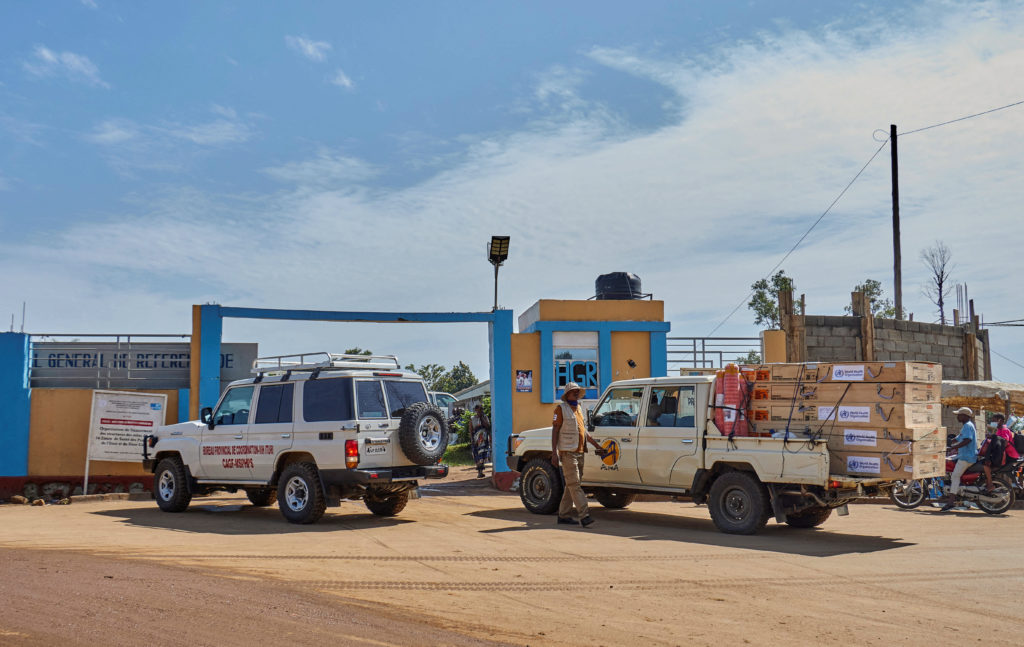
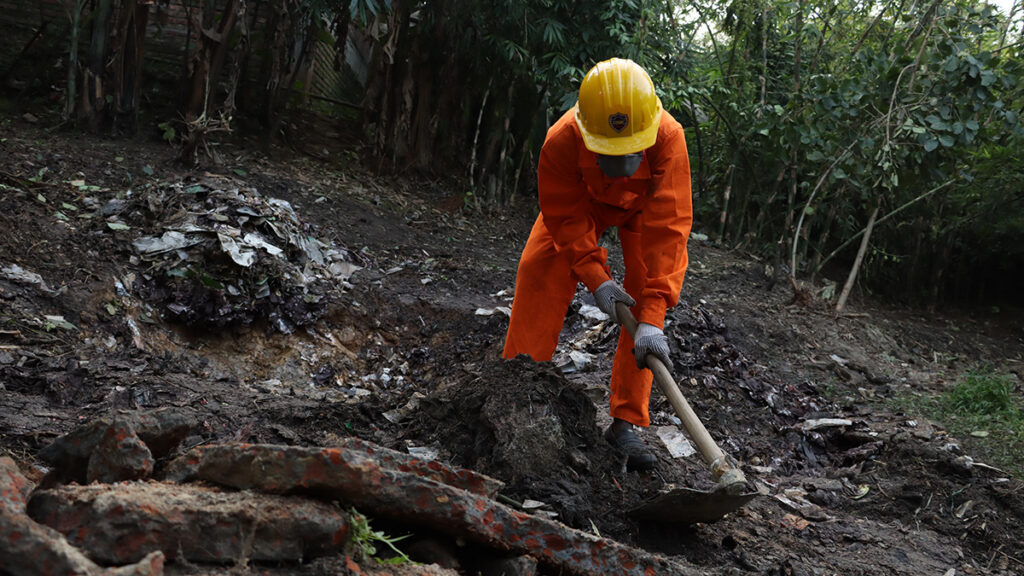
Anxious healthcare workers in eastern Congo said Wednesday they are underprotected and undertrained in a rapidly spreading Ebola outbreak of a rare type of the virus in one of the world's most remote and vulnerable places.
Anxious healthcare workers in eastern Congo said Wednesday they are underprotected and undertrained in a rapidly spreading Ebola outbreak of a rare type of the virus in one of the world's most remote and vulnerable places.
Zakaria Muturi, a puff adder bite survivor and venomous-snake handler, leads a snakebite awareness campaign in rural Kenya. Kenya is working to develop locally produced antivenom for regional snakes. | Tony Karumba/AFP via Getty Images
There are few animals humans fear more than sharks. This is understandable: Sharks are big, dramatic creatures that have been permanently lodged in our culture as underwater killers since Jaws.
They also kill about six people in a given year. Snakes, on t
Zakaria Muturi, a puff adder bite survivor and venomous-snake handler, leads a snakebite awareness campaign in rural Kenya. Kenya is working to develop locally produced antivenom for regional snakes. | Tony Karumba/AFP via Getty Images
There are few animals humans fear more than sharks. This is understandable: Sharks are big, dramatic creatures that have beenpermanently lodged in our culture as underwater killers since Jaws.
They also kill about six people in a given year. Snakes, on the other hand, kill roughly 100,000. After mosquitoes, which spread diseases like malaria, and humans, who just murder each other, snakes are the deadliest animals on Earth.
The surprise isn’t just that snakes kill so many people, but that the scale of this death and suffering has only recently become clearer. In India, where roughly half of the world’s snakebite deaths happen, official reports had long recorded only about 1,000 snakebite deaths a year. But many victims die in villages, on farms, or on their way to hospitals, and until recently, India did not require snakebite cases or deaths to be systematically reported through its public health system. Researchers using household death surveys and verbal autopsies have more recently estimated that the real number is close to 60,000 a year in India alone.
That gap in data is a big part of the reason why snakebites are so deadly in the first place. Antivenoms exist, and modern antivenoms can work well when given in time. But snake venom differs from one snake species to the next. Different species carry different mixes of toxins that can attack the nervous system, muscles, or tissue in different ways. That means antivenoms often have to be matched to the various snakes found in a given region; an antivenom made for one set of snakes may do little against another. Antivenoms are also expensive to produce and buy, and hard to keep reliably stocked in the rural clinics where they’re needed most.
Sign up here to explore the big, complicated problems the world faces and the most efficient ways to solve them.
But medicine is only half the problem. Once a person gets bitten, they have to recognize the danger, reach a hospital or clinic in time, and that clinic has to have an appropriate antivenom in stock, often without anyone knowing exactly which snake bit them. The patient also has to be able to afford the treatment. In poor, rural communities, any of those steps can and often do fail.
And because the people most at risk are also among the least able to pay, there has never been much of a market for better snakebite treatments. In fact, in the last two decades, the market has gotten worse with some manufacturers leaving the field altogether.
But things are beginning to change. Scientists are now running human trials on snakebite treatments other than antivenom, including drugs that may not require cold storage or precise species matching. In February, the World Health Organization issued its first formal blueprint for what next-generation snakebite drugs should look like, including treatments that could be given to victims before they reach a hospital. And in 2024, after years of severe undercounting, India’s health ministry moved to make snakebite a notifiable disease, meaning every case and death has to be reported to public health authorities, and launched a national plan to bring those deaths down.
The field is “witnessing important developments (not sufficient, but important) on various fronts,” José María Gutiérrez, one of the field’s leading authorities on antivenom at the University of Costa Rica, wrote in an email. But whether any of this reaches the villages where most snakebite deaths happen is a separate question.
How the field got stuck
The basic technology behind antivenoms is more than a century old. In the 1890s, scientists figured out they could inject small amounts of snake venom into animals, usually horses and sheep, wait for their immune systems to produce antibodies, and then harvest those antibodies as treatments.
The manufacturing has gotten a lot more sophisticated since then. The basic animal-based method is still widely used, but modern antivenoms are more carefully purified, processed, and quality-controlled, making them far safer and more effective than earlier versions. But the underlying challenge is still the same. Antibodies have to be matched to specific toxins they are meant to neutralize, and making them at scale is still expensive.
This economic challenge of producing antivenom became most visible in 2014, when Sanofi, a French pharmaceutical company, stopped producing Fav-Afrique, a vital antivenom for sub-Saharan Africa that neutralizes venom from 10 of the most dangerous snakes in the region, because it wasn’t profitable enough. That breakdown was a clear illustration of the underlying problem: snakebite kills at an enormous scale, but mostly among people who have little purchasing power.
One surprising thing
Australia has many of the world’s most venomous snakes, but only about two people die from snakebites there each year.
But things are beginning to look up. In 2019 the Wellcome Trust, a UK-based philanthropy, announced a roughly $100 million, seven-year program to bring snakebite treatment into the 21st century. A review commissioned by Wellcome found that global funding for snakebite research totaled just $57 million from 2007 to 2018, averaging less than $5 million a year.
The new commitment was the largest infusion of funding the field had ever seen, supporting both the search for new kinds of snakebite treatment and efforts to shore up existing antivenom supply. Some of that money went to Wales-based MicroPharm to restart production of Fav-Afrique, the antivenom Sanofi had abandoned.
The big shift now is that researchers are no longer just trying to make better antivenoms. They’re also trying to develop treatments that could get around some of antivenom’s biggest limitations. And the WHO blueprint gives that shift a more concrete shape. It calls for two kinds of next-gen treatments: drugs that could help in hospitals, alongside or instead of antivenom, and simpler drugs that could be given soon after a bite.
The most advanced new candidate is called varespladib, a drug that can be given as a pill that blocks one of the most damaging families of enzymes in snake venom. In a phase 2 trial, it appeared safe but did not clearly outperform standard care. Researchers now see it more as a field aid.
There are also efforts to repurpose other existing drugs and test them against snakebites, such as marimastat, a cancer drug, and DMPS, a drug used to treat heavy metal poisoning. Gutiérrez says these repurposed drugs are the most promising near-term options because researchers don’t have to start from zero. They have already been tested for other diseases, which means they can move into snakebite trials much faster than brand new drugs. Clinicaltrials of some of these repurposed drugs are now underway in the US, India, and Kenya. Further out, researchers are also working on new antibody therapies and AI-designed proteins targeted at specific snake toxins.
These drugs are not meant to replace antivenom, which remains quite effective when given in time. But they could finally move the field beyond where it has been stuck for decades.
The hard part
But the new excitement has yet to pay off. Tim Reed, who runs the Amsterdam-based NGO Health Action International, has long argued that snakebite researchers and funders have chased expensive scientific solutions while community needs go unmet. The pipeline looks promising, he said, but it has yet to bring anything to market. Meanwhile, hundreds of thousands of people have died from snakebite in recent years, and many more have been left with life-changing injuries, “with a disproportionate representation of children,” Reed said.
The new drugs may eventually arrive, but Reed worries that when they do, they may still be priced out of reach for rural patients. Even varespladib, which is cheaper to develop than antibody-based treatments, is being brought forward by a small biotech company that will eventually need to recoup its investment. Whether it will be affordable for a farmer in Bihar or western Kenya is separate from whether it works in trials, yet just as important.
Reed argues that the global snakebite world still underfunds the work that can help people now: prevention, first response, and community education. His organization has kept a small snakebite program going with its own funds, supporting school-based prevention work in Kenya and research in Rwanda. Its Women Champions of Snakebite network is still active, and it has helped launch a Snakebite Community Engagement Network run by people in the Global South. These programs are small, but they are built around the communities where snakebite actually happens.
A better snakebite response would have to do both things at once: Develop better drugs while also funding the community work that can prevent snakebites and deaths now. There’s been real progress, more so in some areas of concern than others, but, as Gutiérrez put it, “there is still a long road to go to give this problem the attention it deserves.”
No baby should be born with HIV in 2026. So how come many still are? | Gideon Mendel/Getty Images
Ismail Harerimana grew up in Uganda not knowing why he was always sick.
His childhood in the 1990s was a string of recurrent infections: malaria, diarrhea, headaches, and skin rashes. By 14, he was scarily thin, at which point doctors put him on a new medication that seemed to help. It was for kidney disease, his father falsely told him. But a classmate with the same prescription knew bett
No baby should be born with HIV in 2026. So how come many still are? | Gideon Mendel/Getty Images
Ismail Harerimana grew up in Uganda not knowing why he was always sick.
His childhood in the 1990s was a string of recurrent infections: malaria, diarrhea, headaches, and skin rashes. By 14, he was scarily thin, at which point doctors put him on a new medication that seemed to help. It was for kidney disease, his father falsely told him. But a classmate with the same prescription knew better. “Are you also suffering from kidney disease?” Harerimana remembers asking him. “And the boy said, ‘No — I’m suffering from AIDS.’”
Key takeaways
In theory, no baby should be born with HIV in 2026. But almost 120,000 children are still infected with HIV each year, normally during pregnancy, childbirth, or breastfeeding.
The world has made tremendous strides in reducing children’s HIV infections in recent decades, but many parents still lack access to the HIV testing and prenatal care they need to keep their babies safe.
USAID made much of this progress possible. With US funding for HIV prevention in flux, the world’s hard-earned wins against childhood HIV could be in jeopardy.
New advancements in prevention and care mean an HIV-free generation is genuinely within reach — but only if families can access them.
In the 1990s, at the height of the AIDS crisis in Uganda, hundreds of thousands of babies like Harerimana were born with HIV each year, contracting the virus from their HIV-positive parents in utero, during childbirth, or while breastfeeding. About half did not live to see their second birthday.
But those outcomes have changed in radical, often remarkable ways over the past three decades. In some parts of Uganda, as many as one in four infants were once infected with HIV at birth, leading to 32,000 new childhood HIV infections annually in the mid-1990s. Today, that infection rate has plummeted to fewer than 5,000.
This changed because Uganda — along with much of the world — has diligently perfected the simple interventions needed to keep babies safe from the virus: repeated HIV testing for all expectant parents, and widely available anti-retroviral therapies for those who test positive, which makes the virus virtually untransmittable. In some countries, Botswana among them, new childhood infections are now so exceedingly rare that every new baby born with HIV prompts a comprehensive federal audit.
“I’m filled with hope because now, as Africans, we’re not asking whether elimination is possible,” said Doris Macharia, president of the Elizabeth Glaser Pediatric AIDS Foundation. “We are actually confronting what it will take to finish this job. That is profound. That is progress. And that’s where we should be.”
But finishing the job would mean building a world where no babies are born with HIV at all, and many African countries with the highest HIV burdens remain far from that goal. About 120,000 children are still newly infected with HIV each year, most of them before or shortly after birth, accounting for nearly 10 percent of all new infections. That’s one child every four and a half minutes.
Thanks to advancements in treatments, even babies born with HIV today can go on to live long, healthy, happy lives. But it is more difficult, because the same barriers that prevent their parents from getting on treatment while pregnant mean that many of their children struggle to access care. As a result, roughly 75,000 kids die from AIDS-related causes each year, typically before their fourth birthday. That is almost definitely an undercount, as it likely excludes many of the roughly 34 percent of children living with HIV who are never accurately diagnosed.
Reaching these kids is what Macharia calls the last mile in preventing childhood HIV. It is also the hardest to cross — and particularly so now. Cuts to foreign assistance from the US and other countries have hampered progress, and in some harrowing cases, even reversed it. A projection by UNAIDS found that sustained aid cuts could lead to 1.1 million additional HIV infections in children between 2024 and 2040, and 820,000 more deaths.
Harerimana, who has found his calling as a community health worker, is already seeing some of those dire scenarios play out. For the first time in years, he’s seen an uptick in babies being born with HIV in his town.
“It takes me back to those days,” he said, “when there was no access to medication, where there was no access to research,” there was only “a disease everyone fears, a disease that has no concrete cure.”
Regression is not inevitable. Even the Trump administration — which deeply destabilized global HIV services last year — has supported the rollout of Lenacapavir, a potentially game-changing HIV prevention drug, for expectant parents at risk of HIV. Stopping babies from being born with HIV is, after all, about as sympathetic a case as you can get with foreign aid. But the very aid systems that have helped us reach the cusp of an HIV-free generation are now confronting a massive transition, one that makes all elements of care far more difficult.
The secret to making sure kids don’t get HIV
After Harerimana learned he had HIV, he began zoning out in class. He couldn’t understand how a kid like him could get a virus he thought spread only through unprotected sex.
“I would just sit and get lost. My mind would only think about how I’m going to lose my friends, how I’m going to die very soon,” he said. “And I started to ask God, like, ‘God, where did I get this disease?’”
Even many adults at the time didn’t realize there were other ways to contract HIV. Pervasivestigmas around HIV have made correcting such misconceptions an uphill battle around the world. As recently as 2016, only 56 percent of young women in Uganda knew much about vertical transmission, which is how the vast majority of children acquire HIV. Nearly half of babies born to an HIV-positive parent who is not on treatment will contract the virus. In comparison, there is at most a 1 in 72 chance of contracting the virus if you have unprotected sex with an untreated HIV-positive partner, and a 1 in 158 chance if you share needles with them.
But as awful as it sounds, at the height of the HIV epidemic, there “was not a market” for investing in pediatric treatment and prevention, said Florence Riako Anam, co-executive director of the Global Network of People Living with HIV. That was because “most of the children who acquired HIV did not live long. Many of them did not go beyond months, frankly.”
But some, like Harerimana, did live long enough to see a renaissance of new treatments and discoveries. The medication he began as a teen was an anti-retroviral therapy, or ARV, that these days is so effective, it can virtually eliminate HIV from your bloodstream.
In 1994, a group of American researchers found that people who are pregnant and on treatment have a minuscule chance of passing the virus on to their baby, results so impressive that they halted their medical trial so they could offer treatment to the placebo group. Nearly 80 percent of HIV-positive pregnant people in the US were on ARVs by 1999. By 2003, just 1.2 percent of those parents passed the virus to their children.
But it would take many years for these miracle drugs to reach most African countries. Philippa Musoke, a pediatric infectious disease specialist in Uganda, led a landmark study in 1999 that found just two doses of the HIV drug Nevirapine — which cost $2 at the time per dose — slashed the chance a newborn would contract the virus by 50 percent. Other treatments relied on a “cocktail” of drugs that were much more effective, but often prohibitively expensive, costing $815 for a month-long course in the US.
“It opened people’s eyes that a simple regimen could actually prevent mother-to-child transmission globally,” Musoke told me. Within a few years, many countries began rolling out free Nevirapine programs — and later, more effective combined drug treatments — for pregnant people living with HIV.
Most of the world saw its childhood infection rate collapse, but the undisputed breakout star was Botswana, which, in 1999, became the first African country to offer free HIV drugs to all pregnant women. At the time, a woman in the country had a one in four chance of having HIV, among the highest rates in the world. If she had three children in the years that followed, at least one would likely become infected before or during childbirth or breastfeeding.
But thanks to the free treatment program, and a robust maternal health system that integrates universal HIV testing, a young Botswanan woman living with HIV today has an under 1.2 percent chance of passing the virus to her kids. Last year, the World Health Organization certified Botswana as the first country in the world with a high HIV rate to eliminate mother-to-child transmissions as a public health threat.
Other countries have also managed to pull off remarkable, albeit more modest, progress. In Kenya, where Anam lives, more than three-quarters of pregnant people with HIV received treatment in 2008, up from virtually none in 2003. In those five years, the number of children newly infected with HIV fell by 75 percent.
After contracting HIV, “I don’t think many of us thought we could have kids,” not safely at least, said Anam, who tested positive for the virus shortly after giving birth to her first child 26 years ago. “And then over time, with advancement in treatment, it became an option for women.”
Many of her friends who thought they could never have more children, some of whom lost their first babies to HIV in the 1990s, suddenly found they could have kids safely. Their second children, she says, are now in their tweens.
Botswana cracked the code. Why can’t everyone else?
Even with all that progress, hundreds of babies are still being born with HIV each day. Other than Botswana, no country with a high HIV rate has managed to all but eliminate childhood HIV. Despite decades of progress and far better treatments, the rest of the world is still stubbornly far from that goal.
“We’ve really made significant progress, but we’re not there yet,” Musoke said. “That is really unacceptable because we have all the knowledge, we have all the resources” to ensure no child is born with HIV in theory.
Yet about one in six pregnant people living with HIV is still not on treatment. And about half of those who are on treatment don’t take it as consistently as they should. Together, their children account for the vast majority of the 328 infected with HIV every single day.
“We can’t just wait for people to go to the clinic. We have to go to them.”
Doris Macharia, Elizabeth Glaser Pediatric AIDS Foundation
Reaching these parents is critical. The problem is that many of them do not know they have the virus and live in rural areas where there are few providers who can test them for it.
“Eliminating pediatric HIV and mother-to-child transmission is no longer a scientific question,” Macharia said. “It’s really a delivery and a systems question,” which will require more outreach workers, especially peer mentors, people living with HIV who’ve been trained to help others like themselves navigate their treatment and prevention options.
Liako Serobanyane tested positive for HIV in 2007, when she was pregnant with her second child. She trained as a mentor mother through the group Mothers2Mothers in Lesotho because she wanted to help “other women going through what I went through, even though I didn’t get the support I needed at the time,” she said. “There is no other model better than this, because we have been there. We know how it feels to be HIV-positive. We know how it feels to be rejected.”
The progress that’s been made so far against mother-to-child transmission has largely stemmed from parents who were easier to reach. They were already receiving prenatal care or giving birth at a clinic or hospital, as 99.8 percent of expectant parents in Botswana do. But there are still many parents with limited access to care. In Nigeria, which accounts for one in seven of the world’s babies born with HIV, about half of parents give birth at home with no skilled health worker present. The country has offered free HIV treatment to its citizens for nearly two decades now. But not enough pregnant people are taking them up on it. It is mentors like Serobanyane who have the best shot at making sure they do.
“We can’t just wait for people to come to the clinic” anymore, said Macharia of the Elizabeth Glaser Pediatric AIDS Foundation. “We have to go to them.”
The US built the system to keep babies HIV-free. It’s now dismantling it.
But bringing together all of those factors – strengthening delivery systems, hiring more peer mentors, normalizing HIV testing, and convincing more parents to give birth at the hospital – is neither easy nor cheap.
Maybe the biggest difference between Botswana and other countries with high HIV rates is that Botswana has diamonds. Lots of diamonds. Enough diamonds to turn Botswana into one of Africa’s richest countries per capita.
That’s allowed Botswana to largely bankroll its own HIV response. As Alankar Malviya, Botswana country director for UNAIDS, told me, the country pays for about 70 percent of all testing, treatment, and outreach costs. Other less well-off countries like Nigeria have built about 90 percent of their HIV response primarily with the help of PEPFAR, the US-funded HIV program that began in 2003. It’s no coincidence that much of the world’s success in fighting off childhood HIV infections so far began that year. PEPFAR has helped make sure that at least 7.8 million babies were not born with HIV over the past 26 years.
PEPFAR continues to fund lifesaving HIV treatment around the world, according to newly released data, but the Trump administration has severely disrupted its support for prevention and outreach work. That includes cuts to many outreach programs aimed at preventing mother-to-child HIV transmission, though the administration has maintained funding for some services, such as prenatal testing.
With less funding for HIV screenings and prevention, fewer pregnant people will know they need antiretrovirals in the first place. They won’t have the condoms they need to prevent the spread. And if their babies contract the virus in utero or while breastfeeding, their parents might not know why they are so sick until it is too late.
“We are in a period of transition,” a senior official from the US State Department, which now oversees PEPFAR, told me under the condition of anonymity. “And during that transition, yes, there may be a few people who used to go to a particular community site that isn’t there anymore, and are having to figure out where to get those services from.”
The official insisted that the US still cares about preventing mother-to-child transmission. The Trump administration has shifted the way aid works by channeling it through bilateral agreements that require countries to partially pay their own way. It throws the old, and in many ways, highly successful system of HIV aid — which relied on international organizations as partners — out the window.
“Yes, it saved lives. Yes, it made progress,” the official said of the old aid order. “But it isn’t a model we can keep going with.”
Josephine Nabukenya, a pediatric HIV advocate who, like Harerimana, was born with the virus in the 1990s, agrees that having countries take more ownership of their health care system is a good thing in the long run. “But you do it in a phased approach,” she said, to avoid letting parents and children fall through the cracks.
So far, that’s not how it’s played out. Mothers2Mothers, an organization that, since 2001, has trained HIV-positive moms like Serobanyane to be peer health mentors — a uniquely effective intervention — lost most of its funding last year. They closed offices in four countries and laid off hundreds of workers and peer mothers, shutting off outreach services for 450,000 people.
Serobanyane is based in Lesotho, one of the few countries where the group still operates. Because of funding cuts, she is one of just two mentor mothers in her district, down from six. “We love our job. We are doing it passionately,” she said, “but not knowing if the funding is going to be there or is going to be cut off is depressing and tiring.”
She also worries for the mothers whose treatment or testing she can no longer follow as closely. Reminding them to attend their prenatal screenings or refill their treatment prescriptions requires resources and support that are no longer as available to her.
Lesotho is one of the over 30 countries that have signed bilateral health aid deals with the State Department so far. The country is set to receive $232 million over 5 years from the US, which its government could theoretically use to hire its own mentor mothers and otherwise make up for lapses in HIV care and outreach. “It’s our dream that the mentor mother model be absorbed by the government one day,” Serobanyane said.
But the reality is, said Mpolokeng Mohloai, director of Mothers2Mothers in Lesotho, “the government is not yet ready to absorb it all.”
“Every child that is infected with HIV is unacceptable.”
In an absolute worst-case scenario, if US-funded HIV programs aren’t adequately replaced, then a total of up to 1.7 million more children could die of AIDS-related causes by 2040, according to UNAIDS, a devastating leap in the wrong direction on an issue where the world had been making so much progress.
Even if governments do manage to plug some gaps, a large number of parents and children will lose access to support in the short term as a result of funding cuts. This means more mothers who don’t know they’re HIV-positive until it’s too late, more parents who fall behind on their medications, and more children who grow up to be very sick.
“Every child that is infected with HIV is unacceptable. Any mom who acquires HIV during pregnancy, breastfeeding, or even before then — that is also unacceptable,” said Macharia of the Elizabeth Glaser Pediatric AIDS Foundation. “Those have to be unacceptable facts for us.”
Harerimana lost his job as a community health worker last year when the Trump administration put a pause on all foreign assistance funding. He has continued to work without pay, supporting children and their parents, some of whom he says have already missed out on critical treatment.
“I can now comfortably say that over the past year, when the aid cuts and confusion started, we are now seeing children getting infected by HIV through mother-to-child transmission again,” he said. “By the time the system stabilizes, the world will know how much the aid cuts have caused.”
TORONTO, May 14 — As Toronto gears up for the World Cup, the city wants to help people score safely in the bedroom by offering free football-inspired condoms.With more than 300,000 visitors expected for the June 11-July 19 tournament, Toronto Public Health will be distributing limited edition condoms featuring six designs that “celebrate the energy of the games while promoting sexual health.”The lineup includes “Block those shots!”, “What a finish!” and “Peaches
TORONTO, May 14 — As Toronto gears up for the World Cup, the city wants to help people score safely in the bedroom by offering free football-inspired condoms.
With more than 300,000 visitors expected for the June 11-July 19 tournament, Toronto Public Health will be distributing limited edition condoms featuring six designs that “celebrate the energy of the games while promoting sexual health.”
The lineup includes “Block those shots!”, “What a finish!” and “Peaches & Cream,” with the latter’s image featuring a peach and eggplant in front of a goal.
The condoms and other safer sex supplies will be offered at four TPH-operated sexual health clinics as part of the unit’s CondomTO initiative to promote safer sex, reduce stigma and connect people with sexual health services.
“Studies show that using a condom every time you have oral, anal or vaginal sex decreases the risk of sexually transmitted and bloodborne infections (STBBIs), HIV and/or unplanned pregnancy,” the unit said on its website.
Canada co-hosts the World Cup alongside the US and Mexico. — Reuters
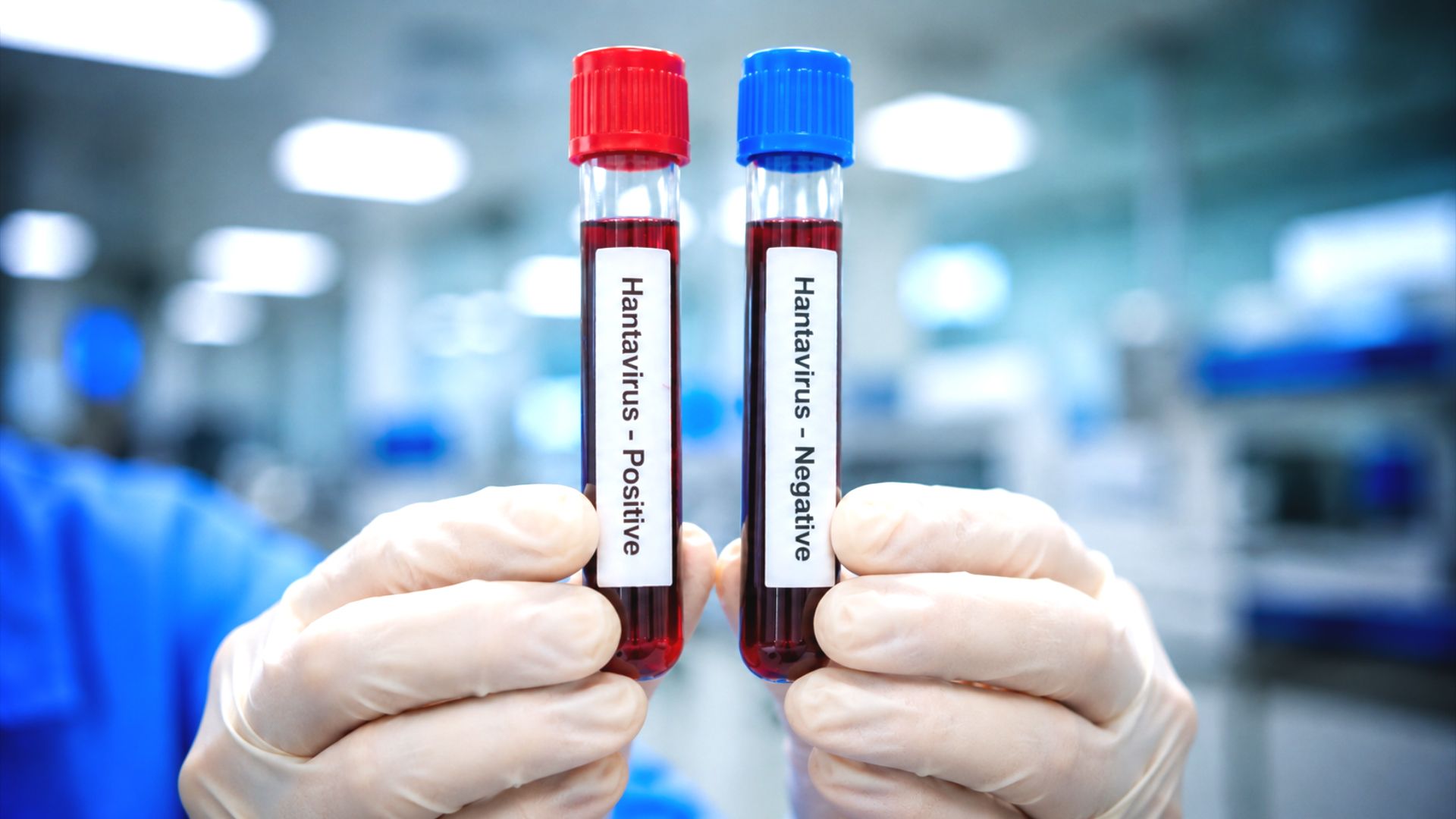
SINGAPORE: Two Singapore residents who travelled on the cruise ship MV Hondius are being isolated at the National Centre for Infectious Diseases (NCID) after possible exposure to the Andes hantavirus, according to the Communicable Diseases Agency (CDA).
The two men, aged 67 and 65, were also on the same April 25 flight from St Helena to Johannesburg as a confirmed hantavirus case of another passenger who later died in South Africa. The infected passenger, however, didn’t travel to Singapore.
C
SINGAPORE: Two Singapore residents who travelled on the cruise ship MV Hondius are being isolated at the National Centre for Infectious Diseases (NCID) after possible exposure to the Andes hantavirus, according to the Communicable Diseases Agency (CDA).
The two men, aged 67 and 65, were also on the same April 25 flight from St Helena to Johannesburg as a confirmed hantavirus case of another passenger who later died in South Africa. The infected passenger, however, didn’t travel to Singapore.
CDA said one of the men has a runny nose but is otherwise well, while the second has no symptoms. Both are being tested. Authorities said the current risk to the Singapore public remains low.
The cases have drawn attention because the Andes strain is one of the few hantaviruses associated with possible human-to-human transmission. Health agencies are still investigating how the infections connected to the cruise ship happened.
Eight cases and three deaths have so far been linked to the cruise cluster aboard the Dutch-operated MV Hondius, which departed Ushuaia, Argentina, on April 1, Channel NewsAsia (CNA) reports.
Hantavirus infection symptoms and monitoring
Hantavirus infections are uncommon, and many Singaporeans may never have heard of the disease before this week, but the Andes strain has alarmed health authorities because symptoms can worsen very quickly.
Patients may first develop fever, body aches and fatigue before progressing to breathing difficulties and severe lung complications.
The World Health Organization (WHO) has said the overall public risk remains low. Still, the incident shows how rapidly rare diseases can travel across borders through tourism and international flights.
Cruise ships also remain sensitive environments for outbreaks because passengers spend long periods in shared spaces and often travel across multiple countries within days.
Singapore’s response has so far followed a cautious but measured approach. CDA said both men will be quarantined for 30 days if they test negative, followed by further monitoring until the 45-day incubation period ends.
No vaccine, no specific cure
Hantavirus cases receive serious attention due to the lack of a vaccine or targeted antiviral treatment. Doctors mainly provide supportive hospital care while monitoring breathing, heart function and fluid buildup in the lungs.
WHO estimates that tens of thousands of hantavirus infections occur globally each year, mainly in Asia and Europe. Some strains affecting the lungs can carry fatality rates between 20 and 40 per cent.
The disease is usually linked to rodents. People can become infected by inhaling particles contaminated with rodent urine, saliva, or droppings, especially in poorly cleaned or enclosed spaces.
CDA advised travellers heading to rural or outdoor areas in affected regions to avoid rodent-contaminated spaces, maintain hygiene and seek medical attention if symptoms appear after travel.
Rodents are not the main problem: Human hygiene habits and living conditions shape how outbreaks begin and spread
In many cases, public fear of outbreaks leads to harsh reactions toward animals linked to disease. Experts have long stressed that rodents themselves aren’t the root issue.
Poor waste handling, dirty storage areas, illegal dumping, and neglected buildings create conditions that allow infestations to grow, so simple daily hygiene habits matter more than frantic panic.
Keeping rubbish sealed, properly cleaning food areas, covering entry holes, and reducing clutter can all reduce rodent activity without resorting to cruel pest extermination methods.
A more humane approach to controlling rodent activity would include practising proper sanitation, sealing access points, and, where possible, safely relocating them, which are generally more effective in the long term than aggressive extermination campaigns.
Blaming animals alone, rodents in this case, misses the bigger picture, as human hygiene habits and living conditions frequently shape how these outbreaks begin and spread.
Singapore’s fast action to isolate and monitor this case shows how public health systems now respond after lessons learned from earlier global outbreaks. The case also reminds us again that international travel, crowded environments and poor hygiene conditions can still turn rare diseases into global concerns within days.
Want to see more reporting from Eos in your Google search results? Click the button below to make Eos a preferred source.
Go to Google
The coal industry can damage human health in myriad ways via dangerous working conditions and harmful pollution. But the income opportunities offered by the industry can also provide much-needed stability for certain communities, such as those in Appalachia’s coal country.
“Being employed is good for your health, but environm
The coal industry can damage human health in myriad ways via dangerous working conditions and harmful pollution. But the income opportunities offered by the industry can also provide much-needed stability for certain communities, such as those in Appalachia’s coal country.
“Being employed is good for your health, but environmental pollution is bad for your health, and these two things are operating at the same time in some communities,” said Mary Willis, an epidemiologist at Boston University.
The industry, though, is changing. Total coal production in the United States peaked in 2008, and the number of miners has steadily dropped since then.
Total coal production peaked in the United States in 2008, after which the number of coal miners declined, too. Credit: Thombs et al.,2026, https://doi.org/10.1111/ruso.70034, CC BY 4.0
A new study coauthored by Willis and published in Rural Sociology delves into the effects of this decline on life expectancies across the United States and in Appalachia in particular. The results show that a disappearing coal mining industry has mixed effects on health, highlighting the importance of a “just transition”—a shift away from coal mining and toward clean energy that also prioritizes decent work opportunities for those left without a job.
“How do we balance these two conflicting priorities?” Willis said.
Delving into the Decline
Coal production and consumption are linked to many human health harms, including heart disease, asthma, lung cancer, mental illness, and more. But how those health impacts intersect with the broader economic effects of mining has not been well studied.
In the new study, the research team analyzed the effects of the declining industry through the lens of the social determinants of health, or how social structures influence health outcomes.
Researchers analyzed how coal mining impacts life expectancies via three pathways: production, mining labor time, and employment. Credit: Thombs et al., 2026, https://doi.org/10.1111/ruso.70034, CC BY 4.0
To study these effects, the team compared coal mining data from the U.S. Energy Information Administration to life expectancy data from the Institute for Health Metrics and Evaluation at the University of Washington from 2012 to 2019. Life expectancy is a metric that can be responsive to subtle changes in the environment, Willis explained. For example, the decommissioning of a coal-fired power plant a few miles away from a community may not affect residents’ day-to-day life but probably affects the scale of life expectancy across the population.
In coal-producing counties across the United States, the average life expectancy was 1.6 years lower than that in non-coal-producing counties. But the declining coal industry had more nuanced impacts on health in Appalachian communities, the researchers found. As coal production fell and miner labor hours decreased, life expectancy increased. But as the number of jobs available decreased, life expectancy decreased, too.
The findings suggest that the employment and associated economic impacts of a waning coal industry harm health. Previous studies documented similar increases in mortality in other regions where the fossil fuel industry has declined. Such research has indicated that these increased mortality rates may be partially driven by “deaths of despair” from drug and alcohol use and suicide related to economic distress. The association of these factors with mortality rates in coal country, the authors suggest, may be an area for future study.
Understanding that coal mining is associated with some positive economic and health effects is “an important perspective for understanding the sector as a whole,” said Lucas Henneman, an environmental engineer at George Mason University who was not involved in the new study. “It’s a really interesting piece of work.”
“This is just a really complex story that hasn’t been told yet—putting health into the context of these just energy transitions,” Willis said.
The complex reality of the coal industry extends beyond Appalachia. Most of the pollution related to the coal industry consists of toxins released when coal is burned, meaning those who bear the brunt of coal’s health impacts may not be located where coal is mined, Henneman said.
In fact, a 2023 study by Henneman and others found that before 2009, a quarter of all air pollution–related deaths of people on Medicare were attributable to coal burning. From 2013 to 2020, that number dropped to 7%, alongside a drop in coal consumption. A complete picture of how the coal industry affects health should also consider how pollution travels beyond coal country—where it’s burned, how it’s transported in the air, and who ultimately breathes it in, he said.
A Just Transition
“The question is how to provide [jobs] in a way that provides the same level of stability, same kind of income benefits, and isn’t too much of a shock to [communities’] way of life or sense of identity.”
The economic activity of a mine, through direct employment as well as businesses reliant on the mine and miners, “chases away other opportunities,” making the mine the economic backbone of the area, said Jonathan Buonocore, an environmental health scientist at Boston University and a coauthor of the new study. The concept of a just transition aims to ensure that employment opportunities in the wake of the coal industry’s decline reach these communities.
“The question is how to provide [jobs] in a way that provides the same level of stability, same kind of income benefits, and isn’t too much of a shock to [communities’] way of life or sense of identity,” Buonocore said.
Citation: van Deelen, G. (2026), As the coal industry fades, life expectancies in coal country shift, Eos, 107, https://doi.org/10.1029/2026EO260134. Published on 30 April 2026.
The spread of antibiotic resistance, a growing threat to global health that causes millions of deaths annually, is typically blamed on the overuse of drugs in hospitals and in the food industry. However, a new study published in Nature Microbiology suggests that normal geological processes could be accelerating the development of new resistances.
Soil microorganisms naturally produce antibiotics as a form of chemical warfare to compete with each other. When soils dry out, these natural compo
The spread of antibiotic resistance, a growing threat to global health that causes millions of deaths annually, is typically blamed on the overuse of drugs in hospitals and in the food industry. However, a new study published in Nature Microbiology suggests that normal geological processes could be accelerating the development of new resistances.
Soil microorganisms naturally produce antibiotics as a form of chemical warfare to compete with each other. When soils dry out, these natural compounds become more concentrated because there is less water to dilute them. Like a dosage increase, this concentration can create a harsher environment, killing sensitive microbes and sparing those with the capacity to resist. This phenomenon, in turn, is an evolutive driver that favors the appearance of new and more effective resistance genes.
“If you have more antibiotics in your environment, only the organisms that can withstand it…can resist it.”
To test whether this mechanism is having real genetic effects, Xiaoyu Shan, a microbial ecologist and postdoctoral researcher at the California Institute of Technology (Caltech), and colleagues looked at soil samples under controlled conditions as the samples transitioned from a wet state to a desiccated one. They found that as the soil dried, the presence of genes related to antibiotic production and resistance spiked, suggesting that drought leads to a rapid escalation in the subterranean biological arms race. Importantly, they did not look for pathogenic bacteria specifically, only for resistance genes, which can be present in a variety of microbes, whether those microbes are pathogenic or not.
“Drought leads to this elevation of antibiotic producers and bacteria that are resistant,” said team member Dianne Newman, a professor of biology and geobiology also at Caltech. “It’s a pretty simple idea: If you have more antibiotics in your environment, only the organisms that can withstand it…can resist it.”
Alternative Explanations
However, there could be other potential explanations for the observed increase in antibiotic-producing and antibiotic resistance genes, according to Enrique Monte, a microbiologist at the Universidad de Salamanca in Spain who wasn’t involved with the new study. For instance, arid soils are naturally more diverse than humid soils, making it common to find a more diverse gene pool in the ground, Monte said. In addition, the mere presence of antibiotic genes might not result in an actual release to the environment, or a release could happen in dosages that are too small to cause noticeable effects. “There are antibiotics that are volatile; they escape into the air, so they never reach a therapeutic concentration to kill others,” Monte said.
The authors, however, took some precautions to show that the increase in antibiotic resistance genes was actually a biological response to environmental stress. For instance, they also tracked other genes that should remain unaffected or decline under desiccation. As expected, genes that are needed for basic survival remained stable, while genes responsible for bacterial movement declined in dry soil, where mobility is restricted. Even some species that were not favored by desiccation saw an increase in resistance-related genes, “which is even stronger evidence,” Shan said.
Geographic Limitations
As the researchers combed through publicly available metagenomic data libraries, they had to select collections with strict control of all variables and in which the only changing factor was water content. That limited the analysis to five locations: two grasslands and a sorghum field in California; a forest in Valais, Switzerland; and a wetland in Nanchang, China.
The scarcity of locations might limit how extrapolable these results are, said Fiona Walsh, a microbiologist at Maynooth University in Ireland who was not involved with the work. “There are thousands of high-quality metagenomes available online with excellent metadata. I would really like to see a comparison where they apply their analysis to a broader map of global metagenomic data to see if they reach the same conclusions,” she said.
From the Soil to the Hospital
Drier regions consistently showed a higher number of resistant bacteria cases in hospitals, even after adjusting for confounding factors such as local income.
The study also suggests that dry soils might be a hidden driver of clinical cases of antibiotic resistance worldwide. The authors combined hospital data on the number of cases of resistant infections from 116 countries with the local aridity index, which measures temperature and precipitation, for each location. They found a strong correlation: Drier regions consistently showed a higher number of resistant bacteria cases in hospitals, even after adjusting for confounding factors such as local income.
However, the authors admitted that this is only a correlation effect and doesn’t prove causation. “It motivates follow-up research to see how environmental concentration weighs against human overuse and poor stewardship,” Newman said.
Even this correlation could be a stretch, according to microbiologist Sara Soto, head of the Global Viral and Bacterial Infections Programme at the Instituto de Salud Global de Barcelona. At the end of the day, she said, the authors have soil data from only five locations in three countries, and they are not tracking the specific bacterial varieties that make people sick, only resistance genes.
For the thesis to be solid, Soto said, the ideal approach would have been to contrast hospital strains from a specific area with soil data from that same region during the same drought episode. “Making such a vast inference—that what happens in the soil of one location affects what happens in a hospital elsewhere—is a big leap,” she said.
The authors, however, point out that resistance genes from soils can eventually make their way into human pathogens. Microbes have the capacity to share genetic material across species—a process known as horizontal gene transfer. In their analysis, the team identified specific resistance sequences that appeared to have been transferred between soil bacteria relatively recently, perhaps within the past decade. How they are reaching hospitals remains a matter for a future study, they said.
As droughts increase in numerous regions in the face of climate change, this selective pressure within soil ecosystems is expected to intensify. Though these findings do not show that drought directly puts drug-resistant pathogens in hospitals, they still suggest that a drying climate could set the scene for an increase in antibiotic resistance, the researchers report.
Citation: Barbuzano, J. (2026), Antibiotic resistance might get a boost from droughts, Eos, 107, https://doi.org/10.1029/2026EO260132. Published on 29 April 2026.
Lead-acid batteries are omnipresent. An integral part of most electric vehicles and all conventional vehicles globally, they also serve as backup energy storage systems in developing countries. But if lead-acid batteries are recycled in smelting units without adequate pollution control measures, they can cause elevated lead pollution that persists in local soils for thousands of years. However, because recycling sites with pollution control measures cost millions of dollars, most efforts are in
Lead-acid batteries are omnipresent. An integral part of most electric vehicles and all conventional vehicles globally, they also serve as backup energy storage systems in developing countries. But if lead-acid batteries are recycled in smelting units without adequate pollution control measures, they can cause elevated lead pollution that persists in local soils for thousands of years. However, because recycling sites with pollution control measures cost millions of dollars, most efforts are informal and unregulated.
In a recent study, researchers reported that scraping lead-contaminated soil in the vicinity of an abandoned recycling site for used lead-acid batteries and treating it with phosphate was linked to a 22% reduction in the blood lead levels (BLLs) of children who were living close to that site in a Bangladeshi town. The research was published in the International Journal of Hygiene and Environmental Health.
“Informal battery recycling is rampant in Bangladesh.”
“Informal battery recycling is rampant in Bangladesh,” said study coauthor Mahbubur Rahman, an environmental health scientist at the International Centre for Diarrhoeal Disease Research, Bangladesh. “Used lead-acid batteries are broken up and smelted in close proximity to residential and agricultural areas, which exposes those communities to lead emissions that contaminate their soil and water sources.”
Rahman and colleagues analyzed the BLLs of 130 children living close to two recycling sites for used lead-acid batteries (ULAB) in the Tangail District of Bangladesh that were abandoned in early 2019. They also assessed the BLLs of 37 children who did not live anywhere near ULAB recycling sites. The researchers then carried out soil remediation efforts at one of the ULAB sites but not the other. Prior to the work, the team members held informational sessions for the community about the dangers of lead pollution so locals could provide informed consent to participate.
The team observed that following remediation efforts, the lead content of the soil in and around the former battery recycling site decreased from more than 20,000 parts per million to less than 400 parts per million, which was considered acceptable by the U.S. EPA when the study was conducted, from 2022 to 2023. (The EPA reduced the limit to 200 parts per million in 2024.)
The researchers collected and cleaned up soil from children’s play areas, roadsides, and courtyards of 68 households that belonged to the intervention group. A year after the lead-contaminated soil was cleaned up, the 89 children from those households had the most significant decreases in their BLLs: from 90.1 to 70.4 micrograms per liter, a decrease of more than 21%.
“We know for sure that the areas close to abandoned ULAB recycling sites are as contaminated as areas around abandoned lead mines.”
The children in the group who lived close to the second abandoned ULAB recycling site, where soil remediation was not conducted, experienced only about an 8.4% decrease in their BLLs, from 88.5 to 81.1 micrograms per liter. The reduction in the control group’s BLLs could be attributed to a government initiative focused on reducing lead levels in turmeric, which was happening over the same time period as the study, Rahman said.
Anne Riederer, an environmental health scientist at the University of Washington who was not involved in the new study, said the dangers of lead exposure from ULAB recycling sites are well documented.
“We know for sure that the areas close to abandoned ULAB recycling sites are as contaminated as areas around abandoned lead mines. This study fits with the bigger picture of what we have learned to date about cleaning up contaminated sites and how that could improve children’s health,” she said.
A Widespread Issue
Similar studies conducted in Brazil and Bangladesh reported 46% and 35% reductions, respectively, in children’s BLLs following soil remediation initiatives around ULAB recycling sites.
Despite those drastic improvements, the children’s BLLs were still far above the World Health Organization’s threshold of 50 micrograms per liter. “This could mean there are other sources of lead exposure, like paints and cookware items,” said Rahman. “Or the persistently high BLLs could be because of chronic and long-term lead exposure, due to which lead gets deposited deep into the bones for several decades, even if [people] move away from toxic sites.”
Rahman explained that while soil remediation is an effective mitigation measure for lowering childhood lead exposure, it is also labor-intensive and expensive. Though the team identified hundreds of toxic sites borne from informal ULAB recycling, it wasn’t possible for them to remediate the soil at every site.
“The reason why this issue is so widespread is [that] informal recycling is cheap,” he said. “That makes the formal sector reluctant to invest in costly pollution control measures.”
—Anuradha Varanasi, Science Writer
Citation: Varanasi, A. (2026), Cleanup of battery recycling sites may lower childhood lead exposure, Eos, 107, https://doi.org/10.1029/2026EO260120. Published on 15 April 2026.

 Login
Login