
Normal view

  • ✇Malay Mail - All
  • Vietnam says US forced labour findings fail to reflect its mitigation efforts
    HANOI, June 5 — Vietnam’s foreign ministry said yesterday that the US Trade Representative’s conclusion that it had failed to curb trade in goods made with forced labour does not fully or accurately reflect Vietnam’s mitigation efforts.Vietnam’s policy strictly prohibits any form of forced labour, and it complies with the regulations of the International Labour Organization, foreign ministry spokesperson Pham Thu Hang told a regular press conference in Hanoi.Earl
     

Vietnam says US forced labour findings fail to reflect its mitigation efforts

4 June 2026 at 11:38

Malay Mail

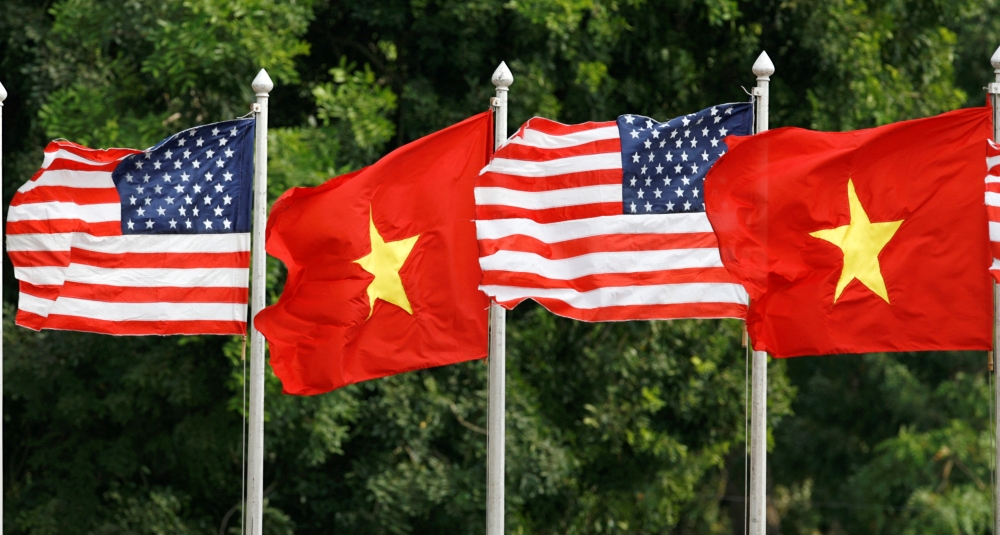
HANOI, June 5 — Vietnam’s foreign ministry said yesterday that the US Trade Representative’s conclusion that it had failed to curb trade in goods made with forced labour does not fully or accurately reflect Vietnam’s mitigation efforts.

Vietnam’s policy strictly prohibits any form of forced labour, and it complies with the regulations of the International Labour Organization, foreign ministry spokesperson Pham Thu Hang told a regular press conference in Hanoi.

Earlier this week, the Trump administration proposed tariffs of up to 12.5 per cent on imports from 60 countries, including Vietnam, after determining they had failed to curb trade in goods made with forced labour, an assertion that US trading partners have rejected.

The probe coincided with a surge in Vietnam’s exports to the US. The US trade deficit with Vietnam reached US$54.8 billion in the first three months of this year, second only to Taiwan and higher than the deficits with major exporters China and Mexico, US data showed.

The Trump administration has repeatedly said it wants to reduce trade deficits.

“Vietnam has been and will continue to exchange and work with the US in a constructive and cooperative manner to resolve existing disagreements, while always trying to protect legitimate interests of workers and businesses,” Hang said.

Vietnam is being targeted by the Trump administration for allegedly distorting trade with excess capacity, intellectual property violations and the use of goods from forced labour. — Reuters
 

  • ✇Malay Mail - All
  • Ringgit falls to 4.0095 against US dollar amid fuel price and tariff jitters
    KUALA LUMPUR, June 5 — The ringgit ended lower against the US dollar yesterday on cautious sentiment over rising fuel prices, unresolved geopolitical tensions and global trade uncertainties.At 6pm, the local currency depreciated to 4.0095/0140 against the greenback from Wednesday’s close of 3.9955/9990.Bank Muamalat Malaysia Bhd chief economist Dr Mohd Afzanizam Abdul Rashid said elevated fuel prices are expected to exert upward pressure on global inflation as a
     

Ringgit falls to 4.0095 against US dollar amid fuel price and tariff jitters

4 June 2026 at 11:00

Malay Mail

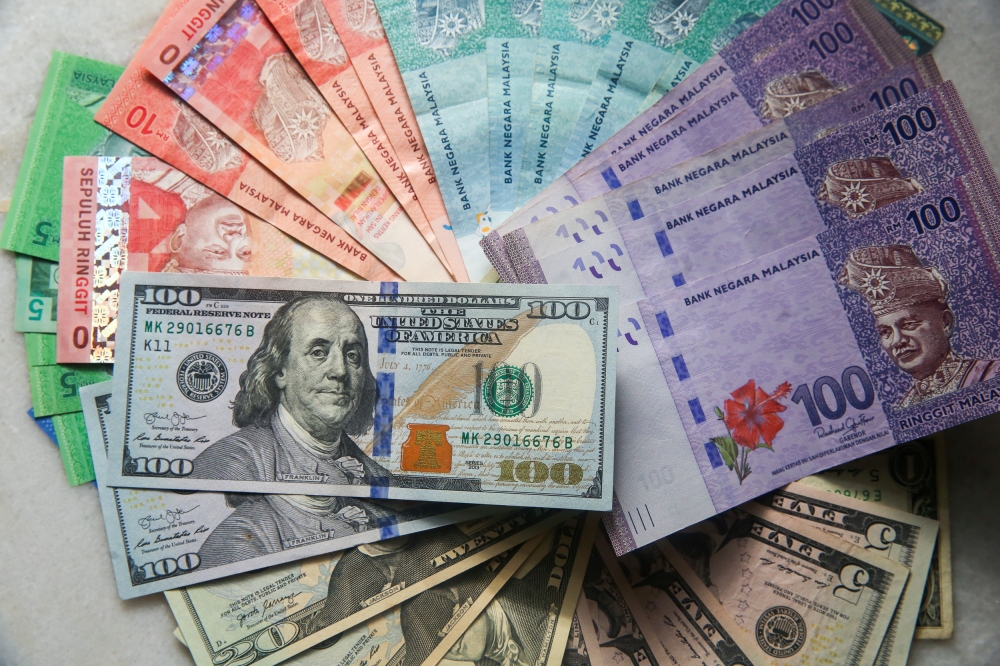
KUALA LUMPUR, June 5 — The ringgit ended lower against the US dollar yesterday on cautious sentiment over rising fuel prices, unresolved geopolitical tensions and global trade uncertainties.

At 6pm, the local currency depreciated to 4.0095/0140 against the greenback from Wednesday’s close of 3.9955/9990.

Bank Muamalat Malaysia Bhd chief economist Dr Mohd Afzanizam Abdul Rashid said elevated fuel prices are expected to exert upward pressure on global inflation as a truce between the US and Israeli forces and the Iranian military remains elusive.

“Hence, traders and investors have become more edgy, with fuel prices expected to remain elevated.

“In addition, the US’ trade protectionist policies are here to stay, leading to further anxiety in market sentiment,” he told Bernama.

On June 2, 2026, the Office of the United States Trade Representative (USTR) published its findings under the Section 301 investigation into alleged forced labour involving Malaysia and proposed a 10 per cent tariff on Malaysian goods upon the expiry of the tariff imposed under Section 122 of the Trade Act 1974 on July 24, 2026.

The Ministry of Investment, Trade and Industry (MITI) noted that no final tariff determination has been made against Malaysia, as the proposed 10 per cent tariff remains subject to the USTR’s ongoing investigation and formal determination.

The ringgit also traded lower against a basket of major currencies.

It eased against the British pound to 5.3872/3932 from 5.3727/3775, slid against the euro to 4.6610/6663 from 4.6400/6440, and slipped versus the Japanese yen to 2.5081/5111 from 2.5005/5027 at yesterday’s close.

The local currency traded mostly lower against regional peers.

It retreated versus the Singapore dollar to 3.1241/1279 from 3.1164/1193, eased against the Thai baht to 12.2708/2903 from 12.1825/1988, and weakened against the Philippine peso to 6.50/6.52 from 6.47/6.48.

However, it was higher against the Indonesian rupiah at 222.1/222.4 versus 222.3/222.7 at Wednesday’s close. — Bernama

  • ✇Malay Mail - All
  • Johari says USTR's excess capacity claim may stem from third party imports Syed Jaymal Zahiid
     KUALA LUMPUR, June 4 — The US Trade Representative’s (USTR) claim of excess capacity against Malaysia may have stemmed from imports from other countries, Datuk Seri Johari Abdul Ghani said today as Putrajaya insists Malaysian manufacturers are not overproducing to flood the American market.USTR had cited suspected forced-labour concerns and alleged excess capacity among Malaysian manufacturers as reasons for a proposed 10 per cent tariff on certain Malaysian exp
     

Johari says USTR's excess capacity claim may stem from third party imports

4 June 2026 at 07:36

Malay Mail


KUALA LUMPUR, June 4 — The US Trade Representative’s (USTR) claim of excess capacity against Malaysia may have stemmed from imports from other countries, Datuk Seri Johari Abdul Ghani said today as Putrajaya insists Malaysian manufacturers are not overproducing to flood the American market.

USTR had cited suspected forced-labour concerns and alleged excess capacity among Malaysian manufacturers as reasons for a proposed 10 per cent tariff on certain Malaysian exports.

The tariff is expected to take effect after the current 10 per cent tariff imposed under Section 122 of the US Trade Act 1974 expires on July 24, although the Ministry of Investment, Trade and Industry (Miti) has said discussions are ongoing and no final decision has been made.

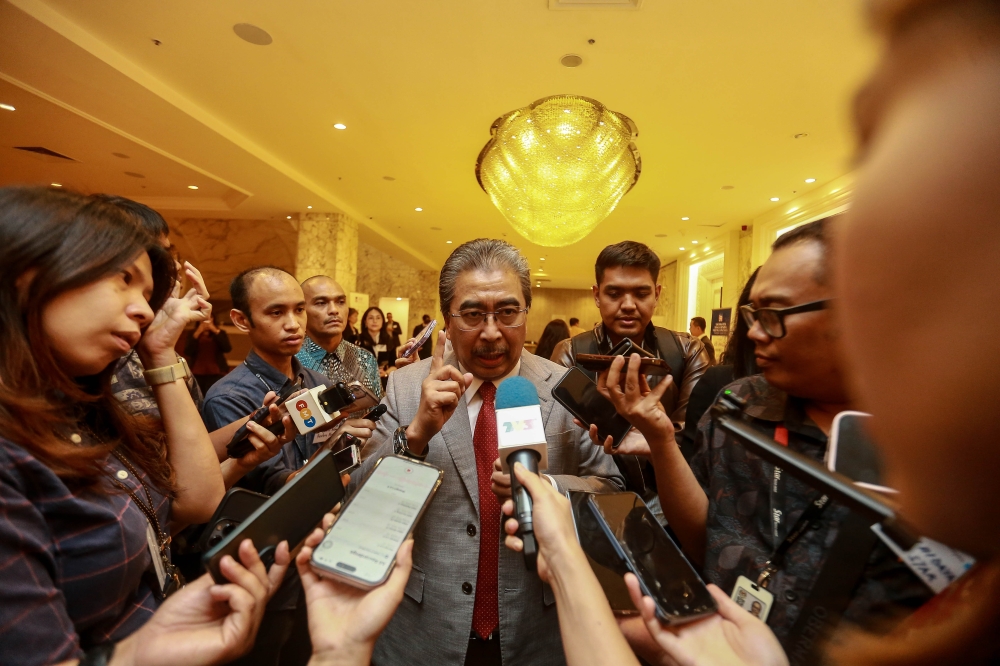
“We don’t have excess capacity,” Johari told reporters after addressing executives from US companies at the American-Malaysian Chamber of Commerce annual general assembly luncheon here.

“It could be that we import products that come from third parties with excess capacity, so that’s why.”

Johari maintained that Malaysian manufacturers were not producing beyond market demand in an attempt to flood the US market.

Excess capacity refers to a situation where businesses produce more goods than the market can absorb, sometimes allowing exporters to keep prices artificially low and gain a competitive advantage.

MORE TO COME


❌
Subscriptions