Normal view

MINDEF launches Singapore’s new SG Defence volunteer network to residents, including foreigners and PRs, amid evolving security threats

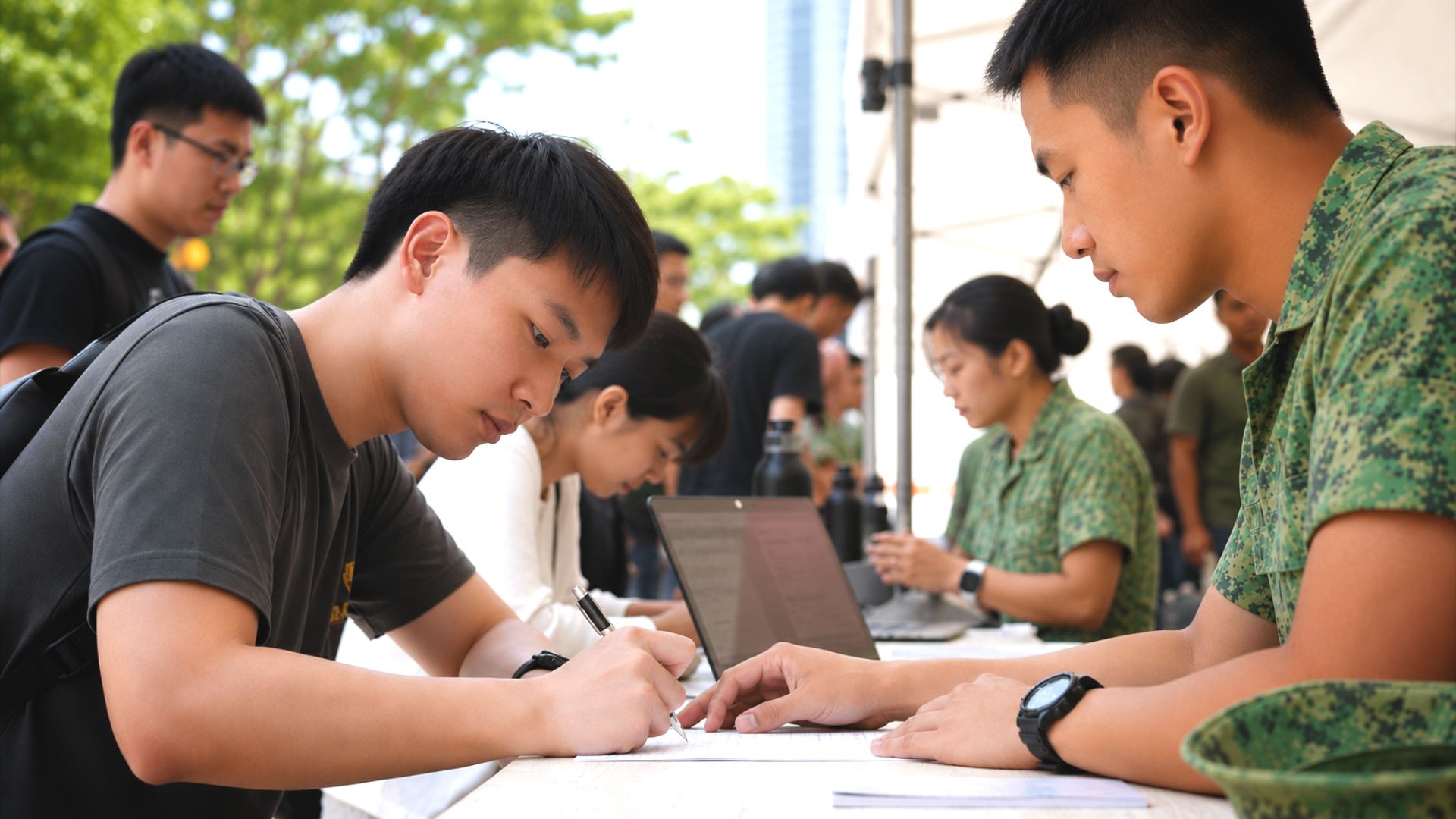
SINGAPORE: Singapore is widening the way people can contribute to national defence, and this time, not everyone needs to wear a uniform.

The Ministry of Defence (MINDEF) has launched a new volunteer platform called SG Defence, bringing together 10 civilian- and military-linked volunteer schemes under a single network.

The initiative comes as Singapore pushes for what MINDEF described as a “whole-of-society response” to a more complex security climate, in which defence is viewed as extending beyond the domain of soldiers and National Servicemen to include educators, designers, museum guides and community advocates.

SG Defence aims to double the volunteer pool within five years

According to Channel NewsAsia (CNA)’s report, Senior Minister of State for Defence Zaqy Mohamad launched the network on May 12. The new structure creates space for almost 400 additional civilian volunteers across different schemes. The effort aims to grow Singapore’s current defence volunteer pool from about 1,500 people to 3,000 within the next three to five years.

Defence volunteering expands beyond uniforms

The volunteer roles stretch far beyond military drills, as some volunteers may work directly with the Singapore Armed Forces (SAF) through the SAF Volunteer Corps, while others could support SAFRA community programmes or help shape exhibitions at the National Service Gallery through creative and design work.

There are also opportunities at places such as the Singapore Discovery Centre and Singapore’s military museums, where volunteers can serve as guides and help explain Singapore’s defence history to visitors.

New network opens roles for civilians, PRs and foreigners

MINDEF said the programme is open to all Singapore residents aged 16 and above, including new citizens, permanent residents and foreigners. Applicants must generally commit to at least six months, although requirements vary by scheme.

MINDEF said the network will continue expanding, with more volunteer opportunities expected to be added over time.

For decades, defence participation in Singapore has largely centred around National Service obligations for male citizens and permanent residents. SG Defence switches some attention towards voluntary civic participation instead. It also demonstrates how modern security planning increasingly includes public education, digital outreach and community resilience alongside traditional military readiness.

The expansion may also help younger Singaporeans or non-uniformed residents feel they have a place in the national defence story, especially those whose skills sit outside combat or operational roles.

Singapore’s security challenges have also changed in recent years, as cyber threats, misinformation, regional tensions, and emergency preparedness now affect daily life in ways many residents can see firsthand. As such, the wide-ranging volunteer push seems to have been designed to make participation in defence feel more accessible to ordinary residents.

The idea may not turn every volunteer into a soldier, but it does widen the definition of service. And in a country where national defence has long been tied closely to uniforms and enlistment, this switch alone says quite a bit about where Singapore’s thinking is heading next.

This article (MINDEF launches Singapore’s new SG Defence volunteer network to residents, including foreigners and PRs, amid evolving security threats) first appeared on The Independent Singapore News.
Malaysia ‘very disappointed’ as Norway blocks missile export permit for LCS deal, says Fahmi

13 May 2026 at 08:41

Malay Mail


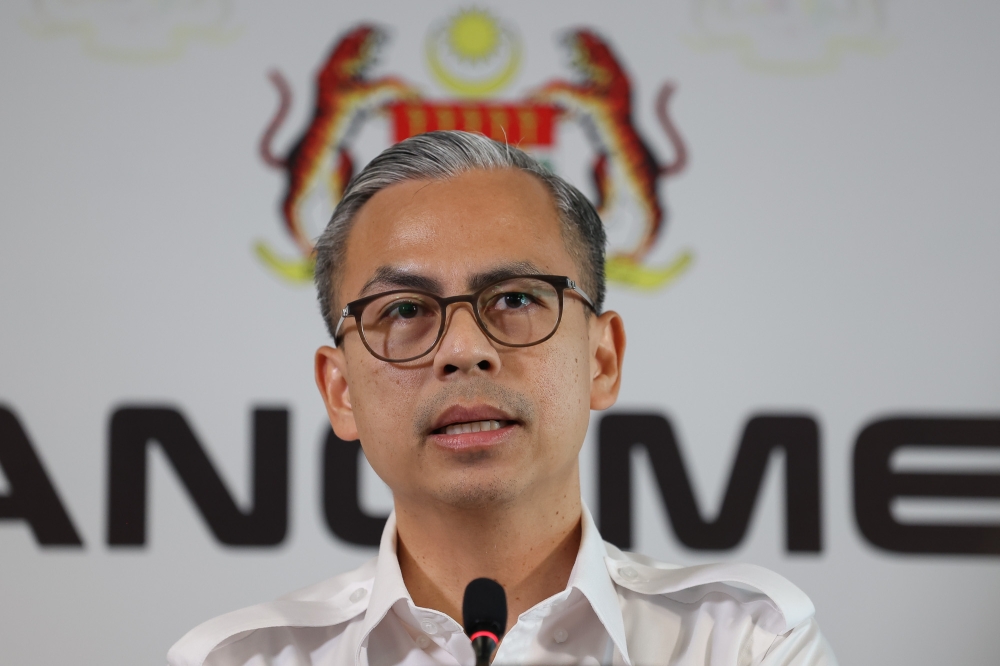
PUTRAJAYA, May 13 — Malaysia is “very disappointed” with the Norwegian government after it allegedly refused to issue an export permit for missiles already contracted by Malaysia, Communications Minister Fahmi Fadzil said today.

Fahmi said the matter had been raised by Prime Minister Datuk Seri Anwar Ibrahim during discussions with his Norwegian counterpart, and described the move as unacceptable.

“The Malaysian government is very disappointed with the actions of the Norwegian government, which did not approve the export permit for the delivery of missiles,” he said after the weekly Cabinet meeting.

According to Fahmi, the defence contract has been in place since 2018, and payments have been made according to schedule.

He said the permit refusal came at the “last minute”, preventing the Norwegian company involved from completing the delivery.

Fahmi said Putrajaya is now pursuing diplomatic channels while also studying possible legal action.

“The Malaysian government cannot accept the excuses given by the Norwegian government.

Diplomatic efforts are underway, while the Malaysian government is also considering the appropriate legal procedures.

“The planning and implementation of national defence strategy is of strategic importance and cannot be compromised under any circumstances,” he said.

When asked whether compensation would be sought, Fahmi said the matter remains under review from both diplomatic and legal angles.

He stressed that the dispute involves the Norwegian government’s export approval process rather than the company itself.

Defence Minister Datuk Seri Mohamed Khaled Nordin said yesterday that Malaysia was “shocked” after Norway halted delivery of missiles ordered in 2018 for the Royal Malaysian Navy’s Littoral Combat Ships (LCS).

He said the missiles, scheduled for delivery in March this year, were blocked after the Norwegian government refused to approve the export licence just days before shipment.

Khaled said the missiles were intended for the LCS fleet as well as the naval vessels KD Jebat and KD Lekiu.

On Saturday, Bernama reported that Norwegian defence manufacturer Kongsberg Defence & Aerospace AS (KDA) clarified that export licensing decisions regarding the supply of the Naval Strike Missile (NSM) for the LCS were handled entirely by Norwegian authorities.

KDA spokesman Ivar Simensen said the company operates in strict accordance with legal frameworks established by the Norwegian government.

The Norwegian Foreign Affairs Ministry was reported to have revoked certain export licences related to specific technologies, citing stricter export controls.

According to KDA’s website, procurement of the NSM was formalised between the Royal Malaysian Navy and KDA in April 2018 in a deal worth €124 million (RM571.9 million) to equip six new LCS vessels.

The missile is capable of long-range maritime strikes at high subsonic speeds, with a range exceeding 300km.


MoD has no system to detect civilian harm caused by military, study shows

Revelation comes after report commissioned by department released in response to charity’s FoI request

The Ministry of Defence has no system for examining whether UK military action has killed or injured civilians in war, a study commissioned by the department has revealed.

The MoD also “does not maintain a central register of civilian harm incidents or allegations” and, despite mass casualties caused by other countries, has concluded there is no need to do so because its existing mitigation is considered effective.

Continue reading...

© Photograph: AS1 Joshua Whiting/MOD Crown Copyright 2026/PA

© Photograph: AS1 Joshua Whiting/MOD Crown Copyright 2026/PA

© Photograph: AS1 Joshua Whiting/MOD Crown Copyright 2026/PA

Palantir manifesto described as ‘ramblings of a supervillain’ amid UK contract fears

Alarm caused by posts of Alex Carp, tech firm’s CEO, championing US military dominance and of AI weapons

The US spy tech company Palantir published a manifesto extolling the benefits of American power and implying some cultures are inferior to others – in what MPs have called “a parody of a RoboCop film” and “the ramblings of a supervillain”.

“Some cultures have produced vital advances; others remain dysfunctional and regressive,” wrote Palantir in a 22-point post on X over the weekend, which also called for an end to the “postwar neutering” of Germany and Japan.

Continue reading...

© Photograph: Kevin Dietsch/Getty Images

© Photograph: Kevin Dietsch/Getty Images

© Photograph: Kevin Dietsch/Getty Images

❌
Subscriptions