
 Login
Login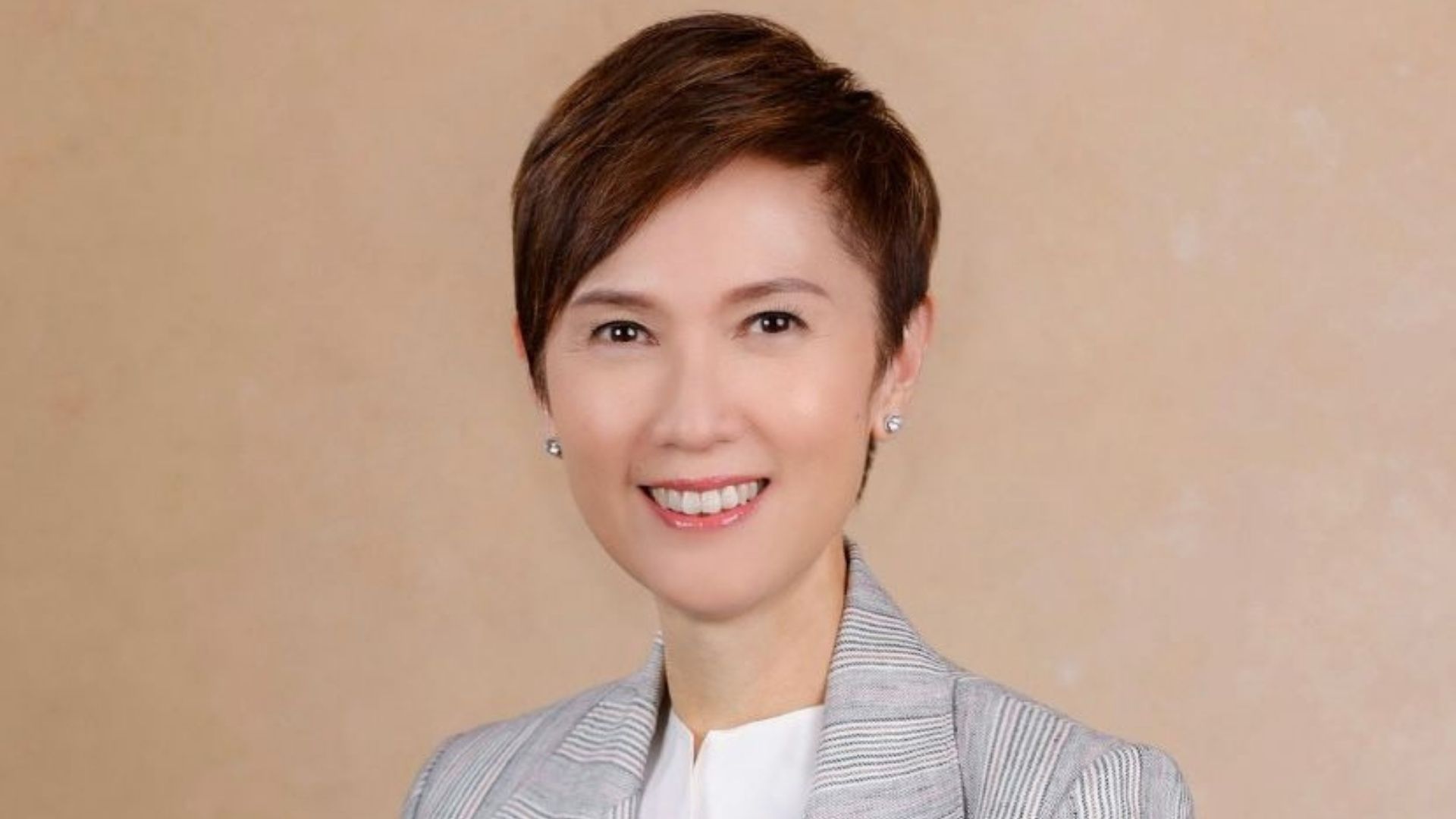


‘Advice only for those who can pay?’—Minister pens op-ed but ST places it behind a paywall

SINGAPORE: Singapore’s national broadsheet has drawn flak for placing an editorial penned by a minister behind a paywall, leading some to question whether the minister’s advice is reserved only for those who can pay.
The commentary, written by Minister for Digital Development and Information Josephine Teo, sought to explain Singapore’s approach to the contentious issue of social media restrictions for children. In the piece, Ms Teo outlined Singapore’s preference for “differentiated services” tailored to different age groups instead of a blanket ban like other nations have imposed.
She described the approach as providing “training wheels” for young users navigating the online world, suggesting that calibrated safeguards and age-appropriate digital experiences may be more effective than outright prohibitions.
The decision to communicate the Government’s position through an op-ed rather than in a parliamentary debate, press conference, or publicly accessible government statement has raised eyebrows online.
Critics argue that by using a newspaper commentary format, the minister is able to present the Government’s position without having to directly respond to scrutiny, counterarguments, or difficult follow-up questions from the public and opposition voices.
Some observers have gone further, accusing the minister of effectively using The Straits Times (ST), which the Government has positioned as “public service media”, as though she is publishing a post on her personal social media wall rather than engaging in genuine public discourse.
Others have questioned why the Minister’s words have been published as is, asking whether a newspaper that receives such substantial public funding should simply reproduce ministerial arguments without deeper examination, independent analysis, or competing perspectives.
Some noted that ST could have contextualised the issue by exploring the effectiveness of overseas social media bans, speaking to child psychologists and digital rights experts, or highlighting concerns about enforcement, privacy, and the role of tech companies.
Instead, detractors say the article appeared largely as a platform for the Government’s preferred narrative.
The issue became even more contentious after netizens realised the article itself had been placed behind ST’s subscriber paywall.
The commentary, titled Beyond social media bans: Building a safer digital world for children, was labelled “For Subscribers” on the newspaper’s website, meaning readers would need a paid subscription, starting at around S$9.90 a month, to access the minister’s full remarks.
That discovery triggered a fresh wave of criticism online, with some questioning whether official perspectives on important public policy issues should effectively be monetised.
For critics, the problem goes beyond the subscription fee itself. They argue that when a serving minister uses a heavily state-linked media platform to communicate policy thinking, especially on issues affecting parents and children nationwide, the information should arguably be freely accessible to the public as a matter of principle.
Others pointed out the uncomfortable optics involved. SPH Media has received close to S$900 million in government funding support over the past few years to sustain public interest journalism. Against that backdrop, some Singaporeans questioned why taxpayers are effectively helping to fund a platform that then charges them again to read a minister explaining government policy in her own words.
For some Singaporeans, the issue is not simply about one article or one paywall, but about whether important national conversations are becoming increasingly inaccessible to ordinary citizens.
This article (‘Advice only for those who can pay?’—Minister pens op-ed but ST places it behind a paywall) first appeared on The Independent Singapore News.
