KUALA LUMPUR, May 16 — The implementation of targeted fuel subsidies must take into account reasonable household living expenses to ensure the programme truly benefits the intended groups.Economy Minister Akmal Nasrullah Mohd Nasir said the mechanism should not be based solely on income classification, as the financial commitments of households differ.“The challenge is determining the most suitable threshold or level to apply. From the ministry’s perspective, the
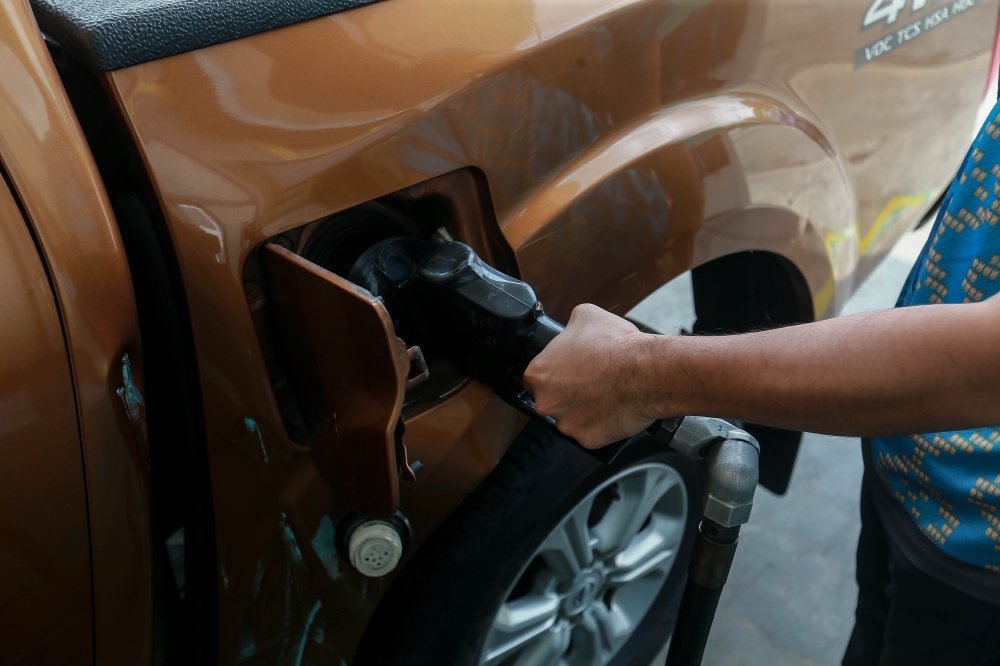
KUALA LUMPUR, May 16 — The implementation of targeted fuel subsidies must take into account reasonable household living expenses to ensure the programme truly benefits the intended groups.
Economy Minister Akmal Nasrullah Mohd Nasir said the mechanism should not be based solely on income classification, as the financial commitments of households differ.
“The challenge is determining the most suitable threshold or level to apply. From the ministry’s perspective, the matter needs to be assessed more comprehensively.
“We do not want to create classifications that can be debated from different perspectives because economic conditions are not measured solely by income, but also by reasonable basic expenses and other related factors,” he said
He told reporters this after the launch of the strategic collaboration between the Economy Ministry and the Federal Territories Islamic Religious Council (MAIWP) under the People’s Income Initiative-Food Entrepreneur Initiative (IPR-INSAN), officiated by Minister in the Prime Minister’s Department (Religious Affairs) Dr Zulkifli Hasan here today.
Elaborating, Akmal Nasrullah said the ministry was refining the subsidy targeting mechanism to strengthen fiscal management, particularly for diesel subsidies.
“We know that as long as conflicts remain unresolved, the burden will continue to be shared by all of us. That is why mitigation and intervention measures are introduced from time to time,” he said.
Asked about the impact of the meeting between United States President Donald Trump and his Chinese counterpart Xi Jinping on the global economy, Akmal Nasrullah said the ministry’s primary focus remained on strengthening domestic economic resilience.
“Whatever developments are taking place on the global stage, we certainly hope the situation will stabilise. However, for Malaysia, we must ensure continuity in the supply of fuel and other essential goods.
“We are doing our best to sustain our resilience, but it is beyond me to comment further on the matter at this stage,” he said. — Bernama
I run A Cheerful Giver out of Elmer, New Jersey. The population is about 1,300. We make candles. Been at it since 1991. January 11, 2025, I got the phone call. Our building was on fire. Two-alarm. They had to bring in trucks from Gloucester County to help put it out. By morning there was nothing left. Thirty-something years of equipment, raw materials, finished product. Gone. So yeah.
Source
I run A Cheerful Giver out of Elmer, New Jersey. The population is about 1,300. We make candles. Been at it since 1991. January 11, 2025, I got the phone call. Our building was on fire. Two-alarm. They had to bring in trucks from Gloucester County to help put it out. By morning there was nothing left. Thirty-something years of equipment, raw materials, finished product. Gone. So yeah.
Guest post by Mark Gross, A Cheerful Giver
I run A Cheerful Giver out of Elmer, New Jersey. The population is about 1,300. We make candles. Been at it since 1991.
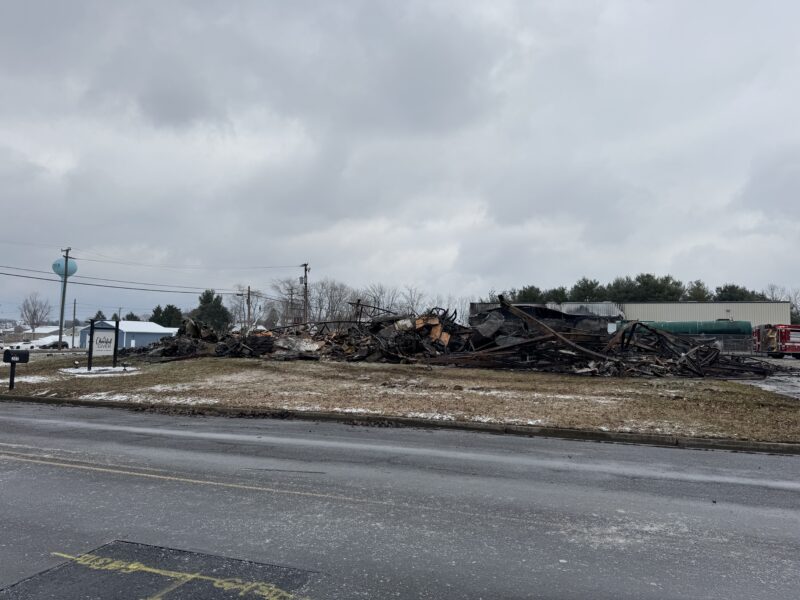
January 11, 2025, I got the phone call. Our building was on fire. Two-alarm. They had to bring in trucks from Gloucester County to help put it out. By morning there was nothing left. Thirty-something years of equipment, raw materials, finished product. Gone.
So yeah. That happened.
Photo provided by Mark Gross.
The first call I made wa
I run A Cheerful Giver out of Elmer, New Jersey. The population is about 1,300. We make candles. Been at it since 1991.
January 11, 2025, I got the phone call. Our building was on fire. Two-alarm. They had to bring in trucks from Gloucester County to help put it out. By morning there was nothing left. Thirty-something years of equipment, raw materials, finished product. Gone.
So yeah. That happened.
Photo provided by Mark Gross.
The first call I made wasn’t to the insurance company
I picked up the phone and started calling our workers.
We have a partnership with CODI that goes back over 20 years. Adults with special needs hand-wick every candle we sell. That’s not a marketing line. That’s literally how our candles get made. These people are part of our operation.
I had to tell them we still had a company. That they still had work. Honestly, I wasn’t totally sure how we were going to make that true yet, but I said it anyway. Figured we’d work out the details later.
Turned out to be the right call.
The immediate support I didn’t see coming
Orders started rolling in within days. Not normal orders. People buying candles because they heard about the fire and wanted to keep us going. Retailers calling to say they weren’t going anywhere and to take whatever time we needed.
I wasn’t expecting that. But looking back it makes sense. We spent 30 years putting out a product we were proud of. We load our candles with fragrance. We don’t cheap out on materials. We never have. So when the building burned down, people felt like they had a stake in us making it back.
You can’t fake that kind of loyalty. You either built it already or you didn’t. We got lucky that we had.
Getting back to work without a building
Some people would have spent six months planning the comeback. Drawing up blueprints, ordering equipment, getting everything perfect before making a single candle.
We didn’t do that. We cobbled things together. Found space. Got creative. Started pouring candles however we could. It was ugly and it was definitely not how we’d normally operate. But we had orders to fill and people counting on us.
Customers don’t care if your setup is perfect. They care if you’re still open. So we were.
What nobody tells you about rebuilding, long-term
The hardest stretch wasn’t the first week. The first week you’re running on adrenaline, people are rallying around you and it actually feels kind of hopeful.
The hard part is month three, month four. When you’re grinding every day, costs are through the roof, revenue is half what it used to be, and nobody’s writing news stories about you anymore. That’s when it gets lonely.
I don’t have any great wisdom for that part. I just showed up every day and made candles. Some days that’s all you can do.
What I wish I’d done before the fire
Real talk. If I could go back:
Write everything down. How we mixed our fragrances, which suppliers we used, how the equipment was set up. All of that lived in people’s heads. When the building burned, we had to reconstruct it from memory. That was brutal.
Read your insurance policy. Not skim it. Actually sit down with your agent and ask hard questions. If the whole place is gone tomorrow, what exactly happens? You want that answer before you need it.
Build your online sales now, not later. We had a strong wholesale business but when production slowed down, our website, Amazon, and TikTok Shop kept money coming in. If those channels had been bigger before the fire we would have been in much better shape during the rebuild.
Keep a backup supplier list. When you need materials fast you can’t spend three weeks finding vendors. Have the names and numbers ready before you ever need them.
Photo provided by Mark Gross
Where things stand now
It’s early 2026 and honestly we might have our best year yet. We’re shipping to thousands of stores around the country and our CODI team is back doing what they do best.
The fire was the worst thing that ever happened to this company. But we came out the other side. Not because we had some brilliant plan. Because we had good people, a good product, and customers who gave a damn.
If you’re dealing with your own disaster right now, all I can say is keep showing up. It’s not glamorous advice. But it’s the only advice I’ve got that I know actually works.
Mark Gross is one of the owners of A Cheerful Giver, a candle manufacturer based in Elmer, New Jersey. Founded in 1991, A Cheerful Giver produces over 1,400 fragrances and partners with CODI to employ adults with special needs. Visit acheerfulgiver.com.
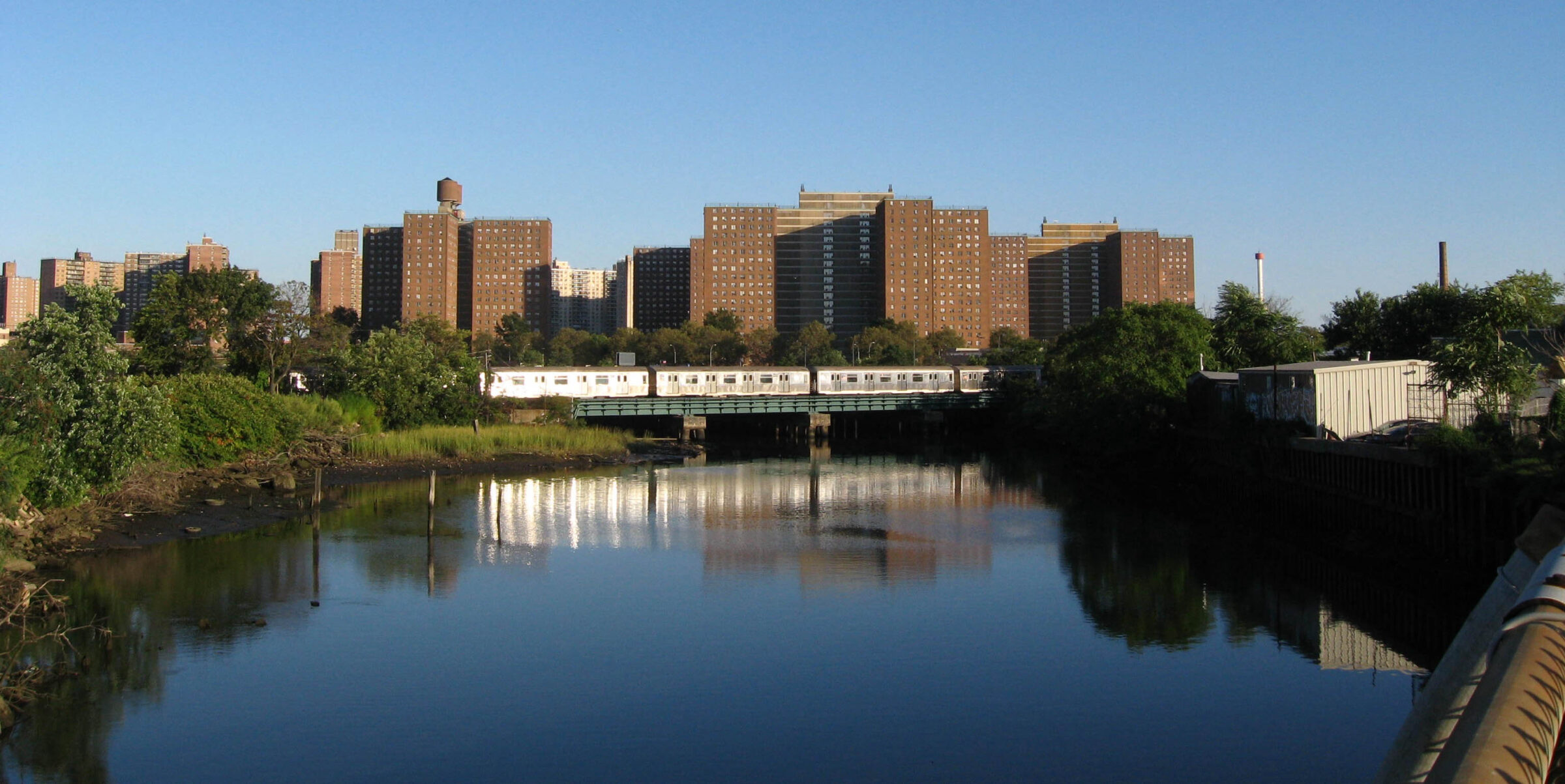
At a recent Climate School event, speaker Memphis Washington discussed the Waterfront Alliance's climate resilience and environmental justice efforts in Coney Island.
At a recent Climate School event, speaker Memphis Washington discussed the Waterfront Alliance's climate resilience and environmental justice efforts in Coney Island.

 Login
Login