SINGAPORE: As many countries in Asia already wrestle with the energy emergency brought about by the conflict in the Middle East, some are predicting that the region will be hit by a second blow in the form of an unusually strong El Niño.
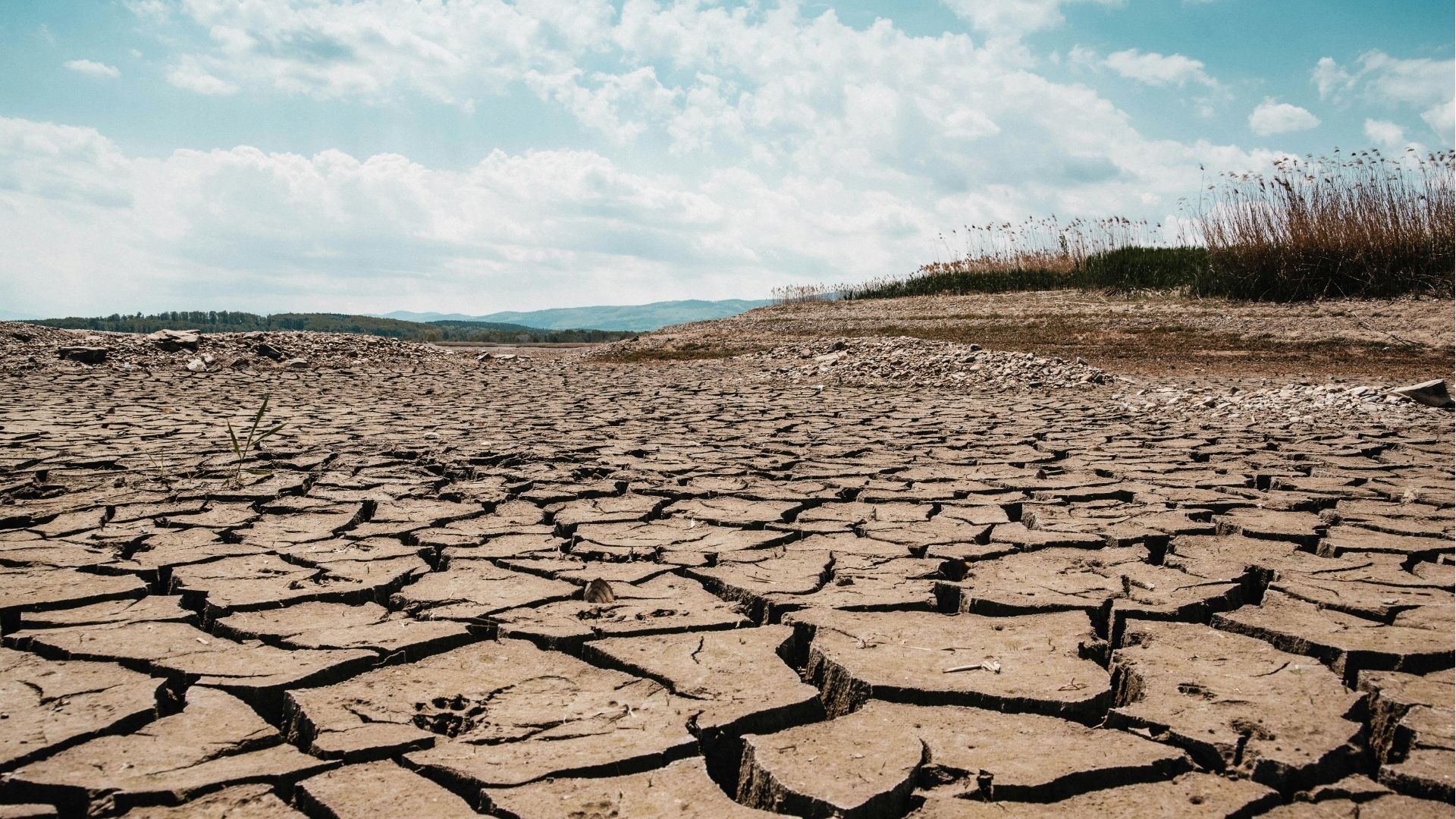
The weather phenomenon is likely to make 2027 the hottest year on record, and South and Southeast Asia, along with southern Africa and Australia, are expected to experience a period of intense dryness.
However, aside from bringing more heat, economies will also
SINGAPORE: As many countries in Asia already wrestle with the energy emergency brought about by the conflict in the Middle East, some are predicting that the region will be hit by a second blow in the form of an unusually strong El Niño.
The weather phenomenon is likely to make 2027 the hottest year on record, and South and Southeast Asia, along with southern Africa and Australia, are expected to experience a period of intense dryness.
However, aside from bringing more heat, economies will also feel adverse effects.
“The Super El Niño will further worsen the economic pain inflicted by the ongoing energy crisis. Asia’s electricity supply will be further strained as droughts curtail hydropower generation; farmers will be hard hit, and water-intensive manufacturing sectors like semiconductor and textile may also be disrupted, physical climate scientist and visiting professor at the National University of Singapore (NUS) Ming Yi was quoted in Fortune as saying in a May 28 piece.
Double whammy
The conflict in the Middle East, which began when the United States and Israel began bombing Iran on Feb 28, resulted in the closure of the Strait of Hormuz, a chokepoint for around 20% of the world’s fuel supply, much of which was headed toward Asia.
In its wake, countries in the region have had to scramble to obtain enough fuel for domestic use, even as the price of oil and its by-products has risen.
Since the war began, Indonesia has seen a 5% decline in foreign reserves, while the Philippines has seen a 7% drop. India’s rupee has already lost over 6% against the US dollar, and Tokyo stepped in at least twice to prop up the yen.
The fuel crisis has caused Asian economies to rely more on alternative sources of power, but the drought that the Super El Niño is expected to bring will affect hydropower resources, which make up more than 14% of South and Southeast Asia’s total electricity.
Also, hotter days will mean more air-conditioner usage, creating an additional strain on power grids.
Furthermore, extreme heat may also contribute to unbearable working conditions for people working outdoors, such as those in construction, delivery, and logistics.
The director of the Centre for Climate Change and Environmental Health at Singapore’s Nanyang Technological University (NTU), Steve Yim, warned Fortune that a public health crisis may ensue, as outdoor workers are put at risk for severe heat exhaustion.
On May 29, the Meteorological Service Singapore (MSS) issued a statement telling Singaporeans to expect warmer and drier conditions from June to October, increasing the risk of transboundary haze affecting Singapore and the region.
“There is a high chance of an El Niño event occurring this year (more than 80 per cent chance). This assessment is supported by the presence of key precursors, including warmer subsurface ocean temperatures in the eastern tropical Pacific. El Niño’s influence on Singapore’s climate is expected to be felt once the event becomes established,” the statement reads. /TISG
 Login
Login