Normal view

  • ✇MyFitnessPal Blog
  • Pressure Cooker Oats Lentine Alexis
    Whether it’s a busy weekday or a lazy weekend, there’s never a bad time for a warm, comforting breakfast. With an emphasis on the word ‘quick,’ it’s time to lean on the Instant Pot. It’s a convenient kitchen gadget you’ll want in your cooking lineup, if it’s not already there. Today, we’re using it for oatmeal — hearty, whole-grain bowls ready in 8 minutes of pressure cooking, plus 5 minutes of natural release, while you’re getting ready for work.  (Read: No stirring, burning or standing at the
     

Pressure Cooker Oats

2 June 2026 at 11:54
A bowl of instant pot oats topped with halved fresh figs and pecans. A silver spoon rests inside the bowl, which is placed on a white-and-black striped cloth against a light gray background. MyFitnessPal Blog

Whether it’s a busy weekday or a lazy weekend, there’s never a bad time for a warm, comforting breakfast. With an emphasis on the word ‘quick,’ it’s time to lean on the Instant Pot. It’s a convenient kitchen gadget you’ll want in your cooking lineup, if it’s not already there.

Today, we’re using it for oatmeal — hearty, whole-grain bowls ready in 8 minutes of pressure cooking, plus 5 minutes of natural release, while you’re getting ready for work.  (Read: No stirring, burning or standing at the stove!)

The steps are simple: combine liquids and oats, seal the pot, and cook — then serve immediately with your favorite toppings or portion into jars and refrigerate for the entire week.

A few notes: For best results, a low-fat or non-dairy milk works well — high-fat milks like coconut milk may separate during cooking. You’ll also need less liquid than you would on the stovetop — in the Instant Pot, liquid is absorbed rather than evaporated, so go easy to avoid oatmeal soup.

Active time: 10 minutes | Total time: 20 minutes

Pressure Cooker Oats

 Ingredients

  • 2 cups (160g) old-fashioned oats
  • 2 cups (480g) water, divided
  • 2 cups nonfat milk (almond, hemp, coconut and soy also work)
  • 1 tbsp chia seeds
  • 1 tbsp flaxseeds
  • 1 tbsp hemp seeds
  • 1/2 tsp salt
  • 1 tbsp maple syrup (optional)

Directions
Insert the steamer rack inside the inner pot of your Instant Pot and add 1 cup of water. In a 4-cup heat-safe bowl, combine the oats, remaining 1 cup water, milk, salt, maple syrup, and seeds, and stir to combine.

Place the bowl on top of the steaming rack and secure the lid on the Instant Pot. Set the valve to “sealed” and cook on high pressure for 8 minutes.

After cooking is complete, allow the pressure to release naturally for 5 minutes, then carefully release any remaining pressure by turning the valve to vent using a wooden spoon.

Carefully remove the bowl from the Instant Pot. Serve the oatmeal with your favorite toppings, or allow to cool completely before transferring to airtight containers and refrigerating for up to 5 days.

Serves: 4 | Serving Size: 1 cup

Nutrition (per serving): Calories: 246; Total Fat: 6g; Saturated Fat: 1g; Monounsaturated Fat: 1g; Polyunsaturated Fat: 3g; Cholesterol: 4mg; Sodium: 343g; Carbohydrate: 39g; Dietary Fiber: 6g; Sugar: 10g; Protein: 11g

Nutrition Bonus: Iron 13%; Calcium 19%; Potassium 416mg

Originally published October 2018; Updated May 2026

The post Pressure Cooker Oats appeared first on MyFitnessPal Blog.

  • ✇procartoon
  • AI for Cartoonists – Blessing or a Curse? Nezzy
    The rise of artificial intelligence is transforming every corner of the creative industry, providing  AI for cartoonists a new and fascinating application. From concept art to animation, AI for cartoonists offers a powerful set of tools that can enhance creative processes, speed up workflows, and even provide fresh ideas. But as these tools become more […] The post AI for Cartoonists – Blessing or a Curse? appeared first on .
     

AI for Cartoonists – Blessing or a Curse?

By: Nezzy
7 November 2024 at 13:02

The rise of artificial intelligence is transforming every corner of the creative industry, providing  AI for cartoonists a new and fascinating application. From concept art to animation, AI for cartoonists offers a powerful set of tools that can enhance creative processes, speed up workflows, and even provide fresh ideas. But as these tools become more […]

The post AI for Cartoonists – Blessing or a Curse? appeared first on .

  • ✇procartoon
  • 26 Ideas for Paper Based Printables You Can Create And Sell Nezzy
    Paper based printables offer a wide range of creative possibilities and are the easiest to produce and sell. Many of the following  ideas can be created using home printing equipment. Online printing costs have drastically reduced as printing technology has advanced, giving cartoonists  the  opportunity to have their art professionally printed at a cost that […] The post 26 Ideas for Paper Based Printables You Can Create And Sell appeared first on .
     

26 Ideas for Paper Based Printables You Can Create And Sell

By: Nezzy
12 November 2023 at 14:33

Paper based printables offer a wide range of creative possibilities and are the easiest to produce and sell. Many of the following  ideas can be created using home printing equipment. Online printing costs have drastically reduced as printing technology has advanced, giving cartoonists  the  opportunity to have their art professionally printed at a cost that […]

The post 26 Ideas for Paper Based Printables You Can Create And Sell appeared first on .

  • ✇Crafts by Amanda
  • Field of Lime Flowers Amanda Davis
    This painting was something I made last summer. I have quite a collection of saved project ideas and inspiration, and one of them was a field of round flowers. I had recently invested in a dehydrator, so I though, why not? I had saved the container (crate, box, ?) that a neon sign came in... Go To project The post Field of Lime Flowers appeared first on Crafts by Amanda.
     

Field of Lime Flowers

22 April 2026 at 15:10

This painting was something I made last summer. I have quite a collection of saved project ideas and inspiration, and one of them was a field of round flowers. I had recently invested in a dehydrator, so I though, why not? I had saved the container (crate, box, ?) that a neon sign came in... Go To project

The post Field of Lime Flowers appeared first on Crafts by Amanda.

  • ✇MyFitnessPal Blog
  • Pressure Cooker Hot Wings MyFitnessPal’s Recipes
    Cooking wings in the Instant Pot yields fall-off-the-bone chicken in just 5 minutes and renders off some of the fat. Glazed with a sweet-spicy blend of antioxidant-rich pomegranate juice, honey and Sriracha instead of traditional hot sauce, these are a delicious (and healthier) alternative to deep-fried wings (1). Active time: 10 minutes | Total time: 40 minutes Pressure Cooker Hot Wings Ingredients 2 lb (900g) chicken wings (assortment of drums and flats) 2 garlic cloves, minced 1/2 tsp salt 1
     

Pressure Cooker Hot Wings

A baking tray filled with cooked hot wings and drumsticks, slightly charred and glazed with sauce. Next to the tray, a brush with barbecue sauce is placed on a dark surface with some sauce drips nearby. MyFitnessPal Blog

Cooking wings in the Instant Pot yields fall-off-the-bone chicken in just 5 minutes and renders off some of the fat. Glazed with a sweet-spicy blend of antioxidant-rich pomegranate juice, honey and Sriracha instead of traditional hot sauce, these are a delicious (and healthier) alternative to deep-fried wings (1).

Active time: 10 minutes | Total time: 40 minutes

Pressure Cooker Hot Wings

Ingredients

  • 2 lb (900g) chicken wings (assortment of drums and flats)
  • 2 garlic cloves, minced
  • 1/2 tsp salt
  • 1/4 tsp black pepper
  • 1/2 cup (125ml) 100% pomegranate juice
  • 1 tbsp Dijon mustard
  • 2 tsp honey
  • 1 1/2 tsp apple cider vinegar
  • 1 tsp Sriracha
  • 1 1/2 tsp cornstarch
  • Cooking spray

Directions

Pour 1 cup of water into an electric pressure cooker. Place a steaming basket in the pot. Toss the wings with the garlic, salt, and pepper and place them in the steaming basket. Cook on high pressure for 5 minutes. Quick-release the pressure and ensure the wings have reached an internal temperature of 165°F.

While the pot comes to pressure, make the glaze. In a small saucepan, whisk together the pomegranate juice, mustard, honey, vinegar, and Sriracha. Bring to a boil over medium-high heat and cook until slightly thickened, about 3 minutes. Reduce the heat to medium-low. In a small bowl, mix the cornstarch with 2 tsp water and add to the pan. Cook until thickened and bubbly, about 1 minute. Remove from the heat.

Place an oven rack 4 inches below the broiler element and preheat the oven to broil. Line a baking sheet with foil and coat lightly with cooking spray. Toss the wings in the pomegranate mixture and arrange them on the prepared baking sheet in an even layer. Pour any remaining sauce over the wings. Broil until browned and crispy, about 5 minutes. Flip the wings and broil for an additional 3 minutes, or until browned on the second side. Serve immediately.

Serves: 8 | Serving Size: 2-3 wings

Nutrition (per serving): Calories: 236; Total Fat: 15g; Saturated Fat: 4g; Monounsaturated Fat: 6g; Polyunsaturated Fat: 3g; Cholesterol: 125mg; Sodium: 273mg; Carbohydrate: 5g; Dietary Fiber: 0g; Sugar: 4g; Protein: 20g

Nutrition Bonus: Vitamin D: 1%; Calcium: 2%; Iron: 3%; Potassium: 260mg; Vitamin A: 4%; Vitamin C: 1%

Originally published February 2019; Updated May 2026

The post Pressure Cooker Hot Wings appeared first on MyFitnessPal Blog.

  • ✇Social Lifestyle Magazine
  • Off-Season Fireworks Buying: Is It Worth It? Livia Auatt
    Buying fireworks can feel stressful when the season is near. Prices go up fast, popular items sell out, and you are often left choosing from what is still available instead of what you actually want. Many buyers also worry about safety rules, storage, and whether they are getting real value for their money. These problems make it harder to plan a good show, especially if you wait until the last minute. Some buyers avoid this pressure by shopping early. Retailers like Chicago Fireworks offer a
     

Off-Season Fireworks Buying: Is It Worth It?

27 March 2026 at 15:01

Buying fireworks can feel stressful when the season is near. Prices go up fast, popular items sell out, and you are often left choosing from what is still available instead of what you actually want. Many buyers also worry about safety rules, storage, and whether they are getting real value for their money. These problems make it harder to plan a good show, especially if you wait until the last minute.

Some buyers avoid this pressure by shopping early. Retailers like Chicago Fireworks offer a wide selection throughout the year, which gives customers more time to plan and compare options. This raises a simple question. Is buying fireworks during the off-season really worth it, or does it create new problems?

What Off-Season Fireworks Buying Really Means

Off-season buying refers to purchasing fireworks months before major holidays like the Fourth of July or New Year’s Eve. This often happens in late summer, fall, or early spring when demand is lower.

During this period, stores are less crowded, inventory is more stable, and pricing is usually not affected by holiday demand. Buyers are not rushed, which leads to better decisions. Instead of reacting to limited stock, you can build a planned selection that fits your space, budget, and show goals.

Price Advantages And Hidden Savings

One of the biggest reasons people buy early is price. Fireworks prices are heavily influenced by demand. As holidays get closer, costs increase due to higher traffic and limited stock.

Off-season buying often allows you to:

  • Lock in lower prices before seasonal markups
  • Take advantage of promotions or clearance items
  • Avoid premium pricing on high-demand products

There is also a hidden saving factor. When you are not rushed, you are less likely to overspend on items you do not need. Many last-minute buyers purchase extra products just to complete their show. Early buyers tend to stick to a plan, which helps control the total cost.

Better Product Availability And Selection Control

Another key benefit is product availability. During peak season, popular items like 500g cakes, assortments, and specialty effects sell out quickly.

Buying off-season gives you:

  • Access to the full inventory before it becomes limited
  • More time to compare similar products
  • A better chance of getting specific effects you want

This is especially important if you are planning a themed show or trying to match colors and timing. Waiting too long often forces you to compromise, which affects the overall experience.

Storage Responsibility And Safety Considerations

Buying early comes with one important responsibility. You need to store fireworks safely for a longer period of time.

Safe storage includes:

  • Keeping fireworks in a cool, dry place
  • Avoiding direct sunlight or heat exposure
  • Storing them away from flammable materials
  • Keeping them out of reach of children

Fireworks are designed to be stable, but poor storage conditions can affect performance. Moisture can damage fuses, while heat can weaken the structure of certain items. If you are not prepared to store fireworks properly, off-season buying may not be the best option.

Planning A More Structured Fireworks Show

One advantage that is often overlooked is better show planning. When you buy early, you have time to organize your fireworks instead of using them randomly.

This allows you to:

  • Arrange fireworks by duration and effect
  • Plan the sequence of your show
  • Balance loud and quiet moments
  • Match products to your available space

A well-planned show feels smoother and more engaging. Even with a smaller budget, proper timing and variety can create a stronger impact than a larger but unplanned setup.

Avoiding Last-Minute Supply Chain Issues

Fireworks are imported products, and supply chains can change. Delays, shipping costs, and regulations can affect what is available during peak season.

Off-season buying reduces the risk of:

  • Missing out due to delayed shipments
  • Paying higher prices due to limited stock
  • Settling for lower-quality alternatives

By purchasing early, you are working with what is already in stock instead of relying on incoming inventory that may or may not arrive on time.

When Off-Season Buying May Not Be Ideal

Despite the benefits, off-season buying is not always the right choice for everyone.

It may not work well if:

  • You do not have a safe storage space
  • You are unsure about your event plans
  • Local laws or usage dates might change
  • You prefer to see new product releases closer to the season

Some buyers like to wait for new arrivals or updated product lines. While early buying offers stability, it may limit access to newer items released closer to major holidays.

How To Maximize Value When Buying Early

If you decide to buy fireworks during the off-season, a few simple steps can help you get the most value.

Start with a clear plan. Know your budget, your space, and the type of show you want to create. This helps you avoid unnecessary purchases.

Focus on core items first. Cakes, assortments, and fountains often form the base of most shows. Once these are secured, you can add specialty items later if needed.

Check product details carefully. Look at duration, effect type, and performance level. This helps you build a balanced lineup instead of repeating similar effects.

Store everything properly. Use sealed containers if needed and keep products in a stable environment. Good storage protects your investment and ensures reliable performance.

Buy Early, Plan Better, And Stay In Control

Off-season fireworks buying can be a smart choice if you plan ahead and handle storage properly. It gives you lower prices, better selection, and more control over your show without the pressure of peak-season crowds.

For buyers who want reliable options year-round, Chicago Fireworks offers a wide range of products beyond the busy season. Shopping early helps you avoid last-minute stress and gives you time to plan your display with more care.

Buying ahead also lets you organize your setup, prepare safe storage, and make better decisions about what works for your space. With more time and fewer limits, you can build a smoother and more enjoyable fireworks experience.

The post Off-Season Fireworks Buying: Is It Worth It? appeared first on Social Lifestyle Magazine.

  • ✇procartoon
  • Use Graphic And Cartoon Art To Enhance Your Educational Signage Skills Nezzy
    In today’s visually-driven world, effective educational signage goes beyond mere information delivery; it’s an art form that communicates messages, captures attention, and leaves a lasting impact. The fusion of graphic and cartoon art within signage has opened exciting avenues for artists, designers, and businesses to stand out in a crowded marketplace. Here is how you can […] The post Use Graphic And Cartoon Art To Enhance Your Educational Signage Skills appeared first on .
     

Use Graphic And Cartoon Art To Enhance Your Educational Signage Skills

By: Nezzy
8 September 2023 at 09:28

In today’s visually-driven world, effective educational signage goes beyond mere information delivery; it’s an art form that communicates messages, captures attention, and leaves a lasting impact. The fusion of graphic and cartoon art within signage has opened exciting avenues for artists, designers, and businesses to stand out in a crowded marketplace. Here is how you can […]

The post Use Graphic And Cartoon Art To Enhance Your Educational Signage Skills appeared first on .

  • ✇MyFitnessPal Blog
  • How To Pick a Better CAVA Order Reem Tolba
    Choosing a CAVA order can feel simple even with so many great options of bases, dips, proteins, toppings, and dressings. Below, Emily Sullivan, RD, MyFitnessPal Registered Dietitian, shares five picks she would recommend, plus tips for making each one work for your unique goals. How To Think About Your CAVA Order CAVA food is flexible in the best way. You can keep things simple with a curated bowl or pita, or build your own meal from greens, grains, proteins, dips, toppings, and dressing.
     

How To Pick a Better CAVA Order

2 June 2026 at 13:27
healthy options to eat at CAVA

Choosing a CAVA order can feel simple even with so many great options of bases, dips, proteins, toppings, and dressings. Below, Emily Sullivan, RD, MyFitnessPal Registered Dietitian, shares five picks she would recommend, plus tips for making each one work for your unique goals.

How To Think About Your CAVA Order

CAVA food is flexible in the best way. You can keep things simple with a curated bowl or pita, or build your own meal from greens, grains, proteins, dips, toppings, and dressing.

That flexibility is helpful. It can also make the menu feel limitless. The quiet move is to decide what you want the meal to do first.

Maybe you want more protein. Maybe you want a higher-fiber bowl. Maybe you want to keep calories or sodium more moderate. Or maybe you want something filling that still tastes like the order you actually wanted. A tool like MyFitnessPal can also help you compare meals when you want a clearer look at calories, protein, fiber, or sodium. 

Once you have that goal in mind, the menu gets easier to navigate. You can choose the ingredients that help you get there, then adjust the extras depending on what matters most to you.

5 Healthier CAVA Orders To Try

1. Salmon + Yogurt Dill

This bowl pairs glazed salmon with arugula, saffron basmati rice, hummus, Crazy Feta, fire-roasted corn, tomato + onion, cucumber, and yogurt dill dressing. CAVA lists the Salmon + Yogurt Dill at 710 calories, 35 grams of protein, 5 grams of fiber, and 1,870 milligrams of sodium. (1,3)

“Salmon is a great source of heart-healthy omega-3 fatty acids, and the colorful mix of vegetables rounds out the dish with an array of vitamins and minerals,” Sullivan says. (4)

RD tip: To increase the fiber, swap the saffron basmati rice for black lentils. CAVA lists saffron basmati rice at 2 grams of fiber and black lentils at 15 grams of fiber, so that swap adds 13 grams of fiber. (1)

Other considerations: This bowl has 1,870 milligrams, compared to the FDA’s 2,300-milligram Daily Value for sodium. (1,2)

2. Spicy Lamb + Avocado Bowl

This bowl is built with spicy lamb meatballs, avocado, red pepper hummus, Crazy Feta, cucumber, pickled onions, tomato + onion, black lentils, Super Greens, and lemon herb tahini. It has 800 calories, 43 grams of protein, 17 grams of fiber, and 1,670 milligrams of sodium. (1,5)

“Creamy avocado and nutty tahini bring healthy fats and depth of flavor, while the black lentils and vegetables round out the bowl with a substantial boost of fiber.,” Sullivan says. (1)

This is one of the higher-fiber picks on the list. The FDA lists the Daily Value for dietary fiber as 28 grams, so 17 grams is a meaningful amount in one meal. (1,2)

RD tip: If you want to reduce the sodium and fat content, skip the feta. CAVA lists one serving of Crazy Feta at 70 calories, 6 grams of fat, and 230 milligrams of sodium. (1)

Other considerations: This is a bigger bowl. If you want the flavor but not the full portion, you could save part for later.

3. Greek Chicken Pita

This pita includes grilled chicken, tzatziki, tomato + onion, Kalamata olives, feta, shredded romaine, and yogurt dill dressing. CAVA lists the Greek Chicken Pita at 720 calories, 48 grams of protein, 8 grams of fiber, and 2,230 milligrams of sodium. (1,6)

This can be a helpful CAVA order when you want something handheld, but still want protein and vegetables in the mix.

“With a hearty serving of protein, carbohydrates from the pita, and several different fresh vegetables, this sandwich is a convenient, balanced meal,” Sullivan says. (1)

RD tip: To reduce sodium, skip the Kalamata olives. CAVA lists Kalamata olives at 360 milligrams of sodium per serving. (1)

Other considerations: This pita is one of the higher-sodium picks on this list, with 2,230 milligrams of sodium. If sodium is something you are watching, this is a good place to customize. (1,2)

4. Steak + Harissa Bowl

The Steak + Harissa Bowl includes grilled steak, Crazy Feta, red pepper hummus, tomato + onion, cucumber, feta, sumac slaw, brown rice, Super Greens, and hot harissa vinaigrette. It has 620 calories, 37 grams of protein, 7 grams of fiber, and 1,830 milligrams of sodium. (1,7)

This is the lowest-calorie option among the five picks in this article, but it still brings a solid amount of protein. The Super Greens, brown rice, and vegetables also help make the bowl feel more complete. (1)

RD tip: If you are looking to lower the carbs, swap the brown rice base for Super Greens or arugula. CAVA lists brown rice at 48 grams of carbohydrates per serving, compared with 6 grams for Super Greens and 3 grams for arugula. (1)

Other considerations: The sodium comes in at 1,830 milligrams. (1) Also, this is a bolder, spicier bowl, so it may not be the move if you want something mild.

5. Falafel Crunch Bowl

The Falafel Crunch Bowl is a vegetarian option with falafel, hummus, black lentils, Crazy Feta, Persian cucumber, pickled onions, sumac slaw, romaine, tomato + onion, basmati rice, pita crisps, and skhug. CAVA lists it at 860 calories, 24 grams of protein, 18 grams of fiber, and 2,210 milligrams of sodium. (1,8)

“Packed with fiber-rich black lentils, chickpea-based falafel, and hummus, it delivers a combination of plant-based protein, fiber, and complex carbohydrates,” Sullivan says. (1)

RD tip: To reduce sodium, ask for the crumbled feta, or for light Crazy Feta if your location allows it. CAVA lists Crazy Feta at 230 milligrams of sodium per serving, while crumbled feta adds 35 calories, 2.5 grams of fat, and 125 milligrams of sodium. (1)

Other considerations: This bowl is the highest-calorie pick on this list and has 2,210 milligrams of sodium. Consider customizing or balancing with lower-sodium choices later in the day. (1)

Simple CAVA Ordering Tips

Start with protein and fiber

Look for a protein you enjoy, then check whether the bowl has a fiber source like lentils, greens, avocado, hummus, or grains.

That combo can make the meal feel more complete without needing to rebuild the whole menu from scratch.

Watch the sodium add-ons

CAVA flavor often comes from briny, tangy, salty ingredients. That can be delicious, but it can add up.

If you are watching sodium, look at items like Kalamata olives, feta, pickles, and dressings. You do not need to remove all of them. Choosing one or two can be enough. (1)

Use MyFitnessPal to compare orders

If you are deciding between two bowls, MyFitnessPal can help you zoom out and compare calories, protein, fiber, and sodium. It is not about making the order perfect. It is about understanding where it fits in your day.

Customize without overthinking it

You do not have to make five changes to build a better bowl. One thoughtful swap can do the job.

Try black lentils instead of rice for more fiber. Choose greens instead of grains when you want a lighter base. Ask for light feta if you still want the flavor, just less of it. (1)

Frequently Asked Questions (FAQs)

  • What is the healthiest CAVA order?

There is no single healthiest CAVA order for everyone. It depends on your goals and appetite. From this list, the Steak + Harissa Bowl is the lowest in calories, the Greek Chicken Pita is highest in protein, and the Falafel Crunch Bowl is highest in fiber. (1)

  • How many calories are in CAVA bowls?

CAVA calories vary by bowl, pita, and customization. In this list, the picks range from 620 calories for the Steak + Harissa Bowl to 860 calories for the Falafel Crunch Bowl. (1)

  • How can I lower sodium at CAVA?

Start with small changes. You can skip or go lighter on higher-sodium add-ons like Kalamata olives, feta, pickles, and certain dressings. CAVA lists Kalamata olives at 360 milligrams of sodium, Crazy Feta at 230 milligrams, and Hot Harissa Vinaigrette at 270 milligrams per serving. (1)

  • Is the Falafel Crunch Bowl vegetarian?

Yes. CAVA lists the Falafel Crunch Bowl as vegetarian, though it contains milk, sesame, and wheat. (8)

Bottom Line

CAVA can be a strong fast-casual option when you know how to order to hit your goals. The menu has plenty of ways to build a meal with protein, vegetables, grains, lentils, dips, and flavorful toppings.

The main thing to watch is sodium, especially in bowls or pitas with feta, olives, pickles, dressings, and multiple savory add-ons. (1,2)

The best CAVA order is not the most “perfect” one. It is the one that fits your appetite, your goals, and the rest of your day.

And if you want more real-life ideas, the MyFitnessPal Community can be a helpful place to see how other people customize restaurant meals and make everyday food choices work for them.

Originally published July 9, 2024; Updated May 2026

The post How To Pick a Better CAVA Order appeared first on MyFitnessPal Blog.

  • ✇Earth911
  • Zero-Waste Cleaning and Laundry Tips Earth911
    One load of laundry can release up to 1.5 million tiny plastic fibers into the water that drains out of your washing machine. Most water treatment plants can’t catch fibers that small, so they end up in rivers, lakes, and the ocean. Scientists now think laundry is responsible for about 35% of the small plastic pieces found in the sea. That changes what “zero-waste” cleaning actually means today. The plastic detergent bottle is the obvious problem. The hidden problems, including shedding fibers,
     

Zero-Waste Cleaning and Laundry Tips

15 May 2026 at 07:10

One load of laundry can release up to 1.5 million tiny plastic fibers into the water that drains out of your washing machine. Most water treatment plants can’t catch fibers that small, so they end up in rivers, lakes, and the ocean. Scientists now think laundry is responsible for about 35% of the small plastic pieces found in the sea.

That changes what “zero-waste” cleaning actually means today. The plastic detergent bottle is the obvious problem. The hidden problems, including shedding fibers, plastic films sold as “eco-friendly,” mystery fragrance chemicals, and contaminants you’ll never see on a label, are the bigger concern. But here’s the good news: most of the simple ingredients people have used for generations still work, and a few small upgrades make the rest of your routine a lot cleaner.

Cleaning Your Home

Most chemicals in store-bought cleaners haven’t been fully tested for long-term health effects. The EPA’s Safer Choice program certifies products made without ingredients linked to cancer, hormone problems, or harm to wildlife. About 2,000 products carry the label. Almost lost in a 2025 budget cut, the program survived but with fewer staff. Words like “natural” and “green” on packaging aren’t regulated and don’t really mean anything, so look for the Safer Choice label or check the EWG Guide to Healthy Cleaning before trusting a brand.

Making your own cleaners gives you control, cuts packaging, and saves money. The basic kit is short: baking soda for scrubbing, white vinegar for windows and mineral stains, lemon juice for cutting boards, 3% hydrogen peroxide (in a dark bottle) for stains and germs, and castile soap for general cleaning. A spray bottle of half vinegar, half water cleans most surfaces. Reuse jars and spray bottles instead of buying new ones.

One important update: older recipes, including earlier versions of this article, used borax as a staple ingredient. Newer research has changed that advice. Europe added borax to its list of substances of very high concern in 2010 because high doses caused reproductive problems in animals, and California lists it as a reproductive toxin under Proposition 65. Borax isn’t banned in the U.S., but the Environmental Working Group recommends skipping it in homemade cleaners. Plenty of borax-free recipes work just as well.

About killing germs: the popular advice to spray vinegar, then hydrogen peroxide, came from a 1996 study on beef tissue, not on home surfaces. Vinegar at normal household strength doesn’t reliably kill many germs, including norovirus and several drug-resistant bacteria, and it isn’t EPA-registered as a disinfectant. For everyday cleaning, vinegar is fine. When real germ-killing matters, when cleaning up after handling raw meat or during a stomach flu outbreak, use 3% hydrogen peroxide alone or an EPA-registered disinfectant.

Never mix peroxide and vinegar in the same bottle and don’t mix bleach with vinegar or any acid; the gases created when these are mixed is dangerous.

Laundry

The laundry room in a great place to start your zero-waste journey.

Microfibers. Synthetic fabrics like polyester, nylon, and fleece shed tiny plastic threads every time you wash them. France passed a law requiring built-in filters on all new washing machines, which took effect January 1, 2025. California passed a similar law in 2023, but the governor vetoed it. Oregon, New York, and several other states have filter bills moving through their legislatures. Until U.S. machines come with filters, you can use a microfiber-catching laundry bag like Guppyfriend or a Cora Ball, or attach an external filter from Filtrol or PlanetCare to your drain hose. These catch up to 90% of fibers.

“Plastic-free” laundry sheets and pods. Most laundry sheets use a film made from polyvinyl alcohol (PVA or PVOH), which dissolves in water. The cleaning industry says PVA breaks down completely in wastewater treatment, but a 2021 study estimated that about 75% of it passes through treatment plants intact and persists in the environment. The science is debated, but the labels aren’t: if you see polyvinyl alcohol, PVOH, or PVA on the package, the dissolving film is a synthetic plastic. Powdered detergent in cardboard, concentrated liquid in glass, or PVA-free sheet brands are alternatives that avoid this question.

A hidden carcinogen called 1,4-dioxane. This chemical isn’t added to detergent on purpose — it’s a leftover from how certain ingredients are made. Because it’s a contaminant rather than an ingredient, manufacturers don’t have to list it. Independent testing has found it in most conventional detergents. New York finalized rules in September 2024 limiting it to 1 part per million, and the EPA officially called it an unreasonable health risk in November 2024. To avoid it, skip detergents listing SLES (sodium laureth sulfate), “PEG” anything, or ingredients with “-eth-” in the name.

Skip dryer sheets. A University of Washington study found dryer vents emit more than 25 different volatile chemicals when scented detergent and dryer sheets are used together. Seven are classified as hazardous air pollutants. Wool dryer balls reduce drying time and static without coating clothes in chemicals. For scent, put a few drops of essential oil on a damp washcloth and toss it in.

Wash cold. About 90% of the energy a washing machine uses goes to heating water. Switching from warm to cold cycles saves about 3.2 kWh per load, roughly the same as running your fridge for 10 months over a year’s worth of laundry. Cold water also makes clothes last longer and shed fewer microfibers. Modern detergents are designed to clean in cold water. Replace fabric softener with half a cup of white vinegar in the rinse cycle. If you’re shopping for a new dryer, heat-pump dryers use 20–60% less energy than conventional ones.

What You Can Do Today

  • Wash in cold water on shorter cycles. Saves energy, money, and reduces microfiber shedding.
  • Use a microfiber-catching laundry bag, ball, or external filter.
  • Skip dryer sheets and fabric softener. Use wool dryer balls and vinegar instead.
  • Read ingredient lists. Avoid SLES and PEG compounds in detergent. Skip products with PVA in their dissolvable film if microplastics matter to you.
  • Make your own cleaners with baking soda, vinegar, peroxide, and castile soap. Skip borax.
  • Look for the EPA Safer Choice label on store-bought products.
  • Never mix bleach with vinegar or any other acid.
  • Support state and federal microfiber filter laws so this stops being a consumer-level problem.

Related Reading

Featured image by Monfocus from Pixabay 

Editor’s note: Originally authored by Sarah Lozanova on May 18, 2016, this article was substantially updated in May 2026.

The post Zero-Waste Cleaning and Laundry Tips appeared first on Earth911.

  • ✇Crafts by Amanda
  • 10 Tips for Coloring Eggs with Toddlers Amanda Davis
    Do you have little ones at home, and you’re ready to color some Easter eggs? There are a few things to consider that will make things easier for coloring eggs with toddlers and preschoolers, and more fun for all. Coloring Easter Eggs with Toddlers and Preschoolers Easter is a fun and colorful time for little... Go To project The post 10 Tips for Coloring Eggs with Toddlers appeared first on Crafts by Amanda.
     

10 Tips for Coloring Eggs with Toddlers

17 March 2026 at 12:30

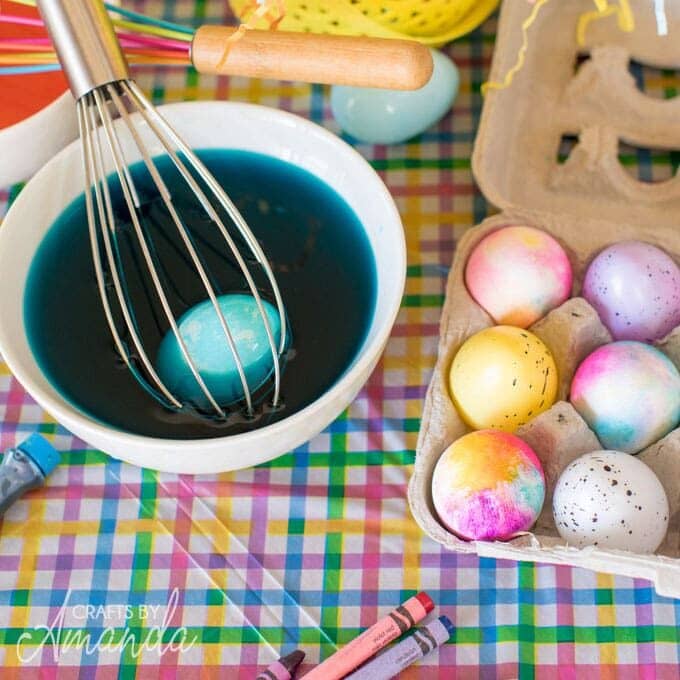
Do you have little ones at home, and you’re ready to color some Easter eggs? There are a few things to consider that will make things easier for coloring eggs with toddlers and preschoolers, and more fun for all. Coloring Easter Eggs with Toddlers and Preschoolers Easter is a fun and colorful time for little... Go To project

The post 10 Tips for Coloring Eggs with Toddlers appeared first on Crafts by Amanda.

  • ✇Camille Styles
  • Why Your Plants Make Your Home Feel Cluttered (and How to Fix It) Stacey Lindsay
    In uncertain, often overwhelming times, I’ve found solace in my houseplants. There’s a joy in tending to them—the ritual of watering, the slow unfurl of a new leaf, and the way a room softens in their presence. Over time, my home has filled with them. But somewhere along the way, I realized: more plants didn’t necessarily mean a more beautiful space. Too many, placed without intention, and suddenly a living room starts to feel less like a sanctuary and more like a roadside nursery. What I wa
     

Why Your Plants Make Your Home Feel Cluttered (and How to Fix It)

17 April 2026 at 10:00
Camille Styles living room plants

In uncertain, often overwhelming times, I’ve found solace in my houseplants. There’s a joy in tending to them—the ritual of watering, the slow unfurl of a new leaf, and the way a room softens in their presence. Over time, my home has filled with them.

But somewhere along the way, I realized: more plants didn’t necessarily mean a more beautiful space. Too many, placed without intention, and suddenly a living room starts to feel less like a sanctuary and more like a roadside nursery. What I was craving wasn’t more greenery—it was a sense of cohesion. A way to make my plants feel like part of the design, not an afterthought.

So I set out to understand how designers actually style plants at home. What I found, through conversations with San Francisco-based Little Trees owner Kathy Ho and Lindsay Pangborn, formerly a gardening expert at Bloomscape, is that the difference comes down to perspective. Plants aren’t just décor—they’re a design layer. And when you start to think about them that way, everything shifts: where you place them, how you group them, and how they shape the feeling of a room.

Pin it Woven chairs in living room with houseplants in the background.

How to Design With Plants (By Thinking Like a Designer)

When you start to see plants as a design element—not just something to care for—the way you use them begins to change. It’s easy to slip into collecting mode. You find a plant you love, then another, then another—and before long, they’re scattered throughout your home with little thought for how they relate to one another.

Designers approach plants differently. Instead of asking Where can I fit this? they ask, What does this room need?

That shift—from accumulation to intention—creates a space that feels considered.

“Plants should complement your space and your lifestyle, not compete with it,” Pangborn says. In practice, that means thinking about plants the same way you would any other design element: in terms of scale, balance, and placement.

A single, well-placed plant can anchor a corner. A small grouping can create a focal point on a surface. Even negative space—what you choose not to fill—plays a role in how your plants are experienced.

1. Create Visual Moments (Not Plant Clutter)

Once you start thinking like a designer, the next step is editing—then arranging with intention. Instead of dispersing plants evenly throughout a room, focus on creating a few defined moments. Designers often group plants in twos or threes, treating them less like standalone objects and more like part of a vignette. The result feels grounded and cohesive, rather than scattered.

“Grouping plants can make a space feel more calm and considered,” says Ho. “It also makes care easier when plants with similar needs are placed together.”

Think of a cluster on a coffee table, a styled corner of a console, or a small trio anchoring a shelf. What matters isn’t the number of plants—it’s how they relate to one another and to the space around them.

Just as important: what you leave out. Giving each grouping room to breathe allows the eye to land, rather than constantly move.

2. Use Height and Movement to Shape the Room

One of the simplest ways to elevate your plant styling is to think vertically. When every plant sits at the same level—lined up on a windowsill or clustered at eye height—the effect can feel flat. Designers, instead, use plants to create movement throughout a space, guiding the eye up, down, and across the room.

Trailing plants are especially effective here. Placed on a high shelf, bookshelf, or cabinet, they soften hard lines and draw the eye upward as they grow. Hanging planters offer a similar effect, making use of often-overlooked ceiling space while adding a sense of lightness.

“Using vertical space is key, especially in smaller homes,” Pangborn notes. “It allows you to incorporate more greenery without sacrificing surface area.”

The goal isn’t to fill every level, but to create a sense of rhythm—something that feels layered and lived-in, rather than static. A taller plant on the floor, a cluster at mid-level, and something trailing above can be enough to shift the entire energy of a room.

3. Let Plants Fill the Space—Not Overwhelm It

One of the most common mistakes when decorating with plants is treating every empty spot as an opportunity to add one. But designers tend to approach it the opposite way. Instead of filling space, they use plants to resolve it.

That might look like placing a taller plant in an empty corner to soften a hard edge, or using a single, sculptural plant to anchor a blank wall. On the floor, especially, plants can create a sense of weight and presence—grounding the room in a way smaller accents can’t.

“Larger plants can make an immediate impact,” Pangborn says. “They help define a space and can bring balance to areas that feel unfinished.”

Just as important is what surrounds them. Giving a plant enough space—away from furniture, walls, or artwork—allows it to stand on its own without competing for attention.

A room doesn’t feel lush when every inch is filled. It feels lush when there’s contrast—between fullness and openness, presence and pause.

4. Balance Scale, Shape, and Texture

If you’re drawn to a home filled with plants, the key is to create contrast. A room full of greenery can feel rich and layered, but only when there’s variation. When every plant is similar in size, shape, or tone, the effect flattens. What designers do instead is mix elements deliberately: pairing something tall with something low, something structured with something soft, something bold with something more delicate.

“Combining plants with different leaf shapes and sizes keeps a space visually interesting,” Pangborn says. “It creates depth rather than repetition.”

Think of a broad-leaf plant set against something more airy, or a sculptural silhouette next to a trailing vine. These contrasts give the eye somewhere to move and a reason to linger.

The effect is what people often describe as a “lush” space, but what it really comes down to is composition. Not more plants, but better balance.

Design for Real Life, Not Just Aesthetics

Even the most beautifully styled plants should support the way you actually live in your space. It’s easy to get caught up in how something looks—especially when it comes to plants, which can instantly transform a room. But if they’re difficult to care for, constantly in the way, or require more attention than you can realistically give, that sense of ease starts to disappear.

“Plants should complement your space and your lifestyle,” Pangborn notes. “They should never feel like a burden.”

That might mean grouping plants with similar care needs so your routine feels intuitive. Or choosing fewer, more impactful pieces that you can tend to consistently. It might even mean moving things around as your space (or your energy) shifts.

When you start to see plants as part of your home’s design, the entire approach softens. You edit more. You place with intention, and you let the space breathe.

In turn, your home begins to feel the way you wanted it to all along: lush, yes—but also calm, cohesive, and entirely your own.

This post was last updated on April 17, 2026, to include new insights.

The post Why Your Plants Make Your Home Feel Cluttered (and How to Fix It) appeared first on Camille Styles.

The Challenge of Photographing Mountain Gorillas in the Mist of an Impenetrable Forest

29 May 2026 at 13:09

Split image showing a gorilla sitting on a mossy tree branch eating leaves in a misty forest (left), and a close-up of a gorilla’s face surrounded by green foliage (right).

Bwindi Impenetrable National Park in Uganda needs no further explanation. It's a challenging landscape to navigate, and numerous animals inhabit it. But its most famous residents are the mountain gorillas.

[Read More]

❌
Subscriptions