 Login
Login
mystical creature from the past
toddkeith533 posted a photo:

Thank you for viewing, faving or commenting on my images, have a great day!


toddkeith533 posted a photo:
Thank you for viewing, faving or commenting on my images, have a great day!

Since the Iran war led to the closing of the Strait of Hormuz, about 20 percent of global oil supply has been choked off, sending prices sky high, especially for jet fuel. So far, the war may already be costing the airline industry an additional $15 billion. Airlines have responded by raising ticket prices, charging more for bag fees, and cutting flights that they’ve deemed unprofitable because of higher fuel costs.
This price shock was a deciding factor in the May 2026 closure of Spirit Airlines. When a low-cost airline like Spirit goes under, it has a ripple effect through the entire industry, canceling flight routes and raising ticket prices all around.
But even if the war were to end and fuel costs stabilize, major airlines might not be willing to bring their prices back down. In fact, corporations seem all but guaranteed to take advantage of pressuring consumers to pay more to fly.
For over 40 years, flying has been an affordable way to travel. We’ve been living in an era of cheap flights that has shifted air travel from a luxury experience to a globalized mode of public transportation. This video explains how that era might be coming to an end.
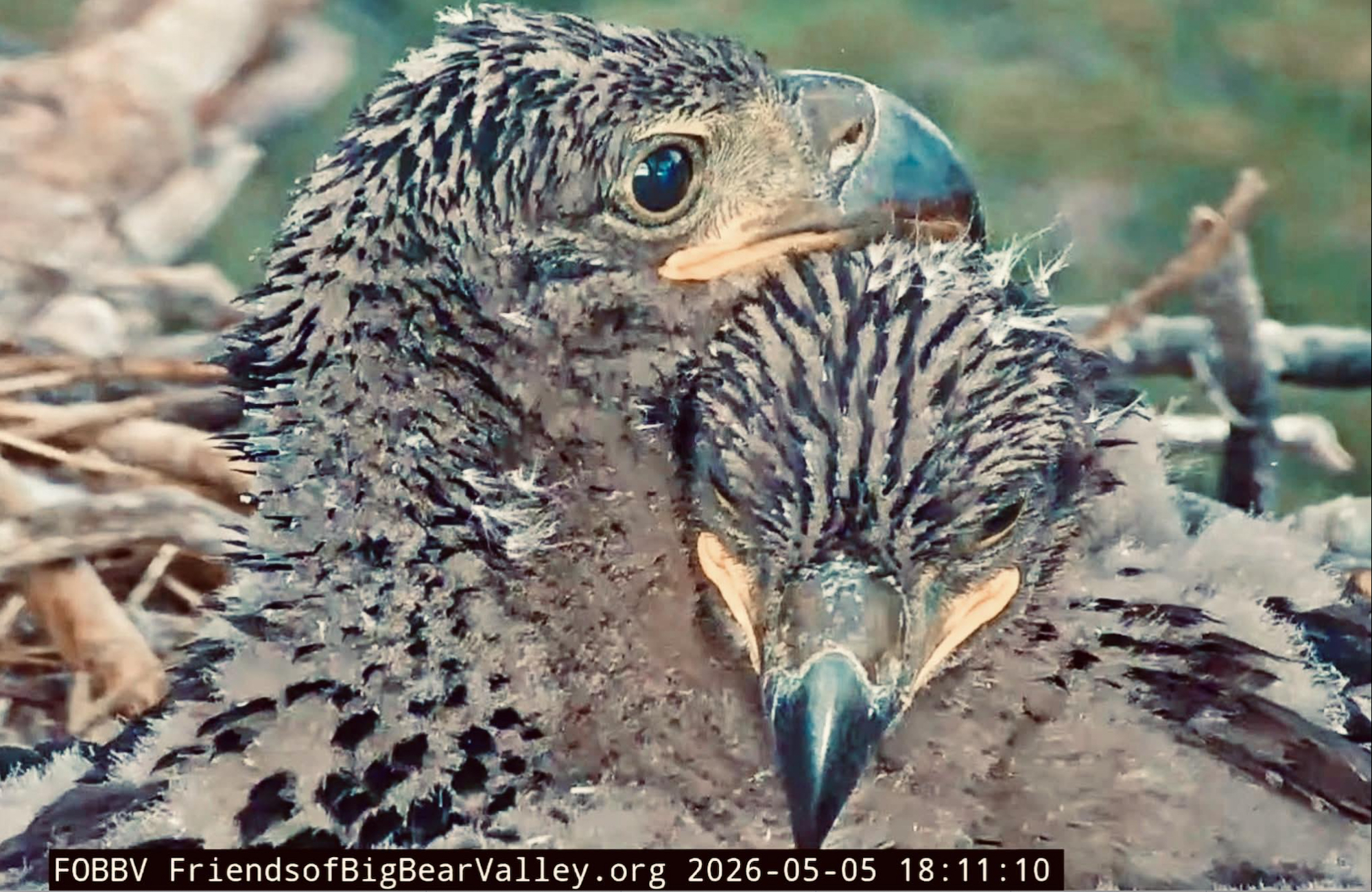
High above Big Bear Lake in southern California, a pair of eaglets’ eyesight is coming into focus. Sandy and Luna, the 2026 chicks of internet-famous bald eagles Jackie and Shadow, now boast vision abilities nearly equal to that of adult birds.
According the Friends of Big Bear Valley (FOBBV), the non-profit organization responsible for the 24/7 live cam, the bald eagle chicks can now track objects like squirrels and airplanes in the distance. Viewers can spot Sandy and Luna bobbing their heads as they watch things move. “This ‘bobbing’ helps them calculate the exact distance and speed of moving objects,” FOBBV explains.
This vision maturation typically occurs around 35 days old. The physical changes to their eyes take a bit longer—about five years. You’ll notice that Sandy and Luna have black-looking eyes while their parents’ eyes appear as a lighter, creamy yellow. The eyes lighten as they age, evolving from extremely dark brown to a lighter brown to a creamy brown to yellow.
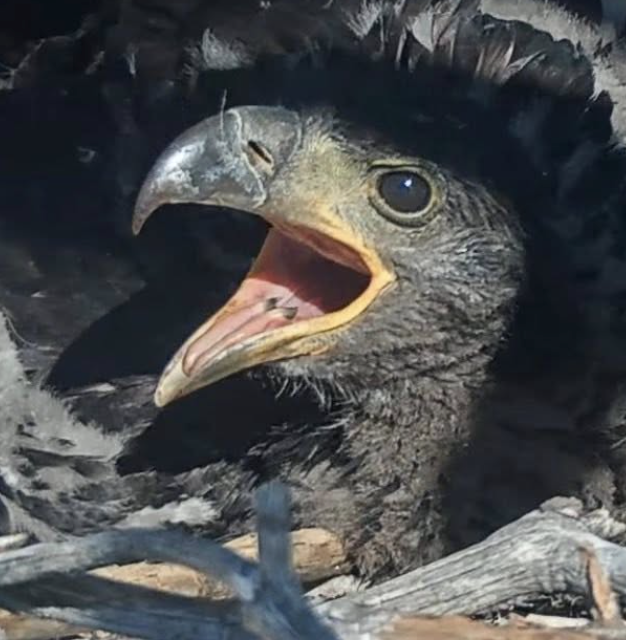

Maturing eyesight isn’t the only physical change the chicks have undergone. At around 35 days old, eaglets’ leg bones also harden. So while their feet remain comically large, their leg bones have reached their full length, allowing Sandy and Luna to walk around the nest with more confidence in their steps.
It’s been another roller coaster nesting season for Jackie and Shadow, a pair of internet-famous bald eagle parents living in San Bernardino National Forest in Southern California. After two of their eggs were destroyed by ravens in January, Jackie and Shadow laid two new eggs that have successfully hatched.
Chick 1 hatched on April 4 at 9:33 p.m. PDT, while Chick 2 followed on April 5 at 8:30 a.m. Their large nest in Big Bear Valley east of Los Angeles is livestreamed 24 hours a day by nonprofit Friends of Big Bear Valley (FOBBV) and has captivated millions.
On May 1, FOBBV announced the chicks’ names: Sandy and Luna.
Chicks usually stay in the nest until 10 to 14 weeks of age.
Before leaving the nest, the chicks face threats from other birds of prey, including hawks, ravens, other eagles, and owls. Inclement weather can also present challenges for the chicks. In 2025, a March snowstorm resulted in the death of one of Jackie and Shadow’s three chicks.
During fledging, only 70 percent of eaglets survive. One of the greatest threats is from cars that can injure or kill the birds while they scavenge for food on roadkill.
The pair first got together in 2018 and successfully raised chicks in 2019 and 2022. However, their eggs failed to hatch in 2023 and 2024. Only 50 percent of eagle eggs successfully hatch, so this pair has already beaten the odds.
In 2025, Jackie laid three eggs that all hatched in early March. On March 13, a strong snowstorm dumped up to two feet of snow and battered the nest with strong winds. Only two of the chicks were visible on the live cam when the storm passed by the next morning. FOBBV later confirmed the passing of one of the chicks. The two surviving chicks were later named Sunny and Gizmo after 54,000 names were submitted by fans.
Young eagles usually fledge–or leave the nest and fly–when they can flatten their wings and have feathers capable of flight. This typically occurs when the birds hit 10 to 14 weeks of age. Males also tend to take their first flight a little sooner than females.
According to FOBBV, fledglings from Southern California have been spotted as far south as Baja California, as far north as British Columbia, and as far east as Yellowstone National Park.
About 70 percent of bald eagles survive the fledgling stage. FOBBV does not tag their eagles, so it’s not possible to follow the chicks’ journeys after they flee the nest.
The post Jackie and Shadow’s eaglets can now see like their parents appeared first on Popular Science.
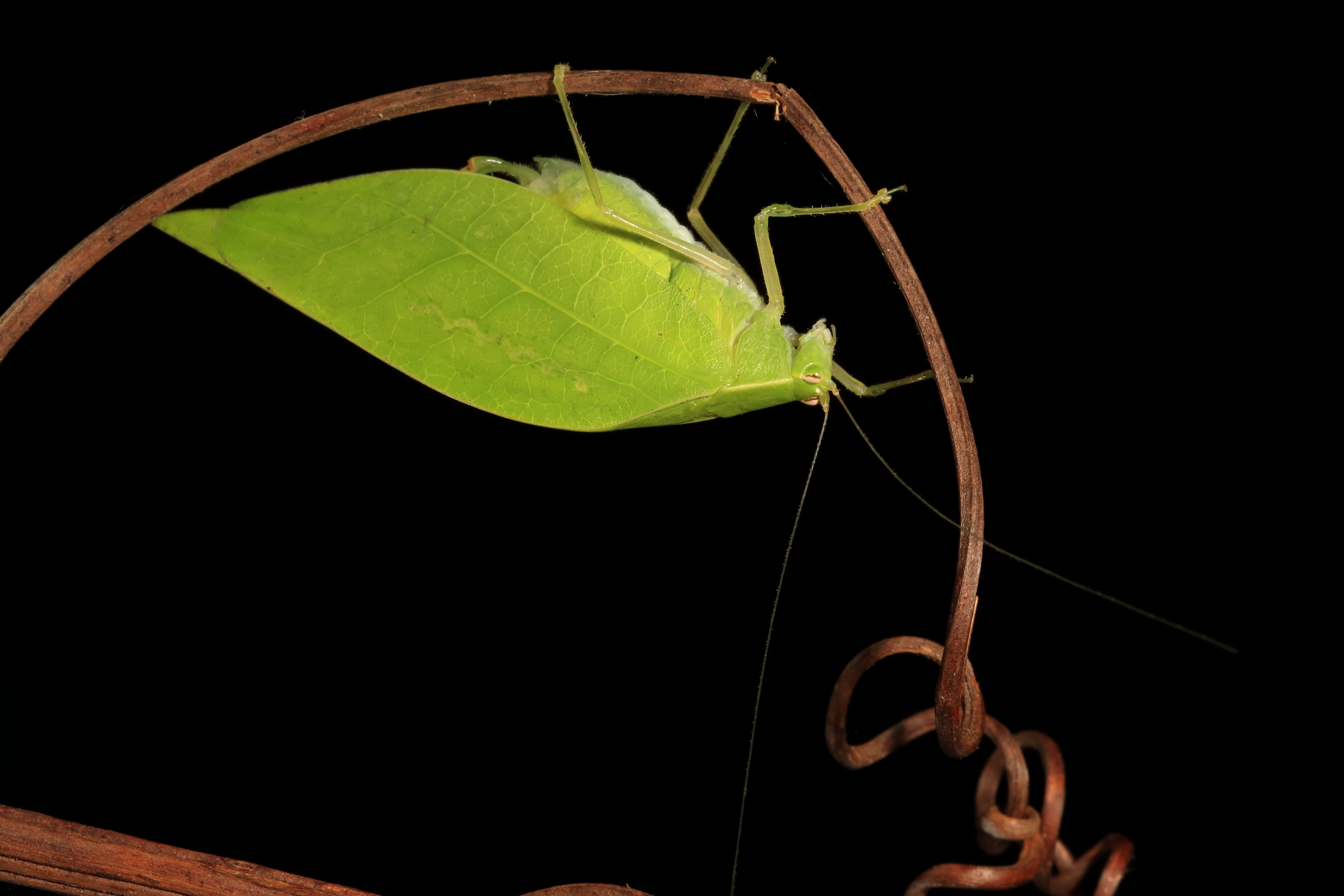
When it comes to reproduction, animals will pull out all the stops to attract a mate. Sending out noisy mating calls, showing off colorful wings, inflating a throat pouch, and shaking a literal tailfeather all ensure that the next generation of a species happens. Some insects will go as far as making themselves look like an entirely different living thing—leaves.
Usually used as a means of camouflage, male katydids appear to use their leafy disguise to amplify mating calls and make themselves more attractive to the opposite sex. The findings are detailed in a study published today in the journal Proceedings of the Royal Society B, and offer one of the first demonstrations of how leaf mimicry enhances a male katydids’ sexual signals.
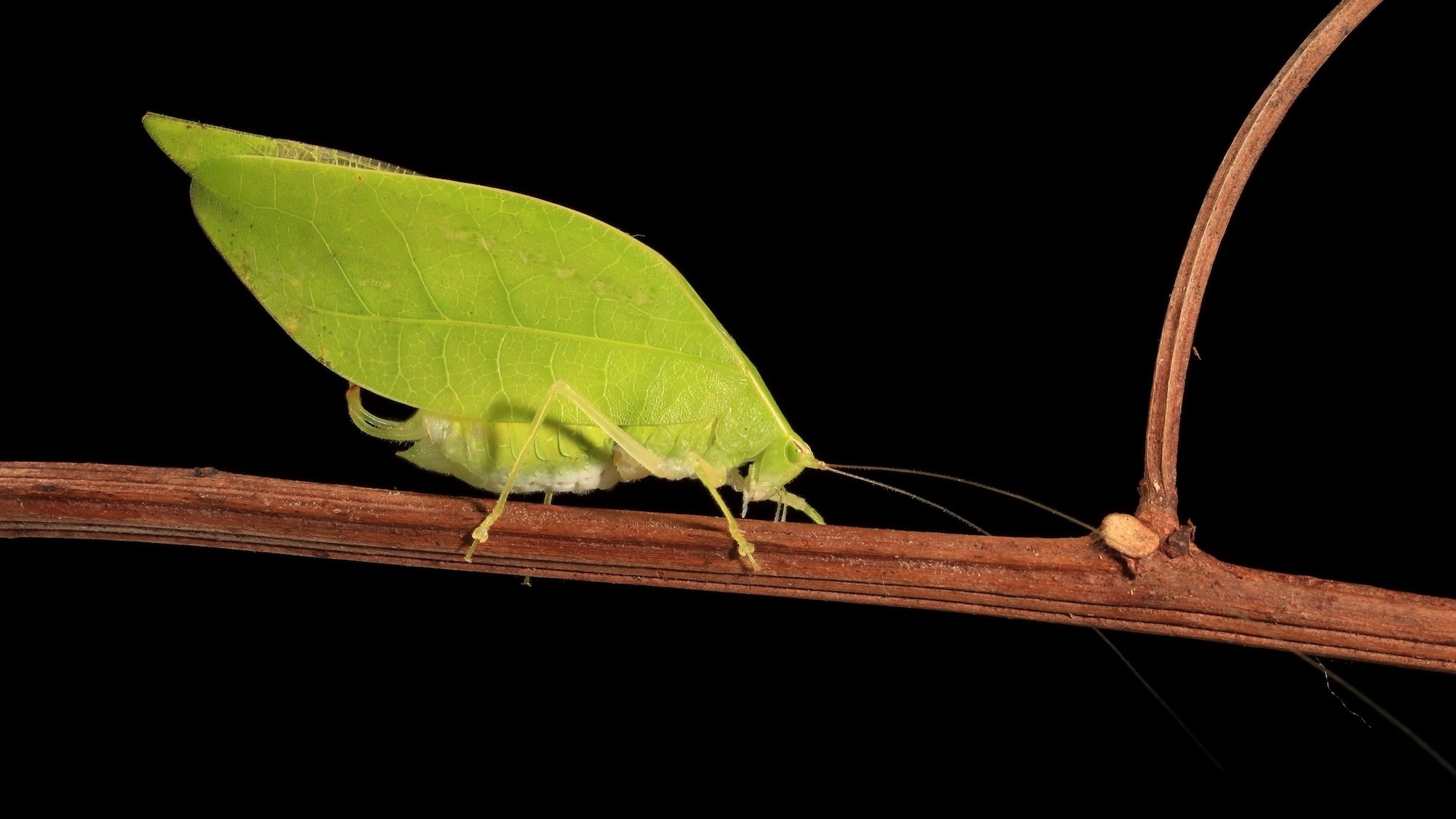
To shield themselves from predators, various species of katydids have evolved wings with structures that look like leaves. Panama’s leaf-masquerading katydids (Arota festae) will even change from green to hot pink in order to better mimic leaves. What’s been less clear to entomologists is whether or not these leaf-mimicking structures play a role in katydid mating.
This new study looked at a species called Viadana brunneri from Barro Colorado Island, Panama. To attract mates, katydids create songs by rubbing together specialized structures on their wings. In many tropical species like V. brunneri, the portion that mimics leaves makes up the majority of their wing’s surface area.
Previously, scientists believed physical adaptations for survival and for attracting mates can function in conflict with one another, particularly if they are physically connected. A male peacock’s flashy tail feathers may help it attract a female, but it also makes it easier for predators to find them. Male katydids, on the other hand, are able to use the acoustic properties of the structures that they use for defense to their reproductive advantage. They are a rare example of how an adaptation for self-defence and reproduction can work together without necessarily putting the animal in jeopardy.
The team performed a series of bioacoustic, behavioral, and biophysical experiments, showing that these leafy structures on their wings make them more attractive to females, while also helping conceal them. After removing the leafy portions of a male V. brunneri’s wings, the pitch became higher and the volume of their songs also changed. The team then played these calls for females who preferred the lower pitch calls from males with their leafy wing sections still intact.
While male katydids do all the singing, females indicate their interest by replying to the song with clicks. The insects produce short, sporadic and infrequent calls, possibly for only two seconds in a single night. They perform these calls in ultrasounds, which our ears can’t pick up. They also found that the leafy portions of the male katydid wing will vibrate to amplify their songs, making them more detectable to females.
“Our study provides a rare example of natural and sexual selection acting in harmony, producing traits that simultaneously improve survival and mating success,” Dr. Benito Wainwright, a study co-author and evolutionary biologist at the University of St Andrews, said in a statement. “We are now extremely excited to start exploring how such an interesting interaction evolved in katydids.”
The post Big wings and sweet songs: The mating lives of Panama’s katydids appeared first on Popular Science.

Oceans cover nearly three-quarters of our planet, containing a staggering 96.5 percent of its water. And despite our ever-advancing technologies and cartographic tools, we’ve still only mapped about a tenth of the earth’s oceans. There’s so much we have yet to see or understand, but our reliance on things like fossil fuels and single-use plastics continues to have an indelible impact on the health of marine wildlife and habitats.
Arch Enemy Arts’ forthcoming exhibition, Common Waters, brings these concerns to the fore. From the ethereal weirdness of jellyfish to the delicate branches of corals, the works not only touch on the incredible biodiversity below the surface but also remind us of the ocean’s power and how human actions can have dire consequences. And while the show takes a playful approach with an emphasis on beauty and even quirkiness, there is an undeniable aura of anxiety and even sadness—an undercurrent that carries an urgent message.

Many works in Common Waters are fantastical, such as Gerlanda di Francia’s coral-haired siren or Juliet Schreckinger’s octopus being conveyed over the waves by (hopefully) helpful birds. You’ll also find miniature paintings inside a vintage compact by Shannon Taylor, a sculpted paper relief of a graceful sea turtle by Marisa Aragón Ware, and a matryoshka-like fish coming up for air by Veks Van Villik, plus many more.
The exhibition is presented in collaboration with PangeaSeed, a nonprofit that bridges art and science to educate the public about—and advocate for—conserving our oceans. Bringing together works by 60 artists from around the world, the show focuses predominantly on square-format pieces, all of which draw our attention to some aspect of marine life. A portion of sales proceeds will be donated to PangeaSeed to help with their mission to get people excited about protecting the planet.
Common Waters runs from June 5 to July 5 in Philadelphia. See more on Arch Enemy Arts’ Instagram.


Do stories and artists like this matter to you? Become a Colossal Member today and support independent arts publishing for as little as $7 per month. The article Four Dozen Artists Celebrate Marine Wildlife and Lore in ‘Common Waters’ appeared first on Colossal.
:max_bytes(150000):strip_icc():format(jpeg)/kevin-jonas-michael-buble-060426-341a238b990c4f958b6b898e80e33b7e.jpg "<p>Gary Gershoff/Getty; Taylor Hill/Getty</p>")
© <p>Gary Gershoff/Getty; Taylor Hill/Getty</p>

Gelato Pique’s spinoff cafes pique our interest with adorable ice cream and mochi treats.
From its name, you might assume that Gelato Pique is an ice cream brand, but it’s actually a Japanese apparel company that specializes in cute and cozy roomwear (including Pokémon designs). The company describes its aesthetic as being “inspired by sweet indulgences,” hence the “Gelato” part of its name.
However, there’s a lot of crossover between fans of comfy pajamas and relaxing cafes, so while it wasn’t Gelato Pique’s original plan, the brand has also been spun off into a Gelato Pique Cafe chain. This is where the brand’s linguistic atmosphere starts wrapping back on itself. Gelato Pique’s clothing has to be extra-cute in order to match the sweetness of its name, but that then means Gelato Pique Cafe’s customers are going to expect food and drinks on a higher level of photogenic cuteness than at other restaurants.
That’s a bar Gelato Pique Cafe is easily clearing, though with its Sea Animals sweets series.

Leading the way in this fresh wave of adorable eats is Gelato Pique’s original marine mammal crepe, the Mochimochi (“Chewy”) Seal Crepe, returning following its initial stint on the menu last summer. Wrapped inside the crepe are whipped cream, tiramisu cream, sliced mango, sliced almonds, and caramel sauce, and sitting atop it is a scoop of black sesame ice cream wrapped in mochi, with chocolate pieces to make the adorable seal’s facial features.

Joining the seal is the new Pukapuka (“Floating”) Otter Gelato, looking like a sea otter happily drifting about in the waves. Here too you get black sesame ice cream with chocolate pieces, and the critter’s hands are formed from black sesame-infused whipped cream.

There’s also the new Hinyari (“Chilly”) Walrus Crepe. Instead of black sesame, the ice cream topping here is a chocolate banana flavor, with chocolate for the eyes, nose and whiskers, and marshmallows serving as the tusks. Inside the crepe are tiramisu cream, sliced bananas, and caramel sauce.

And last, if you’re thirsty but still want something sweet, there’s the Purupuru (“Jiggly”) Penguin Soda Float. The base here is Ramune (an apple/citrus cider that’s a perennial summertime favorite in Japan) with fish-shaped pineapple gelatin pieces added. Floating atop the drink is a scoop of milk gelato, and standing on top of that is a penguin-shaped monaka wafer.
The Pukapuka Otter gelato cone is priced at 840 yen (US$5.40), the Purupuru Penguin soda at 890, and the crepes 1,290 yen each. They’ll all be available at Gelato Pique Cafe branches between now and July 1.
Related: Gelato Pique Cafe location list
Source, images: PR Times
● Want to hear about SoraNews24’s latest articles as soon as they’re published? Follow us on Facebook and Twitter!


Justice Brett Kavanaugh is a Republican. He served in a Republican White House, typically votes with the Court’s other Republicans, and even sometimes sides with President Donald Trump in major cases that divide the Republican Party. He’s not the sort of person you’d expect to carry a torch for a liberal cause for nearly four full decades.
But, well, he did. In Kavanaugh’s majority opinion in Pitchford v. Cain, which was handed down on Thursday, the justice more or less implemented a proposal for how to prevent racism from infecting jury selection that he first proposed in a 1989 piece that he published when he was still a law student.
To be clear, Kavanaugh’s Pitchford opinion doesn’t really break much new ground. It involves a straightforward violation of Batson v. Kentucky (1986), the Supreme Court’s most important precedent governing race in jury selection, and rules in favor of the person on death row who brought this fairly clear-cut violation to the Supreme Court’s attention.
Still, Pitchford was a 5-4 decision, with four of Kavanaugh’s fellow Republicans joining a dissent by Justice Neil Gorsuch. So the decision could have easily come down the other way if one of the Republican justices hadn’t developed a liberal approach to Batson before he started his legal career. Sometimes, even Supreme Court justices — arguably the most highly vetted political appointees in the entire federal government — contain multitudes.
Again, Pitchford is a fairly easy case. In a less ideological Supreme Court, the incarcerated person at the heart of this case might have won unanimously. But the decision does suggest that left-leaning advocates can sometimes prevail in this Court by appealing to the idiosyncratic views of some of the Republican justices.
In 1989, Kavanaugh published a “note” in the Yale Law Journal. Notes are student-authored works of legal scholarship, which often examine an important recent legal development. High-achieving law students frequently choose to write these notes because it gives them a published exemplar of their own legal writing skills that they can share with potential employers.
The surprising twist is that in his 1989 note, Kavanaugh — who, of course, would go on to become one of the most powerful Republicans in the United States — chose to advocate for a cause that is ordinarily associated with liberals. Published three years after the Supreme Court handed down Batson, Kavanaugh’s note, which is titled “Defense Presence and Participation: A Procedural Minimum for Batson v. Kentucky Hearings,” argued that the Court’s recent decision protecting against racism in jury selection should be read to include certain procedural protections for criminal defendants.
In criminal trials, both the prosecution and the defense often get a limited number of “peremptory challenges,” which they can use to remove a potential juror from the jury pool for virtually any reason. These peremptory strikes may be used to remove a juror because the prosecutor doesn’t like the juror’s haircut, because the defense counsel thinks a juror looked at their client suspiciously, or because counsel doesn’t like having jurors whose name begins with the letter “M.”
But the Constitution prohibits prosecutors from removing a juror because of that juror’s race.
As Kavanaugh explains in his Pitchford opinion, Batson sets up a three-step process to determine whether prosecutors did, in fact, remove a juror for impermissible racial reasons. After the defense counsel objects to the removal of a particular juror or group of jurors (step one), the prosecutor typically must give a race-neutral explanation for why they wanted the juror removed (step two). At step three, Kavanaugh writes, “defense counsel has an opportunity to rebut the prosecutor’s race-neutral reason as pretextual,” and then the judge has to decide who is telling the truth.
Kavanaugh’s 1989 note argues that courts must ensure that this third step is complied with; he wrote at the time that “the defense should have an opportunity to rebut the prosecutor’s reasons before the trial judge decides whether to allow the prosecutor’s peremptories.” His opinion in Pitchford makes a very similar argument.
In Pitchford, prosecutors in a Mississippi murder case used their peremptory challenges to remove four of five potential Black jurors from defendant Terry Pitchford’s jury pool. Defense counsel objected on Batson grounds, and the prosecutor gave race-neutral explanations for targeting these jurors. (The prosecution claimed that one juror was removed because they arrived late to court, two because they had brothers convicted of violent offenses, and one because he, like the defendant, was a young father.)
But the trial judge never gave defense counsel an opportunity to rebut these explanations. The judge simply deemed the prosecutor’s explanations acceptable and moved on.
This, Kavanaugh writes in Pitchford, is not allowed. In a sentence that mirrors the argument he made in 1989, the justice writes that “after a prosecutor asserts race-neutral reasons for a peremptory strike, the defense counsel must at least have an opportunity to argue that the asserted race-neutral reasons were not the actual reasons—that is, the reasons were pretextual.”
To be clear, it’s not exactly a stretch for Kavanaugh to argue that, when Batson said that courts must use a three-step process to resolve jury discrimination claims, all three steps are mandatory. At most, Pitchford makes explicit something that was already implicit in US law.
But Pitchford was complicated by a federal law, the Antiterrorism and Effective Death Penalty Act of 1996 (AEDPA), that makes it difficult for convicted offenders to challenge their convictions or sentences in federal court if they were first tried in state court. To prevail in such a federal challenge, Pitchford must show that state courts handed down a decision that “was contrary to, or involved an unreasonable application of, clearly established Federal law, as determined by the Supreme Court of the United States” or “was based on an unreasonable determination of the facts in light of the evidence presented in the State court proceeding.”
Given this high bar placed in front of people who wish to challenge state-level convictions or sentences, a federal judge who wants to leave the state court’s decision in place will almost always be able to find a way to do so. And Gorsuch’s opinion does just that.
The dissent’s primary argument is that Pitchford waived his Batson argument because, while his lawyers raised it in the trial court, they did not provide enough detail about how, specifically, the trial judge violated Batson when they raised this objection. As a general rule, lawyers may not raise an argument on appeal unless they also raised that argument in the trial court.
That’s not a very good argument, because, as Kavanaugh explains, defense counsel raised their Batson argument multiple times at trial. And, after one of these objections, the trial judge “explicitly assured Pitchford’s counsel that the Batson objection was preserved.” So it would have been odd — and could have potentially antagonized the judge — if defense counsel had elaborated further on their Batson argument after the judge effectively told them to drop the issue and take it up in the appeals courts.
But the fact remains that Pitchford barely prevailed in the Supreme Court. And, if not for the fact that Kavanaugh appears to have developed the view that all three prongs of Batson’s process are mandatory in law school, this case would have likely come out the other way.
Liberal victories aren’t exactly common in this Court, but they also aren’t so rare that they are unimaginable. In this case, one of the justices appears to have formed an opinion on a politically contentious issue before he fully embraced the broader worldview that he needed to have in order to score political appointments in a Republican administration. And that means that, at least in cases involving jury discrimination, criminal defense lawyers will sometimes find a sympathetic bench in the Supreme Court.

It’s no coincidence that May is bookended by full moons. The universe is practically screaming at us to take a leap of faith. The path is cleared, the plan is made, and all that’s left to do is to simply go for it. If the work’s been done, is there anything preventing you from starting the journey? On May 31, the Sagittarius full moon points out the pieces of the puzzle we’ve been missing. Sagittarius’s fiery spirit moves through life with an almost blind fury—however, the archer is on a constant mission to uncover what has yet to be discovered. The full moon will show us the way to stay curious, take the path less traveled, and how to take in the bigger picture.
Full moons bring awareness to the themes associated with its corresponding sign. This Sagittarius full moon might feel like a giant lightbulb turning on above you. Sagittarius and Gemini sit on the axis of knowledge, making this a time to reflect on what you know, what you don’t know, what you want to learn, and who can teach it to you. They say curiosity killed the cat, but I believe curiosity keeps us alive. If there was nothing else to add to the encyclopedia of your life, you’d be a closed book, collecting dust on the shelf. But if you open yourself up to new things, you might realize an old dog can learn new tricks. There just has to be a willingness to accept that you don’t know everything, and you will grow by taking the time to learn something new.
Additionally, the Sagittarius full moon is an opportunity to consider new ways to move through life. Taking the road less traveled is one of the best ways to learn something new. Perhaps there’s a cute café in your neighborhood you never knew about, or even a community garden you can join. Do you know where you want to go and what you need to do to get there? Did you perhaps start moving without prepping enough? Remember not to rush the journey. Carry out the necessary preparations ahead of time.
Finally, you’d be remiss not to take in the bigger picture. The image of solving a puzzle often comes to mind during the annual Sagittarius full moon. Gemini season can feel like all the minutiae of life is piling up, and the honeymoon phase of a project or an idea is gone as quickly as it started. This full moon helps us balance the mountain and the molehill; it’ll also make sure we aren’t underestimating a hurdle in the distance. By tapping into your community, new information sources, traveling a bit, or even stepping back to consider all the pieces splayed out on the table, you might feel a jolt of inspiration.
Ultimately, the Sagittarius full moon is a lesson in perspective. Under this full moon, we want to remove the blinders keeping us from seeing the big picture. Sagittarius is, whether we like it or not, a serial optimist. The natural state of the mutable fire sign is to keep moving forward with a smile (it’s probably why so many comedians have strong Sagittarius placements). Taking in the whole picture will help you get the perspective you need to move forward with confidence and optimism. Gemini season can make us all a bit antsy with a microscopic POV. However, the Sagittarius full moon reminds us that there is a beautiful horizon of endless possibilities ahead of us. As long as the sun rises in the morning, there is another opportunity to learn something new.
For extra astro guidance, read for your rising sign below! These are sign-specific reflections to help you look deeper at your current situation—and to help you navigate the next phase of life after this beautiful Sagittarius full moon.
Oh, the places you’ll go—and oh, the places you’ve been! A journey in your life is about to come to an end. What have you learned along the way? This Sagittarius full moon is asking you to ponder your own growth, and how your ability to say yes to new experiences is what continually keeps that growth coming. Take some time to reflect on what you believe. These ideas or belief systems are coming into question now, to make sure that you’ve actually retained the lessons of your most recent journeys.
Do you have the freedom to give and take? The Sagittarius full moon is pushing you toward finding balance between what you need to feel safe enough to explore, and what those who rely on you need. This is a good time to clear the air, have honest conversations, and clear any debts (karmic or otherwise). Let this full moon remind you of what you and those closest to you need to feel open enough to share.
It’s still Gemini season, but that doesn’t mean you’re the only one who matters. The Sagittarius full moon comes in hot to get you focused on your relationships. Perhaps right now you need to clear house and let some relationships end to make space for more fulfilling ones. Or you might look at them from a new perspective—spend a minute or two in the others’ shoes. What kind of people are you attracting and do they give you the freedom to be yourself?
The full moon will shake off the dust that’s been settling in your life at the moment. You could feel a huge urge to make a drastic change in your daily life, or even start the new routine you’ve been eyeing. A bit of reflection on work-life balance and healthy habits is essential right now. How can you stay consistent but have the flexibility for fun and new experiences?
Summer is almost here, and this full moon reminds you of what will bring you the most joy over the next few months! This Sagittarius full moon will lend you a passion-filled wave of inspiration—and that should encourage you to explore all of your pleasure centers. That said, you could be ending a creative project (or a romantic fling) that no longer tickles your fancy. Just trust that as long as you love what you’re doing, you’ll find fulfillment.
Perhaps this full moon will feel like a wake-up call. There could be some emotional crisis or feelings of abandonment arising with the Sagittarius energy. Have you been running from your problems or facing them head on? Take some time to reflect on how you’ve been taking care of yourself. Have you learned the lessons from your past about what does and doesn’t truly regulate and refresh your emotional core?
There will be plenty of a ha moments with this Sagittarius full moon. You could have a few moments of overwhelming ideas, messages, conversations, etc. swirling around you all at once. This full moon energy is bringing forward a bit of the daily life chaos that throws you out of whack. But it’ll help you realize what is simply an unnecessary distraction so you can close those loops and make more time for adventure and play.
As the full moon approaches, you’ll probably notice you’re feeling a bit uncomfortable. The universe isn’t trying to throw unnecessary drama your way, so don’t worry. Rather, the Sagittarian energy is asking you to question whether you’ve dug your heels in too deep, and now you’re living in a false sense of comfort. Could it be high time to make some changes on how you use your resources and where you place the most value in your life?
This is your full moon! It will remind you of who you are, and it will help wash away fears, anxieties, or stress that’s keeping you from sharing your full self with the world. The lesson here is reflecting on how you may shift yourself from time to time based on the feedback of others. Perhaps you show a heightened variation of who you are to impress, appease, or clap back. That’s restrictive and unnecessary—be your genuine self and know that those who are meant to celebrate you will stick around.
As the full moon approaches, you might feel an overwhelming need to retreat into your inner world. Alone time is good: it will help you reflect, process, and learn more about yourself. The Sagittarius energy is drawing you toward what you believe, which dreams keep you alive, and how you can look toward a brighter future. Something that has been resting deep within you is bubbling to the surface. It will allow one era to end so you can embrace the new one that’s beginning.
With the Sagittarius full moon, you might have to reflect on a situation that requires you to play nicely with others. This lunation could feel like you need to start surrounding yourself with a community that encourages your free spirit to run wild. Who are the people that make you feel alive and give you the confidence to pursue your dreams? Right now is a perfect moment to find the balance between your passions and what brings joy to others.
The Sagittarius full moon could be the beginning of a new chapter in your professional life and legacy. You might be feeling a bit restricted at the moment, like you aren’t able to flourish and grow in your current position. What are some ways you could start exploring new opportunities that give you the freedom to play? Under this full moon, give yourself the chance to explore wide-open spaces to find fulfillment.

In an age where it feels like we should all know less about each other, there’s at least one place on the internet where you just want to know more: It’s called r/GirlDinnerDiaries.
As its name suggests, the subreddit consists of women posting a photo of their meal accompanied by a brief story about what’s happening in their lives.
That could look like a gripping saga about a raccoon that has chosen terrorism and theft. Or a woman insisting on riding on a motorcycle with the poster’s boyfriend. A large number of the posts are relationship-oriented: the various stages of dating (not, are, breaking up); sex and desire; problems and triumphs in marriages. And sometimes it’s just about eating chocolate cake for supper — okay, maybe it’s never just about chocolate cake.
The confessions are met with commiseration, helpful suggestions (turn that thieving raccoon into a friend by investing in a puzzle feeder!), supportive advice, or just compliments on the meal. The commentariat is generally as open as the OPs (original posters), speaking frankly about their own experiences. They chime in to offer perspective on the realities of long-term relationships, the very normal reaction of feeling insecure about someone’s extremely beautiful ex, the warning signs of abuse, how expensive it is to raise children, and the difference between setting a boundary and punishing a partner.
What makes GDD thrilling is that it is (or at least feels like) real secrets from real women.
The posts aren’t the kind of life updates you’d see on Instagram, nor are they long, multipart “storytime” videos that people post hoping to get hundreds of thousands of views on TikTok. And perhaps that partly explains why the forum now gets more than 2 million visitors per week, according to one of its moderators (who ultimately declined to participate in this story).
While our collective social media fatigue is high, people are still naturally curious about other people’s lives. And while GDD fulfills that desire, it’s also just a robust and thriving community in its own right — one that can teach us something about the power of a good story, our own curiosities, and the connections we allow ourselves to make.
GDD was created in January 2026, a spinoff from the original Girl Dinner subreddit. The idea behind a girl dinner is that it’s not a “real,” composed meal, but something messier (e.g., a chaotic assortment of pretzel sticks, crackers, and pickles versus a filet mignon with a side of asparagus and potatoes).
r/GirlDinner is more food-focused, and centers the untamed spirit of women foraging in their fridges. r/GirlDinnerDiaries is about the girl who’s eating the dinner. (The sub’s description is, “For the feral plates and the feral thoughts. Post your unhinged meals, your relationship spirals, your late-night thoughts, your soft moments, your messy moments.”)
There are three crucial things needed for Girl Dinner Diaries: a girl, a diary entry, and a picture of food. (After publishing, a moderator for Girl Dinner Diaries reached out to Vox to emphasize that being AFAB is not a requirement to participate.) Separately, they can be interesting. But something magical happens when one girl tells one story with a picture of the supper she’s currently eating. It feels like bliss — a secret you’re not supposed to know, and an opportunity for a little moment of connection with a stranger that you didn’t know you needed.
Alexandra Solomon, a clinical psychologist who specializes in relationships and is an adjunct professor at Northwestern University, told Vox that an integral component of human relationships is having witnesses to our lives. Social media seems like an obvious extension of this urge. But with apps feeling increasingly transactional and focused on getting views and likes, these platforms may not be satisfying the emotional connections we’re seeking when we share stories on them.
We’ve all had the urge to text that friend about the annoying day we had at work, or to call someone to vent about the rude person we just encountered while running errands. The experience you’re discussing could be mundane, salacious, or anything in between, but the important thing is the connection.
Solomon said that, in general, women are more inclined to do this than men because society encourages women to talk about their feelings, verbally express themselves, tell stories, and have the kind of conversation that “meanders from the ordinary to the profound, back to the ordinary.”
And the anonymity of a subreddit allows for more candid storytelling. While the desire to have people bear witness to our experiences is very human, people aren’t always comfortable telling their loved ones everything. On GDD, those barriers are gone, which allows participants to share and respond more openly.
“I think about my own friends, dear friends that I love, but I wouldn’t tell them I fucked up the laundry,” Solomon said. “Another characteristic of this community, though, is that when you say you fucked up the laundry, you’re going to get affirmation.”
GDD is also a look into how we can create online relationships and spaces that people actively participate in.
“They’ve done a really nice job of creating community,” Melanie Green, a social psychologist at the University at Buffalo, told me. “They’ve sort of set this social norm of people being kind to each other and supportive of each other.”
Green studies online friendships, as well as trust and identity on the internet. She explained how GDD’s rules — like “start with decency and restraint,” “engage in good faith,” and “tough love must be loving” — set a standard for how people behave on the site. (Also, if you were wondering, men are allowed to join but are encouraged to only react and comment with emoji and GIFs.) The moderators are also active in making sure the posts and replies follow the rules. Because these guidelines are implemented consistently, it creates a space where people are willing to share with more honesty.
“Having those norms of supportiveness and positivity and things like that, I think they’ve sort of created a bit of a baseline of trust. It seems like people feel comfortable disclosing,” Green said.
According to Green, people are naturally curious about other people’s lives, and storytelling creates trust and leads to bonding. “One of the things that stories can do is they help us feel a sense of belongingness. You feel that connection,” Green said. “It makes us feel like, oh, we’re all in here together, experiencing this thing, connecting with someone else who’s having this human experience, and maybe you’ve had a similar experience, and so you kind of resonate with that.” She also pointed to research that food, specifically comfort food — and one could argue these dinners, no matter what they are or what form they take, bring comfort — creates a sense of community.
The overall effect is something that feels, for those who remember, like the old internet, specifically the comment sections of mid-2000s women’s websites like The Hairpin and Jezebel. The humor and thoughtfulness in the replies are just as valuable and tantalizing as the original posts. Everyone seems to be on the same wavelength and understand the vibe. It also helps that while conversations on GDD can get into darker topics, it’s still relatively (compared to the seriousness of current events) light.
“Maybe in a world where things are polarized, intense, high-stakes, and urgent, we are craving spaces that are low-stakes, mundane, and ordinary,” Solomon, the psychologist, said. “You’re not going to feel activated or triggered or angry or scared. You’re going to just feel curious and supportive and supported, and you’re probably going to feel maybe a little more regulated when you leave.”
Update, May 19, 4:30 pm ET: This story has been updated with other information on requirements to participate in the subreddit Girl Dinner Diaries.
The Woodstock music festival was one of the signature moments the 1960s. Site owner Max Yasgur, a farmer and the concert site owner, memorably declared that the gathering proved that “a half a million young people can get together and have three days of fun and music and have nothing but fun and music.”
Woodstock’s success naturally inspired imitators, but the magic was hard to recapture. The Altamont concert later that year famously turned deadly when a member of Hell’s Angels, who had been hired for security, stabbed an audience member near the stage as the Rolling Stones performed.
Another music festival, the Celebration of Life in June 1971, is not as well-remembered as Altamont, but it was such a disaster that it helped put an end to the music festivals for a while.
The Celebration of Life had to change locations three times due to local resistance before finding a last-minute home on a remote tract of land in McCrea, Louisiana, about 60 miles north of Baton Rouge. The festival was scheduled for eight days but started late and shut down halfway through, with the IRS placing a tax lien that froze the organizers’ bank accounts. Performers who did get on the stage included Chuck Berry, the Stephen Stills Band, and Ike & Tina Turner. But others who had been promoted on the bill but never made the stage included Pink Floyd, the Beach Boys, the Allman Brothers and Miles Davis.
Most tragically, multiple attendees drowned in a river that bordered the festival site while seeking refuge from Louisiana’s summer heat.
Here’s what LIFE magazine wrote about the event, in a story headlined “Perhaps the last of the rock festival fiascos“:
Even before it opened, last week’s rock festival in McCrea, La., was a disaster. The stage collapsed while it was under construction, and when it was fixed, the sound system failed. Most of the previously advertised talent didn’t show up, food was overpriced, water was scarce, and sanitation facilities inadequate. The temperature soared over 100 degrees. Within four days there had been five deaths—four drownings and a drug overdose—and what the crowd wanted most was to go home.
While some later reports lowered the number of confirmed deaths to two, this was a brutal event by any accounting.
LIFE staff photographer Bill Ray appears to have arrived in McCrea after the music stopped, but he captured some of the aftermath of the Celebration of Life, including concertgoers, many of them nude, trying to cool down in the river. Ray also took many shots of people looking to hitch a ride home, holding up signs requesting transport to such locations as Virginia, Miami and New Mexico—a testament to how far people had traveled to get there. The happiest images he shot were of people who had been picked up and were on their way home.
In 2013 a 32-minute documentary called McCrea 1971 reviewed what went wrong with Celebration of Life, and the problems began with its hasty setup. In one historic clip a promoter said, “It takes about a month to set up a festival, but we’ll try to do it in about three days.” A local who attended the festival talked about the folly of festival goers swimming in a river that people from the area knew to be a “death trap.” He said, “I know of no one I have ever met who would willingly get in and swim in the Atchafalaya River.”
In 2018 Rolling Stone magazine ran its own retrospective on the Celebration of Life and talked about how out of hand things got. Because of the heat performances that were originally planned to start during the day shifted to the overnight, leaving attendees with nothing to do all day. Makeshift boulevards called “Smack Street” and “Cocaine Alley” cropped up on the festival site. Stunningly, given what happened at Altamont, festival organizers hired the Galloping Goose Motorcycle Club for security and its members reportedly became abusive with attendees.
LIFE magazine’s wish that music festivals go away for a while came to fruition. And while festivals have made a major comeback in recent years, they now look very different, with stronger organizations behind them. Some complain about how corporate they have become, with special bleachers for VIPs and so on. However you feel about that, it’s worth remembering that a more loosely organized gathering can come with its own hazards—sometimes big ones.
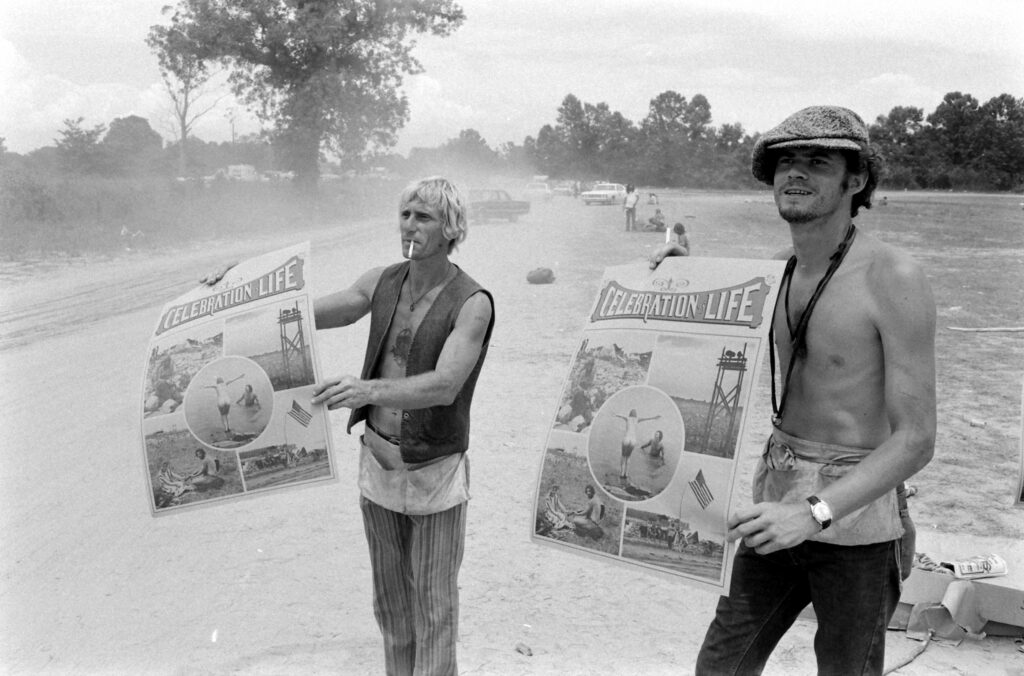
The ill-fated Celebration of Life music festival, after several late location changes, took place in McCrea, Louisiana, 1971.
Bill Ray/Life Picture Collection/Shutterstock
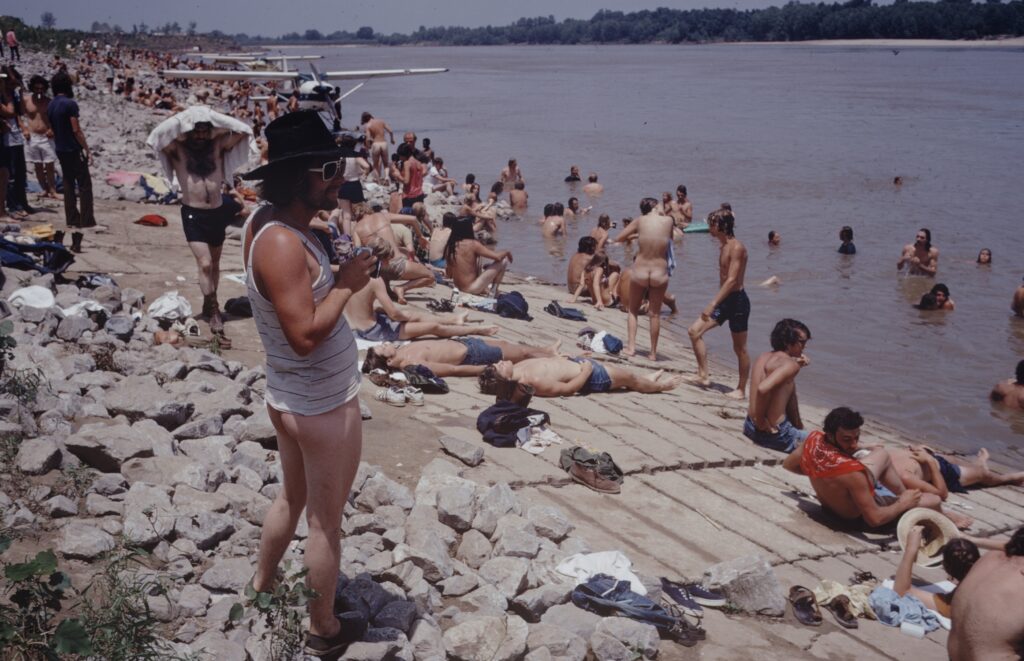
Concertgoers sought relief from the sweltering heat at the ill-fated Celebration of Life music festival in McCrae, Louisiana, 1971.
Bill Ray/Life Picture Collection/Shutterstock
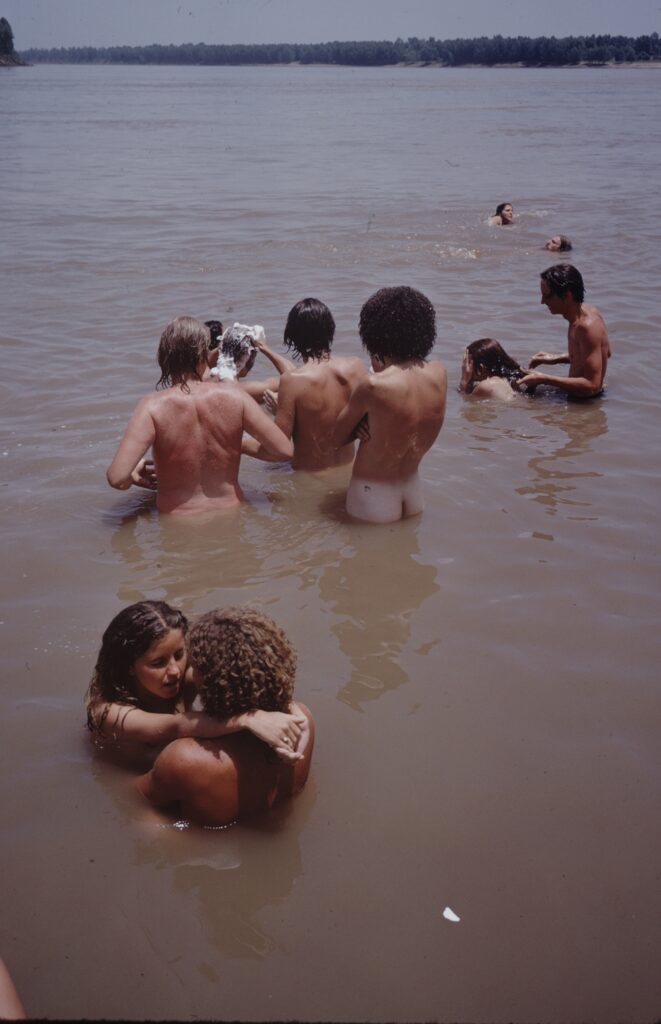
Concertgoers sought relief from the sweltering heat at the ill-fated Celebration of Life music festival in McCrae, Louisiana, 1971.
Bill Ray/Life Picture Collection/Shutterstock

The ill-fated Celebration of Life music festival in McCrea, Louisiana, 1971.
Bill Ray/Life Picture Collection/Shutterstock
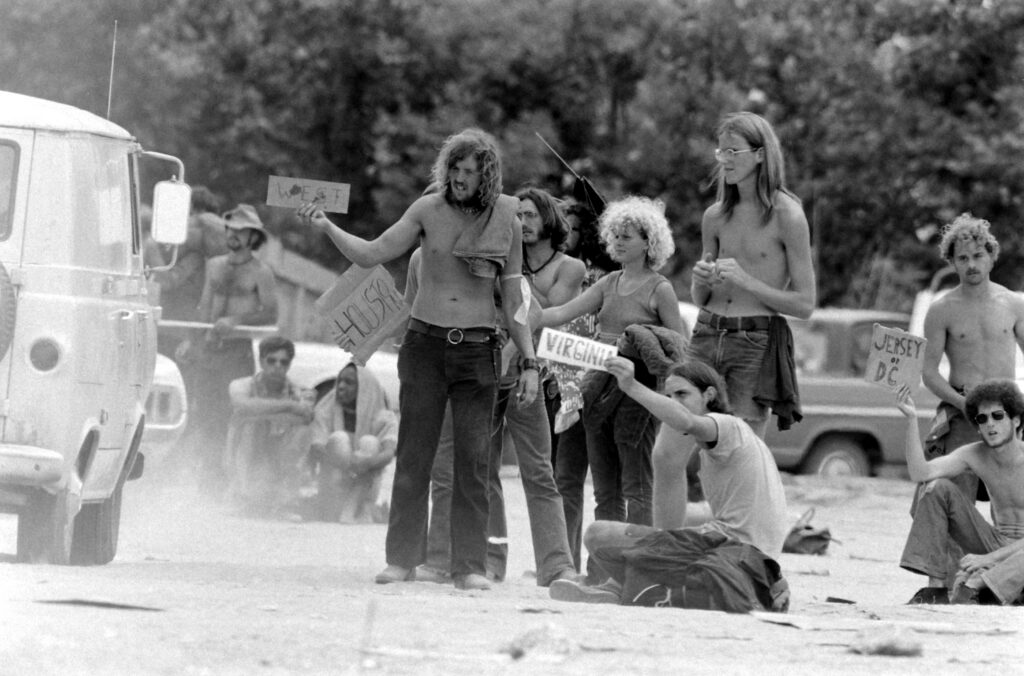
Concertgoers looked for rides home after the ill-fated Celebration of Life music festival in McCrae, Louisiana was cut short, 1971.
Bill Ray/Life Picture Collection/Shutterstock
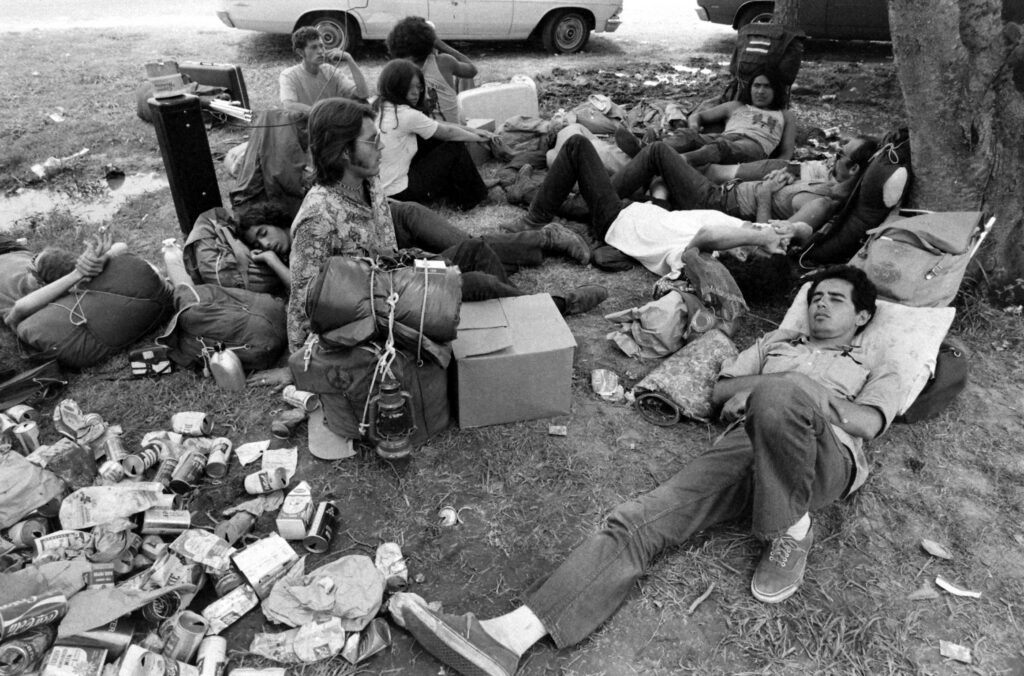
The ill-fated Celebration of Life music festival in McCrea, Louisiana, 1971.
Bill Ray/Life Picture Collection/Shutterstock
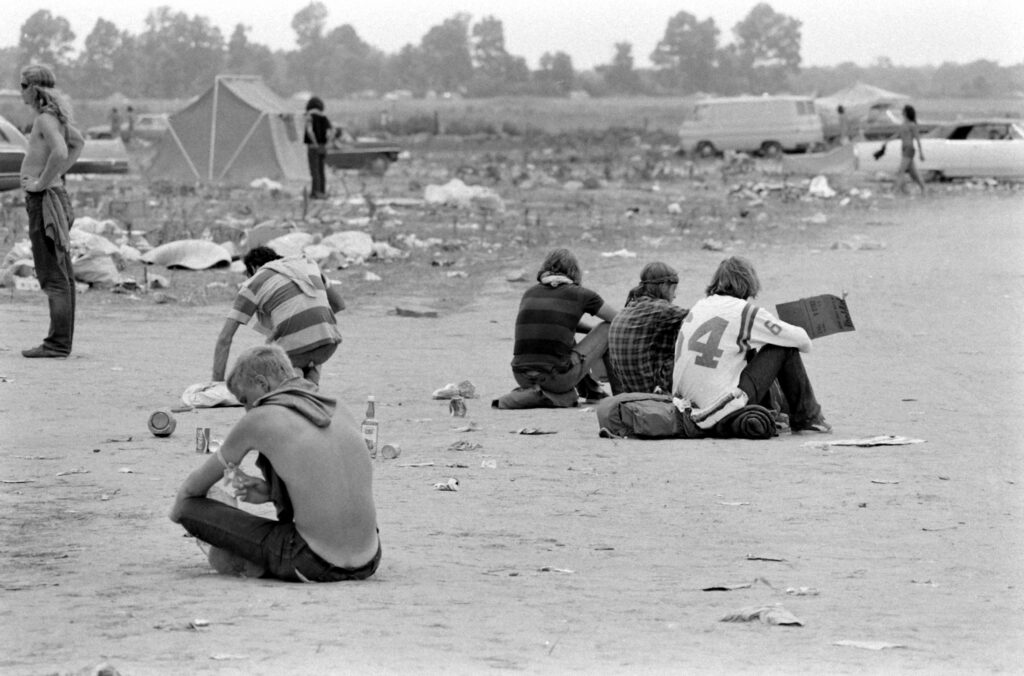
Concertgoers looked for rides home after the ill-fated Celebration of Life music festival in McCrae, Louisiana was cut short, 1971.
Bill Ray/Life Picture Collection/Shutterstock
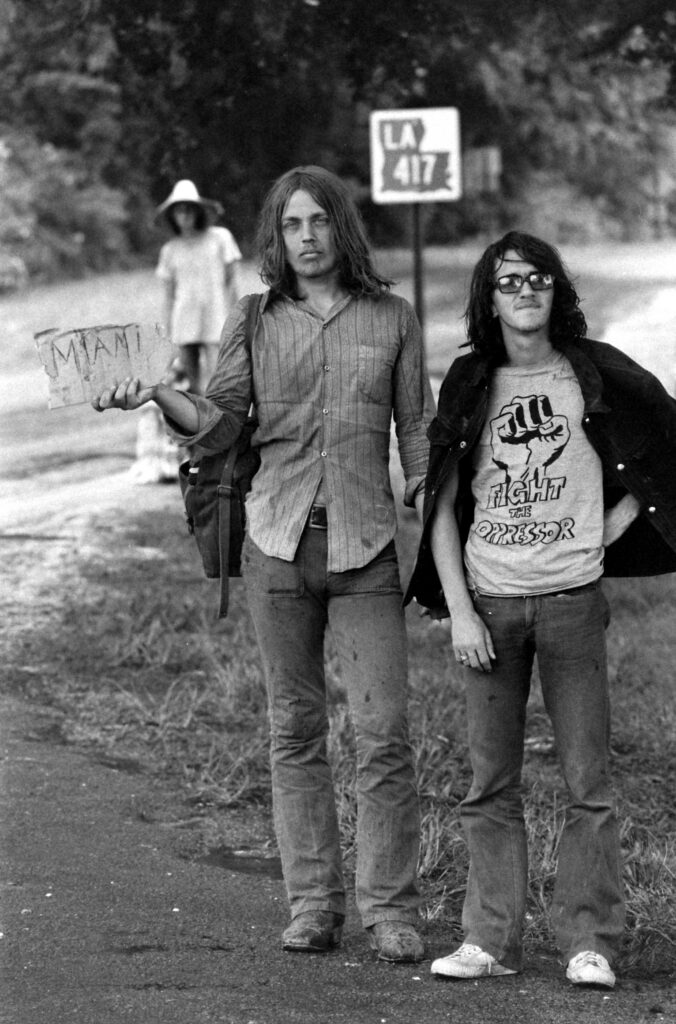
Concertgoers looked for rides home after the ill-fated Celebration of Life music festival in McCrae, Louisiana was cut short, 1971.
Bill Ray/Life Picture Collection/Shutterstock
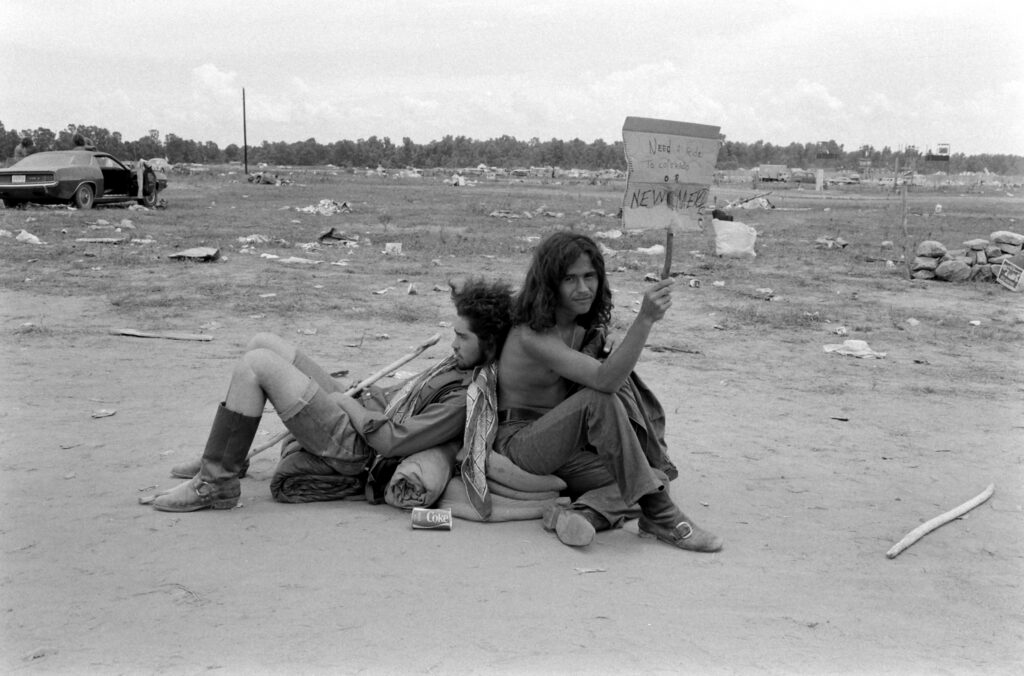
Concertgoers looked for rides home after the ill-fated Celebration of Life music festival in McCrae, Louisiana was cut short, 1971.
Bill Ray/Life Picture Collection/Shutterstock
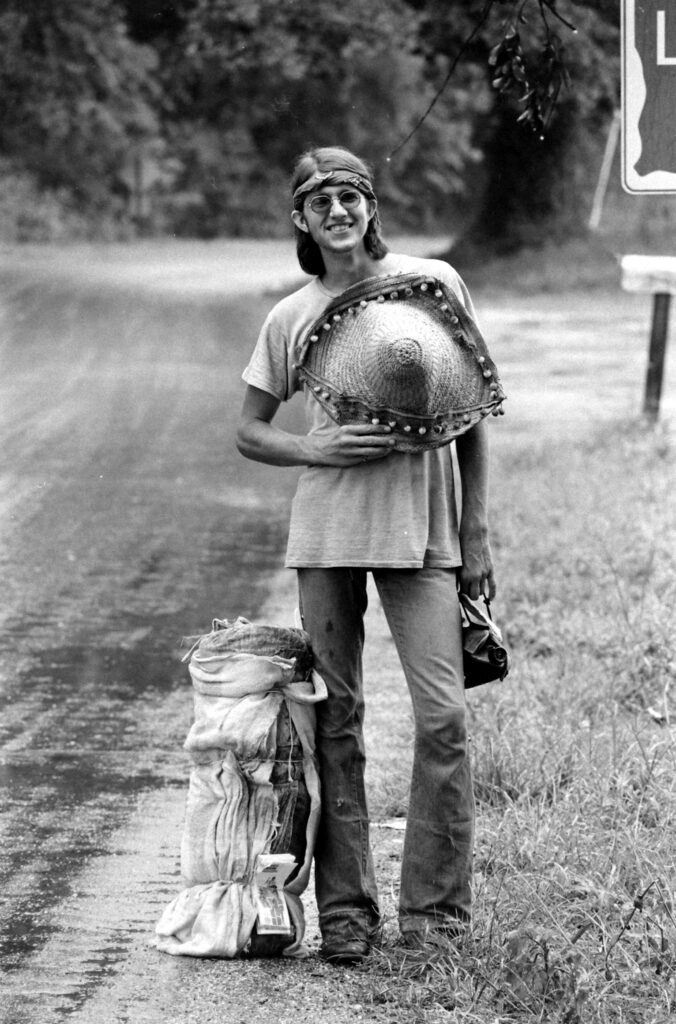
Concertgoers looked for rides home after the ill-fated Celebration of Life music festival in McCrae, Louisiana was cut short, 1971.
Bill Ray/Life Picture Collection/Shutterstock

Concertgoers looked for rides home after the ill-fated Celebration of Life music festival in McCrae, Louisiana was cut short, 1971.
Bill Ray/Life Picture Collection/Shutterstock
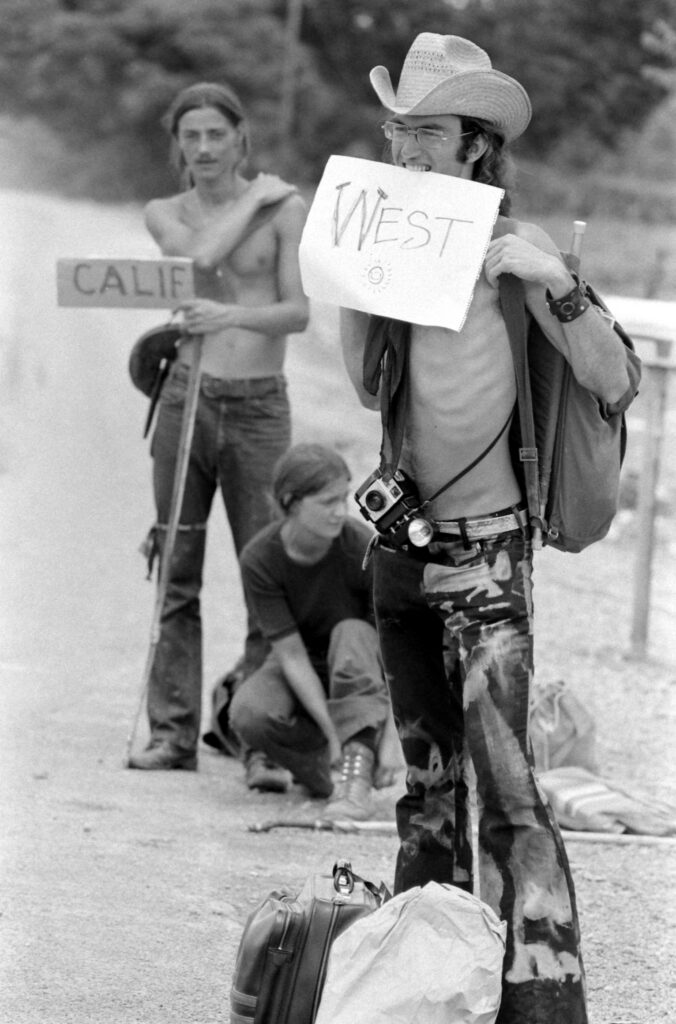
Concertgoers looked for rides home after the ill-fated Celebration of Life music festival in McCrae, Louisiana was cut short, 1971.
Bill Ray/Life Picture Collection/Shutterstock
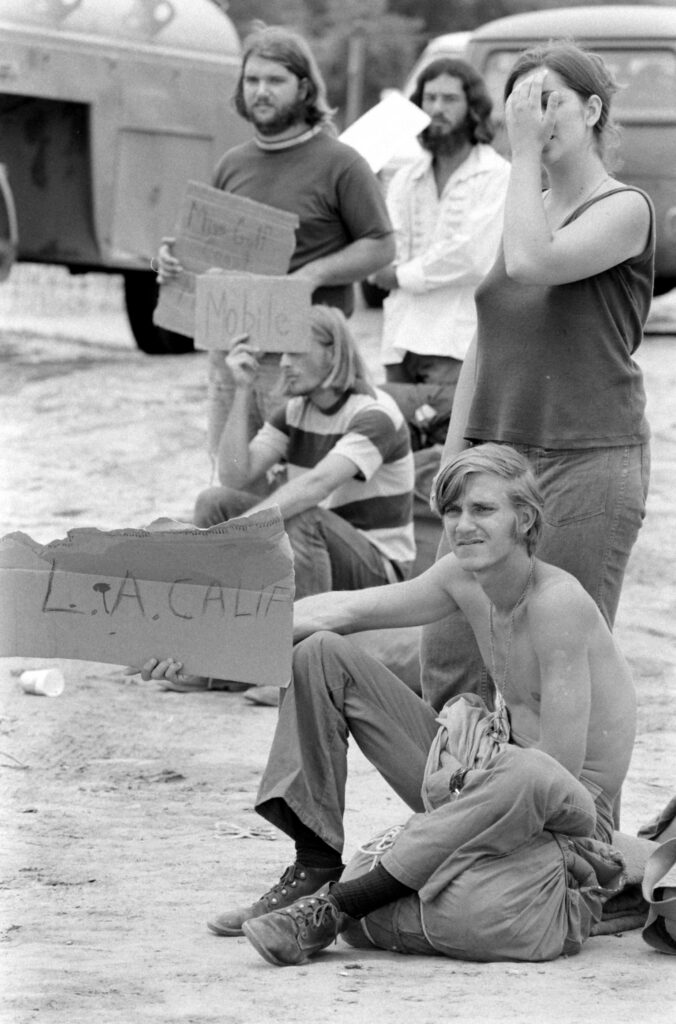
Concertgoers looked for rides home after the ill-fated Celebration of Life music festival in McCrae, Louisiana was cut short, 1971.
Bill Ray/Life Picture Collection/Shutterstock
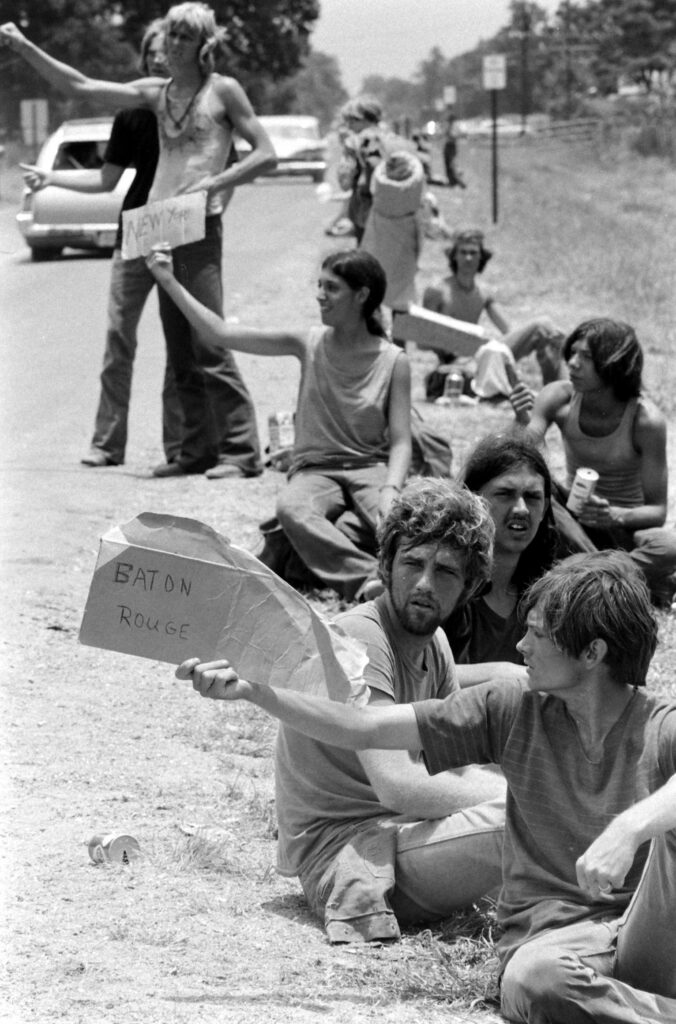
Concertgoers looked for rides home after the ill-fated Celebration of Life music festival in McCrae, Louisiana was cut short, 1971.
Bill Ray/Life Picture Collection/Shutterstock
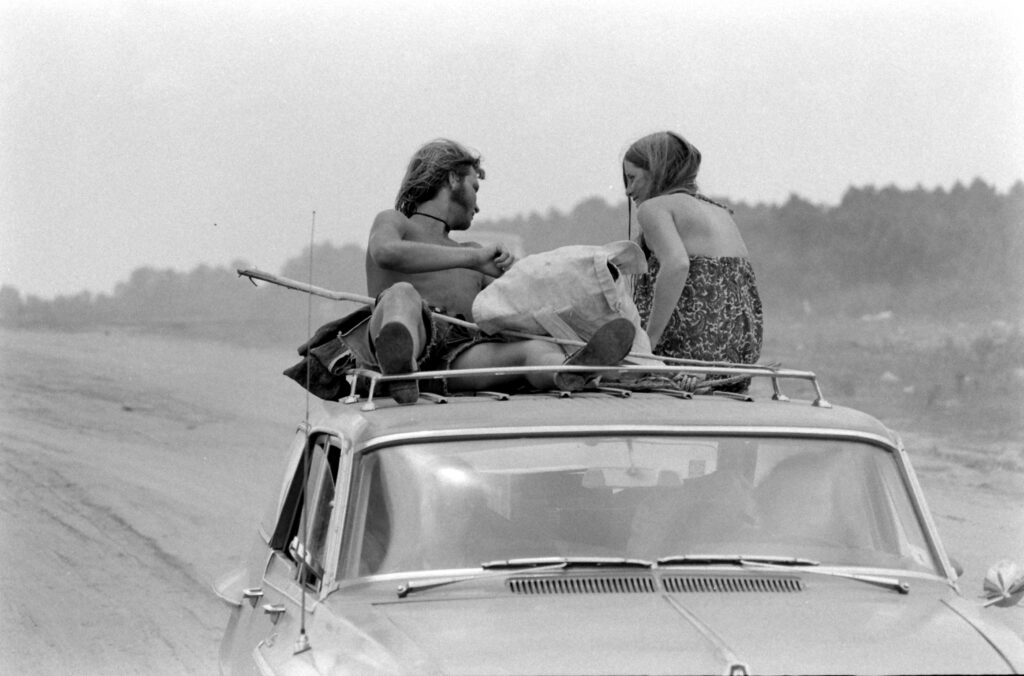
Concertgoers caught a ride home after the ill-fated Celebration of Life music festival in McCrae, Louisiana was cut short, 1971.
Bill Ray/Life Picture Collection/Shutterstock
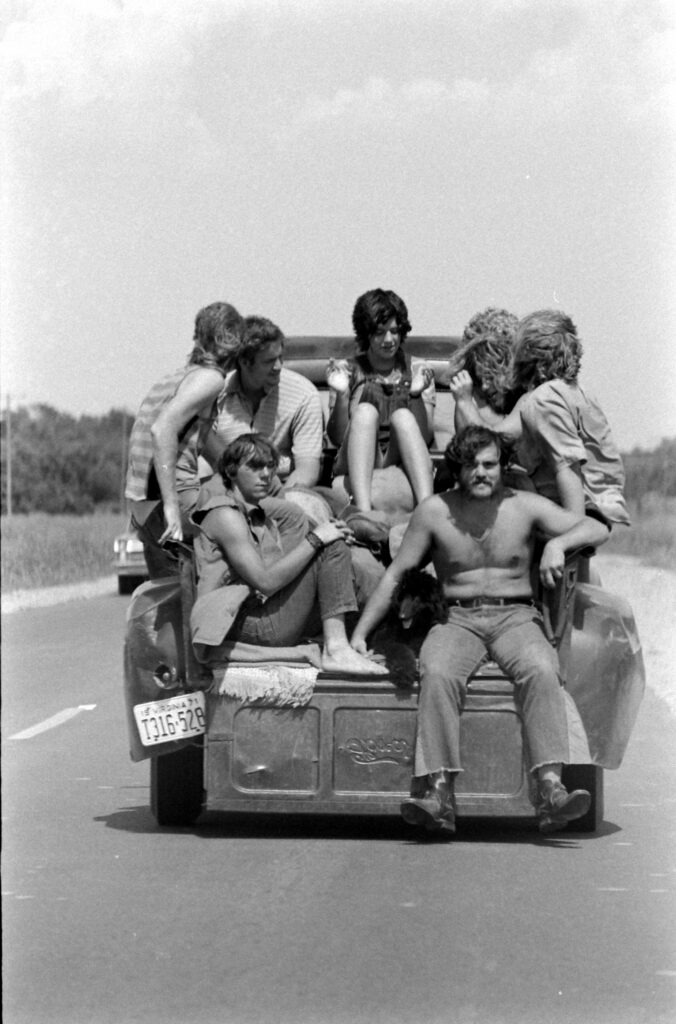
Concertgoers caught a ride home after the ill-fated Celebration of Life music festival in McCrae, Louisiana was cut short, 1971.
Bill Ray/Life Picture Collection/Shutterstock
The post This Was No Woodstock: Inside a Music Festival Disaster appeared first on LIFE.


