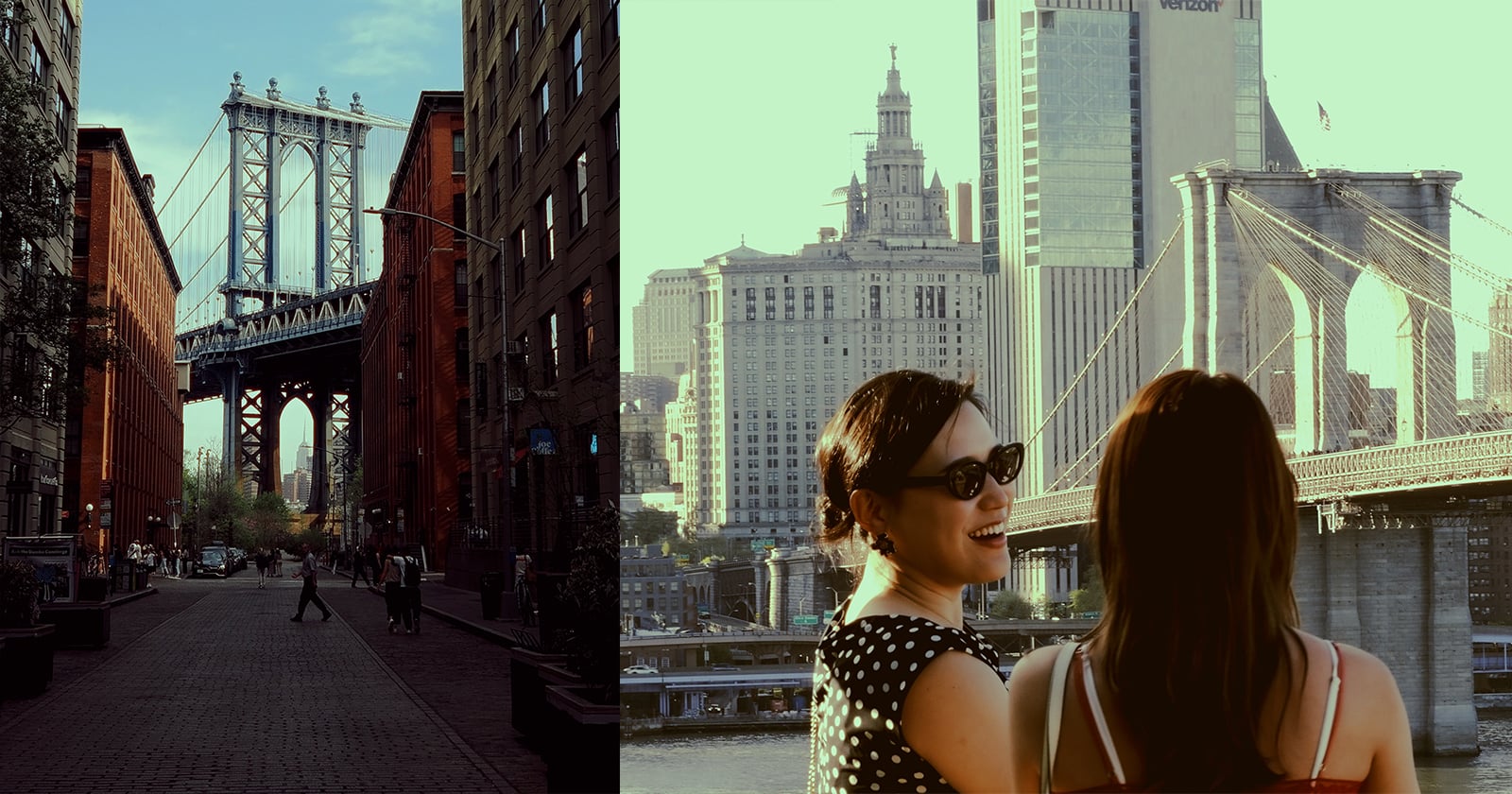
Six in the morning on the Brooklyn Bridge, and New York City is something it rarely is. It is quiet. Not empty, but quiet. Dan Aragon is standing on the walkway watching the light come up across the East River. The bridge holds a few early walkers, runners, and cyclists. A ferry is just starting to move on the water below. He has not raised the camera yet. He is still enjoying the silence.
Cooke, a legendary name in cinema lenses, has announced the AP3 FF lenses, a new series of 1.5x anamorphic lenses designed specifically for full-frame mirrorless cameras.
In the richly detailed linocuts of Eduardo Robledo, festive ceremonies, spiritual motifs, and dream-like interactions unfurl. The Mexico City-based artist was born and raised in the southern borough of Xochimilco, which is famous for its canals—vestiges of a huge Aztec water transport system still used today for bringing goods into the city. This area and its time-honored customs provide a bounty of inspiration for Robledo.
Community and celebration are at the heart of his work, as creatures and figures converge in enigmatic, sometimes ritualistic choreographies. Traditional motifs like skulls and skeletons, which represent remembrance, joy, and an acceptance of the cycle of life and death, interact with denizens of the region like armadillos, birds, reptiles, and more.
“Adiós” (2021), three-color linocut, 15 x 22 inches
Social activism has also played a strong role in Robledo’s practice, tapping into the power of printmaking to spread messages about causes he cares deeply about. “Printmaking is democratic; it’s more supportive,” he shares in a profile. “There is a very strong graphic arts tradition in social movements.”
Robledo’s compositions are playful yet mysterious, universal and also arcane. Winged hearts, known as Sagrado Corazón, or the Sacred Heart, symbolize love, healing, and spiritual devotion. Armadillos represent protection and abundance, and numerous other foods, plants, and nods to culture—such as Xochimilco’s colorful canal boats known as trajineras—are venerated in scenes of dancing or totem-like configurations.
Robled’s prints can be found at Hecho a Mano in Santa Fe, and the artist is also a co-founder of Lugar de Huida in Mexico City, a gallery highlighting Mexican printmakers. See more on the artist’s Instagram.
“Arbol de la Vida” (2025), linocut, 30 x 22 inches“Carnaval” (2023), linocut, 15 x 22 inches“El Pacto” (2024), linocut, 15 x 11 inches“Soltar” (2024), three-color linocut, 22 x 15 inches“Hombres de Conocimiento” (2020), linocut, 44 x 30 inches“El Camino” (2026), serigraph, 15 x 11 inches
One of the most common sights in cities is birds perched on power lines, although it rarely elicits a second look. Starlings chortle, pigeons coo, and the occasional hawk perches on a pole to scan the ground for its next meal. And yet, as normal as this seems, there’s nothing natural about it. Instead of trees, these feathered creatures rely on whatever infrastructure is around them, from wires and pylons to fences and rooftops.
For Ohio-based artist Rachel Mentzer, nature’s resilience is central to a practice focused on sustainability and environmental renewal. Her work “invites viewers to reflect on the interplay between human activity and the natural world, emphasizing the adaptability and fragility of nature,” says a statement.
“Flying Hawks”
Mentzer’s practice emphasizes collagraphy, an intaglio printmaking technique in which flattened materials—especially paper and card but also other items like leaves or acrylic surfaces—can be used to create a plate from which to make prints. She meticulously carves the delicate surfaces of found cartons with motifs of birds, trees, and energy infrastructure, then brushes them in polyurethane to preserve and prepare them for printing. Occasionally, she also employs chine collé, which uses delicate papers, to add colorful backgrounds.
The artist then coats the design with ink, wipes off the excess, and places the damp substrate into an etching press to transfer the image to a larger sheet of paper, producing the final piece. Thanks to the pressure of the transfer and the way the ink seeps into every handmade and incidental mark, the final print reveals a textural composition with crisp outlines. Birds and urban details alike are inextricable from the silhouette of a material that may have otherwise been destined for the landfill, summoning a constant reminder of the relationship between humans and nature.
Mentzer’s work was recently included in the Manhattan Graphics Center’s community print studio exhibition, and this summer, she’s looking forward to participating in the Suzanne Wilson Artist-in-Residence Program at Glen Arbor Arts Center in Michigan. See the artist’s process on her website, where you can also check if she will be at an art fair in your area throughout the spring and summer. See more on Instagram.
“At the Flats”“Pylon Birds”“Golden Eagles”“Still Standing”“Dockside Watch”“Skybound Over Steel”“Magnolia Warbler”
When Valerie Lueth of Tugboat Printshop sets out to make a woodblock print, it’s rare that she only uses a single block. Instead, sometimes up to five distinctly carved pieces are incorporated, each containing different details that, when combined, create a total image. To make the prints, which are usually limited to editions of 100 or so, Lueth rolls the meticulously hand-carved blocks with colorful ink, layering them precisely in order. Black outlines define flora and fauna, for instance, which are first laid down as colorful shapes.
Tugboat Printshop is celebrating its 20th anniversary this year, and for a limited time, there’s a discount on original woodcut prints in the shop. Keep an eye out on the studio’s Instagram for updates about future editions, and Lueth is always sharing loads of making-of images on Flickr.
Printing process of “Songbird & Cricket”One of five woodblocks used for “Songbird & Cricket”“Glowing Rose” (2024), five-block woodblock on BFK tan paper, 24 x 15 inches, edition of 100Blocks used to print “Glowing Rose”“Glowing Rose” being pulled from the final block“Dangling Grapes” (2025), four-block woodcut on BFK tan paper, 20 x 14 inches, edition of 100Blocks used to print “Dangling Grapes”“Steadfast Turtle” (2025), four-block woodcut on BFK tan paper, 11 x 14 inches, edition of 100Four woodblocks used for “Steadfast Turtle”
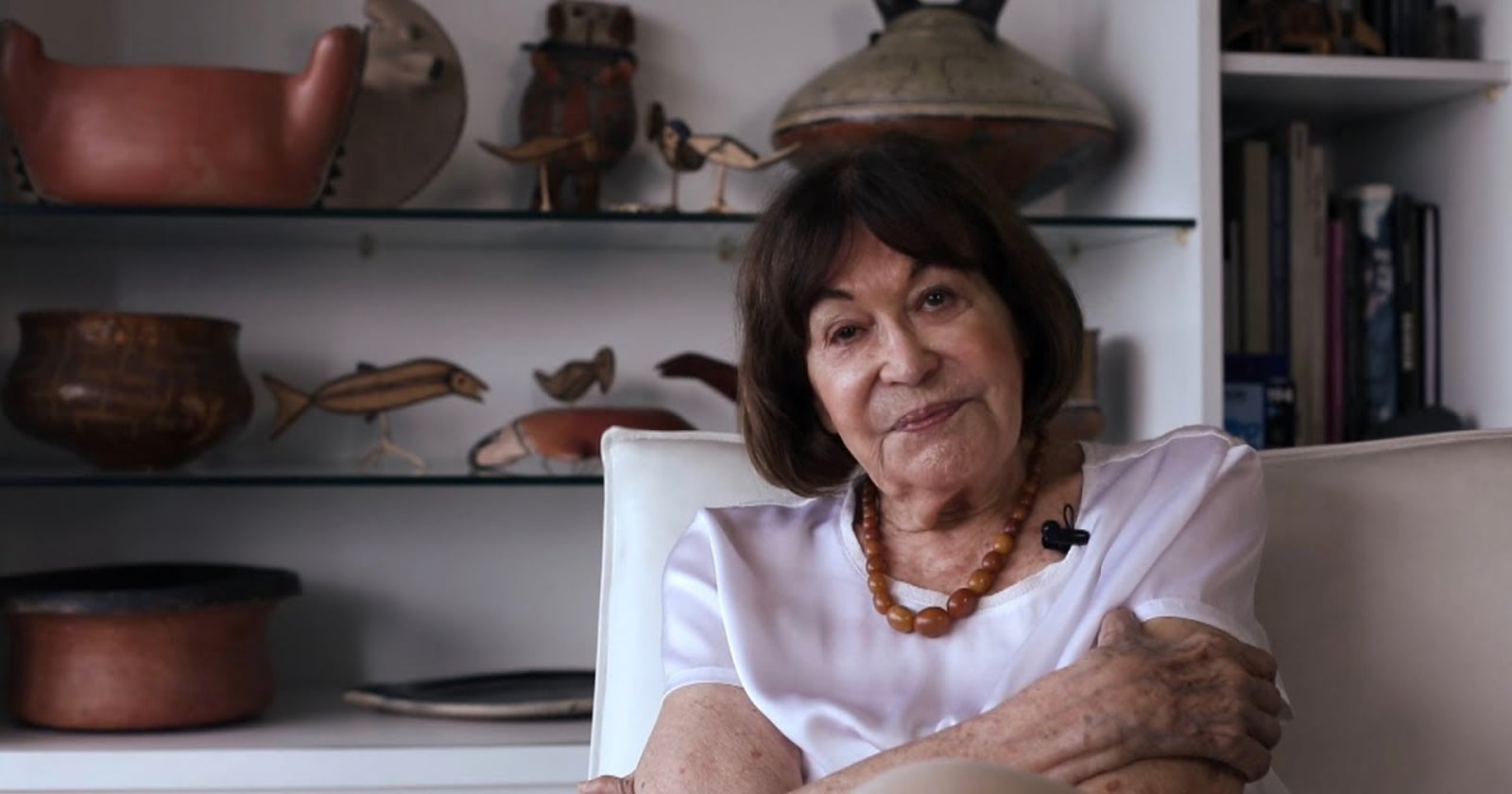
A new biopic will focus on the life and work of photographer Claudia Andujar, best known for documenting the Yanomami people, one of Brazil’s largest indigenous peoples.

 Login
Login