Normal view

  • ✇Popular Science
  • 7 ways toilets have killed people Andrew Coletti
    In 1076, a Dutch nobleman named Duke Godfrey “the Hunchback” of Lower Lorraine was murdered in a most unusual way. Some medieval historians tried to describe what happened in polite terms by saying that Godfrey was attacked after he had “withdrawn.” What they meant was that he sat down to use the bathroom and an assassin hiding in the toilet speared him from below. Ouch!  Of course, your chances of meeting a similar end are pretty slim. But that doesn’t mean that doing your business is always
     

7 ways toilets have killed people

21 May 2026 at 13:03

In 1076, a Dutch nobleman named Duke Godfrey “the Hunchback” of Lower Lorraine was murdered in a most unusual way. Some medieval historians tried to describe what happened in polite terms by saying that Godfrey was attacked after he had “withdrawn.” What they meant was that he sat down to use the bathroom and an assassin hiding in the toilet speared him from below. Ouch! 

Of course, your chances of meeting a similar end are pretty slim. But that doesn’t mean that doing your business is always safe. These are some of the strangest and most surprising ways that toilets have killed people.

Bathrooms have many hazards

The kitchen, with its sharp knives and hot stove, is often thought of as the most dangerous room in the home. But according to the CDC, up to 80 percent of home falls occur in the bathroom, due to the slippery, hard surfaces of tile floors and bathtubs. 

In the U.S. alone, about 40,000 injuries per year are specifically related to toilets. People can get pinched by the toilet seat while getting up or sitting down, and under rare circumstances, toilet bowls may collapse under a person’s weight. 

While statistics on toilet-related deaths are not specifically tracked, there are a number of ways that toilets can kill. Babies can drown in toilet bowls, and seniors can suffer serious falls after standing up from using the toilet, especially if they hit their head as they fall. Safeguards like bathroom handrails or locks on toilet lids can help reduce the risk of these incidents in homes.

At least some toilet-related deaths are from people trying to poop while constipated. Straining to poop puts strain on your heart, especially when you hold your breath while pushing (an action called the Valsalva maneuver). This can spike your blood pressure and even cut off oxygen flow to your brain. 

To minimize risk, doctors recommend that you take chronic constipation seriously, especially if you have a heart condition. Some doctors also advise squat toilets as the healthier option overall. When you use a squat toilet, poop can pass more easily out of your body and with less straining than when you use a seated toilet. 

Beware of pit toilets, especially if you’re meeting German nobility

Each toilet design comes with unique hazards. Before modern plumbing and sanitation, toilets were simply pits, dug as deep as possible and sometimes connected to underground water sources. 

Historically, these long shafts and dark waterways could prove deadly to people who accidentally tumbled in. In places where pit latrines are still used today, such as parts of rural Africa, they remain a safety concern and an occasional cause of death, especially for children.

Perhaps the most dramatic example of the literal pitfalls of this type of toilet design occurred in 1184 at the cathedral of Erfurt in Germany. A meeting of nobles called by King Henry VI to settle a land dispute dissolved into chaos when the cathedral’s wooden floorboards collapsed. 

Some 60 people plummeted through the floor into the latrine cesspit below, where they drowned in what became known as “the Erfurt Latrine Disaster.” The few survivors included the king and the local archbishop, who had been seated above floor level in a stone alcove.

Medieval illustration of a king with curly brownish hair and a beard.
King Henry VI, as depicted in the 14th century Codex Manesse, was present at the deadly Erfurt Latrine Disaster, where nearly 60 people died in a collapsed pit toilet. Image: Public Domain

A deadly WWII submarine toilet disaster

Aboard ships and submarines, faulty plumbing can easily cause water to leak into a vessel, and there have been subsequent cases of fatal drowning. 

In 1945, a German submarine called U-1206 was sent to the North Sea, fitted with state-of-the-art plumbing that expelled waste into the surrounding ocean through a series of valves

However, flushing the valve system was complex. After only eight days at sea, the young captain of U-1206 flushed incorrectly, causing the plumbing to backfire. Sewage flooded in and soaked the submarine’s batteries, releasing deadly chlorine gas that forced the crew to surface and evacuate. 

Three men drowned trying to escape the sinking vessel, and the rest were captured by Allied forces: All because of a toilet.

Metal toilets can pose real risks

On at least two occasions, U.S. prisoners have died from electrocution due to metal prison toilets. One of these prisoners was Michael Anderson Godwin of South Carolina, who was convicted of murder in 1983. 

In 1989, Godwin was fixing the TV in his cell while sitting on the toilet and placed a wire in his mouth, resulting in a fatal electric shock. In a bit of grim irony, Godwin had previously had his sentence reduced and avoided execution by electric chair

Similarly, in 1997, Laurence Baker of Pittsburgh died of electrocution on his cell toilet, due to the current from homemade earphones he had plugged into the TV

If you find yourself using a metal toilet, best to avoid electric devices altogether.

In 2016, a snake attacked from a toilet bowl

There’s probably not a human assassin lurking in your toilet bowl like the one who lay in wait for Godfrey. But what about a dangerous animal? 

Rats and snakes have been known to crawl out of toilet bowls, especially after flooding or heavy rain, as rising water levels can force animals to take shelter in sewer pipes

For instance, in 2016, a python bit a man using a toilet in Thailand. While such an attack might be painful and shocking, it’s still very rare, and very, very unlikely to be fatal.

Venomous spiders can lurk in outhouses

It’s best to exercise caution when using outdoor toilets because of a different kind of visitor. Attracted by the presence of flies, venomous widow spiders such as the black widow and its Australian cousin, the redback, are infamous for spinning webs under outdoor toilet seats. 

Before modern indoor plumbing, the phenomenon of these spiders biting people who disturbed them was so common that it formed the focus of the earliest medical study on black widow bites. Published in 1927, the study noted fifteen such cases treated at Los Angeles General Hospital “in recent years.” 

In 1971, Australian country singer Slim Newton even released a comedy song called “The Redback on the Toilet Seat,” with lyrics like “I didn’t see him in the dark, but boy, I felt his bite!” (Technically, only female widow spiders can bite people.) 

Outside Dunny toilet on a rural property in Queensland Australia. Made from wood scraps and corrugated iron and other recycled items.
Be sure to look for spiders if you ever use an outhouse toilet, like this one in Queensland, Australia. Image: Getty Images / Image by lesley mcewan

While widow spider bites may lead to pain and infection, they are rarely fatal thanks to modern antivenin. The last known death from a black widow bite was in 1983. In Australia, a death from severe infection following a redback bite made headlines in 2016 because it was the first such incident in more than 50 years

For the record, the 2016 redback victim was not bitten on the toilet. However, that same year, another man in Australia was bitten by a redback while using the toilet, on two separate occasions

So next time you use an outhouse, lift the seat and check before sitting down—just in case.

In That Time When, Popular Science tells the weirdest, surprising, and little-known stories that shaped science, engineering, and innovation.

The post 7 ways toilets have killed people appeared first on Popular Science.

  • ✇Popular Science
  • What happens inside your body during a hot flash Sarah Lindenfeld Hall
    For a woman in her mid-40s to mid-50s, it arrives without warning. She wakes up, overheated, wondering why it’s so hot in the house—until she sees the thermostat is set for 70 degrees, same as always. Or, she’s midway through a work presentation when heat rises from her chest to her face, and she wonders if the flush on her cheeks is visible to everyone in the room.  It’s a hot flash—a rite of passage for the majority of women in either perimenopause, the years leading up to menopause, or the
     

What happens inside your body during a hot flash

26 May 2026 at 13:01

For a woman in her mid-40s to mid-50s, it arrives without warning. She wakes up, overheated, wondering why it’s so hot in the house—until she sees the thermostat is set for 70 degrees, same as always. Or, she’s midway through a work presentation when heat rises from her chest to her face, and she wonders if the flush on her cheeks is visible to everyone in the room. 

It’s a hot flash—a rite of passage for the majority of women in either perimenopause, the years leading up to menopause, or the years beyond it. Menopause itself is diagnosed after 12 consecutive months without a period, but the hot flashes don’t always get the memo.

Here’s everything doctors currently know about hot flashes.

What is a hot flash, and who gets them?

Hot flashes are a sudden heat flare up often paired with flushed skin and sweating. They don’t usually last long, between a minute and five minutes in duration.

Most women experience a hot flash about four and a half to five years after their last period, Dr. Monica Christmas, an OB/GYN at University of Chicago Medicine and director of its menopause program tells Popular Science. She also is the associate medical director of the nonprofit Menopause Society, which provides healthcare professionals with tools and resources to support women through the transition.

Women have grappled with hot flashes—whether simply annoying or genuinely debilitating—for centuries. In 1582, Dr. Jean Liebault of France was among the first to document the phenomenon. But while we know much more about hot flashes and night sweats than Liebault ever did, one question still stumps experts. 

“What we can’t answer is why doesn’t everybody get them,” Christmas says. “Because everybody doesn’t get them. I have patients that will say, ‘I don’t know,’ if I say, ‘Are you having any hot flashes or night sweats?’ And as soon as they say that, I’m like, ‘You’re not having them.’” 

What’s actually happening inside women’s bodies during a hot flash? 

During a hot flash, a woman might feel like she’s spiking a high fever, but physiologically, that’s not what is happening. As women approach menopause and the ovaries begin to make less estrogen, the brain’s internal thermostat—the hypothalamus—becomes hypersensitive to even small shifts in temperature, Christmas says.

The body “thinks” it’s overheating, even when the actual temperature hasn’t changed much. In response, our bodies try to cool us down. Blood vessels dilate, which is supposed to help dissipate some of that heat, but then that triggers a sweating reflex.

“Many people will say, ‘I feel this out of nowhere, this surge of warmth that typically is from the nipple line up,’” she says. “And then as soon as the heat came on, and I felt like I was internally heated up or on fire, I start to sweat.” 

Related 'Ask Us Anything' Stories

How do women experience hot flashes differently? 

Exactly how an individual woman experiences hot flashes varies wildly. Some describe very mild symptoms. Others grapple with profuse sweating. Some experience only hot flashes during the day, while some have regular night sweats. About four in five women experience them at some point during the menopause transition, according to the American College of Obstetricians & Gynecologists.

“There’s a lot of variability,” Christmas says. Common triggers include alcohol, caffeine, high-sugar and highly processed foods, along with stress.

Black women also are more likely to experience more severe and longer-lasting symptoms, sometimes up to 11 years, she says. And research also shows that women with more severe, longer-lasting hot flashes and night sweats appear to be at higher risk of cardiovascular disease.

That doesn’t mean treating hot flashes automatically lowers heart risk, Christmas says. But it does reinforce that these women deserve particularly careful attention to blood pressure, cholesterol, and lifestyle. “I want to make sure I’m doing everything possible to minimize that risk,” she says when she treats her patients. 

There’s more to hot flashes than hormonal changes

For decades, the entire process was blamed purely on estrogen loss, Christmas says. But that explanation left some unanswered questions. 

“That doesn’t explain why every menopausal woman doesn’t have night sweats,” she says. “And it also doesn’t quite explain why we can sometimes start to experience them during the perimenopause transition because during perimenopause, people still have some estrogen.” 

Newer research now is telling a more complex story. When the brain recognizes that a woman’s estrogen levels are low, nerve cells in the hypothalamus called KNDy neurons (pronounced “candy”) become overactive, releasing neurotransmitters, which are chemical signals the brain uses to send messages throughout the body. These neurotransmitters include kisspeptin, dynorphin, and neurokinin B. 

“It’s actually those neurotransmitters that seem to have more of an impact on our ability to regulate our internal temperature,” Christmas says. “They’re not hormones.” 

What to do if you get a hot flash

For women in the middle of their hot flash years—along with the 10 percent of menopausal women who continue to experience them—there are treatments. 

Estrogen-based hormone therapy can help, but not every woman, including those with a history of blood clots or breast cancer, can take hormone therapy. 

Hormone therapy can help alleviate hot flashes. Video: Hormone therapy – Four things a Mayo Clinic women’s health specialist wants you to know., Mayo Clinic

Fortunately, researchers’ new understanding about the role of KNDy neurons has allowed for new treatments that block the brain signals that trigger hot flashes in the first place. The FDA approved a new drug called Veozah (it’s chemical name is fezolinetant) in 2023. It targets the neurokinin 3 receptor, which plays a key role in regulating body temperature. 

Lynkuet, another drug (with the chemical name elinzanetant), came along in 2025. It blocks both the neurokinin 1 and neurokinin 3 receptors, interrupting the process that triggers hot flashes at two points instead of one. 

Other medications can also provide relief, though weren’t originally developed for hot flashes, Christmas says. Some SSRIs and SNRIs; gabapentin, a neurologic medication; and oxybutynin, used for overactive bladder, are all used off-label for hot flashes and night sweats. 

Cognitive behavioral therapy and hypnosis also have been shown to reduce hot flashes. “I’m menopausal, too, so I know if I’m under a lot of stress or in a stressful situation, I’m going to probably have more hot flashes than not,” Christmas says. 

“So there’s certainly something about being able to calm our central nervous system down that seems to have an impact, too.”

If you’re struggling with hot flashes, Christmas recommends seeing your healthcare provider for help. Treatments are available. What’s more, in some cases, hot flashes or night sweats could signal other issues, including thyroid disorders, cancer, and infections, among others. 

But bottom line, when it comes to hot flashes, you don’t have to sweat them out.

In Ask Us Anything, Popular Science answers your most outlandish, mind-burning questions, from the everyday things you’ve always wondered to the bizarre things you never thought to ask. Have something you’ve always wanted to know? Ask us.

The post What happens inside your body during a hot flash appeared first on Popular Science.

  • ✇Popular Science
  • Mosquitoes can learn that DEET means dinner is served Laura Baisas
    Sunburn and mosquito bites go together in the summer like a hot dog and ketchup. To keep from becoming a mosquito buffet, most of us turn to bug sprays with DEET.  An acronym built from its scientific identification (diethyltoluamide), DEET was developed for the United States Army in 1946 and entered civilian use in 1957. It is generally considered safe when used as directed.  However, mosquitoes can learn to associate the repellant with food. They may even become attracted to it. The finding
     

Mosquitoes can learn that DEET means dinner is served

28 May 2026 at 15:00

Sunburn and mosquito bites go together in the summer like a hot dog and ketchup. To keep from becoming a mosquito buffet, most of us turn to bug sprays with DEET.  An acronym built from its scientific identification (diethyltoluamide), DEET was developed for the United States Army in 1946 and entered civilian use in 1957. It is generally considered safe when used as directed

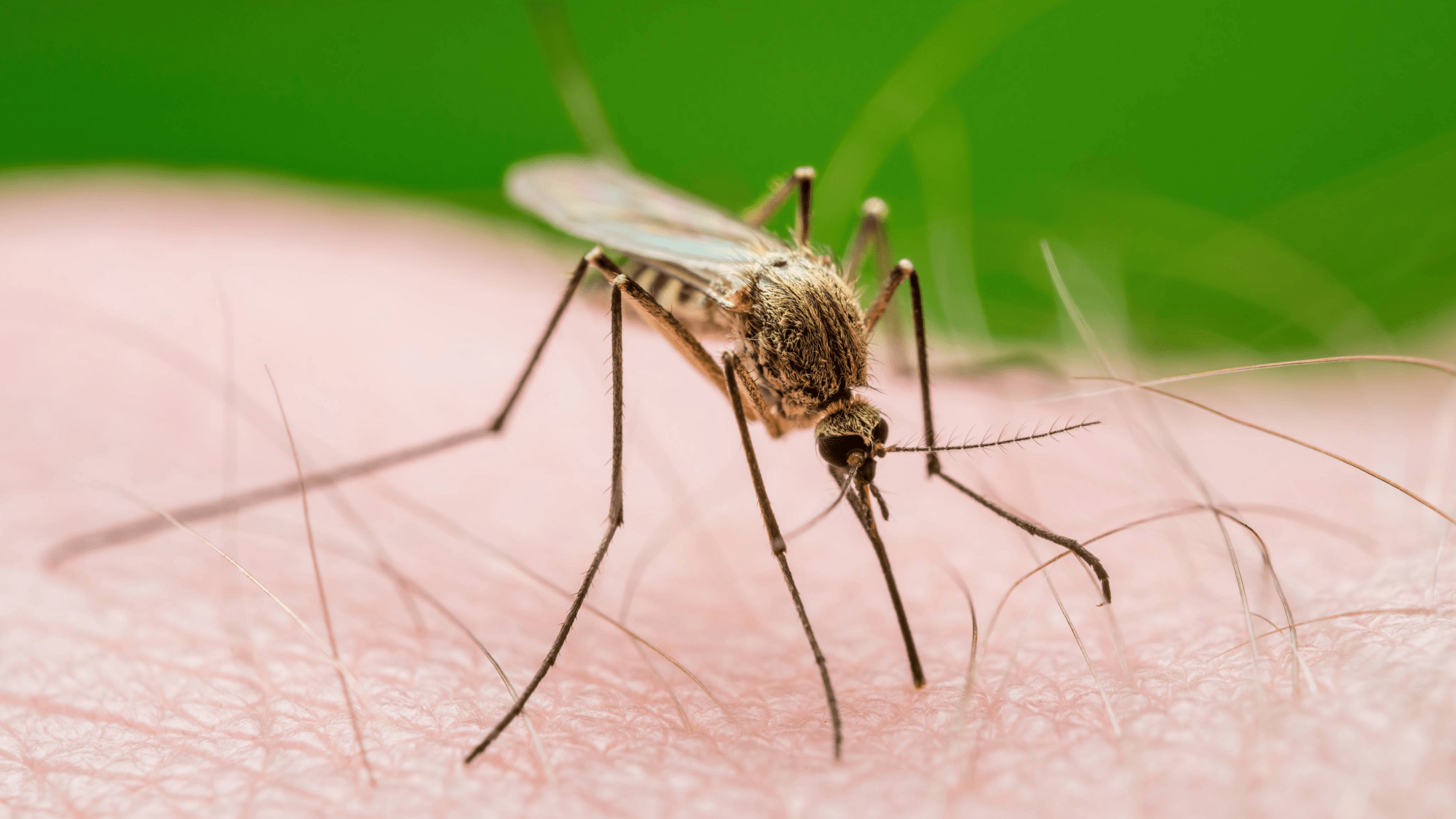
However, mosquitoes can learn to associate the repellant with food. They may even become attracted to it. The findings are detailed in a study published today in the Journal of Experimental Biology.

“If someone applies DEET and the concentration fades over time, but a mosquito still manages to feed, the insect may begin associating that smell with a reward,” Clément Vinauger, a study co-author and biochemist at Virginia Tech, said in a statement. “That’s a possibility we should take seriously when we think about how repellents are used in the real world.”

Ace processors

Like it or not, Earth’s over 3,500 known mosquito species are pretty smart and an evolutionary wonder. They use sensory information to find hosts and can adapt to changing environments.

In previous studies, Vinauger’s team has shown that the insects remember and avoid hosts who swat them away, can combine smell and vision to precisely track humans, and even gravitate toward and away from the smell of certain soaps.

“Mosquitoes are remarkable at processing information about their environment,” Vinauger said. “What we are trying to understand is not only how they detect us, but how their brains interpret those cues and turn them into behavior.”

A DEET-covered dinner bell?

In this new study, the team focused on the yellow fever mosquito (Aedes aegypti). This species spreads several diseases to tens of millions of people each year, including dengue fever, Zika, yellow fever, and chikungunya.

The team trained mosquitoes using a form of Pavlovian conditioning. Often called “Pavlov’s dogs,” this training method developed by neurologist and physiologist Ivan Pavlov in the early 20th century was used to teach dogs to associate the sound of a bell ringing with food

The mosquitoes were restrained behind a piece of fabric mesh. They then offered the mosquitoes a bag of warm blood (yum) that was just out of the insects’ reach to see how enthusiastically the insects stabbed at it with their proboscises. As expected, the mosquitoes were interested in the blood, particularly when the team rewarded them by lowering the bag within reach. Things changed a bit once DEET entered the experiment. When the team offered the insects blood when surrounded by the scent of DEET, they initially stayed away from the potential feast.  

a mosquito handing on a piece of mesh covering a bag of blood
A female yellow fever mosquito (Aedes aegypti), feeding on a bag of warm blood. Image: Romina Barrozo.

To see if they could be trained to associate that smell with the dinner bell, the team fed the mosquitoes warm blood for 20 seconds, squirting the scent of DEET into the enclosure in the final 10 seconds of dining. They repeated the procedure three more times before noting how the mosquitoes responded to only the scent of DEET. In this trial, over 60 percent of mosquitoes tried to bite when they smelled DEET.  

To examine further, the mosquitoes were given a choice between two human hands. The hand belonged to study co-author Ayelén Nally of the University of Buenos Aires. One of Nally’s hands was coated with DEET at normal concentrations and the other was bare. The untrained mosquitoes avoided the DEET-treated hand, while the trained mosquitoes were drawn to it.

Interestingly, the mosquitoes could form that same association when sugar, instead of blood, was used as the reward. 

According to the team, they are seeing how the mosquito’s brain can rewrite its response based on their experiences. What they have learned matters just as much as what a chemical like DEET does. 

“If mosquitoes are repeatedly exposed to DEET, it becomes less effective as a repellent,” study co-author Claudio Lazzari from University of Tours in France added.

Keep the bug spray

Importantly, this does not mean you should stop using DEET completely. It is still one of the most effective ways to keep the dangerous insects away, particularly where mosquito-borne disease is common.

“If you’re in tropical regions where disease risk is real, you should use it,” Vinauger said. “Instead of applying a lot at once, you may want to reapply regularly so it’s always active and providing continuous protection.”

Treated clothing may also be a challenge since DEET concentrations in fabric decline over time. Additional study to understand their behavior is crucial for public health as mosquito-borne illnesses increase due to climate change

“We need to understand how mosquitoes keep outsmarting our control strategies,” Vinauger concluded. “And that takes understanding how they work—at the molecular level, the neural level, the behavioral level.”

The post Mosquitoes can learn that DEET means dinner is served appeared first on Popular Science.

  • ✇Popular Science
  • Fact or myth? Ticks can drop out of trees like paratroopers. Margherita Bassi
    The official start of summer is days away, and after a particularly long and cold winter in parts of the United States, many are ready to enjoy the outdoors again without risking frostbite. Warm weather comes with another type of bite, however. One that comes with an unwanted guest attached to your body. Along with mosquitos and flies, ticks are among our most disliked arachnids. However, their infamy comes with a lot of myths, and with tick season in full swing, it’s important to straighten
     

Fact or myth? Ticks can drop out of trees like paratroopers.

8 June 2026 at 14:03

The official start of summer is days away, and after a particularly long and cold winter in parts of the United States, many are ready to enjoy the outdoors again without risking frostbite. Warm weather comes with another type of bite, however. One that comes with an unwanted guest attached to your body.

Along with mosquitos and flies, ticks are among our most disliked arachnids. However, their infamy comes with a lot of myths, and with tick season in full swing, it’s important to straighten out a few misconceptions. 

False: Ticks can fly

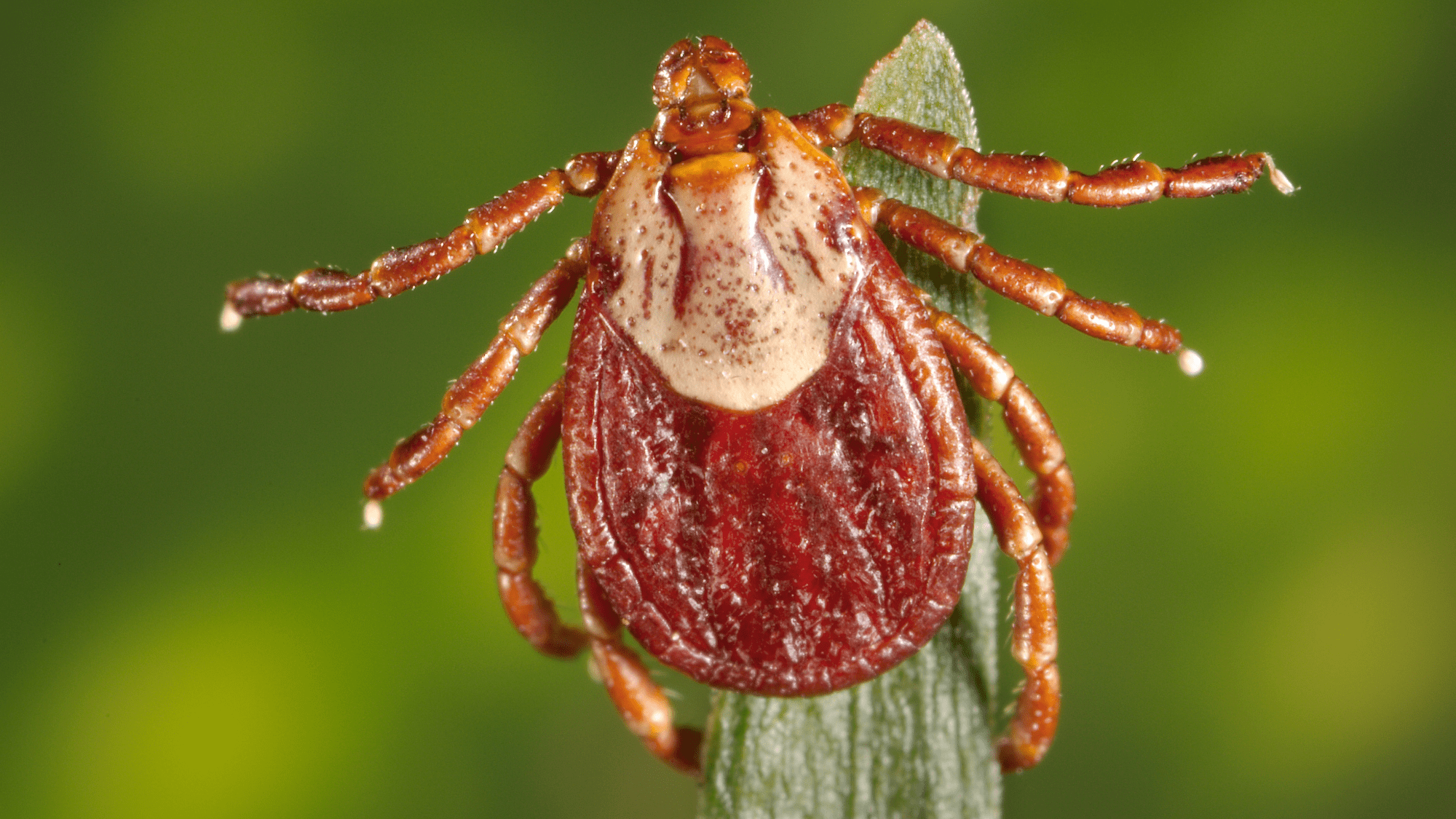
If you’ve heard that ticks can fly and/or jump, you’ll be relieved to know that they can’t. In fact, their legs are pretty unimpressive appendages, according to Escher Cattle, an entomologist at the Regional Government of Cape Cod.

“They have some pretty good grabbers on their front legs and their other legs are pretty decent as well, but really all a tick has the equipment to do is walk around and grab stuff,” Cattle tells Popular Science. They’re not muscular like those of grasshoppers, for example. As for locomotion more generally, ticks don’t have wings, nor are they aerodynamic. As such, they’re also “not physically geared to be dropping out of trees like some kind of paratrooper.”

While a tick might attach onto an animal that takes it up into a tree and then fall, the chances that the skydiving arachnids will land on you is infinitesimal, Cattle says. In fact, ticks generally exist beneath an elevation of at most three feet. 

The way a tick actually attaches to a host is by climbing to the top of a plant, sticking its arms out, and waiting for something alive to brush by—a behavior called questing. It does so after sensing chemical cues of something warm, moving, and blood-filled. 

a tick on a blade of grass
Deer ticks are found in the eastern half of North America. Image: CDC/ James Gathany; William L. Nicholson, Ph.D.

False: Opossums help remove ticks by eating them

Speaking of blood-filled things, one tick myth that Cattle is sorry to dispel is one that paints opossums as tick-eating machines. You may have read that opossums are good to have around because they eat lots of ticks. This popular notion is founded on the results of a study in which researchers put ticks on opossums, among other animals, to investigate how these animals reacted to the pest. 

Because the team wasn’t seeing any ticks dropping off the opossums, they assumed the mammals were eating them all. As of now, there is no direct evidence known to researchers of opossums eating any ticks. 

One similar belief is that birds such as turkeys and guinea fowl eat ticks. While that’s true, they also carry them around, so having one in your backyard doesn’t automatically mean you’ll have less ticks.

True: They can carry disease

What isn’t a myth, though, is that ticks can be vectors of disease. These include Rocky Mountain spotted fever, tularemia, ehrlichiosis, and most infamously, Lyme disease. 

The good news is that you can decrease your chances of catching the disease from a tick bite if you remove the tick within 24 hours. But sometimes, tick bites go unnoticed, so it’s important to check yourself when you come back indoors during warm weather. 

Ticks are shockingly cold-resistant, but they usually keep to themselves during the colder seasons. They still can come back out as soon as the sun starts shining—including on those randomly very hot February days. 

True: A ‘dorky’ look helps prevent tick bites

If you do find a tick, don’t try to burn or suffocate it off your skin. Use a trusty pair of tweezers, grip it near the mouth parts, and pull it off. If anything gets left behind, your skin will naturally push it out with some time. If you’re not sure how long the tick has been on you, you should contact your doctor. 

As for tick bite prevention, “I know it looks kind of dorky, but tucking your pants into your socks is a really good tip. Making it so that there are barriers between ticks and your skin as much as possible is extremely good as a strategy,” explains Cattle, who also teaches about tick-borne disease prevention for Cape Cod Cooperative Extension. 

a pair of khaki pants tucked into high white socks
Tucking long pants into socks creates a good barrier between ticks and your skin. Image: Delaware Department of Natural Resources and Environmental Control.

You can also apply a synthetic pesticide called permethrin on their clothes and insect repellant on any exposed skin.

Ticks are “very good at what they do,” he concludes, but “I think adopting just a couple habits at a time really makes a difference.”

Update June 9 9:47 a.m. EDT : This story incorrectly identified ticks as insects. They are arachnids.

The post Fact or myth? Ticks can drop out of trees like paratroopers. appeared first on Popular Science.

❌
Subscriptions