Normal view

  • ✇Malay Mail - All
  • Fadillah: Govt assures 85pc of consumers to remain protected from electricity tariff hikes
    PUTRAJAYA, May 22 — The government has assured that electricity tariff protection will remain in place to ensure about 85 per cent of Malaysians are shielded from any impact, despite rising global energy costs expected to put pressure on prices and several economic sectors.Deputy Prime Minister Datuk Seri Fadillah Yusof, who is also Minister of Energy Transition and Water Transformation (PETRA), said domestic consumers using up to 600 kilowatt-hours (kWh) of elec
     

Fadillah: Govt assures 85pc of consumers to remain protected from electricity tariff hikes

22 May 2026 at 05:19

Malay Mail

PUTRAJAYA, May 22 — The government has assured that electricity tariff protection will remain in place to ensure about 85 per cent of Malaysians are shielded from any impact, despite rising global energy costs expected to put pressure on prices and several economic sectors.

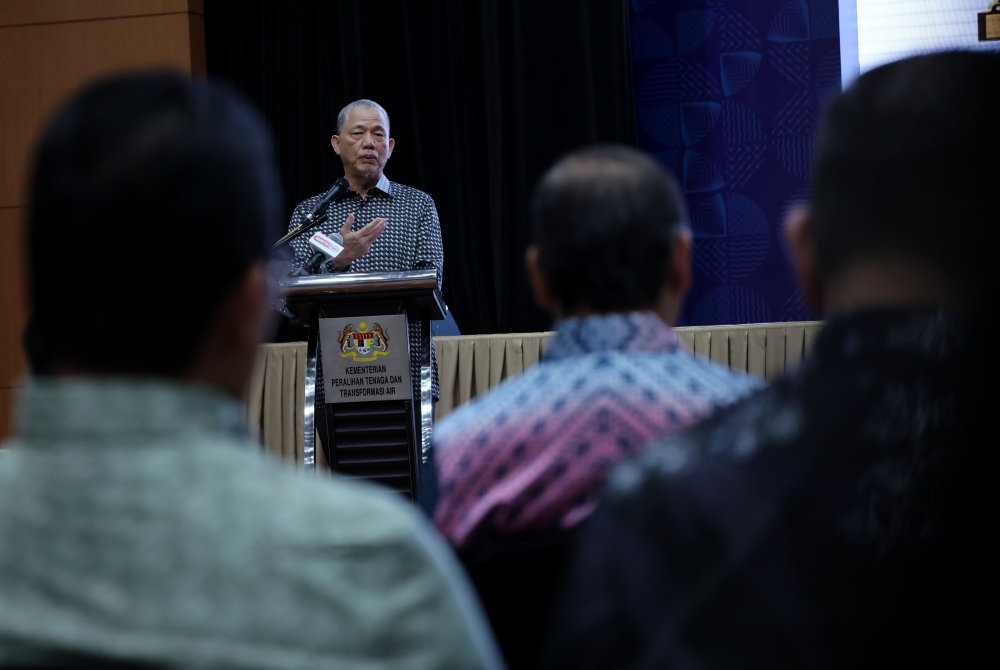
Deputy Prime Minister Datuk Seri Fadillah Yusof, who is also Minister of Energy Transition and Water Transformation (PETRA), said domestic consumers using up to 600 kilowatt-hours (kWh) of electricity per month would not be affected, although minor adjustments may apply to those exceeding the threshold.

“Our electricity cost structure guarantees that 85 per cent of the people will not be affected, and the government will maintain that protection,” he told reporters after attending PETRA’s monthly assembly, here today.

Fadillah said any anticipated increase would not involve a blanket electricity tariff hike, but would instead stem from global supply disruptions that have driven up logistics and supply chain costs.

He said consumers using more than 600kWh per month might face slight adjustments.

“There may be increases involving certain industries or sectors, but we are still evaluating the overall impact,” he said.

Earlier in his speech, Fadillah said Malaysia was also feeling the effects of global supply chain uncertainty and supply crises, but stressed that the government remained committed to addressing the challenges through a pragmatic approach prioritising public welfare.

He said the government’s main focus was to ensure a stable supply of essential needs, protect the public from excessive cost-of-living pressures and strengthen the country’s long-term economic resilience.

“Various measures, including targeted assistance, price controls, stronger energy security and strategic cooperation between the government, industry and the people, are being and will continue to be implemented.

“What is important is that we face this crisis with a spirit of togetherness,” he said.

Fadillah also reminded PETRA staff to uphold integrity, discipline and professionalism in carrying out their duties to preserve public confidence in the ministry.

“The people’s trust in the ministry depends on how we work, make decisions and uphold the image of the public service,” he said. — Bernama
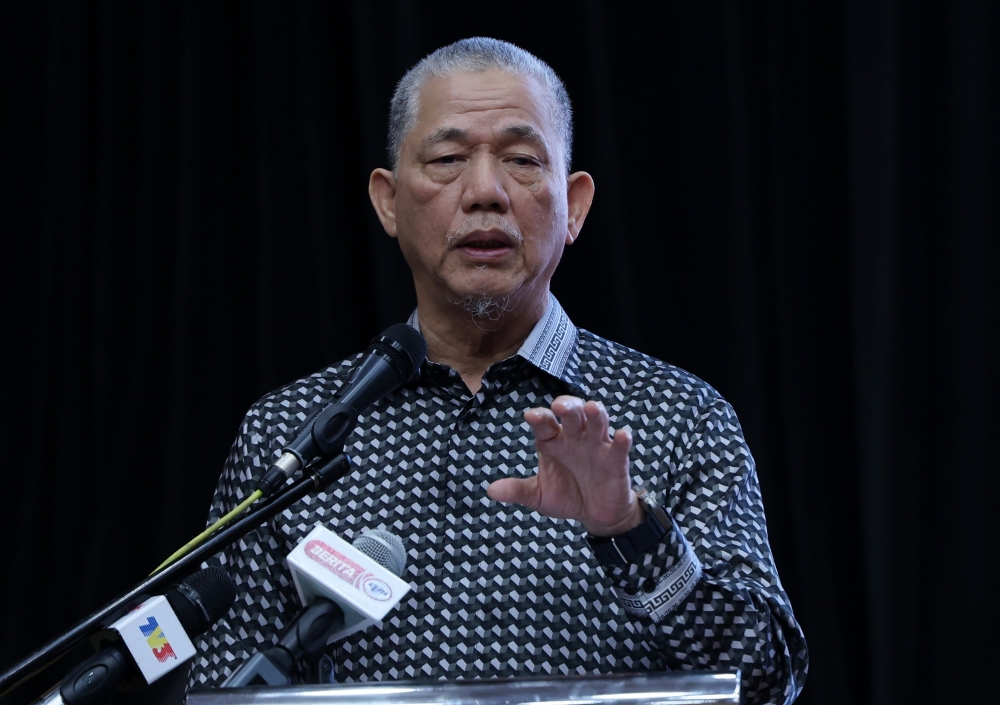
DPM Fadillah: SuRIA Home to offer up to RM3,000 in rebates to boost residential rooftop solar adoption

22 May 2026 at 04:10

Malay Mail

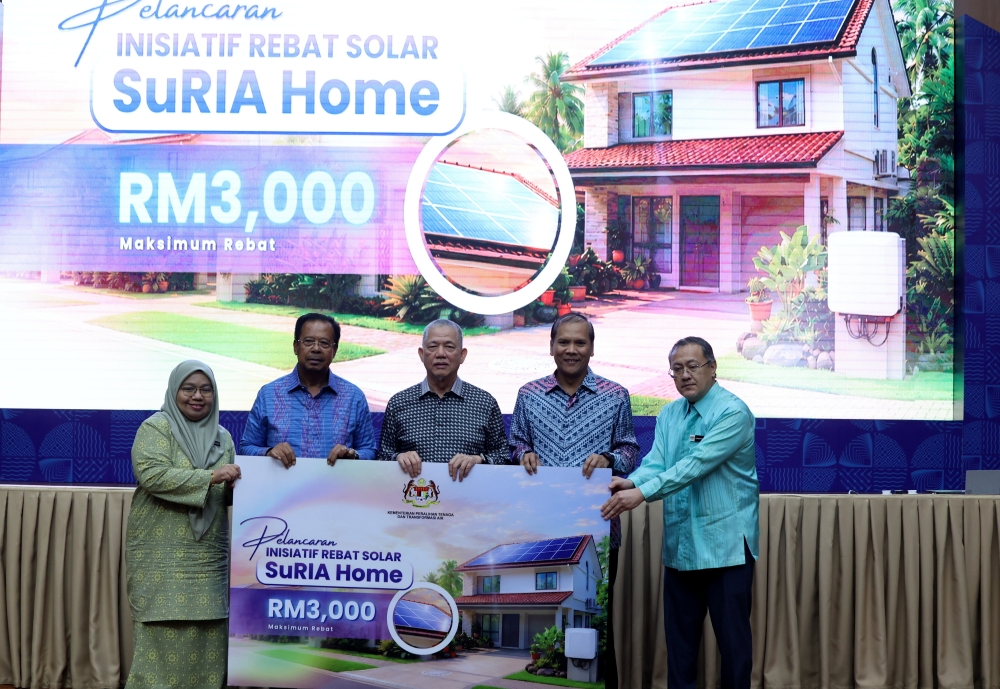
PUTRAJAYA, May 22 — The Sustainable Rebate and Incentive Assistance (SuRIA) Home initiative was launched to help Malaysians lower electricity bills through residential rooftop solar installations as the country faces a global energy supply crisis linked to conflicts in West Asia.

Deputy Prime Minister and Minister of Energy Transition and Water Transformation, Datuk Seri Fadillah Yusof, said that RM150 million has been allocated for the SuRIA Home solar rebate initiative.

He said that under the initiative, domestic users who install solar systems under the Solar Accelerated Transition Action Programme (Solar ATAP) and meet the eligibility criteria can receive a rebate of RM600 for every 1kWac of solar installation, up to a maximum of RM3,000, equivalent to 5kWac.

“This programme is expected to benefit between 45,000 and 50,000 homes with a cumulative solar capacity of around 250MW, while also expanding the use of residential rooftop solar nationwide,” he said during the launch of SuRIA Home in conjunction with the Ministry of Energy Transition and Water Transformation’s (PETRA) monthly assembly today.

Fadillah said the SuRIA Home programme is open to solar installations under the Solar ATAP programme that commence operations by Dec 31, 2026, or until the 250MW quota is fully taken up, whichever comes first.

“The rebate implementation will begin on June 1, 2026, and will be subject to the first come, first served basis,” he said.

Only Malaysians who are individual domestic low voltage (LV) consumers and have successfully commenced operations of their Solar ATAP systems with Tenaga Nasional Berhad (TNB) are eligible for the rebate, to ensure the assistance is distributed fairly and transparently.

Rebate claims are limited to one claim per eligible individual.

Any party, including solar providers, found to have abused the application system provided by Sustainable Energy Development Authority (SEDA) Malaysia and TNB may be blacklisted from participating in future incentive programmes, he added. — Bernama

  • ✇Malay Mail - All
  • Malaysia working to secure energy supply security until December, says DPM Fadillah
    PUTRAJAYA, May 22 — The government is working to ensure the country’s energy supply security can be extended until December amid the global supply crisis that has disrupted economic chains and increased energy costs, said Deputy Prime Minister Datuk Seri Fadillah Yusof.Fadillah, who is also Minister of Energy Transition and Water Transformation, said the country’s energy supply is currently expected to be sufficient until July, and efforts are being intensified t
     

Malaysia working to secure energy supply security until December, says DPM Fadillah

22 May 2026 at 04:02

Malay Mail

PUTRAJAYA, May 22 — The government is working to ensure the country’s energy supply security can be extended until December amid the global supply crisis that has disrupted economic chains and increased energy costs, said Deputy Prime Minister Datuk Seri Fadillah Yusof.

Fadillah, who is also Minister of Energy Transition and Water Transformation, said the country’s energy supply is currently expected to be sufficient until July, and efforts are being intensified to extend this, including sourcing additional supplies from abroad.

“At present, insya-Allah, our energy supply security will last until July. Petronas is working tirelessly to secure available supplies, even having to go to Africa.

“If all the supplies can be secured, insya-Allah, we will be able to ensure our energy supply security until December,” he said when speaking at the Ministry of Energy Transition and Water Transformation’s monthly assembly here today.

He said the current global energy crisis is affecting the entire economic chain, particularly the logistics sector, which has seen rising costs that ultimately impact the prices of goods and supply security.

Fadillah said the impact of the crisis has also been felt in other sectors, including healthcare and manufacturing, due to shortages of certain raw materials such as plastic used in packaging and various industrial needs.

“In Malaysia, we are actually still taking things lightly. We still feel as though Malaysia is not facing a crisis. That is the situation in Malaysia. But in reality, many parties are working to ensure we remain in this state of comfort,” he said.

As such, Fadillah said all parties must play their role by ensuring electricity and water savings to reduce energy consumption.

“By reducing energy use, we can extend the duration of our energy supply and ultimately ensure supply security and avoid being affected by the crisis,” he said.

He said the government, through the National Economic Action Council meetings held weekly, is also engaging with various sectors to identify the impact of the crisis on the national economy as well as intervention measures that can be implemented.

He said the efforts include ensuring the continuity of small and medium enterprises, in addition to preventing job losses and reducing the impact on the people.

At the same time, he said the government will continue prioritising three main aspects of the energy sector, namely supply security, affordable pricing for the people and environmental sustainability. — Bernama

  • ✇Malay Mail - All
  • EV adoption in Malaysia hits 94,165 units since 2018, says Fadillah
    KUALA LUMPUR, May 20 — Electric vehicle (EV) adoption in Malaysia continues to show encouraging growth, with the total number of Battery Electric Vehicle (BEV) passenger vehicles reaching 94,165 units from 2018 to date.Deputy Prime Minister Datuk Seri Fadillah Yusof said EVs are no longer just a global trend but a strategic necessity linked to investment, industrial competitiveness, energy security, and the people’s well-being.“Today, I chaired the National EV St
     

EV adoption in Malaysia hits 94,165 units since 2018, says Fadillah

20 May 2026 at 01:18

Malay Mail

KUALA LUMPUR, May 20 — Electric vehicle (EV) adoption in Malaysia continues to show encouraging growth, with the total number of Battery Electric Vehicle (BEV) passenger vehicles reaching 94,165 units from 2018 to date.

Deputy Prime Minister Datuk Seri Fadillah Yusof said EVs are no longer just a global trend but a strategic necessity linked to investment, industrial competitiveness, energy security, and the people’s well-being.

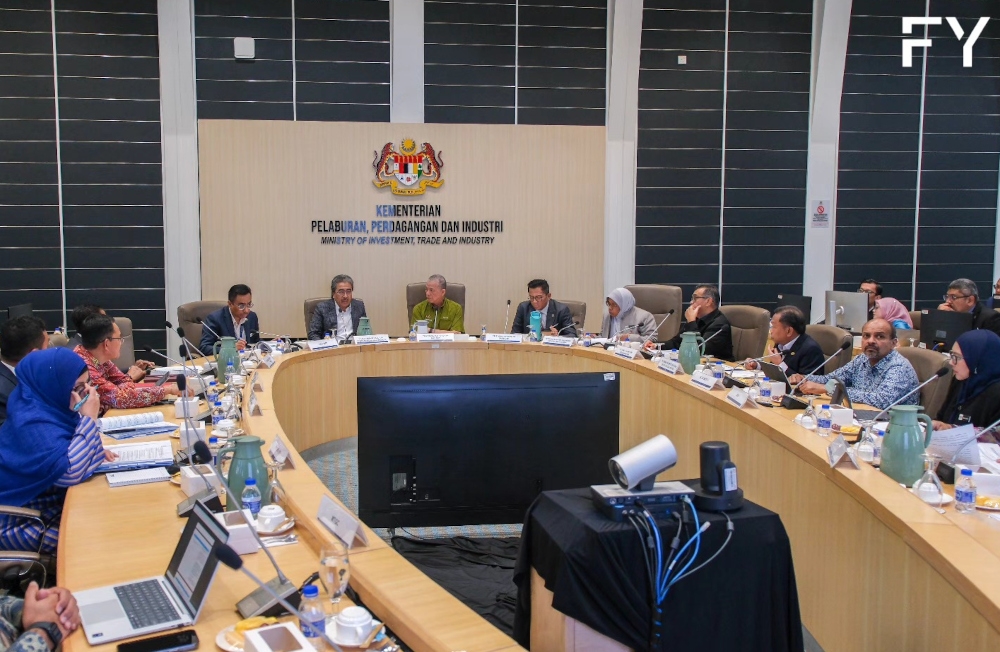
“Today, I chaired the National EV Steering Committee (NEVSC) Meeting No. 1/2026 at Menara MITI. This meeting is to strengthen the development of the country’s EV ecosystem.

“Malaysia has shown encouraging progress in EV adoption, particularly in the Battery Electric Vehicle (BEV) category,” he said in a Facebook post last night.

Fadillah, who is also Energy Transition and Water Transformation Minister, said the meeting aims to identify practical, high-impact solutions for near-future implementation to strengthen the country’s EV industry and ecosystem in a more progressive, coordinated, and competitive way. — Bernama 

  • ✇Malay Mail - All
  • DPM Fadillah urges stronger R&D in energy storage as Santong BESS project launches in Dungun
    DUNGUN, May 18 — Deputy Prime Minister Datuk Seri Fadillah Yusof has called for greater emphasis on research and development (R&D) in energy storage technology following the launch of the 100MW/400MWh Santong Battery Energy Storage System (BESS) project developed by Tenaga Nasional Berhad (TNB).Fadillah, who is also the Minister of Energy Transition and Water Transformation, said the move was crucial to reduce Malaysia’s dependence on imported batteries while
     

DPM Fadillah urges stronger R&D in energy storage as Santong BESS project launches in Dungun

18 May 2026 at 09:12

Malay Mail

DUNGUN, May 18 — Deputy Prime Minister Datuk Seri Fadillah Yusof has called for greater emphasis on research and development (R&D) in energy storage technology following the launch of the 100MW/400MWh Santong Battery Energy Storage System (BESS) project developed by Tenaga Nasional Berhad (TNB).

Fadillah, who is also the Minister of Energy Transition and Water Transformation, said the move was crucial to reduce Malaysia’s dependence on imported batteries while building domestic capabilities in the production and development of energy-related technologies.

“I hope this first BESS launch will serve as a starting point for TNB to continue expanding its efforts, particularly in strengthening cooperation with overseas suppliers.

“Rather than merely importing batteries, we should begin focusing on research and development, while also building our own internal capabilities in battery manufacturing and other technologies closely related to the country’s energy supply,” he told a press conference in conjunction with the inauguration of the BESS project here today.

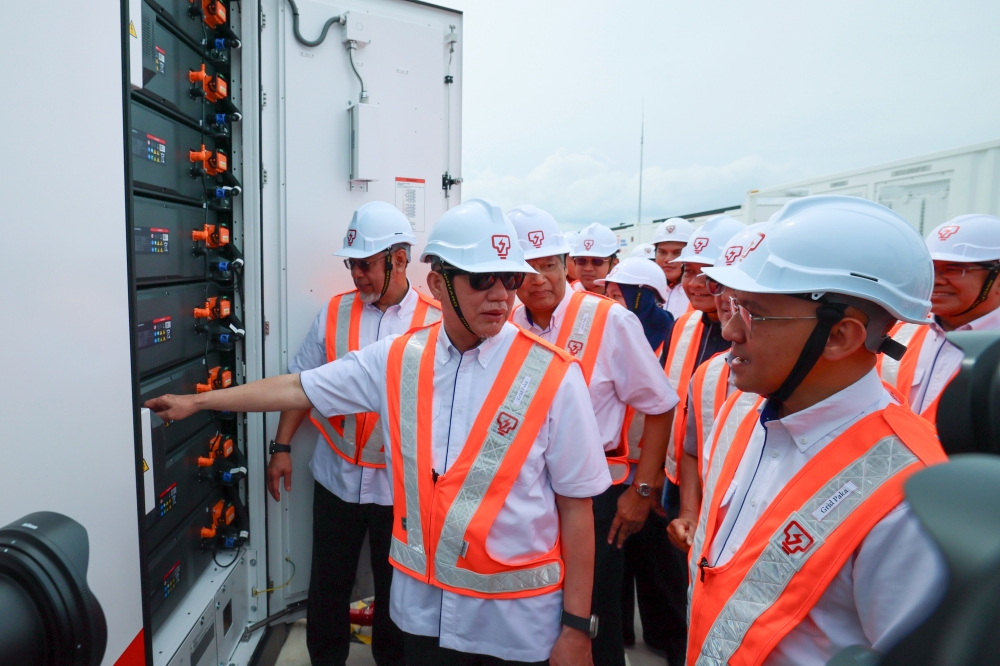
A view of the Santong 100MW/400MWh Battery Energy Storage System (BESS) in Santong, Paka was officiated by Deputy Prime Minister Datuk Seri Fadillah Yusof May 18, 2026. — Bernama pic

Elaborating further, Fadillah said the increasingly uncertain global landscape highlighted the need for Malaysia to reduce its reliance on foreign countries and strengthen national self-sufficiency across the entire energy sector chain.

“That is why we must focus on this matter, given the uncertain global situation. We can no longer continue depending entirely on foreign countries, and instead need to develop our own national capabilities in all aspects.

“This includes energy supply and related technologies, including battery storage systems, so that one day we will be able to produce our own batteries,” he said.

He added that Malaysia’s energy transition efforts must address three key elements of the energy trilemma, beginning with energy security to ensure a stable and sufficient supply amid global uncertainties.

“The second element is sustainability, where we must ensure that the energy supplied is environmentally friendly and does not damage the environment. We also aim to reduce dependence on energy generated through carbon combustion,” he said.

Fadillah noted that Malaysia’s commitment to achieving net-zero carbon emissions by 2050 would require the energy sector to play a central role, with about 70 per cent of the country’s energy sources expected to come from renewable or clean energy.

He said the third element is affordability, which ensures that energy supply remains not only secure and sustainable, but also affordable for consumers and competitive for the industrial sector. — Bernama


❌
Subscriptions