
Normal view

DPM Fadillah: SuRIA Home to offer up to RM3,000 in rebates to boost residential rooftop solar adoption

22 May 2026 at 04:10

Malay Mail

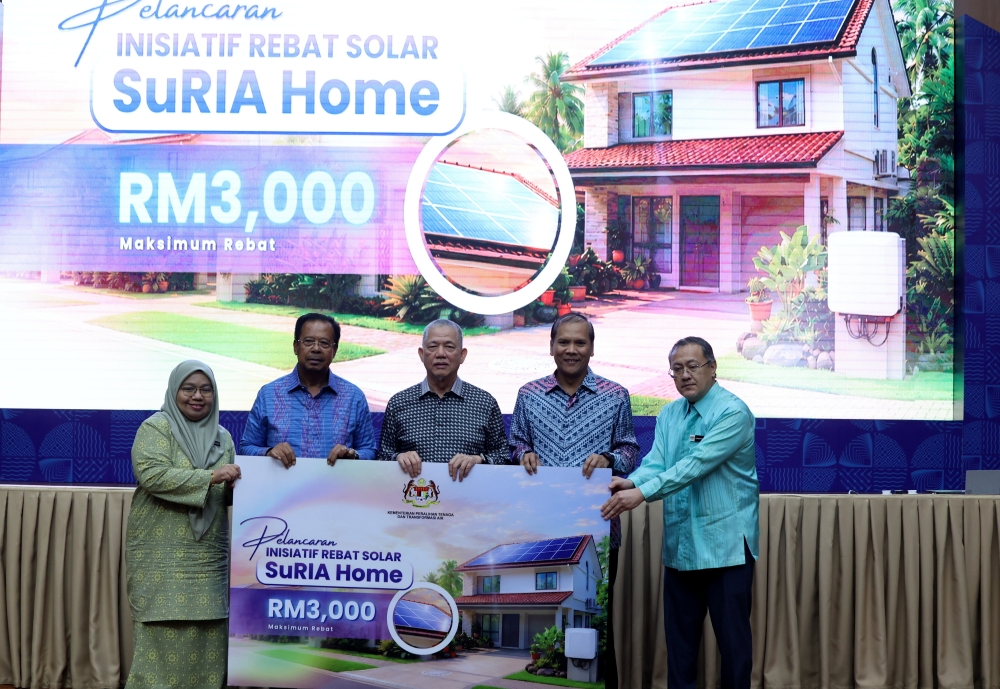
PUTRAJAYA, May 22 — The Sustainable Rebate and Incentive Assistance (SuRIA) Home initiative was launched to help Malaysians lower electricity bills through residential rooftop solar installations as the country faces a global energy supply crisis linked to conflicts in West Asia.

Deputy Prime Minister and Minister of Energy Transition and Water Transformation, Datuk Seri Fadillah Yusof, said that RM150 million has been allocated for the SuRIA Home solar rebate initiative.

He said that under the initiative, domestic users who install solar systems under the Solar Accelerated Transition Action Programme (Solar ATAP) and meet the eligibility criteria can receive a rebate of RM600 for every 1kWac of solar installation, up to a maximum of RM3,000, equivalent to 5kWac.

“This programme is expected to benefit between 45,000 and 50,000 homes with a cumulative solar capacity of around 250MW, while also expanding the use of residential rooftop solar nationwide,” he said during the launch of SuRIA Home in conjunction with the Ministry of Energy Transition and Water Transformation’s (PETRA) monthly assembly today.

Fadillah said the SuRIA Home programme is open to solar installations under the Solar ATAP programme that commence operations by Dec 31, 2026, or until the 250MW quota is fully taken up, whichever comes first.

“The rebate implementation will begin on June 1, 2026, and will be subject to the first come, first served basis,” he said.

Only Malaysians who are individual domestic low voltage (LV) consumers and have successfully commenced operations of their Solar ATAP systems with Tenaga Nasional Berhad (TNB) are eligible for the rebate, to ensure the assistance is distributed fairly and transparently.

Rebate claims are limited to one claim per eligible individual.

Any party, including solar providers, found to have abused the application system provided by Sustainable Energy Development Authority (SEDA) Malaysia and TNB may be blacklisted from participating in future incentive programmes, he added. — Bernama
  • ✇Malay Mail - All
  • DPM Fadillah urges stronger R&D in energy storage as Santong BESS project launches in Dungun
    DUNGUN, May 18 — Deputy Prime Minister Datuk Seri Fadillah Yusof has called for greater emphasis on research and development (R&D) in energy storage technology following the launch of the 100MW/400MWh Santong Battery Energy Storage System (BESS) project developed by Tenaga Nasional Berhad (TNB).Fadillah, who is also the Minister of Energy Transition and Water Transformation, said the move was crucial to reduce Malaysia’s dependence on imported batteries while
     

DPM Fadillah urges stronger R&D in energy storage as Santong BESS project launches in Dungun

18 May 2026 at 09:12

Malay Mail

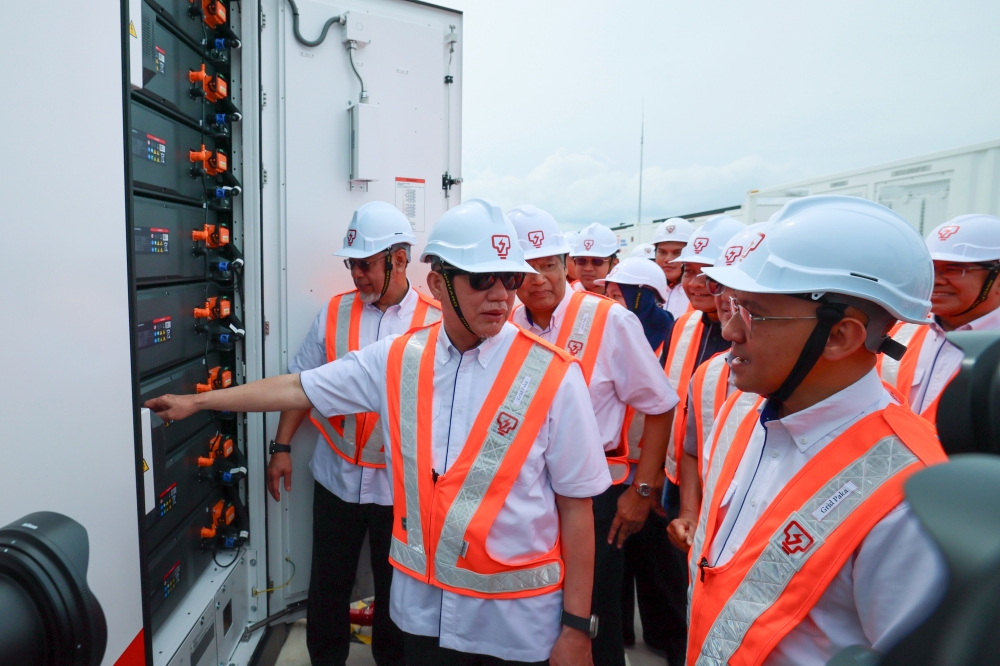
DUNGUN, May 18 — Deputy Prime Minister Datuk Seri Fadillah Yusof has called for greater emphasis on research and development (R&D) in energy storage technology following the launch of the 100MW/400MWh Santong Battery Energy Storage System (BESS) project developed by Tenaga Nasional Berhad (TNB).

Fadillah, who is also the Minister of Energy Transition and Water Transformation, said the move was crucial to reduce Malaysia’s dependence on imported batteries while building domestic capabilities in the production and development of energy-related technologies.

“I hope this first BESS launch will serve as a starting point for TNB to continue expanding its efforts, particularly in strengthening cooperation with overseas suppliers.

“Rather than merely importing batteries, we should begin focusing on research and development, while also building our own internal capabilities in battery manufacturing and other technologies closely related to the country’s energy supply,” he told a press conference in conjunction with the inauguration of the BESS project here today.

A view of the Santong 100MW/400MWh Battery Energy Storage System (BESS) in Santong, Paka was officiated by Deputy Prime Minister Datuk Seri Fadillah Yusof May 18, 2026. — Bernama pic

Elaborating further, Fadillah said the increasingly uncertain global landscape highlighted the need for Malaysia to reduce its reliance on foreign countries and strengthen national self-sufficiency across the entire energy sector chain.

“That is why we must focus on this matter, given the uncertain global situation. We can no longer continue depending entirely on foreign countries, and instead need to develop our own national capabilities in all aspects.

“This includes energy supply and related technologies, including battery storage systems, so that one day we will be able to produce our own batteries,” he said.

He added that Malaysia’s energy transition efforts must address three key elements of the energy trilemma, beginning with energy security to ensure a stable and sufficient supply amid global uncertainties.

“The second element is sustainability, where we must ensure that the energy supplied is environmentally friendly and does not damage the environment. We also aim to reduce dependence on energy generated through carbon combustion,” he said.

Fadillah noted that Malaysia’s commitment to achieving net-zero carbon emissions by 2050 would require the energy sector to play a central role, with about 70 per cent of the country’s energy sources expected to come from renewable or clean energy.

He said the third element is affordability, which ensures that energy supply remains not only secure and sustainable, but also affordable for consumers and competitive for the industrial sector. — Bernama


❌
Subscriptions