 Login
LoginPoodle Stares at Imaginary Hanging Lamps
24 May 2026 at 05:31


Manuel Gual posted a photo:

The Soul of the Stout: A Journey Through Traditional Pub Culture
Description
A cinematic and evocative photographic collection capturing the essence of traditional pub culture and the artistry of dark beer. From the warm, rain-slicked exterior of historic stone taverns to the precise craft of pouring the perfect pint, this series explores the deep textures and rich atmosphere of classic gathering spaces. Visual highlights include extreme macro shots of cascading nitrogen bubbles, the rich velvety texture of the creamy foam head, raw roasted malts held in weathered hands, and intimate moments shared under dim, candlelit interiors. The imagery seamlessly blends rustic wood elements, polished brass taps, and vibrant neon reflections to evoke a timeless sense of warmth, companionship, and brewing heritage.
Note: This entire photo series was conceptually designed and generated using Artificial Intelligence.

You know a good ending when you see one. The Good, the Bad and the Ugly does not have a bad ending, nor an ugly one. It doesn’t actually have a good ending, either. It has a great ending, because calling it good would be an understatement. See also classics like Casablanca, Cinema Paradiso, The Godfather Part II, and The Shawshank Redemption, for reasons that are probably obvious if you’ve seen them.
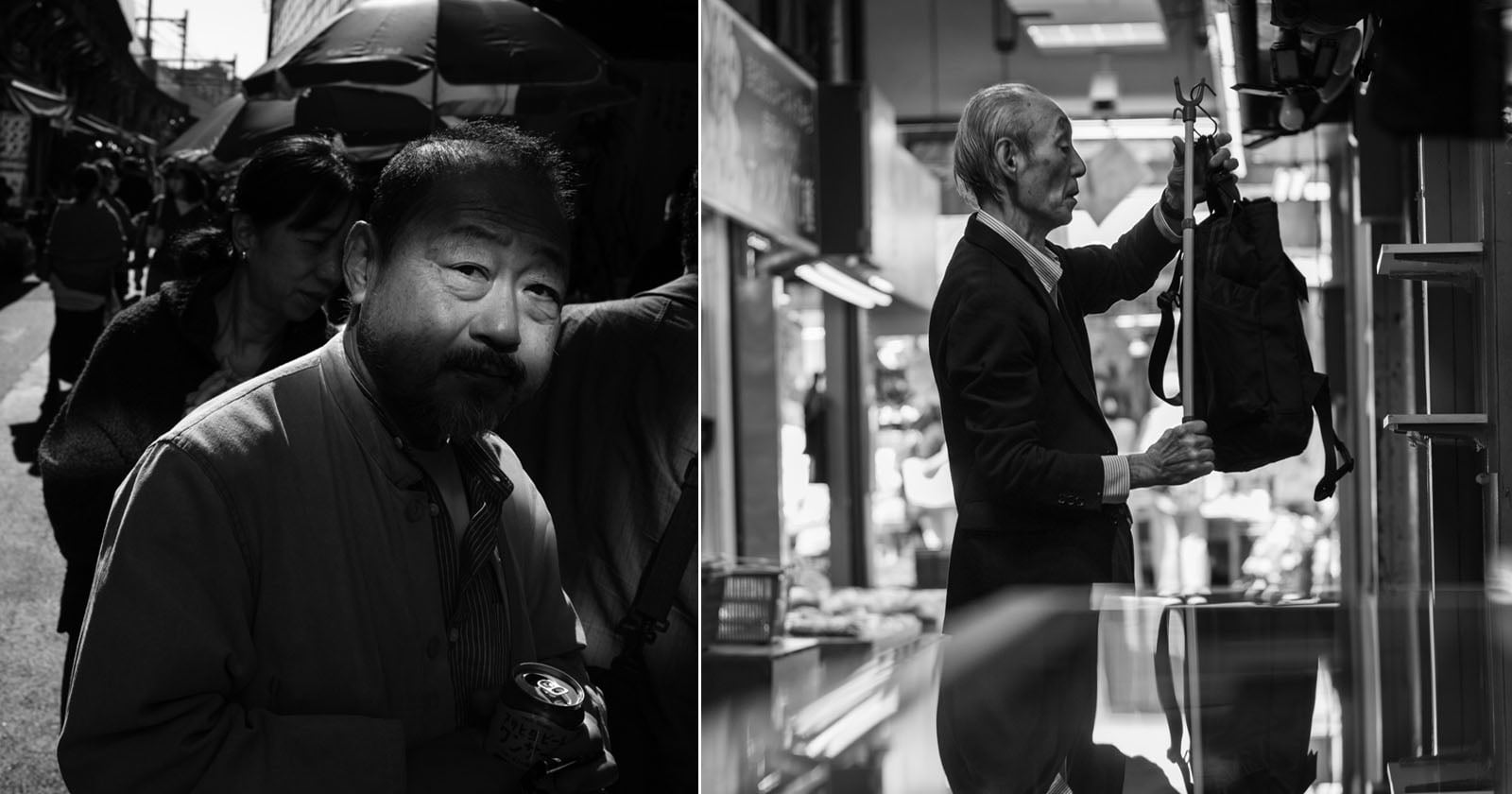
Most photographers I know are in constant motion. New cities, new continents, new visual problems to solve. There's truth in it. Unfamiliarity forces you to look. Familiarity gives you permission to stop. But there's another, less-discussed school of practice that works in the opposite direction: stay. Return. Go back to the same streets until the strangeness burns away and something else appears in its place.

Like a miniature chapel with enough space for one person to stand comfortably, Judith Schaechter’s glowing installation, “Super/Natural,” invites viewers to reflect on nature. An exhibition of the same name just opened at Claire Oliver Gallery and pays homage to biophilia, a theory positing that humans seek connections with nature through an innate attraction. Schaechter celebrates this propensity with a cornucopia of florals, insects, birds, and other imaginative organic forms.
“The vernacular of stained glass is one of worship and mythology,” Schaechter says. “Super/Natural turns this a bit on its head, creating a secular sanctuary for contemplating beauty, nature, and our relationship to it.” The sculpture, which comprises 65 panes and took nearly two years to complete, is topped with a small geodesic dome and stands about eight feet tall.
“Super/Natural” came about partly as a result of Schaechter’s residency at the Penn Center for Neuroaesthetics, which focuses on a sub-discipline of cognitive neuroscience concerned with how the brain processes aesthetic experiences. The artist attended lab meetings with researchers and scientists and was influenced by explorations into the “relationships between art, beauty, morality, and the brain,” the gallery says.
“My goal is to invite viewers into a deeply personal, immersive experience that explores the connections between self, nature, and imagination,” Schaechter adds in a statement. “We are ultimately connected to—not just observing—nature.”
Super/Natural continues through May 23 in Harlem. Find more on the artist’s Instagram, along with insights into her research and process on her blog.
Do stories and artists like this matter to you? Become a Colossal Member today and support independent arts publishing for as little as $7 per month. The article Get ‘Super/Natural’ Inside Judith Schaechter’s Stained Glass Sculpture appeared first on Colossal.

කේදාර KhE posted a photo:
London architecture looking cool and slightly strange through Lomography Purple.
LomoChrome Purple @ iso 100

Building sites and agricultural areas are typically described by the utilitarian operations that shape them—rugged, harsh, and often back-breaking. They are spaces that resist softness, built quite literally around force and tension. Artist Pia Hinz flips this idea on its head as she explores the conceptual and material relationship between strength and vulnerability.
Living and working between Ardèche, Amsterdam, and Arles, France, Hinz has been working with stained glass for the past three years. She focuses much of her work on objects that one might find in environments of labor, such as construction or farming. Her sculptures take on an array of recognizable forms including hammers, screws, traffic cones, tractor doors, scythes, rope, and more.
By introducing glass, Hinz subverts the practical purpose of tools and machinery as each object emerges antithetical to its original form. “Here, fragility and invincibility intertwine,” says an exhibition statement from La Menuiserie 2, a residency the artist completed in 2024. “By replacing functional materials with fragile ones, the artist questions our relationship to objects, their use value, and their narrative potential.”
As light passes through the artist’s work, it spills across surrounding spaces and results in shifts of color. Pieces like “MON PRÉCIEUX” and “Néon sacré” are elegantly adorned with abstract, geometric patterns that are shaped by winding metal lines. For Hinz, working with the material is, as she describes, an “urge to retrace the relation between light and space.”
The artist is currently working on a permanent stained glass monument for a building in Paris. Find more on Instagram.
Do stories and artists like this matter to you? Become a Colossal Member today and support independent arts publishing for as little as $7 per month. The article Stained Glass Objects by Pia Hinz Reflect the Contrast Between Strength and Fragility appeared first on Colossal.

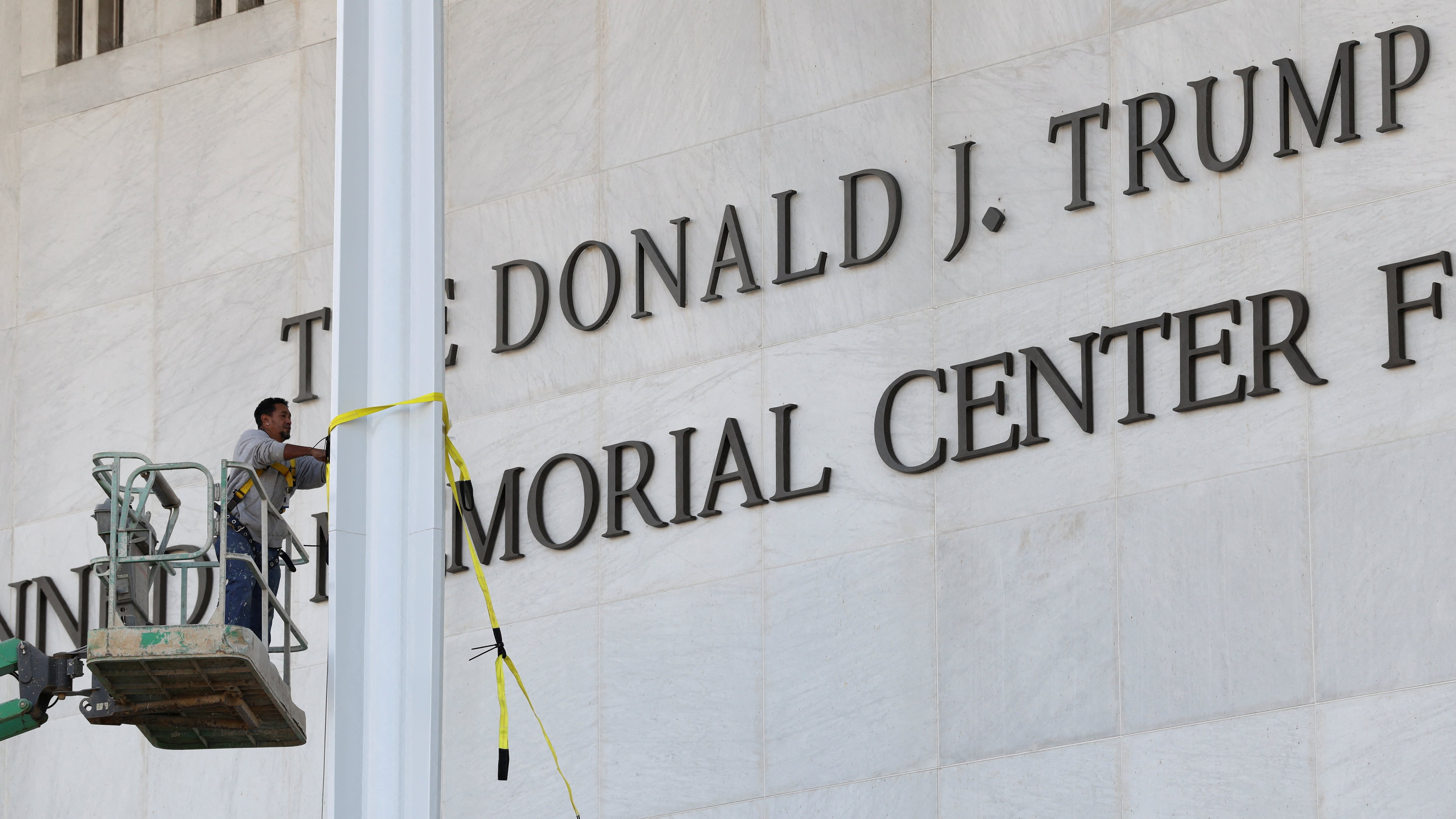
Since his return to the White House, Donald Trump has put into practice that old maxim that it’s better to ask for forgiveness than for permission — except that the president of the United States never apologizes. The order issued on Friday by a federal judge in Washington to remove the Republican’s name from the Kennedy Center (KC), the capital’s major center of music and opera that Trump renamed without permission, has left the cultural institution in a state of uncertainty after more than a year of political meddling from the White House.
© Kevin Lamarque (REUTERS)

Manuel Gual posted a photo:
The Soul of the Stout: A Journey Through Traditional Pub Culture
Description
A cinematic and evocative photographic collection capturing the essence of traditional pub culture and the artistry of dark beer. From the warm, rain-slicked exterior of historic stone taverns to the precise craft of pouring the perfect pint, this series explores the deep textures and rich atmosphere of classic gathering spaces. Visual highlights include extreme macro shots of cascading nitrogen bubbles, the rich velvety texture of the creamy foam head, raw roasted malts held in weathered hands, and intimate moments shared under dim, candlelit interiors. The imagery seamlessly blends rustic wood elements, polished brass taps, and vibrant neon reflections to evoke a timeless sense of warmth, companionship, and brewing heritage.
Note: This entire photo series was conceptually designed and generated using Artificial Intelligence.
