Normal view

  • ✇Popular Science
  • The boat-billed heron looks fake but is very real Margherita Bassi
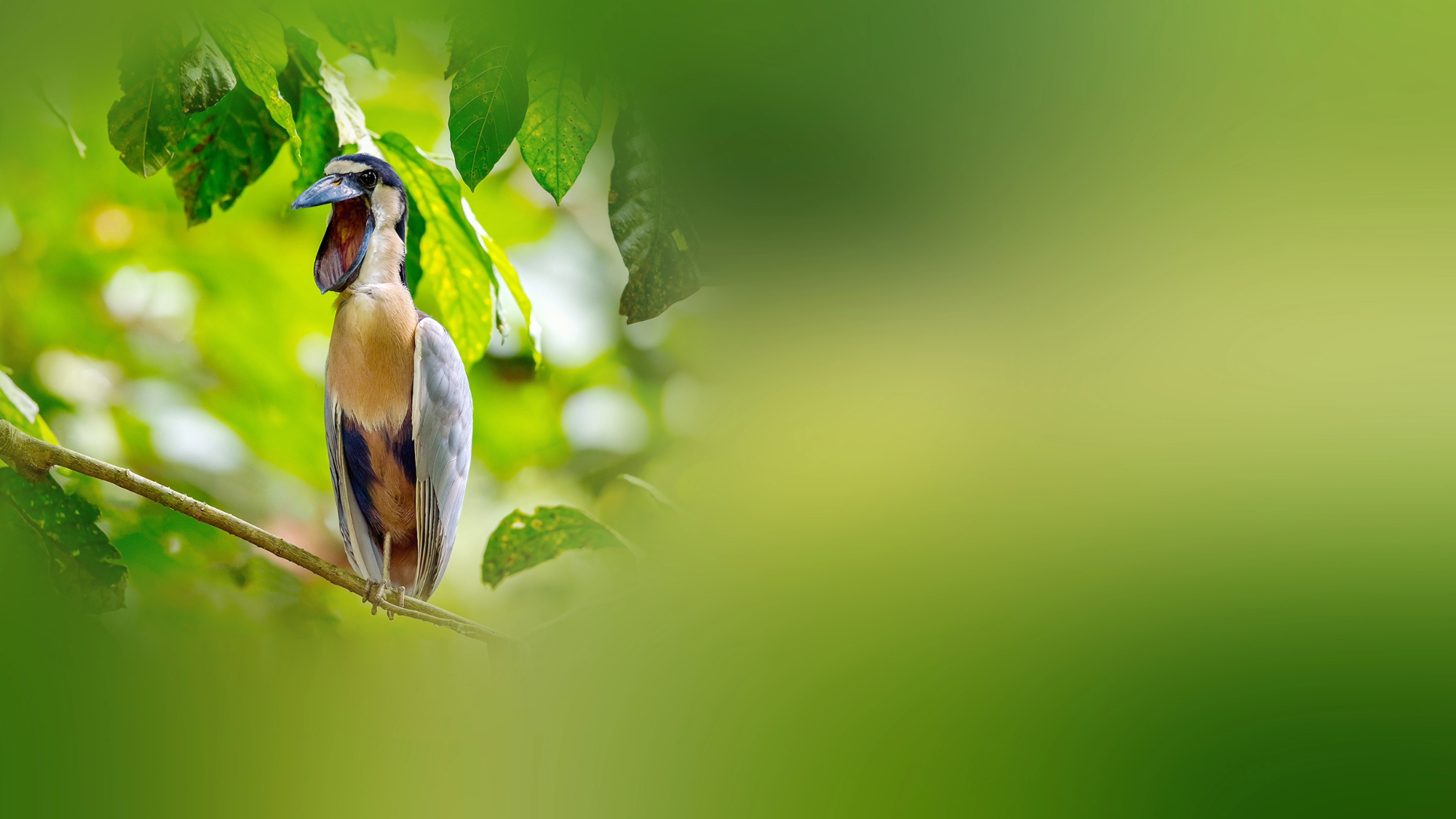
    When you think of a heron, chances are you imagine an elegant, long-legged bird posing majestically on the edge of a body of water. If so, it’s time to set the record straight—not all herons are swan-necked ballerinas. In fact, the boat-billed heron (Cochlearius cochlearius) looks like someone stuck the head of a large bird onto the body of a small one, and you can forget about a graceful neck.  Roger Williams Park Zoo & Carousel Village in Rhode Island is home to a boat-billed heron. Ima
     

The boat-billed heron looks fake but is very real

23 May 2026 at 14:16

When you think of a heron, chances are you imagine an elegant, long-legged bird posing majestically on the edge of a body of water. If so, it’s time to set the record straight—not all herons are swan-necked ballerinas. In fact, the boat-billed heron (Cochlearius cochlearius) looks like someone stuck the head of a large bird onto the body of a small one, and you can forget about a graceful neck. 

a bird with a blue bill and blue and brown plummate
Roger Williams Park Zoo & Carousel Village in Rhode Island is home to a boat-billed heron. Image: Roger Williams Park Zoo & Carousel Village.

As for its bill, the large and rather flat appendage explains the bird’s name, and is extremely sensitive. “These unique birds get their name from its broad bill that resembles the hull of a boat, perfect for snatching up fish, crustaceans, insects, and amphibians,” the Roger Williams Park Zoo & Carousel Village in Rhode Island writes in a social media post, with pictures of a rather judgemental-looking boat-billed heron. “[Their] large, dark eyes are also adapted for nighttime hunting.” 

The funny-looking bird doesn’t migrate and lives close to fresh or saltwater in Mexico, Central America, and parts of South America, and are usually solitary animals. They only come  together  to mate, and remain monogamous throughout the breeding season. Hatchling boat-billed herons come into this world blind and, unsurprisingly, completely rely on their parents, who feed them for between six to eight weeks before leaving. 

a bird with blue and brown plumage and a wide, blue bill
Boat-billed herons are solitary animals, but are monogamous with their mates during breeding season. Image: Shutterstock.

These birds feature a type of feather called “powder down.” Instead of molting, their tips slowly turn into waterproofing powder. Interestingly, boat-billed herons produce vocalizations that sound a bit like human hand claps. And right when you think they can’t get any weirder, adults feature a black crown that makes them look like emo queens. 

Though their population is decreasing, according to the IUCN red list, they are classified as a species of least concern, which is as good as it gets. However, not  all heron species are doing as well as the boat-billed heron. The white-bellied heron (Ardea insignis) is considered critically endangered and the great white heron (Ardea occidentalis) is endangered. 

The post The boat-billed heron looks fake but is very real appeared first on Popular Science.

‘Osprey cam’ streams life of nesting seabirds perched at tip of 55 metre-long Queensland rainforest canopy crane

9 June 2026 at 15:00

Researchers believe the same pair of birds has been mating and nesting in the unusual spot in the Daintree Rainforest for 15 consecutive years

It started by chance – but it should have come as no surprise that two ospreys would pick a hi-tech research facility to make their home.

James Cook University’s 47-metre tall crane towers over the far-north Queensland rainforest canopy, making it the perfect nesting place for the seabird.

Continue reading...

© Photograph: JCU Daintree Rainforest Observatory

© Photograph: JCU Daintree Rainforest Observatory

© Photograph: JCU Daintree Rainforest Observatory

  • ✇Popular Science
  • Eaglets Sandy and Luna spend their first night alone on the nest Laura Baisas
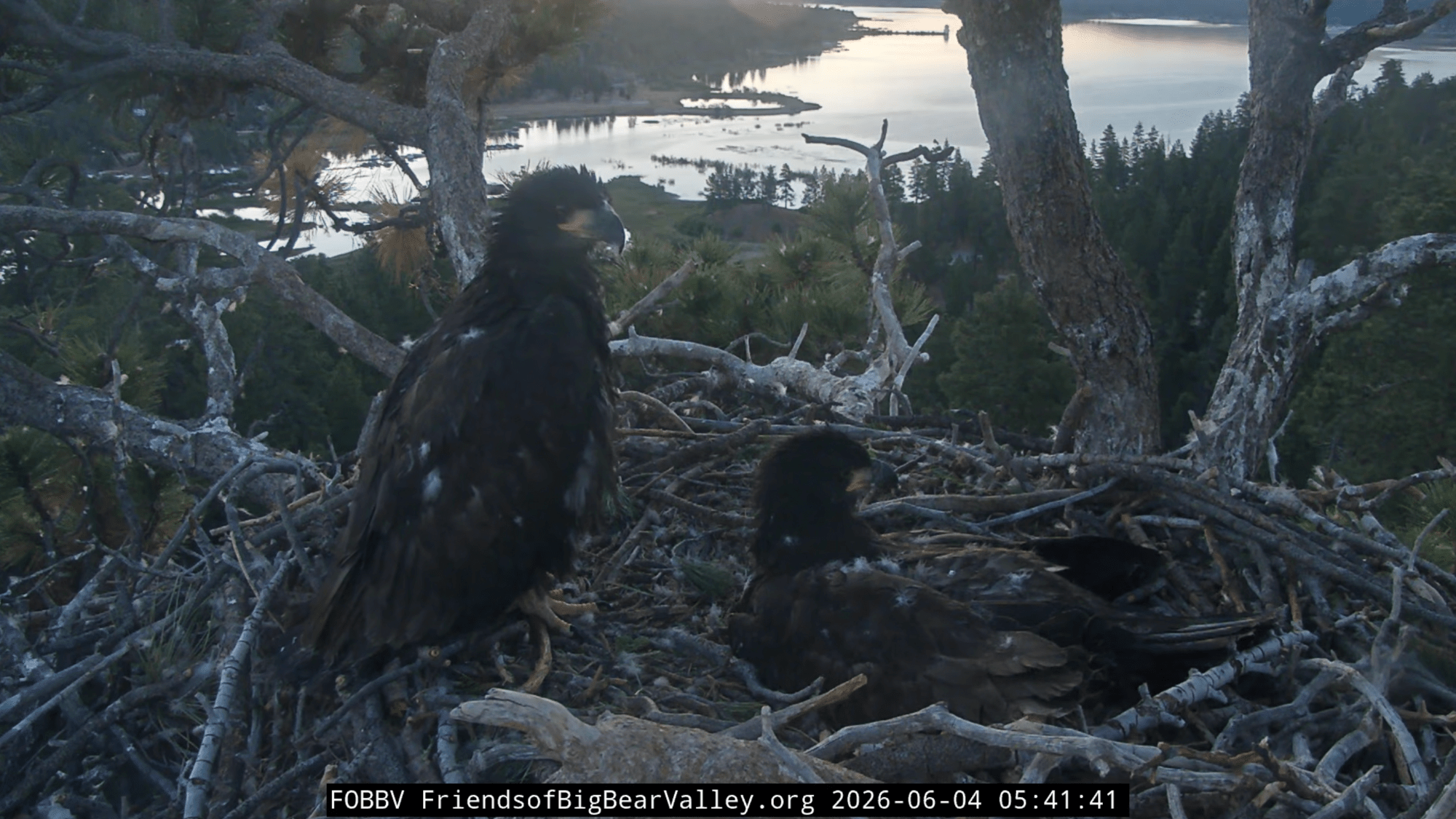
    In another sign of their growing independence, eaglets Sandy and Luna appear to have spent their first night alone in the nest. According to Friends of Big Bear Valley (FOBBV), parents Jackie and Shadow slept not too far away last night. The pair spent the night in the nearby roost tree. The chicks reportedly also told Fiona the squirrel to scram—just like mom.  The eaglets are growing rapidly, so room in the roughly six-foot-wide nest in southern California is becoming a premium. Both chicks
     

Eaglets Sandy and Luna spend their first night alone on the nest

4 June 2026 at 15:07

In another sign of their growing independence, eaglets Sandy and Luna appear to have spent their first night alone in the nest. According to Friends of Big Bear Valley (FOBBV), parents Jackie and Shadow slept not too far away last night. The pair spent the night in the nearby roost tree. The chicks reportedly also told Fiona the squirrel to scram—just like mom

The eaglets are growing rapidly, so room in the roughly six-foot-wide nest in southern California is becoming a premium. Both chicks also need room for activities, as they practice their flapping and stomping.

On June 2, Sandy also branched for the first time. Branching is when an eaglet perches on the limb of a tree, and is an important developmental stage that usually occurs when chicks hit 9 weeks old. Once on the tree limb, the young birds can flap their wings, jump, and then land on a lower branch or back in their nest. Branching helps strengthen their flight muscles and helps them become more agile and better at landing ahead of fledging. 

Sandy and Luna are expected to fledged sometime in early July. All of their antics are available 24/7 with the FOBBV live cam.


Jackie and Shadow’s 2026 babies: Everything you need to know

It’s been another roller coaster nesting season for Jackie and Shadow, a pair of internet-famous bald eagle parents living in San Bernardino National Forest in Southern California. After two of their eggs were destroyed by ravens in January, Jackie and Shadow laid two new eggs that have successfully hatched.

Chick 1 hatched on April 4 at 9:33 p.m. PDT, while Chick 2 followed on April 5 at 8:30 a.m. Their large nest in Big Bear Valley east of Los Angeles is livestreamed 24 hours a day by nonprofit Friends of Big Bear Valley (FOBBV) and has captivated millions. 

On May 1, FOBBV announced the chicks’ names: Sandy and Luna.

How long will the chicks stay in the nest? 

Chicks usually stay in the nest until 10 to 14 weeks of age.

What challenges do the eaglets face?

Before leaving the nest, the chicks face threats from other birds of prey, including hawks, ravens, other eagles, and owls. Inclement weather can also present challenges for the chicks. In 2025, a March snowstorm resulted in the death of one of Jackie and Shadow’s three chicks.

During fledging, only 70 percent of eaglets survive. One of the greatest threats is from cars that can injure or kill the birds while they scavenge for food on roadkill. 

Who are Jackie and Shadow? 

The pair first got together in 2018 and successfully raised chicks in 2019 and 2022. However, their eggs failed to hatch in 2023 and 2024. Only 50 percent of eagle eggs successfully hatch, so this pair has already beaten the odds.

What happened to Jackie and Shadow’s 2025 eaglets?

In 2025, Jackie laid three eggs that all hatched in early March. On March 13, a strong snowstorm dumped up to two feet of snow and battered the nest with strong winds. Only two of the chicks were visible on the live cam when the storm passed by the next morning. FOBBV later confirmed the passing of one of the chicks. The two surviving chicks were later named Sunny and Gizmo after 54,000 names were submitted by fans.

What happens after chicks fledge? 

Young eagles usually fledge–or leave the nest and fly–when they can flatten their wings and have feathers capable of flight. This typically occurs when the birds hit 10 to 14 weeks of age. Males also tend to take their first flight a little sooner than females. 

According to FOBBV, fledglings from Southern California have been spotted as far south as Baja California, as far north as British Columbia, and as far east as Yellowstone National Park.

About 70 percent of bald eagles survive the fledgling stage. FOBBV does not tag their eagles, so it’s not possible to follow the chicks’ journeys after they flee the nest.

Can I help Jackie and Shadow?

Yes. Environmental groups are currently fundraising $10 million to protect Jackie and Shadow’s foraging area from development. Learn more at SaveMoonCamp.org.

The post Eaglets Sandy and Luna spend their first night alone on the nest appeared first on Popular Science.

  • ✇Popular Science
  • Velociraptor’s cousin flew like a flying squirrel Andrew Paul
    The Changma Basin in northwest China’s Gansu province is famous for its many ancient bird fossils. Or, at least, pieces of fossils. Paleontologists have documented over 100 prehistoric avian dinosaur remains buried across the region, many resembling the digestive pellets regurgitated by owls living today. For years, researchers suspected that a similar predator was responsible for the fossil fragments, but lacked a convincing candidate. Experts now have a plausible suspect. According to a stu
     

Velociraptor’s cousin flew like a flying squirrel

4 June 2026 at 17:39

The Changma Basin in northwest China’s Gansu province is famous for its many ancient bird fossils. Or, at least, pieces of fossils. Paleontologists have documented over 100 prehistoric avian dinosaur remains buried across the region, many resembling the digestive pellets regurgitated by owls living today. For years, researchers suspected that a similar predator was responsible for the fossil fragments, but lacked a convincing candidate.

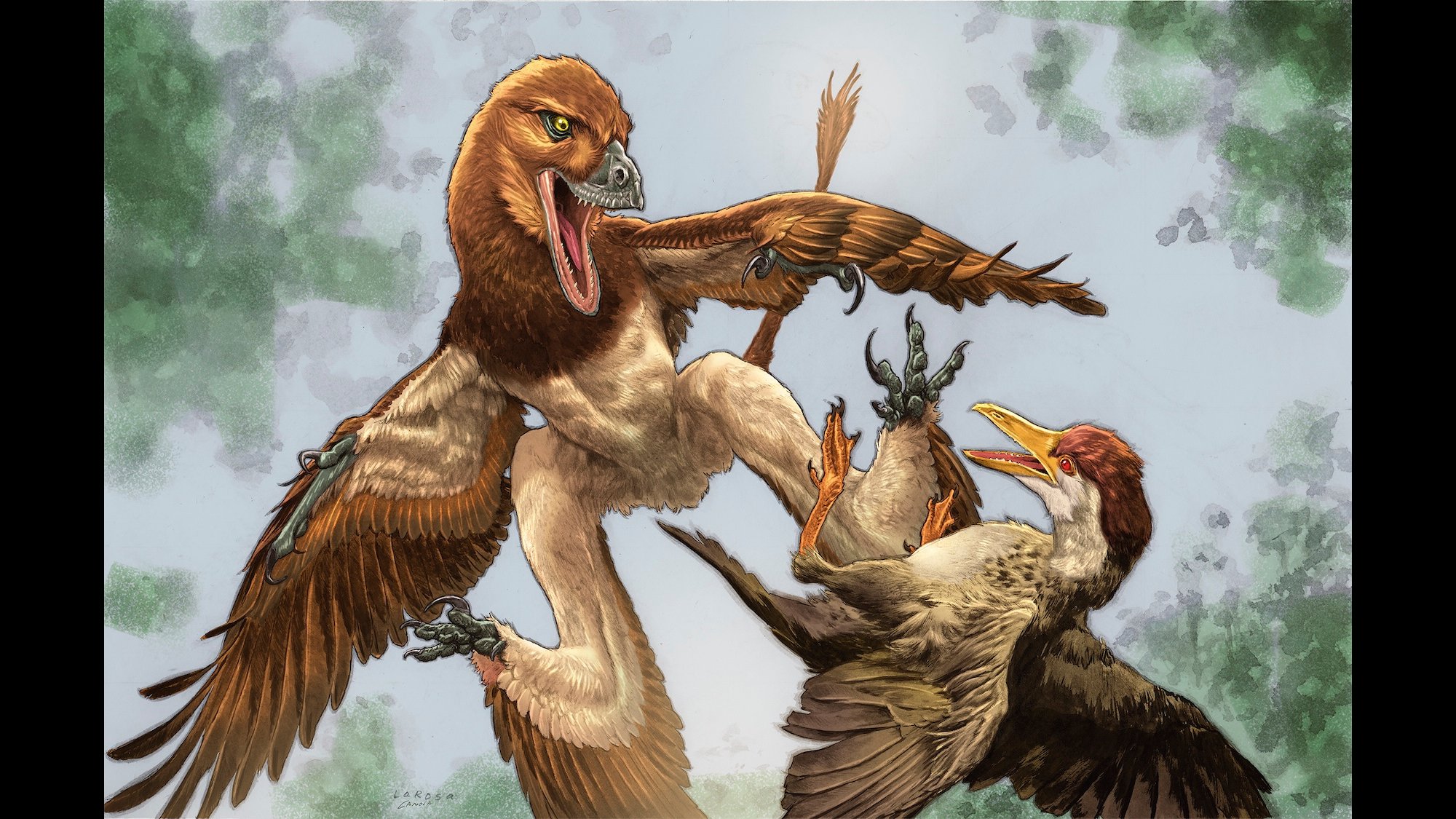
Experts now have a plausible suspect. According to a study published today in the Annals of Carnegie Museum, a cousin of the fearsome Velociraptor stalked the Changma Basin around 120 million years ago. But with its long feathers and four “wings,” Jian changmaensis didn’t ambush its prey from high in the air like a falcon. Instead, it more likely swooped in like a flying squirrel.

“It’s the only dinosaur found at this site that wasn’t a bird, it was a carnivore, and it was much bigger than everything else that we’ve found there,” Jingmai O’Connor, a study co-author and Field Museum associate curator of fossil reptiles, explained in a statement.

Diagram showing where upper arm bone fit into overall anatomy of J. changmaensis
Paleontologists theorized the dinosaur’s anatomy based on its upper arm fossil. Credit: O’Connor et al.

Named after a winged mythological creature from Chinese folklore, J. changmaensis belongs to a dinosaur subgroup known as microraptors. These feathered predators were speedy and small, often only about the size of a crow. J. changmaensis was comparatively large, however. While O’Connor’s team has so far only recovered a portion of its upper arm, they believe the dinosaur likely featured a roughly four-foot wingspan. That puts it at about the size of a barn owl.

Although larger than its fellow microraptors, paleontologists believe J. changmaensis physically resembled its relatives. This means the dinosaur likely featured both forearm wings as well as rudimentary “wings” on its hind legs. Microraptors couldn’t soar through the skies, but their feathers served a purpose

Jian and the other microraptors probably weren’t capable of true, powered flight, but they could probably glide like a flying squirrel,” explained O’Connor.

Matt Lamanna, a study co-author and Carnegie Museum’s curator of vertebrate paleontology, said the team’s discovery offers “critical new insight” into the Changma region’s biological history while helping contextualize today’s avian dinosaur descendents.

“For decades, the Changma site has been renowned among paleontologists for its extraordinary bird fossils,” Lamanna added. “Now, with the discovery of Jian, we finally know what was eating them.”

The post Velociraptor’s cousin flew like a flying squirrel appeared first on Popular Science.
  • ✇Popular Science
  • Doctors perform rare emergency C-section on a gorilla Margherita Bassi
    Previously, we reported on the birth of a baby western lowland gorilla (Gorilla gorilla gorilla) at Seattle’s Woodland Park Zoo on May 18. His mother Jamani was one of two pregnant western lowland gorillas bearing children from the same father, a silverback gorilla named Nadaya. Since Olympia was due around the same time, we spent the long weekend waiting anxiously for news.  The Woodland Park Zoo’s announcement arrived last night. The baby was born on May 24—five dates past the due date. To
     

Doctors perform rare emergency C-section on a gorilla

27 May 2026 at 15:10

Previously, we reported on the birth of a baby western lowland gorilla (Gorilla gorilla gorilla) at Seattle’s Woodland Park Zoo on May 18. His mother Jamani was one of two pregnant western lowland gorillas bearing children from the same father, a silverback gorilla named Nadaya. Since Olympia was due around the same time, we spent the long weekend waiting anxiously for news. 

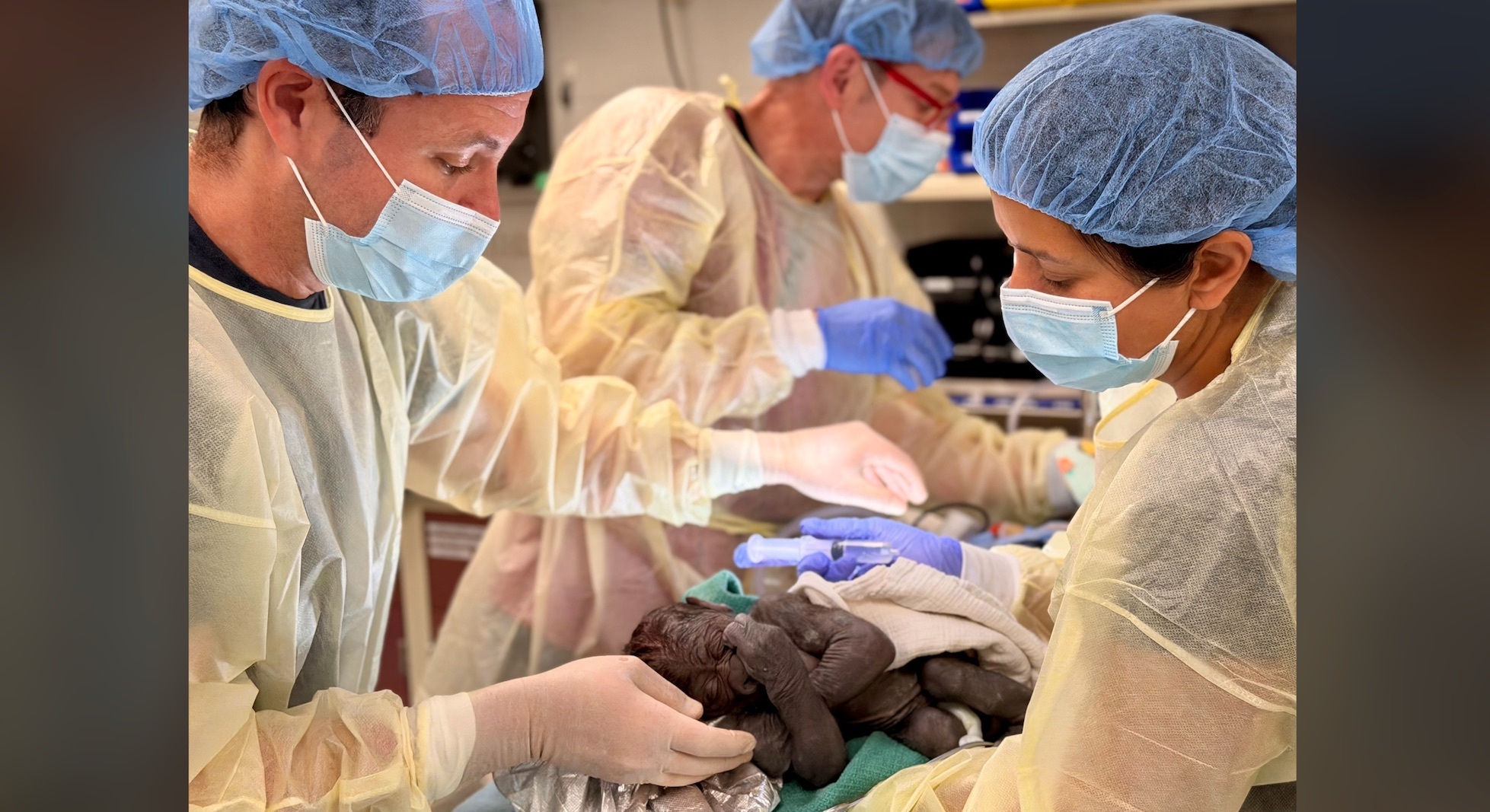
The Woodland Park Zoo’s announcement arrived last night. The baby was born on May 24—five dates past the due date. To bring her baby into the world, the medical team that usually works on humans performed an emergency C-section on Olympia. The procedure is incredibly rare for gorillas, with less than a dozen recorded gorilla C-sections.

“Over the weekend, the decision to proceed with emergency delivery was due to low fluid and intermittent low baby heart rate (found by us with the Butterfly) and critical behavioral information from the keepers team that suggested delayed/paused labor, with confirmation of ruptured membranes (bag of water) by the Team Gorilla OB physicians,” Sachita Shah, emergency physician and VP of Global Health at medical equipment manufacturer Butterfly Network, tells Popular Science. In a previous interview, Shah said that ultrasounds of gorilla fetuses look very similar to ultrasounds of human fetuses. 

Butterfly is an all-in-one ultrasound probe that the gorilla care team has been using to monitor the pregnancies. Once the baby came out, “I used The Butterfly throughout the neonatal resuscitation to keep a close eye on the baby’s heart rate as our vital sign so we were able to ensure the safe point to transition from neonatal resuscitation to post natal care,” Shah adds. 

a female gorilla sitting in a woodland habitat
Olympia, seen in her habitat prior to her pregnancy. Image: Jeremy Dwyer-Lindgren/Woodland Park Zoo.

Whether for humans or gorillas, a C-section is a major operation, and Olympia rested without the baby for the first night after the birth. But the newborn wasn’t far away—a gorilla keeper and veterinary technician took care of the baby in a den next to Olympia’s, so she was able to see, hear, and smell it. Both Olympia and the baby boy are now back with their gorilla troop, though Jamani is taking care of Olympia’s newborn as well as her own baby boy. 

“So far Olympia’s baby is doing well and maintaining a healthy body temperature. While Olympia recovers from the C-section, our plan is to allow Jamani to continue caring for Olympia’s son while also caring for her own son as long as both infants remain healthy, which is our priority,” Martin Ramirez, Curator of Mammalogy at Woodland Park Zoo, explained in a blog post. “Once Olympia shows signs of being ready for her baby, we’ll move forward with plans to reunite them.”


It remains to be seen what the mother-son duo will look like. However, western lowland gorillas are critically endangered, so the important thing is that both remain healthy.

The post Doctors perform rare emergency C-section on a gorilla appeared first on Popular Science.
  • ✇Popular Science
  • ‘Two-headed snake’ confuses predators Andrew Paul
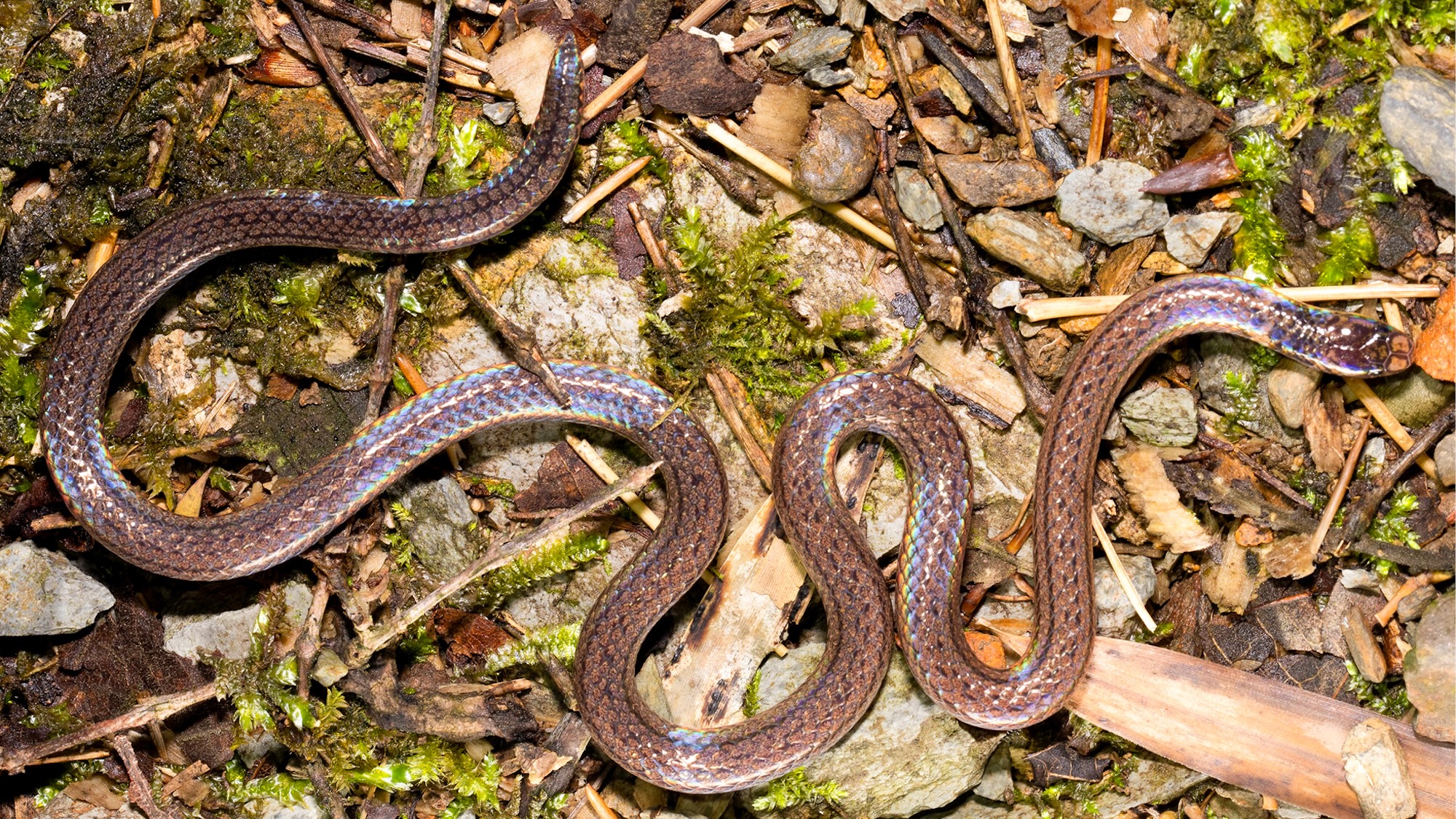
    Only around 600 of the nearly 4,000 known snake species are venomous. The recently discovered Guangxi reed snake (Calamaria incredibilis) in China is not one of those species, but its alternative defense mechanism is strange enough to keep most predators at bay. According to a study recently published in the journal Zoosystematics and Evolution by biologists at the Natural History Museum of Guangxi, C. incredibilis wields its wide, stubby tail like a second head to scare away potential threats.
     

‘Two-headed snake’ confuses predators

15 May 2026 at 15:22

Only around 600 of the nearly 4,000 known snake species are venomous. The recently discovered Guangxi reed snake (Calamaria incredibilis) in China is not one of those species, but its alternative defense mechanism is strange enough to keep most predators at bay. According to a study recently published in the journal Zoosystematics and Evolution by biologists at the Natural History Museum of Guangxi, C. incredibilis wields its wide, stubby tail like a second head to scare away potential threats.

Researchers first spotted the Guangxi reed snake during a biodiversity study in China’s Huaping National Nature Reserve near the nation’s southern border with Vietnam. The mostly nocturnal, non-venomous serpent grows to about eight-inches-long, and is identifiable by its small brown scales and seven darker stripes. Largely docile, it prefers to hide away between rocks and underneath leaves, and prefers a diet of insect larvae and earthworms.

Although largely timid, the Guangxi reed snake has evolved a strategy to bluff its way out of dangerous situations. Whenever it feels threatened, the reptile raises its tail off the ground and begins waving it like an additional head. The tail even features similar markings to those seen on the snake’s head, which adds to the overall realism. 

As People recently noted, the reed snake is far from the first new snake species discovered in 2026. Earlier this year, researchers identified both a vibrantly turquoise pit viper and a flying snake in a Cambodian cave alongside previously unknown geckos, millipedes, and microsnails.

The study’s authors explained the Guangxi reed snake “highlights the underestimated diversity” in the reptile’s larger family, as well as underscores the region’s role as an “ important hotspot” of unique animals.

The post ‘Two-headed snake’ confuses predators appeared first on Popular Science.
  • ✇Popular Science
  • A ‘mystery beetle’ is devouring North Carolina’s precious blueberries Laura Baisas
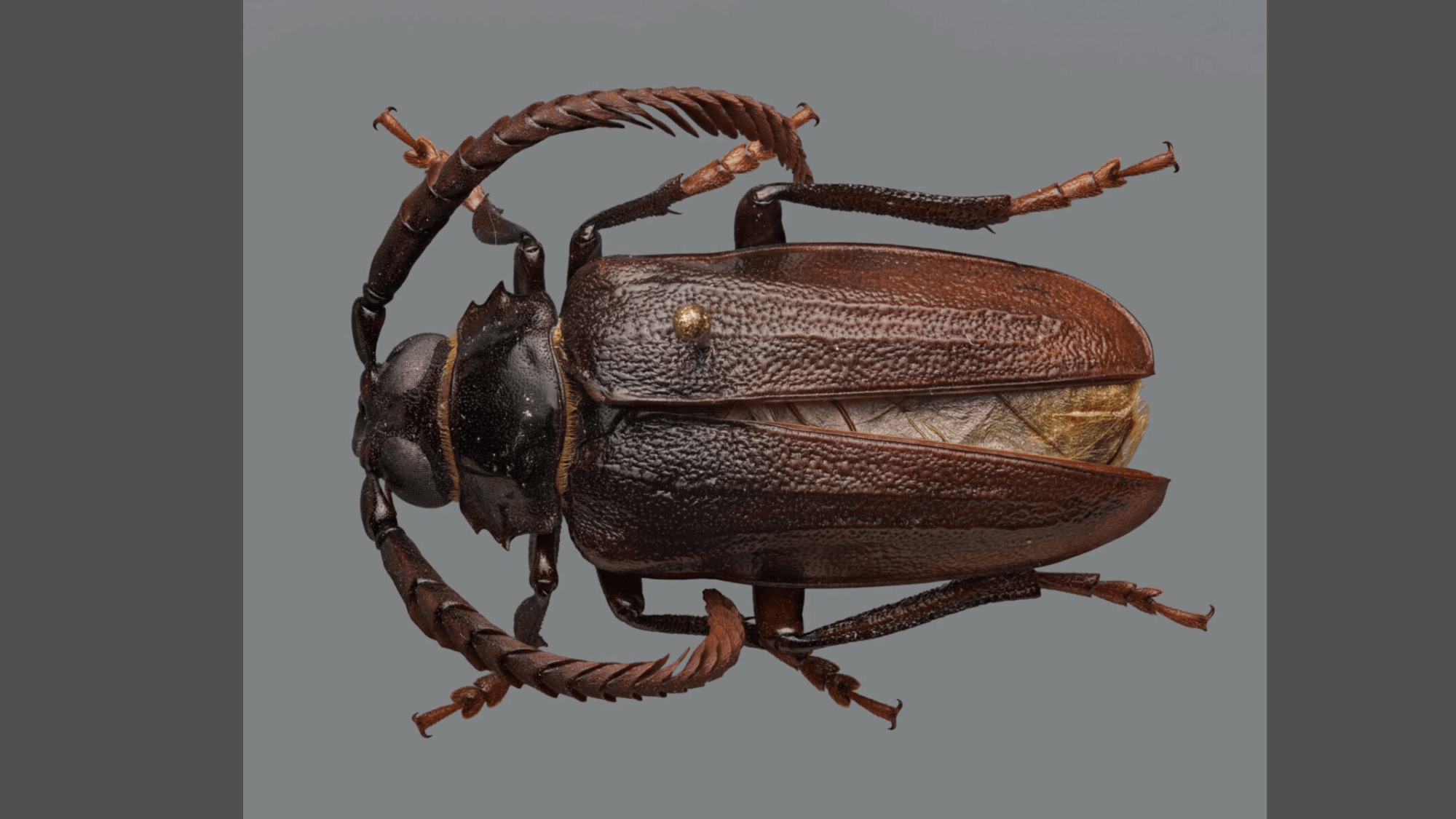
    North Carolina’s blueberries may have a beetle problem. For the first time, scientists in the Tarheel State have documented the presence of Prionus imbricornus eating blueberry bushes. This longhorn beetle and its larvae can chomp their way through the state’s valuable blueberry fields. The findings are described in a study published this week in the Journal of Integrated Pest Management.  Blueberries are native to North Carolina, but were not cultivated until 1935. The state is the sixth lar
     

A ‘mystery beetle’ is devouring North Carolina’s precious blueberries

3 June 2026 at 15:14

North Carolina’s blueberries may have a beetle problem. For the first time, scientists in the Tarheel State have documented the presence of Prionus imbricornus eating blueberry bushes. This longhorn beetle and its larvae can chomp their way through the state’s valuable blueberry fields. The findings are described in a study published this week in the Journal of Integrated Pest Management

Blueberries are native to North Carolina, but were not cultivated until 1935. The state is the sixth largest blueberry producer in the United States, and the blueberry industry is valued at roughly $70 million. Protecting the plants from pests is crucial, as blueberries are considered one of North Carolina’s most valuable and desirable crops. 

Several species including the blueberry maggot (Rhagoletis mendax), plum curculio (Conotrachelus nenuphar), and cranberry fruitworm (Acrobasis vaccinii Riley) can threaten blueberry crops. The long-horned beetle P. imbricornus may now join their ranks. P. imbricornus is known for their long antennae and are considered wood-boring beetles. The adult females typically lay their eggs in the soil near the roots of hardwood trees. The larvae then eat and destroy the roots. These larvae can grow up to five inches long and potentially kill trees, since the adults don’t feed. 

a long yellow beetle larvae
P. Imbricornis larva. The larva, which can grow up to five inches long, feed on the roots of blueberry bushes. Image: Matt Bertone/NC State.

North Carolina is the first state to report that P. imbricornus is actively feeding on blueberry bushes. However, reports of unidentified larvae from the Prionus beetle genus feeding on and damaging blueberry bush roots go back to 2010. In the 16 years since, identifying the specific species responsible has been difficult since the larvae live near the roots of the plants. Different types of longhorn beetle larvae also look very similar, and not identifying a species can harm efforts to combat harmful bugs. 

“Before now, researchers often just assumed the species of Prionus on their commodities based on adult identification,” Kenneth Geisert, a study co-author and NC State graduate student, said in a statement. “If that guess was incorrect, it could mean using a treatment strategy that did not line up with the problem and incorrectly associating species and their hosts.”

For example, P. imbricornus attacks roots, but another longhorn beetle species may go after a tree’s dead branches or trunk. 

“Without knowing which species of beetle you’re dealing with and their ecology, incorrect management can cause adverse effects on non-target insects,” Geisert added.

For this study, the team used a series of black panel traps scented with sex pheromones to attract and gather adult beetles. The traps were placed at six farms across Pender, Sampson, Bladen, and New Hanover counties. The team then used a technique called genetic barcoding on the larvae to analyze small, standardized segments of their DNA to identify the species. They then compared the unknown larval sequences with the same genetic segments from known Prionus adults.

They matched the P. imbricornus with 98 to 99 percent accuracy. According to the team, this result is both good and bad news for farmers.

“On one hand, it’s very important that we know which species we’re dealing with,” said Lorena Lopez, a study co-author and entomologist at NC State. “On the other, North Carolina was the first state to ever report Prionus infestation in blueberries, and there are no insecticides currently labeled against this pest in blueberries.”

To address this shortfall, Lopez has begun insecticide trials. Pinpointing effective insecticides and timing during P. imbricornis reproductive cycles can potentially limit larval development. Fewer larvae could help prevent major root damage and provide blueberry farmers with an effective management tool to protect their crops. 

The post A ‘mystery beetle’ is devouring North Carolina’s precious blueberries appeared first on Popular Science.
  • ✇Popular Science
  • Vet constructs ingenious contraption to help a tortoise hit by a car Margherita Bassi
    Complex problems require creative solutions, and wildlife veterinarian Nielsen Donato is no stranger to what might seem like out-of-the-box problem solving. Last month, Donato and his team at Vets in Practice in the Philippines fixed temporary wheels onto an Aldabra giant tortoise (Aldabrachelys gigantea) that was struggling to walk.  More recently, they built a contraption to care for a four-year-old African spurred tortoise (Geochelone sulcata) that had been run over by a car not once but t
     

Vet constructs ingenious contraption to help a tortoise hit by a car

8 May 2026 at 12:03

Complex problems require creative solutions, and wildlife veterinarian Nielsen Donato is no stranger to what might seem like out-of-the-box problem solving. Last month, Donato and his team at Vets in Practice in the Philippines fixed temporary wheels onto an Aldabra giant tortoise (Aldabrachelys gigantea) that was struggling to walk. 

More recently, they built a contraption to care for a four-year-old African spurred tortoise (Geochelone sulcata) that had been run over by a car not once but twice. When the unfortunate reptile was first brought to the clinic, Donato—who is the clinic’s chief surgeon and exotic animal medicine specialist—wasn’t there. 

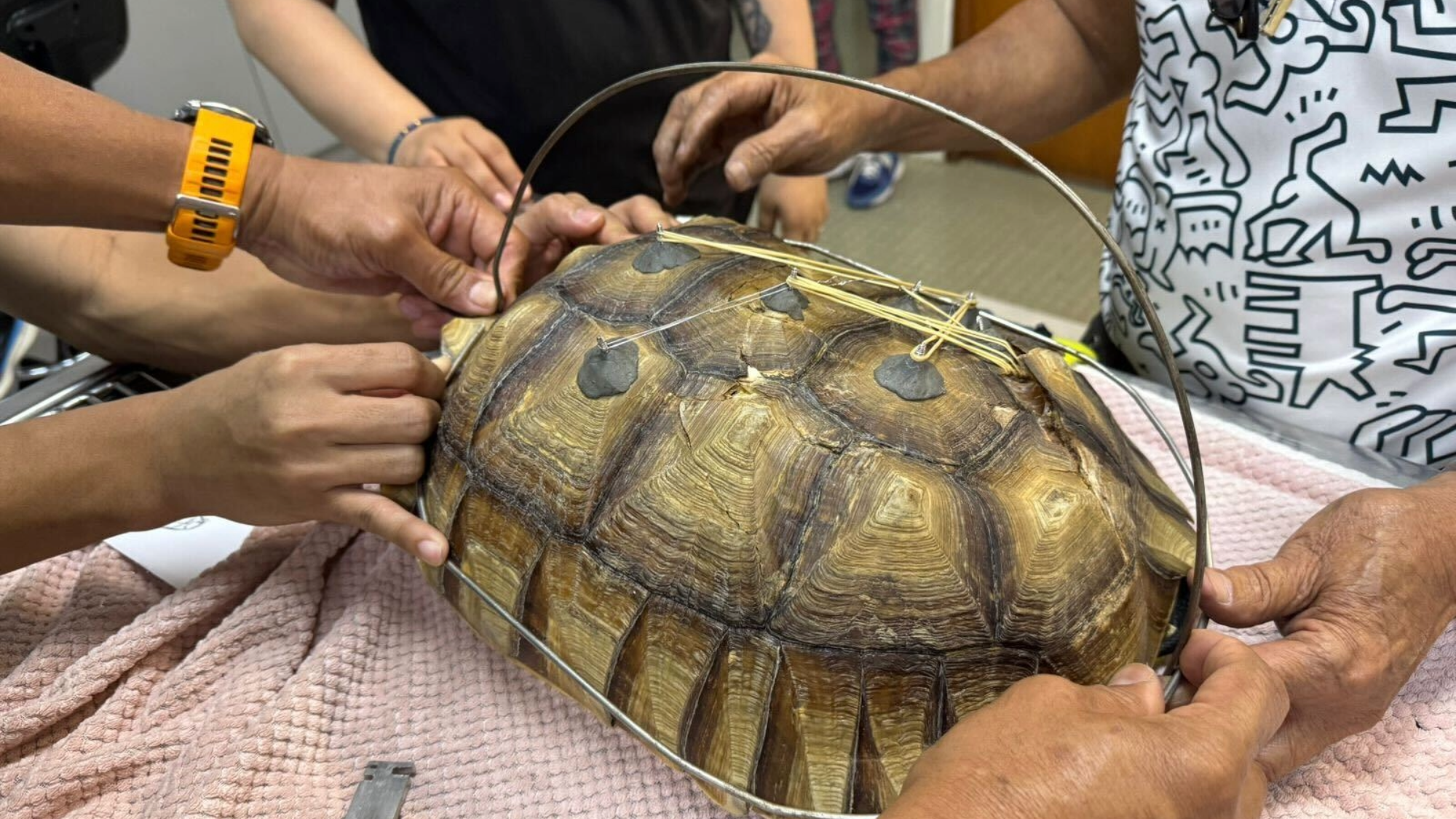
Over the phone, Donato instructed the team to keep the tortoise’s exposed soft tissue damp by rinsing the shell with saline (salt water). They also tried to stabilize the cracks, by fixing inverted screws onto various parts of the shell with epoxy putty, and then tying rubber bands around the screws.

a diagram of how to fix a turtle's shell
The team sketched out their plan of action to save the tortoise’s shell. Image: Nielsen Donato.

“At this point, our main concern is to stabilize the condition of the turtle from shock, from the injury. So for the first three weeks, we made sure that there were no flies that laid eggs and turned into maggots,” Donato tells Popular Science

They kept the tortoise hydrated, tube-fed it, kept its wound clean, basked it in the sun, and gave it antibiotics and pain medication. 

black wires over a large turtle shell keeping it together
The wires help keep the shell together. Image: Nielsen Donato.

“And once the tortoise, the sulcata, was more mobile and showing interest in eating on its own, we planned to repair the shell,” he says

According to Donato, the most difficult part for him was lifting the crushed parts of the shell. So he designed a frame for the shell that, with the help of wires, would pull up these shell parts. And the contraption worked.

a tortoise with black wires over it shell
The tortoise was hit by a car twice, but is on the road to recovery. Image: Nielsen Donato.

“When we were twisting the wire, we noticed that we were starting to align the shell and the cracks were becoming more opposed to each other,” he explains. The team sealed the cracks with dental acrylic and asked the turtle’s owner to bring it back after three weeks. By the time the tortoise was back in their clinic, the shell had become more stable. The team removed the brace, wires, screws, and putty, and sent it back home again before its next appointment.

“When it visited us lately, it started moving around more actively and the owners were not worried about its appetite because it was eating again,” Donato reports. 

One thing is for certain—this tortoise went to shell and back again. 

The post Vet constructs ingenious contraption to help a tortoise hit by a car appeared first on Popular Science.
  • ✇Popular Science
  • Superbloom turns Redwood National Park’s hills purple Laura Baisas
    Death Valley National Park’s ephemeral spring superblooms get most of the attention, but another national park in California has its own impressive floral show this year. Redwood National Park in northern California is awash in a purple riverbank lupine (Lupinus rivularis) superbloom. It was first spotted earlier in May and is expected to last through the end of the month.  The park six hours north of San Francisco is home to over 30 species of plants, including to the state’s famous redwood
     

Superbloom turns Redwood National Park’s hills purple

15 May 2026 at 14:06

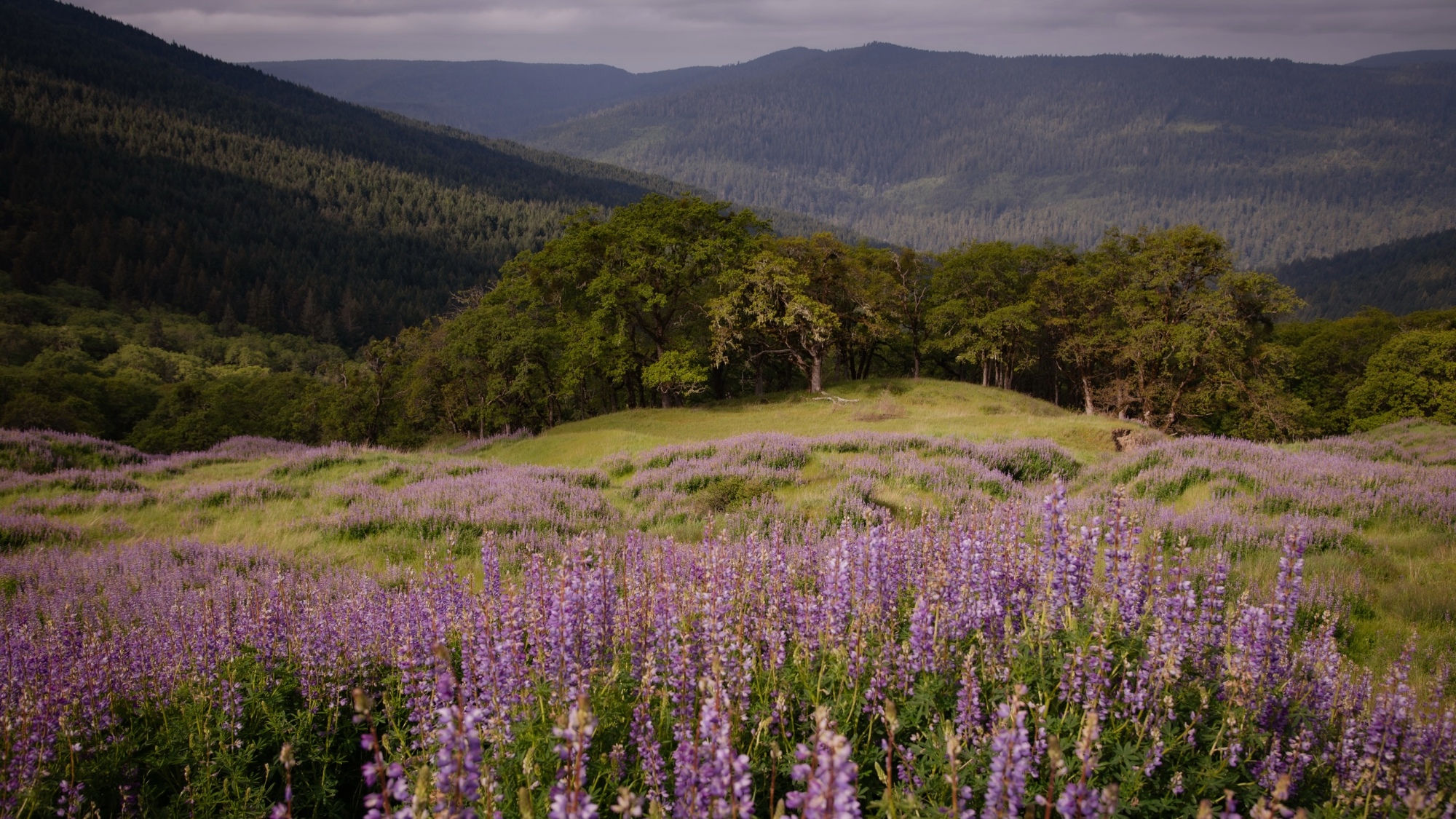
Death Valley National Park’s ephemeral spring superblooms get most of the attention, but another national park in California has its own impressive floral show this year. Redwood National Park in northern California is awash in a purple riverbank lupine (Lupinus rivularis) superbloom. It was first spotted earlier in May and is expected to last through the end of the month. 

The park six hours north of San Francisco is home to over 30 species of plants, including to the state’s famous redwood trees—the tallest trees in the world. The landscape features open prairies, oak woodlands, wild rivers, and untamed coastline. 

purple lupine blooming in a field
Purple riverbank lupines help attract important pollinators. Image: NPS photos / O. Seweryn.

This year’s purple riverbank lupines are blooming at the Lyons Ranch Trailhead and covered the Bald Hills with purple flowers. Riverbank lupine is a fast-growing and multi-stemmed member of the pea family (Fabaceae) that can grow up to five-feet tall. Its seeds provide food for birds, while its dense patches give rabbits, birds, and other small animals cover. Bees are also attracted to its pollen and nectar, and the plants possibly host two species of butterflies—the orange sulphur (Colias eurytheme) and the western tailed blue (Cupido amyntula).

This year’s lupine super bloom is more than just pretty purple flowers coloring the landscape. Lupine also demonstrates how prescribed burns play an important supporting role in prairie ecosystems.

“The prairies of the Bald Hills have been managed using fire since time immemorial, revealing a fascinating trend in the relationship between fire and flowers,” park rangers wrote in a Facebook post

These flowers consistently bloom “in abundance” two years after a prescribed fire. The fire likely helps the hard-coated seeds germinate, leading to a super bloom. 

a close up of a purple wildblower called a lupine. it is tal
Purple riverbank lupine superblooms typically occur two years after a prescribed burn. Image: NPS photos / O. Seweryn.

According to SF Gate, a prescribed fire was set two years ago to burn off flammable materials and help prevent wildfires. 

“We are returning fire to this landscape, and we’re realizing that one year after a fire, we end up with a lot of vegetative lupines,” an unnamed botanist told SF Gate. “But two years post-burn, just like the burn that they did in this drainage two years ago, we end up with a lupine superbloom.”

When visiting any national park or superbloom, it is critical to “take only photographs, leave only footprints.” Visitors should stick to designated trails to keep the delicate flowers safe for pollinators and try to disturb the plants and wildlife as little as possible. While lupines are beautiful, these wildflowers are not there for picking. Viral social media posts of previous superblooms in Death Valley and other parks have led to serious damage to the flowers that influencers claim to love.

Photography news site Fstoppers offers several tips on how to photograph superblooms without disrupting them, including using telephoto lenses and shooting from low angles. 

The post Superbloom turns Redwood National Park’s hills purple appeared first on Popular Science.
  • ✇Popular Science
  • Neanderthals dined on shellfish much earlier than humans Andrew Paul
    For decades, many paleoarchaeologists believed Neanderthals went extinct largely because they just weren’t intelligent enough to compete with their Homo sapien relatives. However, mounting historical evidence suggests this was far from the case. The latest discovery to help the Neanderthal’s reputation ion? The ancient hominins knew when and how to safely snack on shellfish potentially thousands of years before their human descendants. The findings published today in the Proceedings of the Na
     

Neanderthals dined on shellfish much earlier than humans

18 May 2026 at 19:00

For decades, many paleoarchaeologists believed Neanderthals went extinct largely because they just weren’t intelligent enough to compete with their Homo sapien relatives. However, mounting historical evidence suggests this was far from the case. The latest discovery to help the Neanderthal’s reputation ion? The ancient hominins knew when and how to safely snack on shellfish potentially thousands of years before their human descendants.

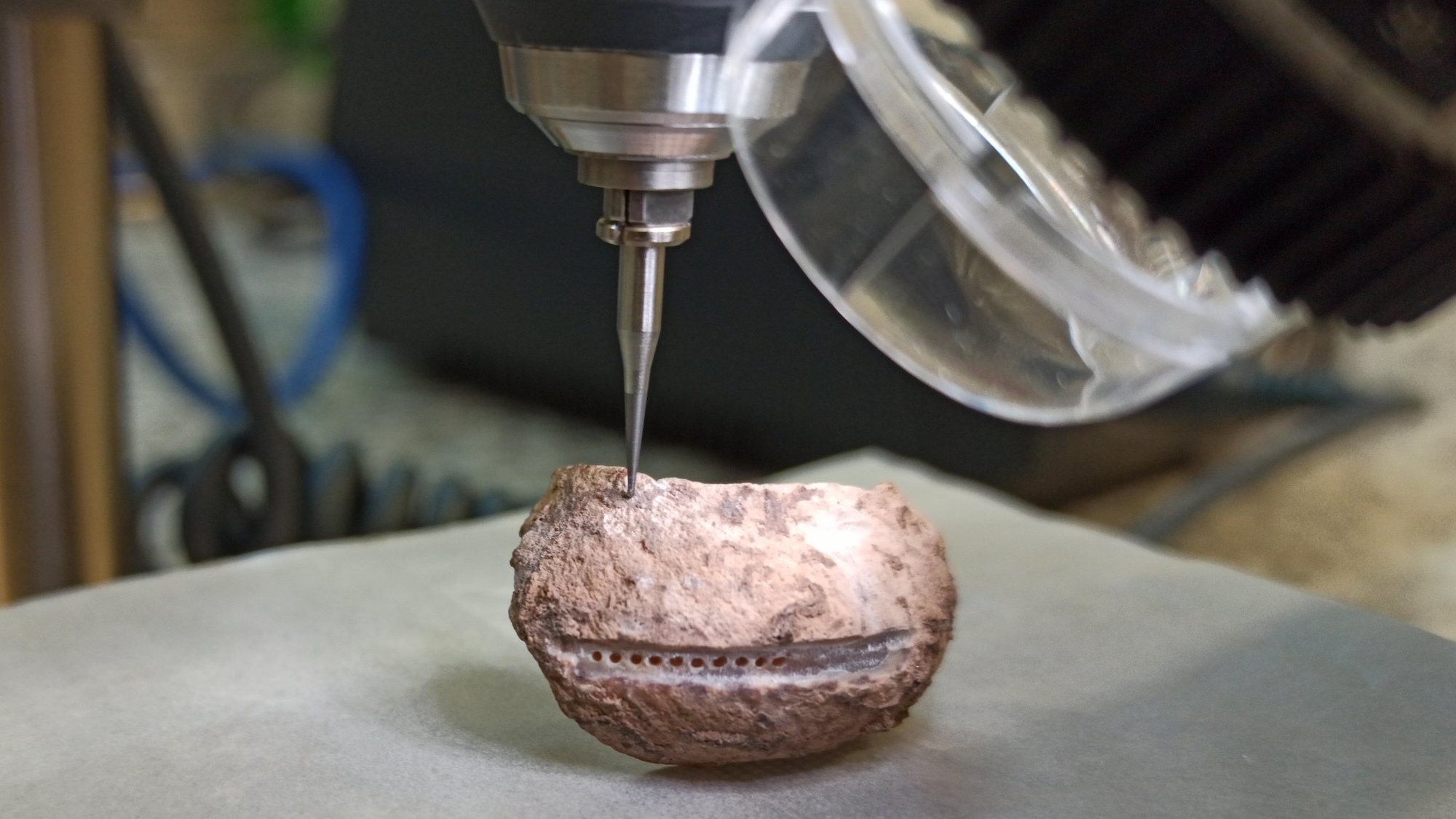
The findings published today in the Proceedings of the National Academy of Sciences focus on Neanderthals who lived at Los Aviones Cave in present-day Cartagena, Spain. Researchers discovered the remains of 115,000-year-old mollusks including gastropods and limpets that were clearly harvested as food. This contradicts past theories about Neanderthals, which suggested they had difficulty adapting to coastal environments and utilizing marine resources. What’s more, the Neanderthals here didn’t eat shellfish in large quantities all the time. Instead, they knew to make the most of them between November and April during the colder seasons.

Cave next to ocean water
Los Aviones Cave in Spain is a notable Neanderthal archaeological site. Credit: ICTA-UAB

“They consumed marine resources throughout the year, but with a very clear preference for winter and autumn months,” explained Asier García-Escárzaga, a study co-author and archaeologist at Spain’s Universitat Autònoma de Barcelona Institute of Environmental Science and Technology.

García-Escárzaga says this seasonal pattern often followed by more modern human populations in Europe wasn’t a coincidence. The winter reproduction cycle of many mollusks also results in higher amounts of meat as well as improved flavor and texture. Summer months increase health risks like toxic algae contamination or rapid spoiling.

But how did researchers determine exactly when these shellfish were harvested? It all has to do with the mollusks’ shell carbonate and their oxygen isotopic levels. This level fluctuates depending on seawater temperature and functions like a “prehistoric thermometer,” according to García-Escárzaga.

The findings reveal that Spain’s coastal Neanderthals relied on a diverse diet featuring high-quality oceanic proteins filled with Omega-3 and zinc, both of which aid in reproductive health and brain development. With that in mind, it’s entirely possible that humans’ closest evolutionary ancestors influenced our own love of shellfish.

“What we see at Los Aviones is a fully modern subsistence strategy,” García-Escárzaga and his colleagues wrote in their study.

The post Neanderthals dined on shellfish much earlier than humans appeared first on Popular Science.

World Oceans Day Reimagines Our Relationship With the Water Around Us

8 June 2026 at 12:45
In honor of this annual U.N. event, we are highlighting our coverage of ocean research and education initiatives at the Columbia Climate School and Lamont-Doherty Earth Observatory.

  • ✇Popular Science
  • Orangutan poop holds surprising clues about how long they breastfeed Margherita Bassi
    How do you determine how many months or years animal mothers nurse their babies? If you’re not in a rush and can observe this dynamic, you could supposedly stick around to see when the baby, mother, or both decide that they’re done. However, that could take years. A team of researchers investigating breastfeeding in orangutans recently opted for a different, perhaps surprising strategy—searching for particular proteins in poop.  In a preliminary study published in the journal Communications B
     

Orangutan poop holds surprising clues about how long they breastfeed

2 June 2026 at 15:04

How do you determine how many months or years animal mothers nurse their babies? If you’re not in a rush and can observe this dynamic, you could supposedly stick around to see when the baby, mother, or both decide that they’re done. However, that could take years. A team of researchers investigating breastfeeding in orangutans recently opted for a different, perhaps surprising strategy—searching for particular proteins in poop. 

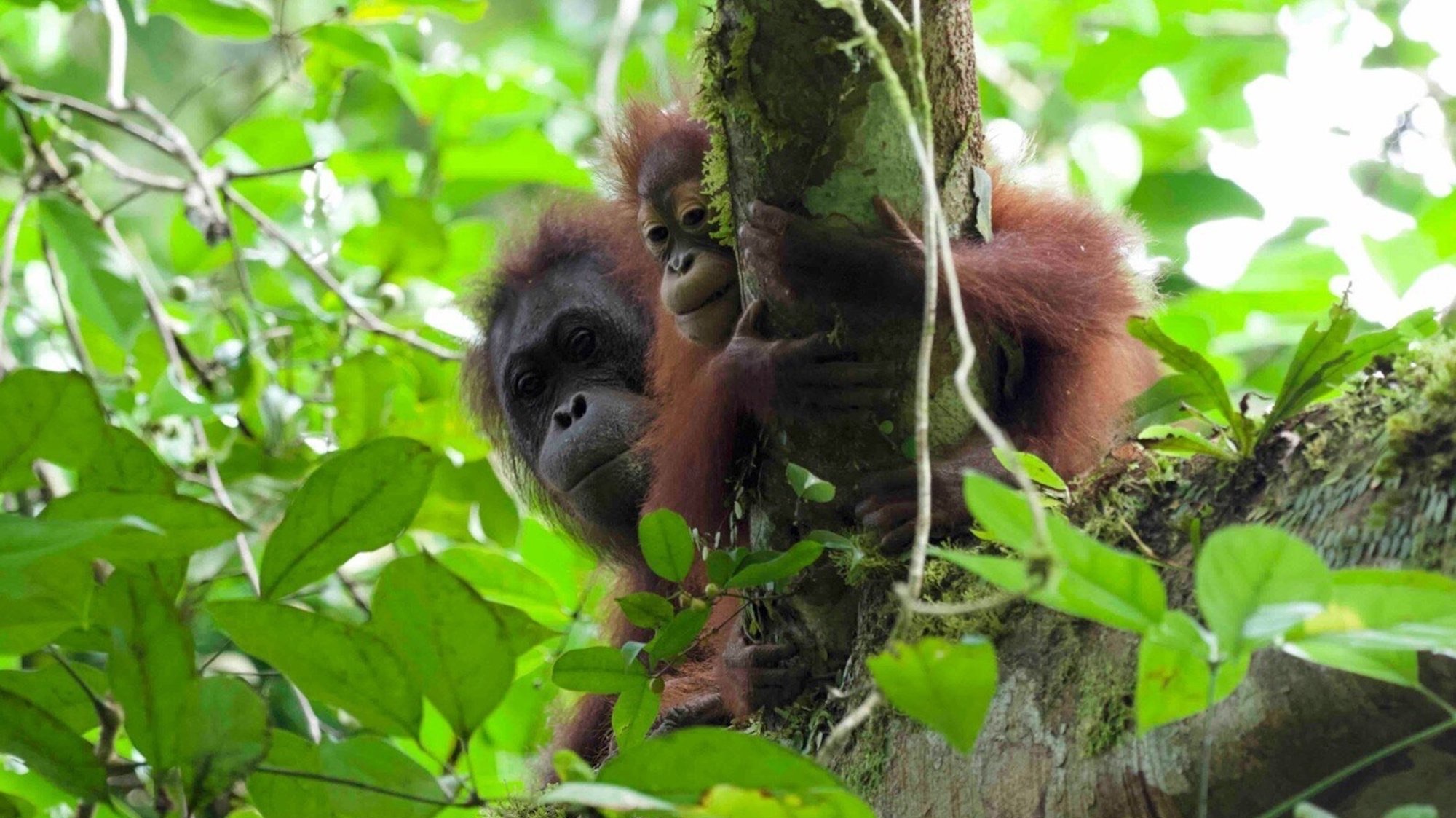
In a preliminary study published in the journal Communications Biology, researchers searched for milk‑specific proteins in the feces of wild Bornean orangutans (Pongo pygmaeus) living in the Danum Valley Conservation Area, in the Malaysian part of the island of Borneo. These proteins prove that he or she is continuing to drink breast milk.The practice of recognizing particular proteins in feces is called fecal proteomics and it can help scientists better understand what animals are consuming.

“Orangutans have a slow life history with one of the longest interbirth intervals and the lowest reported infant mortality rates among primates or even mammals,” the team wrote in the study. “Breastfeeding is a key factor in their life history because it possibly promotes offspring health and increases maternal interbirth intervals.”

The team gathered fecal samples for over two and a half years, and found milk‑specific proteins in all the 20 samples from orangutans less than six and a half years old. This indicates that the young great apes were continuing to breastfeed until they were at least that age. 

According to the team, these results are “consistent with the behavioral evidence as having one of the longest breastfeeding periods in mammals.”

What’s more, “milk intake was significantly correlated with higher levels of biological defense and probiotic bacterial proteins.”

In other words, the more milk a young orangutan drinks, the more probiotic intestinal bacteria it has and the sturdier its biological protections are. Such consistent and enduring breastfeeding probably helps the very high survival of orangutan babies and plays a role in their slow reproductive approach. 

Unfortunately, Bornean orangutans are critically endangered, and the paper highlights why their populations don’t rebound quickly after a decrease. Safeguarding what’s left of their rainforest habitats is crucial. 

The post Orangutan poop holds surprising clues about how long they breastfeed appeared first on Popular Science.
❌
Subscriptions