Normal view

  • ✇Earth911
  • 3 Countries’ Food Waste Strategies: What Can They Teach Us? Earth911
    Each year, the U.S. discards 38 to 40 percent of its food, a stubbornly high figure. Yet, other countries like the Czech Republic, Israel, and Denmark show promising solutions that American cities are beginning to adopt. The global challenge is similarly daunting. The UN Food and Agriculture Organization estimates that about one-third of all food produced for people worldwide is lost or wasted each year. This is not just a moral issue, since so many people go hungry, but also a big climate probl
     

3 Countries’ Food Waste Strategies: What Can They Teach Us?

21 April 2026 at 07:05

Each year, the U.S. discards 38 to 40 percent of its food, a stubbornly high figure. Yet, other countries like the Czech Republic, Israel, and Denmark show promising solutions that American cities are beginning to adopt.

The global challenge is similarly daunting. The UN Food and Agriculture Organization estimates that about one-third of all food produced for people worldwide is lost or wasted each year. This is not just a moral issue, since so many people go hungry, but also a big climate problem. Project Drawdown lists cutting food waste as one of the top three ways to fight climate change. Some countries have been working on this for years and offer lessons for others.

Czech Republic: Rooted in Preservation Culture

Home-grown produce from backyard vegetable gardens supplements family meals throughout the Czech Republic. Residents tend fruit trees, greenhouses, and chicken coops. Many rent municipal allotment plots to use as supplemental gardens. Home composting is common and deeply normalized.

Czechs don’t just eat what their gardens yield—they savor the adventure! During mushroom and wild garlic season, families head outdoors to forage together. Extra produce finds a second life as jams or pickles, or gets frozen and fermented into tangy cabbage. Got leftover fruit? Send it to a local distillery for a splash of homemade liquor. Even stale bread avoids the bin, reborn as crispy breadcrumbs straight from your kitchen.

Apps like Nesnězeno let Czech restaurants, bakeries, cafés, and grocery stores sell extra food as discounted ‘rescue bags,’ priced 50 to 70% below retail — for pickup before closing. This connects surplus food with local buyers looking for a good deal. By the end of 2024, Nesnězeno had 1,487 partner businesses, a 132% increase from the year before, and had expanded across all Czech regions. Prague led with 239,000 rescued packages (41% of the total), followed by South Moravian and Pilsen, according to MediaGuru.

The app has been downloaded by more than 3 million users and has saved over 3 million packages of unsold meals overall.

The Czech Republic’s recycling rate for municipal waste went up from 32% in 2017 to 44% in 2021, just below the EU average. However, separating and collecting food waste is still inconsistent. A new national program for collecting kitchen animal-based waste, starting in 2026, aims to fix this.


Mahane Yehuda Market, Jerusalem, Israel
Mahane Yehuda Market, Jerusalem, Israel. Photo: Roxanne Desgagnés on Unsplash

Israel: Food Rescue as National Resilience

Food and water security in Israel are inseparable from politics. Leket Israel, the country’s largest food bank, pursues a mission of “food rescue” that serves Israelis regardless of background, coordinating with farms, packing houses, hotels, and catering operations to redirect surplus food to 200 nonprofits serving those in need.

Bustling outdoor food markets are traditional fixtures in Israeli cities, bringing consumers closer to the source of their food. In such busy places, edible food regularly ends up on the ground. Volunteers with Leket collect leftovers to distribute to people in need.

Leket released its 10th annual Food Waste and Rescue Report in late 2025. The report showed that Israel threw away 2.6 million tons of food, or 39% of what it produced, similar to the U.S. This wasted food was worth about $7 billion, or 1.3% of the country’s GDP. Still, there has been progress: food waste per person dropped 13.3% over the last ten years, from 300 kg to 260 kg per year. This improvement is thanks to more public awareness, serving food on individual plates in cafeterias, and more online food orders. But population growth and higher food prices have kept the total amount of wasted food high.

Leket and its partners now rescue about 45,000 tons of food each year, 2.25 times more than a decade ago. Still, this is only 5% of the food that could be saved in Israel. The Food Donation Encouragement Law, first passed in 2018, was updated in 2024 to give more legal protection to donors and require large public institutions to donate food.

In September 2025, Israel released its first national plan to cut food loss and waste, written by the Ministries of Environmental Protection and Agriculture. This was a big step toward better policy coordination. Israeli AgTech companies are also known worldwide for using technology to reduce food waste. For example, Sufresca makes edible coatings to keep produce fresh longer, and Taranis uses drones and AI to spot crop problems early.

Denmark: Culture as Infrastructure

In Denmark, people often leave free food in boxes on the sidewalk. Signs in front of homes might offer free apples or potatoes, or eggs for sale using the honor system. There are also Facebook groups in every major Danish city for dumpster diving, where people collect edible food that supermarkets throw away after the best-by date.

Supermarkets in Denmark lower prices on food that is close to its best-by date, especially baked goods, which are marked down every evening after 7 or 8 p.m. Food producers and supermarket chains work with groups like Too Good To Go and WeFood, Denmark’s first surplus food supermarket, to sell rescued food at big discounts. Chains like REMA 1000, Coop, and LIDL have also stopped offering bulk-buy discounts that encouraged people to buy more than they needed.

Too Good To Go started in Copenhagen in 2015 and has grown quickly. In 2023, the app saved 121.7 million meals worldwide, up 46% from 2022, and helped prevent about 362,000 tons of CO2 emissions. The app now works in over 17 countries and has more than 85 million users.

The WeFood surplus grocery network, which began as a single location in Copenhagen in 2016, has grown to six stores across Denmark. And a voluntary national commitment, “Denmark Against Food Waste,” united more than 25 food producers and retailers behind a shared goal of halving food waste by 2030. An independent third party measures and publishes annual progress.

What the U.S. Has Borrowed

Some of the ideas first used in these three countries are now catching on in the United States. However, there are still big challenges slowing progress.

Too Good To Go started in the U.S. in late 2020 and has been growing ever since. By mid-2025, the app was available in almost half of U.S. states, including cities such as Boston, Chicago, Denver, Los Angeles, New York, Portland, San Francisco, and Seattle. The number of meals saved grew by 67% each year. In 2024, Circle K convenience stores joined the app nationwide. Too Good To Go now also works with big chains like Whole Foods, Peet’s Coffee, and Just Salad.

Since 2020, most progress on food waste in the U.S. has happened at the state level. In 2024, 29 states introduced 100 distinct food waste bills, and 18 passed. California’s SB 1383, which started in 2022, brought organics collection to 94% of communities and rescued 217,000 tons of surplus food in 2023. Washington state also passed a major law in 2022, requiring businesses that generate large amounts of organic waste to compost or arrange for collection.

Federal legislation has moved slowly. As of 2024, 13 pending federal food waste bills were before Congress, including the bipartisan Food Date Labeling Act of 2023, which would standardize confusing “best by” and “sell by” date labeling  — but none had passed. The lack of national date-label standards is a key driver of household waste, as consumers discard food that is still safe to eat.

In 2015, the U.S. promised to cut food waste in half by 2030. But a 2025 study in Nature Food found that the amount of food wasted per person in 2022, at 328.5 pounds, was about the same as in 2016. The study said that no state is on track to meet the federal goal with current policies. It also pointed out that the U.S. focuses too much on recycling food waste instead of preventing or rescuing it. In contrast, Denmark and the Czech Republic work to keep food from becoming waste in the first place, while U.S. policy mostly deals with food after it’s already lost.

What You Can Do

  • Download Too Good To Go or a similar app to save extra food from restaurants and grocery stores in your area.
  • Volunteer at a local food bank to help get rescued food to people who need it. You’ll also learn more about food inequality in your community.
  • Check out local CSAs and farmers’ markets to help cut down on food lost in big supply chains.
  • Composting at home is a simple way to recycle food scraps. If you live in an apartment, see if your city has a compost drop-off program.
  • Ask your supermarket to start marking down food that is close to its best-by date. This is common in Denmark but not in the U.S.
  • Reach out to your congressional representatives and ask them to support the Food Date Labeling Act. Standardized date labels could make a big difference at the national level.
  • Use the Earth911 recycling search tool to find recycling and food drop-off options near you.

Editor’s Note: Originally written by Chloe Skye on March 10, 2020, this article was substantially updated in April 2026.

The post 3 Countries’ Food Waste Strategies: What Can They Teach Us? appeared first on Earth911.

  • ✇Earth911
  • What Pet Waste Costs: The Litter, Bags, and Packaging Filling America’s Landfills Earth911
    Every year, Americans bury an estimated two million tons or more of used clay cat litter — clay that was strip-mined from the ground, trucked across the country, scooped once, used by a cat, and thrown away. It does not biodegrade, so it sits in the landfill essentially forever. And that is just the cat. Pets belong to the household waste stream, even though we rarely add them to the tally. About 94 million U.S. households keep a pet, and the roughly 68 million dogs and 49 million cats among the
     

What Pet Waste Costs: The Litter, Bags, and Packaging Filling America’s Landfills

26 May 2026 at 11:00

Every year, Americans bury an estimated two million tons or more of used clay cat litter — clay that was strip-mined from the ground, trucked across the country, scooped once, used by a cat, and thrown away. It does not biodegrade, so it sits in the landfill essentially forever. And that is just the cat.

Pets belong to the household waste stream, even though we rarely add them to the tally. About 94 million U.S. households keep a pet, and the roughly 68 million dogs and 49 million cats among them, according to the American Pet Products Association’s 2025 survey, generate three large and mostly invisible waste streams: cat litter, dog waste and the bags that carry it, and the packaging that food and treats arrive in. Each one carries a cost at the kitchen counter and a much larger one at the national scale.

The Clay Nobody Thinks About

Conventional clumping litter is sodium bentonite, a clay valued for the way it seals around moisture. Getting it out of the ground means strip mining, and industry estimates put U.S. clay mined for litter at roughly five billion pounds a year. A single cat works through about 28 pounds of clay litter a month — close to 336 pounds a year — and none of it breaks down once discarded.

The household cost is real too. Litter runs roughly $180 to $480 a year for one cat, and multi-cat homes multiply that spending into the thousands of dollars annually. Spread across roughly 49 million cats, litter alone is a multi-billion-dollar annual purchase, a recurring spend on a product whose useful life is measured in days and whose afterlife is measured in centuries.

Plant-based alternatives, such as corn, wheat, walnut sshells, recycled paper, or and even tofu, cut the mining and landfill burden, though they vary in price, dustiness, and clumping performance. The table below compares the common options on the dimensions that matter for waste.

Litter type Made from End of life Waste trade-off
Clay (clumping) Strip-mined sodium bentonite Landfill; does not biodegrade Highest mining and landfill footprint
Silica crystal Mined silica gel Landfill; inert Lighter per use, but still mined and landfilled
Plant-based (corn, wheat, wood, paper, tofu) Renewable crops or recycled fiber Compostable in principle — but not with cat feces Lowest extraction footprint; disposal still constrained by Toxoplasma risk

One caution applies across every type: cat feces can carry Toxoplasma gondii, so even a compostable litter should never be flushed or composted for a food garden.

A Million Bags a Day

America’s dogs produce an estimated 10.6 million tons of waste a year. The U.S. Environmental Protection Agency estimates that each dog generates about three-quarters of a pound a day and classifies pet waste as a nonpoint source of pollution. Left on the ground, it washes into storm drains, carrying pathogens and the nutrients that fuel algae blooms downstream

Then there is the bag. A study in the journal Environmental Pollution estimated that dog waste bags amount to roughly 415 billion worldwide each year, the equivalent of 0.76 to 1.23 million tons of plastic waste. Standard plastic bags can persist in a landfill for centuries, so the daily ritual of picking up after a dog quietly builds an enormous, near-permanent plastic stockpile that goes to landfills.

“Compostable” and “biodegradable” labels muddy the picture. Most municipal composting programs will not accept dog waste, so certified-compostable bags usually end up in the same trash stream as plastic bags, where landfill conditions do not break them down. In short, the label promises an outcome that the disposal system rarely delivers.

The disposal options that reduce harm are narrower than the marketing suggests. Flushing pet-safe waste, where local rules and septic systems allow it, routes the material to wastewater treatment rather than the landfill. In-ground pet-waste digesters can break down waste on-site for homeowners with yard space. Bagging and trashing remains the default for apartment dwellers, in which case a thin conventional bag and a premium compostable bag are typically sent to the same landfill.

The Pouch That Can’t Be Recycled

Food and treats arrive in some of the hardest-to-recycle packaging in the grocery aisle. The Pet Sustainability Coalition estimates that about 300 million pounds of pet food and treat packaging waste are generated by homes in the U.S. each year; more than 99% of it is landfilled.

The culprit is multilayer flexible packaging — pouches, treat bags, and kibble bags that fuse plastic, foil, and film into a single barrier that curbside systems cannot separate. Only about 2% of U.S. households have curbside access for film and flexible packaging, according to the Recycling Partnership, and material tossed in the wrong bin tangles sorting equipment at recovery facilities.

The picture is shifting. As of October 1, 2025, seven states had enacted comprehensive packaging extended producer responsibility laws — California, Colorado, Maine, Maryland, Minnesota, Oregon, and Washington — that move recycling costs onto producers. These regulations are already nudging brands toward easier-to-recycle mono-material bags. Store drop-off film programs and mail-in services for pouches and treat bags can fill some of the gap, but have not gained sufficient traction to make a substantial difference.

What You Can Do

Litter:

  • Switch to a plant-based litter, such as corn, wheat, walnut, or recycled paper, where it works for your cat, to cut both mining and landfill volume.
  • Buy larger packages to reduce packaging per pound, and scoop daily rather than dumping the whole box to stretch each batch. Never flush cat waste or compost it for edibles because of the Toxoplasma risk.

Dog waste:

  • Treat “compostable” bag claims with skepticism unless you have a pet-waste digester or a municipal program that actually accepts dog waste; otherwise, the bag and the waste both go to landfill.
  • Always pick up. Pet waste is a documented water pollutant, not fertilizer.

Packaging:

  • Check store drop-off bins for clean film, and use mail-in programs for pouches and treat bags. Look up local options with Earth911’s recycling search.
  • Favor brands moving to mono-material recyclable bags, and support packaging EPR laws that are already reshaping what shows up on the shelf.

The post What Pet Waste Costs: The Litter, Bags, and Packaging Filling America’s Landfills appeared first on Earth911.

Best of Sustainability In Your Ear: Turning Waste Into New Products And Packaging With Overlay Capital’s Elizabeth Blankenship-Singh

22 April 2026 at 07:05

Read a transcript of this episode. Subscribe to receive transcripts.

What we call waste is really just misallocated feedstock—raw materials waiting to be cycled back into the next generation of products and packaging. According to research by the World Economic Forum and United Nations Development Programme, the circular economy could unlock $4.5 trillion in new global value by 2030, and investors are racing to capture part of that opportunity. Meet Elizabeth Blankenship-Singh, Director of Innovation at Overlay Capital, an Atlanta-based alternative investment firm whose Waste and Materials Fund is backing both early-stage materials innovators and later-stage recycling operations with established infrastructure. Overlay’s strategy involves investing in innovation and implementation simultaneously—in both startups and established companies—to accelerate progress across multiple layers of the circular economy. It offers a window into where smart money sees the materials transition heading.
Elizabeth Blankenship-Singh, Director of Innovation at Overlay Capital, is our guest on Sustainability In Your Ear.
Elizabeth explains that sortation is the biggest bottleneck at the materials recycling facilities (MRFs) your garbage and recycling are sent to after curbside collection. The U.S. is simultaneously the world’s leading exporter of scrap aluminum and the number one importer of finished aluminum, because we’ve lacked domestic sorting capacity. Overlay has invested in companies like AMP Robotics, which recently closed a 20-year contract with SPSA, a southeastern Virginia municipal authority, to sort all recyclables from four to five cities using AI-driven systems. When you fix sortation, she says, you trigger a domino effect: recycling rates climb, landfill life extends, and margins improve as higher-purity materials command premium prices.
Overlay’s portfolio also includes next-generation materials companies united by a common thesis: they must be better, faster, cheaper, and more sustainable than what they replace. Cruz Foam converts chitin from shrimp shells into compostable packaging foam. Simplifyber uses cellulose to create biodegradable soft goods through 3D molding, bypassing traditional textile manufacturing entirely. Terra CO2 just closed a $124 million Series B to scale low-carbon cement technology that could cut into concrete’s 8% share of annual global CO2 emissions. Each uses abundant, waste-derived feedstocks and has achieved or is on a clear path to price parity with incumbents.
You can learn more about Overlay Capital at overlaycapital.com.

Editor’s Note: This episode originally aired on January 12, 2026.

The post Best of Sustainability In Your Ear: Turning Waste Into New Products And Packaging With Overlay Capital’s Elizabeth Blankenship-Singh appeared first on Earth911.

  • ✇Earth911
  • Zero-Waste Cleaning and Laundry Tips Earth911
    One load of laundry can release up to 1.5 million tiny plastic fibers into the water that drains out of your washing machine. Most water treatment plants can’t catch fibers that small, so they end up in rivers, lakes, and the ocean. Scientists now think laundry is responsible for about 35% of the small plastic pieces found in the sea. That changes what “zero-waste” cleaning actually means today. The plastic detergent bottle is the obvious problem. The hidden problems, including shedding fibers,
     

Zero-Waste Cleaning and Laundry Tips

15 May 2026 at 07:10

One load of laundry can release up to 1.5 million tiny plastic fibers into the water that drains out of your washing machine. Most water treatment plants can’t catch fibers that small, so they end up in rivers, lakes, and the ocean. Scientists now think laundry is responsible for about 35% of the small plastic pieces found in the sea.

That changes what “zero-waste” cleaning actually means today. The plastic detergent bottle is the obvious problem. The hidden problems, including shedding fibers, plastic films sold as “eco-friendly,” mystery fragrance chemicals, and contaminants you’ll never see on a label, are the bigger concern. But here’s the good news: most of the simple ingredients people have used for generations still work, and a few small upgrades make the rest of your routine a lot cleaner.

Cleaning Your Home

Most chemicals in store-bought cleaners haven’t been fully tested for long-term health effects. The EPA’s Safer Choice program certifies products made without ingredients linked to cancer, hormone problems, or harm to wildlife. About 2,000 products carry the label. Almost lost in a 2025 budget cut, the program survived but with fewer staff. Words like “natural” and “green” on packaging aren’t regulated and don’t really mean anything, so look for the Safer Choice label or check the EWG Guide to Healthy Cleaning before trusting a brand.

Making your own cleaners gives you control, cuts packaging, and saves money. The basic kit is short: baking soda for scrubbing, white vinegar for windows and mineral stains, lemon juice for cutting boards, 3% hydrogen peroxide (in a dark bottle) for stains and germs, and castile soap for general cleaning. A spray bottle of half vinegar, half water cleans most surfaces. Reuse jars and spray bottles instead of buying new ones.

One important update: older recipes, including earlier versions of this article, used borax as a staple ingredient. Newer research has changed that advice. Europe added borax to its list of substances of very high concern in 2010 because high doses caused reproductive problems in animals, and California lists it as a reproductive toxin under Proposition 65. Borax isn’t banned in the U.S., but the Environmental Working Group recommends skipping it in homemade cleaners. Plenty of borax-free recipes work just as well.

About killing germs: the popular advice to spray vinegar, then hydrogen peroxide, came from a 1996 study on beef tissue, not on home surfaces. Vinegar at normal household strength doesn’t reliably kill many germs, including norovirus and several drug-resistant bacteria, and it isn’t EPA-registered as a disinfectant. For everyday cleaning, vinegar is fine. When real germ-killing matters, when cleaning up after handling raw meat or during a stomach flu outbreak, use 3% hydrogen peroxide alone or an EPA-registered disinfectant.

Never mix peroxide and vinegar in the same bottle and don’t mix bleach with vinegar or any acid; the gases created when these are mixed is dangerous.

Laundry

The laundry room in a great place to start your zero-waste journey.

Microfibers. Synthetic fabrics like polyester, nylon, and fleece shed tiny plastic threads every time you wash them. France passed a law requiring built-in filters on all new washing machines, which took effect January 1, 2025. California passed a similar law in 2023, but the governor vetoed it. Oregon, New York, and several other states have filter bills moving through their legislatures. Until U.S. machines come with filters, you can use a microfiber-catching laundry bag like Guppyfriend or a Cora Ball, or attach an external filter from Filtrol or PlanetCare to your drain hose. These catch up to 90% of fibers.

“Plastic-free” laundry sheets and pods. Most laundry sheets use a film made from polyvinyl alcohol (PVA or PVOH), which dissolves in water. The cleaning industry says PVA breaks down completely in wastewater treatment, but a 2021 study estimated that about 75% of it passes through treatment plants intact and persists in the environment. The science is debated, but the labels aren’t: if you see polyvinyl alcohol, PVOH, or PVA on the package, the dissolving film is a synthetic plastic. Powdered detergent in cardboard, concentrated liquid in glass, or PVA-free sheet brands are alternatives that avoid this question.

A hidden carcinogen called 1,4-dioxane. This chemical isn’t added to detergent on purpose — it’s a leftover from how certain ingredients are made. Because it’s a contaminant rather than an ingredient, manufacturers don’t have to list it. Independent testing has found it in most conventional detergents. New York finalized rules in September 2024 limiting it to 1 part per million, and the EPA officially called it an unreasonable health risk in November 2024. To avoid it, skip detergents listing SLES (sodium laureth sulfate), “PEG” anything, or ingredients with “-eth-” in the name.

Skip dryer sheets. A University of Washington study found dryer vents emit more than 25 different volatile chemicals when scented detergent and dryer sheets are used together. Seven are classified as hazardous air pollutants. Wool dryer balls reduce drying time and static without coating clothes in chemicals. For scent, put a few drops of essential oil on a damp washcloth and toss it in.

Wash cold. About 90% of the energy a washing machine uses goes to heating water. Switching from warm to cold cycles saves about 3.2 kWh per load, roughly the same as running your fridge for 10 months over a year’s worth of laundry. Cold water also makes clothes last longer and shed fewer microfibers. Modern detergents are designed to clean in cold water. Replace fabric softener with half a cup of white vinegar in the rinse cycle. If you’re shopping for a new dryer, heat-pump dryers use 20–60% less energy than conventional ones.

What You Can Do Today

  • Wash in cold water on shorter cycles. Saves energy, money, and reduces microfiber shedding.
  • Use a microfiber-catching laundry bag, ball, or external filter.
  • Skip dryer sheets and fabric softener. Use wool dryer balls and vinegar instead.
  • Read ingredient lists. Avoid SLES and PEG compounds in detergent. Skip products with PVA in their dissolvable film if microplastics matter to you.
  • Make your own cleaners with baking soda, vinegar, peroxide, and castile soap. Skip borax.
  • Look for the EPA Safer Choice label on store-bought products.
  • Never mix bleach with vinegar or any other acid.
  • Support state and federal microfiber filter laws so this stops being a consumer-level problem.

Related Reading

Featured image by Monfocus from Pixabay 

Editor’s note: Originally authored by Sarah Lozanova on May 18, 2016, this article was substantially updated in May 2026.

The post Zero-Waste Cleaning and Laundry Tips appeared first on Earth911.

  • ✇Ontario Nature Blog
  • Recycling in Ontario: Your Questions Answered Macey Whiteside
    Recycling in Ontario is changing in a big way. As of January 1, 2026, the province has fully transitioned to a new Blue Box system that changes who is responsible for recycling and is intended to make the process more consistent across Ontario. Under the new rules, recycling is now managed and funded by the companies that produce packaging and paper products, rather than municipalities. This shift is known as Extended Producer Responsibility (EPR). The idea is that companies should take more r
     

Recycling in Ontario: Your Questions Answered

16 April 2026 at 18:08

Recycling in Ontario is changing in a big way. As of January 1, 2026, the province has fully transitioned to a new Blue Box system that changes who is responsible for recycling and is intended to make the process more consistent across Ontario.

Under the new rules, recycling is now managed and funded by the companies that produce packaging and paper products, rather than municipalities. This shift is known as Extended Producer Responsibility (EPR). The idea is that companies should take more responsibility for the waste they create, while making recycling systems easier for residents to navigate.

Reduce, reuse, recycle sign, homemade sign, support for recycling, 3 Rs
Reduce, reuse, recycle sign © Andy Arthur CC BY 2.0

The goal is to recycle more, send less waste to landfills, and move toward a more circular economy. But for many Ontarians, the new rules also raise a lot of questions. Here are some of the most common ones.

Frequently Asked Questions

1. What changed in Ontario’s recycling system in 2026?

Ontario’s Blue Box program is now fully run by producers – the companies that create packaging and paper products. That means they are responsible for collecting, sorting, and recycling those materials.

An organization called Circular Materials now helps operate the Blue Box program across Ontario.

For most residents, the day-to-day experience may still look similar. The province will continue using the same blue boxes, the same curbside pickup and will continue to accept many of the same items. But behind the scenes the system has changed significantly, with the goal of creating more consistent recycling rules across the province.

2. Why is Ontario changing its recycling system?

Before this transition, municipalities shared the cost and responsibility of recycling programs, and each city or region often had its own rules. That meant something recyclable in one community might not be accepted in another.

The new system is meant to reduce that confusion. By making producers responsible for the materials they put into the marketplace, the Blue Box program should, in theory, put more pressure on companies to reduce unnecessary packaging and design products that are easier to recycle. However, advocates have raised concerns about the true efficacy of this program, including looser reporting requirements, lack of transparency in operations, increased incineration of recyclable materials, and the exclusion of many groups like multi-residential buildings, public spaces and schools.

Recycling bins overloaded with recyclable paper with materials
Recycling bins with materials © John Lambert Pearson CC BY 2.0

3. Will recycling rules still differ depending on where I live?

Historically, yes. What you could recycle in Toronto might not have been accepted in London, Kingston, or another municipality.

The new Blue Box system is designed to make accepted materials more consistent across Ontario. However, some local differences may still exist in how recycling is collected. For example, some municipalities may use blue boxes, while others use large recycling carts. Pickup schedules and collection contractors may also vary by region.

So while the rules about what can be recycled are becoming more standardized, the way recycling is collected may still look different from place to place.

4. Can I recycle…?

If you’ve ever stood over your recycling bin wondering, “can I recycle this?” You’re not alone.

Some cities across Ontario have helpful tools. For example, if you live in Toronto, one of the easiest ways to check is by using the Waste Wizard, an online tool that lets you search specific items and find out whether they belong in recycling, garbage, organics, or special drop-off.

Although Toronto’s Waste Wizard is one of the best-known examples, other municipalities across Ontario offer similar search tools or waste apps. They can be especially helpful for sorting items like black plastic, coffee pods, takeout containers, or mixed-material packaging.

The updated Blue Box program expands the list of accepted materials. In many cases, you can now recycle more types of packaging than before, including items like foam containers, black plastic, and certain flexible plastics. But contamination — such as food waste, liquids, or hazardous materials — can still create major problems in the recycling stream.

5. If the province has one system, why do municipalities still matter?

Even though the recycling rules are now set at the provincial level, municipalities still play a major role in waste management.

They are often responsible for services like garbage collection, green bins or organics, household hazardous waste depots and local public education. Municipalities also help residents understand changes to collection schedules, bin types and local disposal options.

In other words, the province may be standardizing the recycling system, but municipalities are still an important part of how that system works in practice.

Five municipal blue recycling bins in a row
Recycling bins © Dano CC BY 2.0

6. Does recycling actually work?

This is one of the most important questions and one of the hardest to answer simply.

Recycling can help reduce landfill waste and recover useful materials, but it is far from a perfect solution. In Canada, recycling rates remain low. Currently, only 7% of Ontario’s waste is recycled through the Blue Box. This is due to a combination of factors, including contamination, complex materials, and limited recycling markets.

Ontario’s new recycling system is intended to improve outcomes by making producers more accountable and expanding what can be collected. But recycling alone will not solve the waste crisis.

Reducing waste in the first place and reusing materials whenever possible remains essential.

7. What should I do with electronics or hazardous waste?

Electronics and hazardous materials should never go in your Blue Box.

Items like batteries, old phones, chargers, paint, propane tanks, light bulbs, and cleaning chemicals require special handling. If they are placed in recycling, they can contaminate other materials, damage equipment, or create safety risks for workers.

Instead, these items should be taken to a designated drop-off depot, household hazardous waste site, or e-waste collection program in your municipality. Many communities in Ontario offer permanent depots or seasonal collection events for these materials.

If you are unsure, your municipality’s waste lookup tool is the best place to check.

The Bottom Line

Ontario’s new recycling rules are a major shift. By making producers responsible for the packaging they create the province is trying to improve recycling and reduce confusion for residents.

But even the best recycling system depends on public understanding and participation. Knowing what belongs in your Blue Box and taking the extra moment to check when you’re unsure can make a real difference.

At the same time, recycling is only one part of the solution. If Ontario is serious about reducing waste and protecting the environment, we also need to focus on addressing the systemic root of continuous waste generation in the first place.

  • ✇Earth911
  • Glass: Recycling’s Negative-Value Problem Earth911
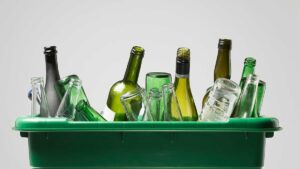
    The average American household uses about 150 pounds of glass containers each year, but more than two-thirds of that glass never gets recycled into new bottles. This isn’t because people aren’t trying. Glass is now the only common packaging material that costs recycling facilities more to process than they make from selling it, and the U.S. recycling system has been adapting to this problem for the past twenty years. According to the EPA, the U.S. has recycled about 31 percent of its glass conta
     

Glass: Recycling’s Negative-Value Problem

19 May 2026 at 11:00

The average American household uses about 150 pounds of glass containers each year, but more than two-thirds of that glass never gets recycled into new bottles. This isn’t because people aren’t trying. Glass is now the only common packaging material that costs recycling facilities more to process than they make from selling it, and the U.S. recycling system has been adapting to this problem for the past twenty years.

According to the EPA, the U.S. has recycled about 31 percent of its glass containers for the past ten years. In contrast, the European Union collected 80.8 percent of its glass containers in 2023. This gap isn’t because of how people act, but because of differences in infrastructure, policies, and the fact that glass is heavy, breakable, and not very profitable. As a result, glass no longer fits well in the single-stream recycling system most Americans use.

The math that broke glass recycling

Cullet, which is the industry term for crushed and sorted recycled glass, is a permanent material. It can be melted and reused over and over without losing quality. Adding 10 percent more cullet to a furnace reduces energy use by 2.5 to 3 percent and lowers CO₂ emissions by about 5 percent. If a furnace uses only cullet, it produces about 58 percent fewer emissions than making glass from raw materials like sand, soda ash, and limestone.

These numbers show that glass should be valuable to bottle makers. However, manufacturers want cullet that is color-sorted, clean, and ready for the furnace, which is rarely what comes out of single-stream recycling facilities.

A 2017 analysis by the Closed Loop Foundation found that single-stream glass costs U.S. recycling facilities $150 million each year in equipment damage, transportation, and disposal. On average, a facility loses about $35 for every ton of glass it handles. For example, a transfer station in Washington, D.C. spends about tens of thousands of dollars a year replacing screen baskets damaged by glass shards. When trucks unload, glass shards also get stuck in paper and cardboard, making those materials less valuable.

This is known as the negative-value problem. The glass itself isn’t worthless, because high-quality cullet can be sold. But the way glass is collected usually produces a dirty, color-mixed load, so it often ends up being used as road base, landfill cover when ground into sand-like consistency and laid over the day’s waste, or just thrown away.

How we built a system that loses money

The current U.S. glass recycling shortfall is largely the story of two infrastructure decisions made decades apart.

The first decision was moving to single-stream collection in the 1990s and 2000s. This change increased overall recycling rates but mixed glass with other materials. As a result, glass often arrived at recycling facilities already broken, contaminating other recyclables and damaging equipment designed for paper and plastic.

The second decision was to close glass-only drop-off programs as city budgets tightened. Without dedicated collection routes, like the ones used in Italy, Belgium, and Germany to recycle 90 percent of glass containers, American glass no longer had a clean way to be collected.

The exception is the 10 states with container deposit laws. These states, known for their bottle bills, recycle about 70 percent of beverage containers, which is more than twice the national average of 33 percent. Oregon’s deposit system achieved an 87 percent redemption rate in 2024, the highest in the country. Glass returned through deposit programs is typically clean, sorted, and unbroken — exactly what manufacturers want.

What does glass costs your household?

Consumers end up paying for glass twice. First, the cost of the bottle is included in the price of products like wine, beer, sauce, or seltzer. Second, people pay municipal recycling fees through property taxes, garbage bills, or both. These fees cover the average $ 62-per-ton landfill tipping fee in 2024, plus the extra cost of glass contamination that affects other recyclables.

The exact dollar figure varies wildly by region. New York City’s Department of Sanitation has estimated curbside recycling collection at $686 per ton, a number that includes labor, fuel, and equipment that reaches beyond what households see on their utility bills, but shows up in tax rates.

In states with bottle bills, the economics are different for households. A 5- or 10-cent deposit can be fully recovered, and if the home doesn’t recycle, others can generate income picking it up.

Glass that would have cost the city money instead becomes a small refund for the household and a clean material for manufacturers. This system covers the cost directly through fees for using glass, rather than spreading it across all taxpayers.

Glass emissions matter

Glass furnaces use a lot of energy compared to other packaging processes. Making 1 ton of container glass produces between 0.5 and 1.6 tons of CO₂, depending on the furnace’s efficiency and the amount of cullet used. Each ton of cullet used instead of raw materials saves about 0.67 tons of CO₂ and 1.2 tons of mined sand, soda ash, and limestone. soda ash, and limestone.

If you apply these numbers to the 6 million tons of glass containers that were landfilled in the U.S. in 2018—the most recent year for which the EPA provides data—the country misses out on about 4 million tons of avoided CO₂ emissions each year, plus more than 7 million tons of raw materials that could have been saved. This is a climate cost that the recycling rate alone cannot capture.

The Glass Packaging Institute and Boston Consulting Group have created a plan to raise the U.S. glass recycling rate to 50 percent by 2030. It focuses on expanding deposit programs, building dedicated glass processing facilities, and moving away from single-stream collection where possible. Reaching this goal would nearly double the current recycling rate without requiring people to change what they drink or how often they recycle.

What’s changing, and what isn’t

Seven states, including California, Colorado, Maine, Maryland, Minnesota, Oregon, and Washington, have passed extended producer responsibility (EPR) laws for packaging. These laws shift the cost of recycling from cities to the companies that sell the bottles. Oregon started enforcing its program in July 2025, and Colorado, Minnesota, and Maryland will phase in their programs by 2028.

EPR is the policy most likely to change the economics of glass recycling in the next decade. When producers pay recycling costs directly, they have to deal with contamination from single-stream recycling, not the recycling facility. This makes dedicated glass collection much more appealing. The European experience shows that this approach works, but it has not yet been tried on a large scale in the U.S.

What you can do

  • Check if your state has a bottle bill. If it does, redeem your deposit for a clean recycling stream and a small refund. If not, look up your local recycling options using the Earth911 recycling search before putting glass in your curbside bin.
  • If your area has glass-only drop-off sites, use them. Many cities offer free drop-off locations at transfer stations or grocery store parking lots. The glass collected from these sites is the type manufacturers prefer.
  • Rinse your bottles instead of crushing them. Whole bottles are easier to sort than broken pieces. Take off metal lids and recycle them separately.
  • Buy refillable bottles when possible. A refilled bottle does not use any cullet, raw materials, or the recycling system. Programs for returnable beer, milk, and water bottles are slowly becoming more common in the U.S.
  • Support extended producer responsibility and bottle-bill laws in your state. Most glass that gets recycled in the U.S. today comes from the 10 states with deposit programs. Expanding these programs is the most effective policy change available.

The post Glass: Recycling’s Negative-Value Problem appeared first on Earth911.

  • ✇Earth911
  • About That $3,000 Bag of Groceries in Your Trash Earth911
    Editor’s Note: This is the first article in a new Earth911 series, Where Waste Comes From, examining the largest sources of waste in the typical American household, what each category costs the family, what it costs the country, and what it costs the climate. We begin with food because food is the biggest category, because every household touches it every day, and because the lever any one family can pull on it is unusually large. A family of four in the United States throws out more than $3,000
     

About That $3,000 Bag of Groceries in Your Trash

28 April 2026 at 11:00

Editor’s Note: This is the first article in a new Earth911 series, Where Waste Comes From, examining the largest sources of waste in the typical American household, what each category costs the family, what it costs the country, and what it costs the climate. We begin with food because food is the biggest category, because every household touches it every day, and because the lever any one family can pull on it is unusually large.

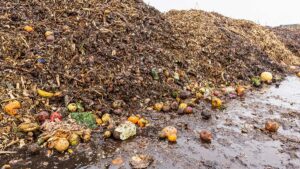
A family of four in the United States throws out more than $3,000 worth of food a year. Not “wastes” in the vague sense of eating too much or buying the wrong brand. We mean “throws out” — into the trash, into the disposal, or scraped off a plate into the bin, according to the 2026 ReFED U.S. Food Waste Report, the most current accounting of the problem.

Between uneaten groceries at home and plate waste at restaurants, American consumers discard roughly 35 million tons of food every year, about $259 billion in purchased calories, or $762 per person. Households pay for all of it, and bear most of it at home: residential food waste is the single largest slice of the consumer total.

The climate bill is equally devastating. All of that uneaten food carries an annual greenhouse gas footprint of 154 million metric tons of CO₂-equivalent, the same as driving 36 million passenger vehicles for a year. That food also required about 9 trillion gallons of water to grow — water that was never consumed by a human being. None of these resources made it to a table.

The waste stream inside the house

Food is the single largest component of landfilled material in the United States by weight, based on the EPA’s most recent sustainable materials accounting. EPA discontinued the comprehensive series after that December 2020 release; budget and staffing cuts under the current Trump administration have kept the report from being revived.

State waste studies provide continuing proof of the food waste epidemic, and the potential for progress. Washington’s 2020-2021 Statewide Waste Characterization Study found food waste accounted for nearly 20% of residential garbage. California’s 2021 Disposal Facility-Based Waste Characterization Study found organics, which includes food and yard waste, made up 28.4% of landfilled material, down from 34.1% in 2018, with the reduction credited largely to SB 1383, a state law that requires curbside organics collection for composting.

Where does food waste come from inside the home? ReFED’s consumer-behavior research, published in July 2025, breaks it down into four dominant habits:

Produce that spoiled before it was used. Fresh fruits and vegetables lose freshness quickly, cost less per pound than animal proteins, and tend to be bought in larger quantities than households consume.

Prepared food left over. The restaurant-style portion has migrated into the home kitchen. Leftovers are forgotten, buried, or mentally written off the moment a newer meal enters the fridge.

Confusion over date labels. “Sell by,” “best by,” and “use by” mean different things, are not federally regulated except for infant formula, and are frequently treated by consumers as expiration warnings when they are shelf-life guidance.

Over-purchasing against oversize packaging. The family-size bag of spinach and the 48-ounce jug of milk are typically the lowest per-unit price, and the highest risk of spoilage for small households.

ReFED revised its residential-waste estimate downward in its 2024 report by roughly 40 percent, or 17 million tons — not because household behavior improved, but because earlier estimates double-counted some flows. The overall residential waste picture is still enormous. It is also not shrinking. Consumer waste rates rose in the most recent data year even as overall U.S. food waste edged down, driven by retail and manufacturing progress that the home has not yet matched.

Burning a hole in your family budget

Let’s break down the national number to look inside a single household. A U.S. family of four spending roughly $12,000 to $15,000 a year on groceries throws away, on average, somewhere between 20 and 25 percent of it. The equivalent dollar number — $3,000 a year lost in the kitchen — is larger than the average American household’s annual spending on home energy, larger than most families’ annual clothing budget, and comparable to an annual car insurance premium. It is, in most households, the biggest single lever the family has on its grocery budget, climate footprint, and water footprint simultaneously. Very few household sustainability choices compound this cleanly.

Beyond the grocery-bill number, food waste generates costs the household pays for through taxes, utility fees, and environmental damage whether it knows it or not:

  • Landfill tipping fees: The 2024 Environmental Research and Education Foundation’s national tipping-fee survey put the weighted-average U.S. landfill tipping fee at $62.63 per ton, which is up 10 percent year over year — the largest annual increase since 2022. Every ton of food scraps sent to landfill is a ton charged against the municipal solid-waste budget that residents fund through utility bills and property taxes.
  • Landfill methane: Food waste is the single largest contributor to the methane emissions from U.S. landfills, which are the third-largest source of anthropogenic methane in the country.
  • Food insecurity: The 35 million tons of consumer food waste translate to nearly 58 billion meals that could have gone to people in need, while roughly 14 percent of Americans (1 in 7) experience food insecurity. The waste is not just resources; it is a distribution failure with a public-health cost downstream.
  • Water: Nine trillion gallons is an abstract number. It is roughly the volume of Lake Okeechobee. Every drop required an energy input for pumping, treatment, and, in the western third of the country, an increasingly scarce supply.

Where the infrastructure works, and where it doesn’t

Curbside organics collection, the municipal programs that pick up food scraps along with yard waste for industrial composting or anaerobic digestion, is available in parts of California, Oregon, Washington, Massachusetts, Vermont, Colorado, Minnesota, and a growing number of metro areas in other states. Where it runs, compostable collection materially shifts the numbers. San Francisco’s mandatory program, the oldest and most cited, diverts the majority of residential organic material from landfill and produces commercial-grade compost that returns to regional farms.

Outside those states, most households have no curbside pathway. Backyard composting is the most widely available option. For households without the space or the desire to compost at home, a small ecosystem of digital services has grown up to fill the gap municipal programs don’t cover. MakeSoil and Peels operate peer-matching platforms that connect people who have food scraps with neighbors who already run a compost pile, worm bin, or chicken coop. CompostNow runs paid curbside pickup in a growing list of cities, including Atlanta, Asheville, Cincinnati, and the Raleigh-Durham area, and partners with municipalities on drop-off programs elsewhere. ShareWaste, the original neighbor-matching service and the one most commonly cited in earlier reporting, unfortunately, was shuttered at the end of 2024.

Most of the household lever on food waste is not composting. It is prevention. Composting turns discarded food into a lower-impact product. It still represents calories, dollars, and upstream water and energy that never delivered their purpose. The first line of defense is buying, storing, and planning to match the family’s actual consumption. The second line is composting what remains.

Take Action

At the individual and household level, some simple steps can make a difference:

  1. Audit one week of your kitchen trash. Actually weigh or photograph a week of food-bin contents. Families who do this consistently identify their top three loss categories (usually produce, leftovers, and bread) within a single week, and those become the behavior targets.
  2. Shop the fridge, then the pantry, then the store. Before writing a grocery list, list what’s already on hand. Plan at least one “use it up” meal per week built around what is about to spoil.
  3. Learn date labels. “Use by” is the only label where food should not be eaten after the date, and only for a short list of products (infant formula, some deli meats). “Sell by” is inventory guidance for the retailer. “Best by” is quality guidance, not safety.
  4. Freeze aggressively. Bread, cheese, cooked grains, leftovers, and most produce (with minimal prep) all freeze well. Most household waste is time-based; the freezer pauses the clock.
  5. Start composting where collection exists, or set up a backyard or countertop system. Earth911’s recycling search tool lists local organics programs by ZIP code.

At the community and policy level, a little cooperation and activism can go a long way:

  1. Support mandatory organics collection where your state or city is considering it, then use the services when available. Organics bans have now passed in California (SB 1383, mentioned above), Vermont, Connecticut, Maryland, New Jersey, New York, Rhode Island, and Washington. The programs work only when households participate.
  2. Push for a unified federal date-label standard. Legislation has been introduced in every recent Congress. It has not passed.
  3. Work on food insecurity in the same room as food waste. The two issues belong on the same municipal agenda. Rescue organizations — Feeding America, City Harvest, community food-pantry networks — need volunteers and advocacy as much as they need donations.

The post About That $3,000 Bag of Groceries in Your Trash appeared first on Earth911.

  • ✇Earth911
  • Guest Idea: Gaming’s Console Upgrade Cycle Is a Growing E-Waste Problem Nobody Talks About Guest Contributor
    The PlayStation 4 sold approximately 117 million units over its lifetime, making it one of the best-selling consumer electronics products ever made. By 2025, Sony was winding down support for the platform, and tens of millions of those devices are now moving toward disposal. Only 22.3 percent of global e-waste reaches formal recycling, according to the UN’s Global E-waste Monitor 2024. The rest ends up in landfills, incinerators, or informal processing abroad. The PS4 is one example of a pattern
     

Guest Idea: Gaming’s Console Upgrade Cycle Is a Growing E-Waste Problem Nobody Talks About

8 June 2026 at 11:00

The PlayStation 4 sold approximately 117 million units over its lifetime, making it one of the best-selling consumer electronics products ever made. By 2025, Sony was winding down support for the platform, and tens of millions of those devices are now moving toward disposal. Only 22.3 percent of global e-waste reaches formal recycling, according to the UN’s Global E-waste Monitor 2024. The rest ends up in landfills, incinerators, or informal processing abroad.

The PS4 is one example of a pattern that repeats across every major console cycle. Gaming hardware is a significant and growing contributor to the e-waste stream, and the rate at which old devices are replaced consistently outpaces any manufacturer recycling effort.

What Goes Into a Console

A modern gaming console contains gold, copper, lead, nickel, zinc, lithium, cobalt, and cadmium, along with processed plastics and specialized circuit components. Extracting and purifying those materials involves complex global supply chains that frequently release hazardous compounds, including arsenic and mercury, into surrounding ecosystems. Some raw materials, including tungsten and gold, are sourced from regions linked to civil unrest and documented human rights concerns.

A life-cycle analysis of the PlayStation 4 found that manufacturing and shipping a single unit produces roughly 89 kilograms of CO2 equivalent. That figure does not include the energy consumed during years of use, the disposal of the device, or the environmental cost of the controller, cables, and accessories that accompany it.

When a household upgrades at a console launch, that manufacturing footprint is reset. The previous device is set aside, and producing the new one requires that same chain of extraction, processing, and shipping to start over.

The Scale of the Disposal Problem

The PS4’s long lifecycle shows how slowly hardware actually exits households. As Game File reported, roughly half of Sony’s 118 million monthly active PlayStation users were still on the PS4 years after the PS5 launched, largely because the newer console offered too little improvement to justify the cost. By 2025, that transition was finally underway, moving tens of millions of PS4 units toward disposal at scale.

The same dynamic has played out in every previous generation. Xbox One units are now reaching end of life. Nintendo Wii U consoles predated them. Devices accumulate in closets for years before they eventually reach the waste stream.

U.S. gaming consoles consume roughly 34 terawatt-hours of electricity per year, with an estimated 24 million metric tons of carbon emissions associated with that use. On the disposal side, the $91 billion in recoverable metals sitting in the 2022 global e-waste pile, most of it lost to informal processing or landfill, reflects a recycling gap that gaming hardware contributes to.

Mid-Generation Upgrades Add to the Problem

Beyond full generational cycles, manufacturers have introduced mid-cycle hardware refreshes. The PS4 Pro, Xbox One X, and PlayStation 5 Pro each offered improved performance for players who already owned the previous model. Unlike a full generation transition, these upgrades carry no technical requirement to stop using the older device. A 2016 analysis noted that mid-generation consoles encourage disposal of hardware that remains fully functional, without the platform incompatibility that at least makes a generational upgrade necessary for some players.

Trade-in programs offer credits toward the new device, but the value paid for an older console is typically far below its replacement cost. The traded-in unit often passes through several resale steps before eventually reaching the waste stream.

Where Manufacturer Responsibility Falls Short

Sony and Microsoft have both published sustainability commitments. Microsoft has pledged to make its Xbox division carbon negative by 2030. Newer console models include energy-saving standby modes. A 2021 National Resources Defense Council analysis, however, found that those modes go largely unused, with most players defaulting to instant-on settings that consume significantly more electricity.

On device disposal, no major console manufacturer has a take-back program at the scale of the devices it sells. There is no PS4 collection initiative, no Xbox One recovery program. The burden of keeping those devices out of landfills falls primarily on individual consumers.

Gaming Without Dedicated Hardware

Some gaming takes place without any dedicated hardware at all. Browser-based gaming platforms run on devices people already own, whether that is a laptop, phone, or tablet. Platforms like Poki, which reached 100 million monthly players and recorded one billion gameplays in a single month in 2025, offer over 1,500 titles that load in a browser without installation. That approach avoids the manufacturing footprint of a dedicated gaming device and the upgrade cycle that follows it.

Browser gaming is a small fraction of the overall market. Most gaming still runs on dedicated consoles and high-performance PCs. But it is one example of a model where play does not require a purpose-built device.

What You Can Do

Extending the life of current hardware has more impact than any individual recycling action. Beyond that, there are a few practical steps.

  • Keep hardware longer. A console used for eight years instead of five spreads its manufacturing footprint over a longer period. Mid-generation refreshes are optional upgrades, not replacements.
  • Find a recycler. Earth911’s recycling search tool accepts “game consoles” as a search term and returns local drop-off options by ZIP code. Best Buy and Staples accept gaming hardware for recycling at no charge.
  • Use certified recyclers. The e-Stewards certification identifies recyclers that meet standards for safe handling and do not export devices to informal processing sites, where hazardous materials can harm workers and nearby communities.
  • Buy refurbished or previous-generation. A PS4 in 2026 runs the vast majority of available titles. Buying one secondhand extends the life of an existing device at no additional manufacturing cost.
  • Donate working hardware. Organizations like PCs for People accept game consoles. A device that still functions is more useful rehomed than processed for scrap.

Gaming consoles are consumer electronics, and they carry the same end-of-life problems that come with any complex device. The upgrade cycle moves faster than recycling infrastructure can accommodate. Understanding that gap is a starting point for making different choices about when to upgrade, where to bring old hardware, and what to buy next.

About the Author

This sponsored article was written by Christopher Baude.

The post Guest Idea: Gaming’s Console Upgrade Cycle Is a Growing E-Waste Problem Nobody Talks About appeared first on Earth911.

  • ✇Earth911
  • Electronics: The Fastest-Growing Waste Stream in Your Home Earth911
    24. That is the average number of electronic devices sitting in a typical American home right now. Phones in drawers, tablets behind the TV, chargers without their devices, and devices without their chargers. Most of those products are headed for a landfill or a shipping container, not a recycler. Electronics are the fastest-growing solid waste stream on the planet, and U.S. households are an outsize engine. The UN’s Global E-waste Monitor 2024 found that global e-waste reached a record 62 milli
     

Electronics: The Fastest-Growing Waste Stream in Your Home

12 May 2026 at 11:00

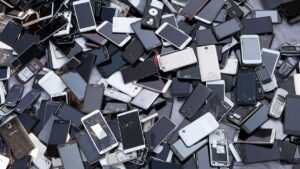
24. That is the average number of electronic devices sitting in a typical American home right now. Phones in drawers, tablets behind the TV, chargers without their devices, and devices without their chargers. Most of those products are headed for a landfill or a shipping container, not a recycler.

Electronics are the fastest-growing solid waste stream on the planet, and U.S. households are an outsize engine. The UN’s Global E-waste Monitor 2024 found that global e-waste reached a record 62 million tons in 2022, which is up 82 percent since 2010, and is rising five times faster than electronics recycling capacity. Americans produce roughly 46 to 48 pounds of it per person per year. Most of those discarded devices contain materials worth real money and environmental harms worth understanding.

The 2022 e-waste pile contained an estimated $91 billion in recoverable metals, according to the United Nations, including roughly $19 billion in copper, $16 billion in iron, and $15 billion in gold. About $62 billion of that value was lost to landfills, incinerators, or unregulated dumping.

Translate that into household terms. The metals in a single discarded smartphone include small but meaningful quantities of gold, silver, palladium, copper, and cobalt. Multiply by the 151 million cell phones, 40 million computers, 20 million televisions, and 23 million small appliances Americans throw away each year, and the unrecovered value runs into the billions for U.S. households alone.

The materials don’t disappear; they just stop circulating. Mining companies extract more virgin gold and copper from the ground while millions of pounds of the same metals sit on shelves in junk rooms and lie fallow in landfills.

What’s Driving the Growth

The average U.S. smartphone replacement cycle has stretched to 3.64 years in 2024, according to Assurant; that’s up from under 3 years a decade ago, yet the underlying hardware can typically last 5 to 7 years with software support. That gap between when consumers upgrade and when the device actually fails is where most e-waste is born.

Behind the phones, a longer parade of devices is generating serious volume. Wearables, smart speakers, e-cigarettes, lithium-powered toys, and cheap rechargeable accessories now show up in municipal waste streams in quantities that did not exist a decade ago. The WHO documented more than 1,000 hazardous substances associated with informal e-waste recycling, including lead, mercury, and brominated flame retardants, all of which can leach from devices that are crushed or burned rather than processed properly.

What the U.S. Actually Recycles

The picture here is genuinely confusing, and reporting that pretends otherwise is wrong. The most-cited EPA estimate of consumer electronics recycling puts the U.S. rate at 38.5 percent, but that figure dates from 2018. More recent independent estimates put the actual U.S. rate closer to 15 percent, with global formal recycling at 22.3 percent in 2022. The gap between the two numbers reflects the difference between what enters a recycling program and what actually gets recovered as usable material.

The remainder follows three main paths. Some heads to U.S. landfills, where heavy metals contribute to leachate problems. Some is incinerated, releasing dioxins from PVC and other plastics. And roughly 90 percent of exported e-waste is processed in low- and middle-income countries, where informal recyclers — often including children — strip devices by hand or by burning. A systematic review in PubMed Central links e-waste exposure in children to reduced lung function, altered thyroid function, ADHD, and lower cognitive scores. None of that shows up on the product box when you buy it.

The Household Financial Picture

Households absorb the cost from two directions at once. They pay for new devices that replace working products, and they leave material value on the table when they discard what they own.

A reasonable estimate, using the per-capita value of unrecovered e-waste metals from the UN report and U.S. generation rates, puts the recoverable value sitting in the average American household’s old electronics in the range of several hundred dollars over a few years. That is metal the household paid for, embedded in devices the household paid for, and the household will not recover unless the device reaches a refiner that can extract it.

The cost on the other side — replacement spending — is easier to size at the industry level than the household level. The Consumer Technology Association puts U.S. consumer technology retail revenue at roughly $505 billion in 2024, which works out to nearly $3,900 per household when spread across the 131 million U.S. households tracked by the BLS Consumer Expenditure Survey. Even allowing for wide variation across income tiers, much of that spending replaces devices that were repairable or still functional.

Right to Repair Is Starting to Bite

The most consequential policy shift on e-waste in the past two years has been the spread of right-to-repair legislation. As of mid-2025, eight states have passed right-to-repair laws covering consumer electronics: New York, California, Minnesota, Oregon, Colorado, Maine, Washington, and Massachusetts. Oregon’s law, which took effect January 1, 2025, became the first in the country to explicitly ban “parts pairing,” the practice of using software to disable replacement components installed by independent shops.

These laws do not immediately reduce e-waste, but they change the economics. When manufacturers must supply parts, tools, and documentation to independent repairers, the cost of fixing a phone or laptop drops. When repair is cheaper than replacement, more devices stay in service. The Repair Association tracks more than 40 active bills across at least 20 states in 2025.

Extended Producer Responsibility (EPR) for electronics covers 24 states, but there is substantial variation in how well-funded and enforced those programs are. A patchwork is still better than nothing, but the absence of a federal framework means a device thrown away in one state may be treated as toxic and a device thrown away in another may end up in a regular dumpster.

What You Can Do

The interventions here are tiered, with very different impacts depending on where you can act.

At home:

  • Before replacing a device, check whether repair is feasible — battery swaps and screen replacements are the two most common smartphone failures and both are repairable.
  • Sell or donate working electronics rather than storing them. The Earth911 recycling search tool provides local options by ZIP code.
  • For batteries, including the lithium cells in earbuds, e-bikes, vapes, and power tools, use The Battery Network (formerly Call2Recycle), the North American battery stewardship program, which operates collection sites at most major retailers.
  • For phones specifically, manufacturer trade-in programs (Apple, Samsung, Google) and carrier programs typically capture more material than dropping a phone in a generic recycling bin, because the devices are tested for reuse first.
  • Buy refurbished when you can. Certified refurbished phones and laptops are typically 30 to 50 percent cheaper than new and have the same useful life.

In your community:

  • If your state hasn’t passed a right-to-repair law, ask your legislators why. The model bill from the PIRG Right to Repair coalition is a good starting reference.
  • Support EPR legislation that puts the cost of end-of-life management on manufacturers, not municipalities.
  • Push back on devices that are designed against repair — glued-in batteries, paired parts, and service-only components — by buying brands that score well on iFixit’s repairability index.

Individual household action on e-waste matters, but it is not where the leverage lives. Changing product designs and recycling policy, both of which are moving slowly in the right direction, is the path to a more sustainable electronics industry. Your household choices buy time and recover value while the larger system catches up.

The post Electronics: The Fastest-Growing Waste Stream in Your Home appeared first on Earth911.

❌
Subscriptions