Normal view

  • ✇Popular Science
  • An extinct human species made surprisingly creative butchery tools Laura Baisas
    A remarkable collection of ancient stone tools proves that human creativity can thrive in challenging times. The complexity of the stone tools found amidst the bones of butchered animals in central China demonstrate an elevated level of intelligence and creativity. Early humans forged the tools during an ice age 146,000 years ago, not during the relative ease of a warm period. According to a study published today in the Journal of Human Evolution, this challenges the idea that the early humans 
     

An extinct human species made surprisingly creative butchery tools

7 May 2026 at 11:00

A remarkable collection of ancient stone tools proves that human creativity can thrive in challenging times. The complexity of the stone tools found amidst the bones of butchered animals in central China demonstrate an elevated level of intelligence and creativity. Early humans forged the tools during an ice age 146,000 years ago, not during the relative ease of a warm period. According to a study published today in the Journal of Human Evolution, this challenges the idea that the early humans  could not innovate. 

“People often imagine creativity as something that flourishes in good times,” Yuchao Zhao, a study co-author and the assistant curator of East Asian archaeology at the Field Museum in Chicago, said in a statement. “Finding out that these stone tools were made during a harsh ice age tells a different story. Hard times can force us to adapt.”

A distant human cousin

The stone tools were found at the Lingjing archaeological site in central China. An early human species called Homo juluensis, a cousin of our own species, occupied the area. While they went extinct about 50,000 years ago, Homo juluensis had a very large brain size and traits seen in both eastern Asian archaic humans and Neanderthals in Europe.

Until recently, archaeologists believed that ancient humans in East Asia during the late Middle Pleistocene (300,000-120,000 years ago) did not make many significant technological advances, compared to the early humans living in Europe and Africa. However, the Lingjing stone tools tell a different story.

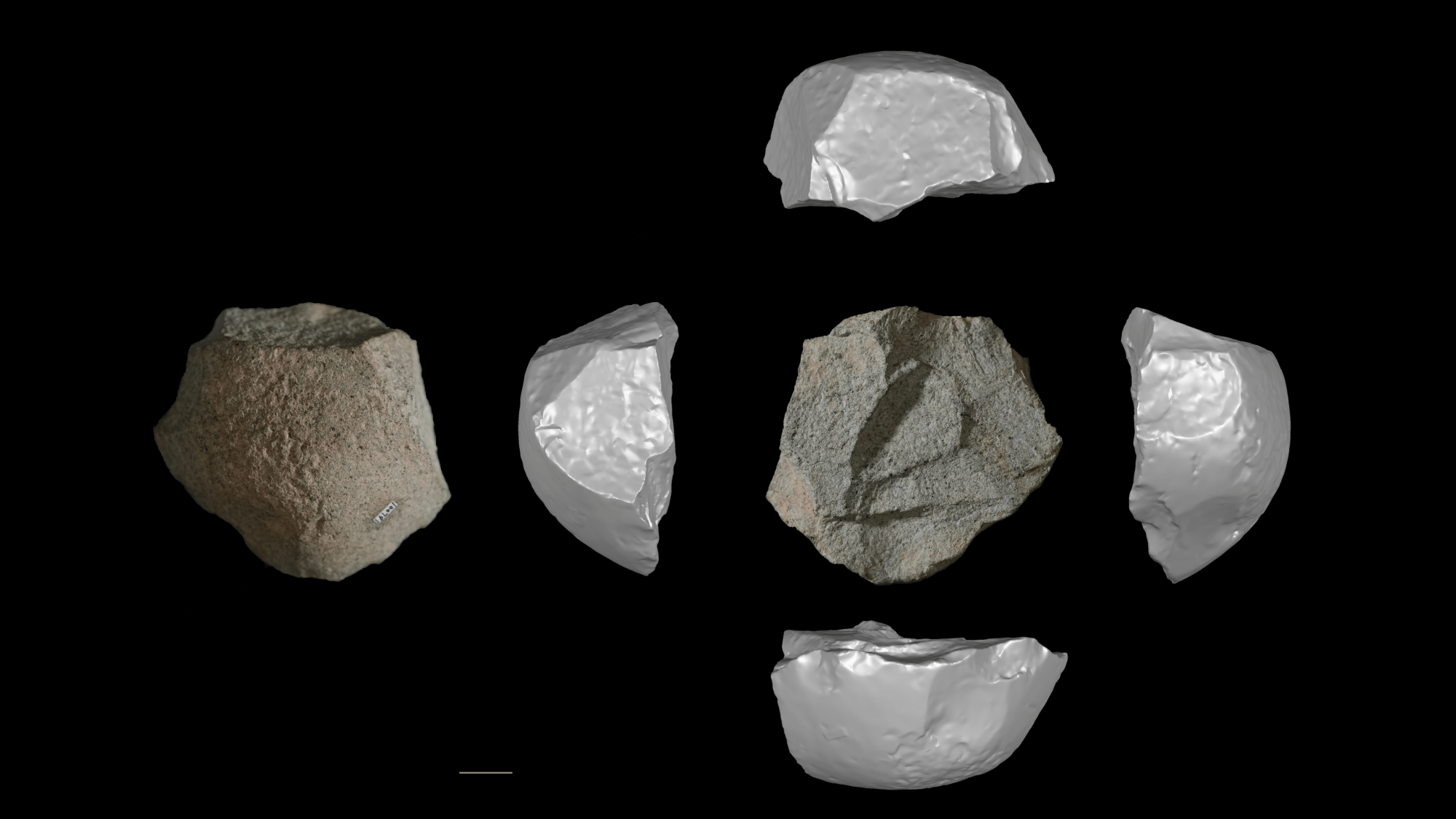
The disc-shaped stone cores at Lingjing were part of a detailed, carefully organized tool-making process. Homo juluensis built them by striking small stones against larger stone cores. Some of the cores were wired evenly on both sides. Other cores were more carefully built. One side was primarily a surface to strike from. The other side was shaped to produce sharp flakes.

According to the team, these asymmetrical cores are especially important. They indicate that prehistoric humans were not just knocking off pieces of a stone at random. Instead, they were managing the core as a three-dimensional object, where surfaces have different roles, while keeping the right angles for producing useful flakes.

Related Stories

“This was not casual flake production, but a technology that required planning, precision, and a deep understanding of stone properties and fracture mechanics,” said Zhao. “The underlying logic of this system—and the cognitive abilities it reflects—shows important similarities to Middle Paleolithic technologies often associated with Neanderthals in Europe and with human ancestors in Africa, suggesting that advanced technological thinking was not limited to western Eurasia.”

The stone artifacts left behind by the Homo juluensis’ living at Lingjing suggest that they were capable of complex thought and creativity. However, this story  further complicates a shift in the timeline of how long ago these tools were made.

Aging bones

Homo juluensis at Lingjing would butcher animals like deer, with their bones found alongside the stone tools. A rib from a deer-like animal found at Lingjing contained several glittering calcite crystals—an important particle for dating objects. Calcite crystals have trace amounts of uranium, which degrades into another element called thorium over time. Scientists can then tell the age of the crystal by measuring the ratio of uranium to thorium present inside of a calcite crystal.

“The calcite crystals inside the bone acted like a natural clock, allowing us to refine the age of the site,” says Zhao.

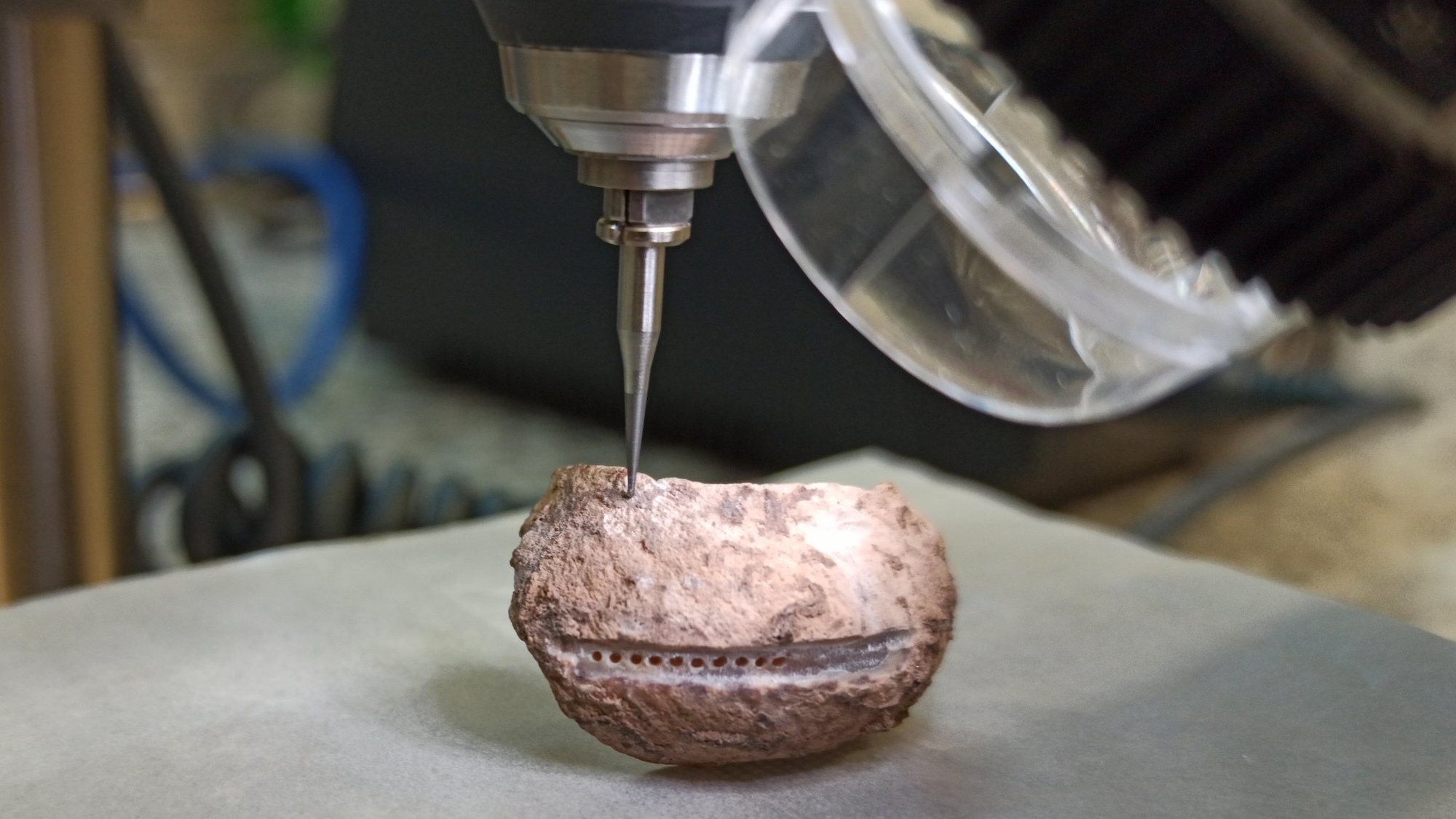
crystals inside of a bone
Crystals growing inside a bone found at the Lingjing archaeological site; these crystals were used to date the site, and the tools found there, to an ice age 146,000 years ago. Image: Photo by Zhanyang Li.

Based on this new analysis, the team believes that these tools date back about 20,000 years older than scientists once believed. While 20,000 years doesn’t sound like  a huge amount of time in the grand scheme of things, it’s an important difference. They were likely made during a harsh and cold ice age instead of a warm period. With this new timeline, these tools were likely adaptations for surviving hard times.  

“Altogether, this research reveals a much richer story of innovation, intelligence, and human evolution in East Asia,” says Zhao.

The post An extinct human species made surprisingly creative butchery tools appeared first on Popular Science.
  • ✇Popular Science
  • Sex jumpstarted Earth’s animal biodiversity Andrew Paul
    Evolution is responsible for Earth’s stunningly diverse spectrum of life, but that wasn’t always the case. In fact, the earliest eras of living organisms were comparatively boring. The earliest known animals date back about 635 million years (during the Ediacaran Period), yet they look remarkably similar to their descendents 96 million years later at the dawn of the Cambrian. Why did evolution remain so stable for so long? It might be simply because Earth’s first creatures simply weren’t havi
     

Sex jumpstarted Earth’s animal biodiversity

9 June 2026 at 15:45

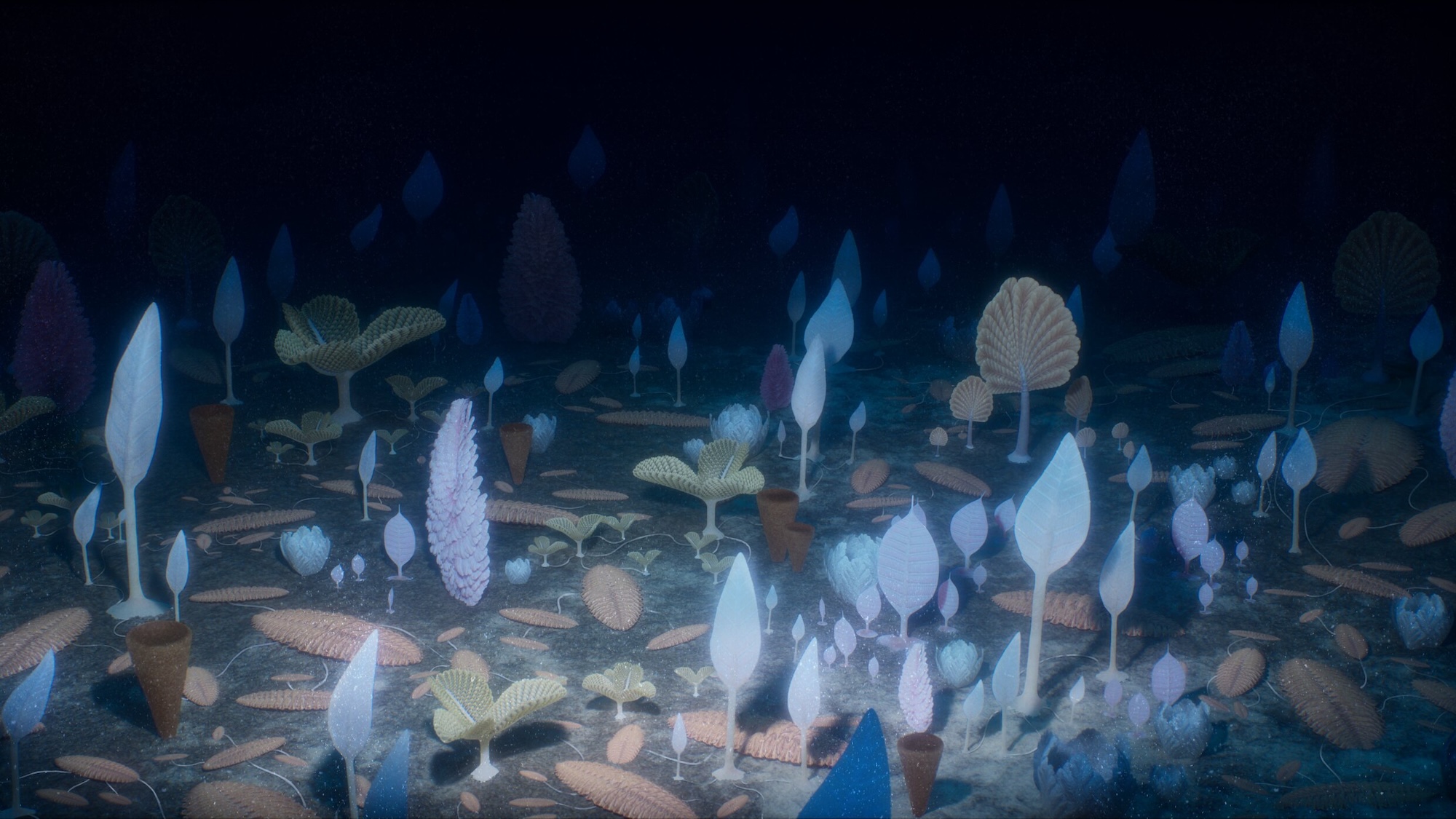
Evolution is responsible for Earth’s stunningly diverse spectrum of life, but that wasn’t always the case. In fact, the earliest eras of living organisms were comparatively boring. The earliest known animals date back about 635 million years (during the Ediacaran Period), yet they look remarkably similar to their descendents 96 million years later at the dawn of the Cambrian.

Why did evolution remain so stable for so long? It might be simply because Earth’s first creatures simply weren’t having much sex.

“Life was pretty nice during the Ediacaran, so the need for sex was rather limited,” Emily Mitchell, a paleozoologist at the University of Cambridge, explained in a statement. “There was relatively little competition, so there was no real pressure to change anything.”

Along with her colleague Andrea Manica, Mitchell recently combined spatial analysis and laser scanning with machine learning to analyze 574-million-year-old fossils excavated from southernmost Newfoundland’s Mistaken Point. Their findings, published today in the journal Nature Ecology & Evolution, show that the earliest animals’ reliance on asexual reproduction kept things largely uniform, and reduced the struggle for resources.

Fossils of Fractofusus
Fossils of Fractofusus, an animal from the Ediacaran period. Credit: Emily Mitchell

They offered Fractofusus as a prime example. At over 6.5 feet tall, the fern-like creatures dwarfed most of their oceanic relatives and likely lacked organs or mouths. They also absorbed food from the surrounding water while remaining anchored in place, reproducing through clones distributed by stolons or runners like present-day strawberry plants.

“If you’re connected to your neighbor by these runners, then you’re sharing nutrients and you don’t need to compete with them,” said Manica.

From there, the team constructed a machine learning model to approximate how Fractofusus and its fellow Ediacaran animals possibly behaved through varying reproductive strategies. The program’s neural network then identified simulations that aligned with known fossil record diversity patterns. Known as Approximate Bayesian Computation let them basically travel back in time to estimate how animals proliferated and squared off for limited resources.

They now believe the Ediacaran Period’s overall tranquility (and sexlessness) began to get complicated as species gradually migrated from deep waters to shallower regions. Once there, ancient animals endured new stressors like temperature swings, nutrient deficits, tides, and even storms. Life then adapted to face these increased threats—and left behind more fossils. The story they tell indicates that environmental stress often precedes a rise in sexual reproduction versus other methods of procreation. 

“When that happens, we can see a massive increase in dispersal distances as animals attempt to colonize new areas due to an increase in competition,” said Mitchell.

These shifting trends eventually ushered in what’s known as the Ediacaran “second wave” of animal evolution, which further amplified millions of years later during the Cambrian era, as animals started physically moving through their environments.

“If you’re suddenly in an environment where you’re essentially getting killed a couple of times per year, then that changes everything,” Mitchell explained.

The post Sex jumpstarted Earth’s animal biodiversity appeared first on Popular Science.

  • ✇Popular Science
  • Neanderthals dined on shellfish much earlier than humans Andrew Paul
    For decades, many paleoarchaeologists believed Neanderthals went extinct largely because they just weren’t intelligent enough to compete with their Homo sapien relatives. However, mounting historical evidence suggests this was far from the case. The latest discovery to help the Neanderthal’s reputation ion? The ancient hominins knew when and how to safely snack on shellfish potentially thousands of years before their human descendants. The findings published today in the Proceedings of the Na
     

Neanderthals dined on shellfish much earlier than humans

18 May 2026 at 19:00

For decades, many paleoarchaeologists believed Neanderthals went extinct largely because they just weren’t intelligent enough to compete with their Homo sapien relatives. However, mounting historical evidence suggests this was far from the case. The latest discovery to help the Neanderthal’s reputation ion? The ancient hominins knew when and how to safely snack on shellfish potentially thousands of years before their human descendants.

The findings published today in the Proceedings of the National Academy of Sciences focus on Neanderthals who lived at Los Aviones Cave in present-day Cartagena, Spain. Researchers discovered the remains of 115,000-year-old mollusks including gastropods and limpets that were clearly harvested as food. This contradicts past theories about Neanderthals, which suggested they had difficulty adapting to coastal environments and utilizing marine resources. What’s more, the Neanderthals here didn’t eat shellfish in large quantities all the time. Instead, they knew to make the most of them between November and April during the colder seasons.

Cave next to ocean water
Los Aviones Cave in Spain is a notable Neanderthal archaeological site. Credit: ICTA-UAB

“They consumed marine resources throughout the year, but with a very clear preference for winter and autumn months,” explained Asier García-Escárzaga, a study co-author and archaeologist at Spain’s Universitat Autònoma de Barcelona Institute of Environmental Science and Technology.

García-Escárzaga says this seasonal pattern often followed by more modern human populations in Europe wasn’t a coincidence. The winter reproduction cycle of many mollusks also results in higher amounts of meat as well as improved flavor and texture. Summer months increase health risks like toxic algae contamination or rapid spoiling.

But how did researchers determine exactly when these shellfish were harvested? It all has to do with the mollusks’ shell carbonate and their oxygen isotopic levels. This level fluctuates depending on seawater temperature and functions like a “prehistoric thermometer,” according to García-Escárzaga.

The findings reveal that Spain’s coastal Neanderthals relied on a diverse diet featuring high-quality oceanic proteins filled with Omega-3 and zinc, both of which aid in reproductive health and brain development. With that in mind, it’s entirely possible that humans’ closest evolutionary ancestors influenced our own love of shellfish.

“What we see at Los Aviones is a fully modern subsistence strategy,” García-Escárzaga and his colleagues wrote in their study.

The post Neanderthals dined on shellfish much earlier than humans appeared first on Popular Science.
  • ✇Popular Science
  • Leg evolution made most humans right-handed Andrew Paul
    It would make more sense if only a few related cultures exhibited it, but the trait is everywhere. No matter where you are in the world, the humans living there are about 90 percent right-handed while the remaining 10 percent are predominantly left-handed. This curious facet isn’t seen in our primate relatives, either. Evolutionary biologists and neuroscientists have spent decades trying to understand why the vast majority of Homo sapiens prefer using their right limb, but have since come up…
     

Leg evolution made most humans right-handed

18 May 2026 at 15:15

It would make more sense if only a few related cultures exhibited it, but the trait is everywhere. No matter where you are in the world, the humans living there are about 90 percent right-handed while the remaining 10 percent are predominantly left-handed. This curious facet isn’t seen in our primate relatives, either.

Evolutionary biologists and neuroscientists have spent decades trying to understand why the vast majority of Homo sapiens prefer using their right limb, but have since come up…well, empty handed. According to researchers at the University of Oxford in the U.K., the answer may finally be within our grasp. After comparing behavioral, neurological, and social characteristics from 41 species of monkeys and apes with humans, they say the answer isn’t found in our hands at all. It’s in our legs.

Their findings are detailed in a study recently published in the journal PLOS Biology. Using a statistical modeling framework focused on interspecies evolutionary relationships, researchers first considered some of the most prominent theories on handedness. These included aspects like diet, habitat, body mass, social structures, tool usage, and locomotion. In every case, we humans remained outliers in patterns that otherwise might explain the attribute in other primates.

They then introduced two hypothetical influences into their comparisons: brain size and the length ratios between legs and arms. That arm-leg ratio may seem arbitrary, but it’s considered a standard reference point for bipedal movement. Once these traits were included, humanity’s handedness exception disappeared entirely. Basically, big brains and long legs correlate directly with dominant hands.

“This is the first study to test several of the major hypotheses for human handedness in a single framework. Our results suggest it is probably tied to some of the key features that make us human, especially walking upright and the evolution of larger brains,” study co-author and University of Oxford evolutionary anthropologist Thomas Püsche said in a statement. “By looking across many primate species, we can begin to understand which aspects of handedness are ancient and shared, and which are uniquely human.”

The new approach meant that Püsche’s team didn’t have to stop there. With the same modeling, researchers estimated handedness preferences across extinct human ancestors. The results align with a slow evolutionary shift towards the right limb. Early hominin species like Ardipithecus and Australopithecus likely only had slight leanings towards right-hand dominance comparable to present-day great apes. However, the arrival of the Homo genus saw increasing right-handedness through Homo ergaster, Homo erectus and Neanderthals. The culmination can now be seen in Homo sapiens.

The study’s authors did note an interesting exception to the rule in Homo floresiensis, the famous “hobbit” ancestors native to Indonesia. At the same time, their physiology likely explains the outlier. H. floresiensis featured a small body and brain that specialized in upright climbing and walking, not full bipedalism.

With these conclusions, researchers now believe two phases took place for humanity’s transition to overwhelming right-handedness. Ancient ape ancestors first started walking upright, which then allowed them to use their upper limbs more frequently for other tasks. As brains continued to develop and grow, rightward focus solidified in today’s H. sapiens.

“Our findings identify bipedalism and neuroanatomical expansion as likely key drivers of uniquely human lateralization, while also revealing broader ecological patterns shaping handedness across primates,” the study’s authors wrote.

From here, researchers hope to study how human cultures further entrenched right-handed dominance, why left-handed alternatives still exist at all, and if similar limb trends are visible in other animals.

“This work provides a framework for disentangling human-specific adaptations from general primate trends in the evolution of behavioral asymmetries,” the team added.

The post Leg evolution made most humans right-handed appeared first on Popular Science.
  • ✇Popular Science
  • New box jellyfish name warns of ‘death from behind’ Andrew Paul
    A recently discovered box jellyfish species living in near Singapore looks nearly identical to another jellyfish previously discovered by the same scientist. But regardless of whether or not you can tell Chironex blakangmati and Chironex yamaguchii apart, you’ll want to steer clear of both of them. Box jellyfish didn’t earn their “sea-wasp” nickname for yellow-and-black stripes. Cheryl Ames, a marine biologist at Japan’s Tohoku University, collected C. blakangmati during an expedition near th
     

New box jellyfish name warns of ‘death from behind’

23 May 2026 at 15:22

A recently discovered box jellyfish species living in near Singapore looks nearly identical to another jellyfish previously discovered by the same scientist. But regardless of whether or not you can tell Chironex blakangmati and Chironex yamaguchii apart, you’ll want to steer clear of both of them. Box jellyfish didn’t earn their “sea-wasp” nickname for yellow-and-black stripes.

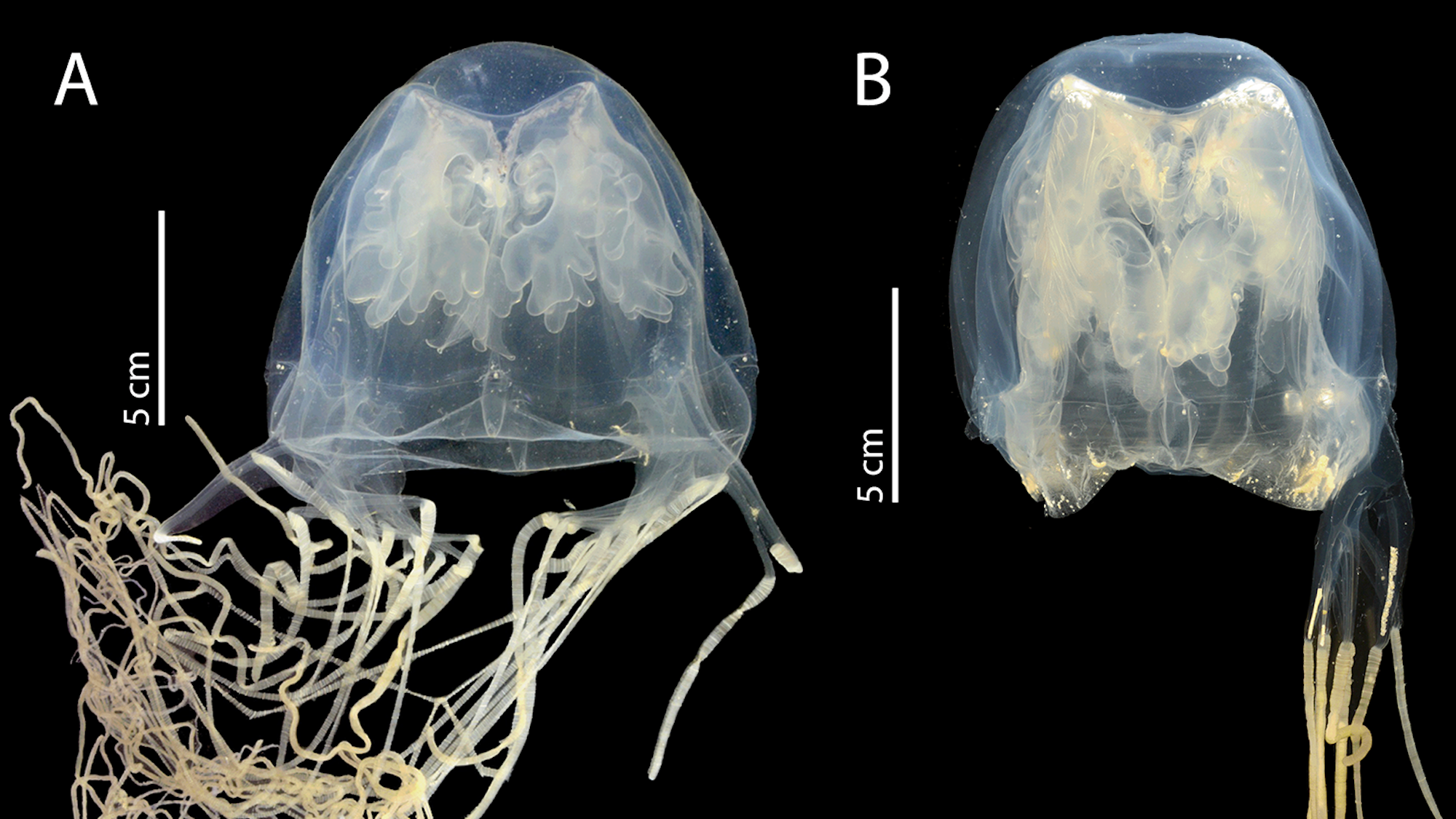
Cheryl Ames, a marine biologist at Japan’s Tohoku University, collected C. blakangmati during an expedition near the coast of Singapore’s Sentosa Island. The team initially assumed the invertebrate was an example of C. yamaguchii, but later genomic testing revealed something else entirely.

“We realized they were completely distinct,” Ames explained in a statement. “I actually went back to dust off an old sample of C. yamaguchii I still had in storage in Okinawa to help with the comparisons.”

Apart from genetics, the key difference setting C. blakangmati apart from its three known Chironex relatives is its perradial lappets. This anatomical feature on the bottom of the box jellyfish’s bell-shaped body strengthens the pulsating musculature that propels it through the water. Other Chironex species include pointy canals at the tips of their perradial lappets, but C. blakangmati notably does not.

Canals or not, they are remarkable creatures. The vast majority of jellyfish don’t rely on vision and passively float in ocean currents, but members of the Chironex genus do not. Instead, they have evolved complex eye organs that help them locate prey. They then use that same musculature supported by the perradial lappets to actively swim through the water towards its target.

In this sense, C. blakangmati certainly lives up to its scientific name. Sentosa may be Malay for “peace and tranquility,” but the island once called something very different. Historically, it is also known as Pulau Klakang Mati, which translates to the “Island of Death from Behind.”

The post New box jellyfish name warns of ‘death from behind’ appeared first on Popular Science.
  • ✇Popular Science
  • Sturgeon sex creates thundering noise in New York Margherita Bassi
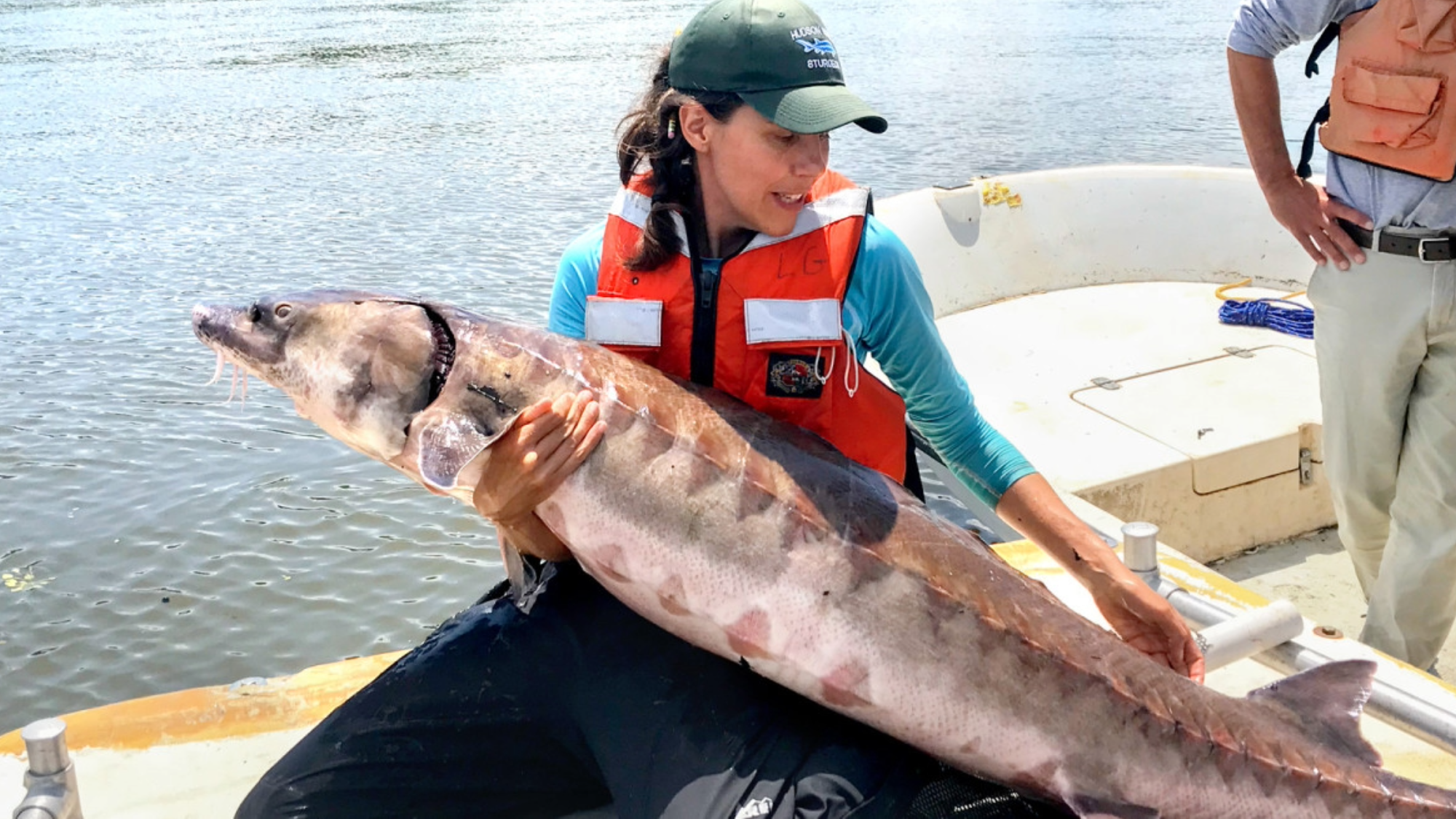
    Something strange is happening in the brackish waters of New York’s Hudson River. It sounds like a sort of low thundering, and while anything is possible in a lively body of water so closely associated with the Big Apple, it’s not the Teenage Mutant Ninja Turtles training with their rat sensei Splinter. Instead, scientists say that the mysterious sound is made by the reproductive antics of an endangered fish called Atlantic sturgeon (Acipenser oxyrinchus). Writing in a recent Endangered Speci
     

Sturgeon sex creates thundering noise in New York

8 June 2026 at 14:12

Something strange is happening in the brackish waters of New York’s Hudson River. It sounds like a sort of low thundering, and while anything is possible in a lively body of water so closely associated with the Big Apple, it’s not the Teenage Mutant Ninja Turtles training with their rat sensei Splinter. Instead, scientists say that the mysterious sound is made by the reproductive antics of an endangered fish called Atlantic sturgeon (Acipenser oxyrinchus).

Writing in a recent Endangered Species Research paper, the team is the first to verify the Atlantic sturgeon’s thundering. The noise is probably caused by males thrashing—and their swim bladders’ resonance—as they fertilize eggs, according to researchers. 

“It’s almost that you feel it more than you hear it,” Maija Niemistö, a researcher from the New York State Water Resources Institute and co-author of the study, said in a press release. “You can hear these chirps and squirts and bubbles underwater, but this is a different experience entirely. These are ancient fish, and the thunder – it’s almost like you’re brought back in time, because they’ve been making this sound, communicating with each other, for millions of years. It’s awe-inspiring.”

They are also classified as Endangered. In the spring, these giants leave the ocean to swim up the Hudson River to spawn. For sturgeon, this reproductive behavior involves males and females releasing their necessary parts into the water. In other words, the egg doesn’t fertilize inside of the female fish. 

The team eavesdropped on the crucial life cycle process with passive acoustic monitoring. They recorded sound within the waters of the Hudson River with underwater microphones for long periods of time. Though this noninvasive strategy is a common approach in marine and terrestrial research, it hasn’t been used as much in rivers and lakes with more freshwater. 

Now, the team’s discovery of sturgeon thundering provides the New York State Department of Environmental Conservation (NYSDEC) with an additional way to help monitor and better understand  Atlantic sturgeon behavior. As we frequently report, the more researchers know about a species, the more equipped they are to protect it. 

And the Atlantic surgeon certainly needs it. In the 19th and 20th century, overfishing greatly decreased their populations. Unfortunately, almost 30 years of protection hasn’t helped the species make a comeback. Part of the problem is that female Atlantic sturgeons can wait up to two decades before their first spawn.

“That’s why they’re so susceptible to overfishing,” added Amanda Higgs, also co-author of the study and a fisheries biologist with NYSDEC Hudson River Fisheries Unit. 

Eggs could represent 20 percent of a female’s substantial weight and fisheries were interested in their caviar. “A female was a lucrative catch,” Higgs added, “and so they got wiped out relatively quickly because they don’t have the ability to reproduce and replace themselves quickly.” 

While experts estimate that 6,000 Atlantic sturgeon spawned in its waters before the late 1800s, today less than 700 spawn here. Nonetheless, the Hudson River is home to the species’ largest population. 

Moving forward, the team can listen for previously unknown spawning grounds, enabling the state to deal out protections for these endangered river giants. 

The post Sturgeon sex creates thundering noise in New York appeared first on Popular Science.
  • ✇Popular Science
  • ‘Two-headed snake’ confuses predators Andrew Paul
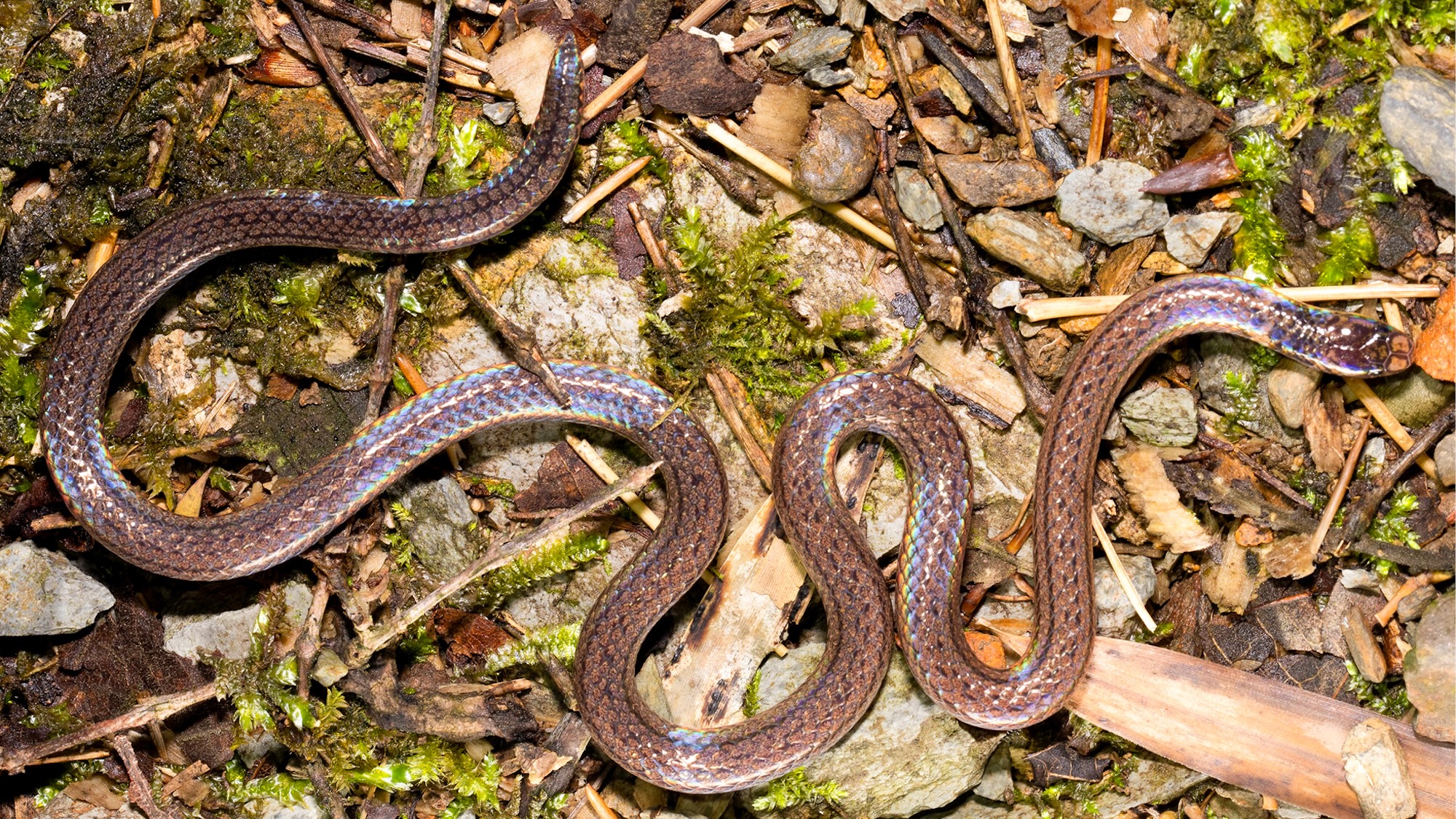
    Only around 600 of the nearly 4,000 known snake species are venomous. The recently discovered Guangxi reed snake (Calamaria incredibilis) in China is not one of those species, but its alternative defense mechanism is strange enough to keep most predators at bay. According to a study recently published in the journal Zoosystematics and Evolution by biologists at the Natural History Museum of Guangxi, C. incredibilis wields its wide, stubby tail like a second head to scare away potential threats.
     

‘Two-headed snake’ confuses predators

15 May 2026 at 15:22

Only around 600 of the nearly 4,000 known snake species are venomous. The recently discovered Guangxi reed snake (Calamaria incredibilis) in China is not one of those species, but its alternative defense mechanism is strange enough to keep most predators at bay. According to a study recently published in the journal Zoosystematics and Evolution by biologists at the Natural History Museum of Guangxi, C. incredibilis wields its wide, stubby tail like a second head to scare away potential threats.

Researchers first spotted the Guangxi reed snake during a biodiversity study in China’s Huaping National Nature Reserve near the nation’s southern border with Vietnam. The mostly nocturnal, non-venomous serpent grows to about eight-inches-long, and is identifiable by its small brown scales and seven darker stripes. Largely docile, it prefers to hide away between rocks and underneath leaves, and prefers a diet of insect larvae and earthworms.

Although largely timid, the Guangxi reed snake has evolved a strategy to bluff its way out of dangerous situations. Whenever it feels threatened, the reptile raises its tail off the ground and begins waving it like an additional head. The tail even features similar markings to those seen on the snake’s head, which adds to the overall realism. 

As People recently noted, the reed snake is far from the first new snake species discovered in 2026. Earlier this year, researchers identified both a vibrantly turquoise pit viper and a flying snake in a Cambodian cave alongside previously unknown geckos, millipedes, and microsnails.

The study’s authors explained the Guangxi reed snake “highlights the underestimated diversity” in the reptile’s larger family, as well as underscores the region’s role as an “ important hotspot” of unique animals.

The post ‘Two-headed snake’ confuses predators appeared first on Popular Science.
  • ✇Popular Science
  • Mosquitoes can learn that DEET means dinner is served Laura Baisas
    Sunburn and mosquito bites go together in the summer like a hot dog and ketchup. To keep from becoming a mosquito buffet, most of us turn to bug sprays with DEET.  An acronym built from its scientific identification (diethyltoluamide), DEET was developed for the United States Army in 1946 and entered civilian use in 1957. It is generally considered safe when used as directed.  However, mosquitoes can learn to associate the repellant with food. They may even become attracted to it. The finding
     

Mosquitoes can learn that DEET means dinner is served

28 May 2026 at 15:00

Sunburn and mosquito bites go together in the summer like a hot dog and ketchup. To keep from becoming a mosquito buffet, most of us turn to bug sprays with DEET.  An acronym built from its scientific identification (diethyltoluamide), DEET was developed for the United States Army in 1946 and entered civilian use in 1957. It is generally considered safe when used as directed

However, mosquitoes can learn to associate the repellant with food. They may even become attracted to it. The findings are detailed in a study published today in the Journal of Experimental Biology.

“If someone applies DEET and the concentration fades over time, but a mosquito still manages to feed, the insect may begin associating that smell with a reward,” Clément Vinauger, a study co-author and biochemist at Virginia Tech, said in a statement. “That’s a possibility we should take seriously when we think about how repellents are used in the real world.”

Ace processors

Like it or not, Earth’s over 3,500 known mosquito species are pretty smart and an evolutionary wonder. They use sensory information to find hosts and can adapt to changing environments.

In previous studies, Vinauger’s team has shown that the insects remember and avoid hosts who swat them away, can combine smell and vision to precisely track humans, and even gravitate toward and away from the smell of certain soaps.

“Mosquitoes are remarkable at processing information about their environment,” Vinauger said. “What we are trying to understand is not only how they detect us, but how their brains interpret those cues and turn them into behavior.”

A DEET-covered dinner bell?

In this new study, the team focused on the yellow fever mosquito (Aedes aegypti). This species spreads several diseases to tens of millions of people each year, including dengue fever, Zika, yellow fever, and chikungunya.

The team trained mosquitoes using a form of Pavlovian conditioning. Often called “Pavlov’s dogs,” this training method developed by neurologist and physiologist Ivan Pavlov in the early 20th century was used to teach dogs to associate the sound of a bell ringing with food

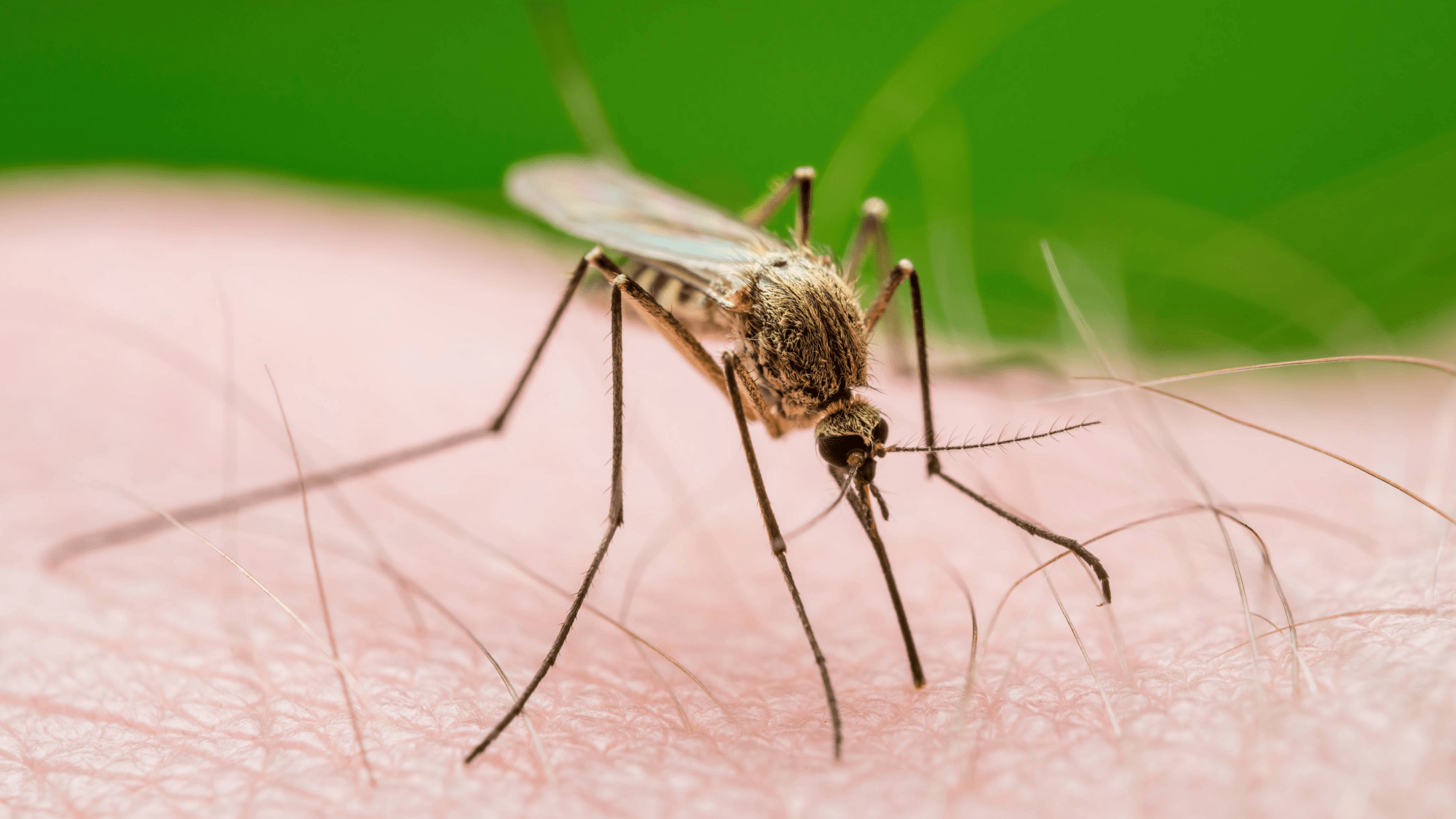
The mosquitoes were restrained behind a piece of fabric mesh. They then offered the mosquitoes a bag of warm blood (yum) that was just out of the insects’ reach to see how enthusiastically the insects stabbed at it with their proboscises. As expected, the mosquitoes were interested in the blood, particularly when the team rewarded them by lowering the bag within reach. Things changed a bit once DEET entered the experiment. When the team offered the insects blood when surrounded by the scent of DEET, they initially stayed away from the potential feast.  

a mosquito handing on a piece of mesh covering a bag of blood
A female yellow fever mosquito (Aedes aegypti), feeding on a bag of warm blood. Image: Romina Barrozo.

To see if they could be trained to associate that smell with the dinner bell, the team fed the mosquitoes warm blood for 20 seconds, squirting the scent of DEET into the enclosure in the final 10 seconds of dining. They repeated the procedure three more times before noting how the mosquitoes responded to only the scent of DEET. In this trial, over 60 percent of mosquitoes tried to bite when they smelled DEET.  

To examine further, the mosquitoes were given a choice between two human hands. The hand belonged to study co-author Ayelén Nally of the University of Buenos Aires. One of Nally’s hands was coated with DEET at normal concentrations and the other was bare. The untrained mosquitoes avoided the DEET-treated hand, while the trained mosquitoes were drawn to it.

Interestingly, the mosquitoes could form that same association when sugar, instead of blood, was used as the reward. 

According to the team, they are seeing how the mosquito’s brain can rewrite its response based on their experiences. What they have learned matters just as much as what a chemical like DEET does. 

“If mosquitoes are repeatedly exposed to DEET, it becomes less effective as a repellent,” study co-author Claudio Lazzari from University of Tours in France added.

Keep the bug spray

Importantly, this does not mean you should stop using DEET completely. It is still one of the most effective ways to keep the dangerous insects away, particularly where mosquito-borne disease is common.

“If you’re in tropical regions where disease risk is real, you should use it,” Vinauger said. “Instead of applying a lot at once, you may want to reapply regularly so it’s always active and providing continuous protection.”

Treated clothing may also be a challenge since DEET concentrations in fabric decline over time. Additional study to understand their behavior is crucial for public health as mosquito-borne illnesses increase due to climate change

“We need to understand how mosquitoes keep outsmarting our control strategies,” Vinauger concluded. “And that takes understanding how they work—at the molecular level, the neural level, the behavioral level.”

The post Mosquitoes can learn that DEET means dinner is served appeared first on Popular Science.
  • ✇Popular Science
  • Humans have weirdly white eyes. Here’s why. Sarah Philip
    Blue, green, amber: Someone’s eye color immediately attracts our attention. But there’s something unusual about human eyes: We have a large visible area of white that surrounds the iris. Most other mammals have entirely dark eyes with almost indistinguishable pupils. So why are we different? What is the white part of our eyes actually for? The whites of our eyes help us connect Scientists paid little attention to that question until 1997, when Shiro Kohshima, a Japanese biologist at Kyoto
     

Humans have weirdly white eyes. Here’s why.

31 May 2026 at 12:11

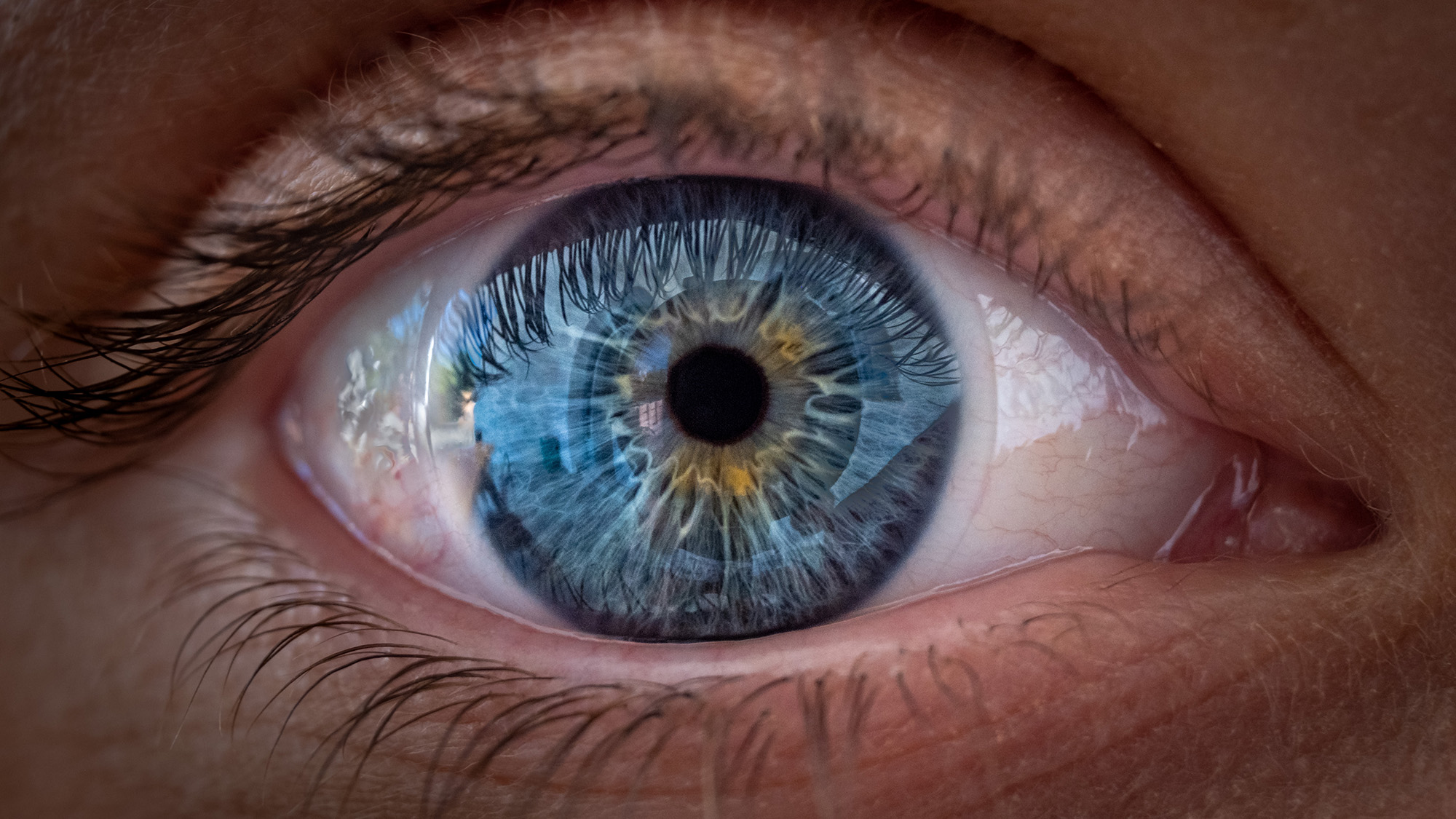
Blue, green, amber: Someone’s eye color immediately attracts our attention. But there’s something unusual about human eyes: We have a large visible area of white that surrounds the iris. Most other mammals have entirely dark eyes with almost indistinguishable pupils. So why are we different? What is the white part of our eyes actually for?

The whites of our eyes help us connect

Scientists paid little attention to that question until 1997, when Shiro Kohshima, a Japanese biologist at Kyoto University, decided to take a closer look. He compared the eyes of nearly half of existing primates and found that only humans had white in their eyes

His theory was that the white part of the eye (the sclera) helps us communicate because it makes it easier to tell where someone is looking. The contrast between the white sclera and dark pupil makes the outline of the eye more visible. We also have more elongated eyes than other animals, which makes it even easier to tell where someone may be looking. 

Following someone’s gaze is surprisingly powerful. It can indicate if they’re telling the truth, draw attention to something, and even help us bond. Language, after all, can be complicated and ambiguous. “It’s important to build up a fast communicative step,” says Fumihiro Kano, a cognitive scientist at Kyushu University in Japan. “White sclera help towards that.”  

The cooperative eye hypothesis 

In 2007, Michael Tomasello, a psychologist at Duke University, expanded on Kohshima’s earlier ideas to develop the cooperative eye hypothesis. He argued that the white sclera are particularly useful for human collaboration. 

For instance, the whites of our eyes help us figure out what someone is focused on. It may even have helped our ancestors hunt together and share resources. Central to his idea was the theory that humans are unusually sensitive to where others are looking.

To test this, he conducted an experiment involving human infants and gorillas, chimpanzees and bonobos. A scientist looked at the ceiling with only his eyes, only his head, or both. 

Close up of gorilla face.
In an experiment, gorillas rely primarily on head movement rather than eye gaze to know where someone is looking. Image: Shutterstock

Human infants primarily followed the eye direction of the scientist. They looked up nearly three times more often when he glanced towards the ceiling using only his eyes than when he just raised his head with his eyes shut. 

Apes did the opposite, relying primarily on head movement rather than eye gaze. They looked towards the ceiling roughly 2.5 times more often when the researcher lifted his head but closed his eyes. 

Why eye contact is so important for babies

From an early age, humans are particularly sensitive to eye contact. In a study of newborns, within the first five days of their lives, researchers found that babies looked longer at faces whose gaze was directed at them. The ability to actively follow where others look emerges between two and four months, and by eight months it becomes consistent behavior. 

“Eye gaze is a natural pointer which makes it easier to understand each other,” says Kano. “If you look at a human infant, then that infant becomes interested in you.”

Eye contact also helps develop necessary language skills. Having white sclera means that infants can more easily follow an adult’s eyes towards a certain object, hear the name of the object, and develop their vocabulary. Studies suggest that infants who follow eye gaze more frequently at ten months have a greater vocabulary.

Related 'Ask Us Anything' Stories

Is the white of the eye the real secret to human connection or is it something else?

However, recently, Juan Perea-García, an evolutionary biologist at the University of Las Palmas de Gran Canaria, questioned how important the white of the eye actually is in communication

“The cooperative eye hypothesis taps into the bias of human exceptionalism,” says Perea-García. “That’s why it’s so compelling.” Since Tomasello’s 2007 study that proposed the theory, research has shown there are other primates with white sclera

Perea-García also points out that, for some people from South Asia, Africa, and Australia, their sclera is not uniformly white but more pigmented. So he argues that it’s not the whiteness of the eyes that’s important for communication, but the contrast between the sclera and the iris. Chimpanzees also have dark sclera with bright irises which could serve a similar purpose.

But this may not be the whole story. While human sclera are not always uniformly white, we tend to show considerably more of the whites of our eyes than most primates and experiments suggest that difference matters

Kano and his team compared how humans and chimpanzees interpreted images of human and chimp eyes. They found that both species were better able to discriminate gaze direction from humans. They then made both images smaller and darker. Chimp eyes became even harder to read than humans. 

Close up of a chimpanzee face facing the camera and looking slightly to the right of frame on a light yellow, out of focus background.
Chimpanzees, one of our closest relatives, have almost no white in their eyes. Image: Shutterstock

The team even digitally altered chimpanzee eyes to have white sclera and found that gaze discrimination immediately improved. 

“Our work suggests that gaze visibility depends not only on iris-sclera contrast, but also on the visibility of the overall eye outline,” Kano says. In other words, it’s not just about how well the iris stands out. The white sclera makes the whole shape of the eye more visible against the face, something that’s difficult to discern in the dark eyes of chimpanzees. It’s these features working together that seems to make it easier to follow our gaze direction in poor visibility conditions.

The whites of our eyes also indicate health and age

White eyes may also have another purpose: They make it easier to notice changes in eye color which can indicate significant information about health or age. 

As we get older, the whites of the eyes gradually become more yellow or red because of fatty deposits and more blood vessels around our eyes. This shift can occur more rapidly with poor health or diet. 

However, if the sclera suddenly changes color, it can signal more serious health problems. Severe yellowing is closely related with jaundice, a failure of the liver to filter blood properly, while acute reddening may indicate an eye infection. A yellow or red sclera also affects how healthy others think you are.

Researchers tested this by digitally manipulating pictures of eyes to be more red or yellow. Individuals with yellow or red eyes were seen as less healthy, older, and less attractive. It’s an immediate frame of reference that shows how much information we get from our eyes.

So, next time you catch the eye of someone across the room and smile, take a second to appreciate the importance of the white in their eyes. Without it, that connection might never have happened.

In Ask Us Anything, Popular Science answers your most outlandish, mind-burning questions, from the everyday things you’ve always wondered to the bizarre things you never thought to ask. Have something you’ve always wanted to know? Ask us.

The post Humans have weirdly white eyes. Here’s why. appeared first on Popular Science.
  • ✇Popular Science
  • 745-mile whale graveyard found at the bottom of Indian Ocean Laura Baisas
    The ocean floor is covered with dead whales–but it is everything but a biohazard. When a whale dies, its body sinks to the ocean floor in a process called whale fall. The carcass then becomes its own complex ecosystem, nourishing and housing all types of marine life. Whale bones can then fossilize over time, leaving behind traces of what life looked like millions of years ago. Now, scientists in the Indian Ocean have discovered an enormous whale graveyard. The collection of bones and communit
     

745-mile whale graveyard found at the bottom of Indian Ocean

10 June 2026 at 15:00

The ocean floor is covered with dead whales–but it is everything but a biohazard. When a whale dies, its body sinks to the ocean floor in a process called whale fall. The carcass then becomes its own complex ecosystem, nourishing and housing all types of marine life. Whale bones can then fossilize over time, leaving behind traces of what life looked like millions of years ago.

Now, scientists in the Indian Ocean have discovered an enormous whale graveyard. The collection of bones and communities supported by these whale falls stretches 745 miles across the seafloor 13,779 to 22,965 feet deep. The oldest whale fossil is roughly 5.3 million years old and the graveyard even includes a new species of extinct whale. The findings are detailed in a study published today in the journal Nature

“The deep sea is far from barren—it’s dynamic, full of life and history,” Dr. Xiaotong Peng, a study co-author and engineer at the Chinese Academy of Sciences (CAS), tells Popular Science. “When a whale dies and sinks, it becomes an oasis, supporting unique communities for decades or centuries.”

In 2023, CAS team was studying the geology and biology of the southeast Indian Ocean’s hadal zone—the ocean’s deepest zone, extending from 19,680 to 36,000 feet-deep. While inside of a submersible, the divers spotted the first whale fossil 22,972 feet below the surface.

a robotic hand picks up a fossil on the ocean floor
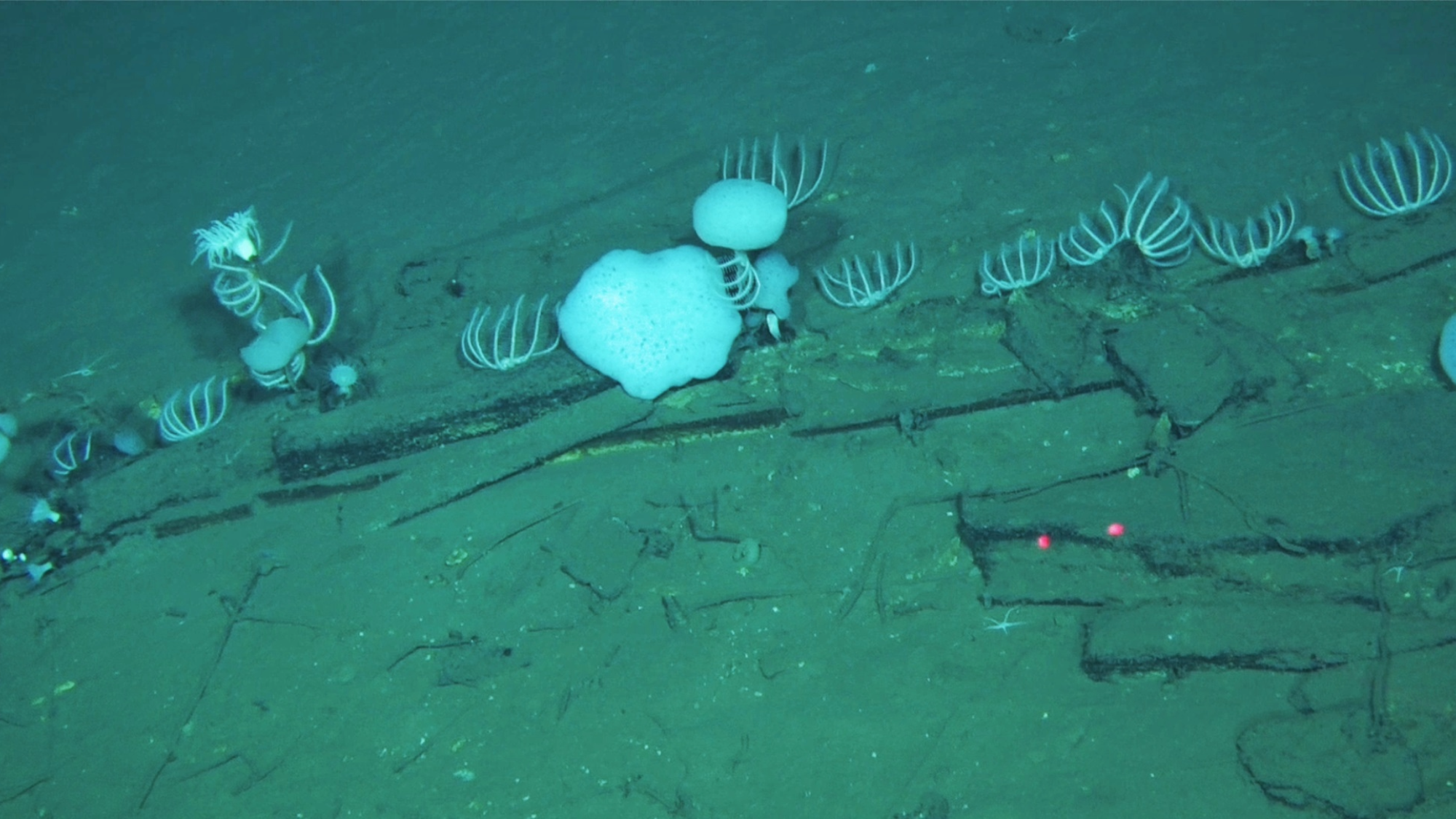
Recovery of whale fossil bones using the manipulator arm of the Chinese submersible Fendouzhe on the deep seafloor of the Diamantina Zone, a deep-sea rift in the Indian Ocean. Image: Global TREnD, IDSSE.

According to study co-author and geologist Dr. Peng Zhou, the remains were actually “quite easy to find” once the team began to search. “They looked unusual, so when the dive scientists first encountered them, they wanted to figure out what they were,” Zhou tells Popular Science

Peng adds, “We immediately pivoted our objectives to systematically map, document, and sample these whale remains. So it really came down to curiosity meeting the technological capability to explore depths that had been largely inaccessible.”

They documented 485 whale fossil sites from five active whale falls. The whale carcasses are home to a large community of jellyfish, brittle stars, bone-boring worms, and bivalves. Some of these species living in the carcasses may even be new to science, but that has not been confirmed. The oldest have been in the area for about 5.3 million years ago (the Pliocene era).

four whale skulls
Fossil skulls of three beaked whales recovered from the seafloor at hadal depth of the Diamantina Zone, 6,584–-6,878 meters. The image shows two extinct beaked whale species, Pterocetus diamantinae sp. nov. (new species to science, on the top) and Izikoziphius rossi (the second skull), as well as an extant Andrews’ beaked whale, Mesoplodon bowdoini (two skulls on the bottom). Image: Global TREnD, IDSSE

Most of the whale fossils come from several species of deep-diving beaked whales. Some of the bones belong to beaked whales that still exist today. Others are from extinct whales, including a species new to science named Pterocetus diamantinae.

“Finding both extinct genera like Pterocetus and living species like Mesoplodon bowdoini preserved together in the same region, across 1,200 kilometres [745 miles] of seafloor at such extreme depths—that was truly unexpected,” says Zhou.

This fossil record is also continuous, so the team can track the population dynamics and evolution of deep-diving whales over time. 

“These fossils give us a direct window into the Pliocene, about 5.3 million years ago,” study co-author and biologist Dr. Xikun Song tells Popular Science. “They show that beaked whales were already specialized deep‑divers in the Indian Ocean by that time. Beyond the whales themselves, the associated fossil fauna also tells us about the structure of ancient deep‑sea whale‑fall communities and broader deep‑sea biodiversity back then.”

This whale graveyard could reshape our understanding of both living and extinct beaked-whales. There are roughly 24 species of beaked-whale living today. However, their deep-sea habitat, likely low population numbers, and reclusive behavior make them difficult to study. Having such a large fossil deposit like this could help explain more about their reclusive lives.

The fossils are also shedding more light on the mysterious ecosystems living at the ocean’s deepest depths.

“Discoveries like this are possible because of curiosity, collaboration, and technology,” Peng concludes. “We’ve barely scratched the surface of the deep ocean, and there’s so much more waiting to be found.”

The post 745-mile whale graveyard found at the bottom of Indian Ocean appeared first on Popular Science.

  • ✇Popular Science
  • Why were T. rex’s arms so tiny? Paleontologists finally find an answer. Andrew Paul
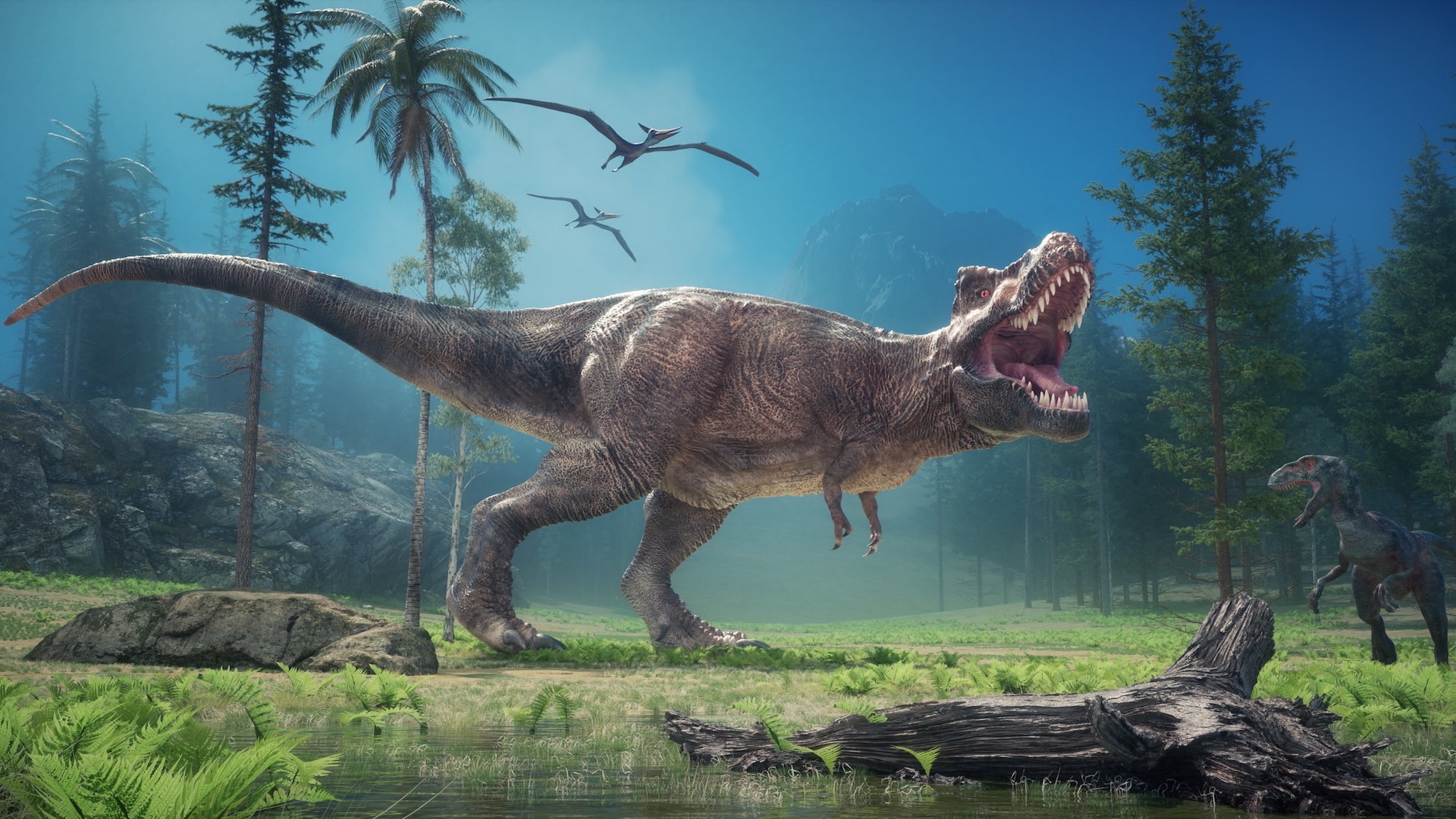
    Tyrannosaurus rex is iconic for its ferocity and big teeth, as well as those teeny-tiny arms. The Cretaceous Period apex predator wasn’t the only carnivore with underdeveloped forelimbs, however. At least five groups of two-legged, mostly meat-eating theropod dinosaurs experienced a shortening of the upper arms over the course of their evolutionary journey. But why did they have such comically small claws? One team of researchers believes the answer is simple. “It’s a case of ‘use it or lose
     

Why were T. rex’s arms so tiny? Paleontologists finally find an answer.

19 May 2026 at 23:05

Tyrannosaurus rex is iconic for its ferocity and big teeth, as well as those teeny-tiny arms. The Cretaceous Period apex predator wasn’t the only carnivore with underdeveloped forelimbs, however. At least five groups of two-legged, mostly meat-eating theropod dinosaurs experienced a shortening of the upper arms over the course of their evolutionary journey. But why did they have such comically small claws? One team of researchers believes the answer is simple.

“It’s a case of ‘use it or lose it,’” University College London paleontologist Charlie Scherer said in a statement.

Scherer and his colleagues recently examined the data for 82 theropod species, including those in T. rex’s tyrannosaurid family. Their study published today in the Proceedings of the Royal Society B Biological Sciences argues a combination of massive skulls and crushing jaws—coupled with increasingly large prey—had many theropods relying increasingly less on their forearms.

“We sought to understand what was driving this change and found a strong relationship between short arms and large, powerfully built heads,” explained Scherer. “The head took over from the arms as the method of attack.”

The team based their conclusions on a new system of assessing dinosaur skull strength based on attributes like overall dimensions, how tightly bones were joined in the head, and bite force. Unsurprisingly, T. rex came in first place for bite force, followed by the Tyrannotitan. Almost as large as a T. rex, the Tyrannotitan lived in present-day Argentina during the Early Cretaceous over 30 million years before its famous descendent. In each example, the reason for short arms likely coincided with hunting larger and larger dinner targets.

“Trying to pull and grab at a 100–foot–long sauropod with your claws is not ideal. Attacking and holding on with the jaws might have been more effective,” added Scherer.

Overall, the team identified a bigger correlation between skull strength and smaller arms than with either skull or body size. This conclusion is further supported by some theropod dinosaurs with strong heads, tiny forelimbs, and a relatively small stature. For example, Majungasaurus roamed present-day Madagascar 70 million years ago while weighing about 1.75 tons—around a fifth the size of T. rex.

Not every dinosaur’s limbs shrank in the same way, either. Abelisaurids like Majungasaurus exhibited smaller arms past their elbows as well as their hands, while tyrannosaurid arms reduced proportionally. In each case, it seems that the theropods initially had far more success latching onto prey with their powerful jaws, then evolution did the rest of the work.

As to which dinosaur had the teeniest forearms, the answer according to Scherer is clear.

“The Carnotaurus had ridiculously tiny arms, smaller than the T. rex,” he said.

The post Why were T. rex’s arms so tiny? Paleontologists finally find an answer. appeared first on Popular Science.

In Eastern Africa, the Cradle of Humankind Is Tearing Apart

23 April 2026 at 12:25
Researchers have found that Earth’s underlying crust in the Turkana Rift region has been significantly thinned, presaging Africa’s eventual breakup—and with that finding, the researchers offer a new perspective on Turkana’s fossil record of human evolution.

❌
Subscriptions