Government officials are aiming to use the ban as an incentive for platforms to improve their designs and better protect children long-term, if and when those kids return.
Elon Musk’s X will face no action to remove a mass of posts inciting violence in Northern Ireland for at least two months, despite widespread condemnation of the platform and its billionaire owner.
Concern over the role social media played in spreading disturbing images and fuelling anger continued to grow on Wednesday as police and community leaders urged calm.
Hadi Alodid refused legal representation and made no reply to charges which were put put to him through an Arabic interpreter as he appeared in court charged with attempted murder following the Belfast knife attack, the Press Association reports.
The 30-year-old, with an address at Duncairn Avenue in Belfast, appeared before the city’s magistrates’ court on Wednesday morning.
He is charged with the attempted murder of Stephen Ogilvie on Monday, with threatening to kill an NHS radiographer on the same day and with the possession of a knife.
“It is maybe not functionally possible to design social networked technology geared towards listening. I don’t know, I’m not that smart. But the fact that the internet doesn’t have a mechanism for listening means that we’ve invented these kludgy quantification mechanisms to try and detect attention, and it is easy, so incredibly easy there are multiple books written about this, to confuse the thing you’re measuring for the metric itself.
I want to know who is visiting my site and whether they’re returning visitors and what pages they clicked through and for how long because it gives me the illusion of knowledge and control. Maybe I’ll know my project is connecting with people if I just hit some arbitrary threshold of pageviews, subscribers, conversion rate.
But none of that will tell me the thing I actually want to know, which is: am I making a difference?”
Hey I loved this. It also reminded me to go check up on the phone line and see if there were any messages that needed witnessing. I keep them close to the chest because that’s part of the project, but I will say that there were and they moved me to tears. Maybe that’s what it’s all about.
We find out why Japanese social media has gone crazy for this cake.
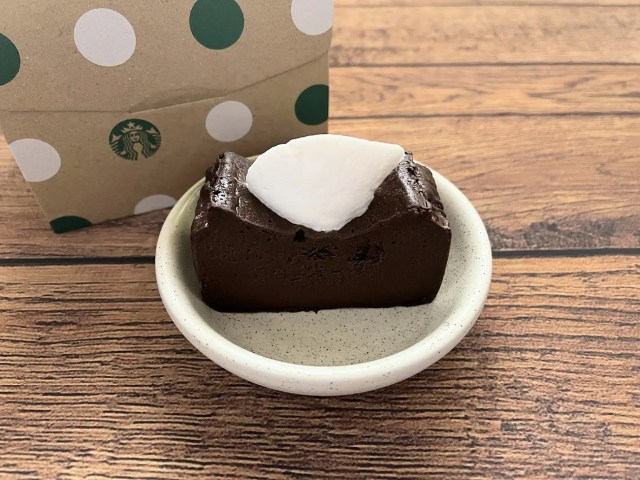
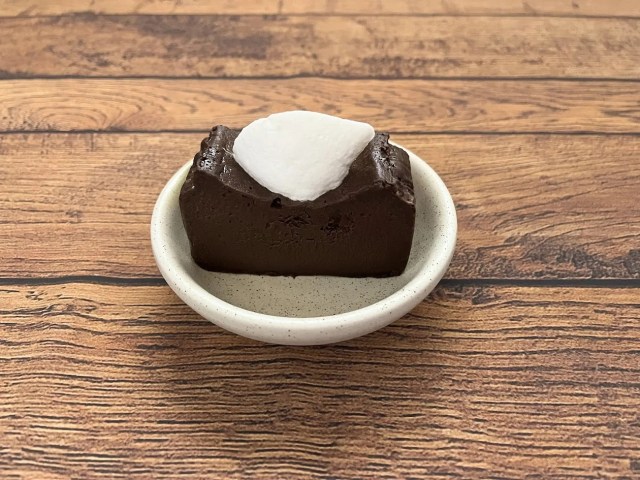
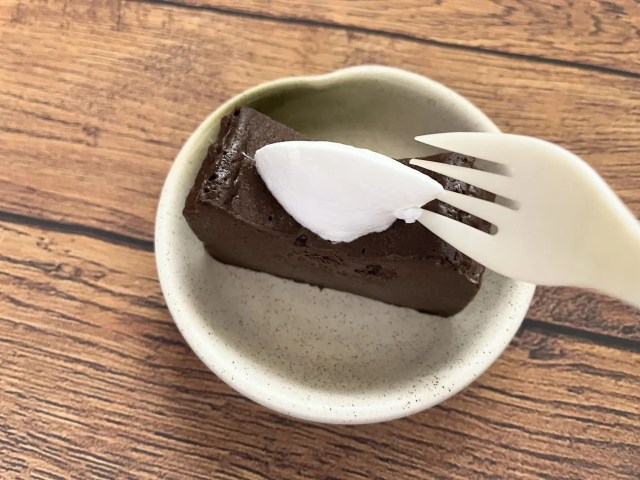
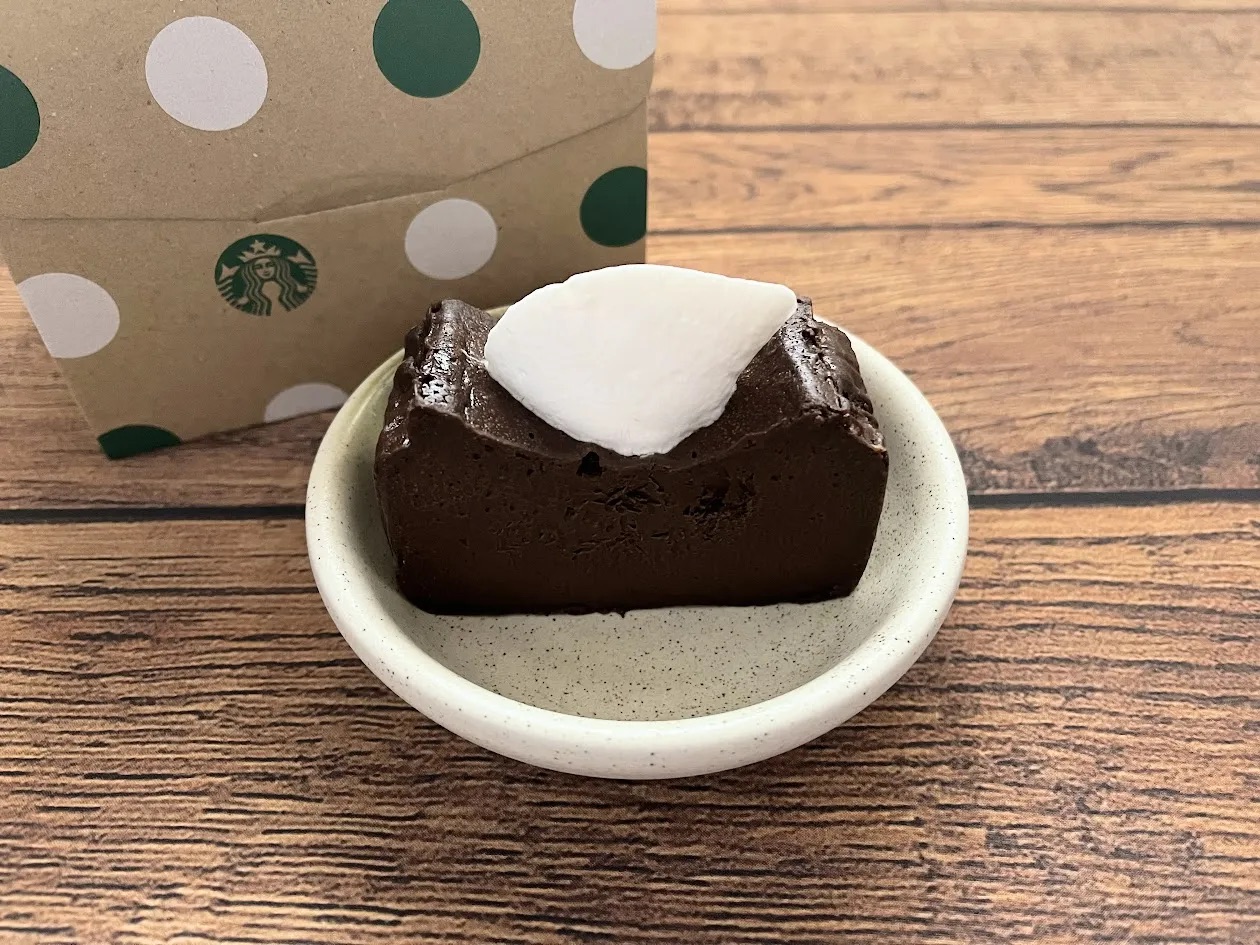
Starbucks might be famous for its Frappuccinos, but fans of the chain will tell you its cakes are where it’s at. That’s what’s happening right now on Japanese social media, where sweet tooths are raving about the chain’s chocolate terrine. At 540 yen (US$3.40) apiece, this is no cheap slice, but fans say it’s worth the investment, and the calories, so we picked one up to find out if it was worth the hype.
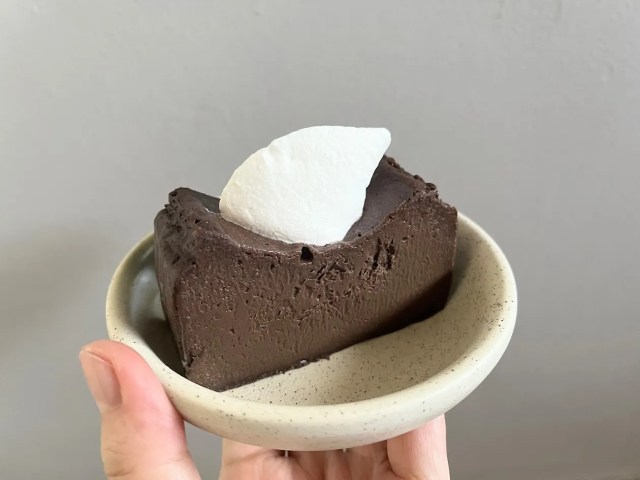
We were immediately captivated by the cake’s decadent appearance, and impressed by how well the thick cream topping sat perfectly atop the slice, even after the 10-minute journey home.
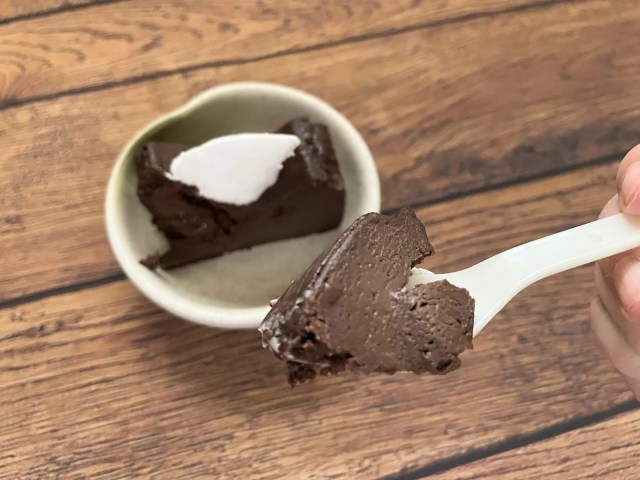
Taking a bite, our fascination deepened, much like the intense chocolate flavour that washed over the palate upon first contact. It was incredibly rich and smooth, melting on the tongue with a deep, lingering taste, and although it wasn’t too sweet it imparted a satisfying feeling of having eaten something sweet, which was a very fine feat.
The mellow aroma of cocoa was deeply present in every mouthful, and we were amazed at how rich and decadent it was without being cloying. Perhaps because of the light aftertaste, it felt substantial yet not too heavy, making it ideal for summer.
According to the rave reviews, what makes the Starbucks chocolate terrine so popular is the way it has a light, melt-in-your-mouth texture that’s pleasant to enjoy, even in summer, and after trying it, we finally understood what that meant.
▼ In this case, the rave reviews are warranted.
Even when we were buying our terrine at Starbucks, we saw a number of other people ordering it as well, so word of its deliciousness is spreading rapidly around Japan.
For a cake that’s gone viral on social media, the chocolate terrine really is worthy of all the praise and attention, so keep an eye out for it next time you’re at Starbucks. It’ll make the perfect partner for this year’s chunky and milky strawberry Frappuccino.
Casual mention elicits enthusiastic response from commonly overlooked tourist destination.
Japan has become one of the world’s top tourist destinations, welcoming a record-breaking 42.7 million international visitors in 2025, a 15.8-percent increase from 2024, and on track to break the record this year. While this is great news for big cities like Tokyo, Kyoto and Osaka, where tourists tend to spend most of their time and money, there are 44 other prefectures in Japan that are crying out for international visitors, and one of the most in need is Tottori Prefecture.
▼ No hoardes of tourists here.
Home to roughly 530,000-540,000 people, Tottori is the least populous prefecture in Japan. Compared to Tokyo’s roughly 14 million residents, Tottori has about 4 percent of Tokyo’s population, and given its distance from major urban centres, it ranks in the bottom tier for international tourist numbers.
▼ The trip to Tottori takes over five hours by train from Tokyo, using the fastest Shinkansen on the initial leg of the journey.
▼ Alternatively, it’s about three hours by train from Kyoto Station.
Despite the lack of tourists, Tottori has a wealth of tourist attractions, and one person who knows about its charms is Hollywood actress Anne Hathaway. On a recent trip to Japan to promote her new film, The Devil Wears Prada 2, released here on 1 May, Hathaway appeared on the popular weekend morning television program King’s Brunch, where she was asked where in Japan she would like to visit. She replied by saying she would like to visit Tottori, mentioning that she likes the sea, the beaches and the sand dunes.
▼ These are three things Tottori is famous for.
After the show aired on 6 May, it didn’t take long for news of Hathaway’s comments to reach Tottori. Within days, official Tottori-based government sites jumped on the PR opportunity, posting photos, videos and messages on social media.
On 9 May, the governor of Tottori, Shinji Hirai, extended an official invitation for Hathaway to visit, promising that a sand dune sculpture would be made in her likeness if she were to take them up on the offer.
If there was an Academy Award for Best Social Media Post, it would go to Yonago City, who went all out with its invitation, creating a clever skit inspired by The Devil Wears Prada franchise, complete with lookalike characters.
While Hathaway is yet to respond to the invitations, we have our fingers crossed that she’ll make the journey to Tottori sometime in the near future. If she needs advice on how to get there, she could always call on former U.S. late-night talk show host Conan O’Brien, who put Tottori on the map back in 2018, when he visited Conan Town to collect 3 trillion yen from the mayor.
A person scrolls through the social media app X on a phone. | Jaap Arriens/NurPhoto via Getty Images
Our social media feeds are being inundated by clips. Big names like Justin Bieber, reality shows like RuPaul’s Drag Race, and even AI companies like Perplexity — they’re all using bite-sized video segments to advertise themselves on social media. And they’re not just posting from their own accounts; they’re paying thousands of anonymous people to do it for them.
This practice, a marketing tactic known as clipping, is everywhere — and still spreading. The Verge’s Mia Sato recently wrote a piece breaking down how the practice works and how it might be an existential threat to more nuanced, full-length content.
Sato spoke with Today, Explained co-host Sean Rameswaram about why everything is a clip now, the companies behind it, and what comes next.
Below is an excerpt of their conversation, edited for length and clarity. There’s much more in the full podcast, so listen to Today, Explained wherever you get your podcasts, including Apple Podcasts, Pandora, and Spotify.
How would you describe what’s happening on our Instagram feeds?
It’s basically the TL;DR-ification of the entire internet. It truncates everything we make and it all goes down to “We need a way for people to discover our content.” And right now, the way to get people to discover the content is to make clips of it, no matter what it is.
Think about the politics videos. You see Trump giving a speech that Aaron Rupar is posting. Or sports highlights from the game the night before. You see this with sort of every podcast becoming a video. A major reason that happened was because they needed something to put on TikTok, to put on Reels, to put on YouTube Shorts.
What made you want to write about this now?
The reason I felt like we needed to have a conversation about it is because of Clavicular.
Clavicular is really a great example where the point of his online existence is clips rather than the full live streams. They know him through these disembodied short videos of this other thing that exists, but nobody is seeing. And you have this person who comes from obscurity into getting a 60 Minutes interview.
I wanted to take this one example to illustrate a larger point about the nature of content on the internet and how people are working to go viral.
Is there a difference between the podcast clips that we talked about at the top of the show and what Clavicular is doing?
Clavicular is basically the industrialized version of a podcast that is just posting its own clips organically. The difference is that there’s an ecosystem under it that is paid.
For the month between March and April, I believe there were something like 1,600 clippers working on his behalf, generating tens of thousands of videos, billions of views, and all of that is paid. People are paid to post this content and paid based on how many views the clips get. And so it is completely a scale game. It’s a hundred percent trying to take advantage of the algorithms of social platforms. These pseudo-anonymous accounts are profiting based on how much these clips are showing up on all of our feeds.
How much money is there to be made here?
[Clavicular] oversees 62,000 clippers on his platform. Some people are making tens of thousands of dollars a month. He claims the average is around $3,000 a month. It’s not nothing. Is it enough to support a family? Can you support a family on clips? Maybe not. But brands are paying companies like this clipping platform; [they] basically say, here’s $10,000, make us go viral.
What kinds of companies are paying for this service?
I was kind of surprised by how many household names were using this type of service. RuPaul’s Drag Race. There were clip campaigns for AI companies like Perplexity. Dan Bongino, former second in command at the FBI, who has now gone back to being a full-time podcaster. I found clipping campaigns that appeared to be for Call of Duty, the video game. Political candidates, which really gets weird. So it really spans different industries. There’s definitely a variety.
When I’m scrolling through, say, Twitter, I know when something being put in front of me is an ad because it’ll say ad, but I don’t know when I’m seeing something organically or when I’m seeing something that’s been paid to be elevated into my feed. And I imagine it’s the same on Instagram or TikTok? That you’re seeing things that have been sort of pushed upon you alongside things that maybe have organically entered into your feed?
Yeah, and I think one of the things that clippers do is they make content that looks like it could blend in with organic content.
One rule of thumb that I like to share is, you can probably picture it now, you’re scrolling and you see a clip of the Joe Rogan podcast. The background is black, and on the black background there will be a caption that’s like, “I can’t believe bro said that. Shocked emoji.” You know what I mean?
I’ve seen that before. And then watch the video. And then nothing shocking is said, and I’m just like, “I hate the internet.”
There’s a really good chance that you were seeing paid clips. One of the campaigns that I found was promoting Perplexity via Joe Rogan’s podcast because Perplexity is a sponsor of the podcast. And so these clippers were hired to pump out a bunch of clips of Joe Rogan talking about Perplexity, and it would be hard, unless you checked the hashtags, to see that it was a paid piece of content. Buried in the hashtags, it says ‘Powered by Perplexity’, ‘hashtag sponsored’.
Even that is a better example of a disclosure. A lot of this content has zero disclosure whatsoever. You would have no way of knowing if the account was paid to post it or not, including, like I mentioned, I had found some political candidates hiring clippers. There was a candidate in Florida, a GOP congressional candidate who was running a clipping campaign with zero disclosure, which is, from my understanding, against the law.
It is really the Wild West because a lot of these companies are not disclosing that they’re paying these accounts.
Can I read you the most depressing pair of sentences in your piece that you wrote? That I sent to many people to be like, how depressing is this?
Yes, please.
“But overindexing on the clipped version means eventually, the full-length content is a means to an end. If clips really are the present and future of media and reach online, one begins to wonder what justifies making the unclipped, complete content in the first place.”
That is really sad.
Whoever wrote that.
That’s crazy.
It is so brutal because some of these things that are being clipped are, like, artful.
Yeah. I will say, I wrote those really depressing sentences because I feel this.
I’m a features writer. I write long things that are thousands of words long and are often behind a paywall. I make clips of my stories. I do the short-form video thing. I talk in front of my phone and explain my stories to audiences, and I know that very, very few people who watch that video will actually go and seek out my story and read it.
I wonder if you think — from having written this piece on “The Clippening,” as you call it — if this is just our moment or if this is our forever,
For me, it’s really hard to see an exit from vertical video because it is so dominant right now. At the same time, I don’t think anyone should completely put their trust into the TikTok algorithm or the Instagram Reels algorithm because you don’t want to put your trust into a tech platform that can change things on a dime and you will have no control over it.
I think the balance is, if you’re someone who wants new people to find out about your show or your story or whatever, you maybe need to be on short-form video. But how do you make it so the sad sentences that I wrote in my story do not become the reality, where the clips are the justification rather than creating the longer version, the real art or the real journalism or whatever? How do you avoid that as much as possible?
Costco is famous for selling everyday products in large bulk quantities, be it a 40-pack of batteries or quarts of soy sauce. Then there are the not-so-common products like vending machines, coffins, and even entire barns. Knowing the retailer’s reputation, it’s understandable when people fall for hoax Costco purchases that occasionally go viral online.
Recently, a video showcasing a 200-foot-long, inflatable lazy river available from Costco has spread across social media. Posted by an Instagram page called The Inspiring Designs Net, the clip features a timelapse setup of the pool followed by a woman gleefully enjoying the circuit in her backyard. Despite the account swearing the lazy river is, “an absolute must for hot summer days,” the sad fact is that no such product exists. In reality, it’s yet another example of AI-generated clickbait that continues to flood the internet.
Many social media accounts now routinely churn out similar content solely to rack up page views, which are monetized through ad services. In this case, the faux-Costco lazy river has garnered well over 15 million views so far since it was uploaded on June 4. Many commenters were apparently fooled by the realistic scene, although others highlighted some telltale signs of AI slop. Most notably? The woman in the video looks incredibly dry despite lounging in her backyard lazy river.
Other examples to dupe unsuspecting viewers earlier this year included photos of North Carolina horses wrapped in fiberglass insulation to keep warm during a winter storm, as well as heated aboveground tunnels for dogs in Hungary. But while those are relatively absurd examples, a huge inflatable river admittedly sounds exactly like the type of thing Costco might sell. It may not exist now, but maybe it will inspire a call to action.
SINGAPORE: Scrolling through LinkedIn, the online professional networking and career development platform, can feel like attending a never-ending awards night. One of your friends becomes a vice-president, while another buys a condominium.
Then, someone else posts a business-class work trip and celebrates a promotion with a polished photo and hundreds of congratulatory comments. For many working adults in Singapore, this type of stream of updates can create an uncomfortable thought: Am I falling behind?
According to Channel NewsAsia (CNA), career experts say feeling this way has become harder to avoid because career milestones are now more visible online, more frequent and easier to compare. It’s the very pressure that 27-year-old Shania Tsing is currently experiencing.
After leaving her previous role as a sales engineer in 2025 to work in events management, she accepted a lower salary in exchange for work she enjoyed more. Even though she feels happier in her current role, comments from people around her and constant exposure to friends reaching life milestones sometimes make her question whether she made the right call.
Workers compare others’ progress instead of deciding what progress means for themselves
Career comparison is not new, but what has changed is its speed and visibility. Career counsellors said that people compare themselves with those of similar age and background because they feel like the easiest measuring stick.
Over time, people may start using public signs of success to judge how well they are doing, rather than deciding what progress means for themselves.
Clinical counsellor Stella Ong said many people aren’t chasing someone else’s success. They are trying to answer a silent question: Am I progressing at the right pace?
Platforms like LinkedIn make that question harder to avoid, as career updates now appear alongside daily browsing.
Promotions, job changes, and achievements arrive continuously, creating the impression that everyone else is accelerating while you remain still. Impressions like this can slowly reset what people consider normal.
The career race online is usually edited, polished and idealised from what actually is
Experts interviewed pointed out something many people already suspect but rarely say aloud: online career updates are selective.
Recruitment and leadership coach Connie Low explained that professional announcements are frequently shaped to present someone in the best possible light. Job titles also differ across firms and industries, making direct comparisons unreliable.
On top of that, there is another career wrinkle: job title inflation. Global talent consultancy Robert Walters reported that Singapore saw growth in senior-sounding job titles in recent years, including roles labelled “manager” and “director” for people with relatively limited experience. Those titles don’t always align with their actual salary, authority, or scope of work.
Low also noted that promotion rates are lower than many assume. Based on industry benchmarks she referenced, only a small portion of employees receive promotions in a typical year. Most careers move more slowly than social media, such as LinkedIn, suggests.
So people rarely post their ordinary or not-so-good years. No one, in the general sense, uploads a status saying they stayed in the same role, did solid work and just went home.
Does your own current career path really match your values, interests and goals?
The career experts added that the answer isn’t to stop comparing entirely. Comparison can still motivate people if it ignites the fire of learning within, rather than self-doubt. The problem starts when it becomes constant and begins to shape how people see themselves.
One helpful change is to change the question. Instead of asking whether someone else is ahead, ask whether your current path matches your values, interests and goals.
Counsellors also suggested getting reality checks from managers, mentors, recruiters or experienced colleagues instead of relying on what appears online. Keeping a record of personal achievements can help, too, because it provides a defined view of progress over time.
Tsing said she has now started placing more weight on enjoying her work and on fostering a healthy workplace culture than on chasing visible milestones. A mindset switch that has helped her reduce comparisons.
Career progress doesn’t always arrive in neat age brackets. Some people move fast. Others change direction. Most are doing better than their feeds suggest. So use LinkedIn as a noticeboard, not a scoreboard. A job title can impress strangers for five seconds, but building work you can live with lasts much longer.
Theme park prohibition strangely opens the door to a new kind of creative freedom.
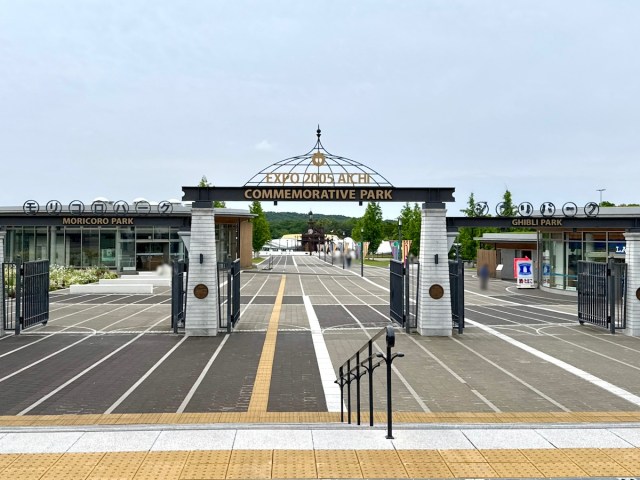
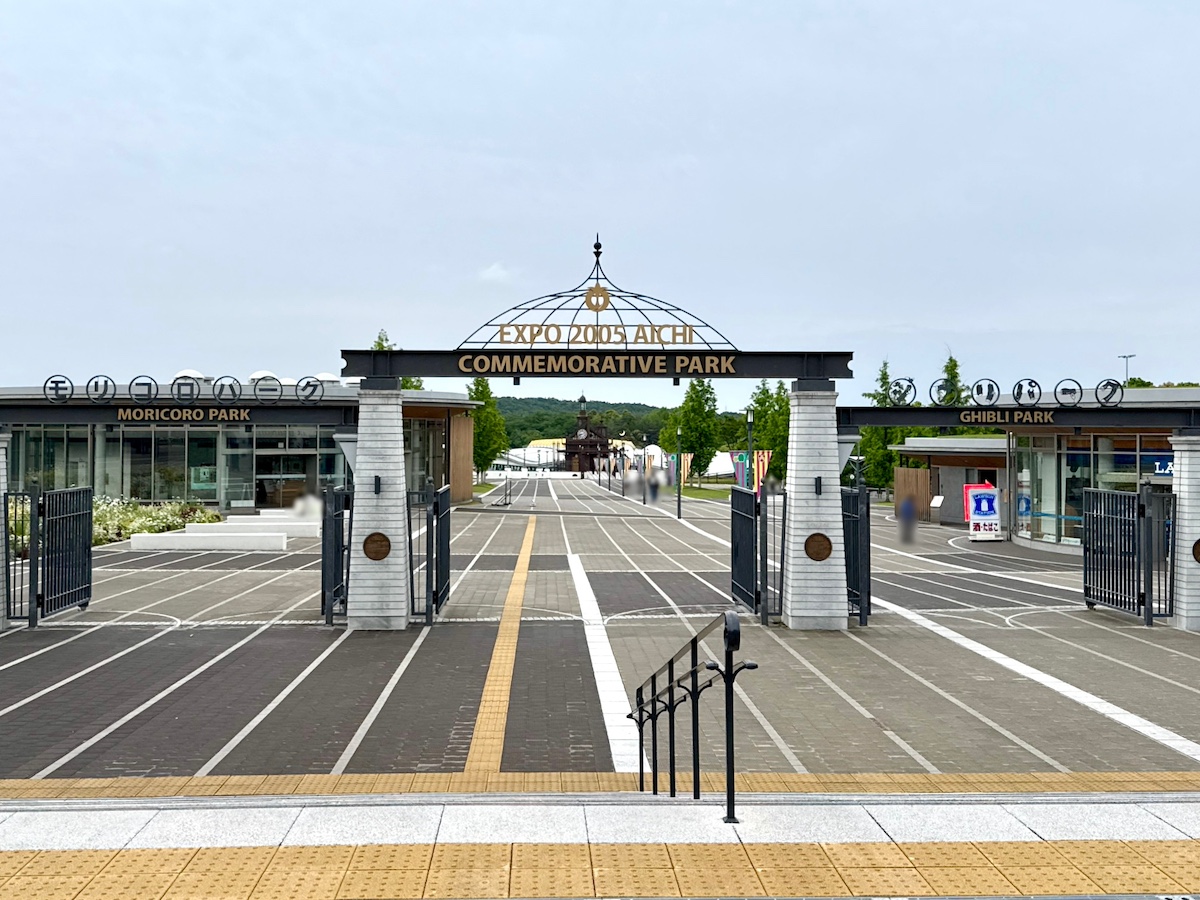
When you visit Ghibli Park in Nagakute City, Aichi Prefecture, you’ll find a vast array of attractions, including life-sized buildings that look like they’ve jumped straight out of a Studio Ghibli film. However, if you research the park beforehand to see what the rooms inside these buildings look like, you’ll notice something else: there isn’t a wide variety of interior photos on social media.
That might sound odd, given Ghibli’s worldwide fame and loyal fanbase, but the lack of photos doesn’t mean there’s no desire to share them online. Rather, it’s because photography is strictly prohibited inside most of the buildings. Instead, the park limits interior photos to the Becoming Characters in Memorable Ghibli Scenes exhibit inside Ghibli’s Grand Warehouse, where visitors can step into life-sized dioramas depicting 14 famous film scenes.
All of this came as a surprise to our Japanese-language reporter Saya Togashi when she visited the park for the first time recently. Unaware of the photography ban in the large majority of the buildings, her initial disappointment turned into an eye-opening experience both literally and figuratively, so she decided to share some thoughts on the ban and the surprising effect it had on her visit.
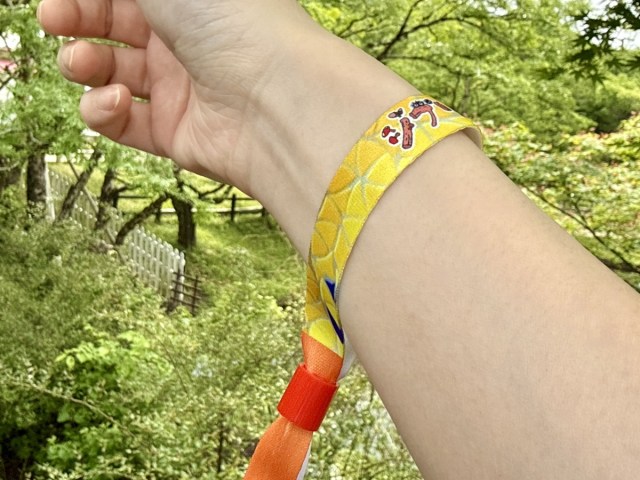
▼ Saya with her Ghibli Park entry band.
1. People don’t linger to take photos
The most obvious benefit to come from the ban is the fact that it prevents people from lingering too long in an area while trying to capture the perfect shot. Every exhibit presents a perfect photo opportunity, as each display creates an ideal backdrop that makes visitors look as though they’ve stepped into an anime world, and the attention to detail in the objects inside the buildings is so impressive that you could take hundreds of photos and it still wouldn’t be enough, which is why the ban feels necessary.
With so many small rooms inside, there isn’t much space to move around – even if one person stopped to take a picture it would cause a huge holdup for visitors. The photography ban ensures the crowds move smoothly through the exhibits, creating a more pleasant environment for everyone to enjoy what they’re seeing.
Another advantage is the absence of live video streamers. Even when they aren’t being intentionally disruptive, live streaming can cause anxiety for people nearby, as not everyone wants their face broadcast around the world without consent. In a country like Japan, where publishing identifiable photos of people without permission may violate privacy or image rights, the absence of cameras creates a sense of ease and safety that allows everyone to relax.
2. Visitors can concentrate on what’s in front of them
When you can’t take pictures, or when you don’t have your smartphone in your hand, something beautiful happens: you naturally start to focus on what’s in front of you. Though photography may be prohibited, visitors are allowed to touch many of the exhibits, engaging the sense of touch and creating a multi-sensory experience that benefits from full attention. This gesture of goodwill by the park, which prioritises the visitor experience over concerns about theft or damage, helps nurture an environment of care and respect that you might not find in other amusement parks.
In Mei and Satsuki’s House, for instance, opening a closet door reveals bedding and pyjamas belonging to the Kusakabe family, who star in the film My Neighbour Totoro. The dresser contains the father’s clothes, which carry a faint smell of mothballs. You can search for the stairs leading to the second floor, just like in the movie, and even find Mei’s hat. It’s a continuous stream of discoveries that gives you a great sense of satisfaction in finding things for yourself.
Without the scrutiny of a smartphone screen, our senses become sharper. The small size of Mei’s clothes and the way they feel in your hand, the creaking of the closet, the sense of everyday life emanating from the old dishes in the kitchen – these are now vividly etched into Saya’s memory as real lived experiences.
In the documentary Until Ghibli Park is Finished, director Goro Miyazaki told his staff, “It’s good to touch the house as much as possible, like refolding clothes as if you were actually living there.” That sense of bringing the house to life is clearly evident, and it allows visitors to appreciate just how impressive it is that Satsuki and Mei’s House is built to be fully functional, with features such as a wood-fired stove for boiling water and a hearth for cooking rice. If God is in the details, so is Studio Ghibli.
3. There are no spoilers
In this era where everyone is a photographer, any place and any event can be easily experienced virtually through the Internet. Although we might know there are things that can only be understood by being there and experiencing them firsthand, videos and images can have a huge impact on our perception.
At Ghibli Park, however, very little prior information is available beyond officially released details about the different rooms and exhibits. Since photography is prohibited indoors in many areas of the park, visitors experience the spaces with almost no spoilers beforehand.
Because you encounter the actual settings and objects without prior exposure, everything feels fresh and surprising. Saya felt this especially strongly in Howl’s Moving Castle, where she had goosebumps after stepping into the dimly lit castle from the bright outdoors. Once your eyes adjust, you’re overwhelmed by the sheer volume of cluttered everyday objects and magical items laid out in front of you, appearing just as it was in the movie.
Although it’s an area visitors can’t touch, Howl’s bedroom, meticulously recreated with small objects, sounds, lights, and movements, is a must-see. It’s truly moving to witness something you’ve only ever seen in the 2-D anime world come to life before your eyes, complete with weight, scent, and texture.
Sure, Ghibli Park might not have big rides with elaborate special effects or dazzling shows, but that’s actually its charm. The dedication to creating special spaces and the sheer scale of its construction surpasses those of many world-class theme parks, and it’s something you can sense in every area.
After visiting the park, Saya came to realise the merits and demerits of modern theme parks that rely on social media sharing. Keen to update their operational policies to keep pace with the times, theme parks are shifting from being places where visitors immerse themselves in carefully crafted worlds and becoming platforms for sharing experiences, primarily through social media.
Saya has felt the tide turn firsthand at Disney Resorts, where she used to attend the New Year’s Eve countdown event every year. Although getting tickets was always a bit of a struggle, once you were inside the park, you could easily enjoy all the events, like watching shows, enjoying limited-edition food and drinks, and buying New Year’s items, without the need for any special strategy or plan. Of course, there were lines, but as long as visitors waited patiently, they could achieve their theme park goals, especially as visitors wandered the grounds discovering things along the way.
However, one year things changed. Even immediately after opening, the shelves for New Year’s items were empty, special menu items were all sold out, and the atmosphere at events became tense, with staff shouting to control crowds as people scrambled to secure prime viewing spots. This was around the time when the social media culture of sharing one’s own experiences and the business of profiting from reselling began. It created a world of competition and anxiety, where people have to work harder to buy the things they want and experience the things they want to experience — things that once felt much simpler before the age of social media.
This isn’t necessarily a bad thing for the theme parks themselves; the spread of information on social media and the increased rarity of merchandise are simply the result of fans’ enthusiasm. However, it does have an impact on the visitor experience, and after visiting Ghibli Park, Saya walked away with her eyes opened to what can be possible when visitors are prioritised over financial profit. By creating sensory worlds that can’t be fully captured in photographs, Ghibli Park encourages visitors to engage with the world around them, fostering face-to-face communication and a sense of adventure that lies at the heart of every Ghibli film.
SINGAPORE: Singapore’s racial harmony didn’t appear overnight. It took decades of effort, daily interaction, and a willingness among different communities to live, work and grow together.
That was the message from Minister for Digital Development and Information Josephine Teo after authorities ordered three social media platforms to block access to 14 posts that sought to target Singapore’s Indian community and undermine the country’s multicultural values.
Speaking to reporters on June 6, Mrs Teo said Singaporeans should resist attempts to weaken the bonds that hold society together. According to Channel NewsAsia (CNA), she stressed that social cohesion is valuable precisely because it takes so long to build and can be damaged much more quickly if people become complacent.
The warning came after investigations by the Ministry of Home Affairs (MHA) and the police found that the content likely originated from a China-based platform before being circulated elsewhere online. Mrs Teo added that the videos didn’t come from Singapore and did not reflect the views of Singaporeans.
Harmful narratives aimed at the Indian community in Singapore
MHA said the posts that were ordered to be blocked contained narratives aimed at the Indian community and sought to cast doubt on Singapore’s multicultural model.
While Singapore has long maintained strict laws against content that could inflame racial or religious tensions, authorities are increasingly dealing with online material produced outside the country.
The latest case also shows that harmful narratives don’t always come from within a community. In the age of social media, messages created elsewhere can travel rapidly and reach local audiences within minutes.
Avoiding the need to re-share harmful content, even if to just express disagreement
Mrs Teo said blocking harmful content is only one part of the solution. She urged Singaporeans not to forward or re-share such material if they come across it online. Sharing content, even to express disagreement, can make it reach a wider audience.
Mrs Teo also stressed the importance of strengthening community ties through everyday interactions. Building relationships with neighbours, colleagues, and people from different backgrounds creates resilience against attempts to divide communities. When people know one another personally, it becomes harder for outsiders to sow suspicion or hostility.
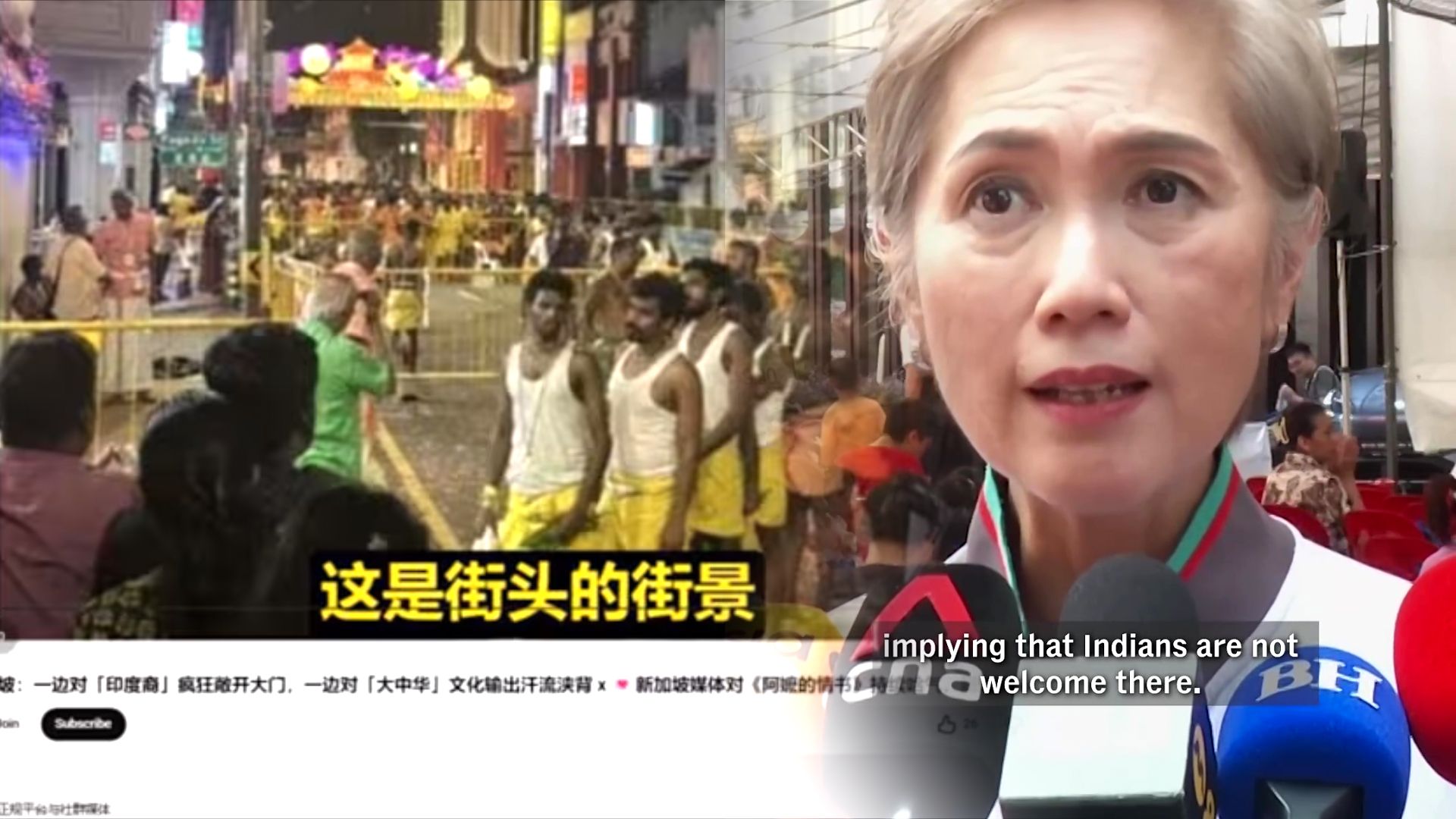
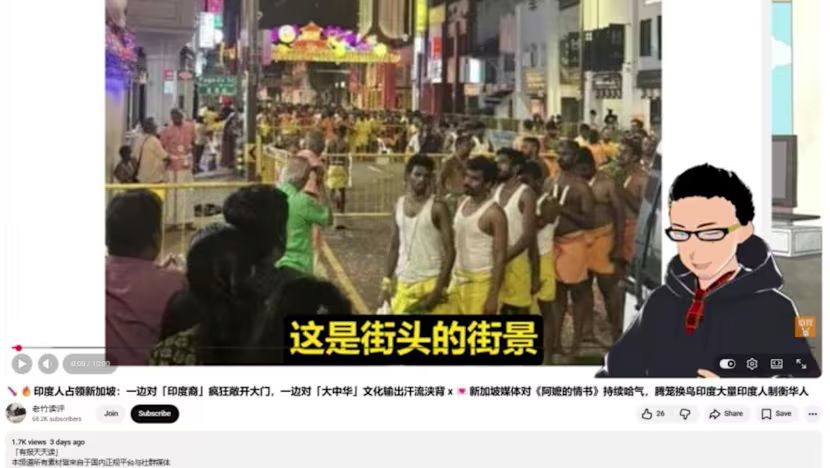
An image of a religious procession in Chinatown is used to suggest that Indians are not welcome in Singapore
The minister pointed to an example found in one of the disputed posts. The content used an image of a religious procession along Pagoda Street in Chinatown to suggest that Indians are not welcome in Singapore.
Ministry of Home Affairs (MHA)
YouTube video screenshot using an image of Indian devotees at a religious festival in Pagoda Street, Chinatown, claiming that Singapore is “overcrowded” with Indians, and that they are unwelcome there
The minister then rejected that portrayal and noted that within her Jalan Besar Group Representation Constituency, places of worship from different faiths sit within walking distance of one another. These include Buddhist and Hindu temples, a mosque and a Methodist church.
Mrs Teo was speaking while attending the Jalan Besar Family Sports Carnival at Zhongshan Park, which she described as an example of how Singaporeans from different backgrounds can come together through shared community activities.
Treating fellow Singaporeans as neighbours, regardless of race, colour, or ethnic origin
Singapore’s multicultural identity is cited as one of the country’s strengths, but it also requires constant maintenance. Past incidents have shown how rapidly misinformation and divisive rhetoric can gain traction online.
The rise of social media has made it easier for false narratives to easily spread like wildfire, especially when they touch on sensitive issues such as race, religion and national identity.
Mrs Teo warned that while the Indian community may be the target today, other racial or religious groups could become targets tomorrow.
A society built on mutual respect cannot rely solely on laws and platform controls. It also depends on people choosing not to amplify harmful content and continuing the everyday work of getting to know one another.
As Singapore navigates an increasingly connected online environment, that may be one of the most effective safeguards against those seeking to divide communities.
Harmful content loses much of its power when people refuse to spread it. The strongest response is the simplest: verify before sharing, ignore attempts to provoke division, and continue treating fellow Singaporeans, regardless of race, colour, or ethnic origin, as neighbours rather than as stereotypes.
 Login
Login










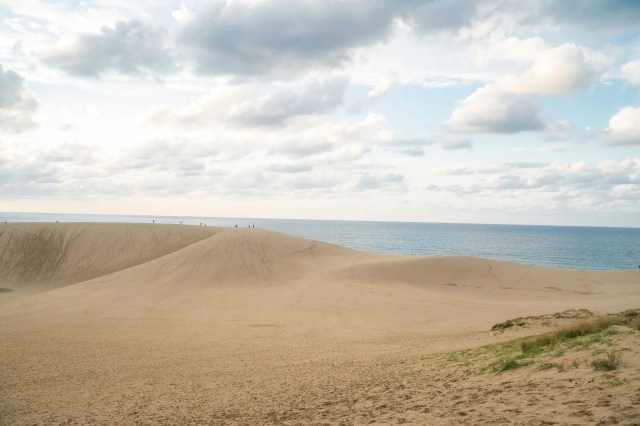

#鳥取観光 #鳥取旅行 #砂丘 #鳥取砂丘 #tottori https://t.co/Bnm80ZKiIj pic.twitter.com/zZh2DqlSDw
#境港市#アン・ハサウェイ様#鳥取 https://t.co/e4SwUEcEtu