Reading view

Rodri puts Manchester City future on hold as Spain star focuses on World Cup

Malay Mail


LONDON, June 2 — Spain midfielder Rodri Hernandez said he is focused on the World Cup and will ‌only address his future at Manchester City after the tournament.

The 2024 Ballon d’Or winner is entering the final year of his contract with the ‌Premier League club and has been linked with a move to Real Madrid.

“Well, I’m trying not to make too much of it, but it is part of my job, especially when a player has been nearing the end of his contract for some time - it’s only natural that names come up,” the 29-year-old told reporters yesterday. 

“But anyway, I’m very calm, I know exactly where I stand, and yes probably if there hadn’t ‌been a World Cup, I might be in a different situation ⁠now but with a World ⁠Cup on the horizon, my responsibility is ⁠to stay focused.

“We’re here to ⁠talk about the ⁠World Cup and everything that concerns my future, I’ll wait until the end of the World Cup.”

European champions Spain will face ⁠Cape Verde, Saudi Arabia and Uruguay in Group H at the June 11 to July 19 tournament in North America.

Rodri said he had urged his Spain teammates to follow tennis great Rafa Nadal’s example after watching a documentary about the 22-times Grand ⁠Slam champion.

“What I told them is that we need to try to play without the ball like a small team. ⁠With that mindset of not thinking you’re the best,” he added.

“I ⁠was just ⁠watching the documentary on Nadal and he was always talking about that - always one more ball, one more effort. And that’s what the ‌great champions do and, above all, bringing out all the talent this team has, which is very big.”


  •  

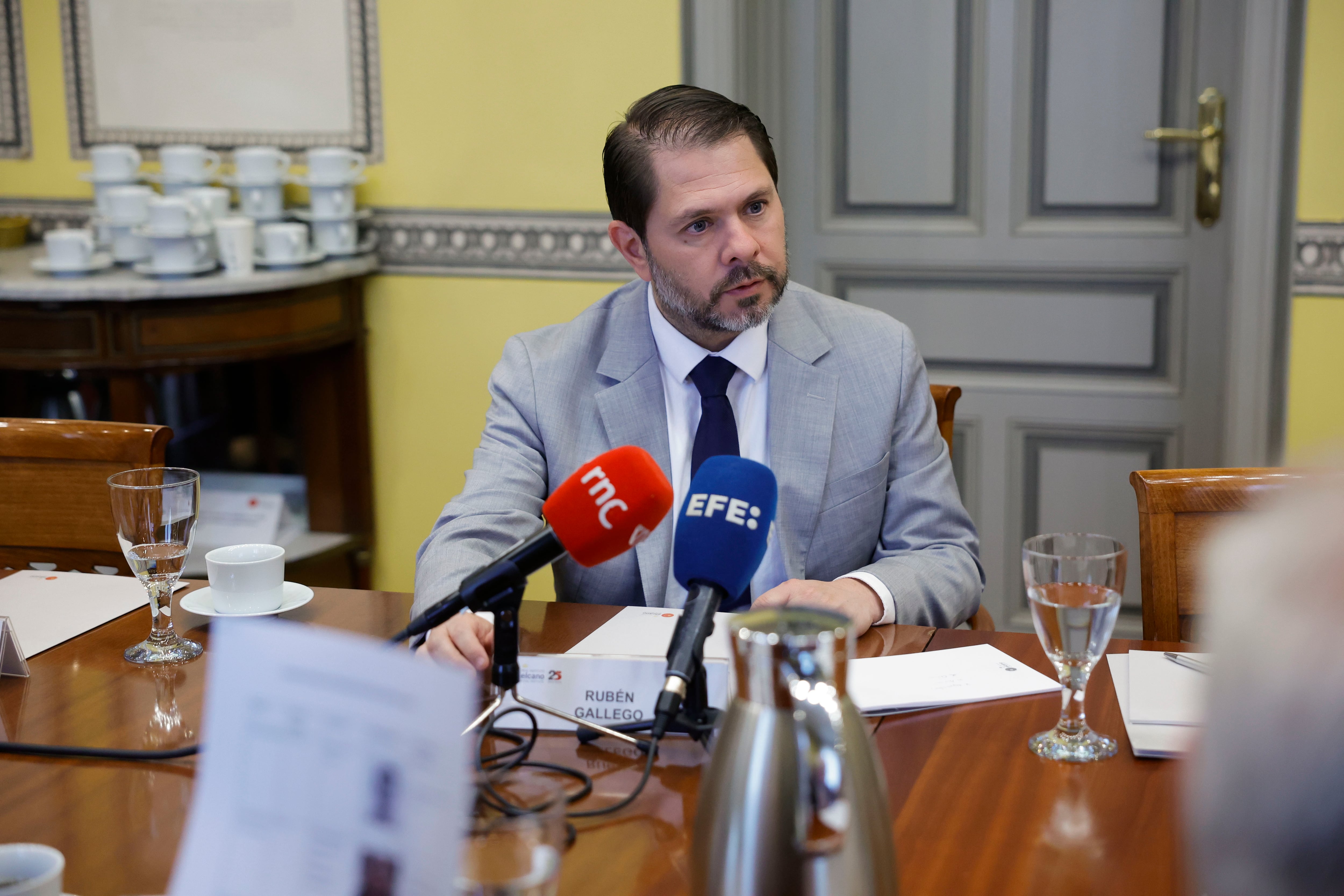
Rubén Gallego, Democratic senator: ‘Marco Rubio is obsessed with Cuba, but it is not a threat to the US’

U.S. Senator Rubén Gallego, an emerging figure in the Democratic Party, says it is highly likely the Donald Trump administration will opt for a new military intervention to force a regime change in Cuba. “Cubans in Florida have a lot of power and the State Secretary, Marco Rubio, is obsessed with the island,” he told reporters on Friday at the Real Instituto Elcano think tank headquarters in Madrid. “But I don’t believe Cuba is a threat to the U.S.; it’s a very poor country of nine million inhabitants,” he added.

Seguir leyendo

© ZIPI (EFE)

Democratic Senator from Arizona Rubén Gallego at the Real Instituto Elcano in Madrid on Friday.
  •  

20260331-MORTADELO Y FILEMON 001-NB007-4K

Manuel Gual posted a photo:

20260331-MORTADELO Y FILEMON 001-NB007-4K

The Forgotten Archive of a Spanish Spy Agency. MORTADELO Y FILEMON

Description:
A cinematic retro espionage collection set in a fictional 1970s Spanish intelligence world, filled with dusty archives, classified files, typewriters, surveillance rooms, laboratories, old telephones, secret maps, dim offices, deserted streets, vintage storefronts, and mysterious objects that suggest abandoned missions, bureaucratic conspiracies, and forgotten undercover operations.

These images were generated by Artificial Intelligence.

  •  

Spaniards work half an hour more per week than the European average, and four more than the Dutch

A waiter carries a tray full of beers in October 2025.

Employees in Spain worked an average of 36.3 hours a week in 2025, according to the latest figures released by Eurostat. That figure keeps Spain above the European average of 35.9 hours and far from the countries where the average working week is shortest. The latter include some of the continent’s most economically advanced states, the opposite of those with the longest hours and with less-developed productive sectors.

Seguir leyendo

  •  

20260331-MORTADELO Y FILEMON 002-NB009-4K

Manuel Gual posted a photo:

20260331-MORTADELO Y FILEMON 002-NB009-4K

The Secret Ministry of Absurd Missions

Description

A cinematic retro spy comedy set in a fictional 1970s Spain, where secret agents, eccentric officials, nervous informants, improvised disguises, dusty archives, smoky offices, street chases, old cinemas, cheap bars, hotel lobbies, public squares, rooftops, laboratories and forgotten government corridors collide in a world of bureaucratic chaos and absurd investigation. The series blends vintage European cinema aesthetics with dark humor, slapstick energy and noir atmosphere: worn suits, red trousers, old telephones, typewriters, paper files, vending machines, battered cars, market stalls, taverns, secret dossiers and strange scientific experiments create a nostalgic but surreal universe. Each scene feels like a lost frame from an imaginary Spanish espionage film, mixing comedy, mystery, action and social satire with warm light, grainy textures, dramatic shadows and wide cinematic framing. The collection suggests a bizarre intelligence agency trapped between outdated technology, comic incompetence and dangerous missions that always seem to spiral out of control.

These images were generated by Artificial Intelligence.

  •  

Ten nights, one stadium: Bad Bunny and the business of residencies

Bad Bunny performing at the Estadi Olímpic in Barcelona on May 22.

Bad Bunny performs today, June 1, at Metropolitano Stadium. He played on May 30 and 31, and will return on June 2, 3, and so on, for a total of 10 shows. In the entertainment industry, this is known as a musical residency — a series of concerts an artist stages in the same venue over a short period of time. There’s no exact number that defines one, but one of the core ideas behind the concept is impact: the more shows, the better.

Seguir leyendo

Bad Bunny’s concert at the Estadi Olímpic in Barcelona on May 22.
  •  

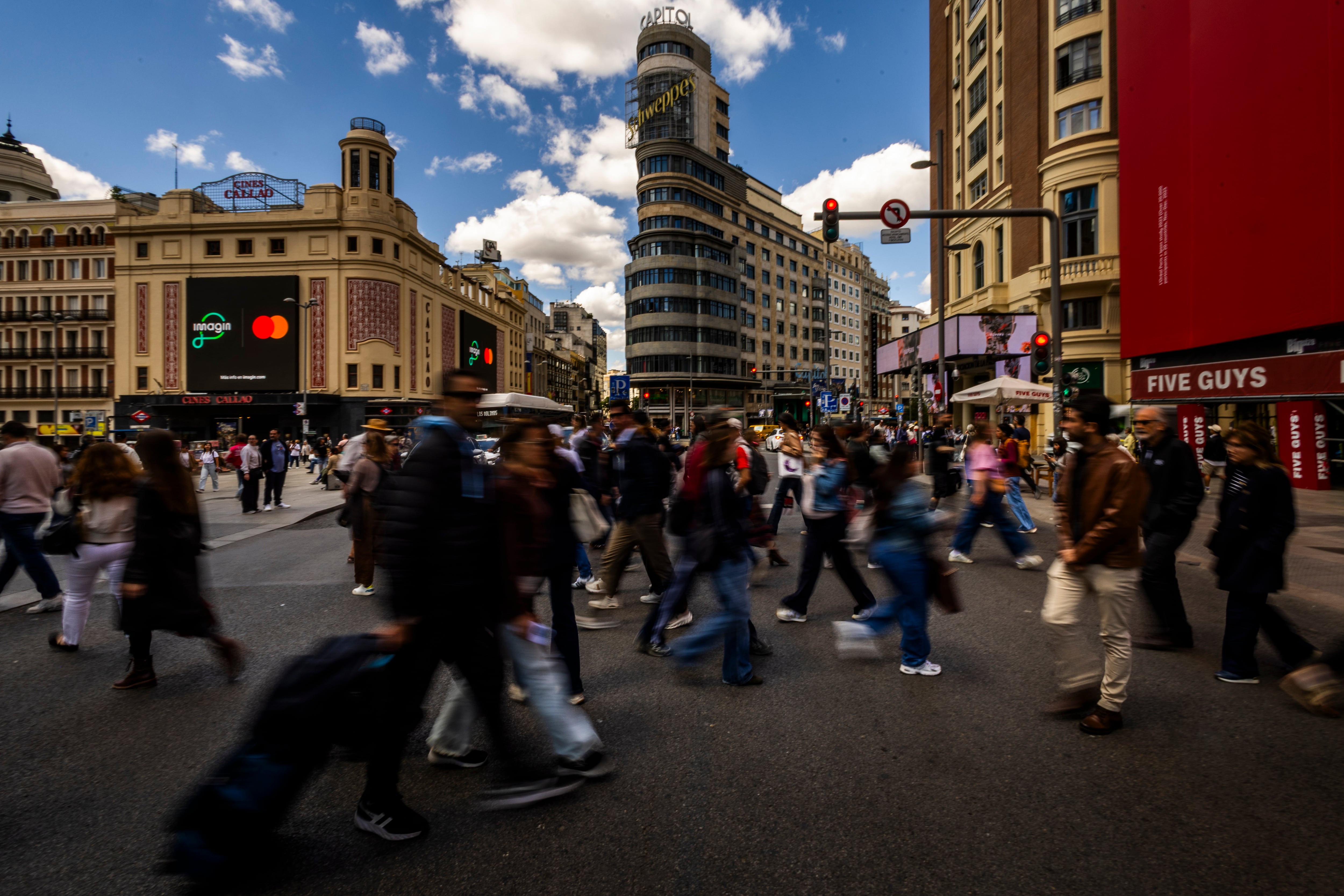
Spain, a country of 50 million people with infrastructure for 40 million: ‘The cracks are starting to show’

At the rate at which Spain’s population has grown in recent years, a country of 50 million inhabitants could soon become a reality. The National Institute of Statistics (INE) is expected to reveal this month, in its 2026-2076 population projections, when it believes this milestone will be reached. According to the 2025 census, Spain surpassed 49.1 million inhabitants last year, but data from the Continuous Population Statistics—which combines census data with quarterly estimates—indicate that Spain already had 49,687,120 inhabitants in April.

Seguir leyendo

© Samuel Sánchez

Crowds of people on Gran Vía in Madrid.
  •  

Spain joins list of more than 30 countries that have banned Polymarket

If Polymarket had opened betting on its platform being blocked in Spain, surely a high percentage of users would have put money on it happening sooner or later. The trickle of countries that have imposed restrictions on the popular application, which makes it possible to win money by guessing the winner of the World Cup — not to mention the declaration of war or the start of a pandemic — continues to grow. Argentina suspended its use in March, while Brazil did so in April, India last week, and Indonesia on Monday. These are but a few examples. Other bans, like those of France and Switzerland, have been around longer, with prohibition in effect since 2024.

Seguir leyendo

© Olga Fedorova (AP)

Polymarket advertisement with the odds on Zohran Mamdani’s November 4 New York City mayoral election.
  •  

The silent change in soccer: From 45-minute halves to four quarters

The first time FIFA announced cooling breaks in World Cup matches, in 2014, the matter ended up in court. Players, worried about the heat and humidity in Brazil, did not trust soccer’s world governing body, which left the decision for each match to the discretion of its medical staff. The players went to a labor court and obtained an order that the pauses would be automatic at the 30th minute of each half if temperatures reached 32 degrees Celsius. Twelve years later, FIFA has mandated three-minute hydration breaks at the 22nd minute of every match at the 2026 World Cup, regardless of temperature or humidity. The move, announced as being for the “well-being of the players,” signals a fundamental change in how the game is played: from two 45-minute halves, as it has been since 1897, to four quarters of roughly 22 minutes.

Seguir leyendo

© Agustin Marcarian (REUTERS)

Chelsea's Pedro Neto and Reece James during a hydration break at the Club World Cup, June 28, 2025.
  •  

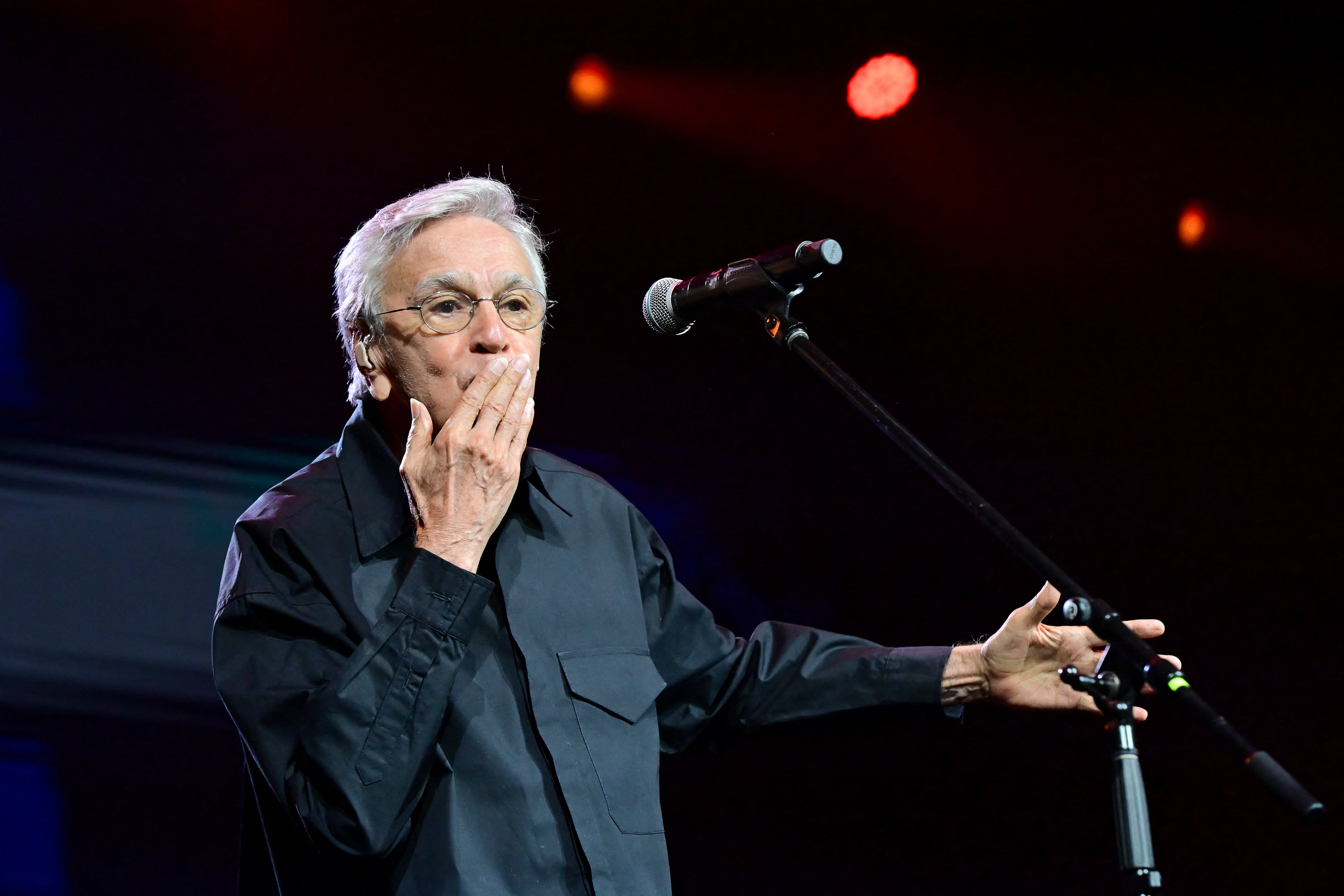
Caetano Veloso: ‘Right now concern predominates within me; Brazil seems unable to save itself’

Caetano Veloso, in a video call from Lisbon, Portugal, speaks slowly with that blend of intellectual clarity and Bahian melancholy that for six decades has turned each of his interviews into something more like a philosophical conversation than a mere promotion of new albums or concerts. At age 83, the celebrated musician from Brazil is embarking on a tour titled Caetano nos festivais, which will stop in Madrid on June 4 and which he himself describes, without drama but with honesty, as perhaps his last visit to Spain. That is despite the close relationship he has always maintained with Spanish culture. There is no monumental nostalgia in his words; rather a physical weariness, a wise resignation, political concern and a bitter — though not yet defeated — view of the present. He speaks, without losing passion, about the military dictatorship his country suffered, about Silicon Valley, The Beatles, contemporary confusion and a Brazil that, in spite of everything, he still believes can “say something to the world.”

Seguir leyendo

© Jota Erre (AGIF via AFP / Europa Press)

Caetano Veloso during a concert in São Paulo, in November 2025.
  •  

Salvador Dalí at art school: A wayward and insolent student expelled for life

A century has passed since the day that forever changed the life of Salvador Dalí: his second dismissal, this one permanent, from the Special School of Drawing, Sculpture and Printmaking at Madrid’s prestigious San Fernando Fine Art Royal Academy. In such a rigid, rule‑bound environment, Dalí felt out of place — and perhaps for that reason, this academic period has been overshadowed in scholarly writing. What dominates the narrative of those years in Madrid — which he described as the happiest of his life— are his escapades and artistic exchanges with Federico García Lorca, Maruja Mallo, and Luis Buñuel, his companions at the Residencia de Estudiantes, a pioneering cultural and academic residence, and a circle of mutual inspiration.

Seguir leyendo

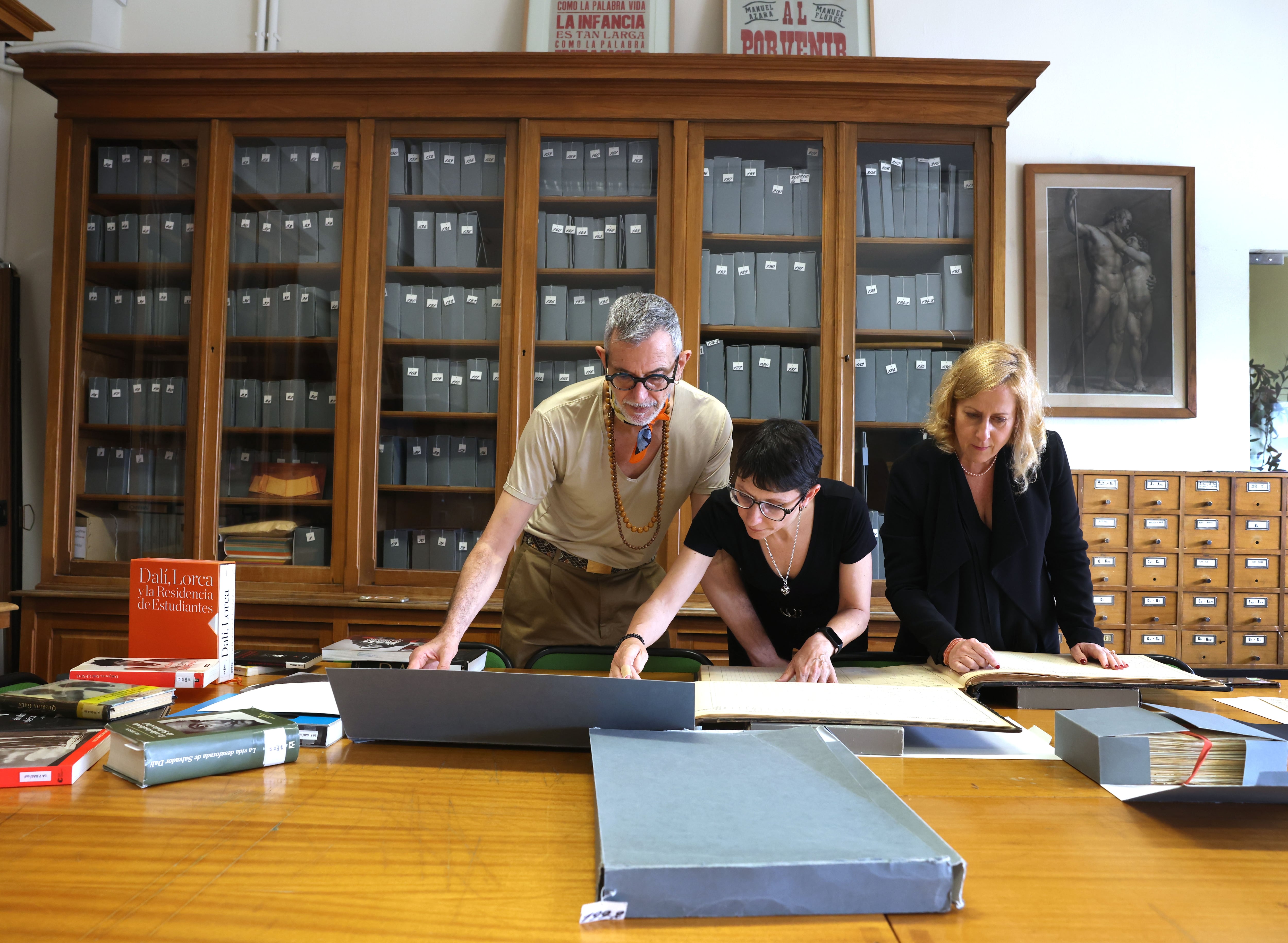
Ana Rocasolano, director of the Complutense University’s general archive holds up several of the Dalí documents in the law department.From left, the UCM fine arts librarians Javier Pérez Iglesias and Laura Bomati and Dean Raquel Monje.

Design:

Ruth Benito

Development:

Fernando Anido

Graphic design:

Inés Arcones

Coordination:

Brenda Valverde Rubio

Featured image:

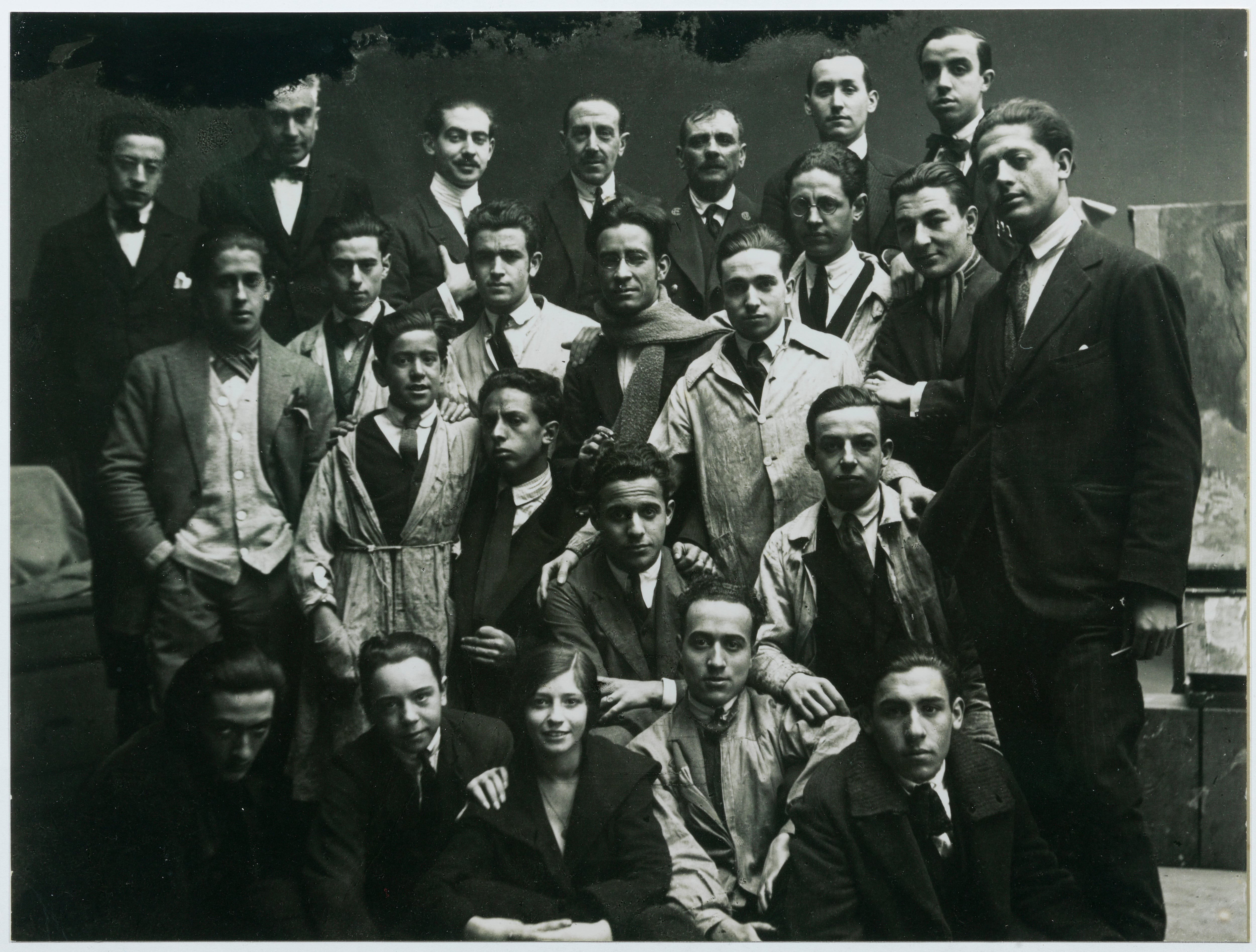
Salvador Dalí and his classmates at the Special School of Painting, Sculpture, and Engraving (Academy of San Fernando). 1922–1923. GALA-SALVADOR DALÍ FOUNDATION

© Museo Nacional del Prado

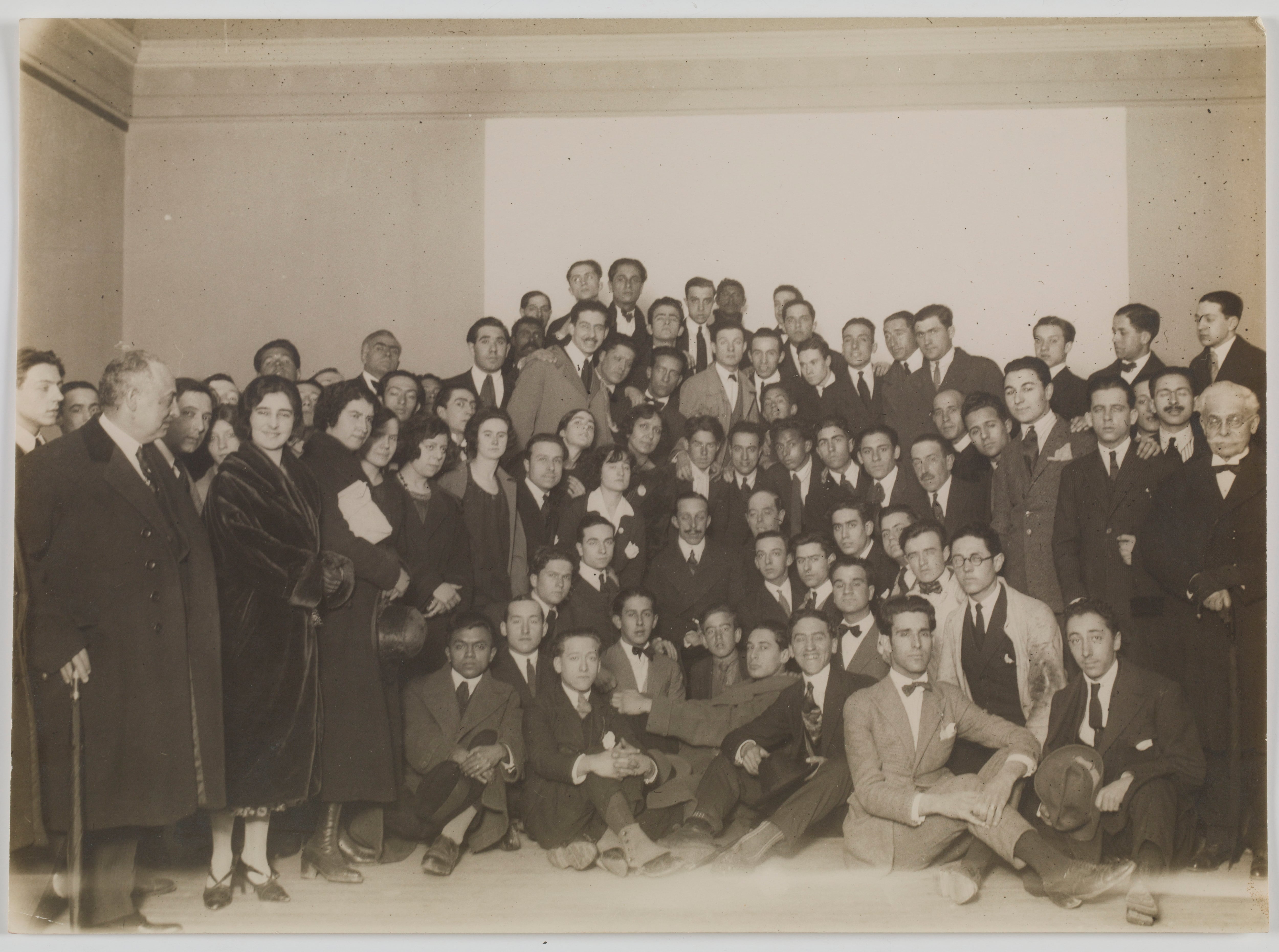
Several artists, including Salvador Dalí and Maruja Mallo, during a visit to the Prado Museum with King Alfonso XIII.

© Archivo Residencia de Estudiantes

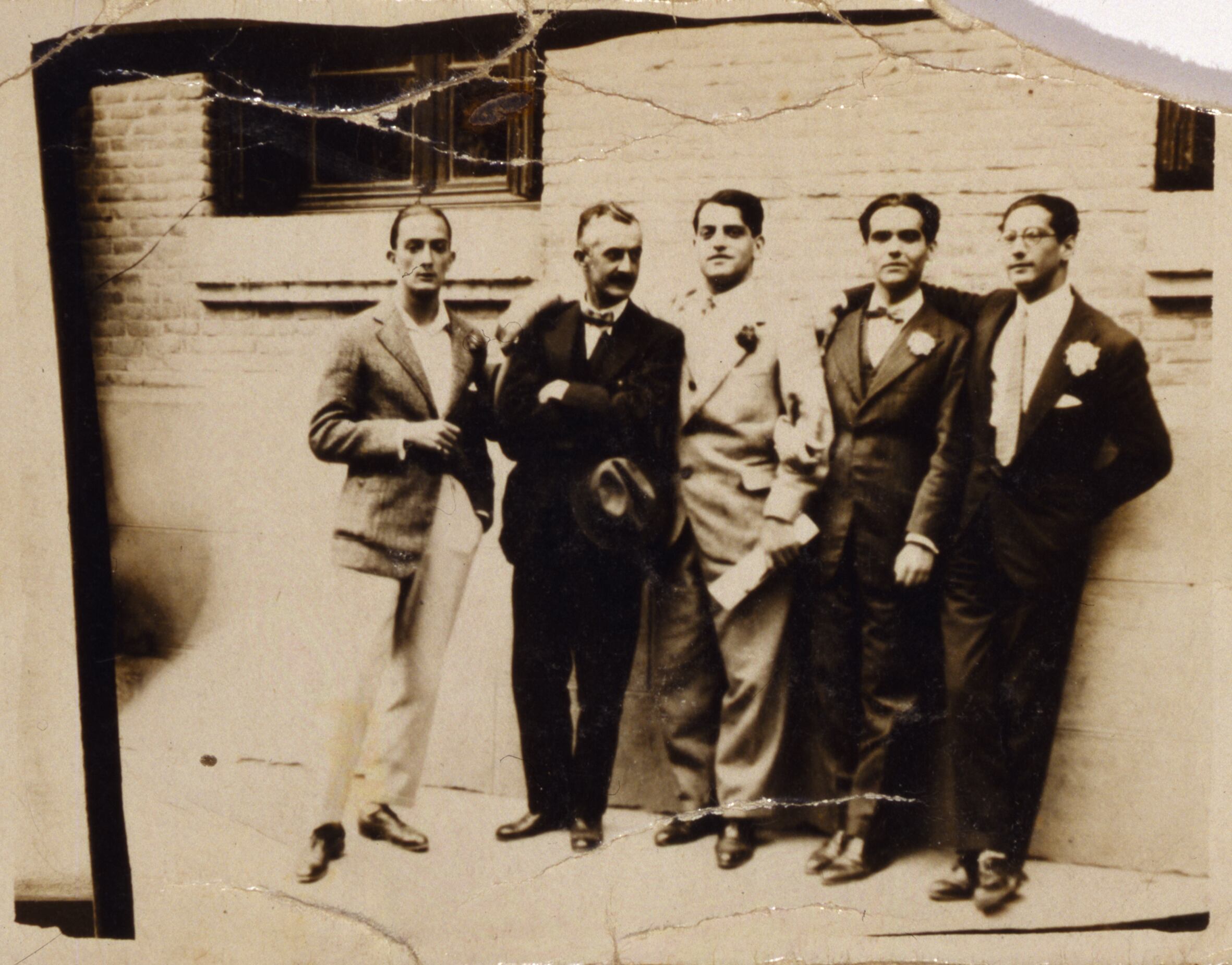
From left to right, Salvador Dalí, José Moreno Villa, Luis Buñuel, Federico García Lorca, and José Antonio Rubio Sacristán in La Bombilla Park (Madrid) in May 1926.

© ARCHIVIO GBB / Alamy Stock Photo (Alamy Stock Photo)

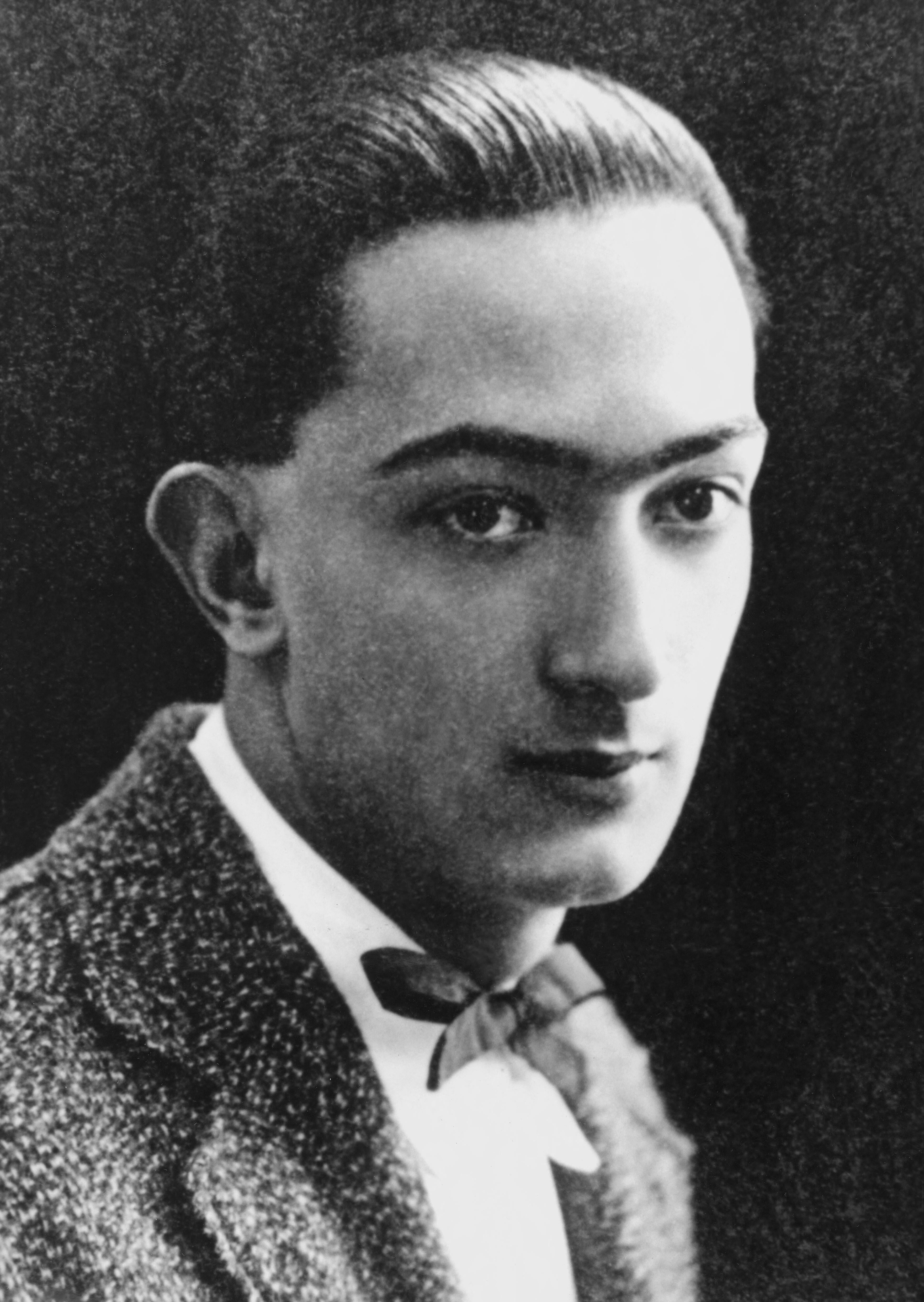
Portrait of Salvador Dalí, dated to the 1920s.

© FUNDACIÓN GALA - SALVADOR DALÍ

Salvador Dalí with his classmates at the Special School of Painting, Sculpture, and Printmaking during the 1922–1923 academic year.

© Juan Vicens (Archivo Residencia de Estudiantes)

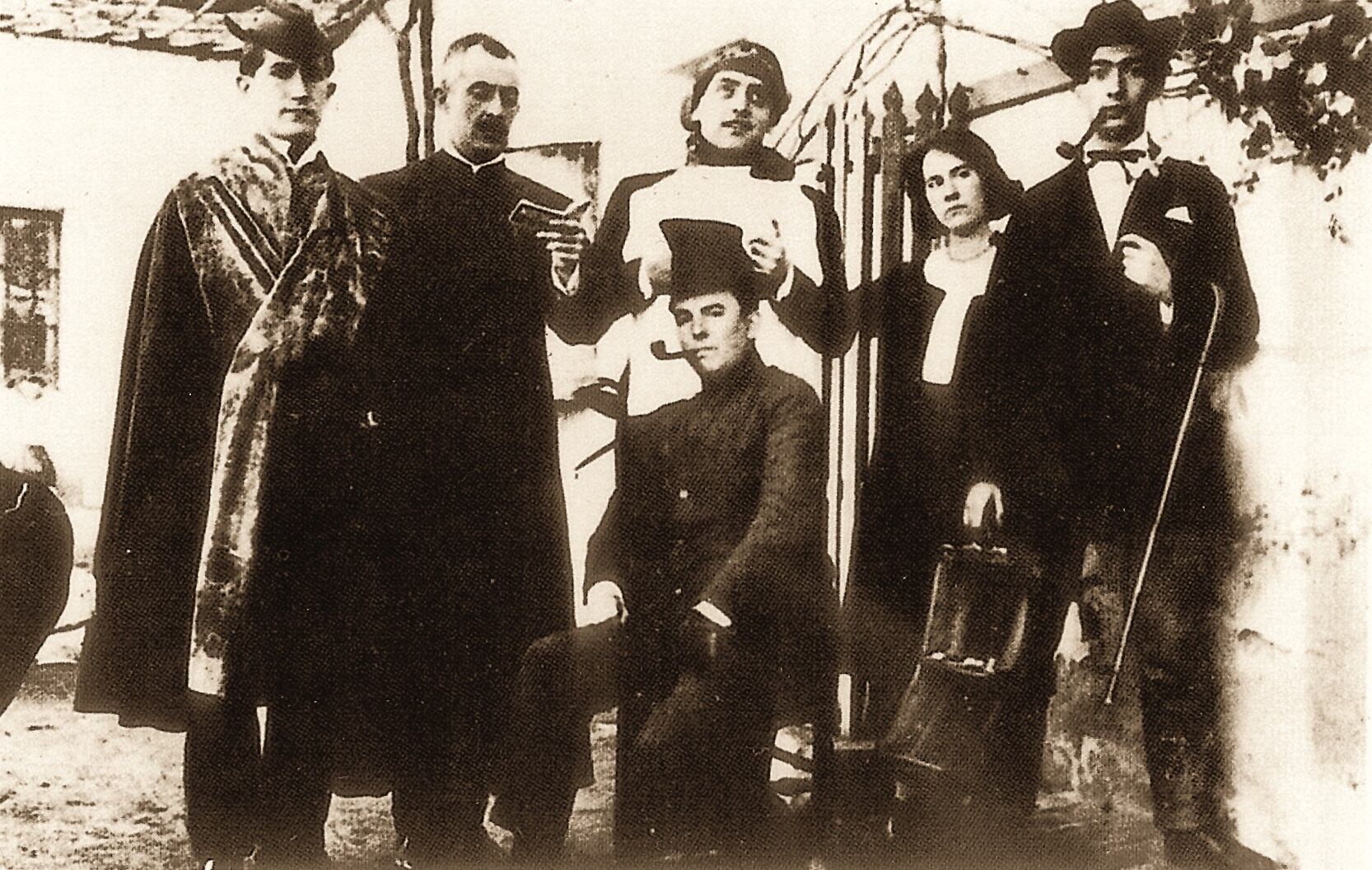
From left to right: José Bello, José Moreno Villa, Luis Buñuel, José María Hinojosa (seated), María Luisa González, and Salvador Dalí at a meeting of the Order of Toledo at the Venta de Aires (Toledo) in 1924.
  •  
❌